We may earn money or products from the companies mentioned in this post. This means if you click on the link and purchase the item, I will receive a small commission at no extra cost to you ... you're just helping re-supply our family's travel fund.
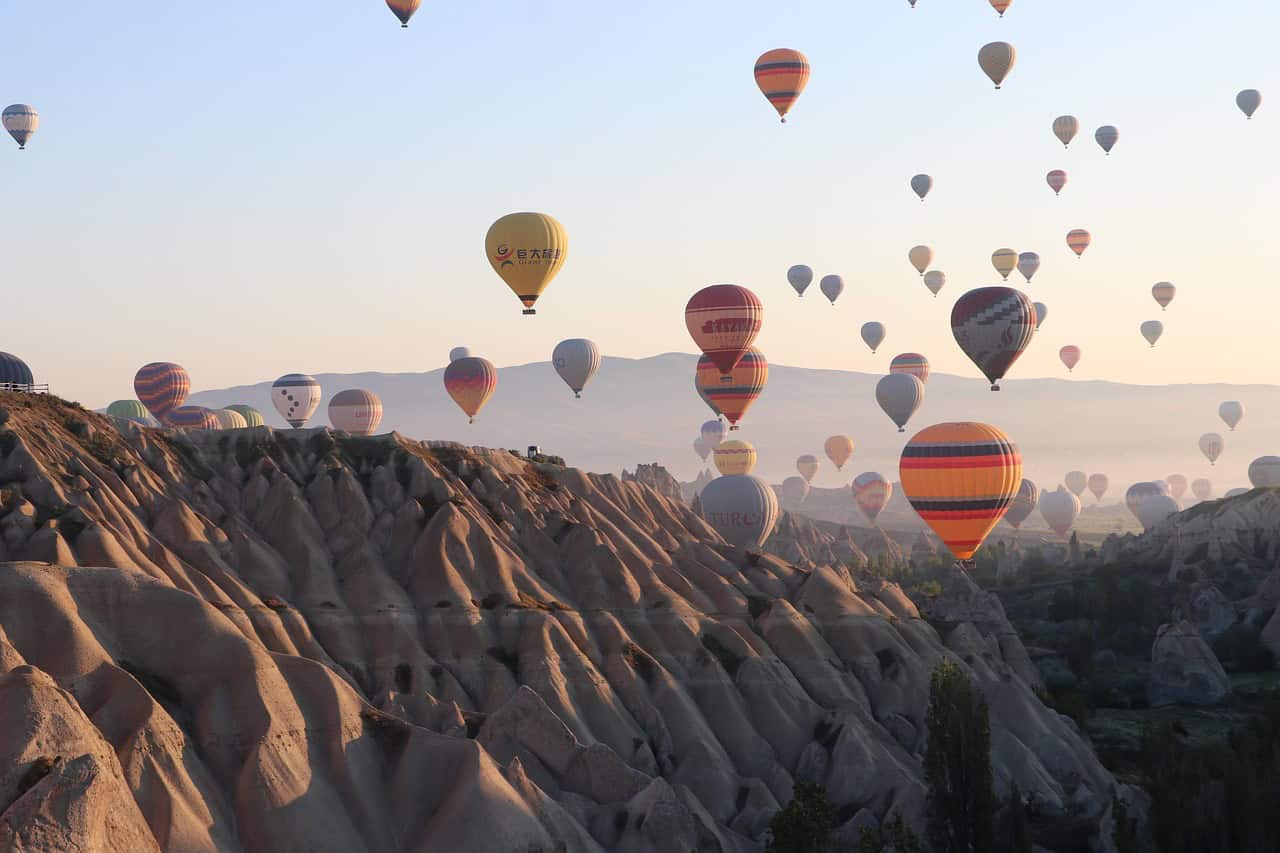
Some journeys go far beyond sightseeing. They test limits, shift perspectives, and stay etched in memory long after the return flight lands. Once-in-a-lifetime adventures are not about luxury or convenience; they are about rare moments that combine nature, culture, and human endurance in ways that can’t be replicated. These experiences often demand time, effort, and courage, but the reward is something priceless stories you’ll carry forever. From remote polar landscapes to ancient pilgrimage routes, the following adventures are globally iconic, deeply immersive, and worth planning your life around at least once.
1. Chasing the Northern Lights in the Arctic
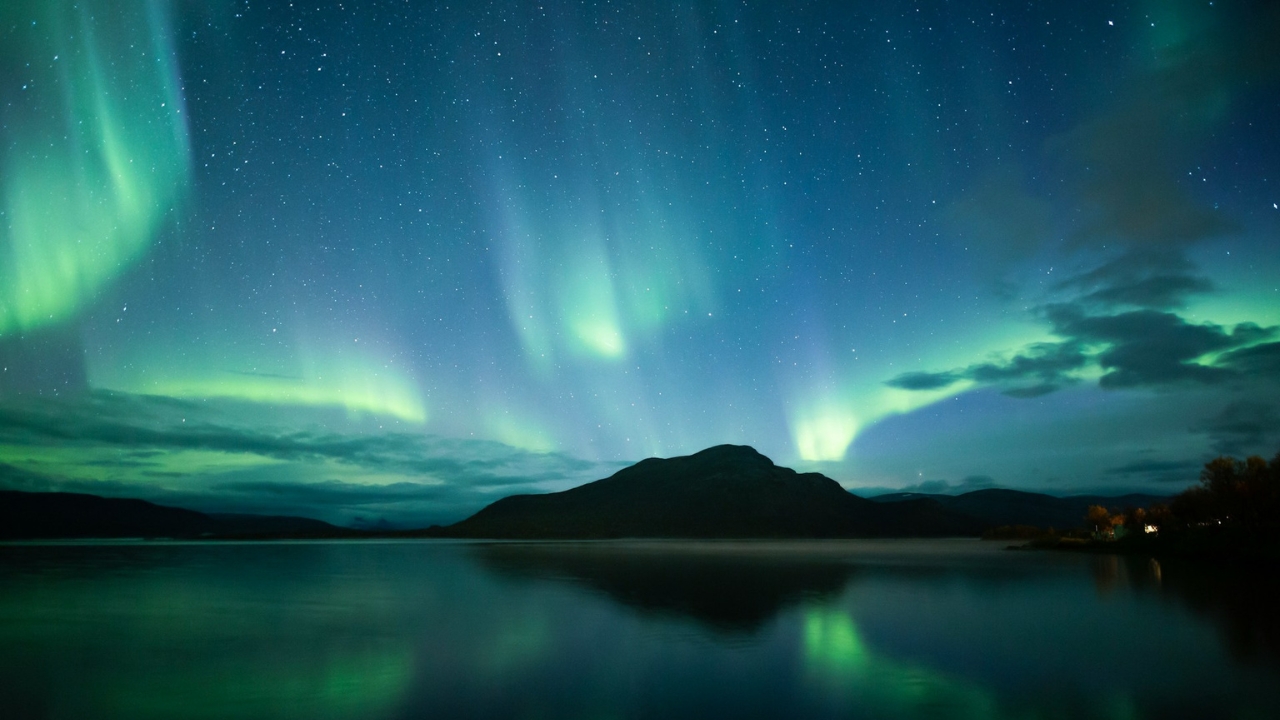
Witnessing the aurora borealis is a blend of patience and wonder. Best seen above 65° latitude, locations like Tromsø or Finnish Lapland offer viewing windows between September and March, with peak activity around solar cycles every 11 years. Temperatures often drop to −15°C, and sightings typically last 5 to 30 minutes per burst. On strong geomagnetic nights, light waves stretch across the sky for hours. With visibility rates averaging 60–70% on clear nights, this natural phenomenon feels intimate, silent, and profoundly humbling.
2. Gorilla Trekking in Rwanda or Uganda
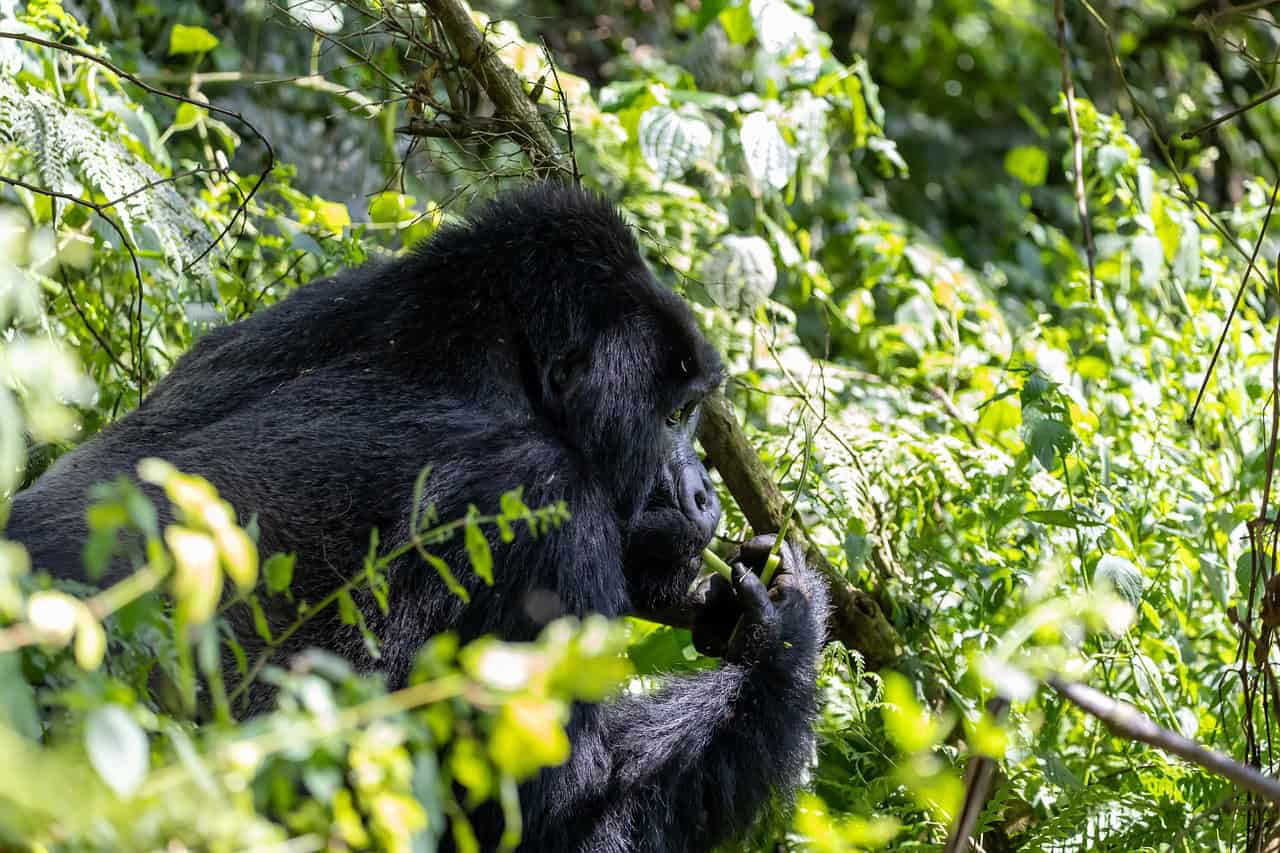
Gorilla trekking places you within meters of one of Earth’s rarest mammals. Fewer than 1,100 mountain gorillas remain globally, protected in parks like Volcanoes National Park. Treks range from 2 to 6 hours at elevations of 2,400–4,000 meters. Groups are limited to 8 visitors per family, and viewing time is capped at 60 minutes to reduce stress. The experience is physically demanding, emotionally intense, and unforgettable, offering a rare glimpse into complex social behaviors almost identical to our own.
3. Hot Air Ballooning Over Cappadocia
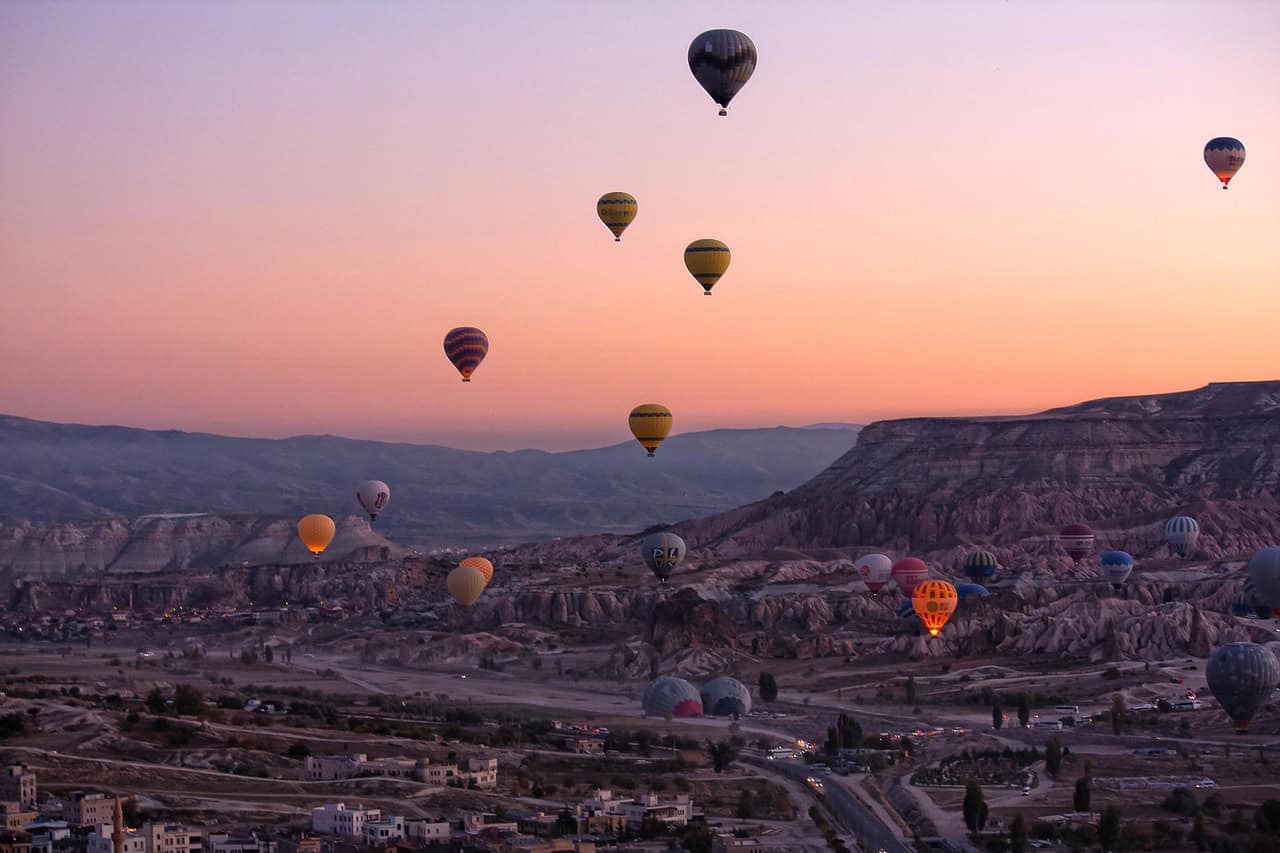
Cappadocia’s balloon flights lift off just before sunrise, floating at heights of 500 to 3,000 feet above volcanic valleys shaped over 60 million years. Flights last roughly 60–75 minutes, with up to 150 balloons airborne on peak mornings. Wind speeds must remain under 11 km/h for safety, making launches weather-dependent. As fairy chimneys glow beneath shifting light, the experience feels weightless and surreal. With over 250 flight days annually, it remains one of the world’s most visually striking aerial adventures.
4. Diving the Great Barrier Reef

Stretching over 2,300 kilometers, the Great Barrier Reef is visible from space and hosts more than 1,500 fish species. Water temperatures average 24–29°C, with visibility often exceeding 30 meters. Popular dive depths range between 5 and 25 meters, making it accessible for certified beginners. Despite coral loss estimated at 50% since 1995, thriving sections remain astonishing. Encounters with turtles, rays, and reef sharks are common, turning each dive into a living, breathing underwater expedition unlike any other.
5. Trekking to Everest Base Camp
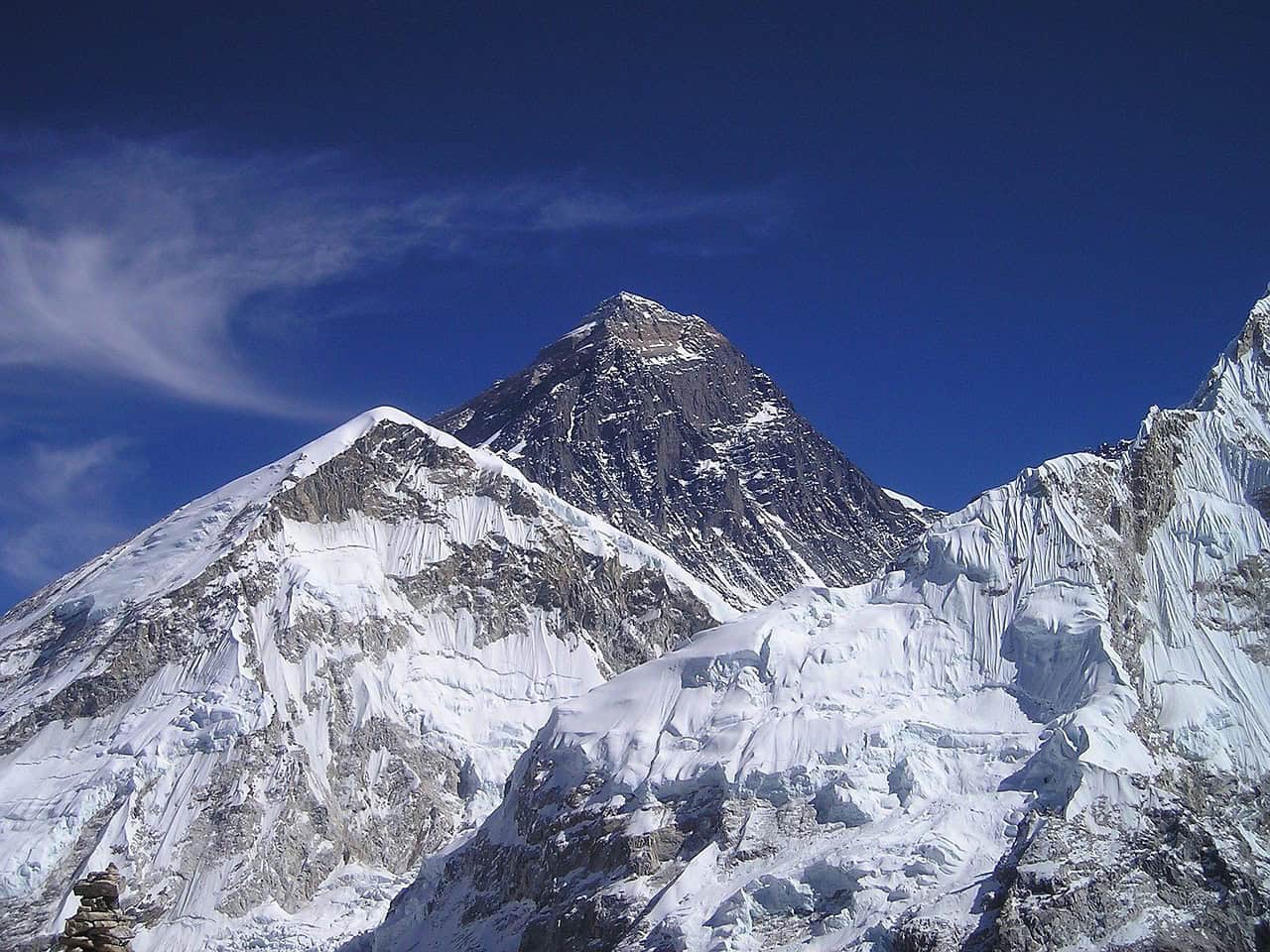
The Everest Base Camp trek covers approximately 130 kilometers round-trip, typically completed in 12–14 days. Starting at 2,860 meters in Lukla, trekkers ascend gradually to 5,364 meters, where oxygen levels drop to nearly 50% of sea level. Daily walking distances average 6–10 kilometers. Along the way, monasteries, prayer flags, and glacial valleys define the landscape. While no climbing is involved, altitude sickness affects nearly 40% of trekkers, making acclimatization both essential and transformative.
6. Experiencing the Great Migration Safari
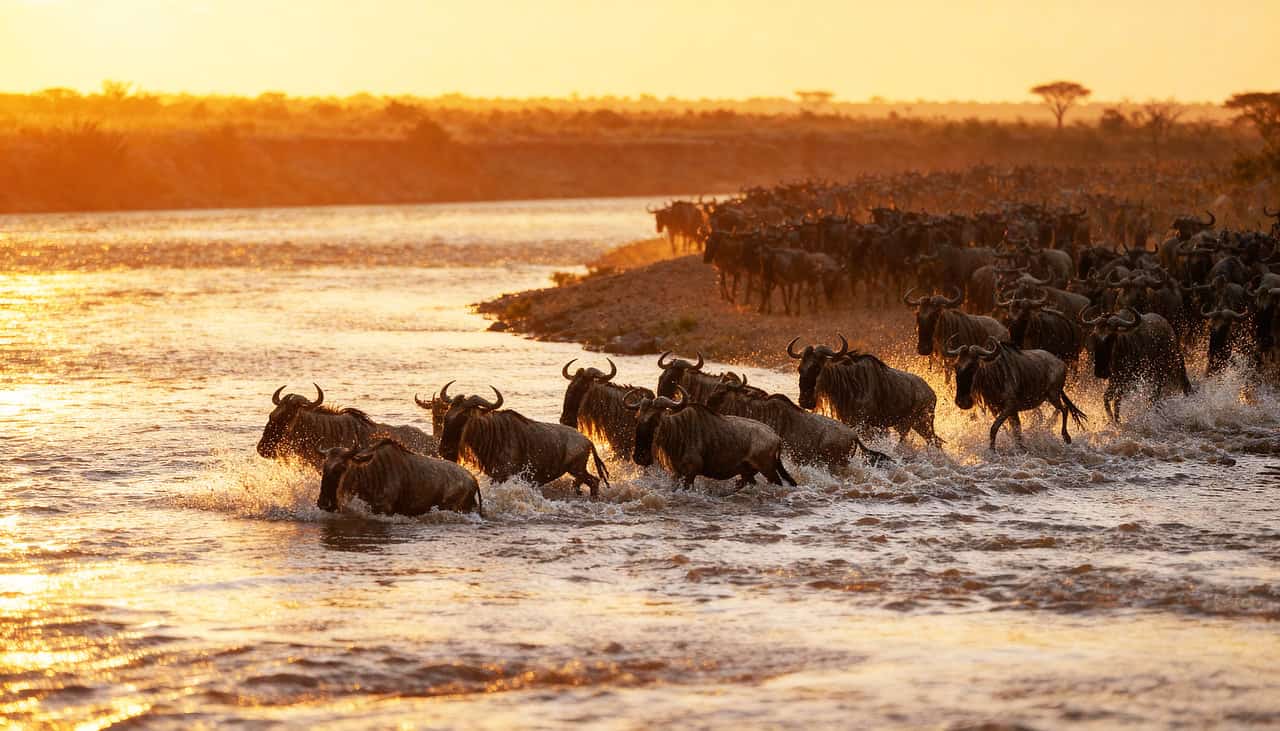
The Great Migration involves over 1.5 million wildebeest, 200,000 zebras, and thousands of predators moving across 800 kilometers between Tanzania and Kenya annually. River crossings peak between July and September, often lasting only minutes but carrying immense danger. Crocodiles exceeding 5 meters in length wait below, while lions track from shore. Daily herd movement can exceed 15 kilometers. This raw, unscripted display of survival is considered the largest land migration on Earth and one of nature’s greatest spectacles.
7. Sailing to Antarctica
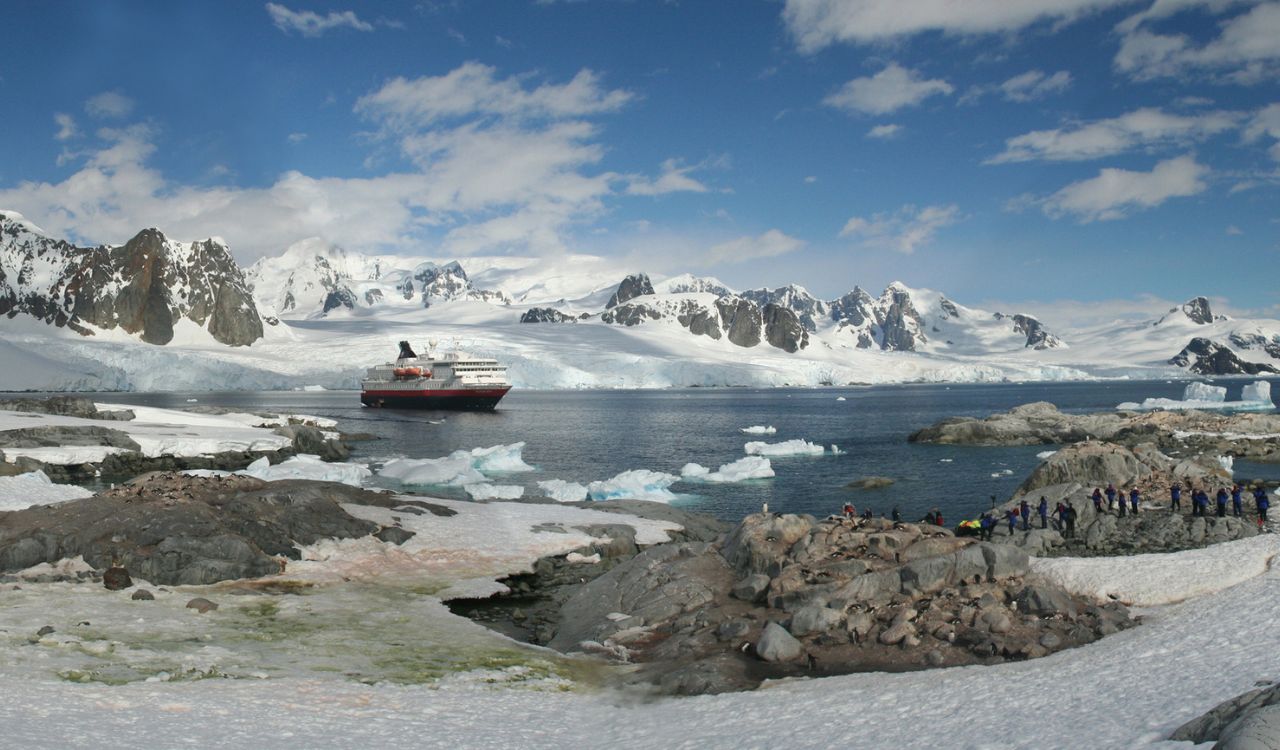
Antarctica is visited by fewer than 100,000 travelers per year, with most expeditions lasting 10–14 days. Ships cross the Drake Passage, where waves can exceed 10 meters. Temperatures range from −2°C to 8°C during summer months. Visitors encounter icebergs taller than skyscrapers, penguin colonies numbering in the thousands, and whales spanning over 20 meters in length. Strict regulations limit landings to 100 people at a time, preserving the continent’s pristine, otherworldly isolation.
8. Walking the Camino de Santiago
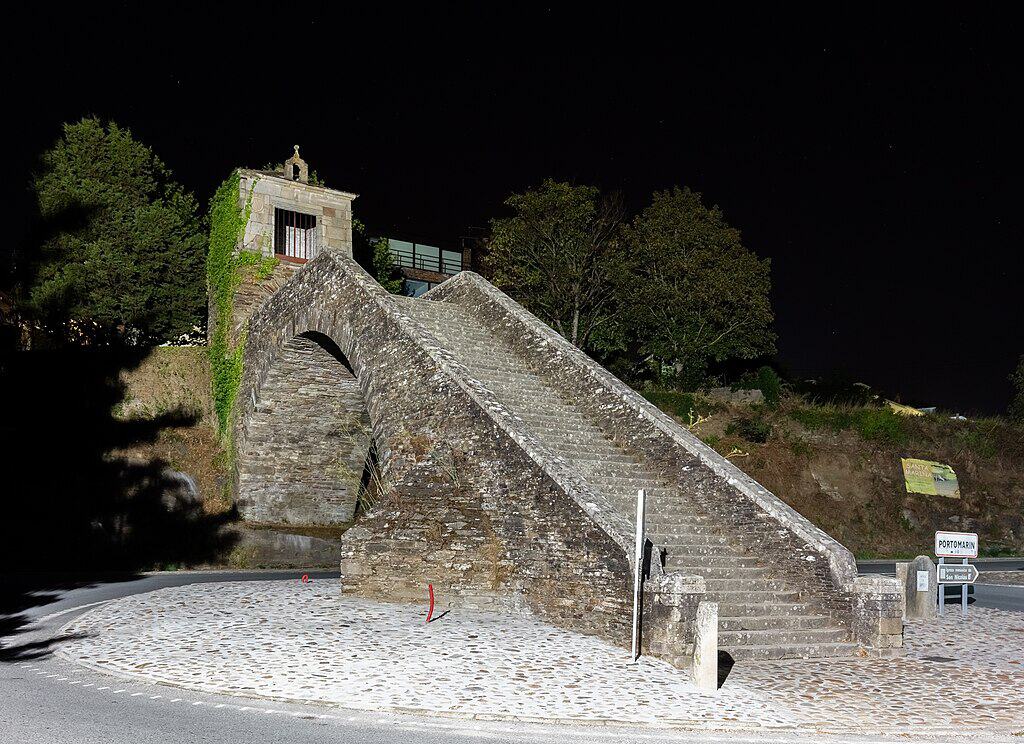
The Camino de Santiago spans multiple routes, with the French Way covering approximately 780 kilometers across northern Spain. Most pilgrims walk 20–25 kilometers per day, completing the journey in 30–35 days. Each year, over 400,000 people earn the Compostela certificate by walking at least 100 kilometers. Accommodation costs remain minimal, and elevation gains are moderate, peaking at 1,505 meters. Beyond physical endurance, the Camino offers reflection, simplicity, and a rare sense of shared human purpose.
9. Paragliding in the Swiss Alps
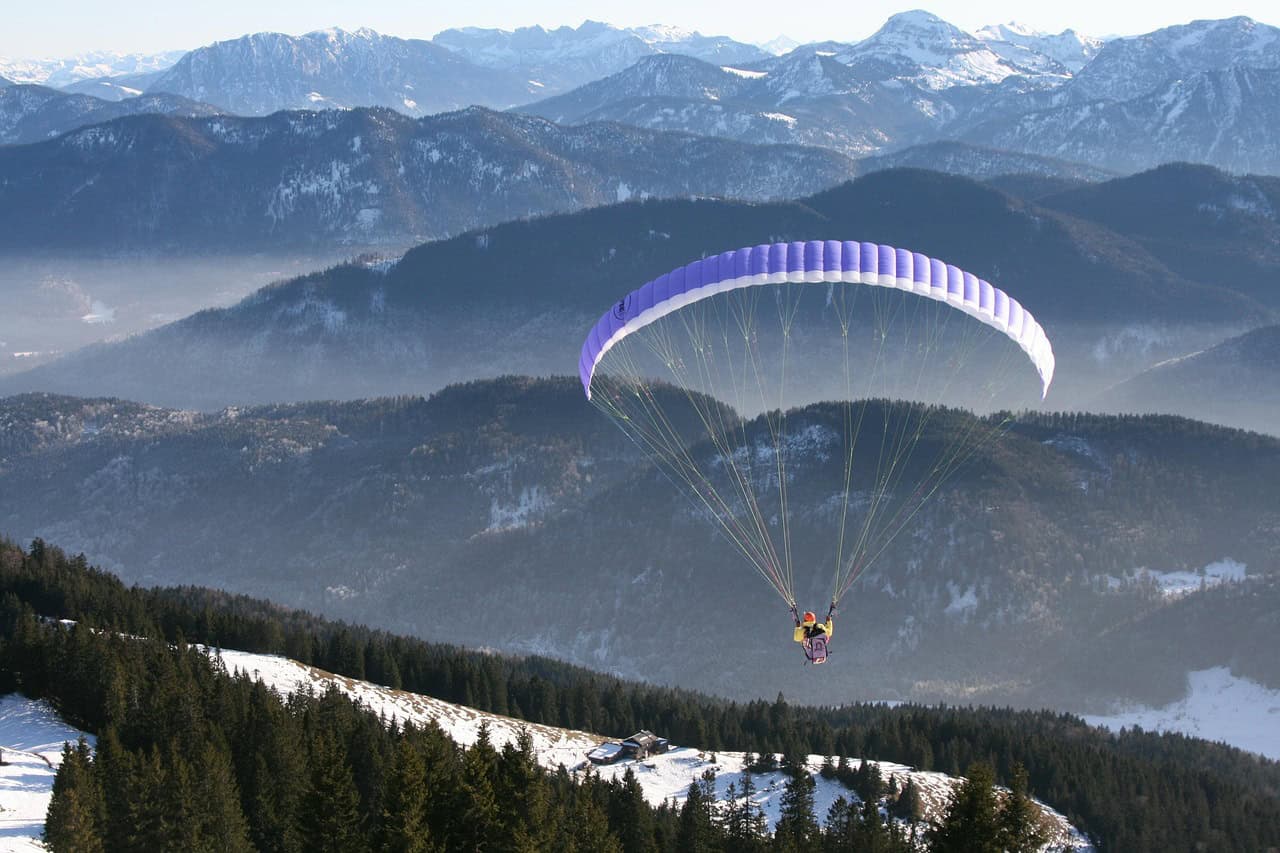
Paragliding in the Swiss Alps offers flights from launch points between 1,200 and 2,400 meters above sea level. Typical airtime ranges from 15 to 45 minutes, depending on thermal conditions. Speeds average 35–40 km/h, with panoramic views stretching across alpine lakes and snow-covered peaks. Tandem flights require minimal training, making the experience accessible to first-timers. With visibility often exceeding 100 kilometers on clear days, flying here feels both exhilarating and surprisingly serene.
10. Sleeping Under the Stars in the Sahara
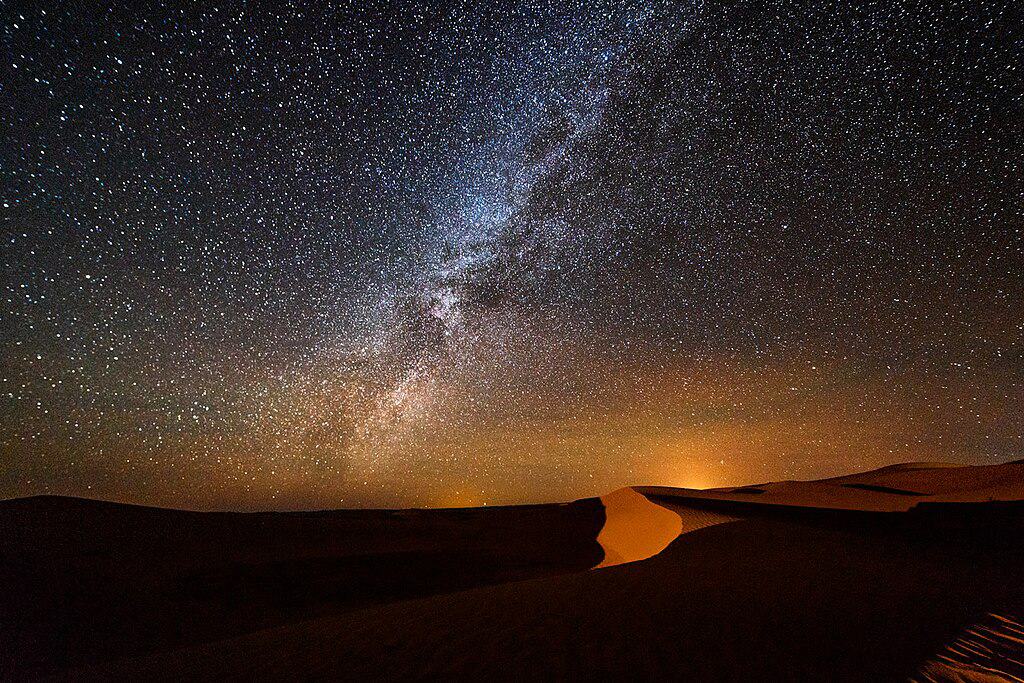
The Sahara Desert spans over 9 million square kilometers, with dunes rising as high as 180 meters in regions like Erg Chebbi. Night temperatures can drop from daytime highs of 45°C to under 10°C. Far from artificial light, star visibility exceeds 4,000 naked-eye stars. Traditional camps host fewer than 20 guests, ensuring silence and immersion. Sitting beside a fire as the Milky Way stretches overhead delivers a timeless experience rooted in humanity’s earliest connection to the night sky.