We may earn money or products from the companies mentioned in this post. This means if you click on the link and purchase the item, I will receive a small commission at no extra cost to you ... you're just helping re-supply our family's travel fund.

Airports run on patterns, quiet systems built around predictability and flow. Most passengers move through security without thinking twice, but small, ordinary actions can shift that experience quickly. What feels harmless in the moment can register as unusual when viewed through scanners and trained observation. Packing choices, body language, and even timing all play a role. These details rarely feel important while traveling, yet they can turn a routine check into a slower, more deliberate process that draws added attention.
Wearing Oversized Or Layered Clothing

Bulky jackets, hoodies, or multiple layers can make it harder for scanners to read the body clearly, which often leads to extra screening. Security systems rely on clean outlines, and excess fabric creates visual gaps that need to be resolved. Even when worn for comfort or weather, thick layers can trigger additional checks like pat-downs or secondary scans. It is not about suspicion as much as clarity. When the image is unclear, officers step in to verify, and that extra step adds time and attention.
Frequently Checking Or Rearranging Bags
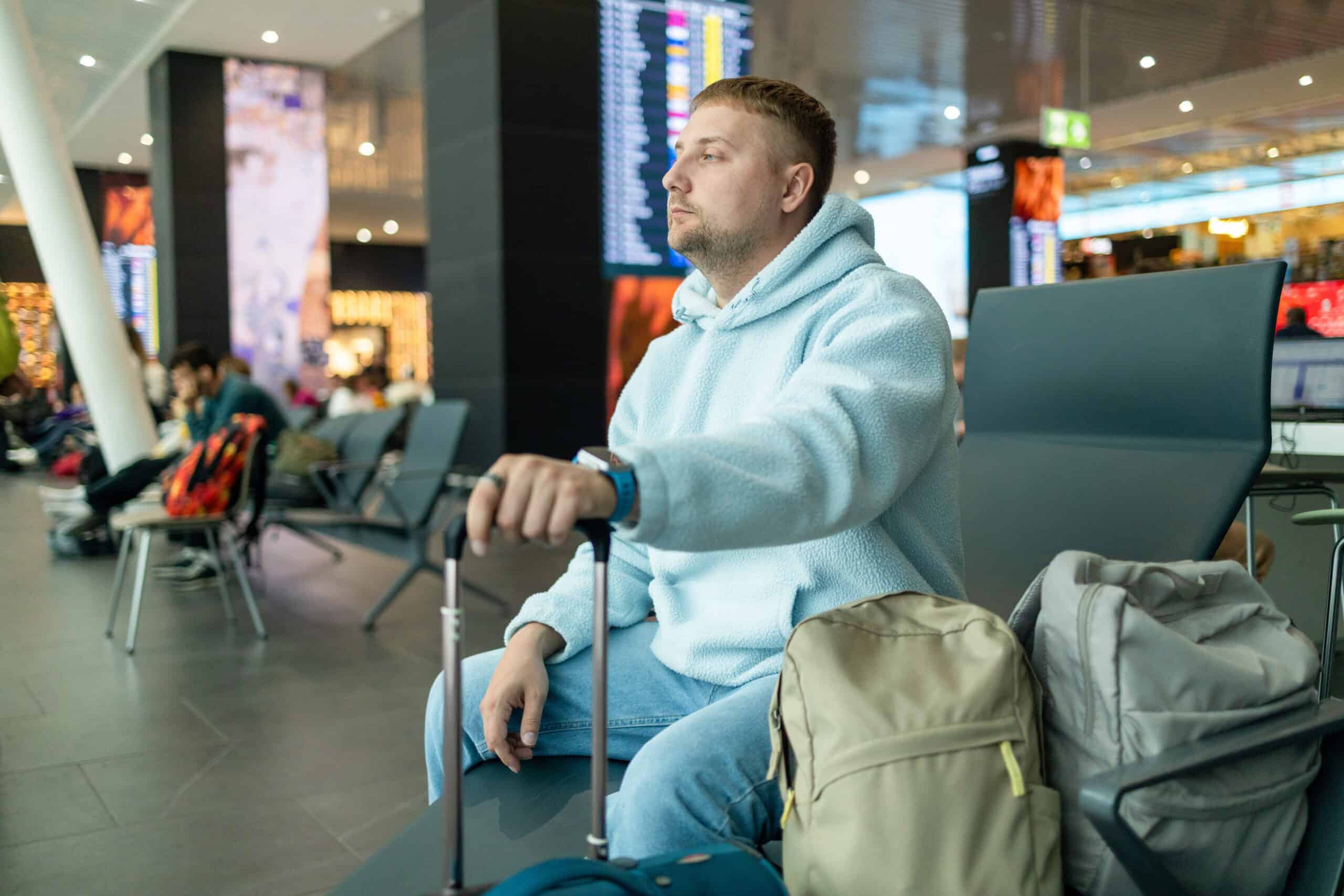
Repeatedly opening or adjusting bags in line can quietly draw attention, even when the intention is harmless. Security staff are trained to notice patterns, and constant movement stands out against the steady flow of passengers. It can suggest uncertainty about what is packed or create the impression that items are being shifted. Most travelers are simply double-checking essentials, but the behavior itself can look irregular. Keeping movements minimal and deliberate helps maintain a smoother and more predictable screening process.
Carrying Too Many Electronics
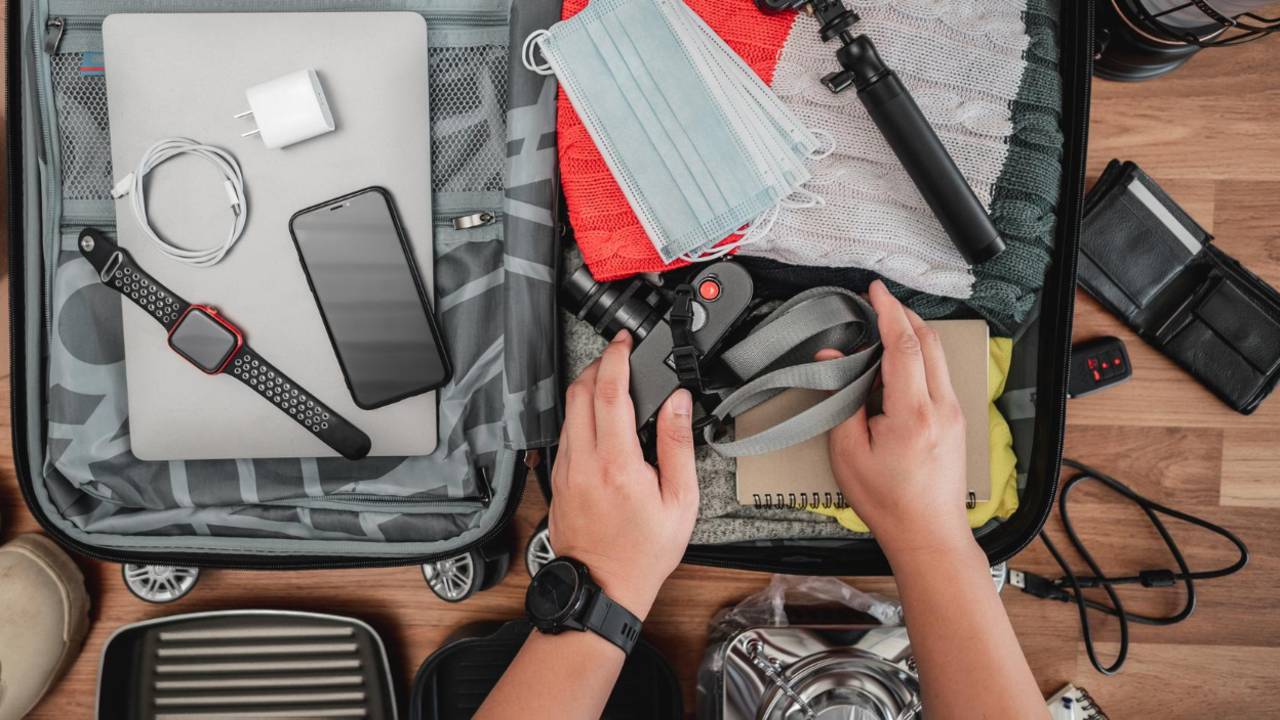
Laptops, tablets, cameras, and chargers are common, but carrying several at once can complicate screening. Electronics often need to be removed and scanned separately, and dense clusters of wires or batteries can obscure images on X-ray machines. When the view is unclear, bags are pulled aside for manual inspection. It is a practical issue rather than a suspicious one, yet it still slows things down. Travelers with multiple devices often face extra steps simply because the equipment makes scanning less precise.
Avoiding Eye Contact Or Acting Overly Nervous
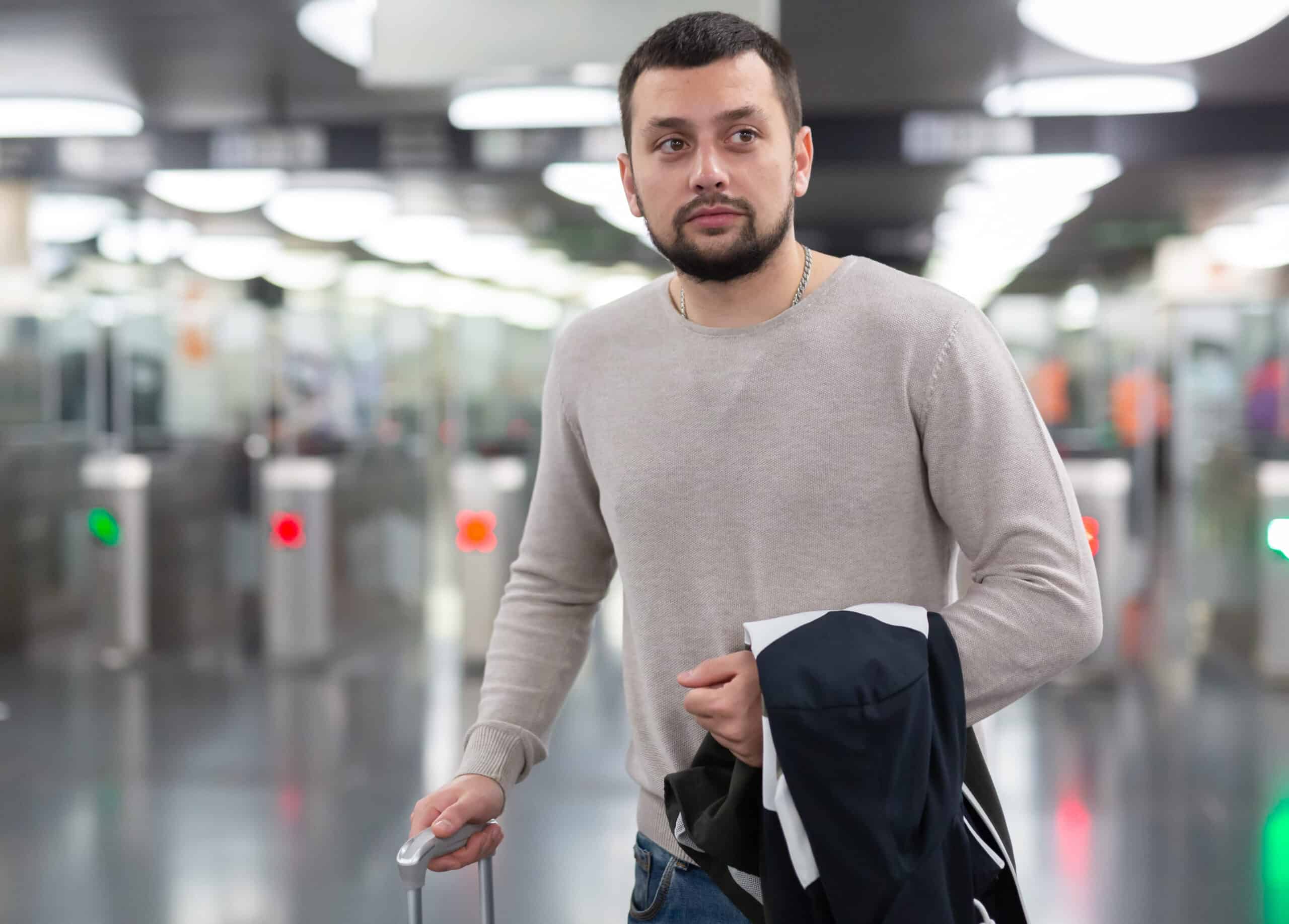
Airports can make anyone uneasy, but visible anxiety combined with unusual behavior can stand out. Avoiding eye contact, fidgeting, or appearing overly tense may draw attention from officers observing passenger behavior. Nervousness alone is common, but when paired with hesitation or inconsistent movement, it can prompt additional screening. Security relies as much on patterns as it does on technology. When behavior breaks from the norm, even slightly, it can lead to a closer look to ensure everything checks out.
Packing Bags Too Tightly Or Messily

An overpacked or disorganized bag can make even simple items look unclear on a scanner. When objects overlap densely, the X-ray image becomes harder to interpret, which often leads to manual inspection. It is not about what is inside, but how it appears. A cluttered bag forces officers to take a closer look to confirm nothing is hidden within the layers. Neatly arranged items, with some spacing, create clearer images and reduce the chance of delays during the screening process.
Carrying Unusual Food Items

Certain foods can appear ambiguous during screening, especially dense spreads, powders, or homemade items. Things like peanut butter, sauces, or protein powder can resemble restricted substances on scanners, which leads to additional checks. Even though they are everyday items, their texture and density can create uncertainty. Officers are required to resolve that uncertainty before allowing them through. What seems like a simple snack choice can turn into a short delay as the item is inspected or tested.
Wearing Excessive Metal Accessories
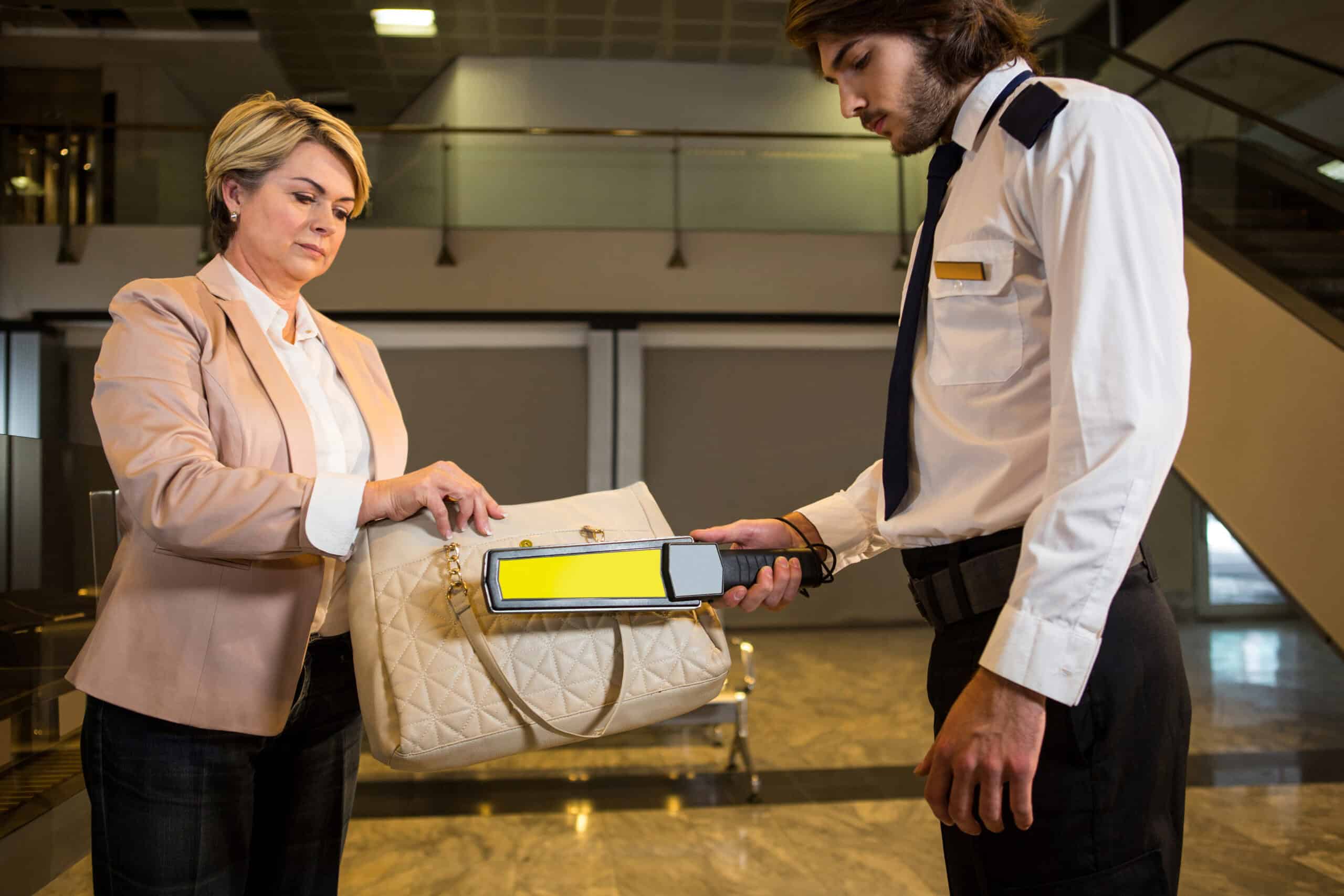
/Freepik
Jewelry, watches, belts, and other metal accessories can easily trigger alarms if worn in excess. Even small items can add up when combined, setting off detectors and requiring secondary screening. Removing them ahead of time helps, but many travelers forget until the last moment. Security systems are sensitive by design, and they respond to even minor metal presence. The result is usually harmless, but it adds an extra step that slows the process and brings more attention to the passenger.
Arriving At The Last Minute
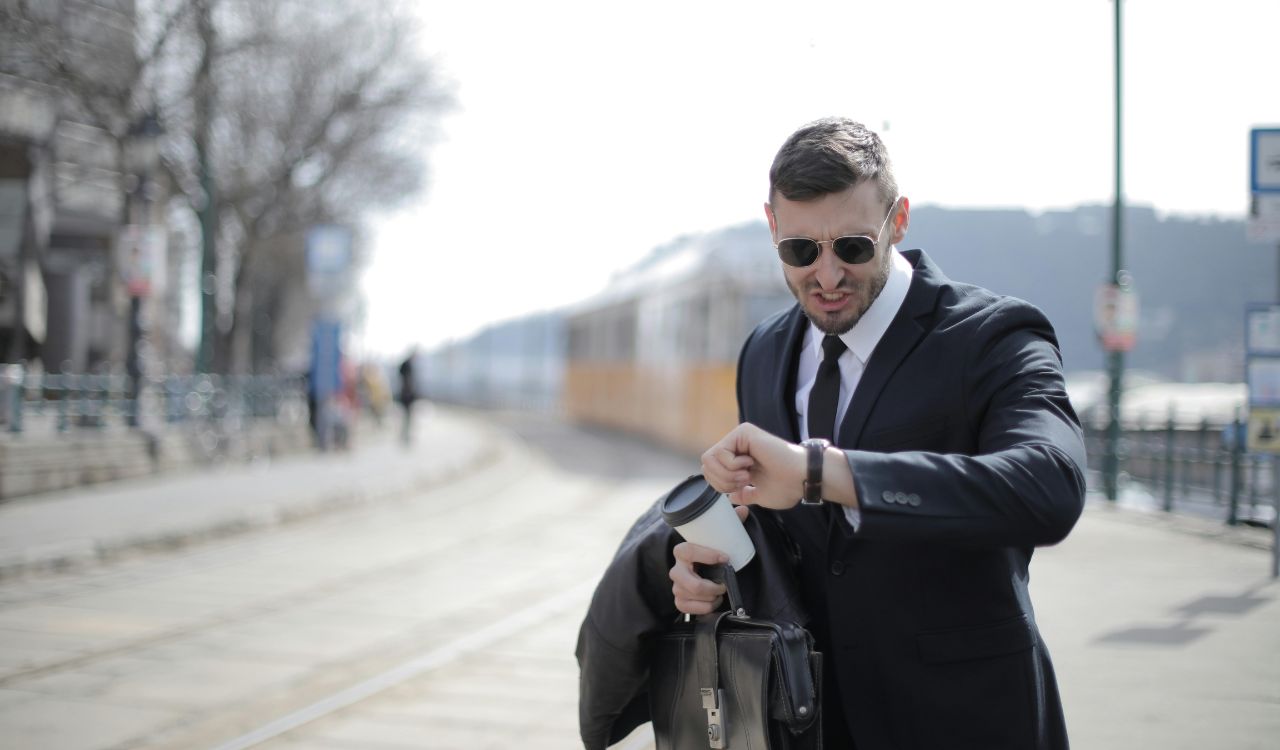
Rushing through security changes behavior in noticeable ways. Quick movements, visible stress, and skipped steps can stand out to officers monitoring the flow. Late arrivals are also more likely to forget standard procedures, like removing items or preparing documents, which leads to delays. It is not the timing alone, but how it affects behavior. A rushed passenger often appears less predictable, and that break in rhythm can prompt closer observation during screening.
Carrying Large Amounts Of Cash
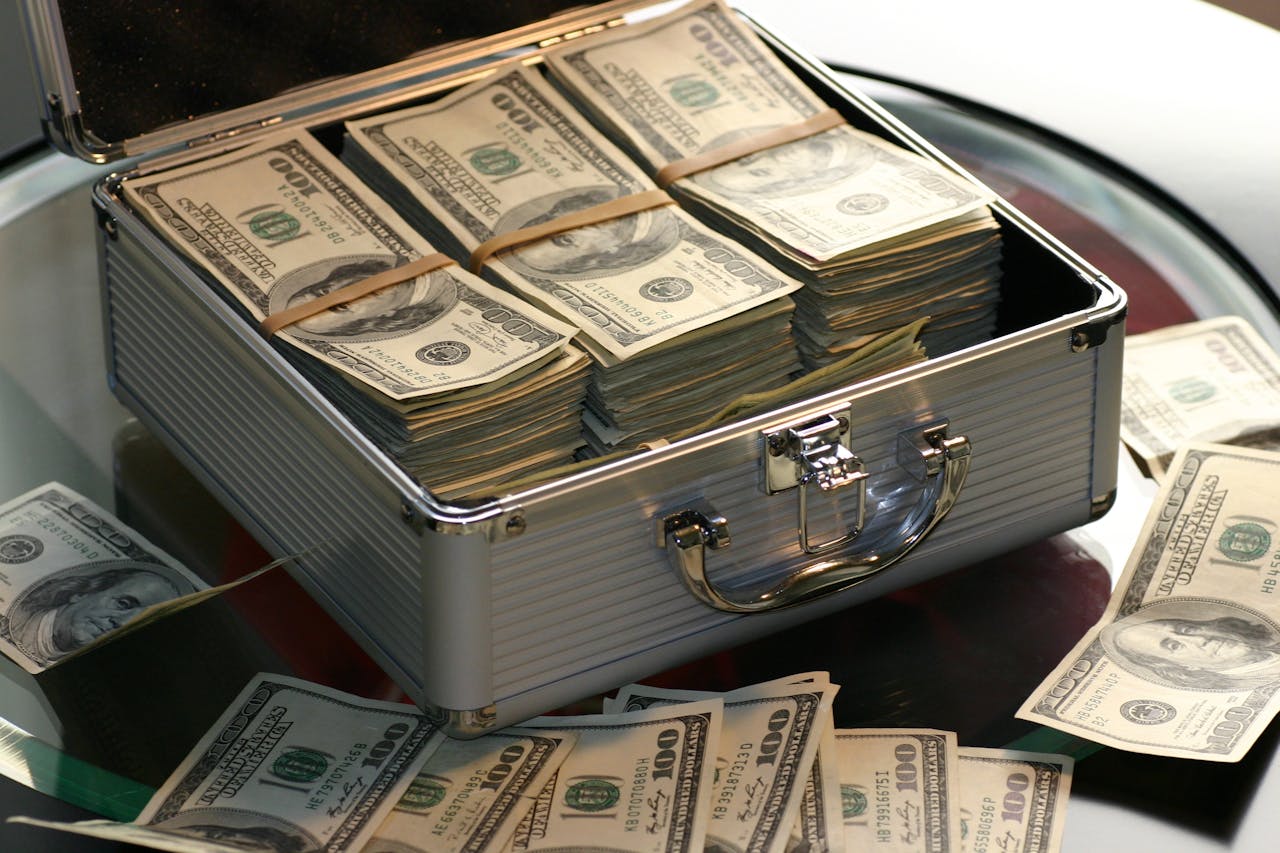
Traveling with a significant amount of cash is not illegal, but it can lead to additional questions or checks. Security officers may want to understand the purpose, especially if the amount seems unusual for the journey. Cash can also appear dense on scanners, which adds another layer of inspection. The situation is usually resolved quickly, but it still shifts a routine process into something more detailed. Clear organization and awareness of regulations help avoid unnecessary complications.
Forgetting To Remove Restricted Items
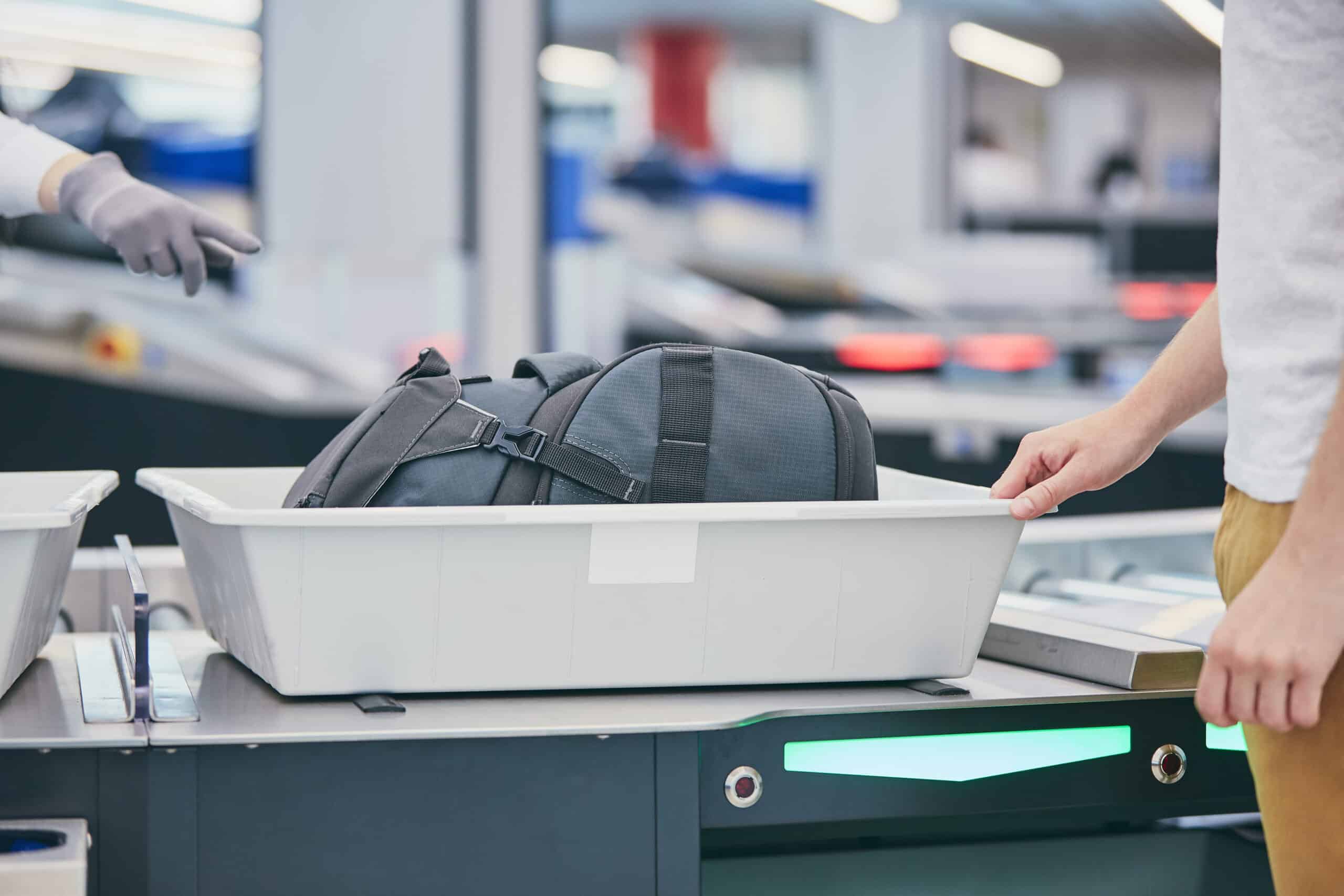
Forgetting about liquids, sharp objects, or restricted tools is one of the most common reasons for extra screening. These items are flagged immediately during scanning, leading to bag checks and delays. Even simple mistakes can slow the process, especially if multiple items are involved. Officers must remove or verify each one, which takes time. Most cases are accidental, but repeated oversights can draw more attention and turn a small slip into a longer screening experience.