We may earn money or products from the companies mentioned in this post. This means if you click on the link and purchase the item, I will receive a small commission at no extra cost to you ... you're just helping re-supply our family's travel fund.
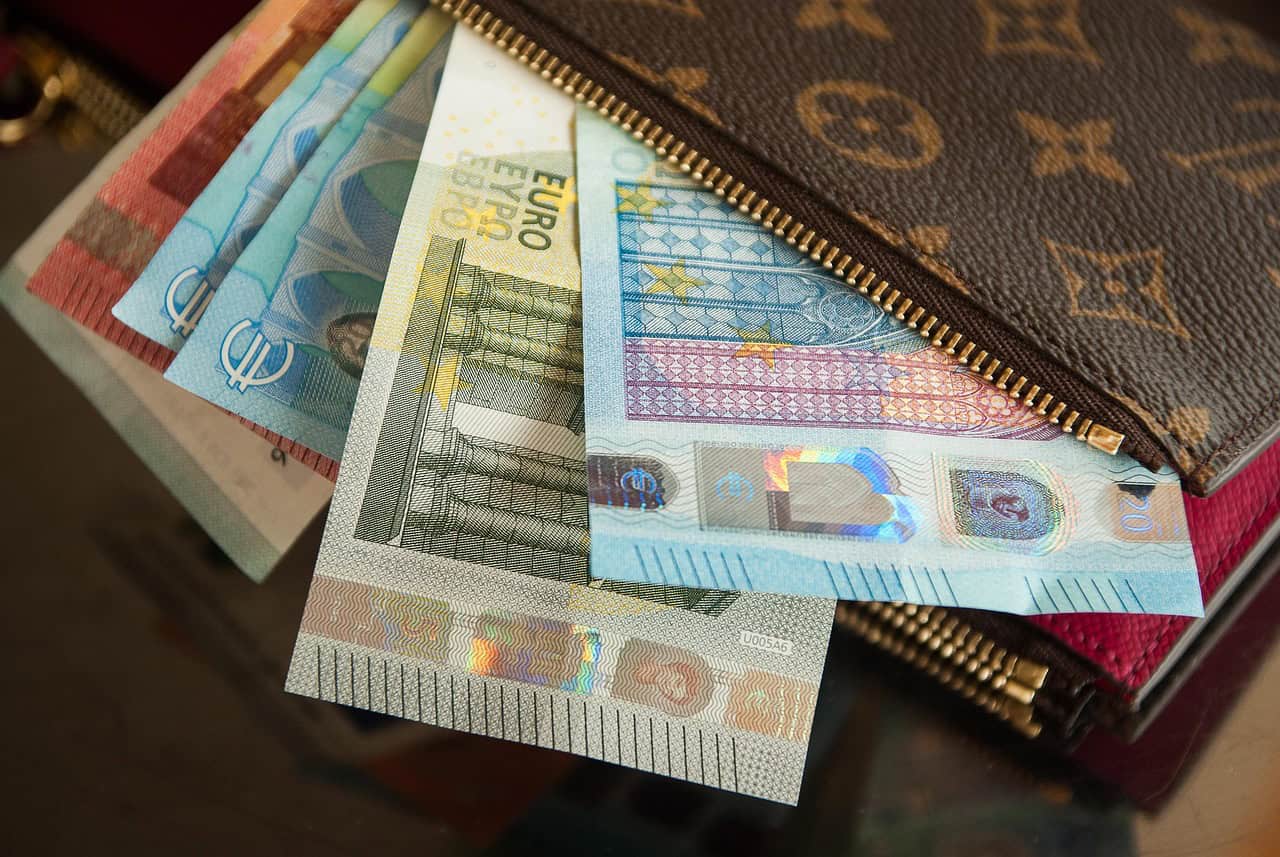
Europe remains one of the world’s most desirable regions to visit, live, and do business in. Yet behind the postcard views and efficient infrastructure, a growing layer of subtle fees and regulatory changes is reshaping the real cost of being there. These charges rarely appear as headline expenses. Instead, they surface through bookings, border checks, digital services, transport, and even online shopping. Individually they seem minor, but combined they steadily increase the financial footprint of travel and everyday transactions. Here are ten important changes quietly adding up across Europe in 2026.
1. Mandatory ETIAS Authorization Fee for Short-Stay Visitors
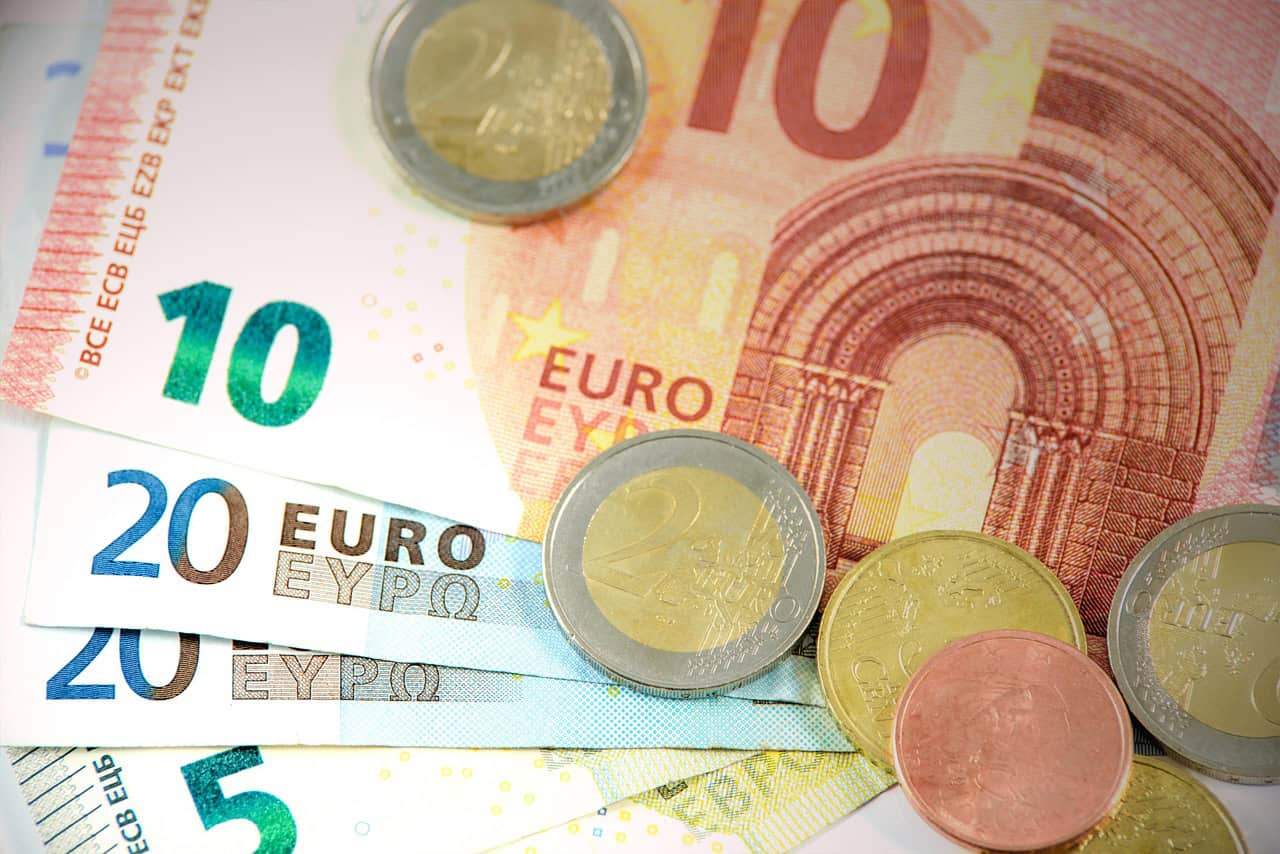
Visa-free travelers entering most EU countries will soon need pre-approved ETIAS authorization before arrival. While not a visa, the requirement adds a mandatory digital screening step. The fee is expected to average $22 per person, valid for three years or until passport expiration. Families will pay separately for each adult traveler. While children and seniors may be exempt in some cases, processing delays or rejected applications can disrupt plans. For frequent travelers, this turns border access into a paid, recurring administrative cost rather than a simple entry stamp.
2. Rising Tourist Accommodation Taxes Across Major Cities

European cities are increasingly shifting tourism costs onto visitors through nightly accommodation taxes. Popular destinations such as Paris, Amsterdam, Rome, and Barcelona now charge between $3 and $9 per night per person, depending on hotel class and season. A seven-night stay for two people can quietly add $90–$120 to lodging costs. These fees are often excluded from advertised room prices and collected at checkout, making them easy to overlook when budgeting. Cruise passengers and short-term rentals are no longer exempt either.
3. Peak-Day Entry Charges for Overtourism Hotspots

Several historic cities now charge entrance fees during peak travel days to control crowd volume. Venice’s expanded access system charges up to $11 per person per day, while similar pilot programs are emerging in smaller heritage towns. These charges apply even to short visits and are enforced through QR codes and on-site checks. Fines for non-payment can exceed $300. For travelers who enjoy spontaneous sightseeing, these entry fees turn once-free public spaces into scheduled, paid attractions.
4. Airline Environmental and Sustainable Fuel Surcharges

European airlines are increasingly adding environmental surcharges to ticket prices to offset sustainable aviation fuel mandates. These fees range from $8 to $78 per ticket, depending on route length and carrier policy. Long-haul flights departing Europe tend to incur the highest costs. Unlike government taxes, these surcharges are set by airlines and can change without notice. They appear as separate line items, meaning travelers may not realize their true ticket cost until checkout, especially when booking discounted fares.
5. New Customs Processing Fees on Small International Parcels

Online shoppers ordering goods from outside the EU are now facing flat customs processing charges. Small parcels under the previous duty-free threshold are subject to fees averaging $3–$5 per package, regardless of item value. Multiple items shipped separately can multiply costs quickly. This change disproportionately affects fast-fashion, electronics accessories, and beauty products. While each fee seems insignificant, frequent online shoppers can see annual costs rise by $50–$100 without changing buying habits.
6. Biometric Entry and Exit Registration Requirements
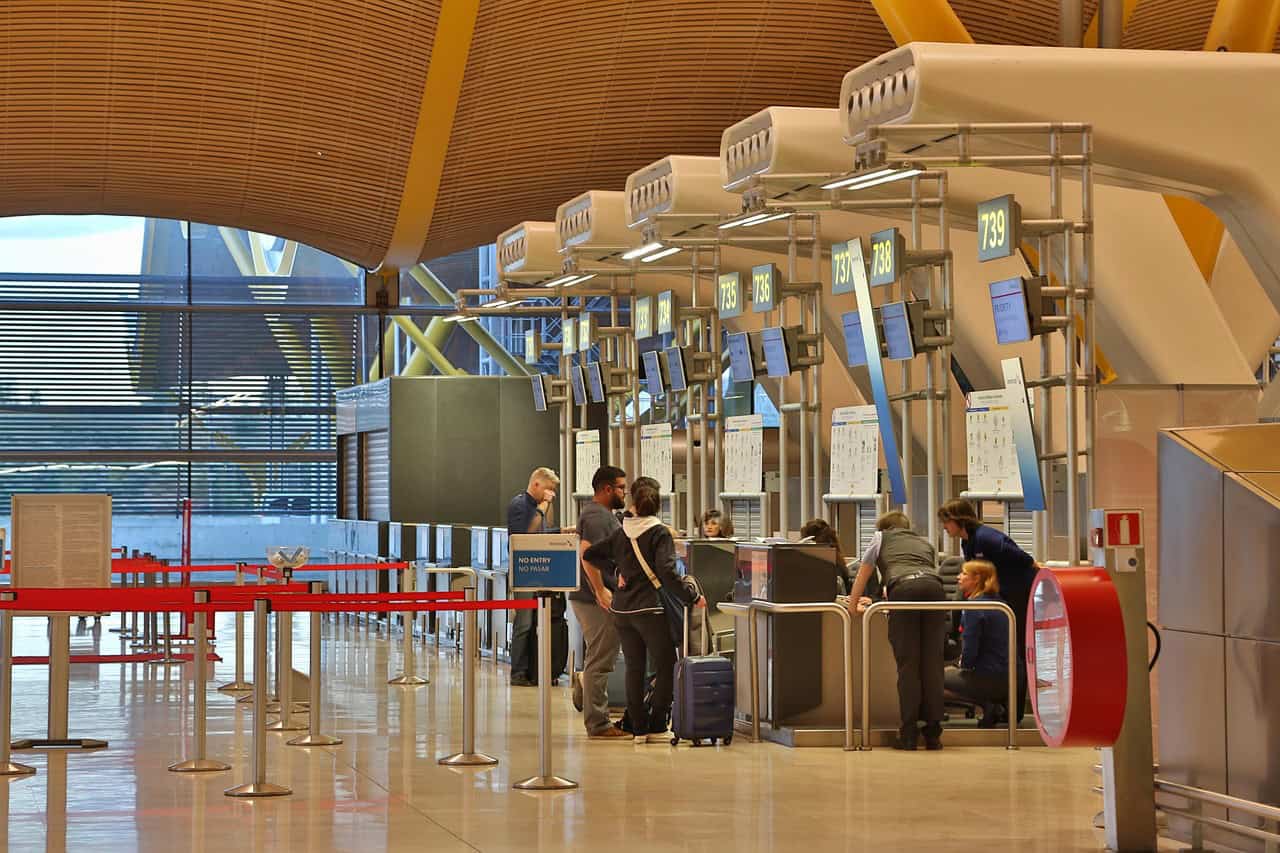
Non-EU visitors must now comply with expanded biometric registration under Europe’s Entry-Exit System. Travelers are required to submit fingerprints and facial scans upon arrival and departure. While there is no direct fee, missed connections and extended border wait times create indirect costs. Delays can result in rebooking fees averaging $75–$200. For frequent travelers, the loss of time and flexibility adds a measurable financial impact, particularly at busy airports during peak travel seasons.
7. Expanded Road Tolls and Emission-Based Driving Charges
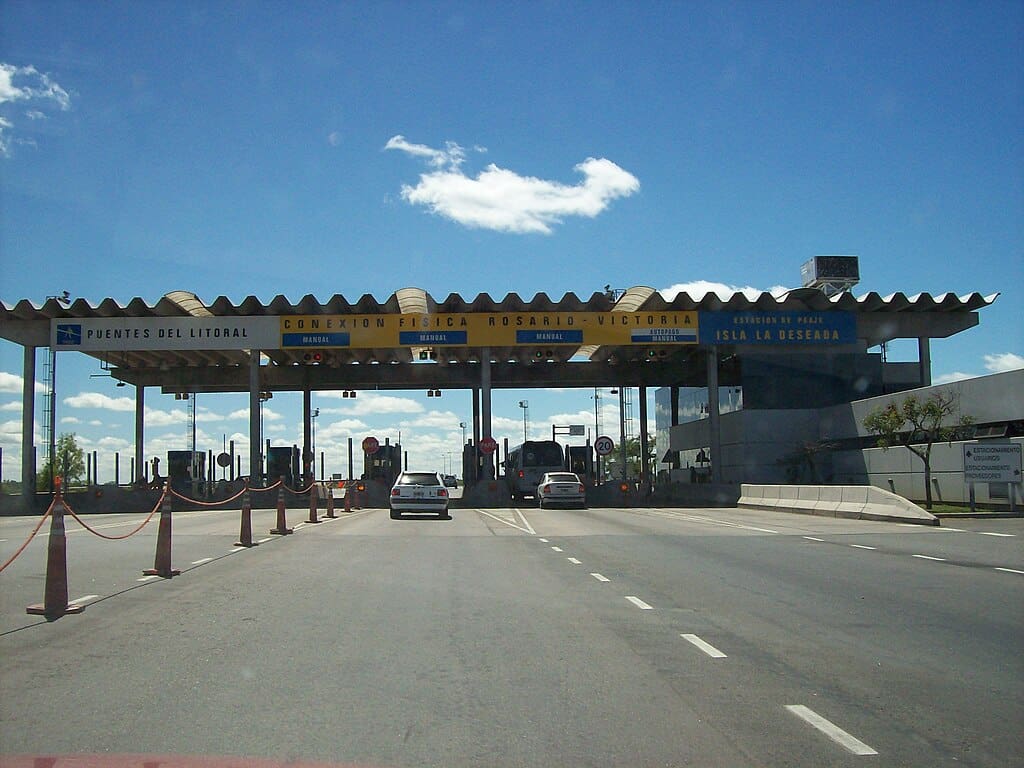
Several European countries are replacing flat road vignettes with distance-based toll systems tied to vehicle emissions. Drivers may now pay between $0.06 and $0.20 per mile, depending on fuel type and emission class. Rental cars are not exempt, and charges are often billed after travel, surprising tourists weeks later. A 600-mile road trip can add $60–$100 in tolls. This shift quietly increases the cost of road travel while discouraging older or higher-emission vehicles.
8. Heavier Fines for Minor Tourist Rule Violations

Cities are enforcing stricter local behavior rules with real financial consequences. Sitting on restricted monuments, stopping in congestion zones, or violating dress codes near landmarks can result in fines ranging from $100 to $500. Enforcement is increasingly automated through cameras and patrols. Many visitors remain unaware of these rules until penalties are issued. What once earned a warning now carries a financial sting, turning small mistakes into expensive lessons for uninformed travelers.
9. New VAT Rules Affecting Digital Services and Online Bookings

Europe’s updated VAT framework now applies location-based taxation to digital services, streaming platforms, online workshops, and short-term rentals. Consumers may see price increases of 10%–25%, depending on the country. A $40 virtual event ticket can quietly become $50 after tax adjustments. These changes affect travelers booking experiences online before arrival, as well as remote workers using European digital platforms. VAT is often included at checkout, masking how much prices have actually risen.
10. Environmental Packaging and Product Recovery Fees
Stricter environmental rules are increasing product recovery and packaging charges across Europe. Items with plastic, foam, or mixed materials now carry embedded fees passed on to consumers. These costs range from $0.10 to $2 per item, depending on material type and country. While barely noticeable per purchase, regular shoppers can see yearly expenses climb by $30–$70. These fees rarely appear as separate charges, instead subtly inflating retail prices across everyday goods.