We may earn money or products from the companies mentioned in this post. This means if you click on the link and purchase the item, I will receive a small commission at no extra cost to you ... you're just helping re-supply our family's travel fund.
Travel rules rarely arrive with a drumroll. They show up as a new checkbox at online check-in, a QR code at a train station, or an extra fee folded into a hotel bill. In 2026, the surprises are less about dramatic bans and more about quiet systems that change how borders, cities, and airlines manage crowds. Some rules are still rolling out, which is exactly why they catch travelers off guard. These ten are the kind that can upend plans, not because they are impossible, but because they are easy to miss until the moment they matter.
EES Turns Schengen Borders Into Biometric Checkpoints
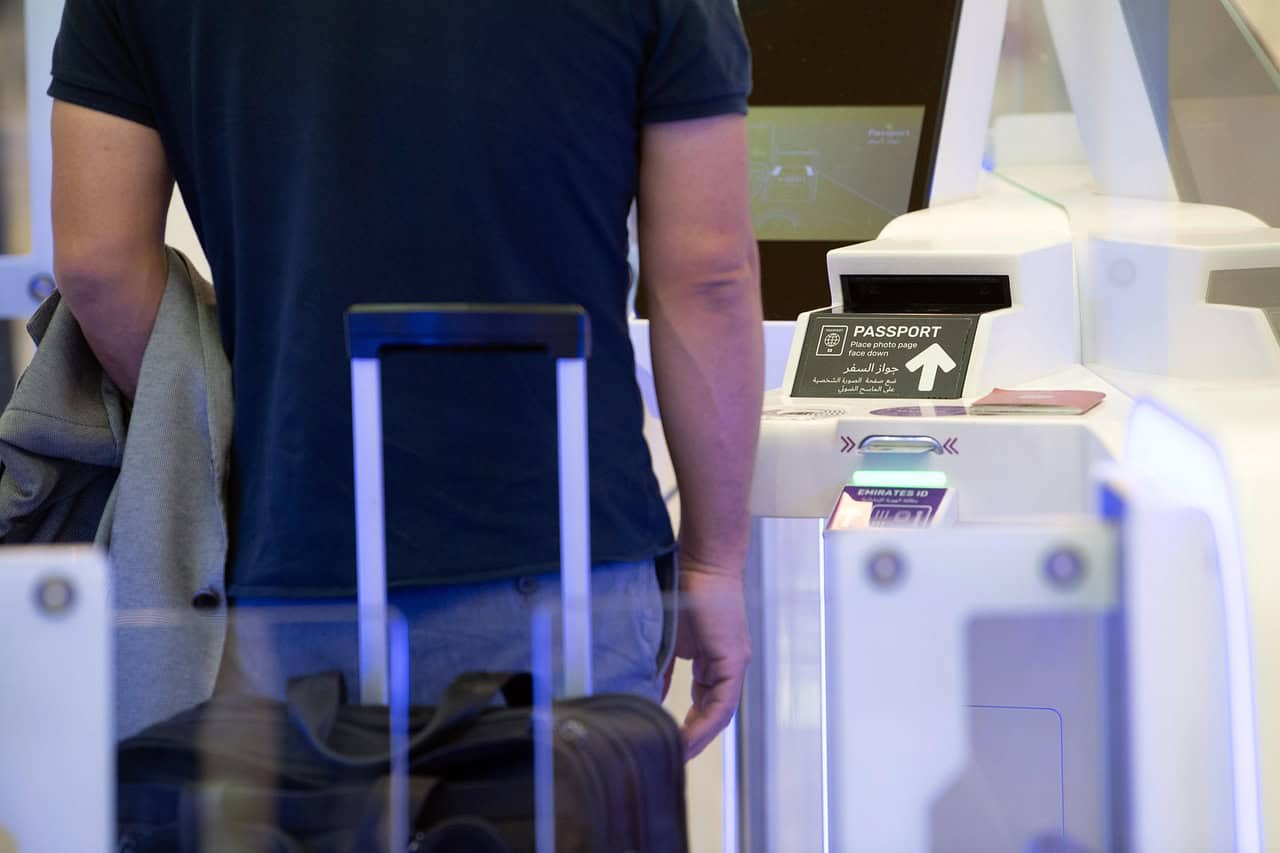
Europe’s Entry/Exit System is replacing routine passport stamps with a digital record for short-stay, non-EU travelers, captured through passport scans plus a facial image and fingerprints. The system began operating on Oct. 12, 2025, and is being introduced gradually, which means first-time enrollment can slow lines while profiles are created, kiosks retry scans, and officers route travelers between desks and gates. The surprise is practical: a tight connection can evaporate in a queue that did not exist a season ago, and proof of entry dates shifts from ink in a passport to data stored across participating borders.
ETIAS Starts In Late 2026 Even For Visa-Free Trips

ETIAS is not a visa, but it will be a required pre-travel authorization for visa-exempt visitors heading to 30 European countries once it starts operations in the last quarter of 2026. It is designed for online applications tied to a passport, and the first enforcement point is often the airline app, check-in counter, or cruise manifest upload, where carriers confirm authorization before boarding. The surprise is how ordinary it looks until it fails: one missing approval, a renewed passport with new details, or a simple typo can turn a paid seat into an instant no-board message long before any border officer is involved.
UK ETA Is Required Before Boarding From Feb. 25, 2026
The United Kingdom’s Electronic Travel Authorisation applies to many visa-exempt visitors and is built to be verified before travel, not after landing. Home Office guidance says eligible visitors without an ETA will not be able to board transport from Feb. 25, 2026; the official fee is £16, and an ETA can cover multiple journeys for stays of up to 6 months at a time over two years or until the passport expires. The surprising shift is how it changes spontaneity: a quick London weekend can collapse at the gate if the authorization was skipped, filed too late, or linked to the wrong passport after a renewal.
Venice Requires A Day,Trip Reservation And Entry Fee

Venice’s access-fee program can require day-trippers to reserve online and carry a QR code for entry checks on designated dates, with pricing that can increase for late bookings. The city’s own guidance describes a €5 fee when paid in advance, and many visitors miss that the process is as important as the payment, especially for mixed groups where overnight guests may be exempt but still must register. The city still feels open, but enforcement is real: arrive without the code and the visit can turn into fines, a detour to fix paperwork, and a long afternoon spent watching crowds funnel past checkpoints instead of wandering freely.
Bali Adds A One,Time Tourist Levy Per Visit

Bali introduced a tourist levy of IDR 150,000 for international visitors, paid once per visit, with payment handled through the official Love Bali site and government-linked channels. It is small enough to overlook, but it is treated like a formal requirement, and official FAQs spell out who pays, how groups handle payment, and how to retrieve proof if a receipt goes missing. The surprise is the extra layer: a destination long associated with simple arrivals now has a separate payment step, and when phones die or lines move fast, missing proof can turn a relaxed landing into stressful sorting and delays.
Greece Charges Cruise Passengers To Step Ashore

Greece introduced a cruise passenger fee in 2025, with peak-season rates reaching €20 per person for disembarkation at Santorini and Mykonos, and lower amounts at other ports and seasons. Cruise travel often feels prepaid, so a mandatory port charge can catch passengers off guard, especially when multiple islands are scheduled and fees repeat at each stop across the Aegean. The impact is subtle but real: excursion budgets shift, tender timing tightens, and a relaxed island day begins with a policy meant to manage overtourism and pay for docks, waste services, and transit in places that get flooded by a single ship.
Mount Fuji Now Comes With Mandatory Fees And Gate Rules

Climbing Mount Fuji has moved from casual rite of passage to controlled experience, with a mandatory ¥4,000 fee and online procedures that vary by trail and prefecture. Official guidance for 2025 describes required payment and preregistration, and some routes restrict late-day entry through gate hours unless a mountain-hut booking exists, reshaping how climbers plan buses, sunrise timing, and pace. The surprise is the new friction: the hike begins online, not at the trailhead, and a late arrival can be turned back even after the long, winding ride to the 5th Station and a parking lot full of hopeful climbers.
Brazil Brought Back Visitor Visas For U.S. Passport Holders
Brazil reinstated a visa requirement for U.S. nationals beginning April 10, 2025, with an e-visa option highlighted by the U.S. Embassy and covered widely as a reciprocity move. Many travelers still remember the visa-free window and assume entry is as simple as presenting a passport at arrival, especially on quick Rio or São Paulo breaks booked months apart. The risk is timing and accuracy: an e-visa still takes planning, corrections can take days, it must match the passport used for travel, and airlines can refuse boarding when the visa is missing at check-in, even if hotels, tours, and transfers are already paid.
Thailand Requires A Digital Arrival Card
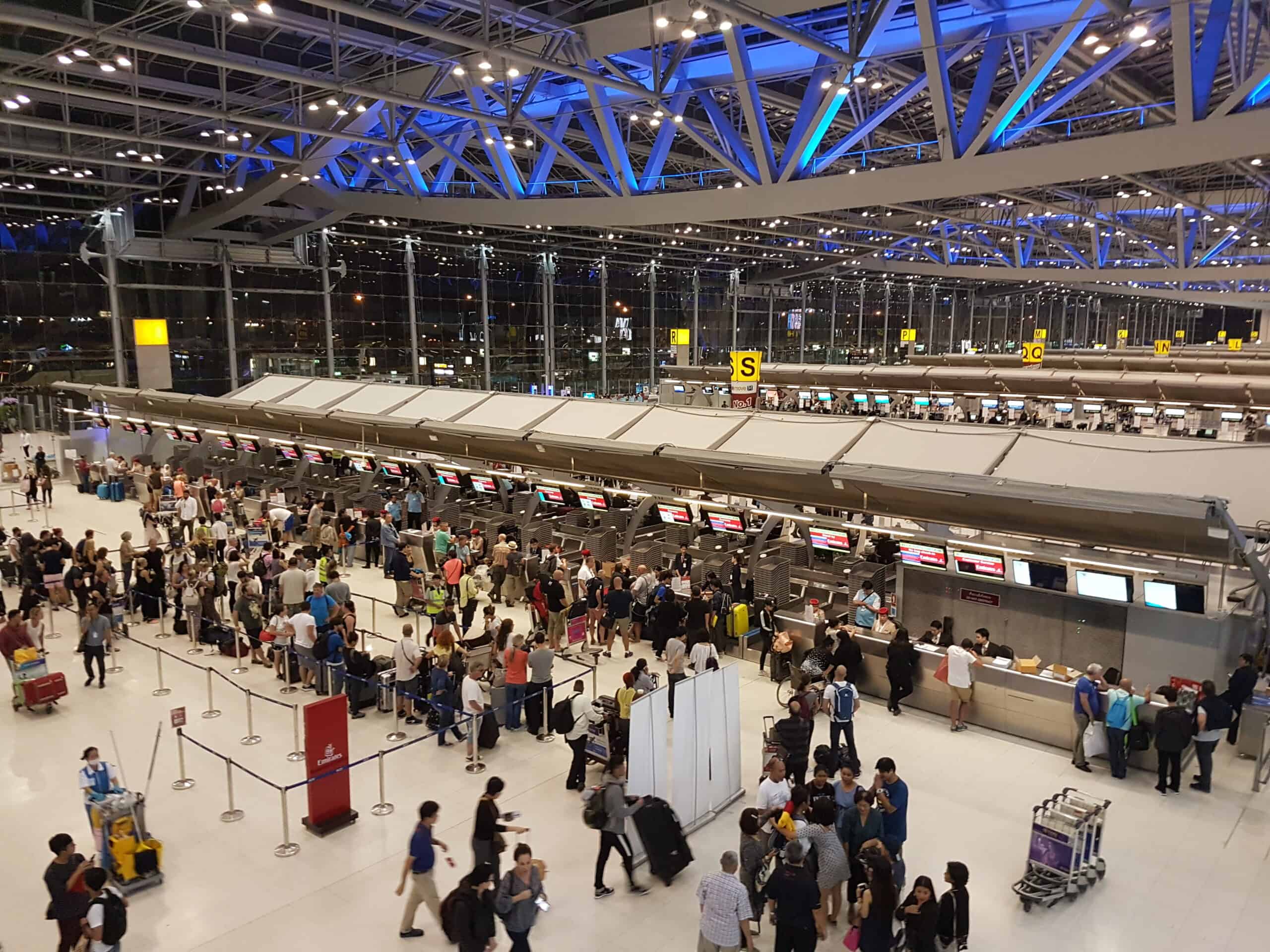
Thailand has been shifting arrivals toward online pre-travel steps, and U.S. Embassy guidance says that starting May 1, 2025, foreign nationals entering by air, land, or sea must complete the Thailand Digital Arrival Card electronically. It sounds simple until a battery collapses, a form stalls on weak airport Wi-Fi, or a traveler lands without a confirmation ready to show while staff keep the queue moving and tempers rise. The surprise is the dependency: an easy arrival now assumes connectivity, a working device, and a completed digital record before the first stamp, scan, and the small rituals of landing that usually feel effortless.
New Zealand’s Visitor Levy Is Now NZD $100
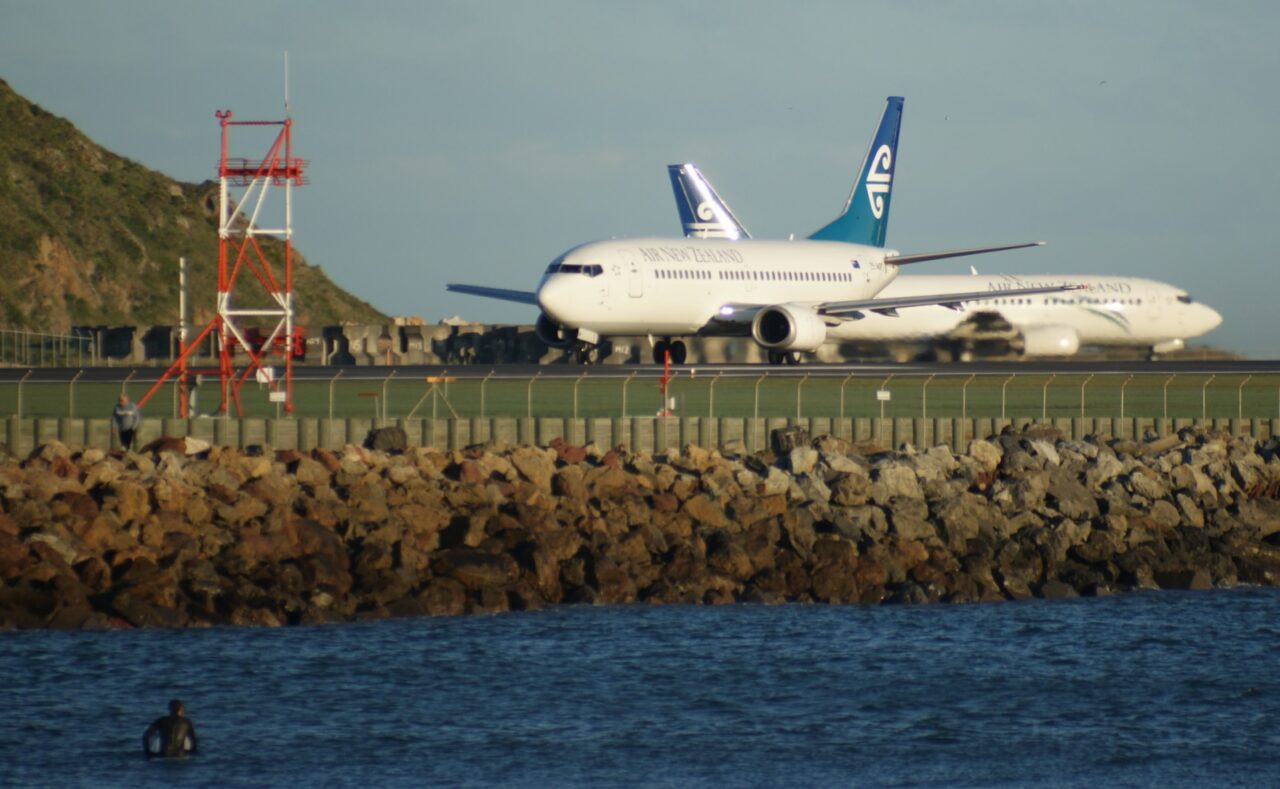
New Zealand collects an International Visitor Conservation and Tourism Levy from many travelers, and official government guidance sets the amount at NZD $100. Because it is often paid during visa or NZeTA steps, it can feel invisible until receipts are reviewed, budgets are reconciled, or a family books multiple entries across a longer South Pacific swing. The surprise is the scale: it is not a small city surcharge, but a national levy tied to conservation and infrastructure, and it meaningfully changes the entry math for short stays, stopovers, and multi-country itineraries that add up quickly.