We may earn money or products from the companies mentioned in this post. This means if you click on the link and purchase the item, I will receive a small commission at no extra cost to you ... you're just helping re-supply our family's travel fund.
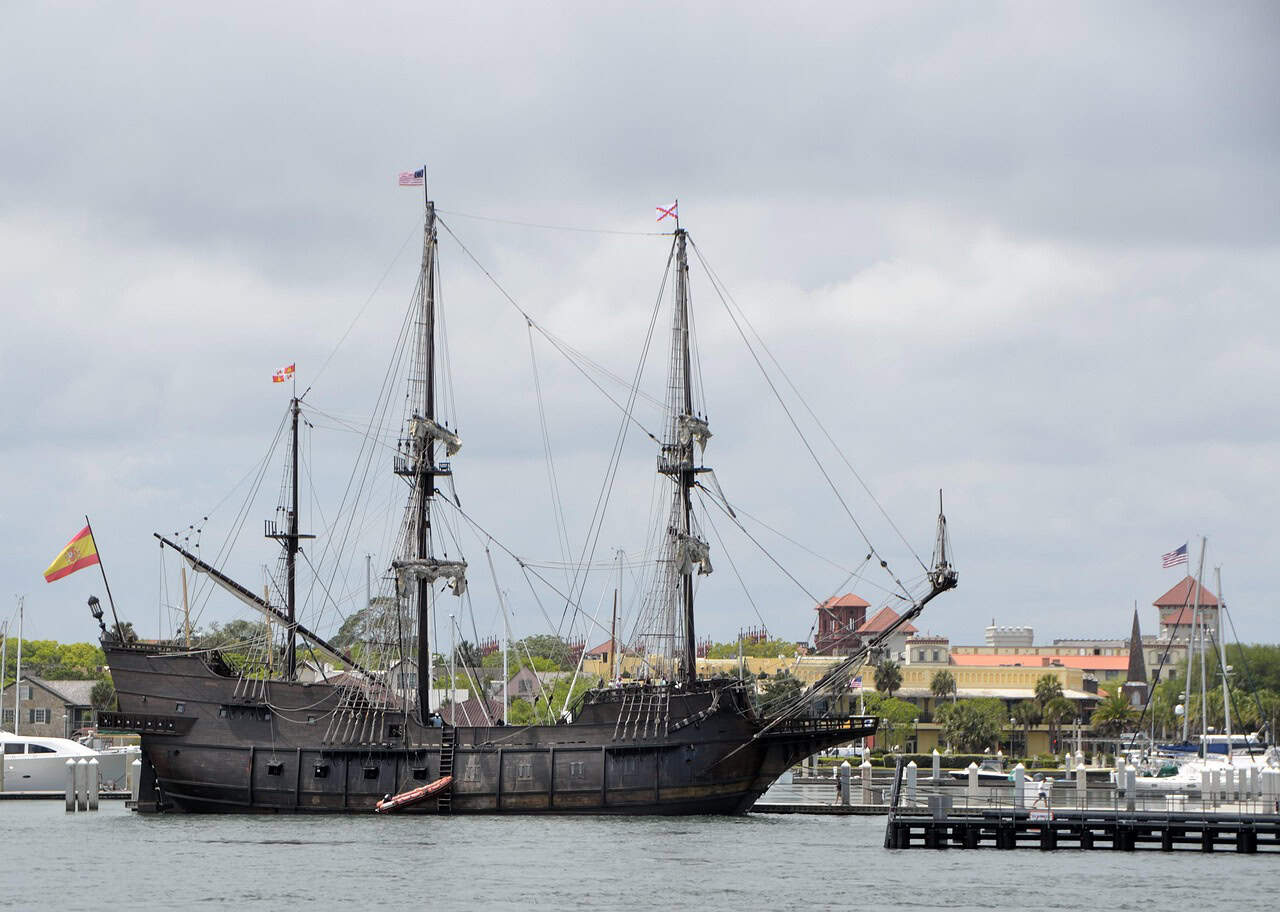
In 2026, Instagrammable travel is less about viral overcrowding and more about places that consistently photograph well across seasons, moods, and storytelling styles. Small towns lead this shift, offering walkable streets, strong visual identity, and scenery that feels personal rather than staged. The towns below stand out for their lighting, color palettes, architectural cohesion, and landscape drama. Each destination also supports content longevity, meaning creators can capture multiple aesthetics in a single visit. From mountain-framed streets to coastal pastels, these ten towns combine beauty with character, making them ideal for photographers, slow travelers, and visual storytellers planning ahead.
1. Sedona, Arizona

Sedona’s visual power comes from scale and color contrast rather than built attractions. Over 2,000 acres of exposed red sandstone surround the town, creating natural backdrops visible from cafés, trailheads, and scenic roads. Cathedral Rock alone rises nearly 1,000 feet, producing dramatic shadow shifts every 15–20 minutes during golden hour. The town receives roughly 300 sunny days annually, which reduces lighting unpredictability for photographers. Oak Creek adds reflective water elements, while elevated viewpoints like Airport Mesa sit at 4,500 feet, giving wide-angle depth without drone use. Sedona’s muted architecture intentionally avoids visual clutter, allowing landscapes to dominate frames and maintain feed consistency.
2. Leavenworth, Washington
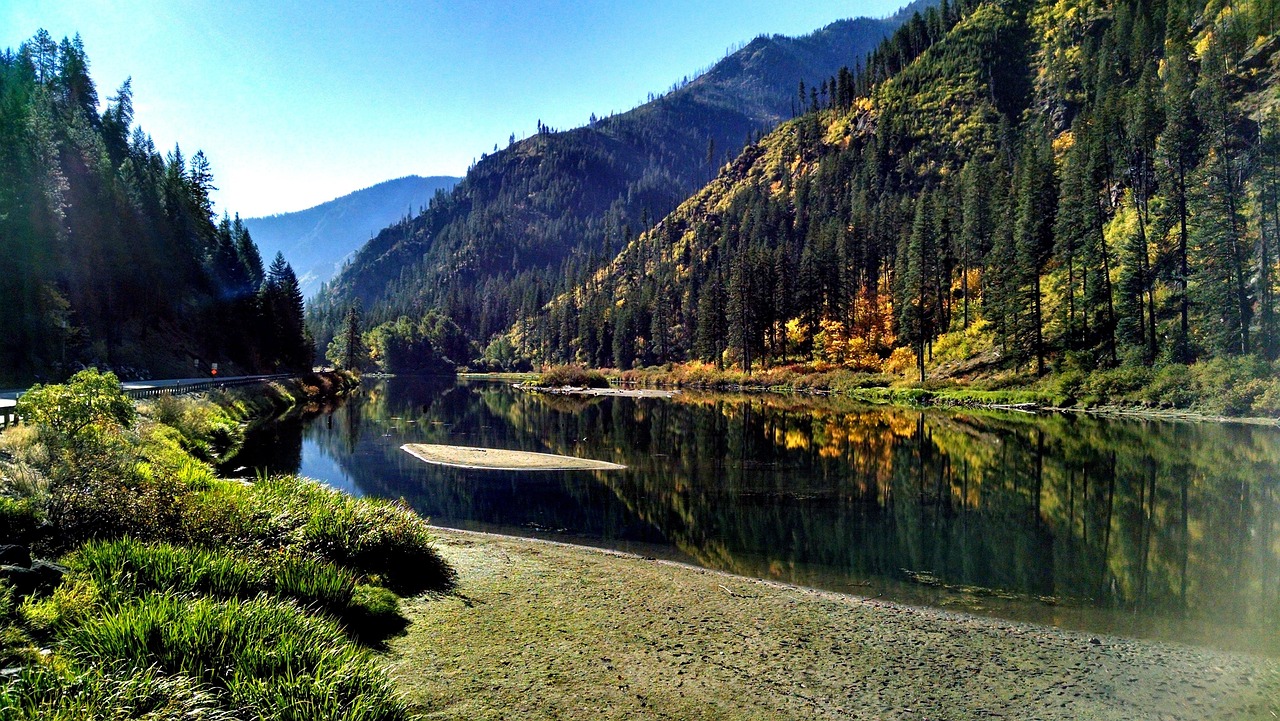
Leavenworth is one of the few U.S. towns designed with complete architectural uniformity. More than 90 percent of its buildings follow Bavarian styling, creating visual continuity across blocks. Located at 1,171 feet and framed by the Cascade Mountains, the town offers alpine depth even from street level. Seasonal transformation is its strongest asset: summer flower boxes exceed 30,000 blooms, while winter snowfall averages 76 inches annually. The compact downtown spans less than 1 square mile, allowing creators to capture 20–30 distinct compositions in a single day. Natural light reflects cleanly off pastel facades, enhancing color accuracy without heavy editing.
3. Bar Harbor, Maine
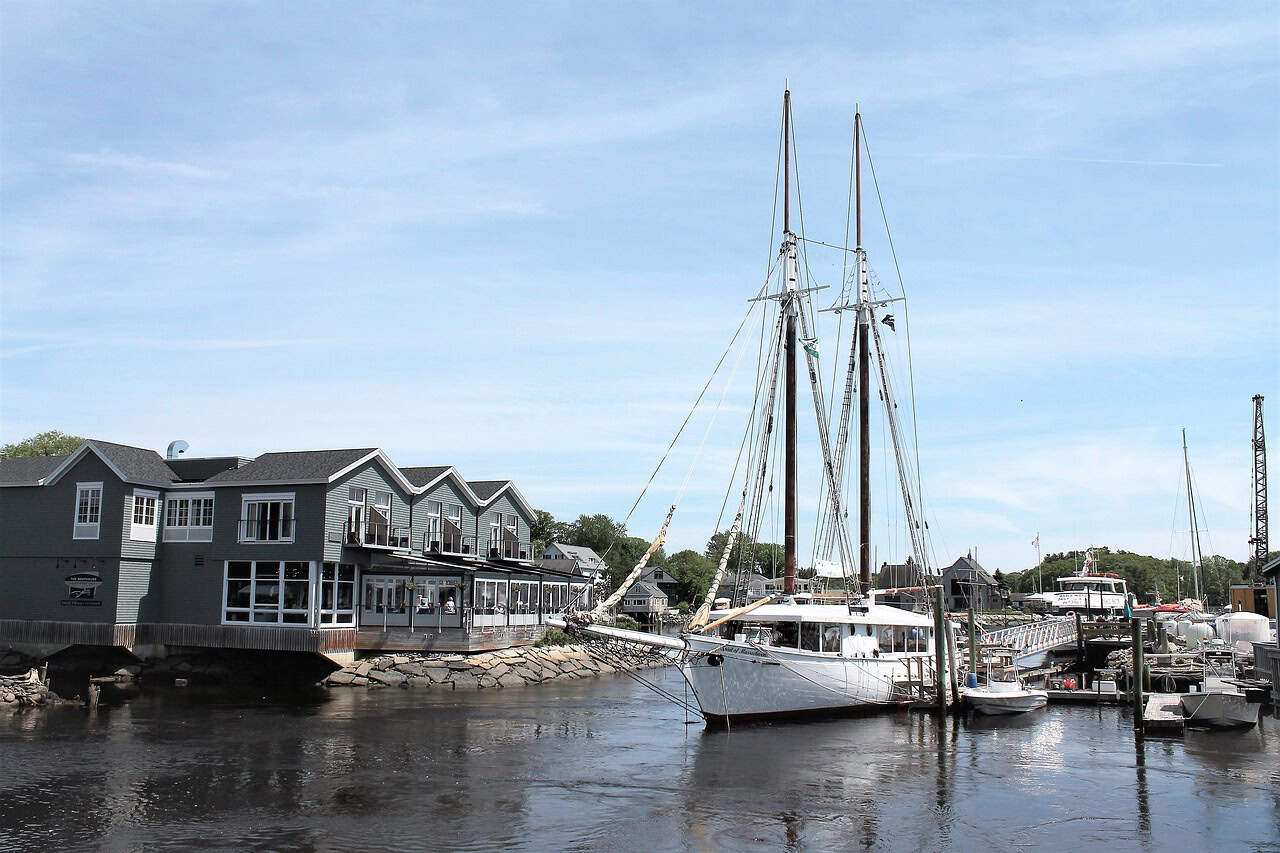
Bar Harbor combines coastal texture with classic New England symmetry. Sitting beside Acadia National Park, it offers access to over 150 miles of hiking trails and 27 miles of rugged shoreline within minutes of downtown. Cadillac Mountain, rising 1,530 feet, is among the first places in the U.S. to see sunrise for much of the year, creating high-demand golden-hour content. The town’s harbor supports layered compositions with boats, granite cliffs, and Atlantic horizons. Autumn drives peak saturation, with foliage color density increasing by up to 40 percent compared to inland Maine towns, giving Bar Harbor standout seasonal engagement.
4. Carmel-by-the-Sea, California
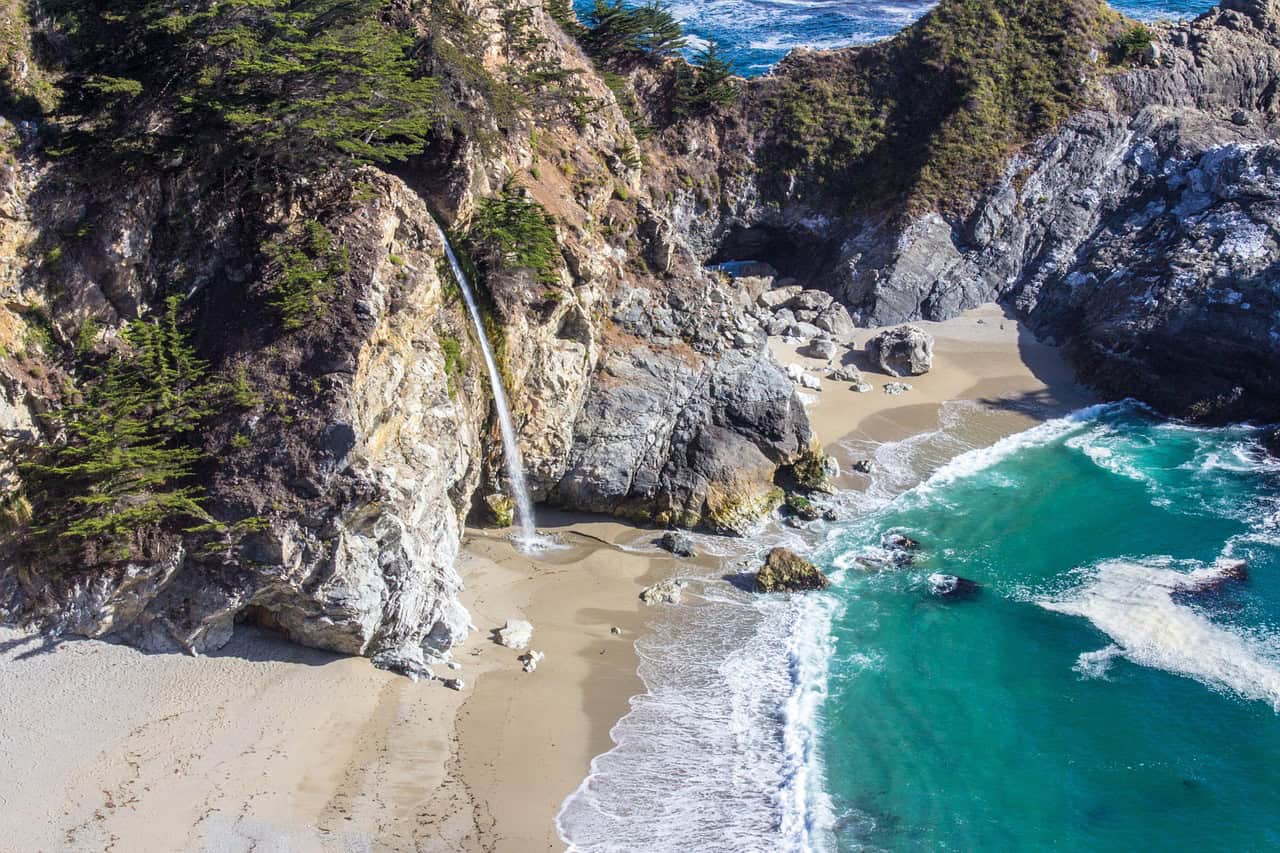
Carmel-by-the-Sea’s appeal lies in controlled softness rather than scale. The town enforces strict signage limits and low building heights, preserving visual calm across its one-square-mile footprint. Over 100 storybook cottages feature curved roofs, stone textures, and neutral tones that photograph well in fog or sun. Carmel Beach faces west, allowing uninterrupted sunset shots with minimal foreground clutter. Cypress trees along the coastline add dark framing elements that balance bright sand tones. With average summer temperatures around 65°F, lens haze and heat distortion are minimal, helping maintain sharpness and color fidelity throughout extended shooting sessions.
5. Telluride, Colorado
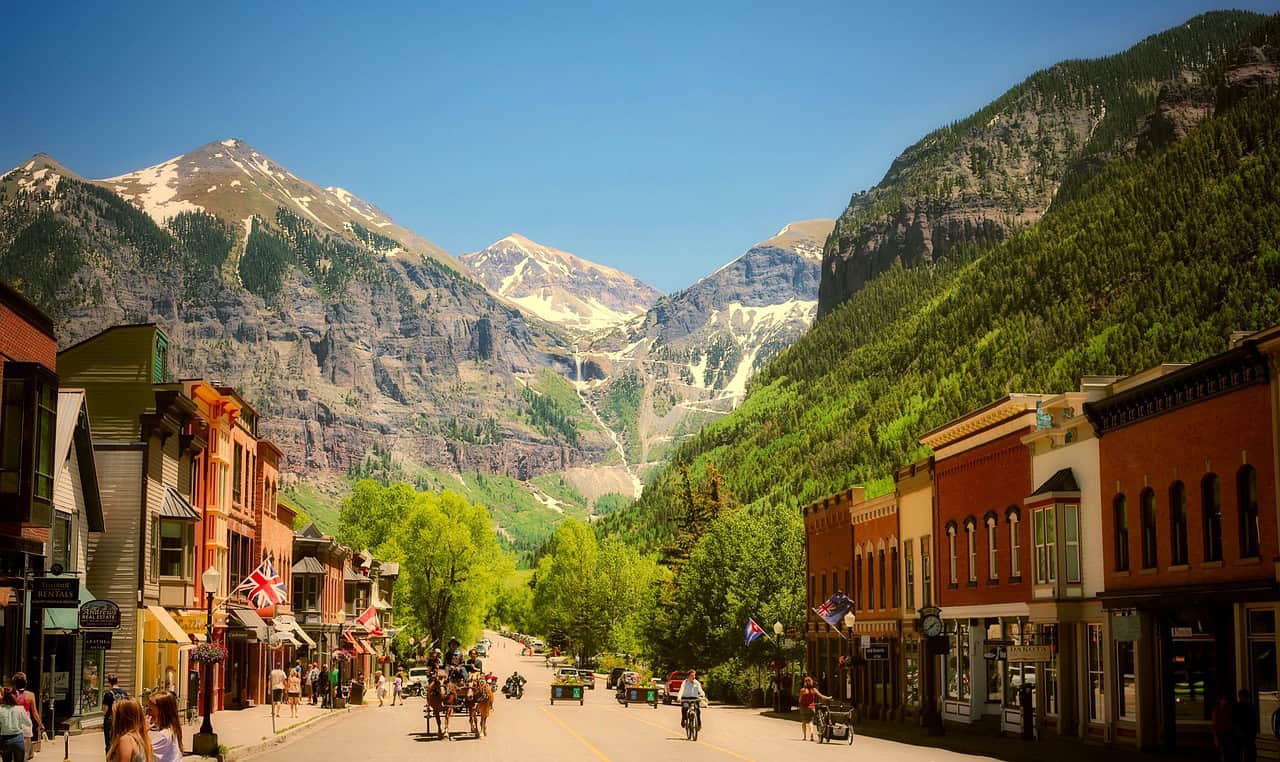
Telluride delivers extreme visual contrast within a compact valley. The town sits at 8,750 feet, while surrounding peaks exceed 13,000 feet, producing vertical depth rarely matched in small towns. Victorian-era buildings add saturated color blocks against neutral alpine backgrounds. The free gondola system, spanning 4.4 miles, creates elevated perspectives without hiking or permits. Snow season lasts roughly 5 months, while summer brings wildflower fields covering over 3,000 acres nearby. This dual-season aesthetic allows creators to capture winter minimalism and summer vibrancy in the same location, maximizing visual diversity per visit.
6. St. Augustine, Florida
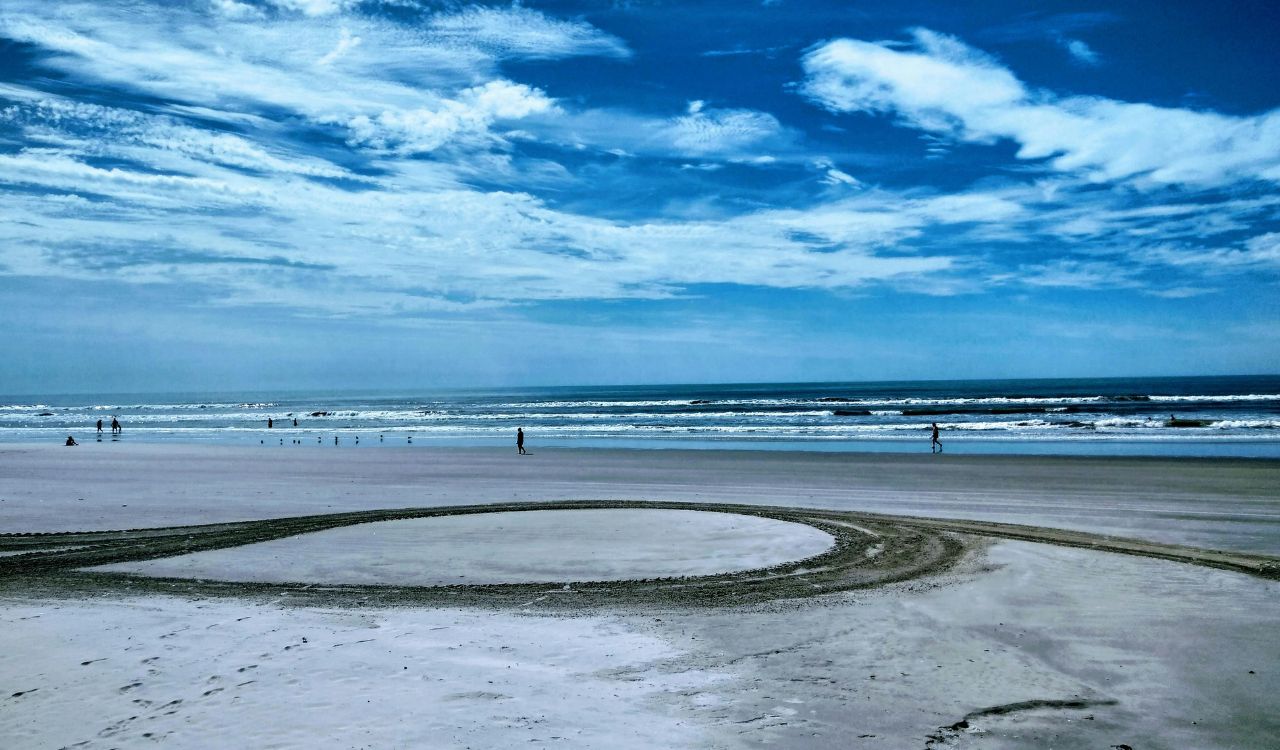
St. Augustine’s charm comes from layered history and warm-toned architecture. Founded in 1565, it is the oldest continuously inhabited European settlement in the U.S., and that age shows in its textures. Coquina stone buildings reflect soft amber hues during late afternoon light. The historic district spans just 1.5 square miles, allowing efficient visual coverage. Palm-lined streets contrast with Spanish colonial elements, creating a hybrid aesthetic uncommon in American towns. With over 300 days of annual sunshine and flat terrain, St. Augustine offers consistent lighting and accessibility, especially for walking-based photo storytelling.
7. Marfa, Texas

Marfa thrives on visual restraint. Located at 4,800 feet in the Chihuahuan Desert, it offers vast negative space that aligns with minimalist photography trends. The town has fewer than 2,000 residents, keeping backgrounds uncluttered and human traffic minimal. Installations like Prada Marfa sit 26 miles outside town, allowing isolated compositions against open highways. Daytime light is harsh but clean, while twilight brings long shadows and pastel skies ideal for cinematic edits. Marfa’s grid layout simplifies framing, and its muted color palette supports cohesive feeds without heavy post-processing or saturation boosts.
8. Mackinac Island, Michigan
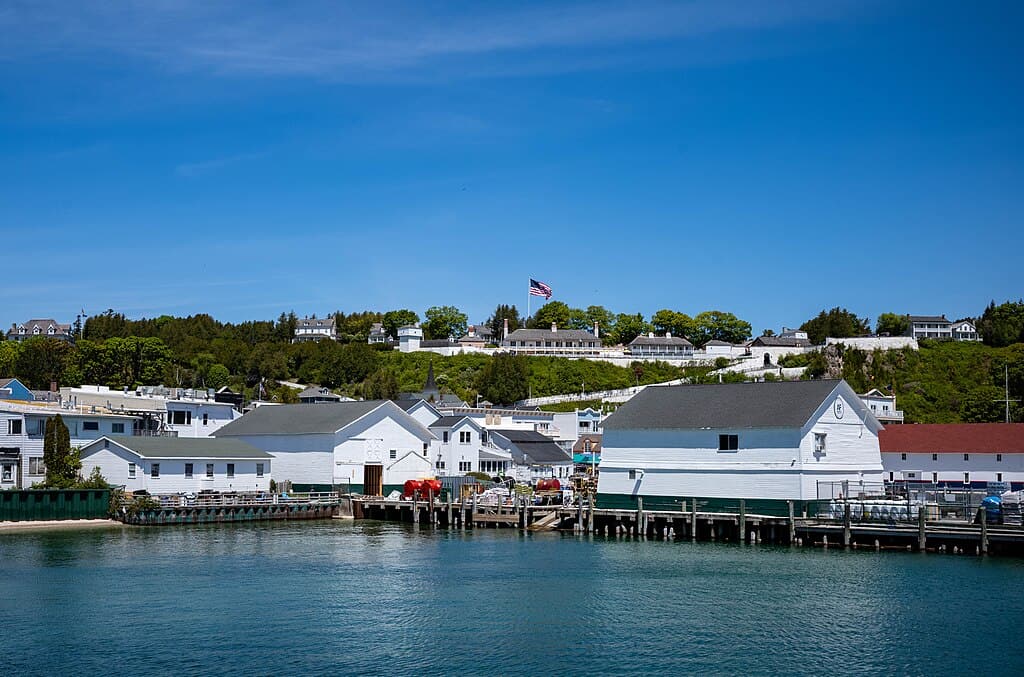
Mackinac Island feels visually preserved because automobiles have been banned since 1898. Horse-drawn carriages, bicycles, and wooden boardwalks dominate the landscape, removing modern distractions from frames. The island covers just 3.8 square miles, yet features over 70 historic buildings, including the Grand Hotel with its 660-foot porch. Summer brings peak color, with geranium displays exceeding 12,000 plants annually. Surrounded by Lake Huron, the water shifts between deep blue and turquoise depending on light angle. The absence of traffic noise also allows more deliberate, composed shooting sessions.
9. Jackson, Wyoming
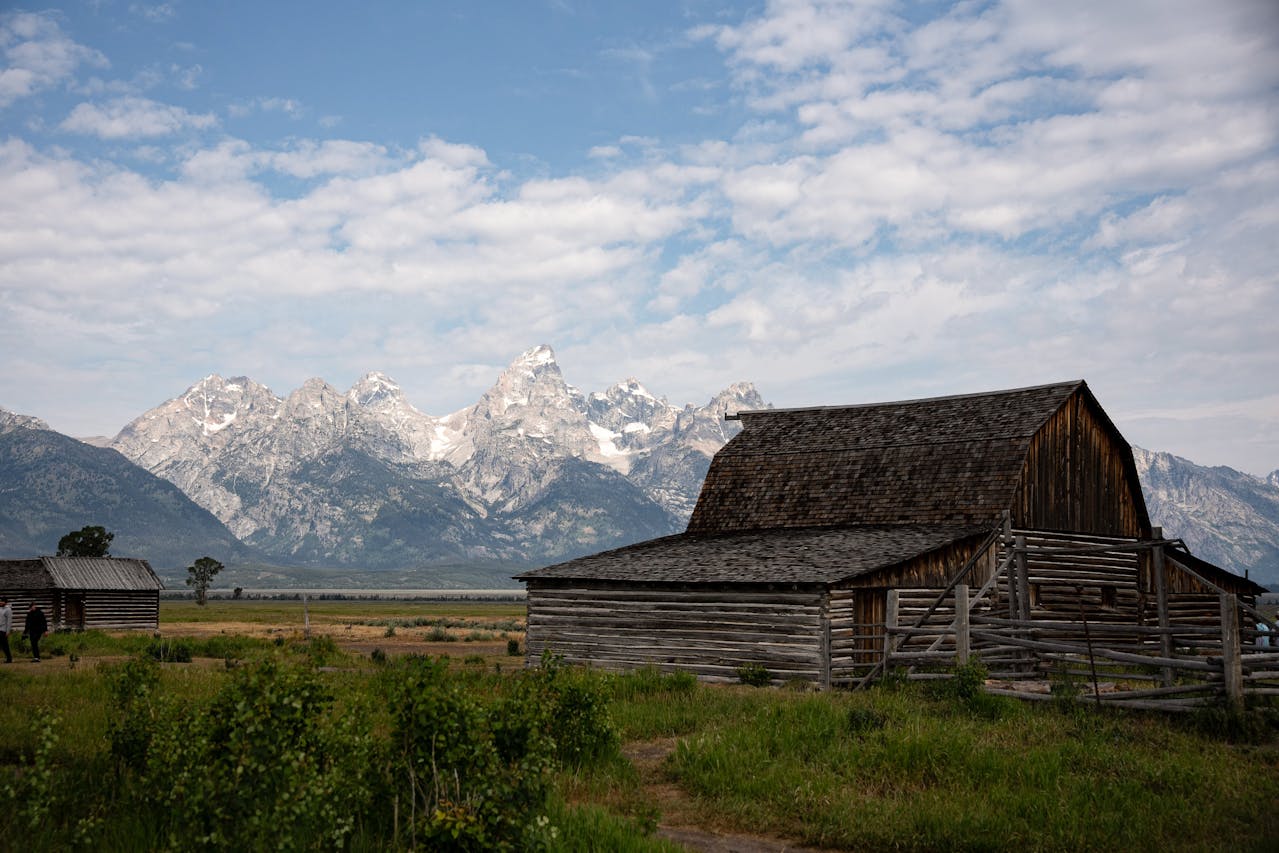
Jackson blends frontier aesthetics with refined visual order. The town square’s iconic elk antler arches weigh over 10,000 pounds each, creating instantly recognizable focal points. Jackson sits at 6,237 feet, with the Teton Range rising abruptly to over 13,700 feet just 10 miles away. This proximity allows dramatic mountain backdrops without long travel. Wooden facades and earth-toned storefronts maintain color harmony across the downtown grid. Wildlife sightings, including elk and bison, occur regularly within 15–20 minutes of town, adding dynamic elements that boost engagement and storytelling value.
10. Savannah, Georgia
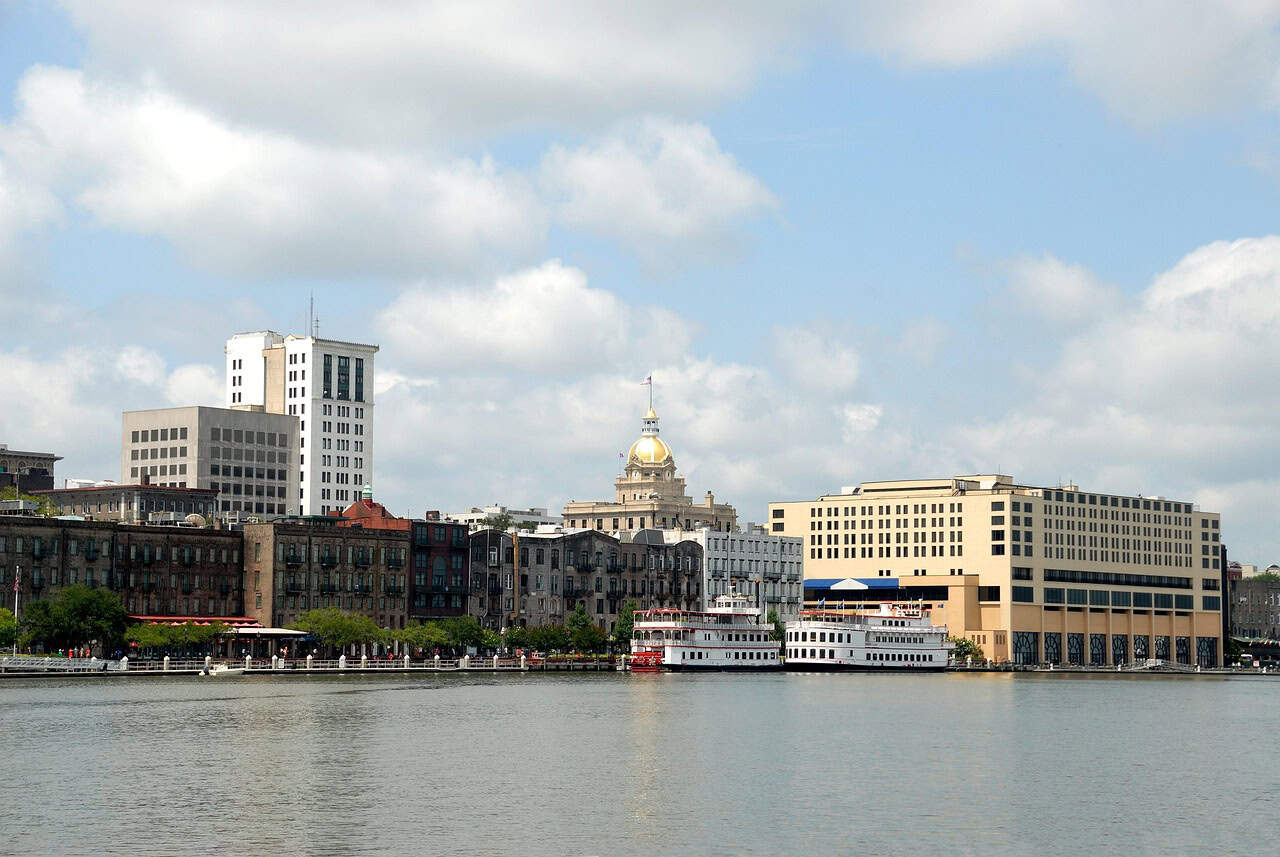
Savannah’s Instagram appeal is built on rhythm and repetition. The historic district contains 22 landscaped squares arranged in a near-perfect grid, creating symmetry rarely found in American cities. Spanish moss drapes over live oaks that are often more than 200 years old, softening light and edges naturally. Pastel homes and wrought-iron balconies add layered depth to street compositions. The coastal humidity diffuses sunlight, reducing harsh shadows during midday shoots. With walkable distances under 2 miles end-to-end, Savannah allows creators to capture architectural, nature, and lifestyle content efficiently in short stays.