We may earn money or products from the companies mentioned in this post. This means if you click on the link and purchase the item, I will receive a small commission at no extra cost to you ... you're just helping re-supply our family's travel fund.
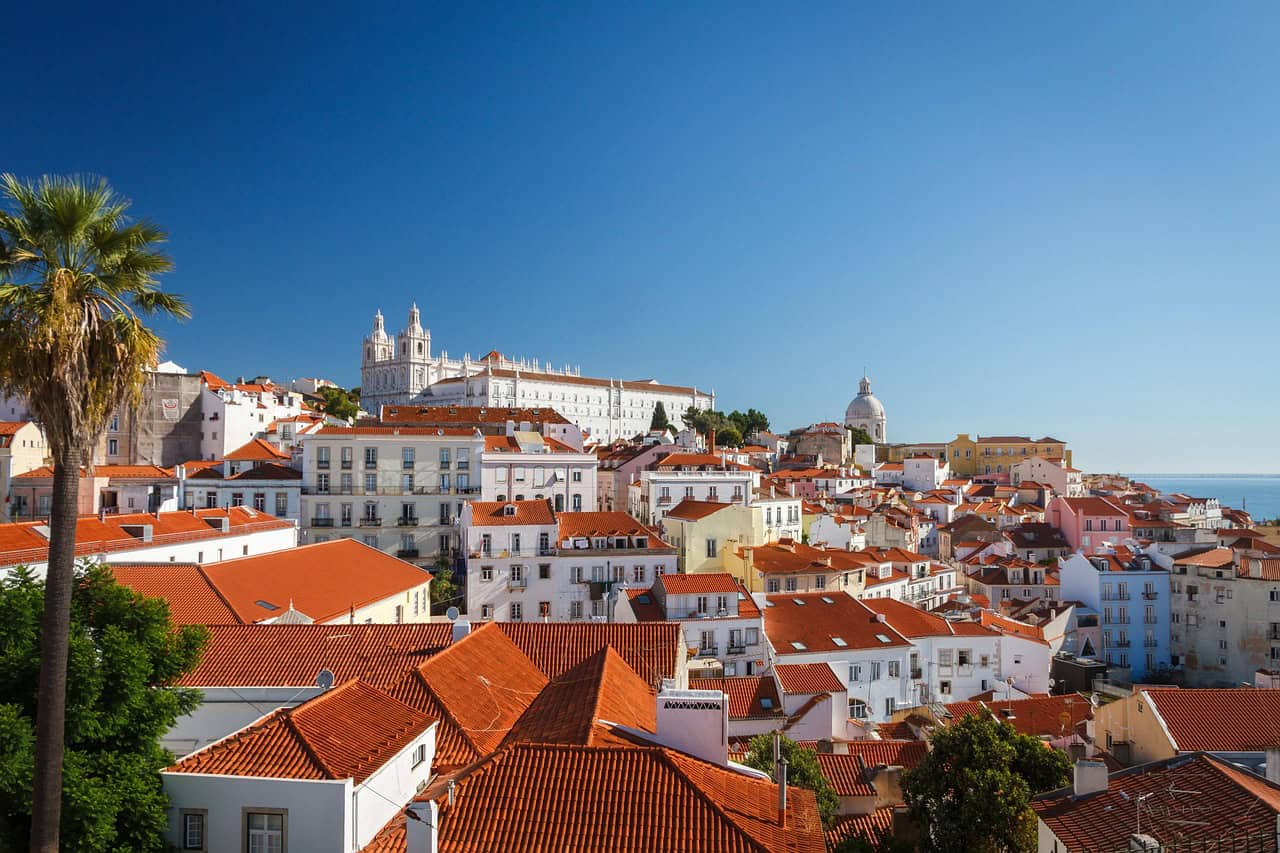
Traveling alone across Europe in 2026 feels liberating and remarkably practical. High-speed rail lines connect major capitals in under 3 hours, budget airlines operate across 40+ countries, and many European cities rank among the world’s safest urban destinations. Compact geography means you can move from coastal cliffs to imperial palaces within a single week. For solo travelers seeking culture, scenery, affordability, and easy navigation, these ten cities deliver depth, character, and independence without compromise.
1. Lisbon, Portugal
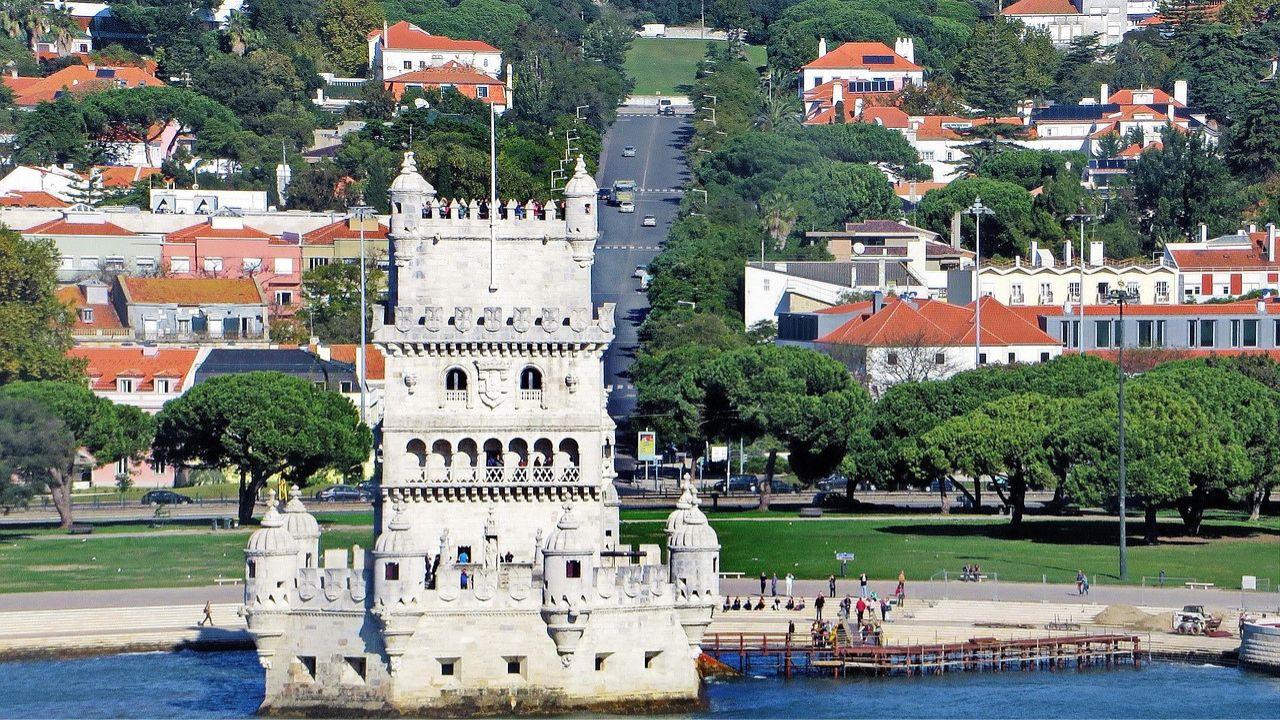
Lisbon rises across seven hills overlooking the Atlantic, glowing beneath nearly 290 sunny days each year. Summer temperatures average 28°C, making long walks through Alfama and Baixa genuinely pleasant. The city blends faded pastel façades with tiled buildings and sweeping river views.
Tram 28 completes its iconic route in about 40 minutes, linking major districts effortlessly. Miradouro da Senhora do Monte stands 110 meters above sea level, offering panoramic sunset views. A metro ticket costs around $2, and central hostel dorms average $25–40 per night.
2. Budapest, Hungary

Budapest stretches along both sides of the Danube, uniting Buda and Pest across 9 major bridges. Home to nearly 1.7 million residents, it balances grand architecture with approachable pricing. Local meals typically cost $12–18, making extended stays manageable for solo explorers.
Széchenyi Thermal Bath maintains waters near 38°C year-round, creating social, open-air relaxation spaces. Parliament extends 268 meters along the riverfront, while Fisherman’s Bastion rises 140 meters above the city. Public transport tickets average $1.60, keeping exploration seamless.
3. Barcelona, Spain
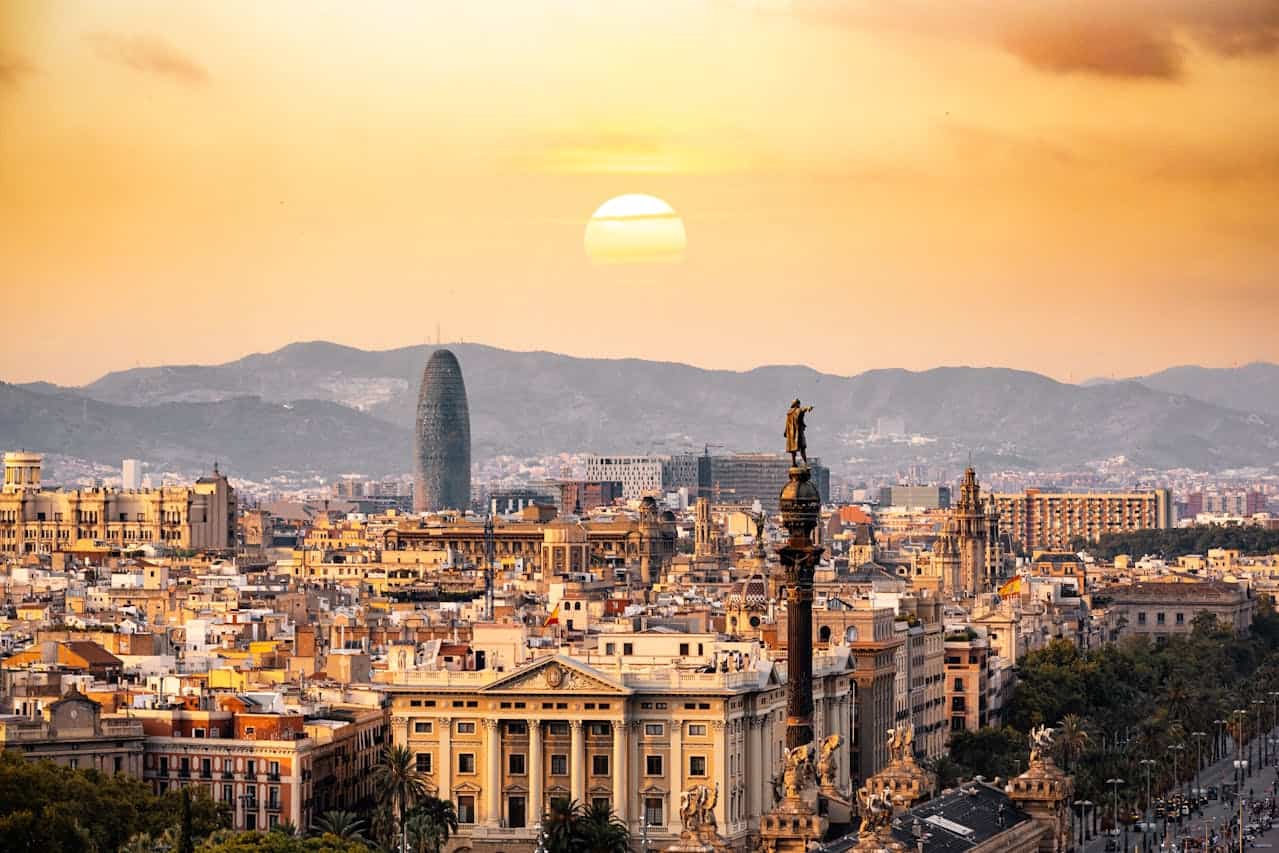
Barcelona combines Mediterranean beaches with bold architectural identity. The city attracts over 12 million visitors annually, yet neighborhood life still feels authentic. Barceloneta Beach stretches roughly 1.1 kilometers, ideal for early morning solitude before the crowds gather.
The Sagrada Família is projected to reach 172.5 meters upon completion, dominating the skyline. The metro network spans 166 kilometers, simplifying navigation. Tapas plates begin around $5, and shared hostel rooms typically range between $30–45 per night.
4. Prague, Czech Republic
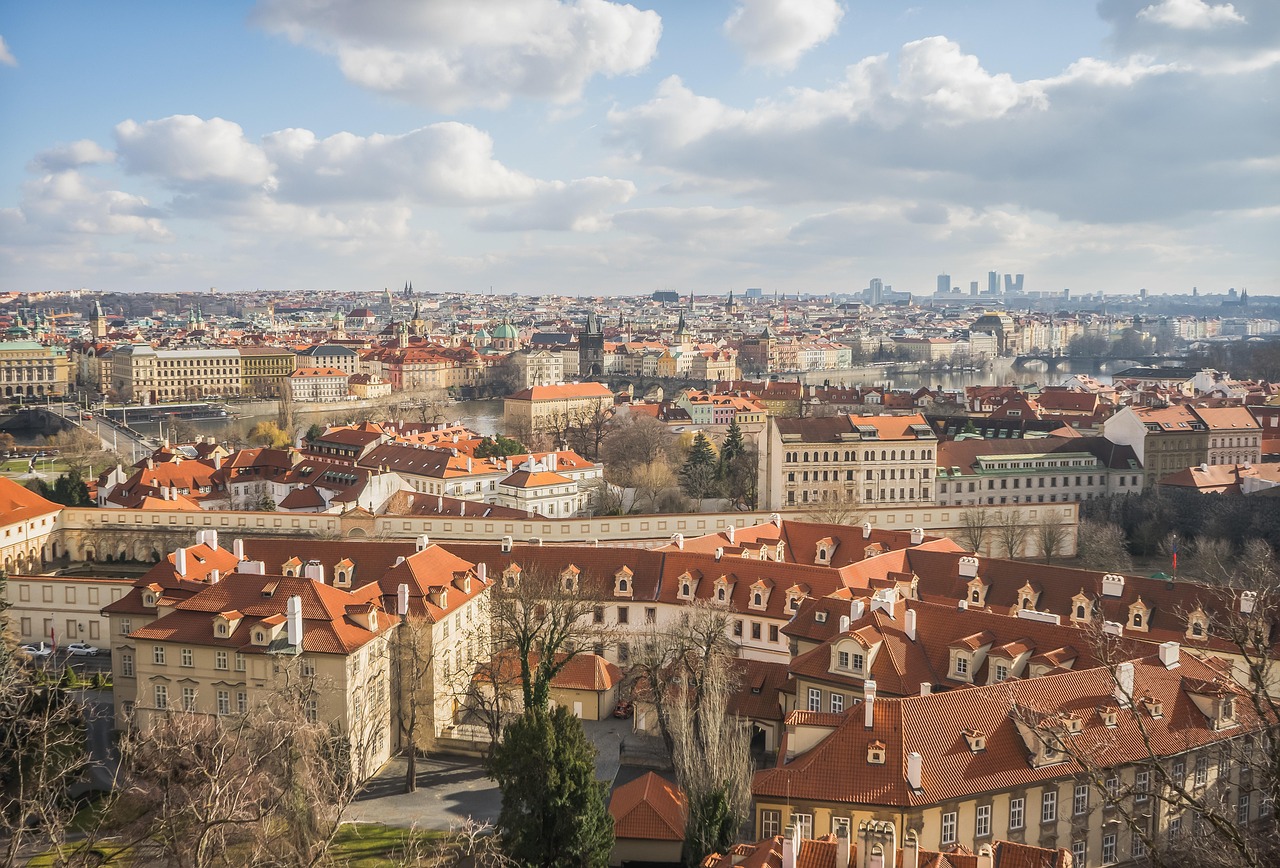
Prague’s Old Town covers more than 866 hectares, preserving Gothic spires and medieval lanes. With 1.3 million residents, the city remains compact enough for relaxed exploration on foot. The Charles Bridge stretches 516 meters across the Vltava River, especially atmospheric at dawn.
The Czech Republic consumes over 140 liters of beer per capita annually, reflecting strong brewing traditions. A 30-minute transit pass costs about $1.60. Castle viewpoints and riverside walks sit within easy reach of the historic center.
5. Amsterdam, Netherlands
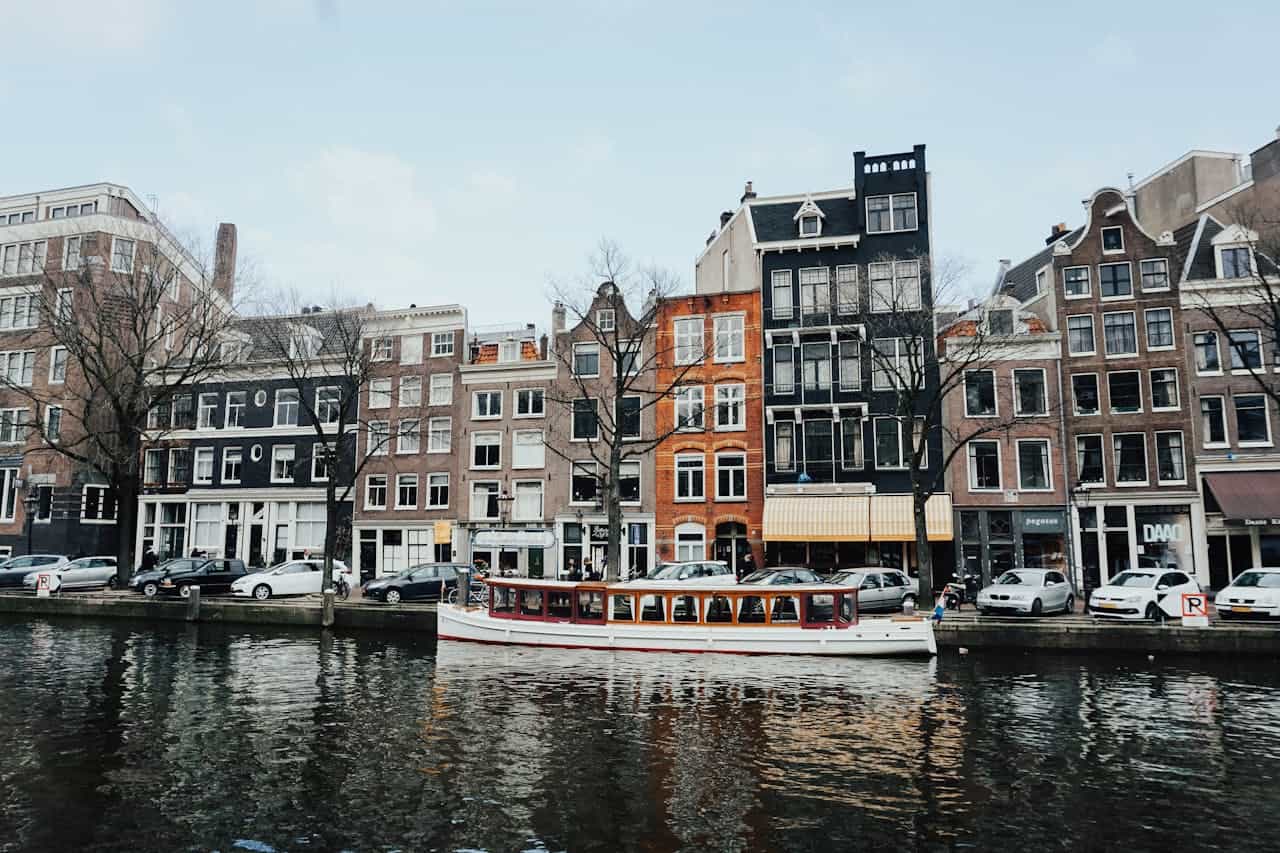
Amsterdam spreads across 90 islands connected by 1,500 bridges, forming an intricate canal network. More than 60 percent of residents cycle daily using over 500 kilometers of bike lanes. This infrastructure makes solo exploration safe and intuitive.
A standard canal cruise lasts about 60 minutes, introducing visitors to the 17th-century canal ring. Museum admission averages $22. English proficiency exceeds 90 percent among locals, easing communication for first-time independent travelers.
6. Copenhagen, Denmark
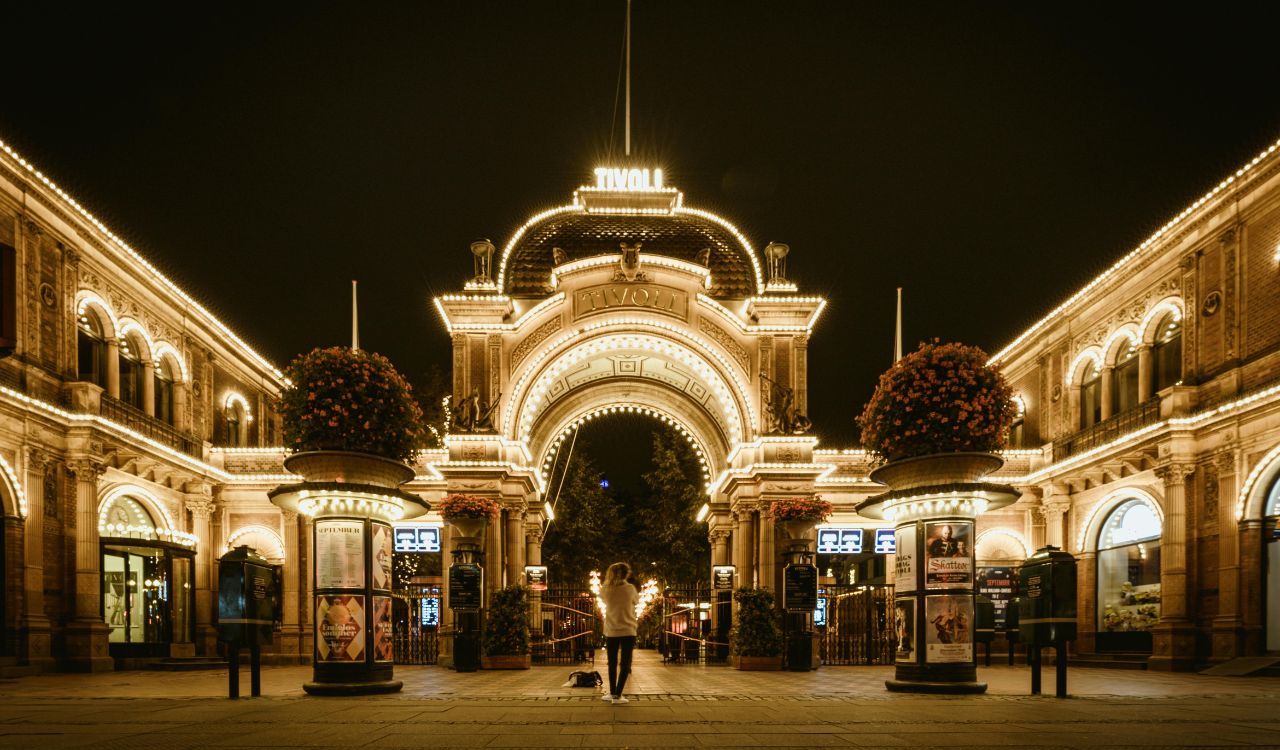
Copenhagen, home to nearly 800,000 residents, consistently ranks among Europe’s safest capitals. Summer temperatures average 22°C, perfect for cycling along its flat terrain. Harbor waters are clean enough for public swimming zones during warmer months.
Nyhavn’s 500-meter canal features colorful 17th-century houses and lively cafés. Over 62 percent of locals commute by bike daily. Public transport tickets cost roughly $2.60, and most key attractions lie within 5 kilometers of the center.
7. Edinburgh, United Kingdom

Edinburgh rises from volcanic rock, crowned by its castle positioned 135 meters above sea level. The city hosts more than 4 million festival visits annually, particularly during August’s renowned arts celebrations. Its skyline blends medieval towers with Georgian elegance.
The Royal Mile runs approximately 1.8 kilometers through the historic core. With around 550,000 residents, the atmosphere feels lively yet manageable. Arthur’s Seat climbs to 251 meters, rewarding solo hikers with expansive coastal views.
8. Florence, Italy
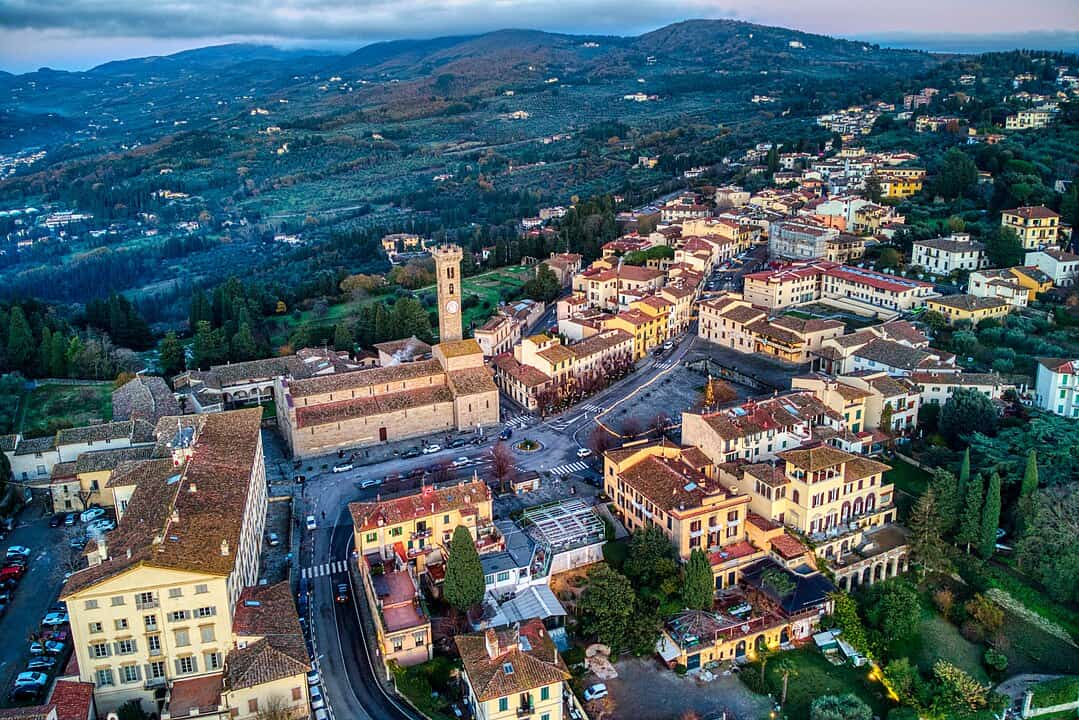
Florence concentrates Renaissance brilliance into 102 square kilometers. Around 380,000 residents live here, yet millions visit yearly to admire its artistic legacy. The compact historic center allows most landmarks to be reached within 30 minutes on foot.
The Duomo’s dome rises 116 meters, defining the skyline. The Uffizi Gallery showcases over 500 years of masterpieces. Espresso averages $1.60 at the bar, offering affordable pauses between museums and piazzas.
9. Dubrovnik, Croatia
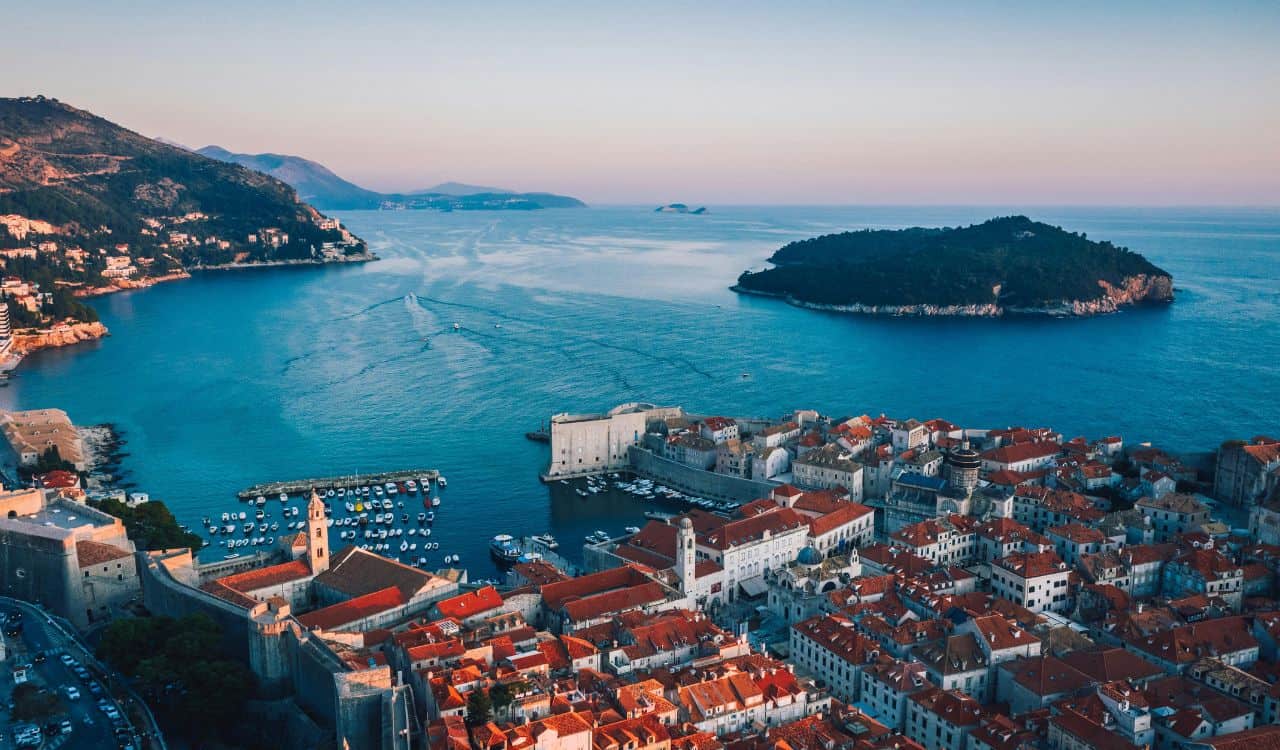
Dubrovnik’s limestone streets shimmer beside the Adriatic Sea, enclosed by walls stretching nearly 2 kilometers. Fewer than 45,000 residents live within the city, giving it an intimate feel beyond cruise hours. The Old Town dates back to the 7th century.
Summer sea temperatures reach 25°C, ideal for swimming near Banje Beach. Ferries connect nearby islands in under 1 hour. Walking the city walls costs about $38 and offers panoramic coastal views.
10. Vienna, Austria
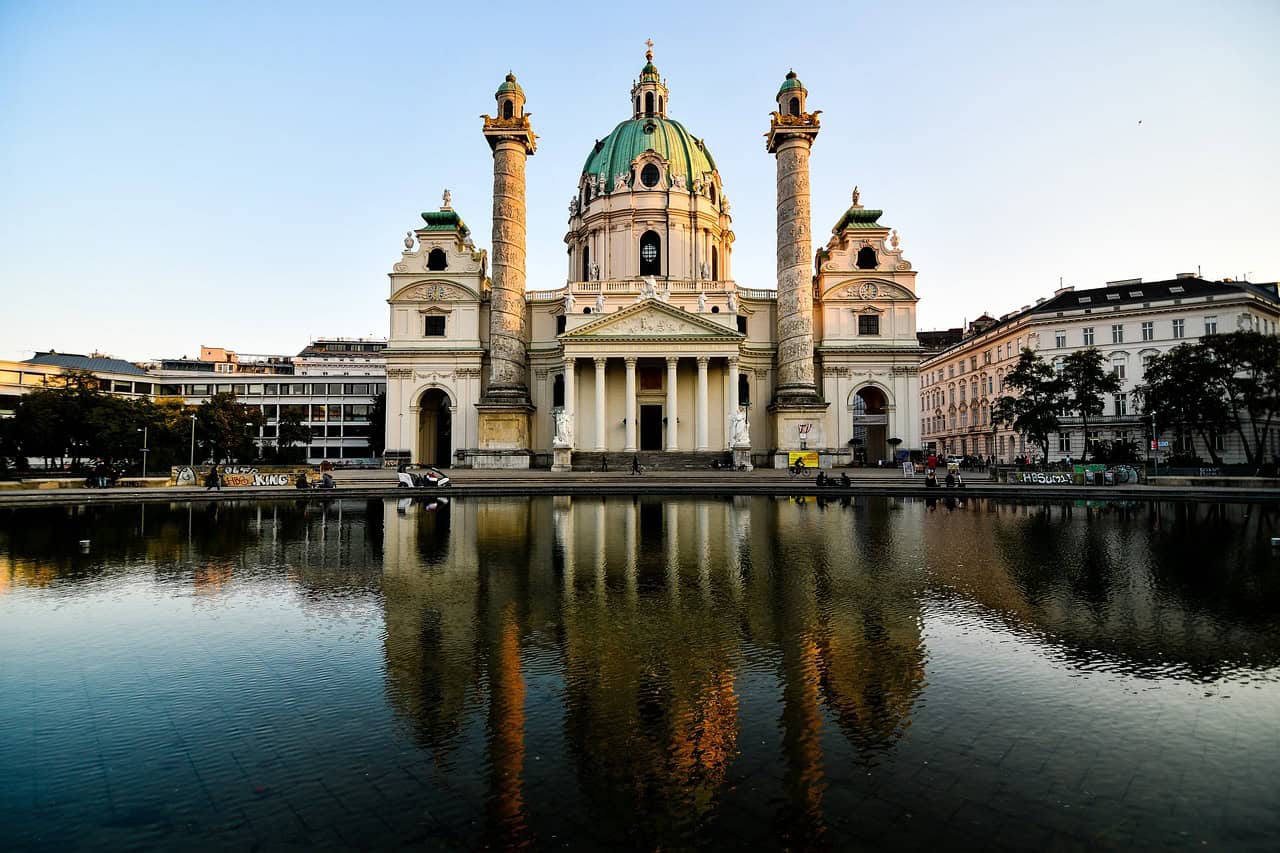
Vienna merges imperial grandeur with modern efficiency. Approximately 1.9 million residents live here, and the city frequently ranks among the world’s most livable. Public transport extends over 1,000 kilometers, with single tickets costing around $2.60.
Schönbrunn Palace contains 1,441 rooms reflecting centuries of Habsburg influence. Coffeehouse traditions date back more than 300 years. Classical performances occur nightly in venues seating fewer than 500 guests.