We may earn money or products from the companies mentioned in this post. This means if you click on the link and purchase the item, I will receive a small commission at no extra cost to you ... you're just helping re-supply our family's travel fund.
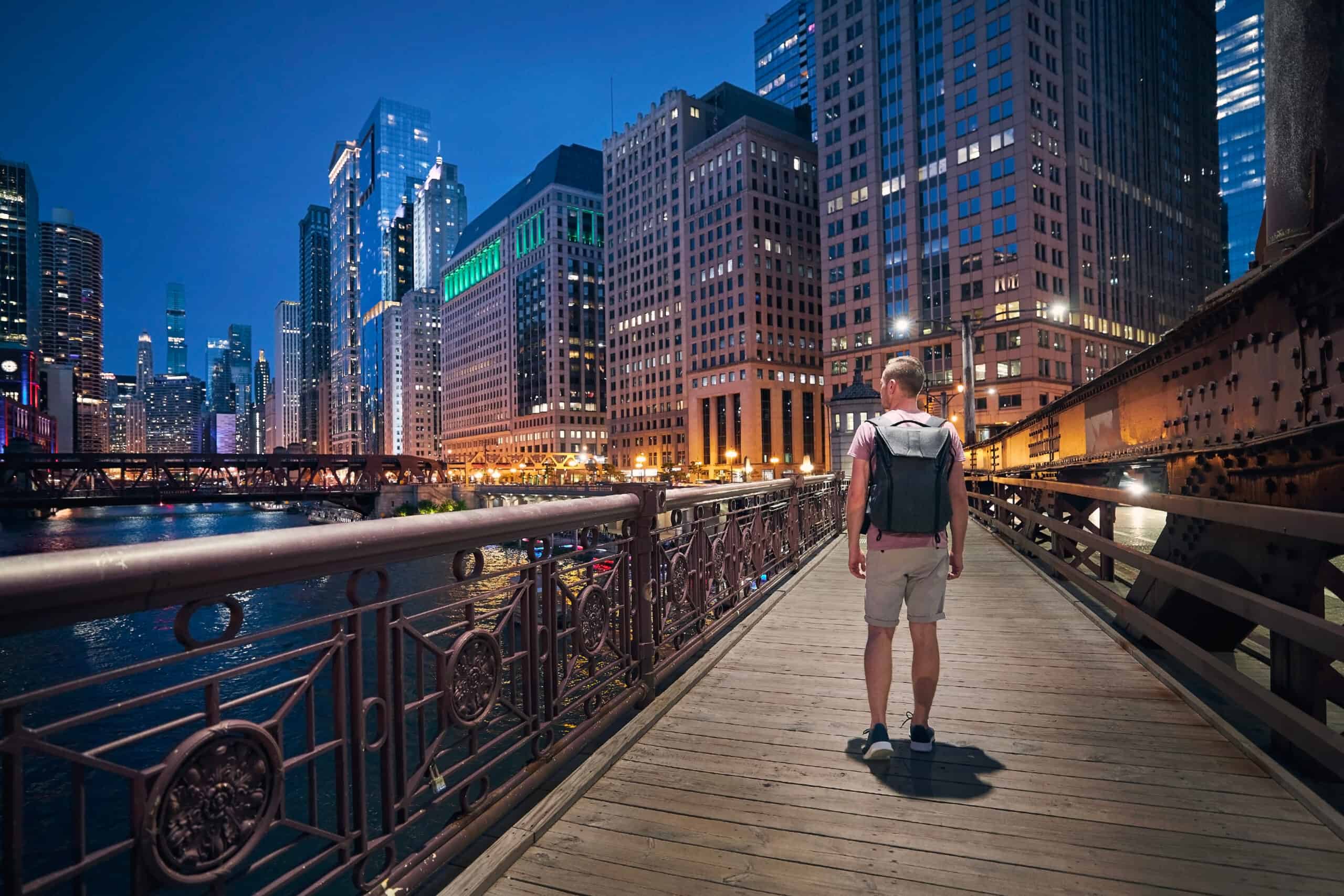
Major cities are full of late-night energy, but the risk picture changes quickly after dark. Danger is rarely about a single address; it is usually about conditions: low lighting, thin crowds, limited exits, and distractions that make someone an easy target. The places below describe common high-risk environments found in many big cities, based on patterns safety experts often point to. The goal is awareness, not fear, and better outcomes usually come from choosing bright routes, staying near other people, and keeping plans simple.
Empty Transit Platforms After Service Gaps
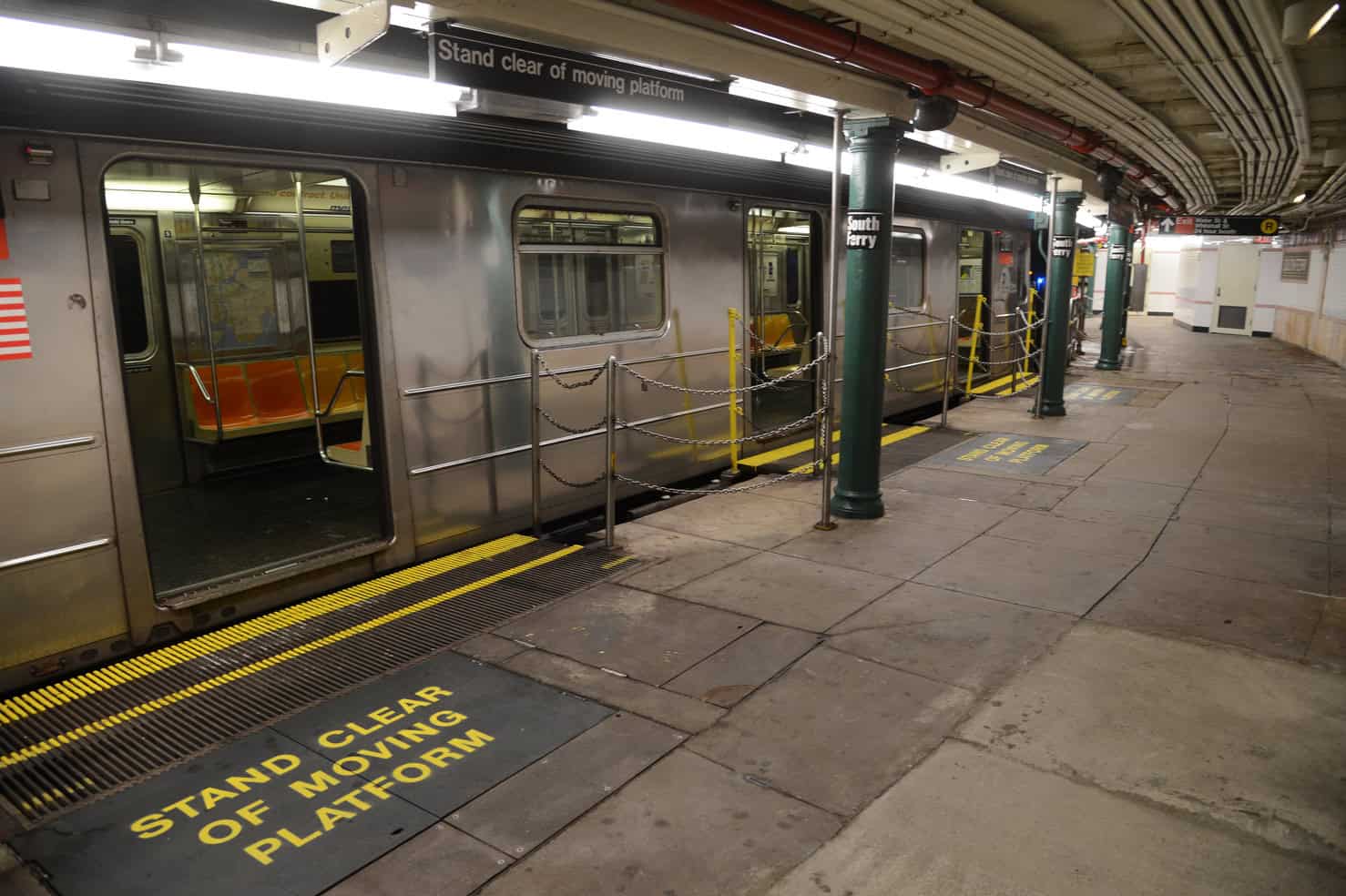
Late-night transit can feel orderly until service thins and platforms empty out. Long waits create predictable stillness, and distractions like phones, headphones, and luggage can invite theft, harassment, or a sudden snatch-and-run. Risk rises when lighting is patchy, staff booths are closed, and exits funnel into quiet streets, so seasoned riders cluster near other passengers, stay in camera view, keep valuables out of sight, pick train cars with more riders or closer to the operator, wait near emergency intercoms, and choose well-marked transfers at busy stations instead of lingering alone at the end of the line during overnight hours too.
Poorly Lit Parking Garages and Surface Lots
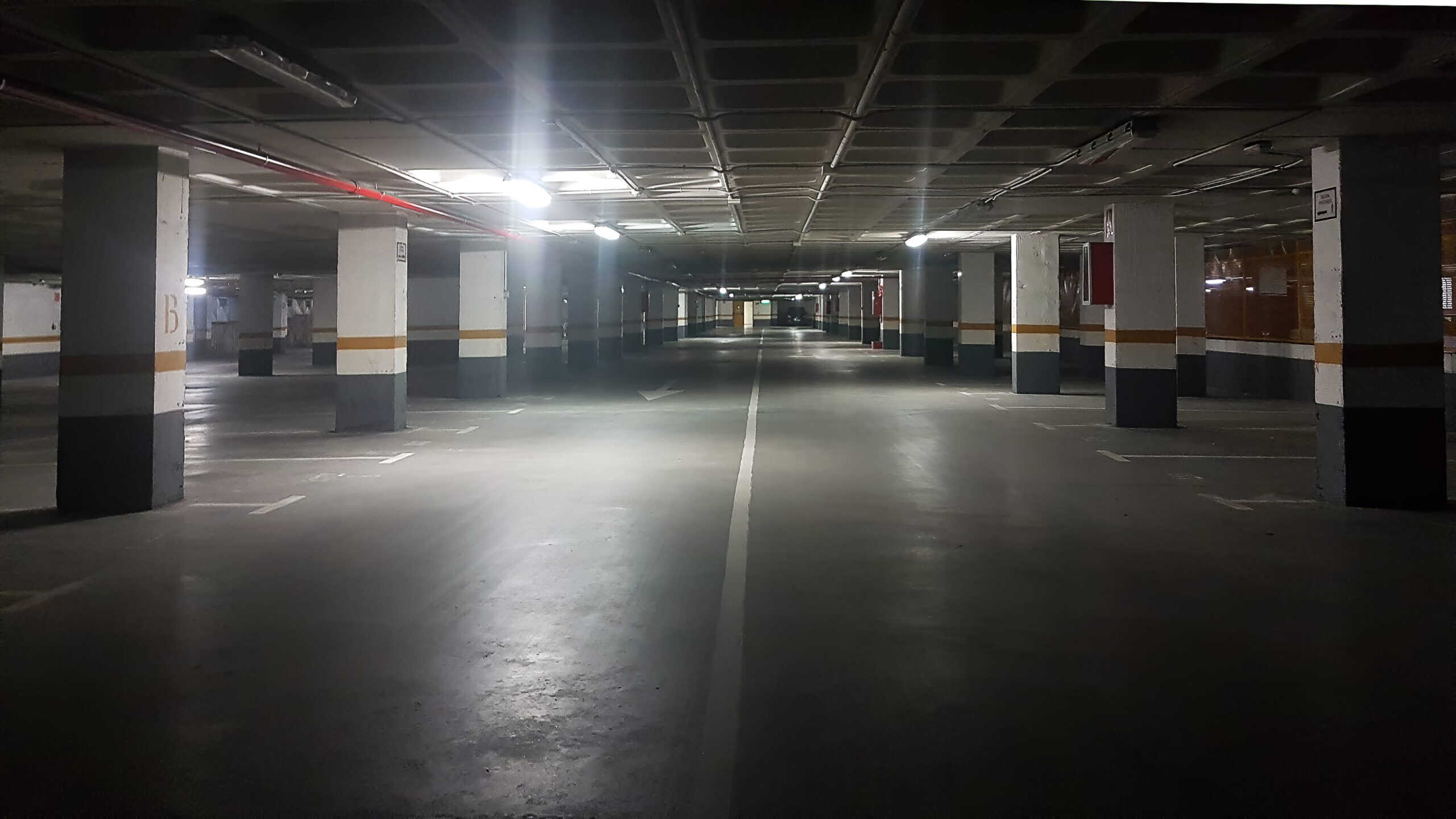
Parking garages and big surface lots concentrate people in narrow lanes, blind corners, and echoing stairwells. After offices and malls close, there are fewer witnesses, and the walk to a vehicle becomes a short, isolated corridor where someone can tail a person unseen, especially when bags, groceries, or laptops slow the pace. Risk climbs around payment kiosks, elevators, and dimly lit levels with broken gates, so many park close to guards or cameras, keep keys ready without lingering, load items quickly, and avoid cutting between parked cars, down empty ramps, or into stairwells that cannot be seen from the street, when the shift has ended.
Isolated Urban Parks After Dark
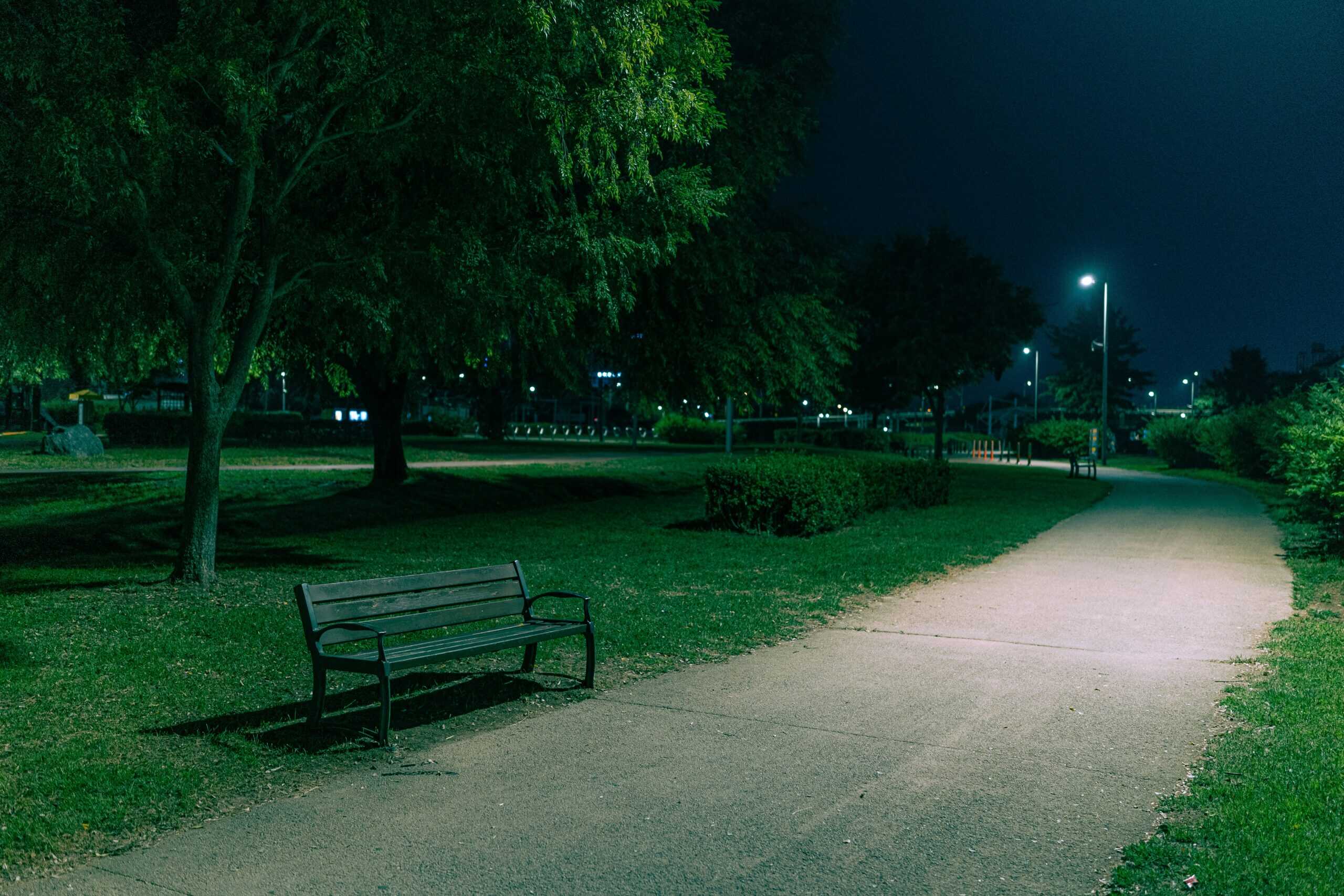
City parks change character at night, especially in larger sections where paths split and visibility drops. Trees, bridges, and landscaping create hiding places, while quiet benches, playgrounds, and restrooms can become trouble spots once crowds leave, lights shut off, and patrols thin; even a short cut can turn into a long, lonely stretch. Incidents often cluster on unlit trails and near perimeter edges, so locals favor well-used routes, stay near main roads, keep to areas by homes or open businesses, and treat closed gates, warning signs, and posted hours as real safety signals, not suggestions, especially late on weeknights and in winter.
Alleyways Behind Late-Night Bars
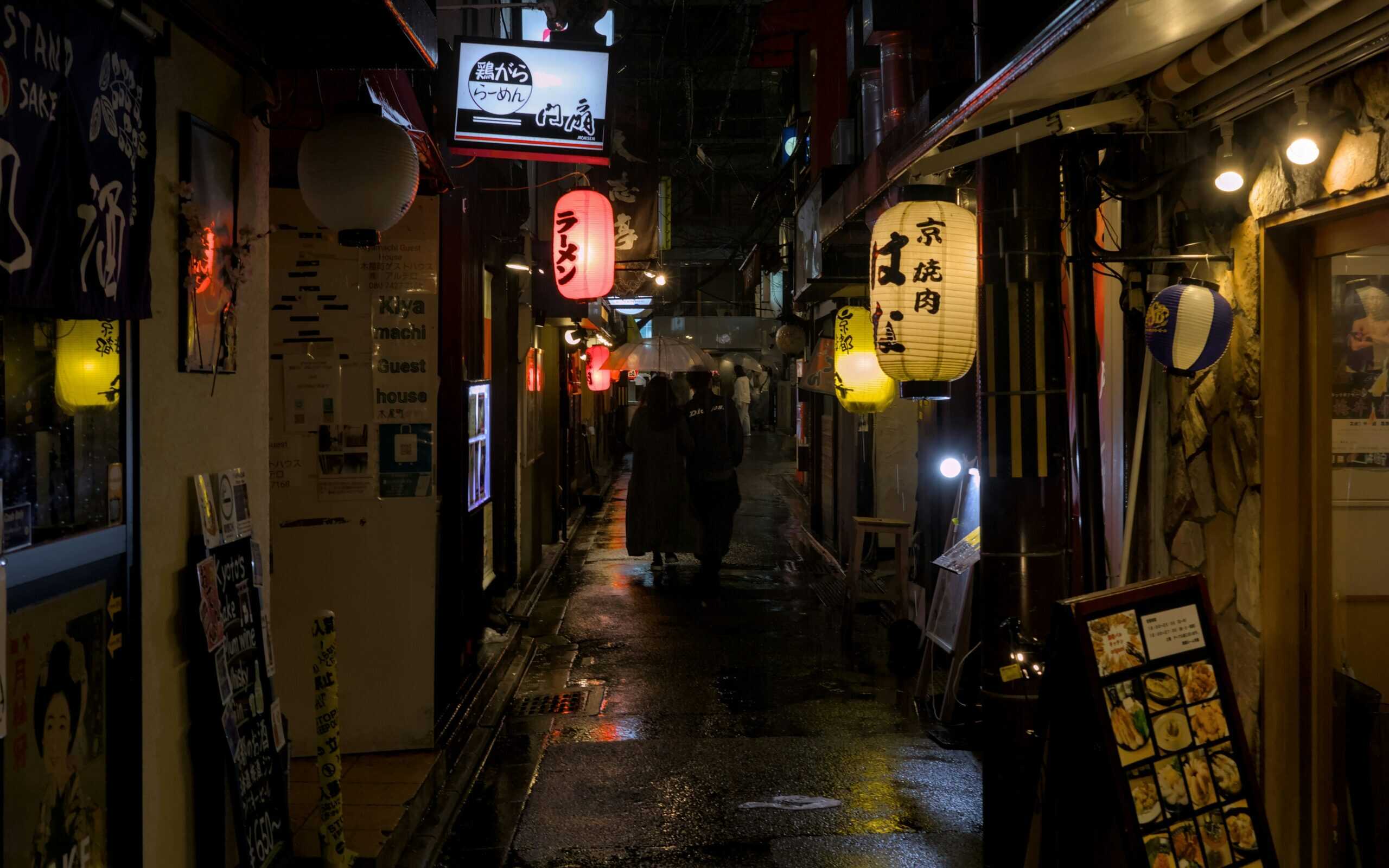
Alleys behind bars and clubs attract late-night foot traffic, but not the kind that reliably keeps everyone safe. People stepping out for rideshares or phone calls may be intoxicated, separated from friends, or focused on a map pin, while bouncers and bartenders stay busy inside and music masks raised voices. With dumpsters, delivery doors, and tight sightlines, these lanes can become quick ambush points for theft or harassment, so locals meet at bright corner landmarks, stick to the main entrance, and keep conversations and payments for calmer moments once they are back on a well-lit street with other pedestrians nearby and open storefronts.
Underpasses and Tunnels With Blind Corners
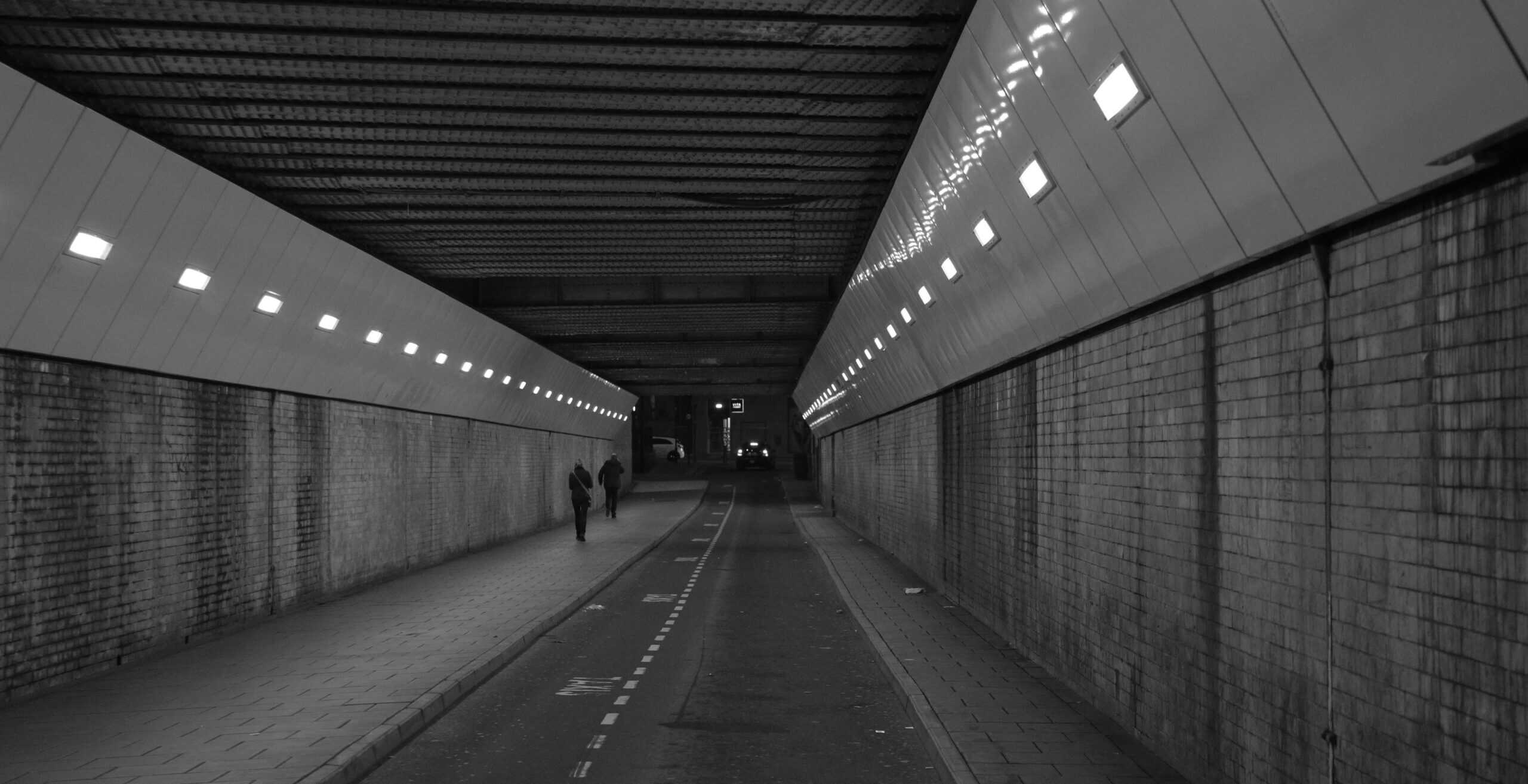
Underpasses, pedestrian tunnels, and elevated-road shadows can compress a walk into a single narrow channel. Traffic noise masks footsteps and voices, and the space often has few exits until the far end, which can feel longer when someone is moving quickly behind another person or when a group blocks the path. Risk climbs when lighting flickers, walls are damaged, and sightlines are blocked by pillars or sharp curves, so seasoned walkers take street-level crossings with open storefronts, steady lighting, and clear views, and they avoid stopping to check directions in the deepest part of the passage or passing through alone after closing time.
Deserted Waterfront Promenades
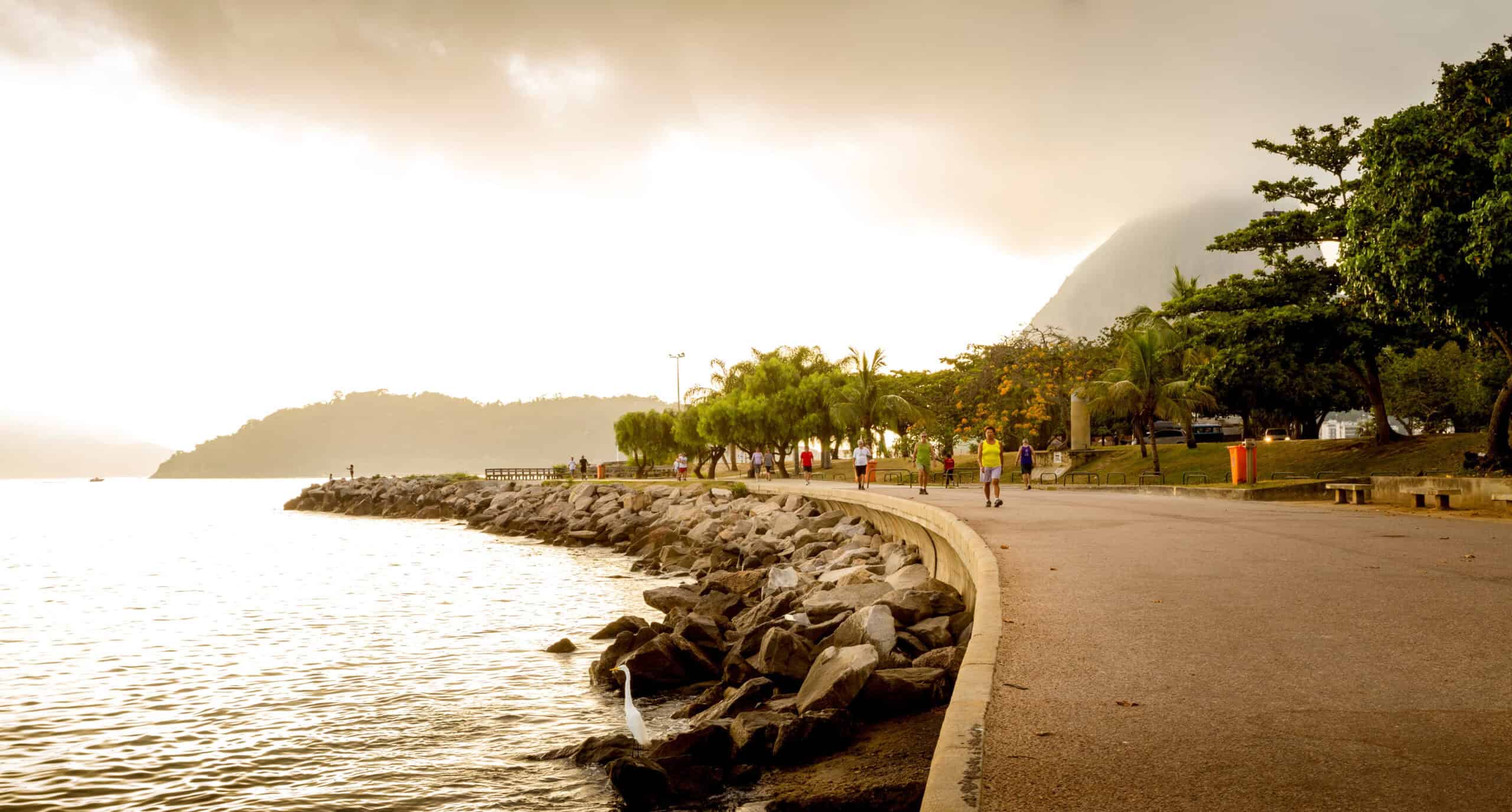
Waterfront paths can look peaceful at night, but long stretches of darkness and limited access points can trap someone in isolation. Seawalls, dunes, and railings reduce escape options, and wind and surf cover sounds that might otherwise draw help; even a minor fall or broken phone can become a serious problem far from a main road. Risk spikes in off-season hours, near closed kiosks, boat ramps, and poorly lit piers, so regulars favor promenades that parallel active streets, stay near open businesses and well-marked exits, and skip dead-end spurs once late-night foot traffic fades, and avoid isolated benches set back behind dunes most nights.
ATM Vestibules and Standalone Kiosks
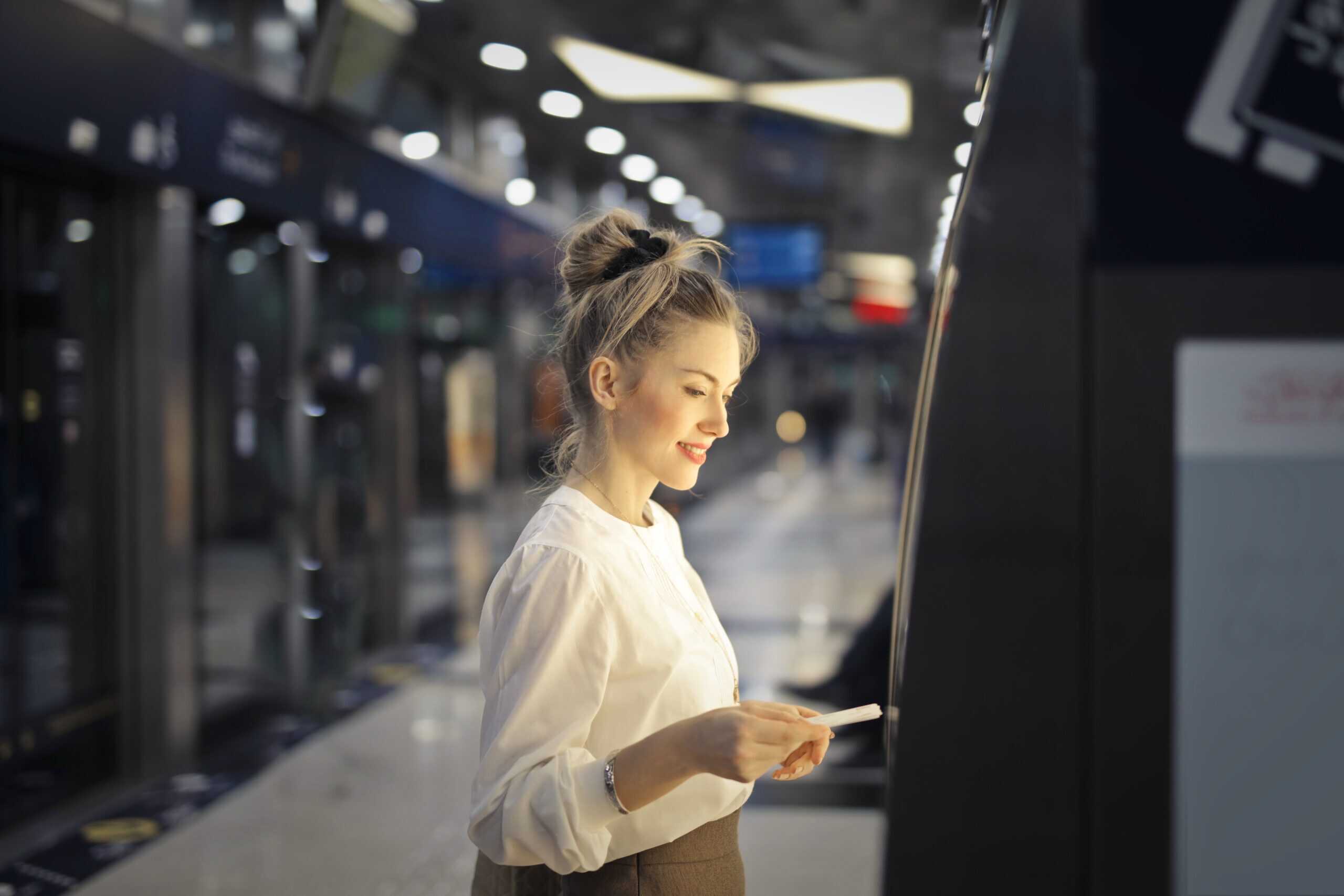
ATMs seem routine, yet they create a moment when attention and hands are fully occupied. Standalone kiosks, vestibules, and corner machines can be targets for robbery, card skimming, or follow-on theft after a withdrawal, especially when someone is counting cash, waiting for a receipt, or focused on a pin screen. Higher-risk settings include low-visibility walls, broken lights, and doors that lock from the outside, so many prefer indoor bank lobbies during open hours, use cashback inside busy stores, keep transactions quick, and step away before checking balances or organizing cash where a follower can watch from the sidewalk or a parked car.
Industrial Blocks After Business Hours
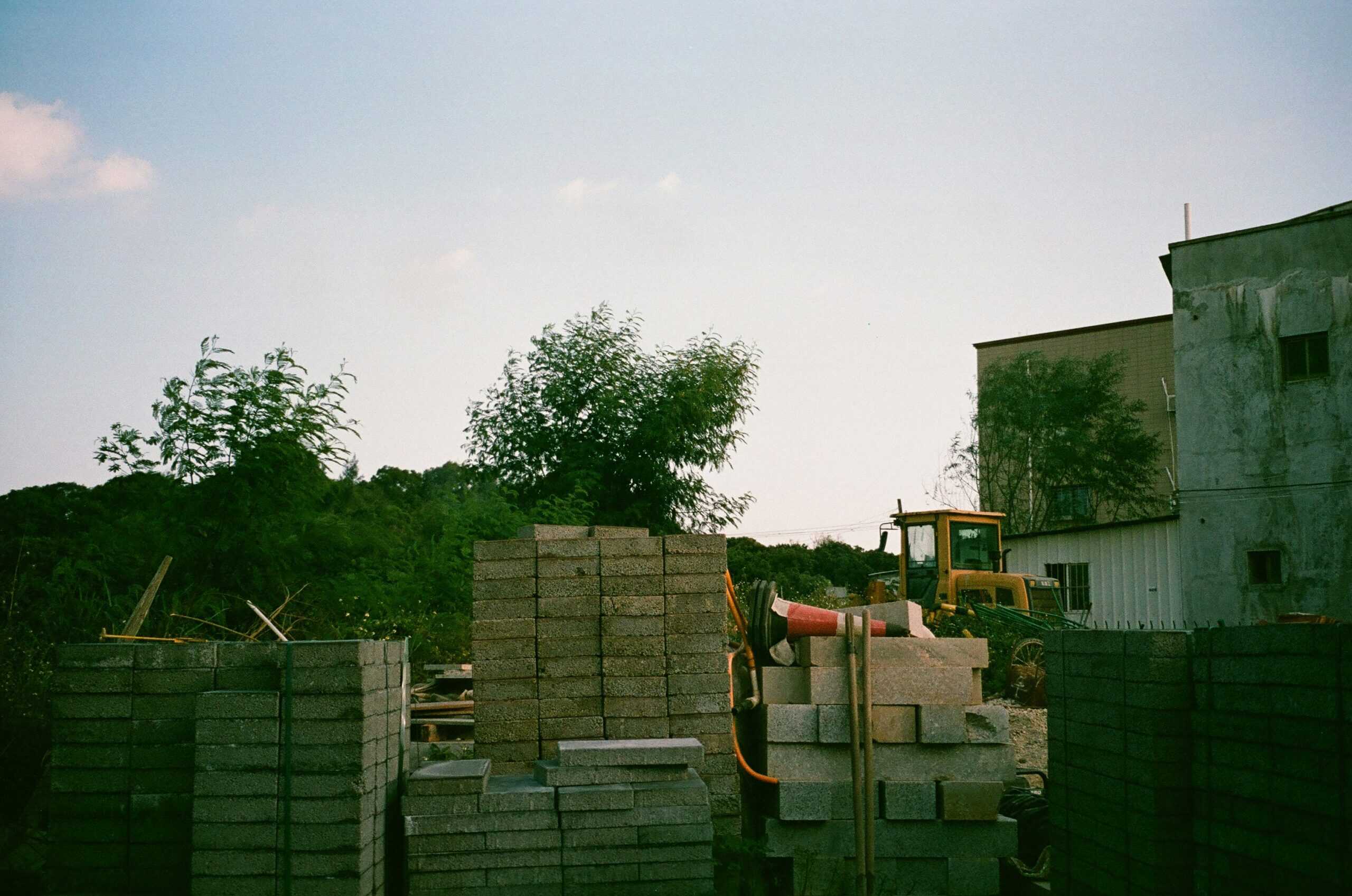
Industrial corridors, warehouse districts, and office parks empty out fast after shifts end. Wide roads, long fences, and closed storefronts remove natural surveillance, while rideshare pickup zones can be far apart; even bus stops may sit beside blank walls, locked gates, and dark loading bays. When streets are deserted, small problems escalate quickly, so commuters plan pickups at staffed locations like 24-hour gas stations, stick to main arteries with steady traffic, and avoid shortcuts through lots, loading docks, alleys, or side yards where cameras, lighting, and passersby are scarce and call boxes are rare, even near transit late-night.
Unstaffed Stairwells and Back Entrances
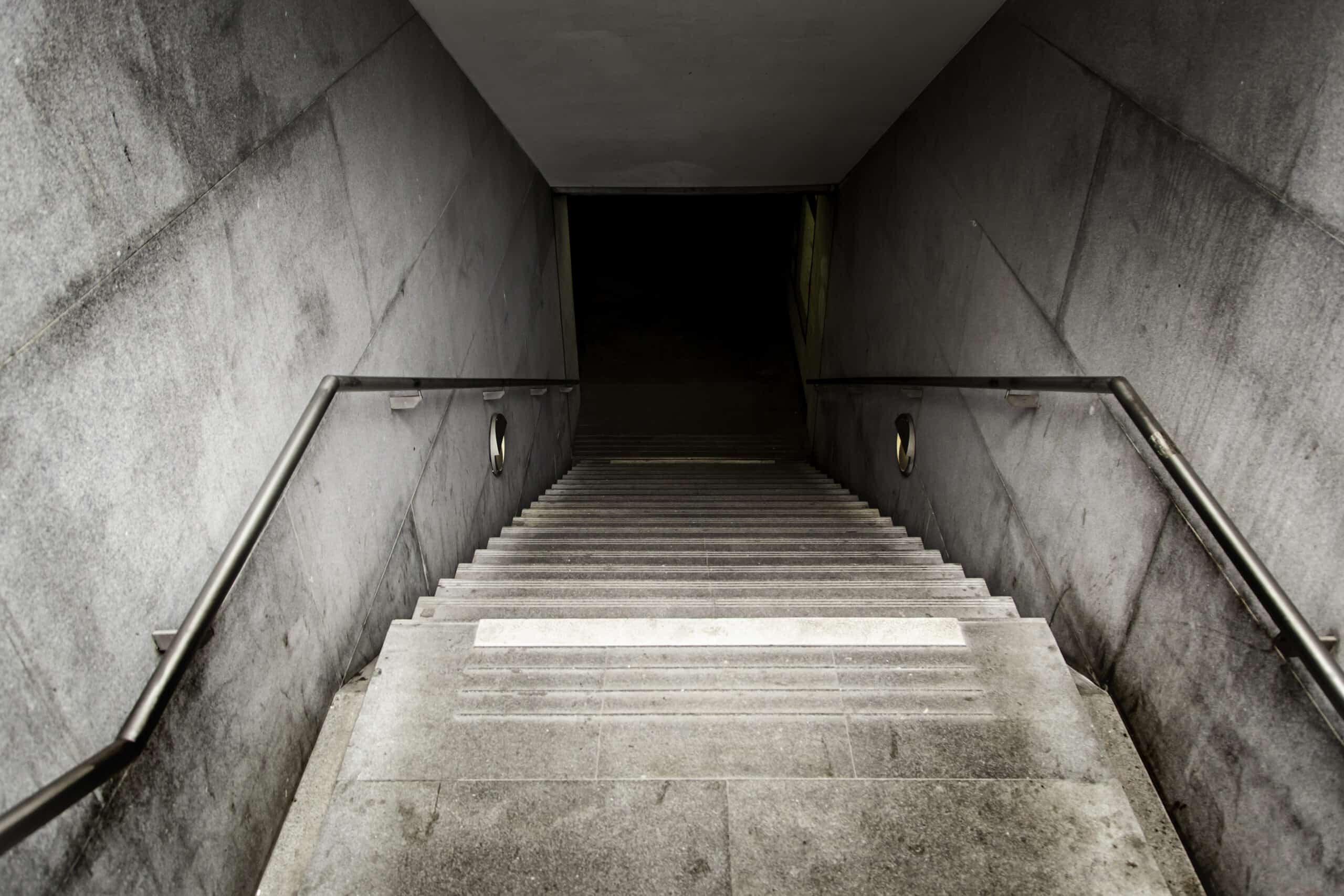
Building stairwells, rear entrances, and side corridors are designed for utility, not visibility. They can hide someone from street view and separate a person from help in seconds, especially when fire doors lock behind them, cameras do not cover the landings, and sound does not carry past concrete walls. Risk signals include broken buzzers, dim bulbs, and corners that cannot be seen from the sidewalk, so residents favor front lobbies, wait for another tenant when possible, ride elevators with others, and skip back hallways near trash rooms or loading areas where no one can see what happens and strangers can linger unnoticed for long minutes.
Large Event Spill Zones After Closing Time
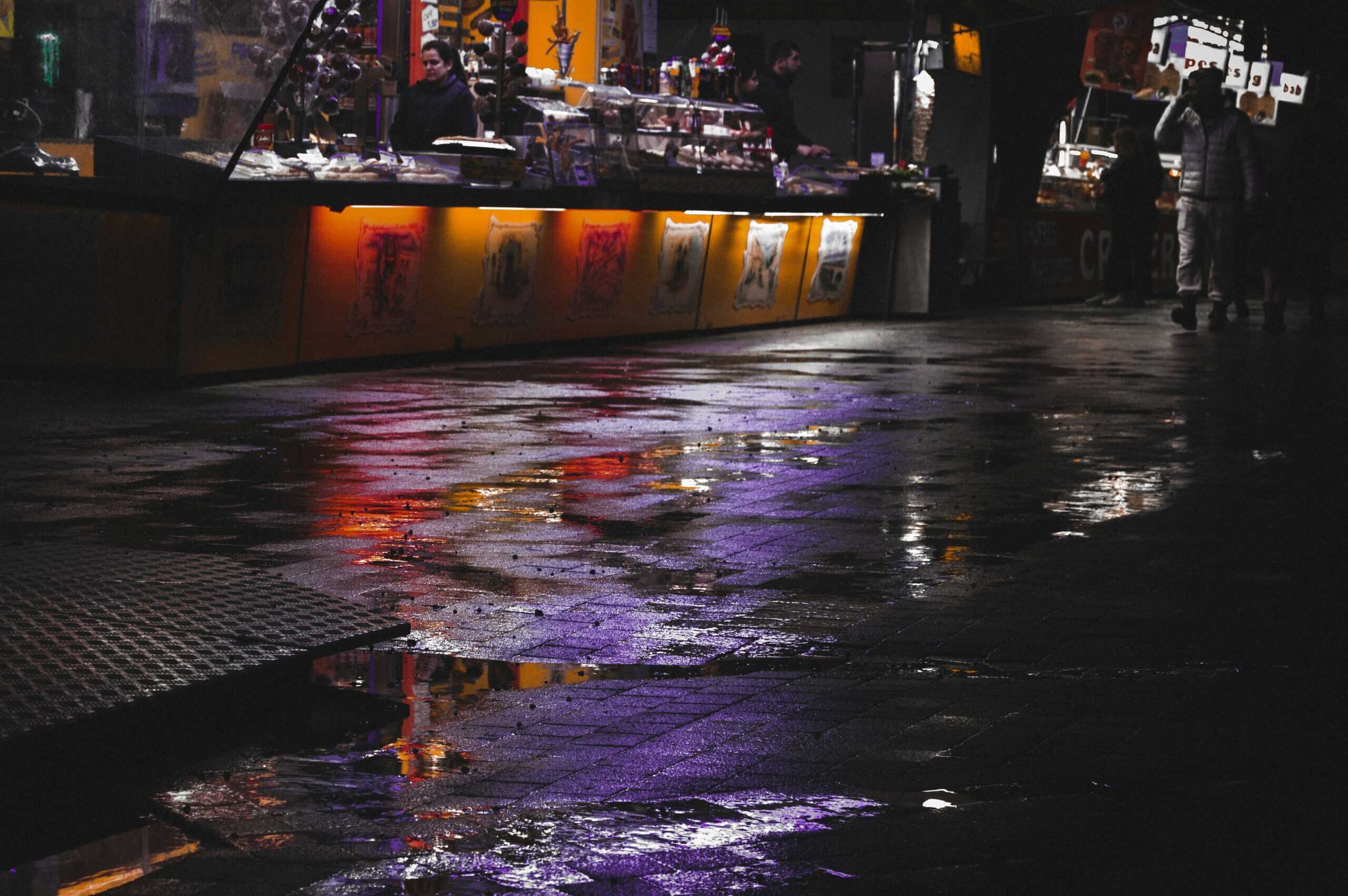
Stadiums, arenas, and festival grounds are safest when crowds are thick, then can turn risky once the lights go out. After closing time, scattered groups funnel toward parking, transit, and rideshare queues, and opportunists blend into the confusion, especially when phones die, wallets come out for late-night food, and tempers flare over delays. Problem areas include poorly marked pickup lots, temporary fences, and dark side streets near venues, so regular attendees use designated pick-up zones, stay near staff or police, keep companions together, and leave before the final wave disperses into quiet blocks away from the main gates at closing.