We may earn money or products from the companies mentioned in this post. This means if you click on the link and purchase the item, I will receive a small commission at no extra cost to you ... you're just helping re-supply our family's travel fund.
Air travel is statistically one of the safest ways to move across the planet, yet not every landing feels routine. Some airports sit on cliff edges, others hide in mountain bowls, and a few float on engineered islands facing violent seas. What makes them “dangerous” isn’t recklessness, but geography, altitude, wind patterns, and limited runway margins. Below are ten airports where precision matters most. Each one operates under strict aviation rules, yet demands exceptional pilot skill, timing, and nerves.
1) Tenzing-Hillary Airport : Nepal
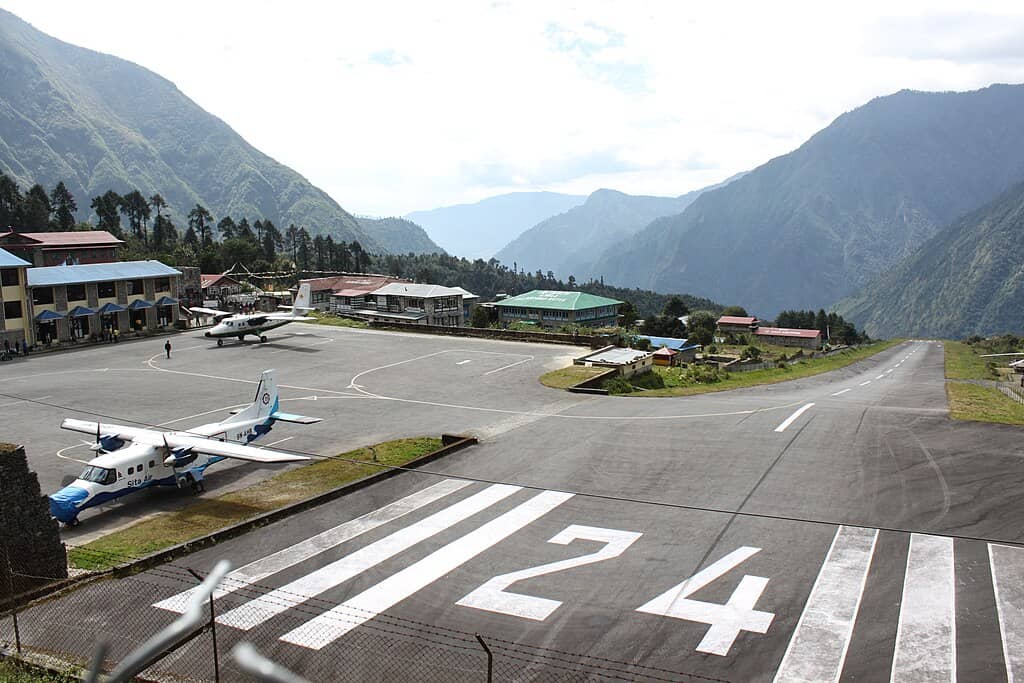
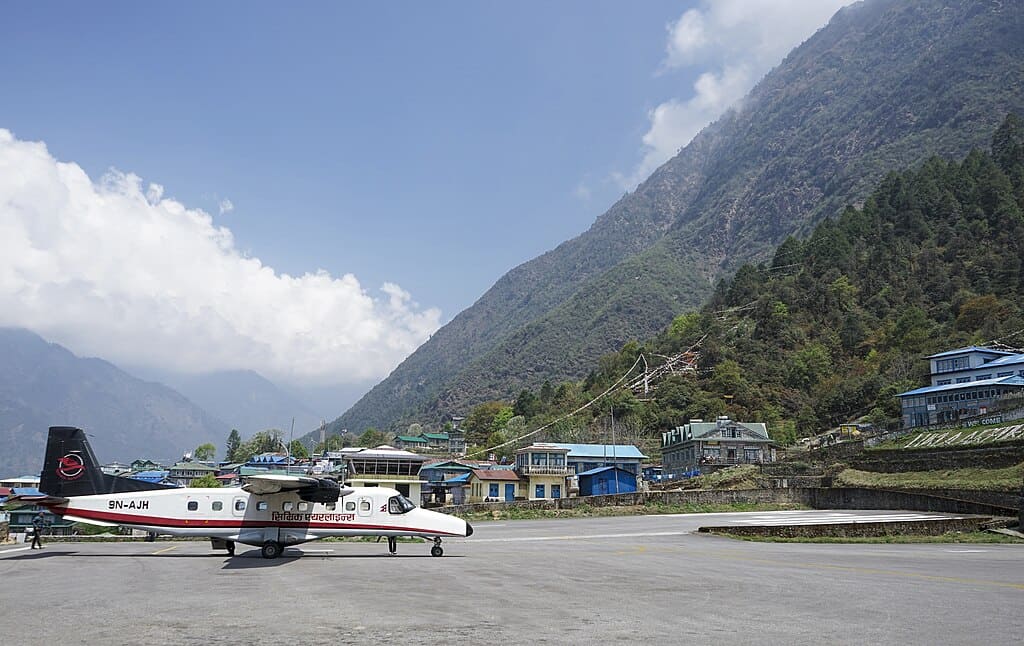
Perched at 9,334 feet in Nepal’s Khumbu region, this gateway to Everest has a runway measuring just 527 meters in length and about 20 meters wide. One end faces a solid mountain wall while the other drops sharply into a valley, eliminating any possibility of a go-around once committed. The runway carries an 11.7% uphill gradient to help aircraft slow down.
Flights operate mostly in early morning due to shifting Himalayan weather, and visibility can fall below safe limits within minutes. Only specially trained pilots are cleared to land here, handling small twin-engine aircraft carrying trekkers and supplies daily during peak climbing season.
2) Princess Juliana International Airport : Sint Maarten
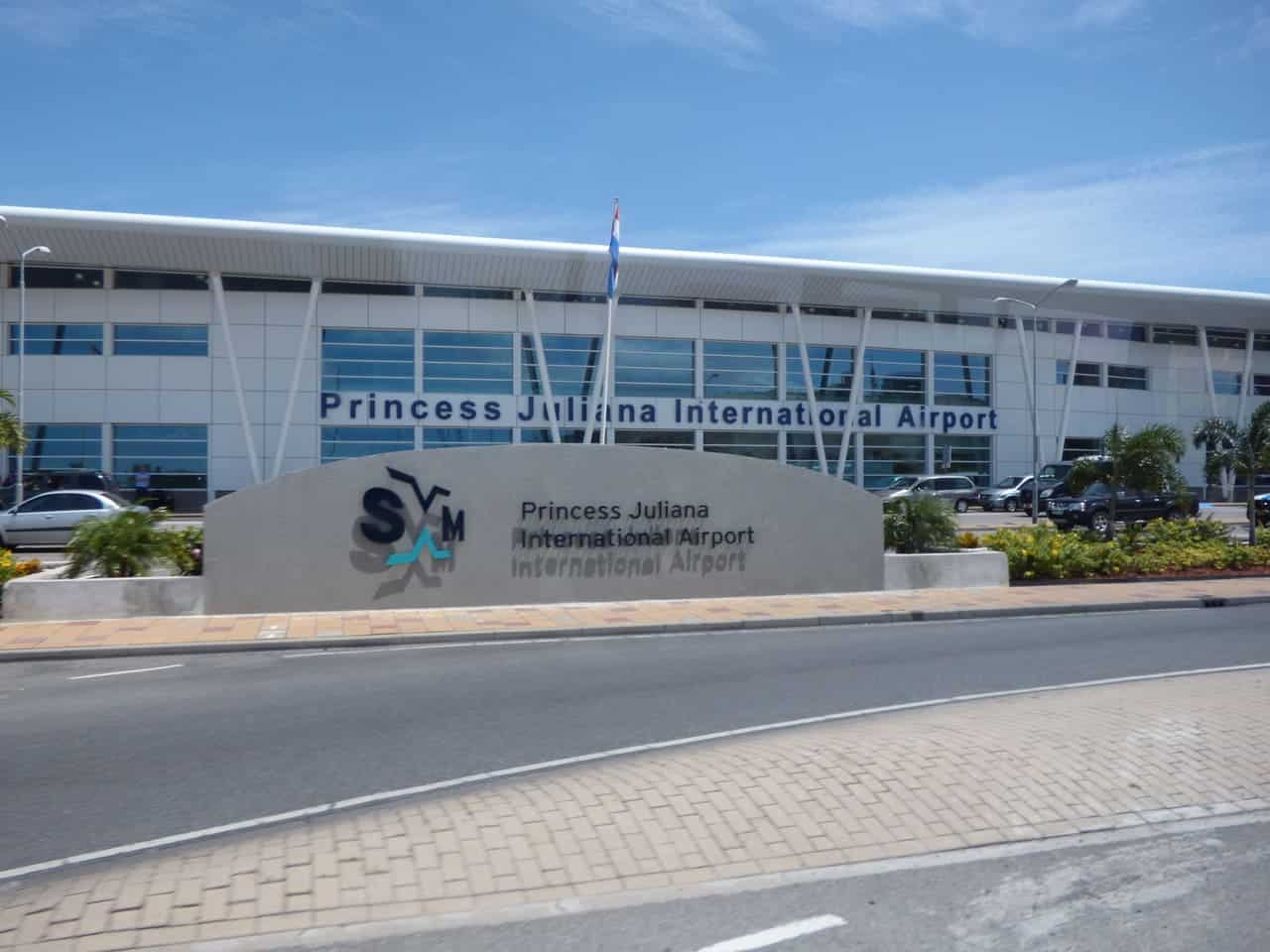
This Caribbean airport is famous for aircraft descending roughly 30 to 50 feet above Maho Beach before touching down. Its primary runway stretches about 2,300 meters, adequate for large jets, yet the short approach over water forces pilots into low, dramatic glide paths. Strong easterly trade winds frequently create crosswind components exceeding 20 knots.
Despite viral beachside videos, operations follow international aviation standards with precise approach charts and strict separation rules. Around 1.8 million passengers pass through annually, many unaware that what feels like a thrill is actually a carefully calculated descent profile perfected over decades.
3) Paro International Airport : Bhutan
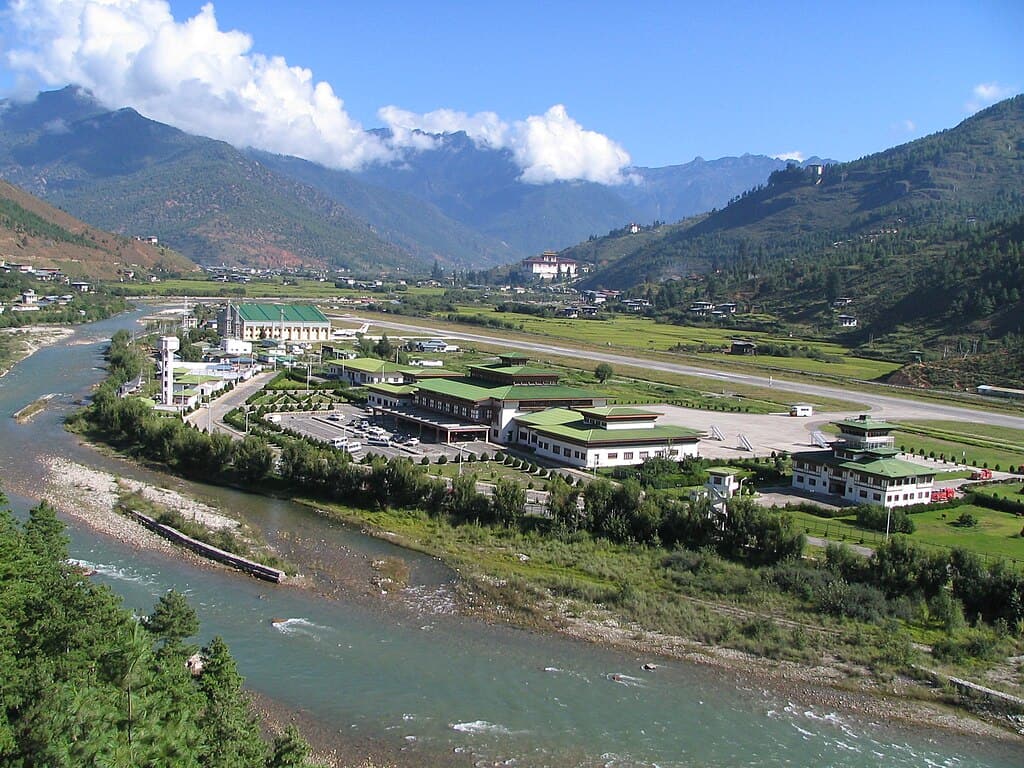
Located at 7,332 feet above sea level and surrounded by Himalayan peaks rising beyond 18,000 feet, Paro demands visual flying skills of the highest order. The single runway measures about 2,265 meters, but the winding valley approach leaves little room for deviation. Pilots must manually maneuver between ridgelines before lining up seconds before touchdown.
Fewer than 50 commercial pilots worldwide are certified for this route. Radar assistance is minimal, and weather shifts quickly in the narrow valley corridor. With fewer than 300,000 passengers annually, Paro remains one of the world’s most technically demanding scheduled commercial airports.
4) Gibraltar International Airport : Gibraltar
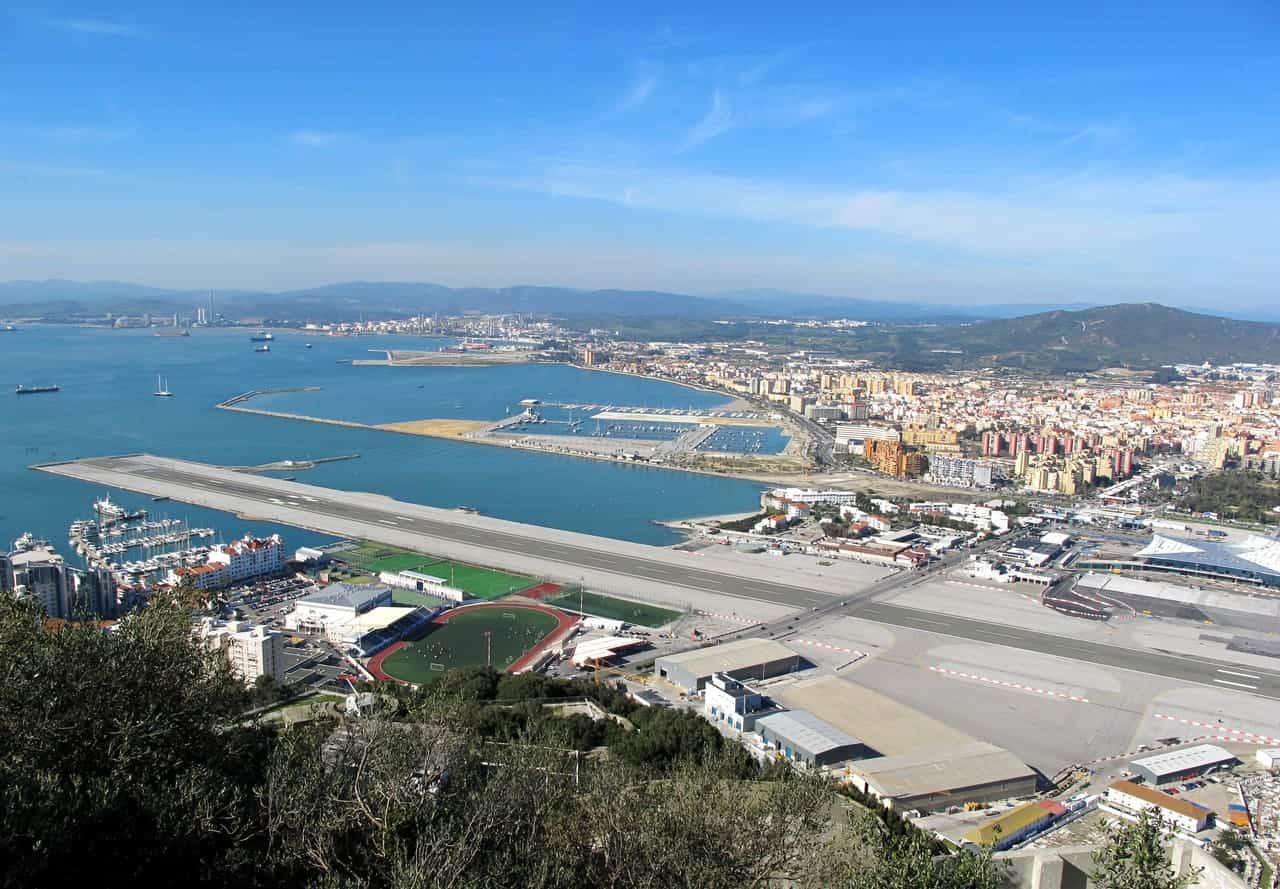
One of aviation’s rare urban intersections, this airport’s 1,829-meter runway crosses Winston Churchill Avenue, the territory’s main road. Traffic halts at barrier gates whenever an aircraft lands or departs, sometimes multiple times per hour. The runway sits between the Mediterranean Sea and the towering Rock of Gibraltar, creating complex wind shear conditions.
Crosswinds can exceed 25 knots during certain seasons, challenging even experienced crews. Despite handling over 500,000 passengers annually, operations remain orderly thanks to tight scheduling, rapid runway clearance procedures, and constant coordination between air traffic control and local authorities managing road closures.
5) Madeira Airport : Portugal

Set along Portugal’s Atlantic island of Madeira, this airport features a 2,781-meter runway partially supported by 180 concrete pillars rising above the ocean. Before extension works in 2000, the shorter strip contributed to a fatal 1977 accident that reshaped safety standards. Today, pilots still face strong Atlantic crosswinds and mountainous turbulence on approach.
Aircraft often execute a curved descent before aligning with the runway in the final seconds. Winds can gust beyond 30 knots, particularly in winter months. Though it serves over 3 million passengers annually, only specially trained crews are authorized to operate regular commercial flights here.
6) Toncontín International Airport : Honduras
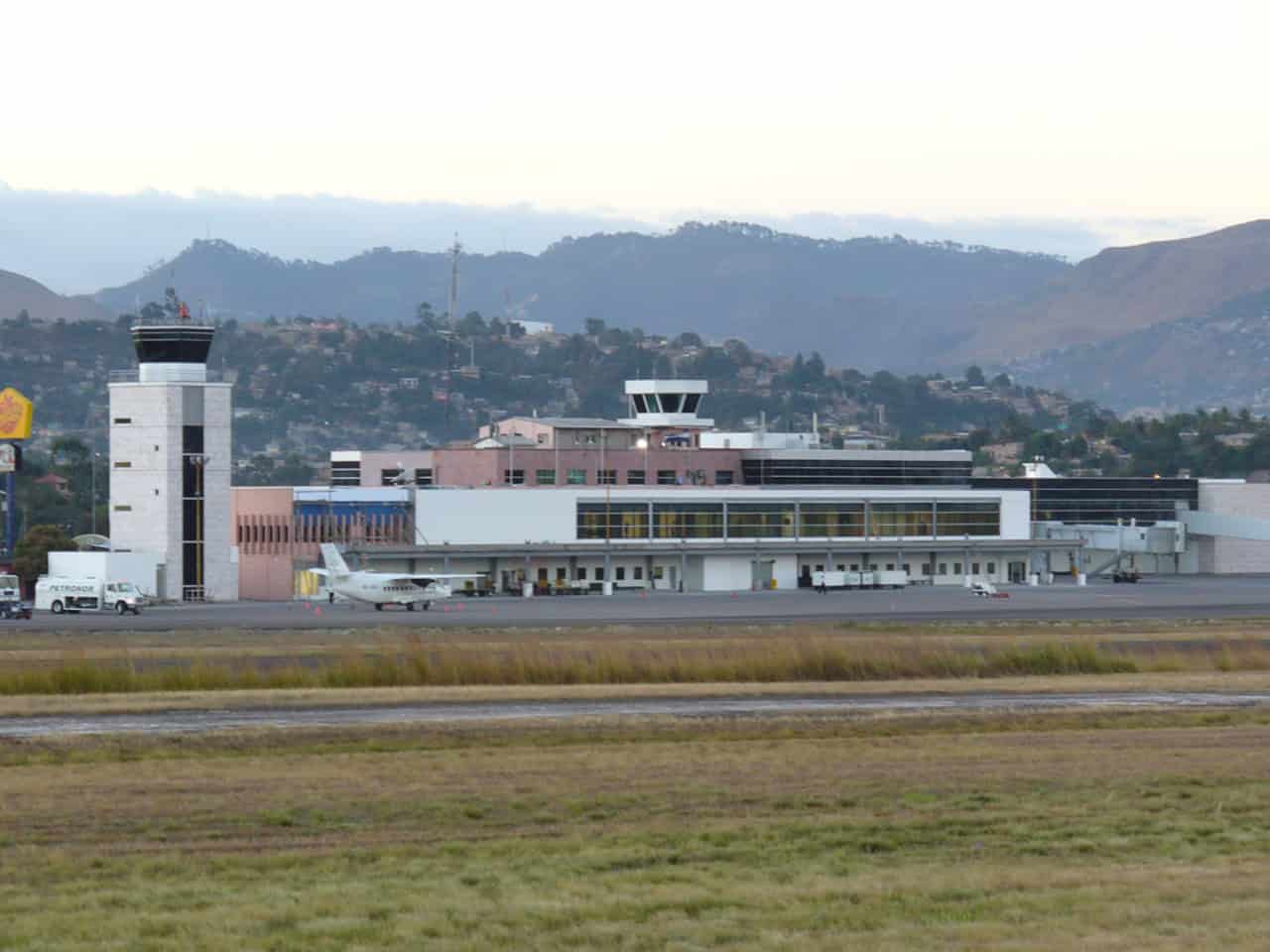
Situated at 3,294 feet above sea level within a mountain-ringed valley, Toncontín has a runway measuring roughly 2,163 meters. Aircraft must perform a noticeable banking turn at low altitude before straightening moments before touchdown. The surrounding terrain limits approach paths and reduces margin for error in poor visibility.
Historically linked to several incidents, the airport underwent runway safety upgrades and improved navigation procedures after 2008. Larger aircraft operations are now restricted, enhancing safety. Even so, watching a jet pivot sharply against a mountainous backdrop remains one of Central America’s most dramatic aviation experiences.
7) Juancho E. Yrausquin Airport : Caribbean Netherlands
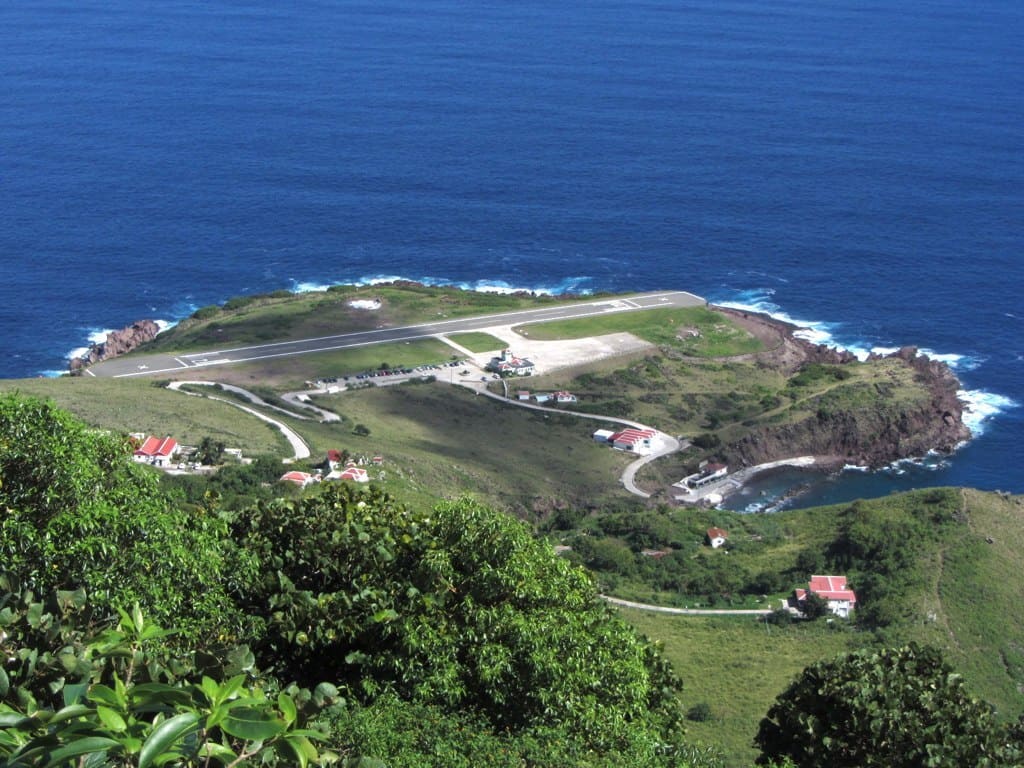
Often cited as the shortest commercial runway in the world, this strip measures approximately 400 meters. It rests on a narrow lava plateau bordered by steep cliffs plunging into the Caribbean Sea. Only small propeller aircraft such as Twin Otters operate here, typically carrying fewer than 20 passengers per flight.
There are no instrument landing systems, so pilots rely heavily on visual cues and stable weather. Strong coastal winds and sudden gusts add complexity. Although annual passenger numbers remain under 100,000, every landing demands pinpoint precision due to the unforgiving terrain at both runway ends.
8) Courchevel Altiport : France
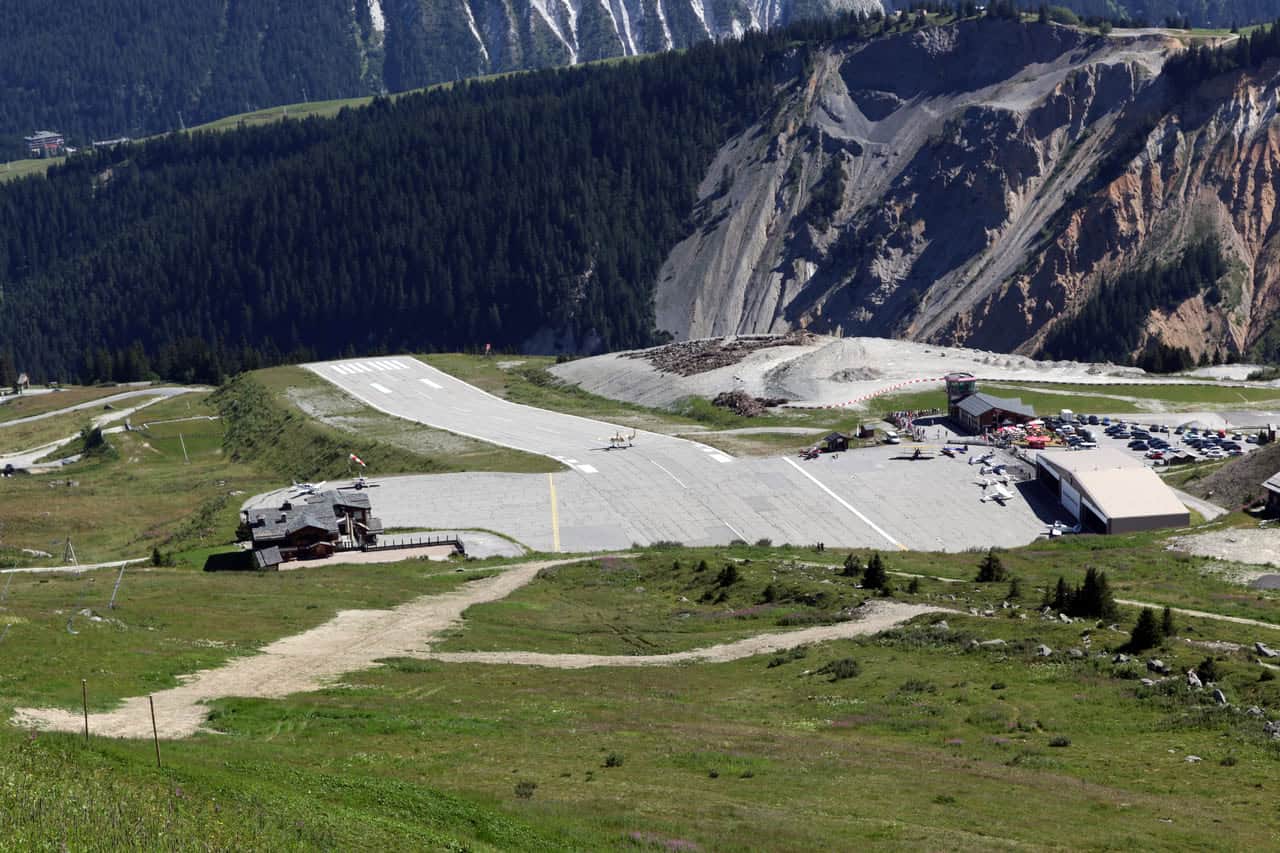
High in the French Alps at 6,588 feet elevation, Courchevel’s runway extends only about 537 meters and features an 18.5% uphill slope. There is no go-around procedure; once committed, pilots must land. Snow accumulation and icy surfaces during winter ski season increase difficulty significantly.
The altiport lacks conventional instrument landing systems, meaning operations depend on clear visibility. It mainly serves private aircraft and small charters transporting skiers to luxury resorts. Even in calm conditions, the steep gradient and mountainous surroundings make this one of Europe’s most technically challenging landings.
9) Wellington International Airport : New Zealand
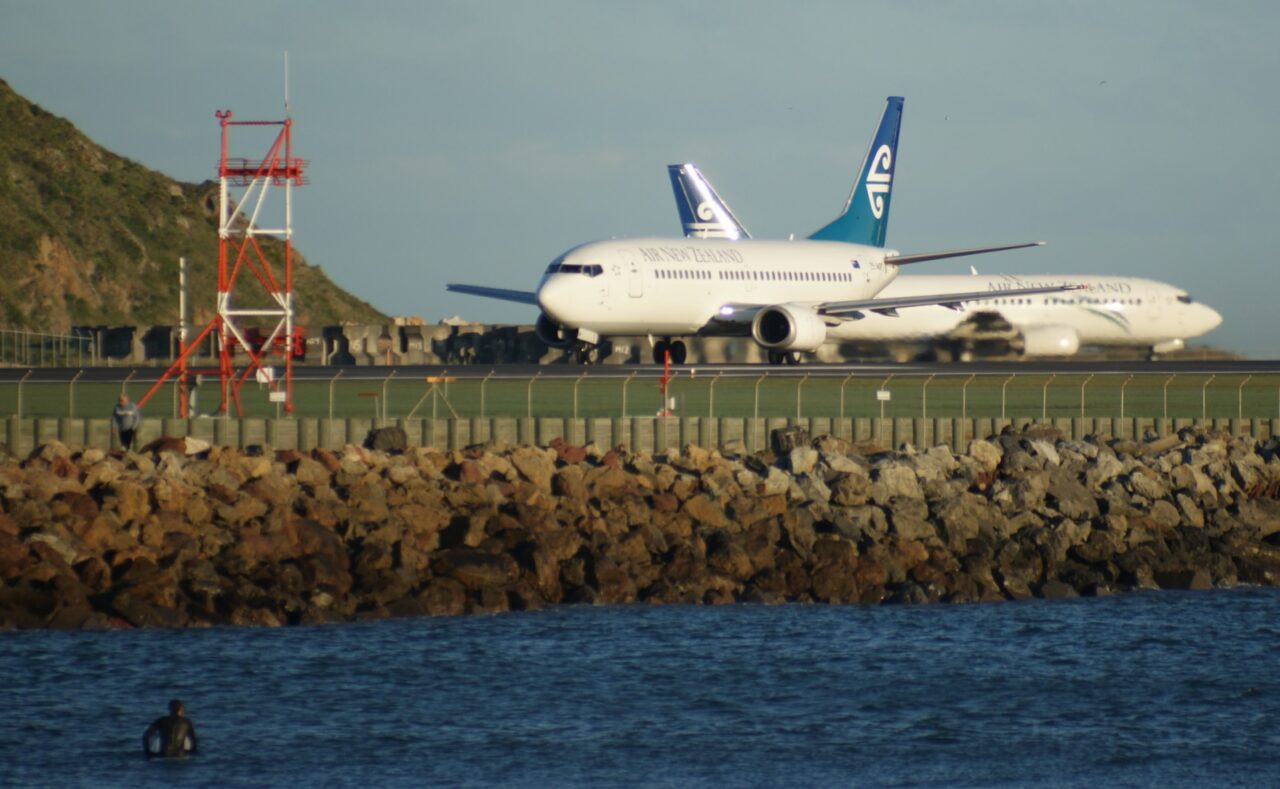
Positioned between rugged hills and the Cook Strait, Wellington’s 2,081-meter runway experiences powerful crosswinds that frequently exceed 35 knots. Turbulence forms as air funnels through the strait, creating sudden lateral shifts during final approach. Pilots often apply continuous control corrections until wheels meet the tarmac.
Despite the bumpy reputation, it handles more than 6 million passengers annually with strong safety records. Advanced forecasting systems and strict wind limits govern operations. For travelers, the descent can feel dramatic, but for trained crews it is a routine exercise in managing New Zealand’s famously restless weather patterns.
10) Kansai International Airport : Japan
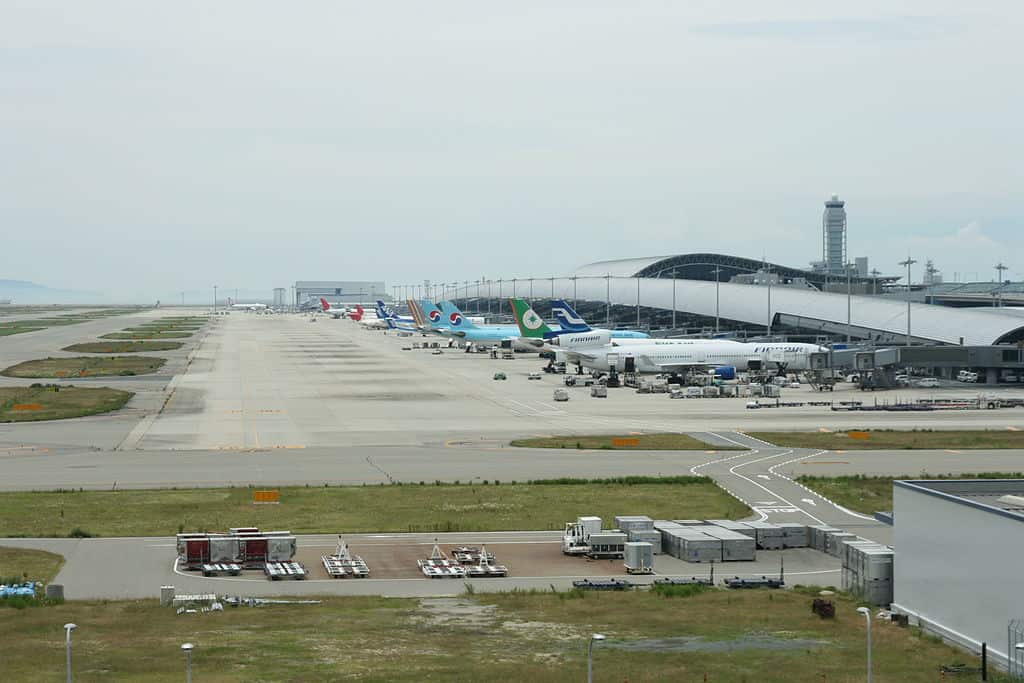
Built on a man-made island in Osaka Bay, Kansai’s engineering ambition is immense. Opened in 1994, the airport features two runways measuring 3,500 meters and 4,000 meters respectively. However, the island has sunk over 11 meters since construction began, requiring continuous structural adjustments.
The region is prone to typhoons, storm surges, and seismic activity. In 2018, Typhoon Jebi flooded parts of the facility, temporarily stranding thousands. Even so, Kansai handles over 25 million passengers annually. Advanced flood barriers, reinforced seawalls, and earthquake-resistant design keep this offshore hub operating safely.