We may earn money or products from the companies mentioned in this post. This means if you click on the link and purchase the item, I will receive a small commission at no extra cost to you ... you're just helping re-supply our family's travel fund.

Migration headlines often flatten complex cities into simple winners and losers. A clearer picture emerges in the Census Bureau’s 2024 metro estimates: many of America’s biggest urban centers are still growing overall, yet they are also losing residents to other U.S. places through domestic migration. In many metros, international arrivals and natural increase keep total population moving up, even while longtime households quietly relocate for lower costs, more space, a gentler pace, or shorter commutes. The result is a map of cities being reshaped, not abandoned.
New York City, New York

The New York-Newark-Jersey City metro remained the country’s largest at 19,940,274 residents in 2024, yet it also posted the biggest domestic outflow, with 146,888 more people moving to other parts of the U.S. than arriving from them. Census estimates show the region still grew overall because international migration and natural increase more than offset that loss, which makes the pattern especially revealing rather than contradictory. New York still functions as a global magnet, but many households already rooted in the region continue to move for lower costs, more space, and a pace that feels easier to sustain.
Los Angeles, California

Los Angeles-Long Beach-Anaheim still anchors one of the nation’s biggest metros, but the 2024 Census estimates show a domestic migration loss of 122,349, a stark sign of how expensive coastal living can strain even a place with enormous cultural and economic pull. The metro still posted overall growth because international migration and natural increase stayed positive, so the numbers describe a reshuffling population rather than a city suddenly losing relevance. Across the West, many households appear to be trading proximity for practicality, leaving the core region’s cost burden while trying to keep access to familiar jobs, family ties, and networks.
Miami, Florida
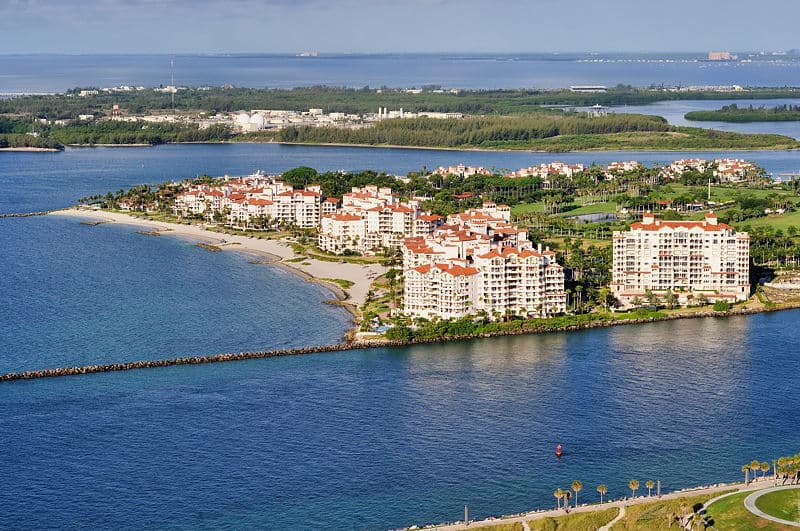
Miami-Fort Lauderdale-West Palm Beach added population overall in 2024, but it also recorded a striking domestic outflow of 101,303 in the Census estimates, proving that fast growth and large departures can happen at the same time. International migration more than compensated for those departures, pushing the region’s total gains higher and keeping South Florida firmly in expansion mode despite the domestic losses. The local tension is visible in everyday life, where the metro remains deeply attractive to newcomers while many established residents keep relocating in search of steadier costs and more breathing room.
Chicago, Illinois

The Chicago-Naperville-Elgin metro posted a domestic migration loss of 45,217 in 2024, placing it among the biggest outbound metros in the country even as it remained one of America’s most important economic and cultural centers. Census figures also show strong international inflows and positive natural change, which helped the region grow overall and prevented the domestic outflow from becoming a full population decline story. That split reflects a metro many families still value for work, education, and neighborhood life, but increasingly compare against suburban or Sun Belt options on space, taxes, weather, and commuting.
San Francisco, California

The San Francisco-Oakland-Fremont metro continued to show one of the country’s sharpest push-pull patterns in 2024, with a domestic migration loss of 39,938 but enough international migration and natural increase to produce net growth. In practical terms, the region kept attracting talent and newcomers even while many residents moved elsewhere in the U.S., usually for a different balance between income, housing costs, and daily logistics. That tension now sits at the center of the Bay Area story, where opportunity remains exceptional but the price of staying can push even well-established households to rethink the map.
San Diego, California
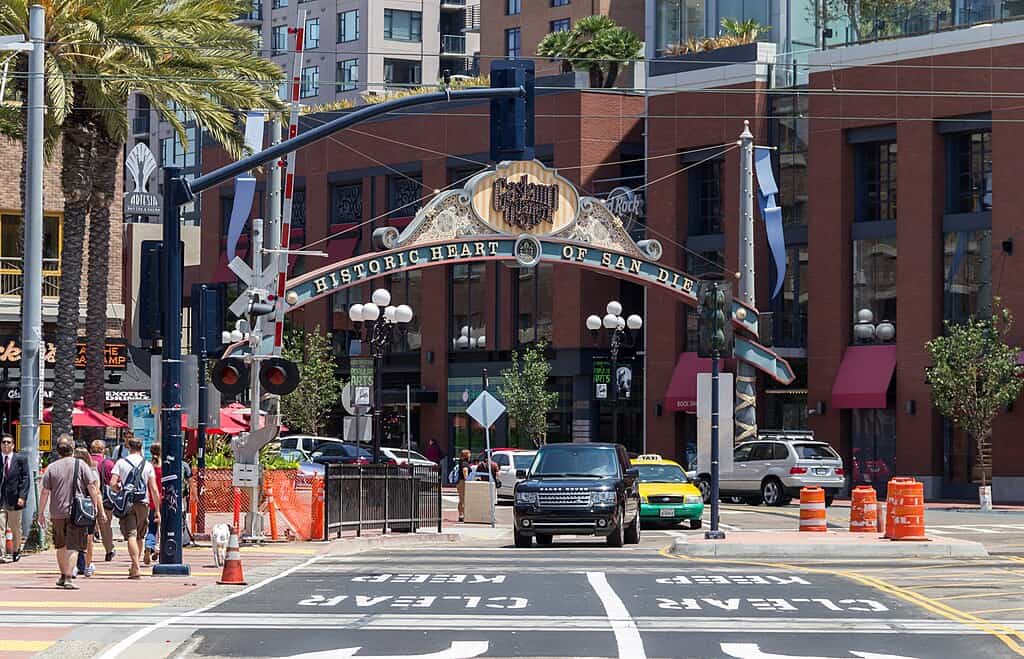
San Diego-Chula Vista-Carlsbad recorded a domestic outflow of 23,934 in 2024, and Census data shows international migration almost perfectly balanced it, leaving the metro with only a very slim net migration gain. The region still grew because births outpaced deaths, but the narrow margin says a great deal about how quickly affordability pressure can reshape decisions in a place with obvious lifestyle appeal and strong year-round demand. San Diego keeps drawing residents with climate, coastline, and jobs, yet many households still move inland or out of state when the monthly cost of staying starts to overtake the quality of life.
Washington, D.C.

The Washington-Arlington-Alexandria metro lost 22,784 residents through domestic migration in 2024, according to Census estimates, even as the broader region still added population overall. International migration and natural increase more than filled the gap, which helps explain why the capital region can feel crowded and expanding while a large number of households are also moving away in the same year. In a metro shaped by federal work, expensive housing, and long commuting corridors, the pattern often reads less like a rejection of opportunity and more like a search for a livable balance closer to family, schools, or lower costs.
Boston, Massachusetts

Boston-Cambridge-Newton posted a domestic migration loss of 22,736 in 2024, putting another high-opportunity Northeast hub on the list of major metros losing residents to other U.S. destinations. Census data shows the region still grew overall, supported by strong international migration and modest natural increase, which mirrors a broader trend across several legacy coastal metros with expensive housing markets. Boston continues to attract students, researchers, and skilled workers from around the world, while many local households keep weighing the city’s strengths against the long-term cost of staying put year after year.
San Jose, California
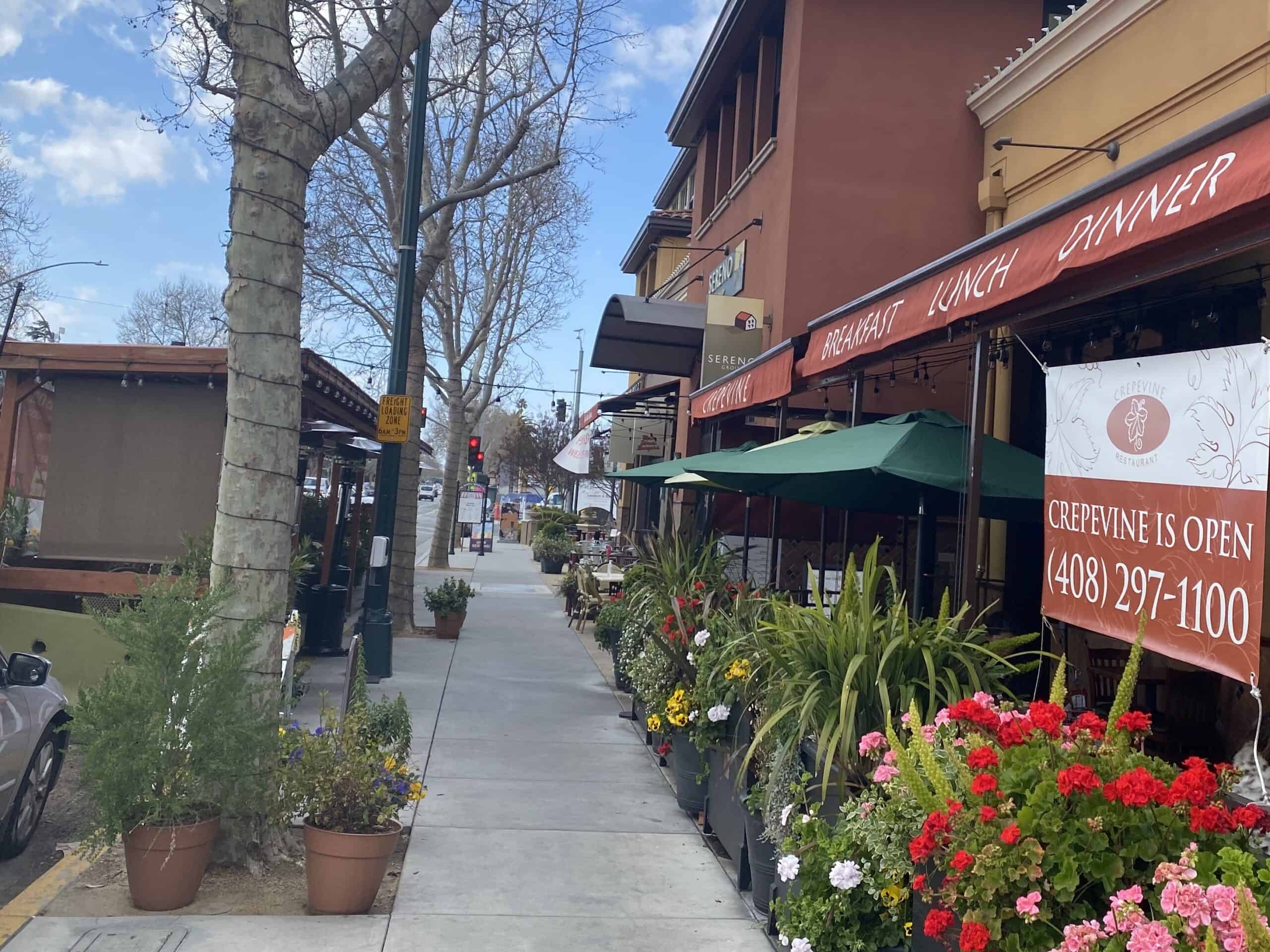
San Jose-Sunnyvale-Santa Clara recorded a domestic outflow of 21,745 in 2024, a notable number for a metro with about 1,995,484 residents and some of the highest wages in the country. Census estimates show international migration and natural increase kept overall growth positive, but the domestic losses still reveal how powerfully affordability shapes life in Silicon Valley for renters and homeowners alike. Even with elite employers, deep innovation networks, and global prestige, many residents continue looking beyond the region for homes that feel more attainable and routines that cost less to maintain over time.
Philadelphia, Pennsylvania
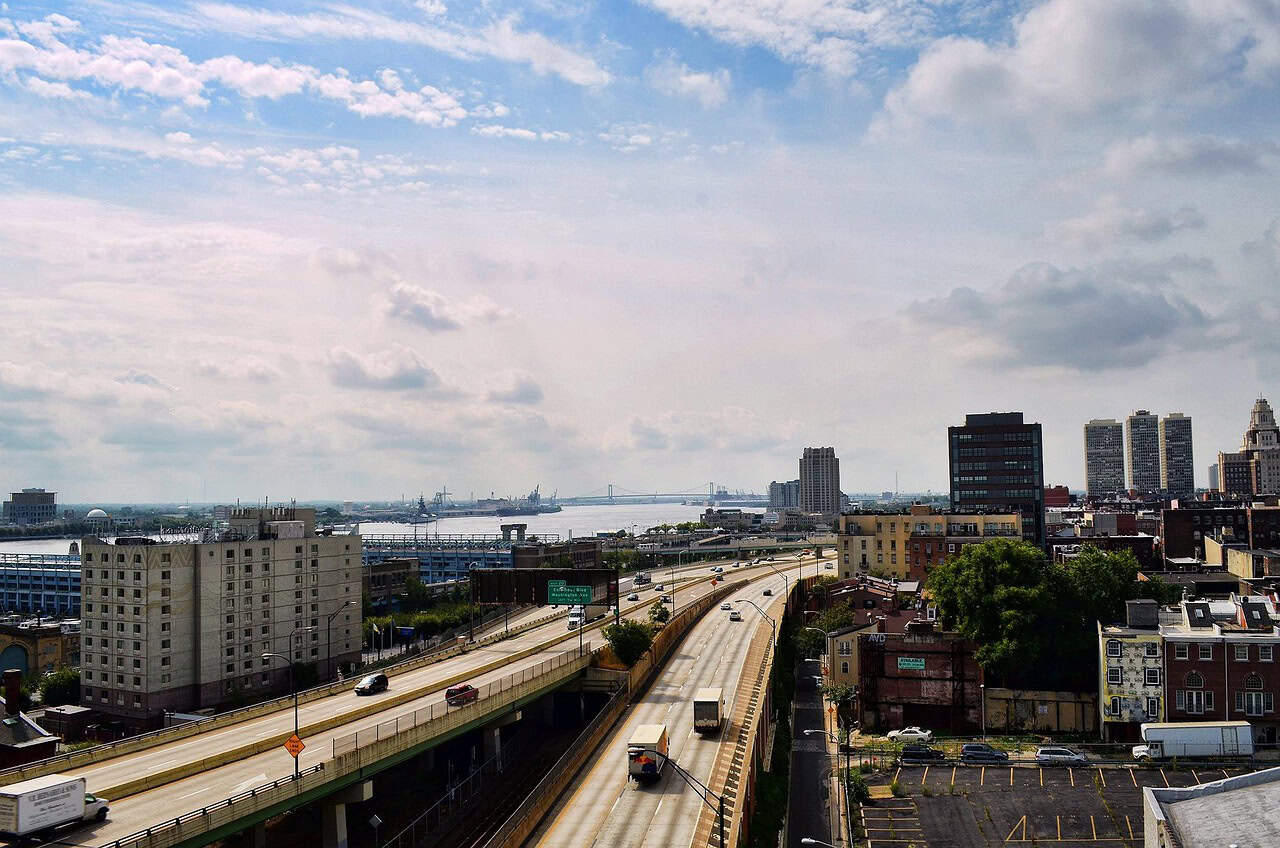
Philadelphia-Camden-Wilmington rounds out this group with a domestic migration loss of 12,769 in the 2024 Census estimates, showing that even comparatively affordable East Coast metros are not immune to outbound pressure. The region still added people overall because international migration and natural increase stayed positive, which complicates any simple story about urban decline or long-term weakening. Philadelphia remains a durable regional anchor with deep history and strong institutions, but its migration pattern still reflects a country constantly recalculating cost, distance, and the shape of daily life.