We may earn money or products from the companies mentioned in this post. This means if you click on the link and purchase the item, I will receive a small commission at no extra cost to you ... you're just helping re-supply our family's travel fund.
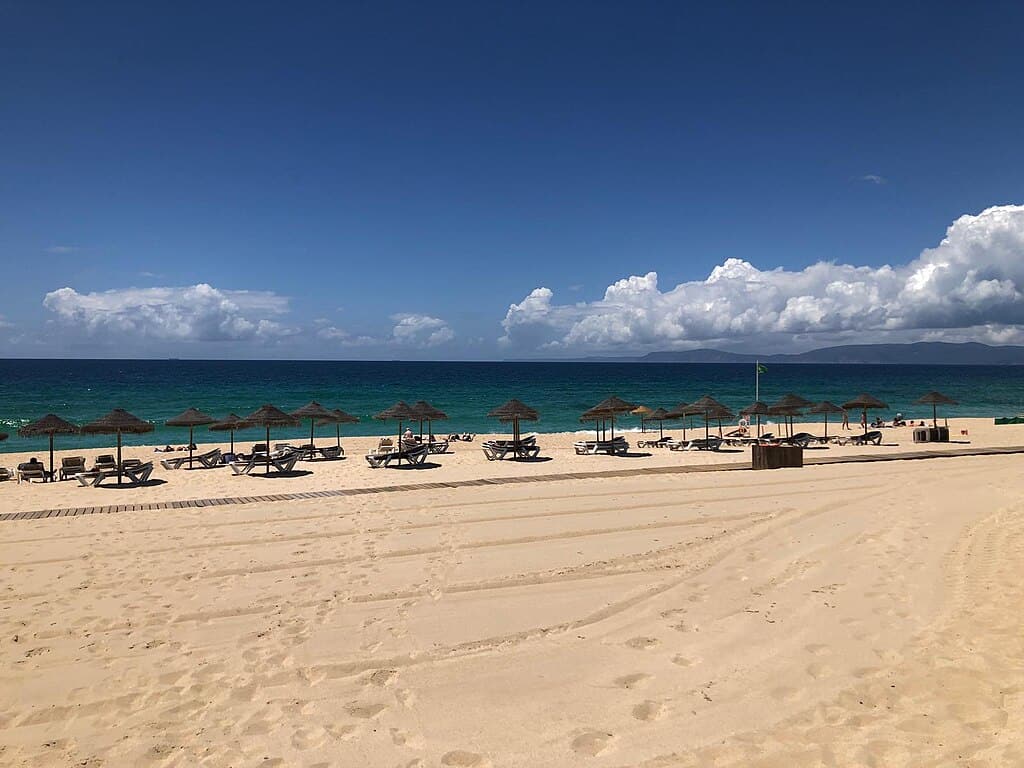
As global travel rebounds and social media accelerates destination discovery, many once-quiet places are nearing a tipping point. These locations still offer authenticity, space, and cultural depth but change is coming. Infrastructure expansion, rising visitor numbers, and increased visibility mean the experience won’t stay this way forever. Visiting now allows travelers to enjoy these destinations at their most genuine while supporting local economies before overtourism reshapes them. Below are ten remarkable yet underrated places where the balance between accessibility and serenity still exists, for now.
1. Aït Bouguemez Valley, Morocco

Tucked deep within Morocco’s High Atlas Mountains, Aït Bouguemez often called the “Happy Valley”, offers a rare blend of isolation and warmth. Home to around 15,000 Amazigh residents across 25 villages, the valley sits at an elevation of roughly 1,800 meters, keeping temperatures mild even in summer. Tourism remains minimal, with fewer than 30 guesthouses and limited road access completed only in the early 2000s. Farming and walking trails dominate daily life, and hikers can cover over 100 kilometers of scenic paths without encountering crowds. Annual visitor growth remains under 8%, making now the ideal time to experience its unfiltered charm.
2. Alentejo Coast, Portugal
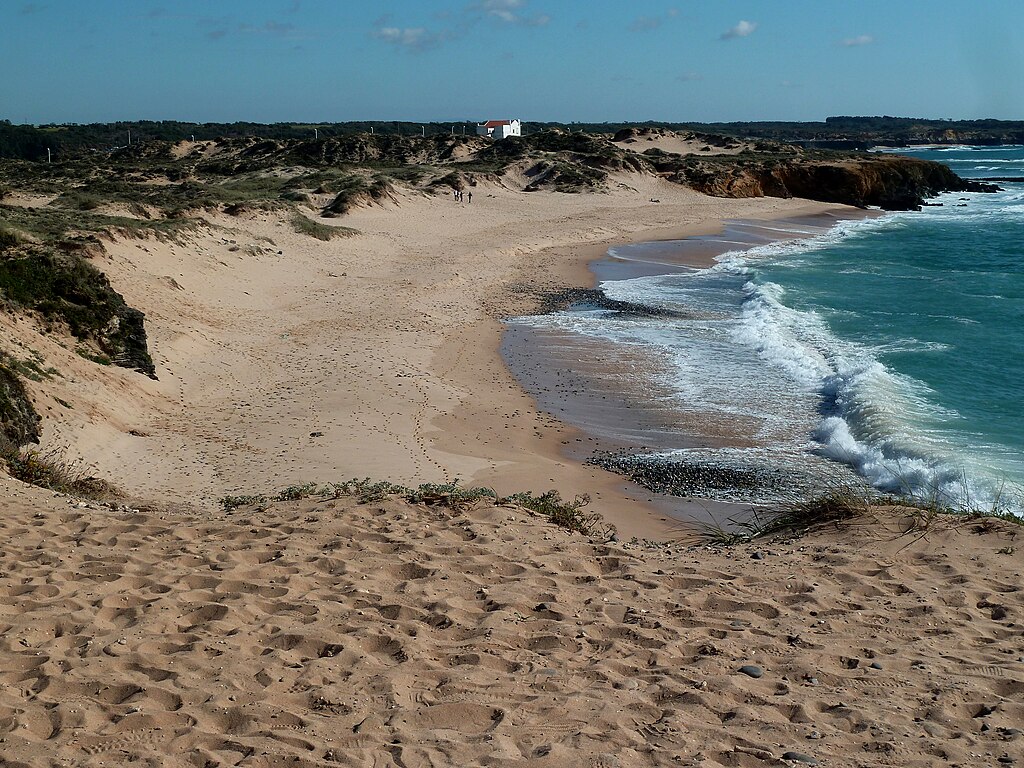
Stretching over 150 kilometers south of Lisbon, Portugal’s Alentejo Coast remains refreshingly undeveloped compared to the Algarve. Population density here averages just 24 people per square kilometer, contributing to its open, untamed feel. Clifftop trails along the Rota Vicentina span nearly 450 kilometers, passing empty beaches and fishing villages where tourism contributes less than 20% of local income. With fewer than 5 large resorts across the entire coast, infrastructure remains intentionally limited. Summer occupancy rates hover around 55%, far lower than Portugal’s tourist hotspots, making Alentejo a rare Atlantic escape that still prioritizes nature over numbers.
3. Svaneti, Georgia
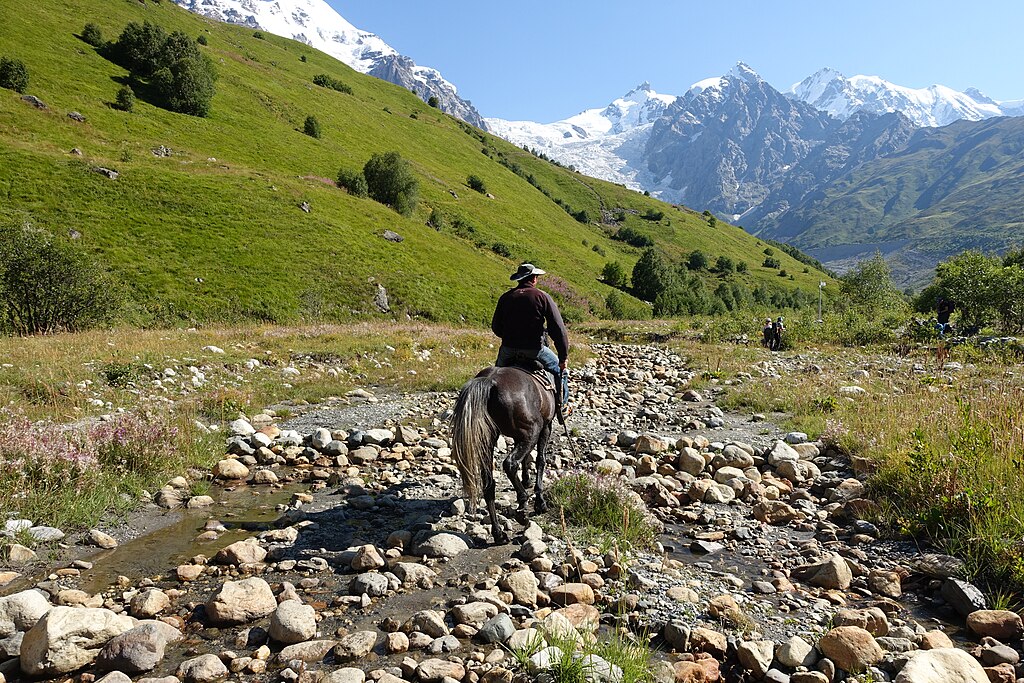
High in Georgia’s northwestern Caucasus, Svaneti is defined by medieval stone towers, alpine villages, and dramatic peaks exceeding 5,000 meters. Roughly 30,000 people inhabit the region, spread across isolated mountain settlements like Ushguli, one of Europe’s highest continuously inhabited villages at 2,100 meters. Despite its UNESCO status, annual visitor numbers remain under 200,000, tiny compared to European mountain hubs. Trekking routes between villages average 10–15 kilometers per day, often without encountering other hikers. With limited hotels and seasonal access, Svaneti retains a raw, time-locked atmosphere that feels untouched by modern tourism pressures.
4. Valle del Jerte, Spain
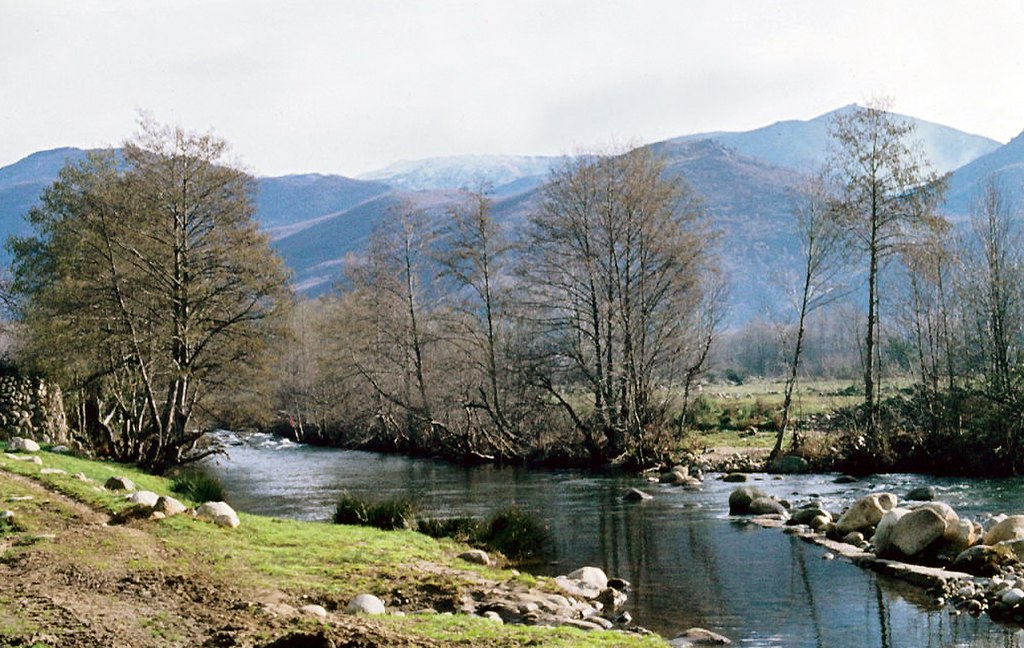
Located in Extremadura, Valle del Jerte is a fertile mountain valley best known for its 1.5 million cherry trees, which bloom spectacularly for just two weeks each spring. Outside that brief window, tourism drops sharply, even though the valley spans over 70 kilometers and includes 11 traditional villages. The permanent population sits around 11,000, and hiking routes exceed 120 kilometers through gorges, waterfalls, and natural pools. Despite being only three hours from Madrid, international visitation remains below 10%. With accommodations rarely selling out beyond April, Jerte remains a serene alternative to Spain’s heavily trafficked regions.
5. Aysén Region, Chile
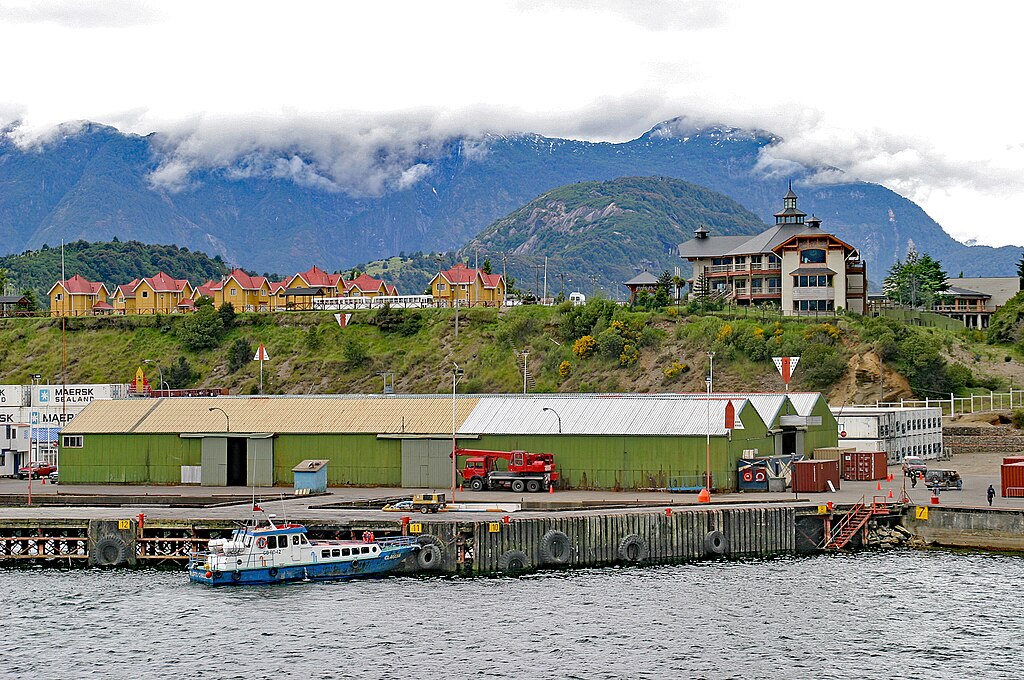
Covering nearly 109,000 square kilometers larger than Portugal, the Aysén Region is one of Chile’s least populated areas, with fewer than 1 resident per square kilometer. Glaciers, fjords, and rivers dominate the landscape, while the famous Carretera Austral runs for about 1,240 kilometers through untouched terrain. Despite its scale, annual tourism remains under 300,000 visitors, a fraction of Patagonia’s southern parks. Infrastructure is sparse, with limited flights and small towns spaced hours apart. Wildlife sightings outnumber tour buses, and vast stretches remain completely undeveloped, making Aysén one of South America’s last true wilderness travel experiences.
6. Kep Archipelago, Cambodia
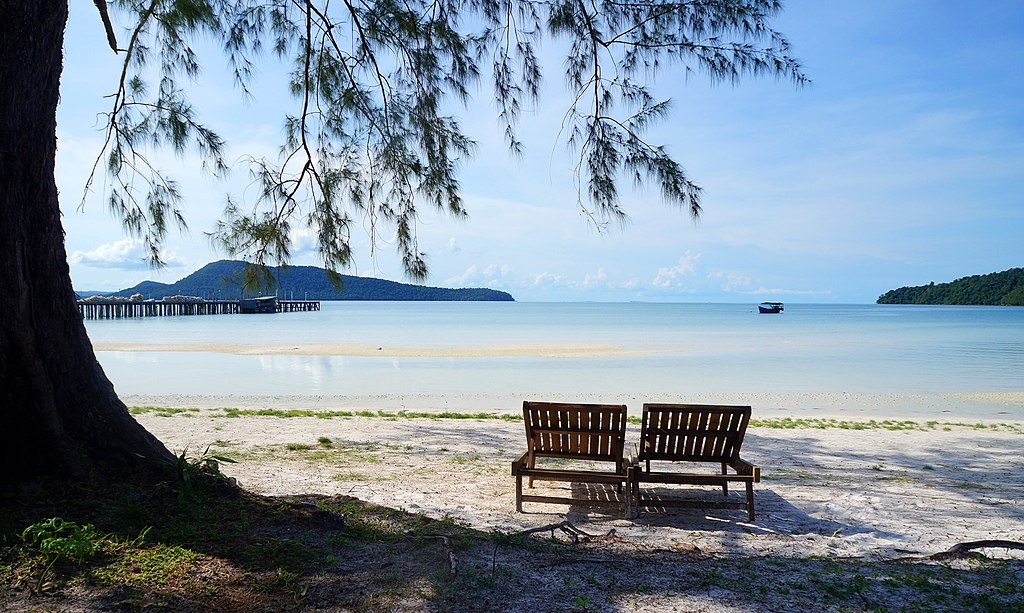
Just off Cambodia’s southern coast, the Kep Archipelago consists of around 13 small islands, most of which remain uninhabited. Fewer than 5,000 tourists visit the area annually, despite its proximity, only 160 kilometers from Phnom Penh. Coral reefs, mangroves, and quiet beaches define the landscape, with development strictly limited to a handful of eco-bungalows. Electricity is often solar-powered, and boat access is restricted during monsoon months. Average stays last 2–3 nights, keeping impact low. With coastal development accelerating elsewhere in Cambodia, Kep’s islands offer a fleeting glimpse of what the region once looked like.
7. Kalimpong, India
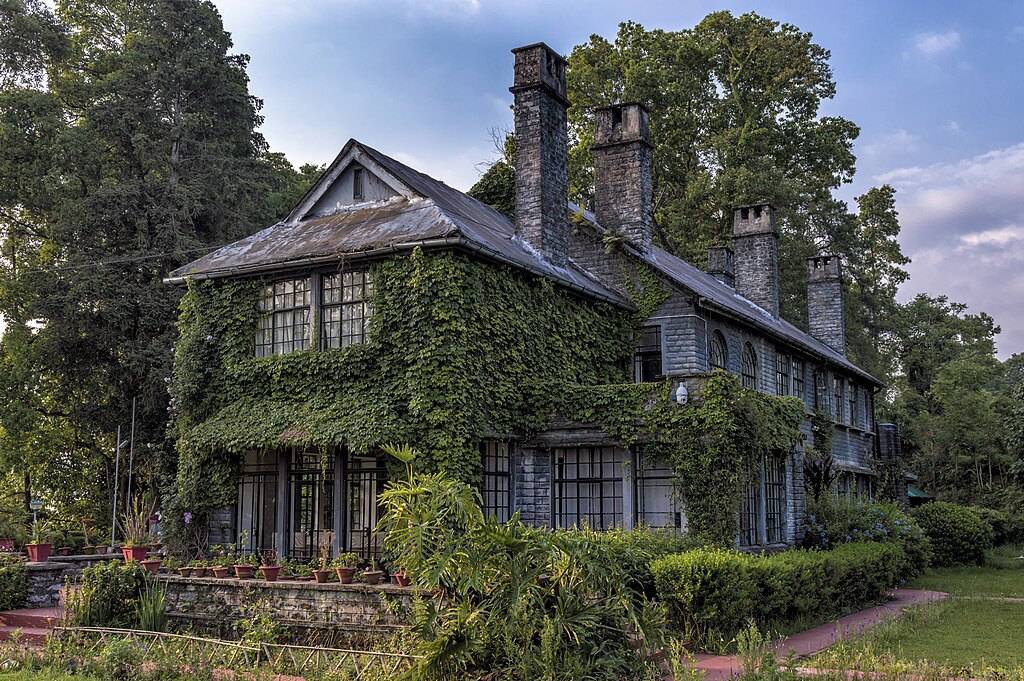
Perched at 1,250 meters in India’s eastern Himalayas, Kalimpong is often overlooked in favor of nearby Darjeeling. The town has a population of roughly 50,000 and enjoys panoramic views of peaks over 8,000 meters on clear days. Unlike its neighbor, Kalimpong receives nearly 60% fewer tourists annually, resulting in quieter streets and lower hotel saturation. More than 20 historic monasteries and churches reflect its cultural diversity, while average daily temperatures remain between 10–25°C year-round. With slow but steady tourism growth under 7% annually, Kalimpong still feels lived-in rather than staged.
8. Eastern Lofoten Villages, Norway
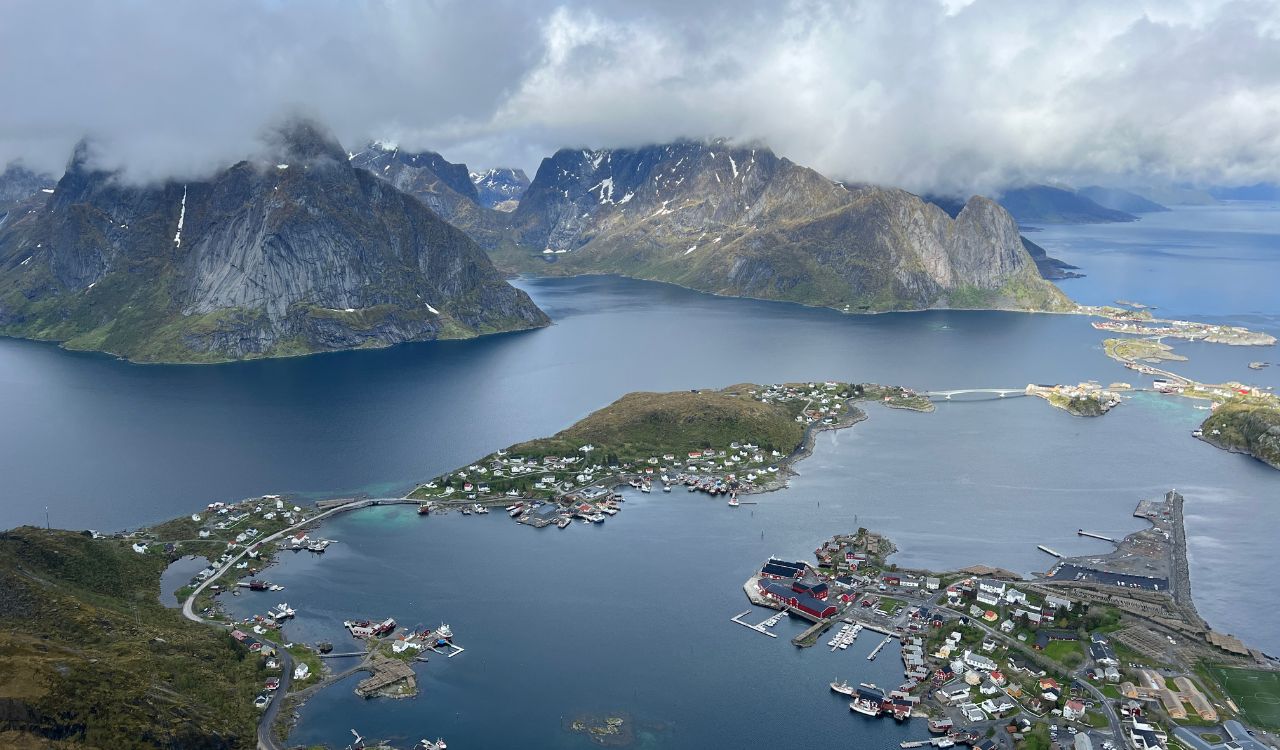
While western Lofoten struggles with overtourism, the eastern villages remain comparatively calm. Communities like Digermulen and Laupstad host fewer than 500 residents each, with tourism numbers still below 40,000 annually across the region. Located above the Arctic Circle, these villages experience up to 24 hours of daylight in summer and complete darkness in winter. Road access is limited, and accommodations are mostly family-run rorbuer cabins. Hiking trails average 6–12 kilometers and often remain empty even in peak season. As cruise traffic increases elsewhere in Lofoten, the east offers a quieter Arctic alternative.
9. Great Sand Sea Oases, Egypt
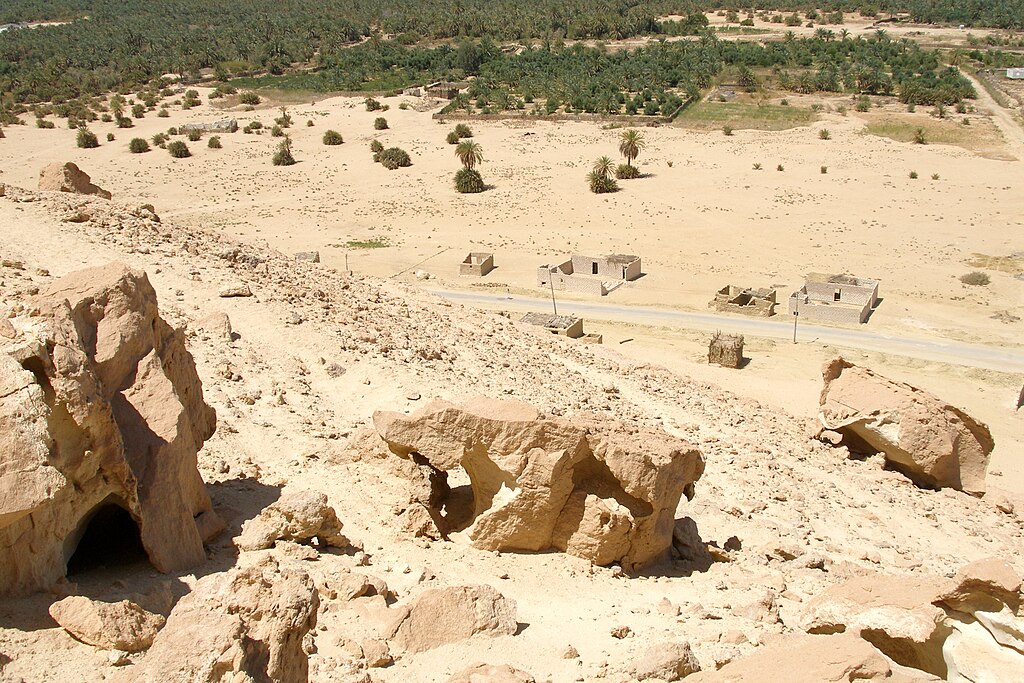
Egypt’s Western Desert covers over 680,000 square kilometers, yet tourism remains concentrated along the Nile. Remote oases like Dakhla and Farafra host populations under 80,000 combined and receive fewer than 25,000 visitors per year. The Great Sand Sea alone spans 72,000 square kilometers of dunes, salt flats, and rock formations. Temperatures range from 5°C at night to 38°C during the day, creating ideal conditions for winter travel. With limited hotels and regulated desert access, the region offers solitude, star-filled skies, and cultural depth far removed from Egypt’s crowded landmarks.
10. Kotor Bay Hinterlands, Montenegro
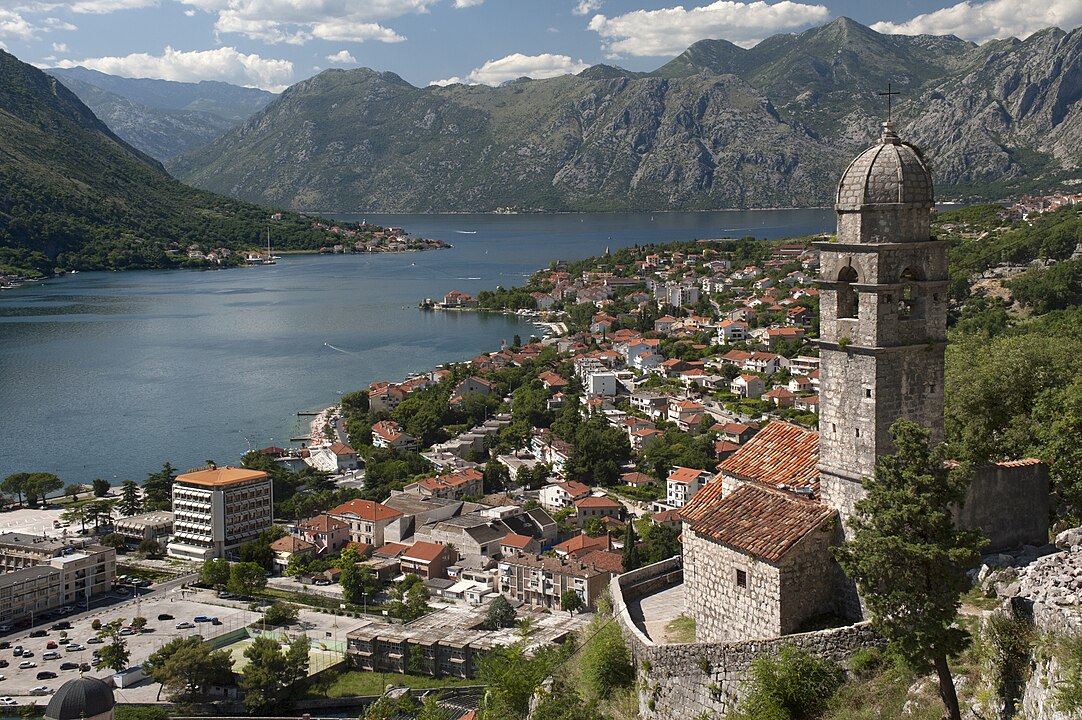
Beyond the cruise-packed streets of Kotor lies a network of mountain villages that most visitors never see. These hinterlands rise sharply from sea level to over 1,400 meters within 20 kilometers, creating dramatic viewpoints and microclimates. Villages like Njeguši have populations under 300 and rely primarily on farming rather than tourism. Hiking trails total more than 70 kilometers, many tracing old trade routes. While Kotor welcomes over 700,000 cruise passengers annually, fewer than 10% venture inland. With road improvements underway, the hinterlands’ quiet authenticity won’t remain a secret for long.