We may earn money or products from the companies mentioned in this post. This means if you click on the link and purchase the item, I will receive a small commission at no extra cost to you ... you're just helping re-supply our family's travel fund.
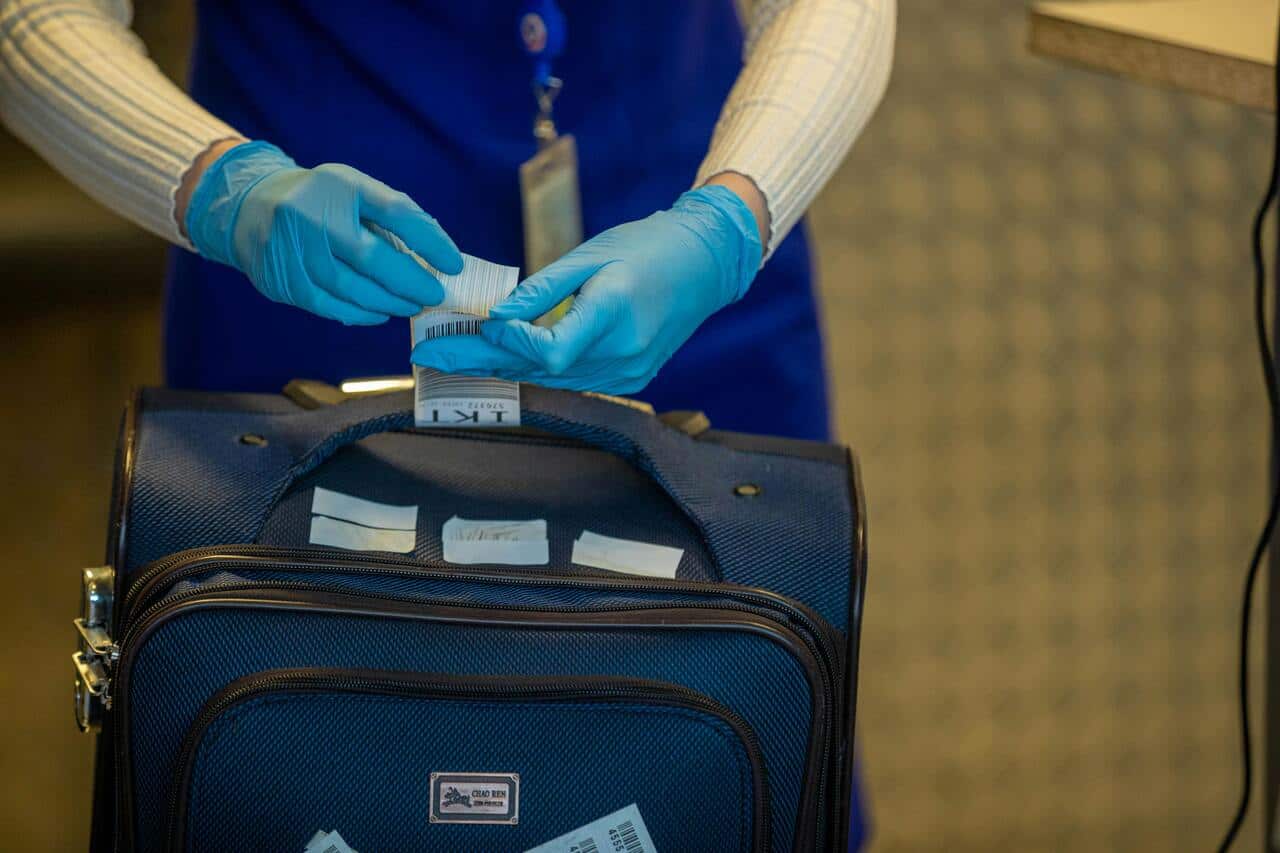
Airport security in the United States operates on a simple principle: anything that could realistically endanger passengers, crew, or aircraft operations does not belong in the cabin. Every year, Transportation Security Administration (TSA) officers confiscate millions of items from carry-on bags, many of them expensive, sentimental, or mistakenly assumed to be allowed. The problem is rarely malicious intent; it’s confusion. Rules change, exceptions vary, and enforcement depends on real-time screening judgment. Understanding exactly which items are guaranteed to be taken and why one can save time, money, and stress. The following list breaks down ten items that will almost certainly be thrown out if discovered at U.S. airport checkpoints.
1. Full-Size Liquids Over 3.4 Ounces

Liquids exceeding the TSA’s strict 3.4-ounce (100-milliliter) limit are among the most commonly confiscated items at U.S. airports. This rule applies per container, not total volume, meaning a 5-ounce shampoo bottle that’s half full still violates policy. In 2024 alone, TSA reported removing over 1.7 million oversized liquid containers nationwide. The restriction exists because liquid explosives are difficult to detect in large quantities. Water bottles, perfumes, lotions, liquid makeup, and even certain foods like soup fall under this rule. Unless medically exempt, any container over the limit is discarded immediately at the checkpoint.
2. Knives and Sharp Bladed Objects
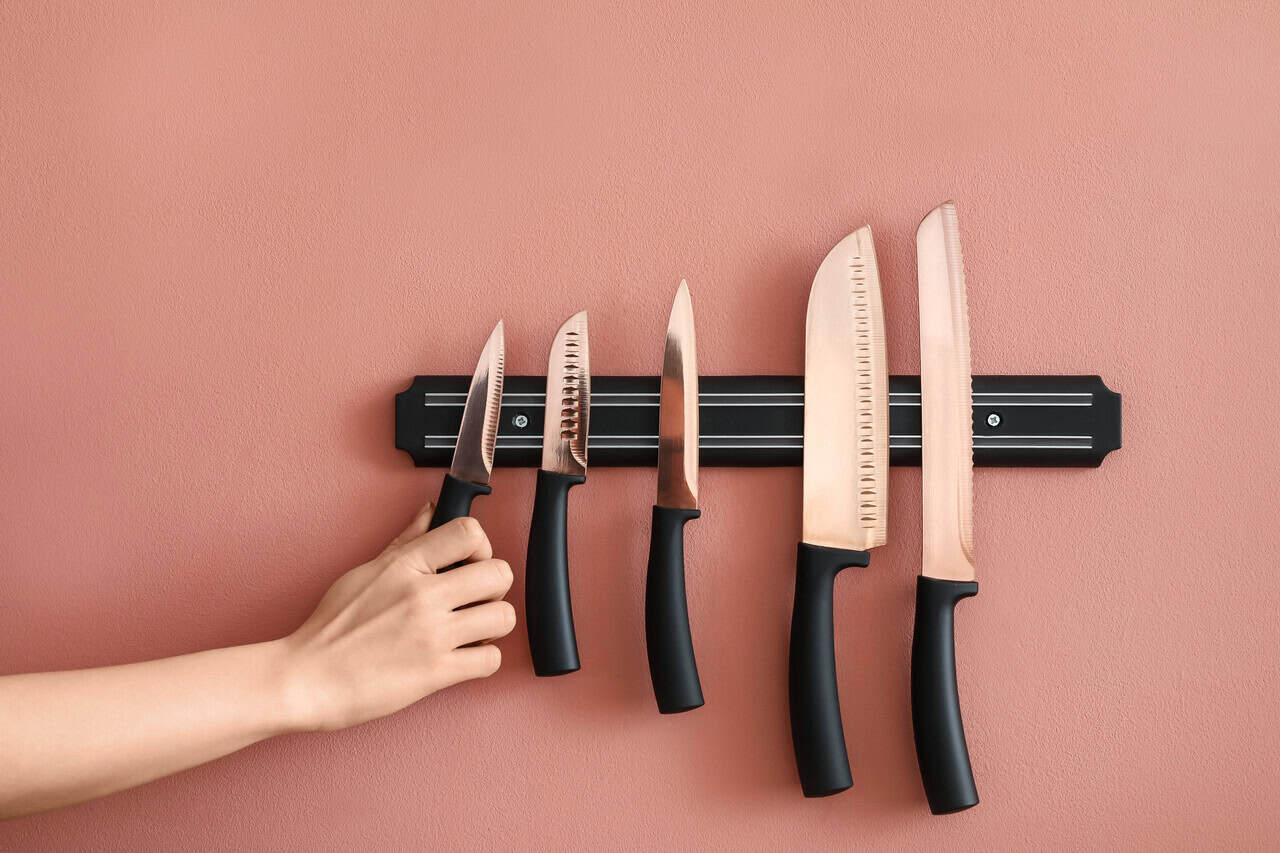
Any knife, regardless of blade length or purpose, is prohibited in carry-on luggage. This includes pocket knives, multi-tools with blades, ceramic knives, and even souvenir daggers. TSA data shows that officers intercept more than 4,000 knives per day across U.S. airports. Scissors with blades longer than 4 inches, loose razor blades, and box cutters are also banned. The concern isn’t just cutting capability but concealment potential. Even tools marketed as “mini” or “travel-safe” are routinely confiscated, as cabin access to sharp objects presents a clear security risk.
3. Firearms and Replica Guns
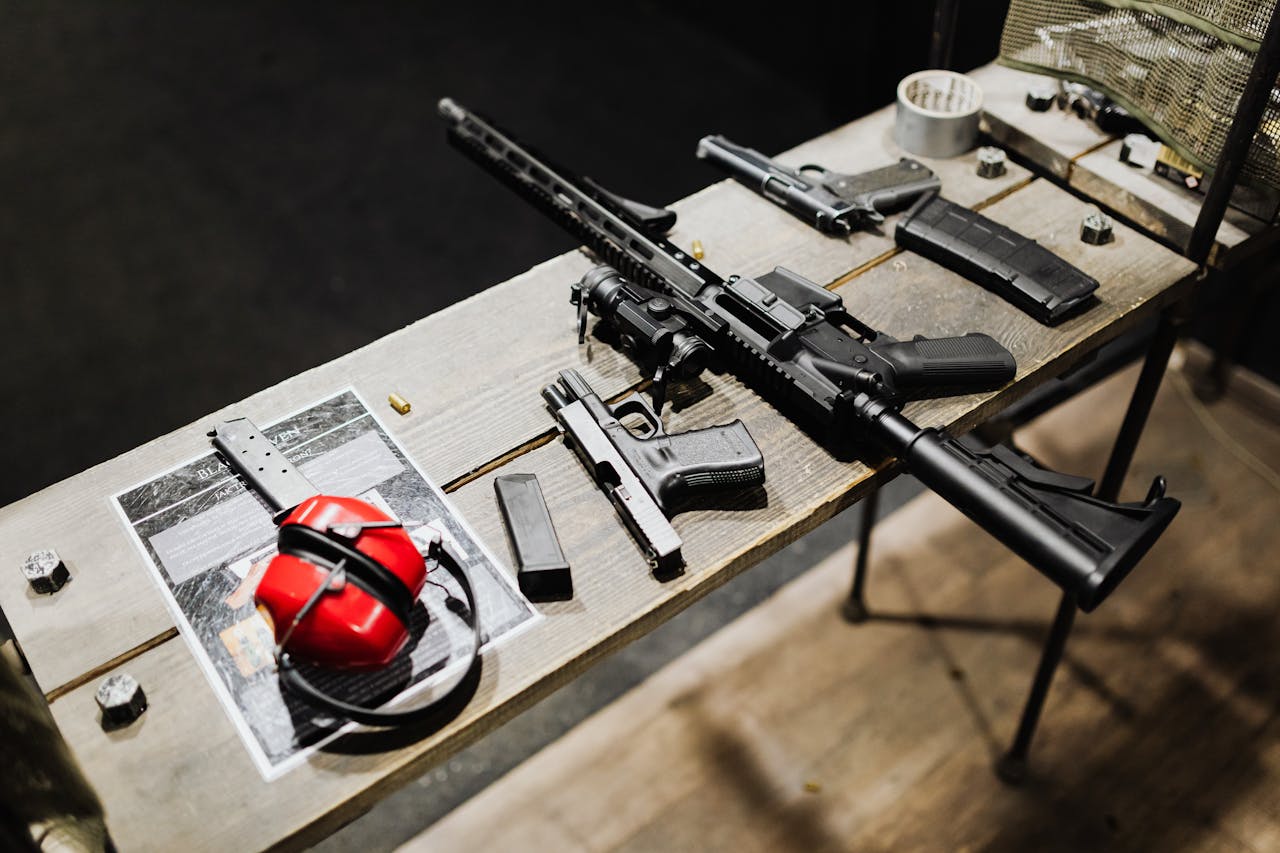
Firearms are absolutely forbidden in carry-on bags, whether loaded, unloaded, or nonfunctional. This rule extends to BB guns, pellet guns, airsoft replicas, and realistic toy firearms. In 2023, TSA detected an average of 18 firearms per day at checkpoints, with over 90% loaded. Carry-on possession triggers immediate confiscation, possible law enforcement involvement, and fines reaching $15,000. Even novelty replicas can be seized if they resemble real weapons on X-ray. Firearms must be declared, unloaded, and locked in hard cases within checked baggage only.
4. Ammunition of Any Quantity
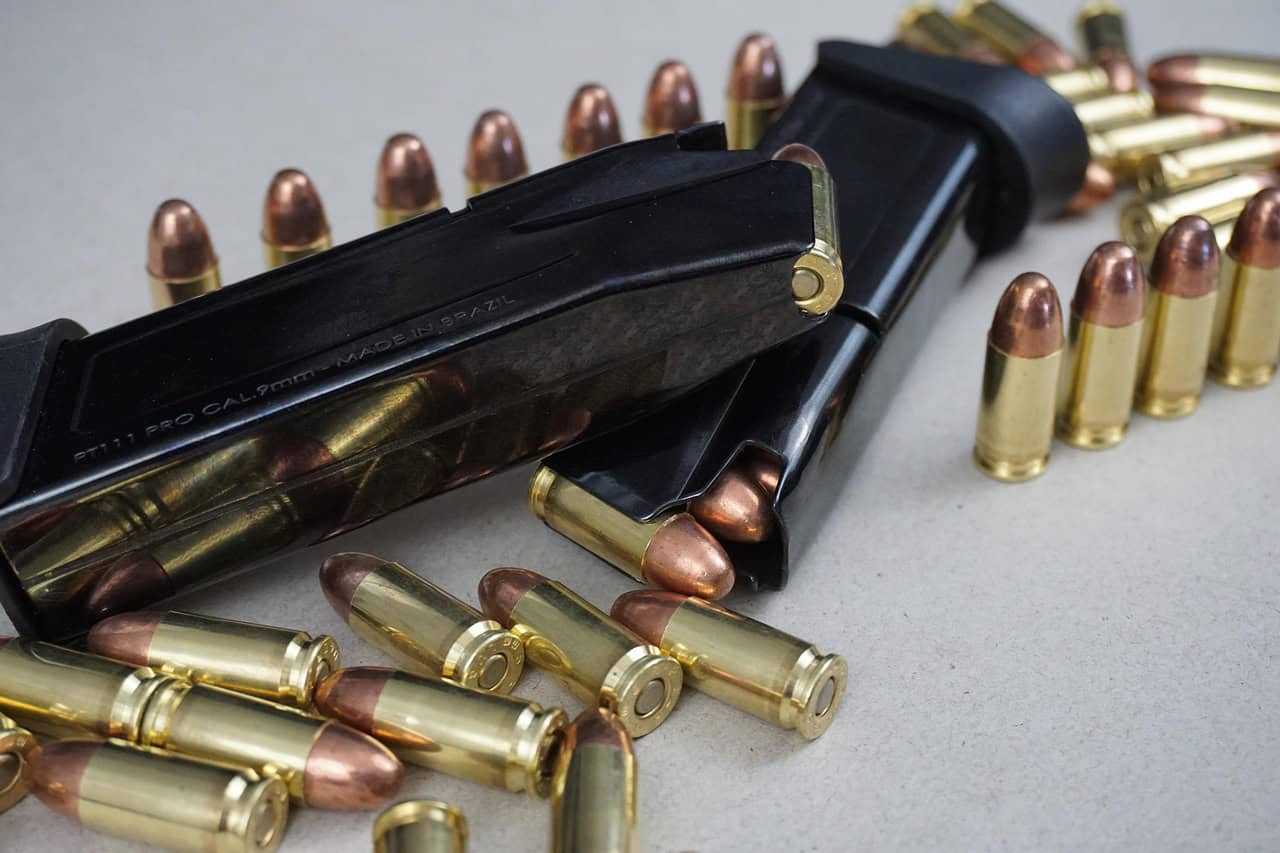
Ammunition is not permitted in carry-on luggage under any circumstances. This includes bullets, cartridges, spent casings, magazines loaded with ammo, and loose rounds. TSA screening systems flag metallic cylindrical shapes quickly, making detection almost inevitable. In 2024, ammunition accounted for over 8% of weapon-related confiscations nationwide. While some airlines allow limited quantities in checked bags, carry-on possession results in immediate removal. Even a single forgotten round at the bottom of a backpack can lead to confiscation and additional screening delays, regardless of traveler intent.
5. Pepper Spray and Self-Defense Sprays
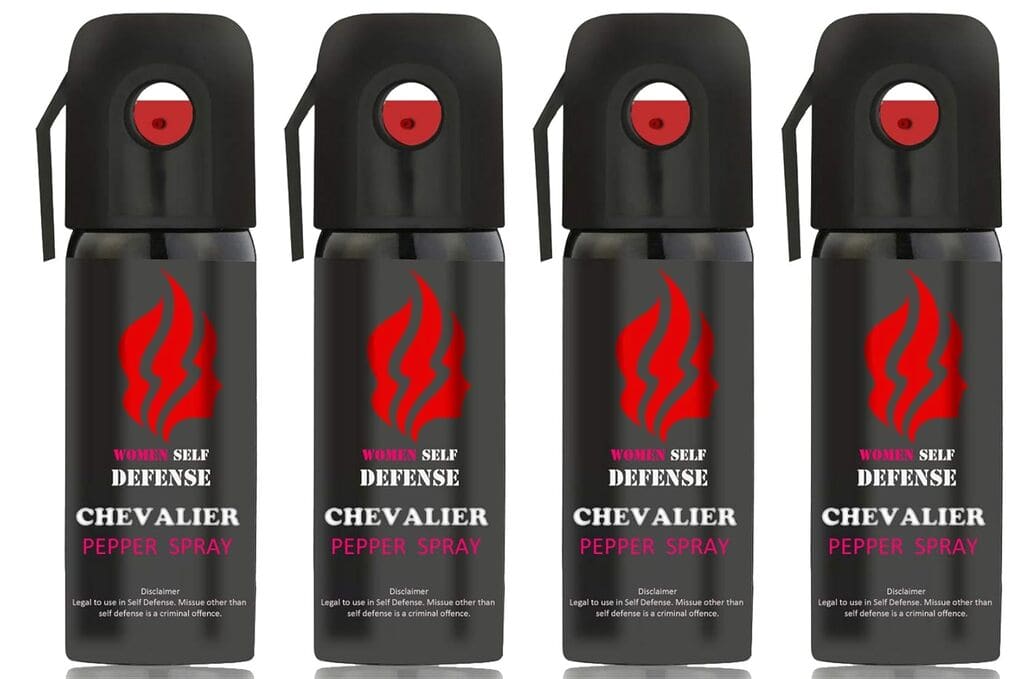
Pepper spray, mace, tear gas, and similar self-defense aerosols are classified as hazardous materials when carried into aircraft cabins. Most contain capsaicin concentrations exceeding 2%, which TSA considers dangerous under pressurized conditions. In practice, nearly 100% of these items found in carry-on bags are discarded. The risk lies in accidental discharge, which could incapacitate passengers in a confined space. Even small keychain sprays are not exempt. While a single container may be allowed in checked luggage under strict airline limits, carry-on versions are always confiscated.
6. Tools and Blunt Force Instruments
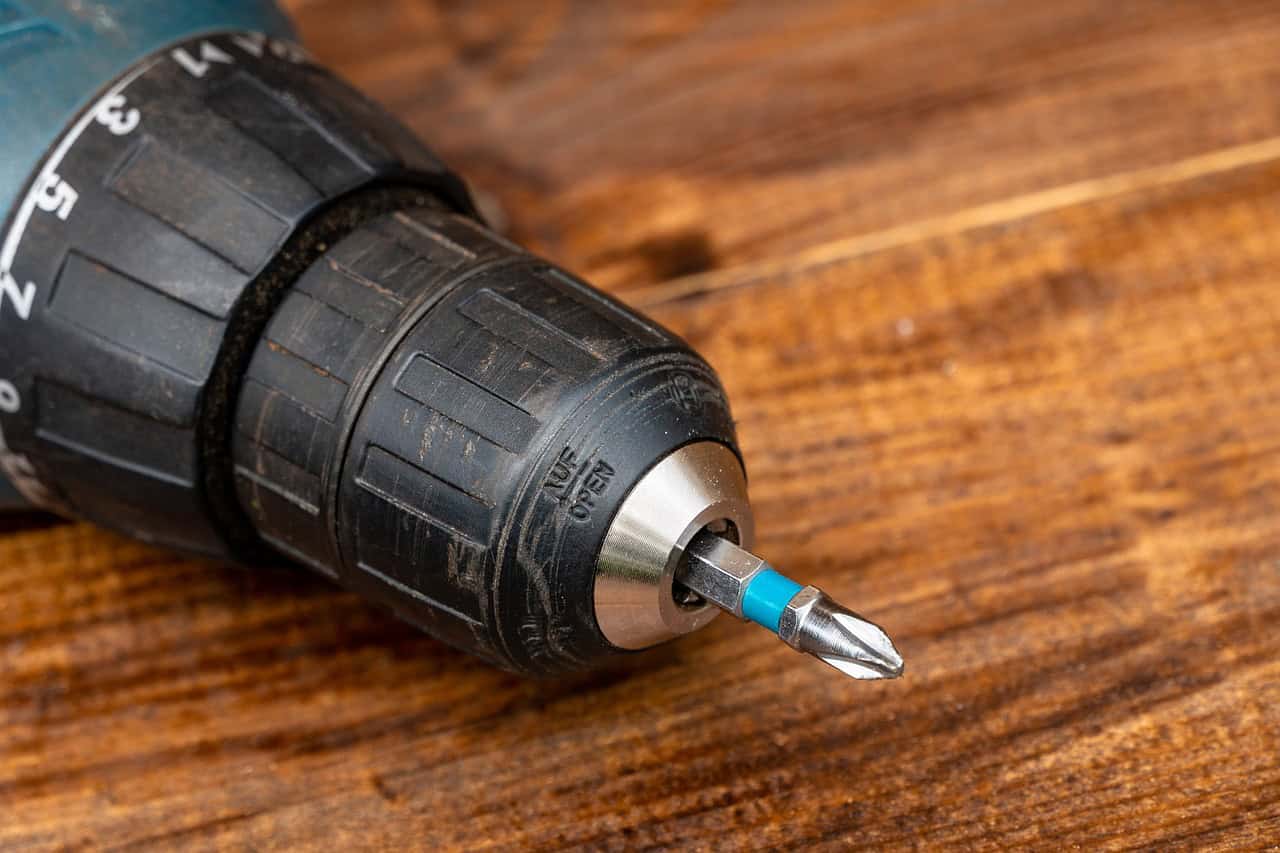
Tools capable of delivering blunt force are banned from carry-on bags regardless of size. This includes hammers, wrenches, screwdrivers longer than 7 inches, crowbars, and compact tool kits. Sports equipment like baseball bats and golf clubs fall into the same category. TSA reports seizing tens of thousands of tools annually, many from travelers unaware that “household items” qualify as weapons. The risk calculation is straightforward: anything that could incapacitate a person in a single strike is unsuitable for the cabin and will be removed at screening.
7. Flammable Liquids and Aerosols
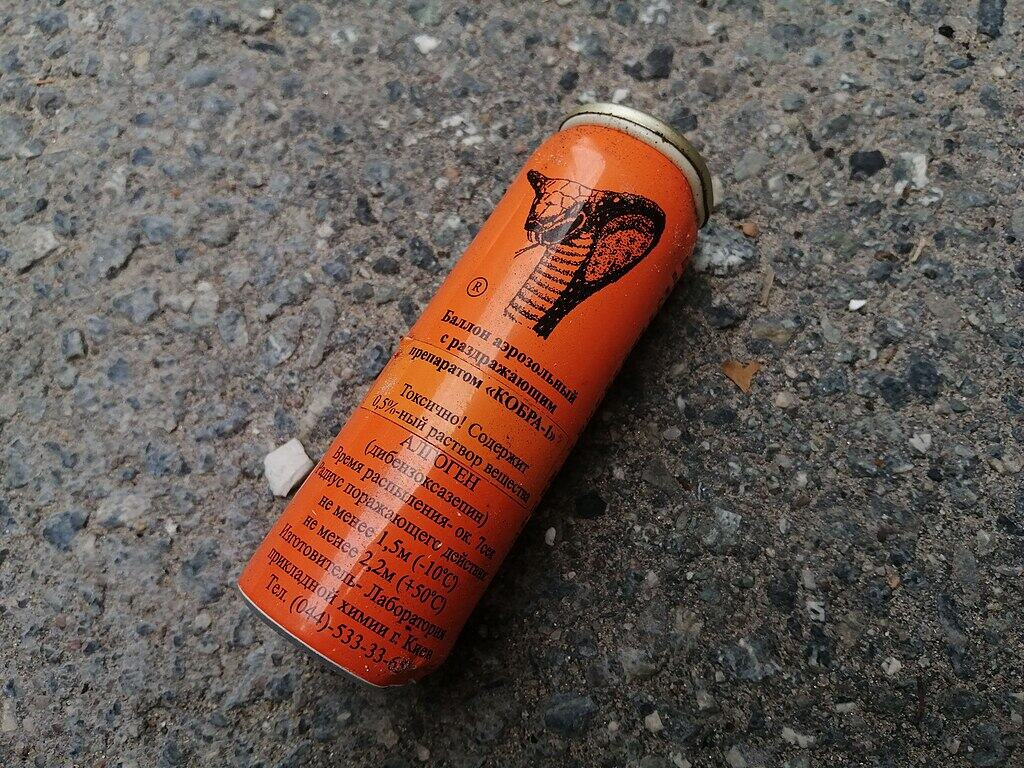
Flammable substances are among the most strictly enforced carry-on bans. Items like lighter fluid, gasoline, paint thinner, and certain industrial sprays are immediately confiscated due to explosion risk. Even consumer products such as spray paint or solvent-based cleaners fall under this category. In 2024, hazardous materials accounted for roughly 6% of all TSA confiscations. Cabin pressure changes and confined air circulation make these substances particularly dangerous. While some toiletry aerosols are allowed in limited sizes, anything labeled flammable or combustible is removed without exception.
8. Large Powdered Substances
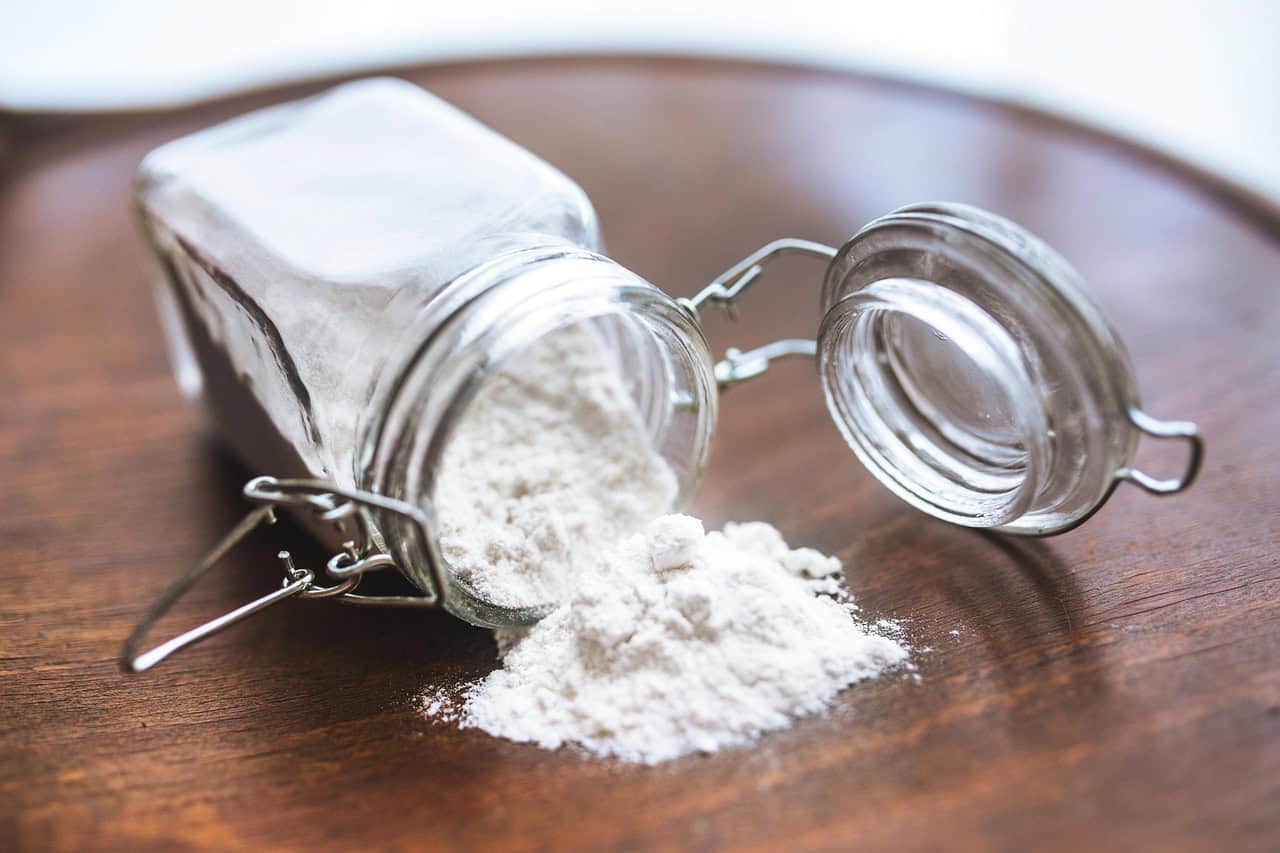
Powders exceeding 12 ounces (350 grams) often trigger additional screening and may be confiscated if they cannot be clearly identified. This includes protein powder, baby formula beyond reasonable quantities, powdered supplements, and cosmetic powders. TSA introduced enhanced powder screening after explosives were concealed in similar materials. In practice, large unlabeled containers face a high risk of disposal if officers cannot resolve their contents quickly. Travelers frequently lose expensive nutrition products due to this rule. While powders aren’t universally banned, large quantities in carry-ons are risky.
9. Lithium Battery Packs Exceeding Limits
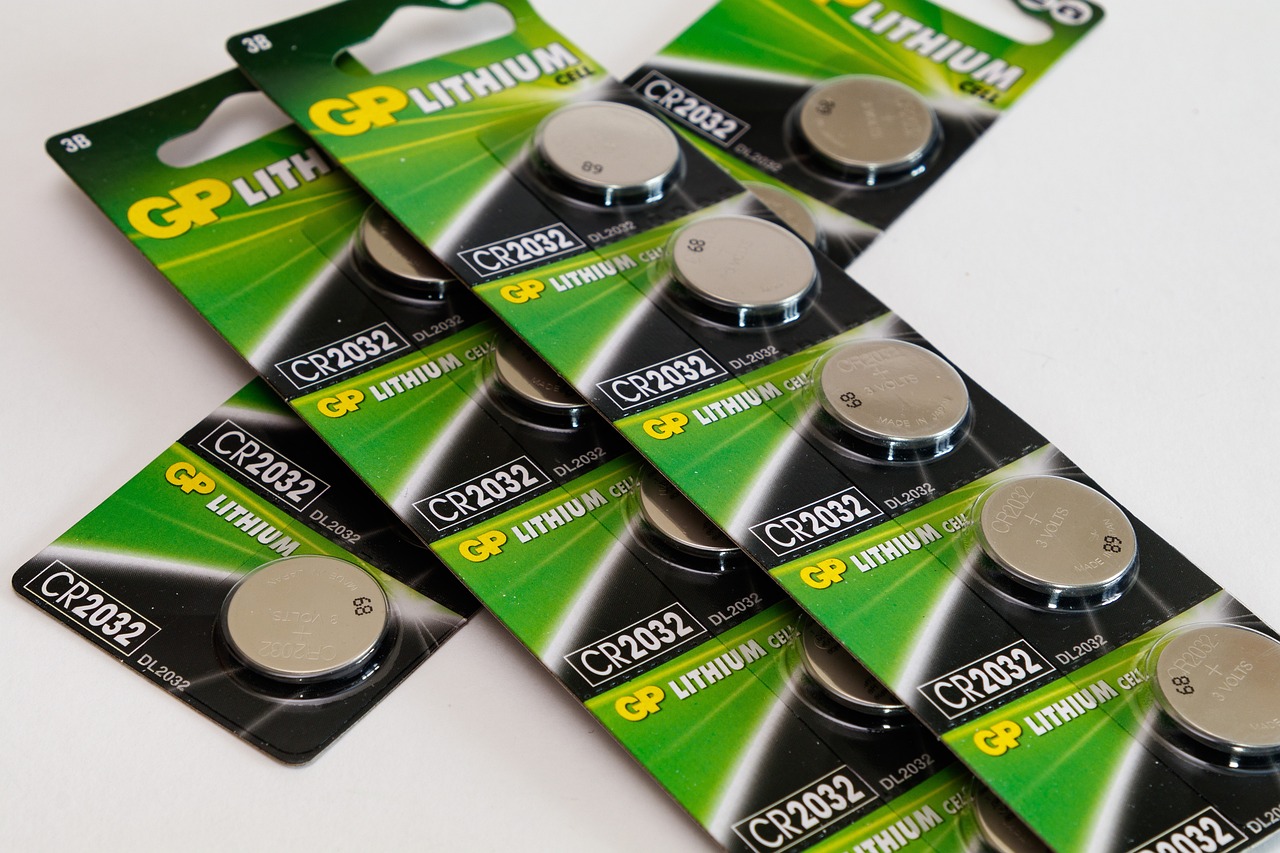
While many power banks are allowed, those exceeding airline-approved watt-hour limits are confiscated. Most U.S. airlines cap carry-on lithium batteries at 100 watt-hours without approval. Oversized power stations, modified battery packs, or unlabeled devices raise immediate red flags. TSA intercepted over 25,000 battery-related items in 2024 due to fire risk. Lithium battery fires are extremely difficult to extinguish mid-flight, making strict enforcement essential. If a battery lacks clear specifications or exceeds limits, it will be removed at the checkpoint.
10. Unidentifiable or Tampered Items
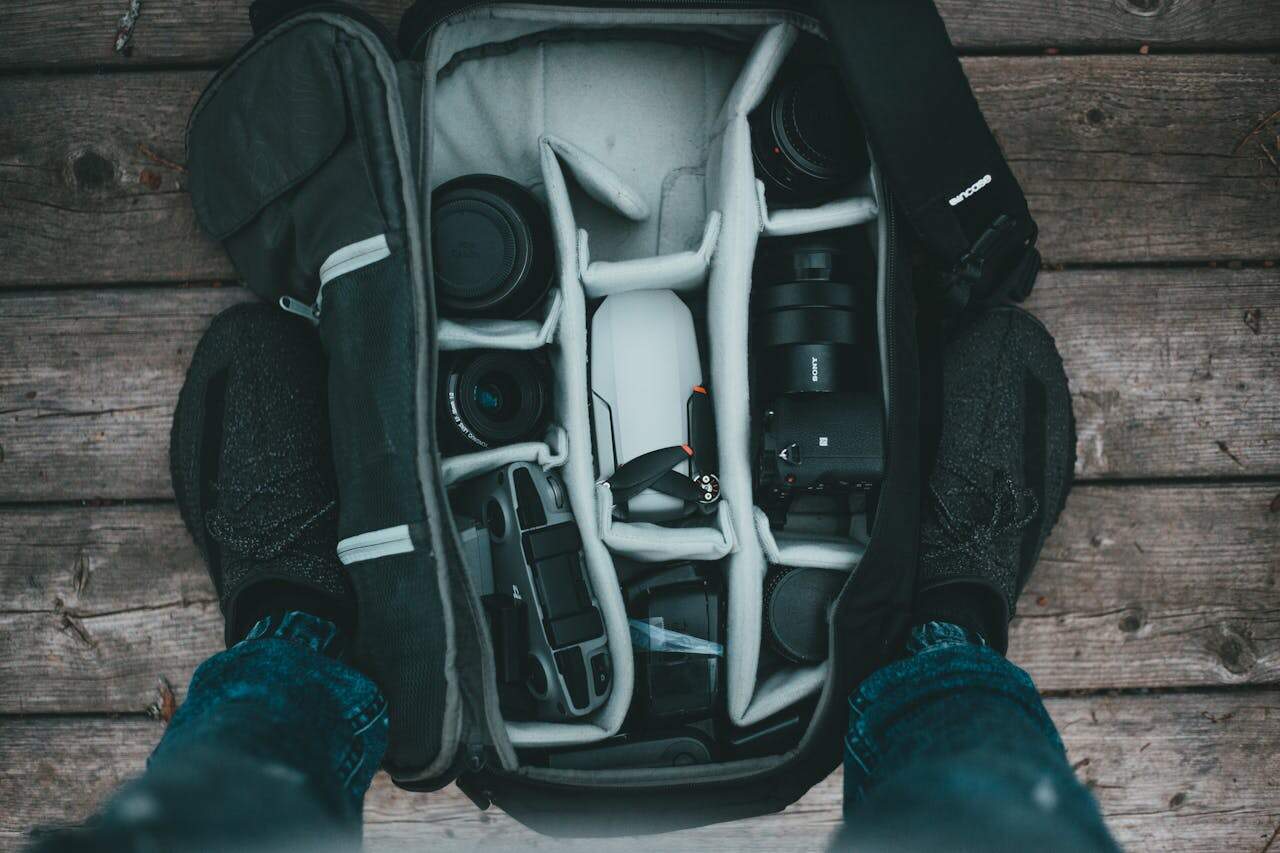
Any item that cannot be clearly identified during screening may be confiscated at officer discretion. This includes sealed containers you refuse to open, modified electronics, or objects intentionally disguised to obscure contents. TSA’s authority allows removal of anything deemed a potential threat, even if not explicitly listed as prohibited. In 2023, discretionary confiscations accounted for roughly 4% of total removals. These situations often arise from altered packaging or suspicious density on X-ray scans. Transparency matters, items that can’t be verified don’t make it past security.