We may earn money or products from the companies mentioned in this post. This means if you click on the link and purchase the item, I will receive a small commission at no extra cost to you ... you're just helping re-supply our family's travel fund.
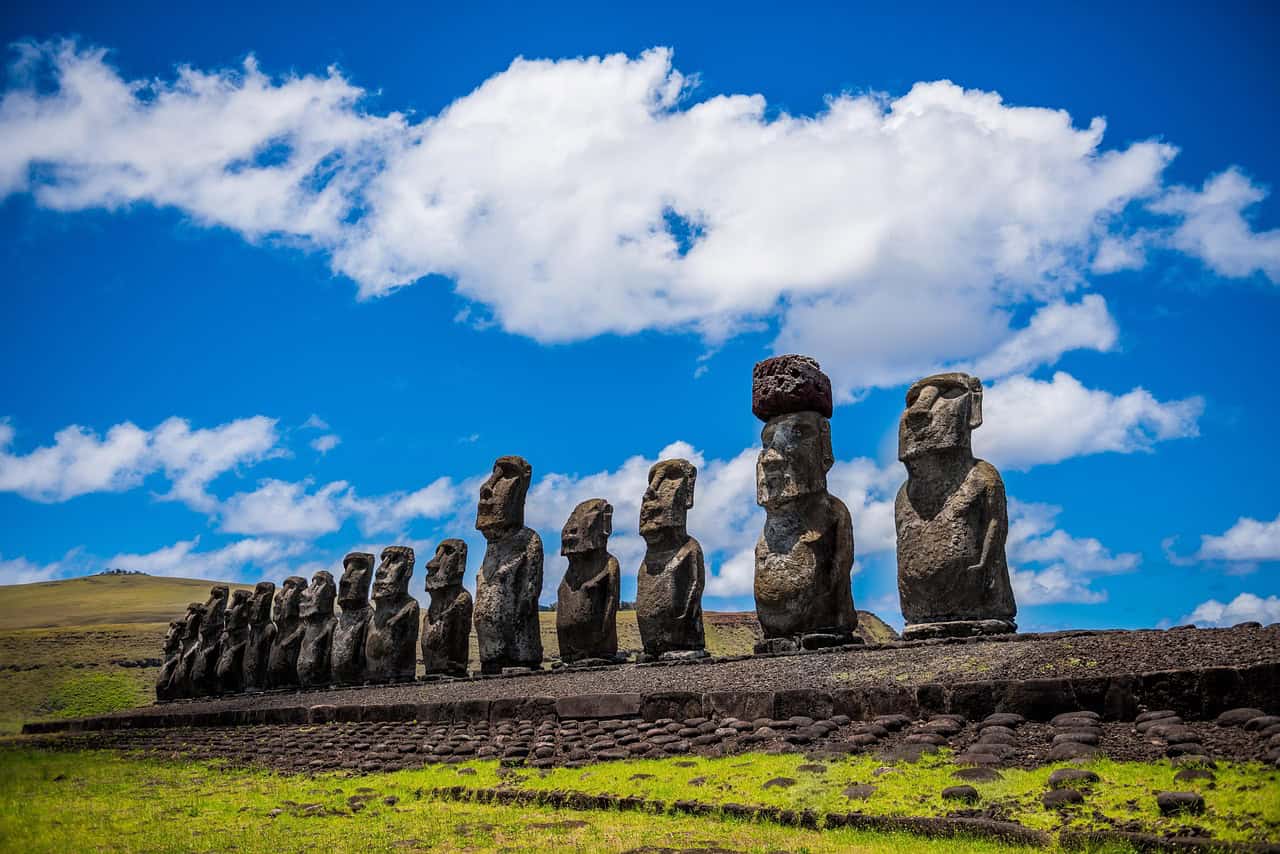
Some places earn their fame for beauty alone: a valley lit at dawn, a reef bright under clear water, a dune field that seems to breathe. A few protected landscapes carry an extra pull, because they hold questions that never fully settle. Researchers still disagree, rangers still hear the same anxious what-if, and local stories keep pace with science. The mystery is not always spooky. Often it is human, ecological, or geological, waiting for one clean clue, one careful survey, or one honest confession.
Great Smoky Mountains National Park, United States
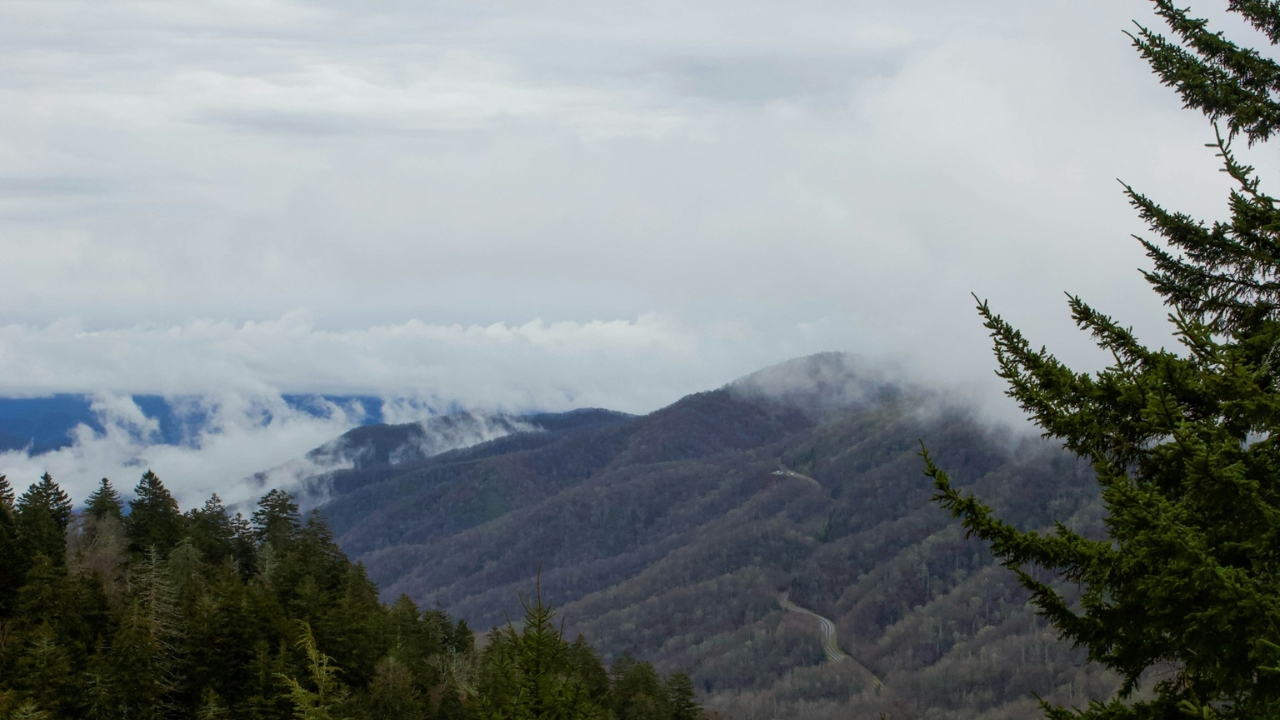
Fog slides through the spruce and fir like a curtain, and in minutes it can turn ridgelines into guesswork, especially when visibility collapses to a few damp yards and sound carries strangely across the hollows. In June 1969, 6-year-old Dennis Martin vanished near Spence Field, and a sudden storm dumped heavy rain that washed out scent trails, muddied footprints, and slowed crews in steep, roadless country. A huge, multi-agency search followed, including helicopters and federal support, yet no verified trace explained where he went, and the question shadows that stretch of trail for anyone picturing how fast a child can slip from sight.
Chaco Culture National Historical Park, United States
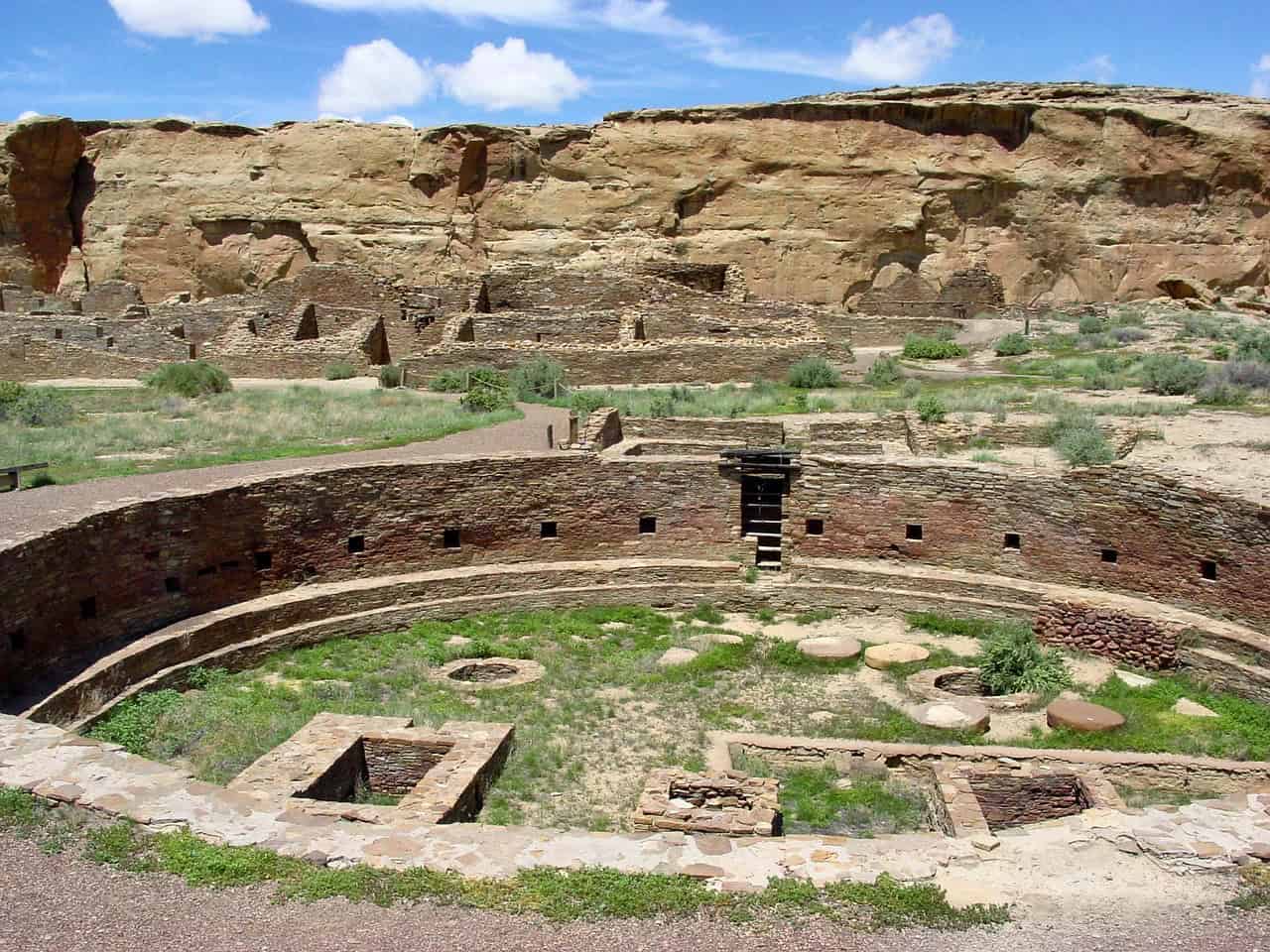
Chaco Canyon is spare and quiet, the kind of place where wind, footsteps, and a raven’s call feel deliberate, and the night sky makes the stone seem even older. Between about AD 850 and 1150, great houses such as Pueblo Bonito rose with hundreds of rooms and massive kivas, aligned with celestial cycles and linked by engineered roads that suggest regional power, exchange, and pilgrimage. Drought matters, but it does not close the file, and debate continues over timber sourcing, how authority and labor were organized, what pressures built inside the system, and why people ultimately shifted away from this center of ceremony.
Rapa Nui National Park, Chile
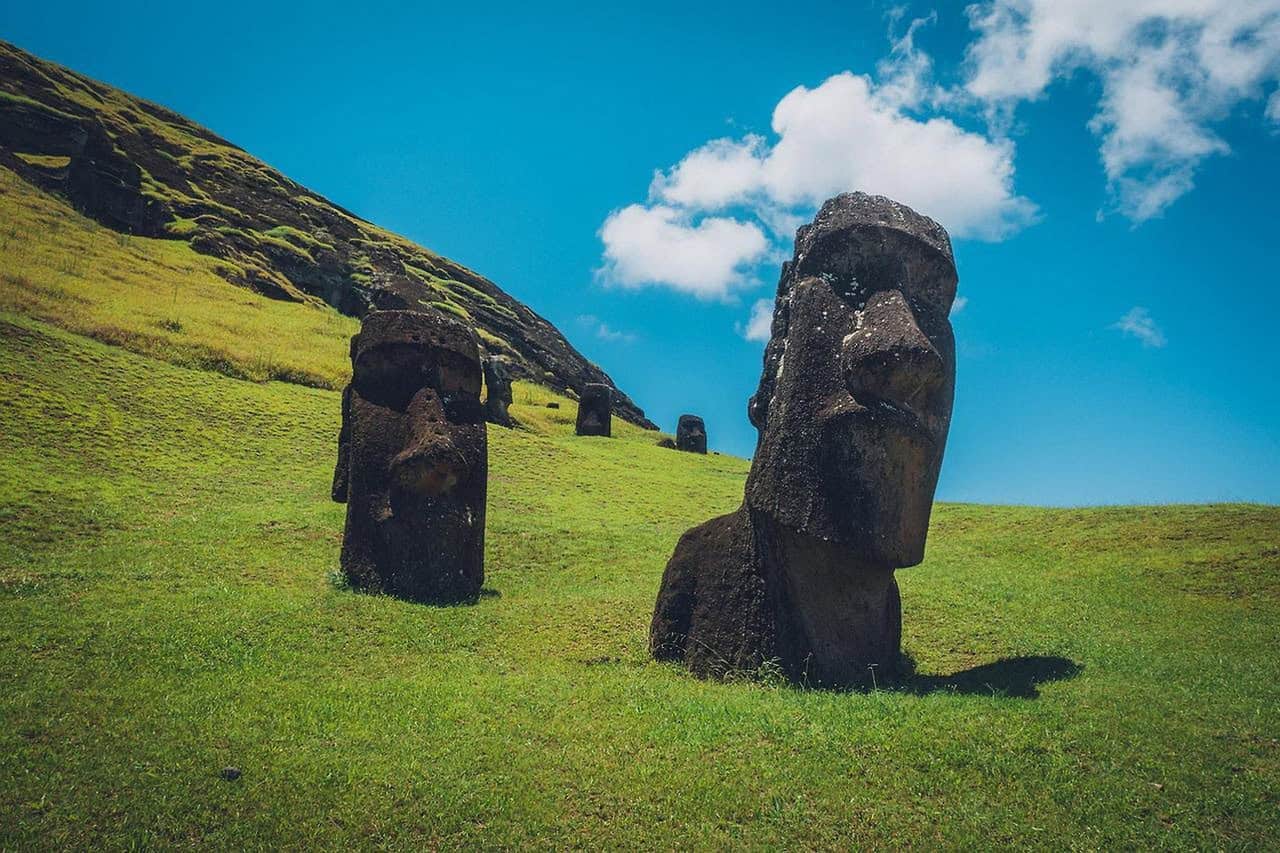
On Rapa Nui, moai stare across grass and sea, and each statue feels both sacred and stubbornly physical, tons of stone turned into a face and a vow that still holds a shoreline. Researchers agree the figures were quarried at Rano Raraku and moved long distances, but the exact transport method remains contested, split between sledges, rollers, rope systems, and walking experiments that rock an upright moai forward in controlled steps. Even if the mechanics are solved, the harder mystery stays social: how belief, leadership, and fragile island ecology aligned for generations, then fractured hard enough to stop the work.
Namib-Naukluft National Park, Namibia
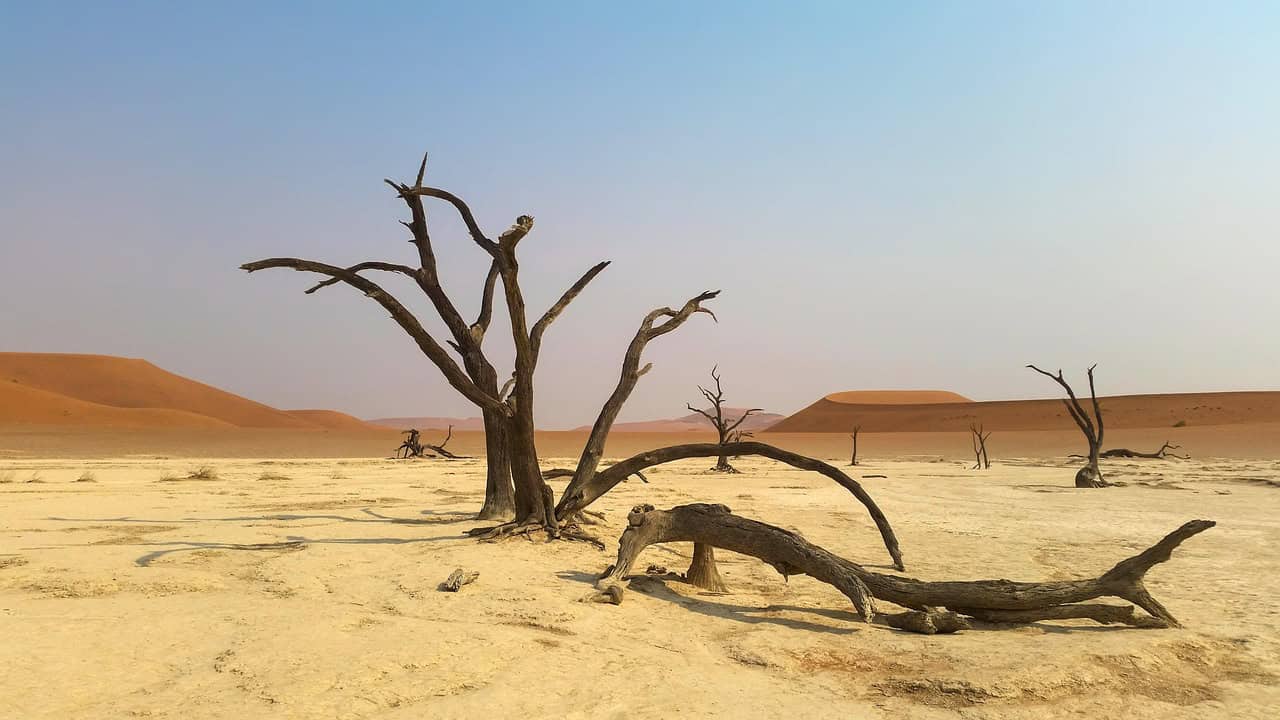
From above, the Namib’s fairy circles look intentional, bare disks stamped into grassland with eerie spacing, like a pattern someone meant to leave behind. They spread across broad swaths of desert and have been studied for decades, yet the leading explanation still splits between termites acting as ecosystem engineers and vegetation self-organization shaped by scarce water and root competition. Field plots, rainfall records, and soil work keep sharpening the argument, but the circles vary by region and season, appearing, fading, and shifting in ways that make the desert feel like it is running its own long experiment.
Great Sand Dunes National Park and Preserve, United States
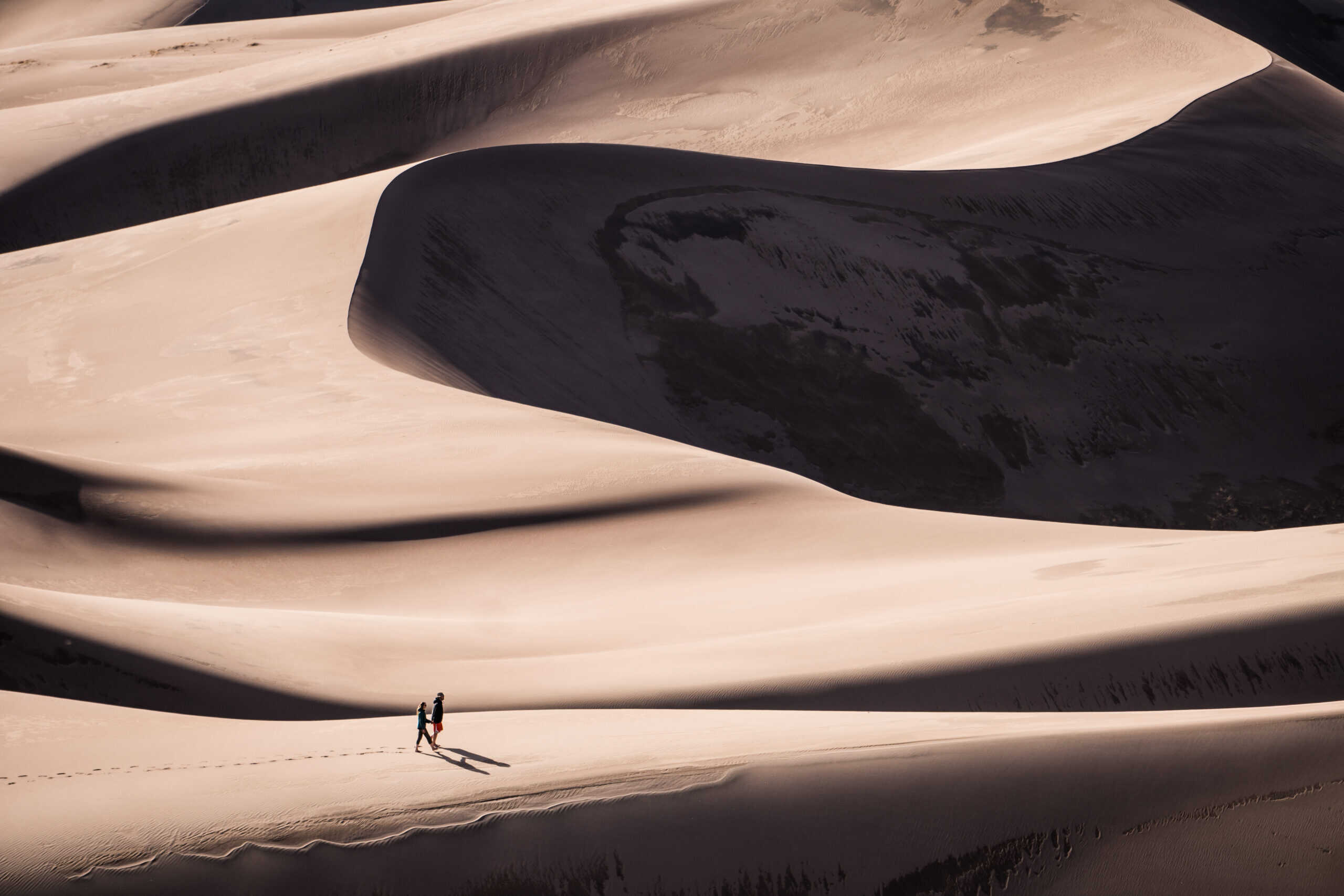
The dunes rise against the Sangre de Cristo Mountains with a posture that feels impossible, sharp ridges moving yet holding their lines, especially in late light when shadows cut clean angles. Under the right mix of grain size and dryness, some slopes produce deep, sustained notes when sand avalanches, a phenomenon called singing or booming that has been documented in only a limited number of dune fields worldwide. Scientists debate the exact physics, often pointing to synchronized grain motion and resonance in a thin surface layer, but humidity, texture, temperature, and slope keep the sound stubbornly hard to predict on command.
Nanda Devi Region, India
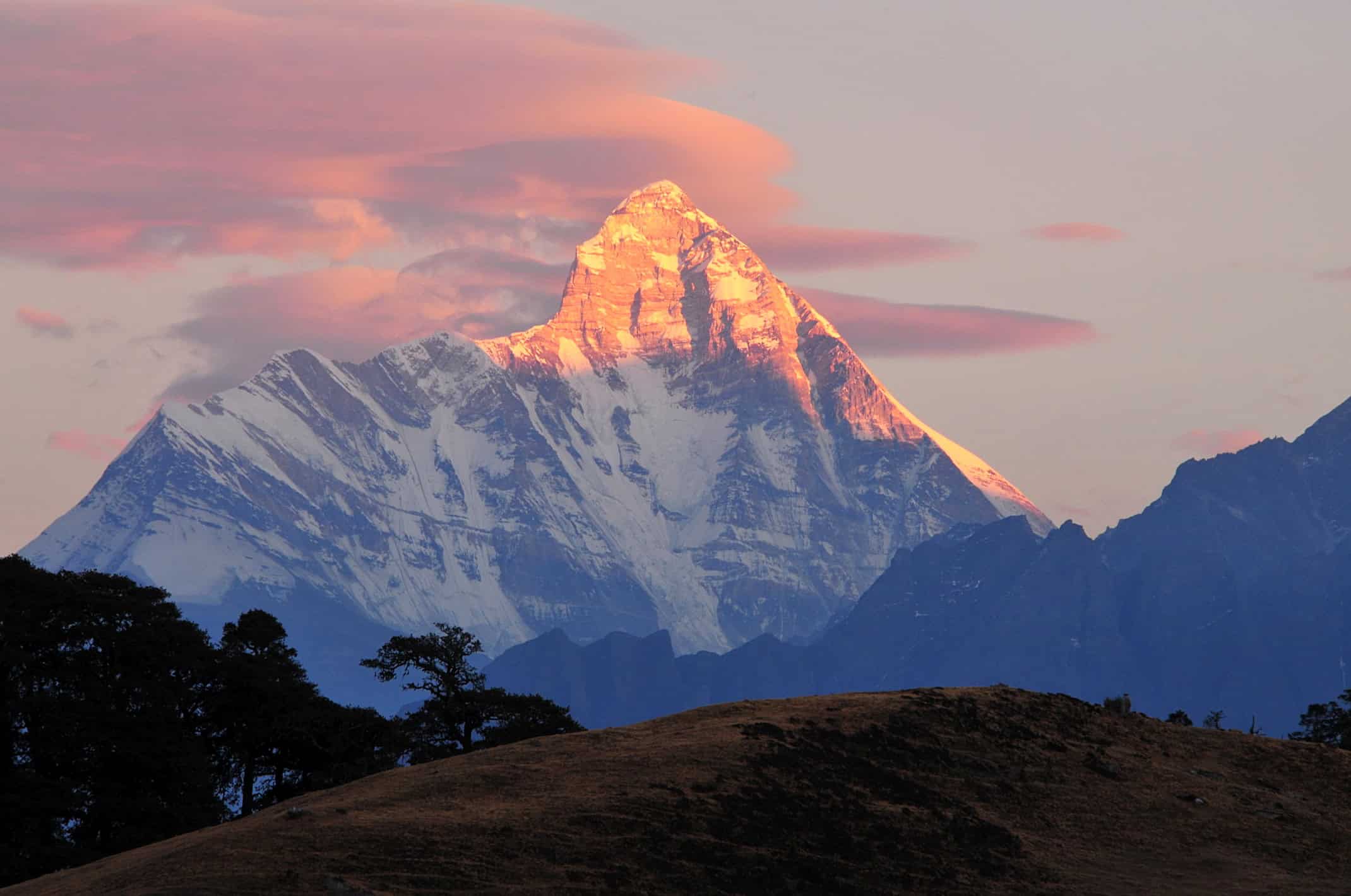
High in Uttarakhand near the Nanda Devi landscape, Roopkund looks still until melt reveals bones at the waterline, a brief seasonal window that has fueled rumors for decades. Genomic analysis showed the remains came from multiple groups who died in different periods, including people with South Asian ancestry and others with eastern Mediterranean ancestry, overturning the old single-disaster myth. The harder questions remain: why distant travelers reached such altitude and thin air, what route brought them there, and what ended their journeys in a basin where weather can turn lethal fast and storms cut off escape.
Nahanni National Park Reserve, Canada
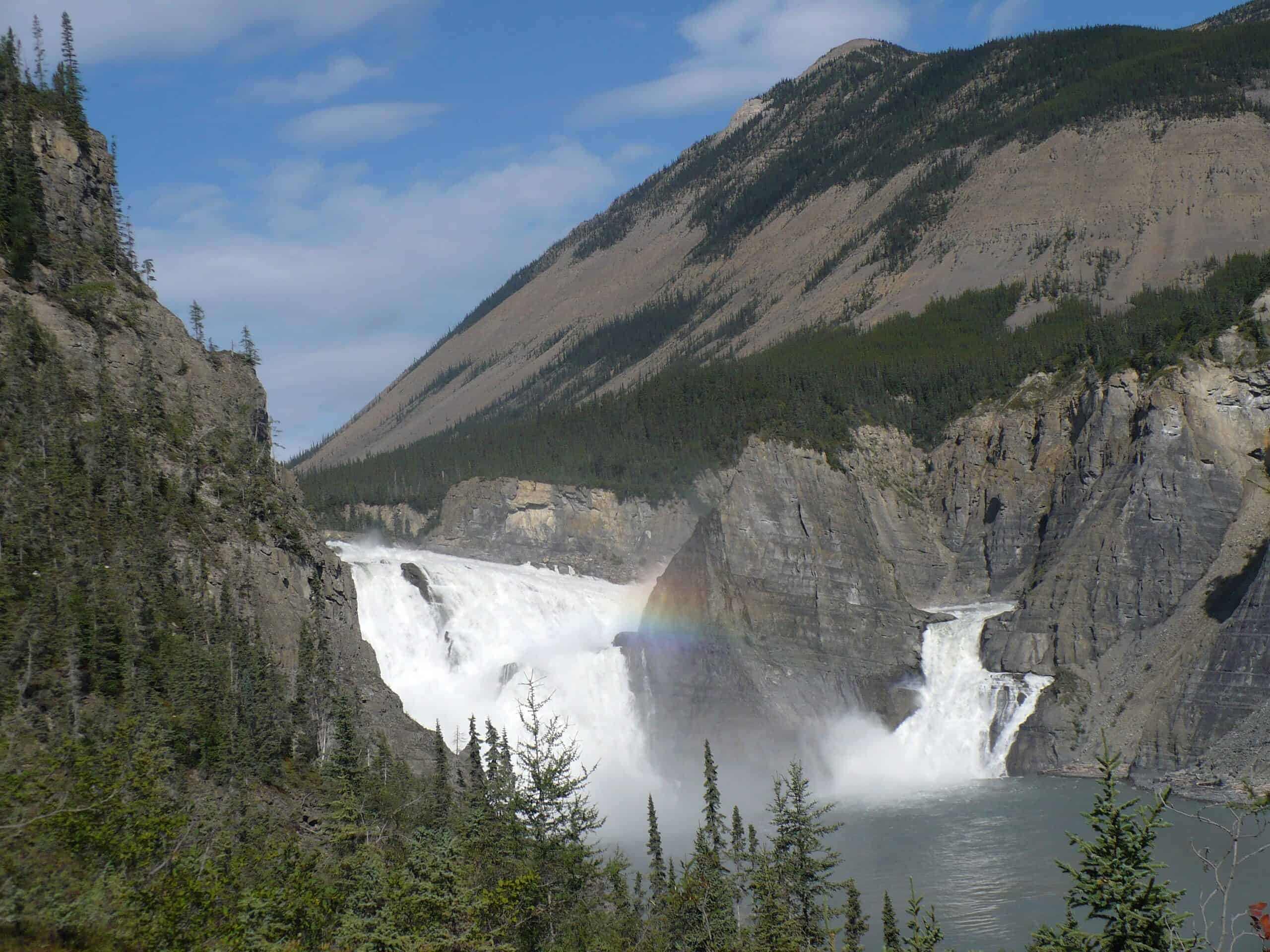
Nahanni feels built for legend, a wild river cutting limestone canyons where remoteness turns every mile into a commitment and help is never close. Early 1900s accounts of prospectors found dead and decapitated helped coin names like Deadmen Valley, but the details have never settled into one verified narrative, blending documented deaths with retellings that grew in the gaps of frontier record-keeping. Parks Canada centers deep Indigenous presence and ecological grandeur, yet the older story still clings to the place, repeated at campfires and lodge tables because the wilderness keeps its receipts hard to find, and silence invites invention.
Fiordland National Park, New Zealand
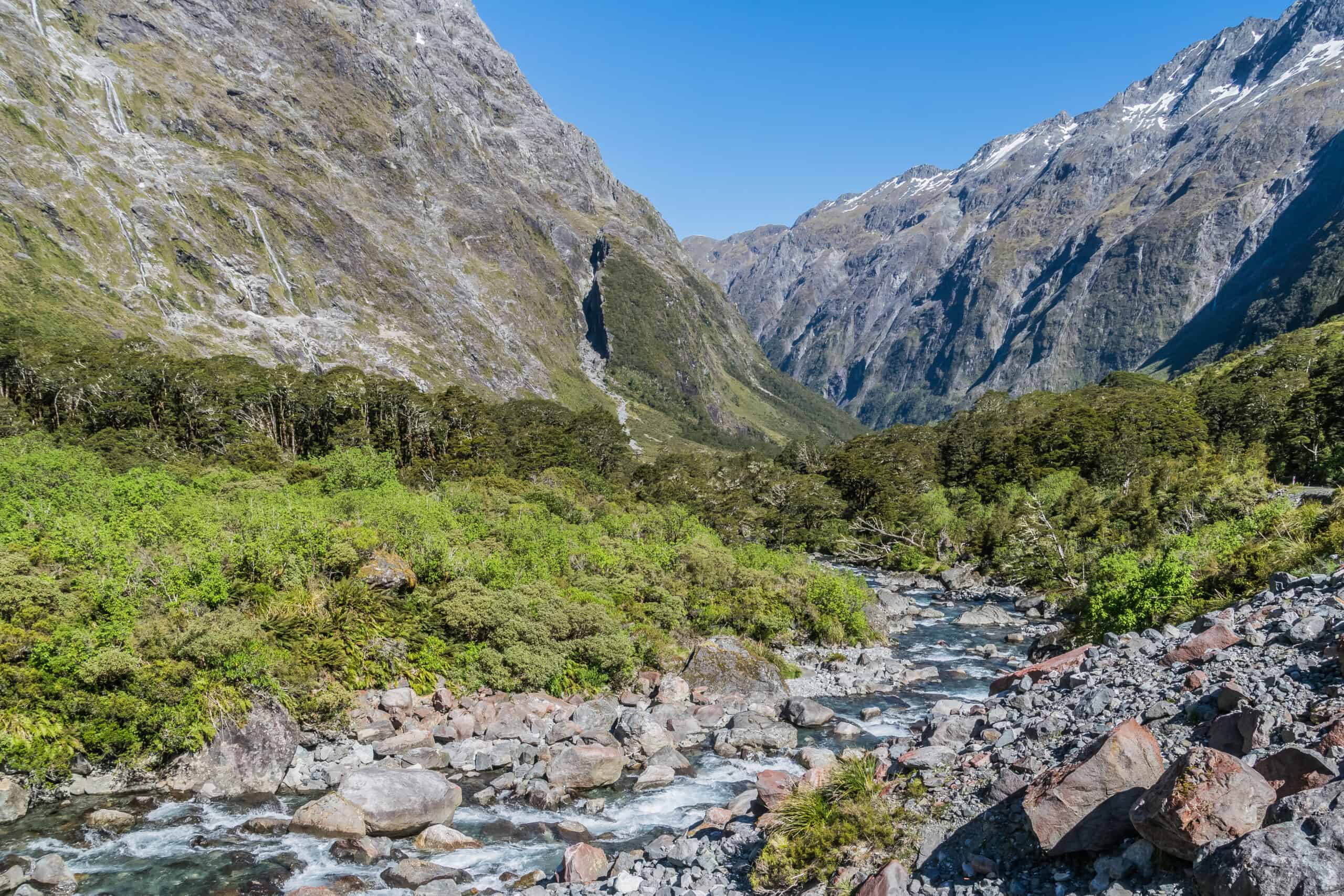
Fiordland’s rainforest hides scale, swallowing sound and sight until even a large animal could feel imaginary, and the wet ground erases tracks almost as quickly as they appear. Moose were introduced in 1910 and later assumed gone, yet sightings kept surfacing from valleys so trackless they discourage almost everyone, feeding a rumor that refuses to expire and keeps resurfacing in local talk. Hair samples and DNA testing have sparked waves of attention without a definitive modern photograph, leaving a mystery shaped by terrain, low visibility, and the simple fact that few people stay long enough to be sure.
Great Barrier Reef Marine Park, Australia
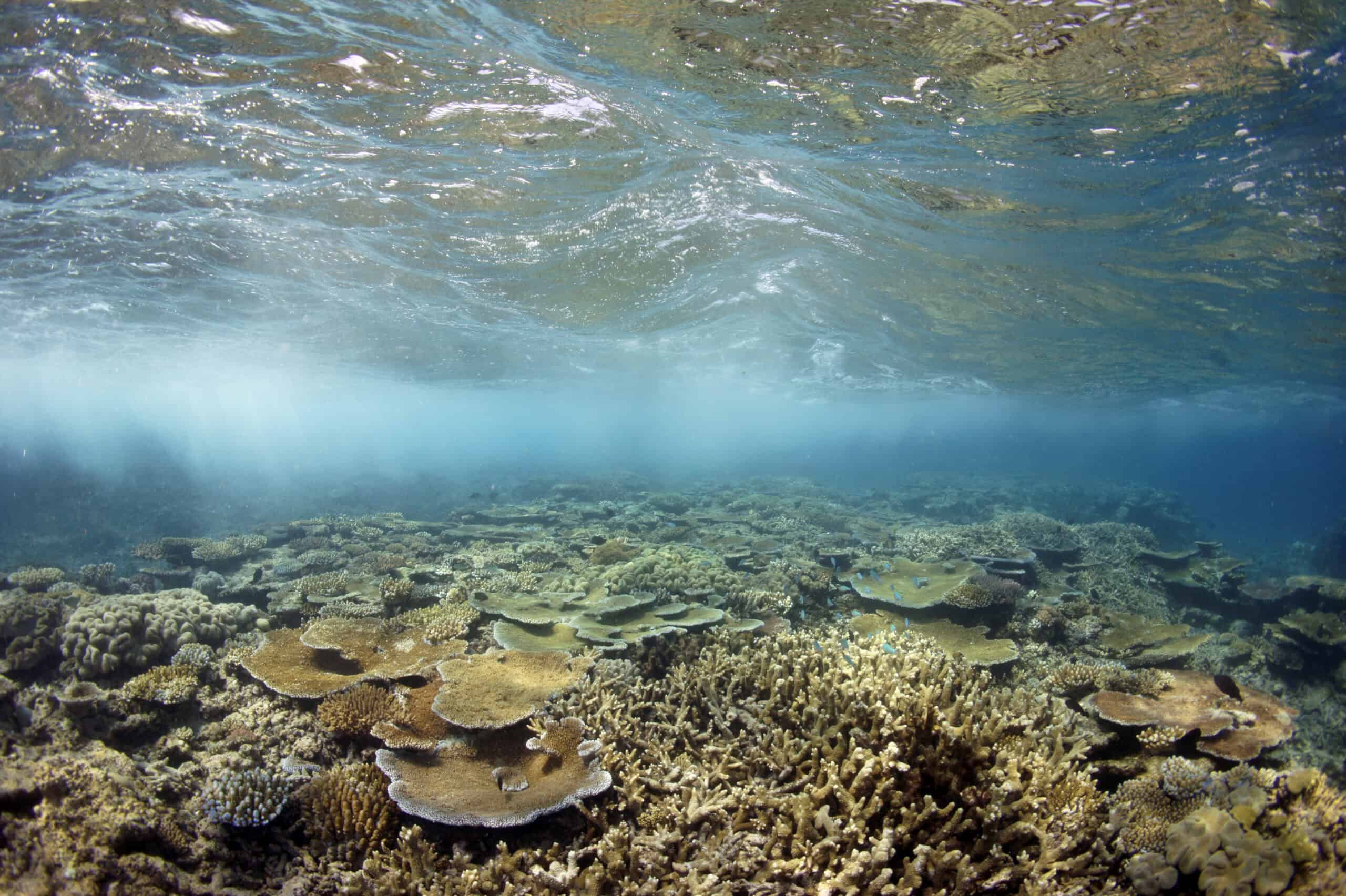
The Great Barrier Reef is a living archive, and one of its repeating shocks is the crown-of-thorns starfish, a predator that can strip reefs fast when populations spike. Researchers tie major outbreak waves to interacting pressures such as predator changes and nutrient conditions that may boost larval survival, but the precise trigger for each boom stays hard to isolate. Managers can monitor, target hotspots, and remove starfish in places, yet the deeper question remains why some years ignite across regions while others stay quiet, even when conditions look similar and reefs sit only a few currents apart.
Southwest National Park, Tasmania, Australia
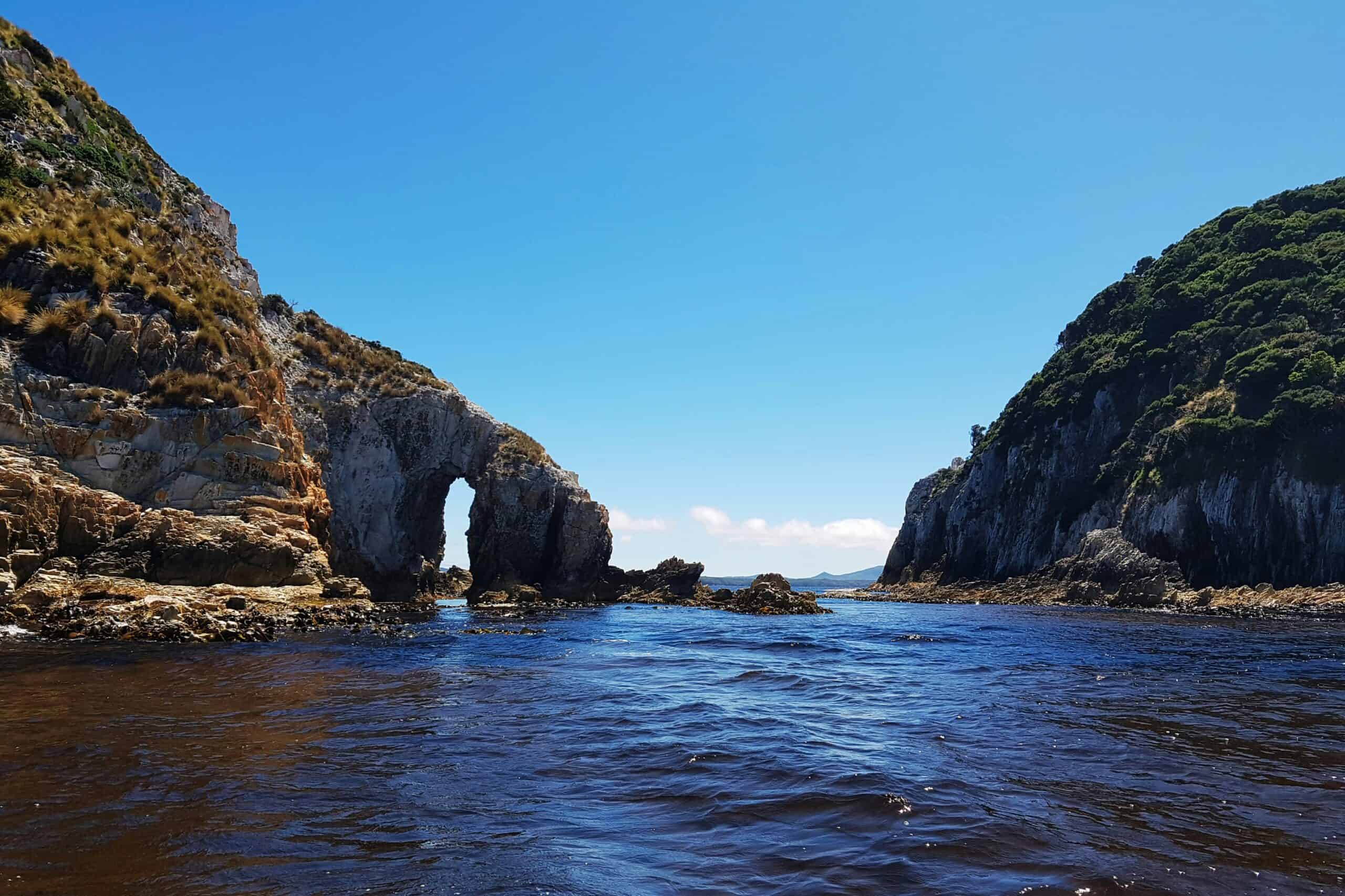
In Tasmania’s southwest, weather arrives as a force, and wilderness is so large it can swallow a schedule without noticing, closing in with rain and fog at will. The thylacine was last confirmed alive on Sept. 7, 1936, later declared extinct, yet sightings have continued for decades in remote country within the world heritage area, often reported with absolute certainty and repeated in small towns for years. Officials note no conclusive evidence of a living animal has surfaced, so the mystery persists as a balance between grief for what is gone and hope that one secret still moves through wet forest, just out of clear view.