We may earn money or products from the companies mentioned in this post. This means if you click on the link and purchase the item, I will receive a small commission at no extra cost to you ... you're just helping re-supply our family's travel fund.
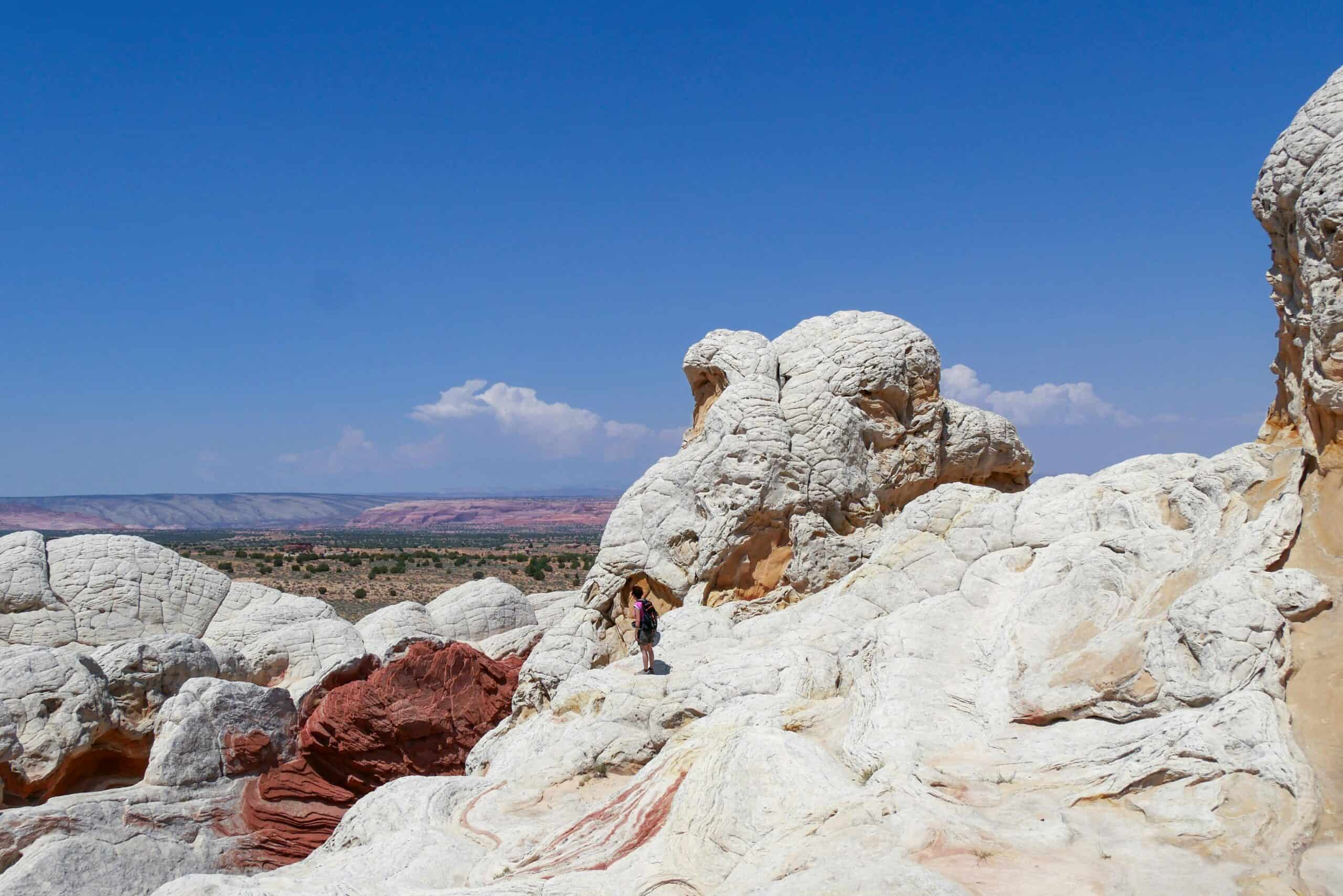
Hidden wonders are rarely hidden because they lack beauty. They stay quiet because they sit beyond the obvious loops, down dirt roads, or inside landscapes that do not photograph well from a quick pullout. Across the United States, badlands, lava tubes, and strange springs keep doing what they have always done, even as crowds chase the same headlines. These places reward patience, a full water bottle, and an unhurried pace. The payoff is a different kind of awe, one that feels personal, earned, and strangely calming.
Bisti/De-Na-Zin Wilderness, New Mexico
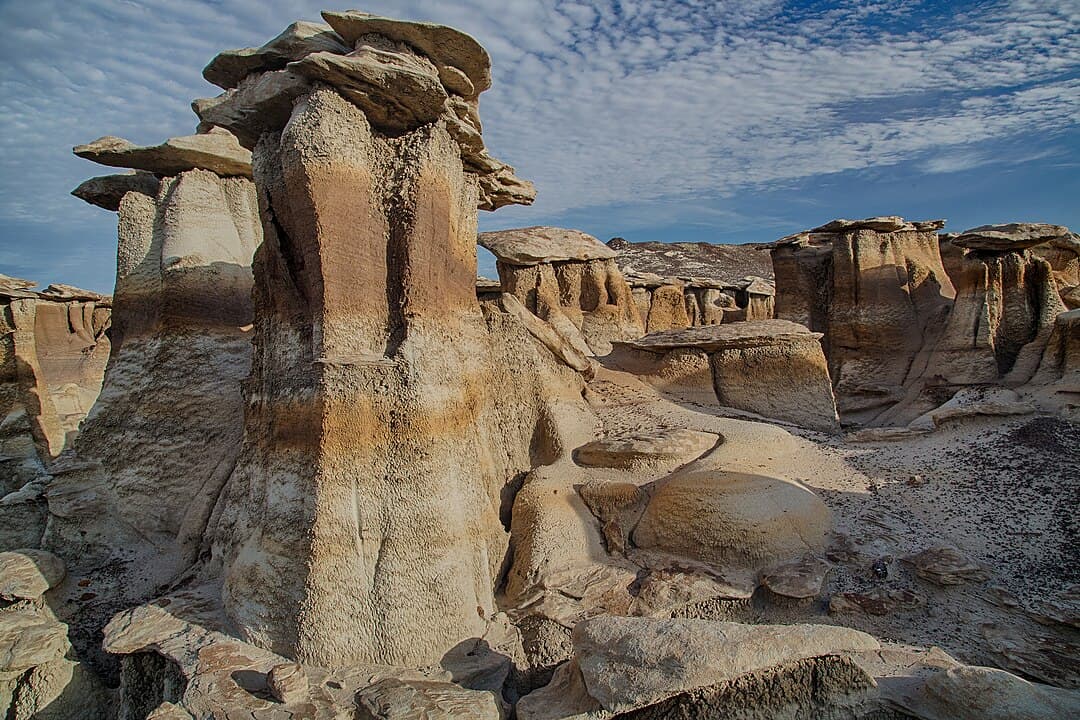
In the Four Corners region, Bisti/De-Na-Zin feels like a silent sculpture garden made by wind and time. Badlands roll outward in gray and tan layers of sandstone, shale, and mudstone, then rise into hoodoos, cap rocks, and sharp fins that look arranged on purpose, with fossils known to occur in the sediment. There are no marked trails and very few landmarks, so the wonder is earned by slow wandering, careful navigation, and a steady eye for changing light, all while treating every brittle ridge and clay slope as something that can break under a single careless boot, and carrying enough water to stay patient for hours in open sun, with no shade.
White Pocket, Arizona
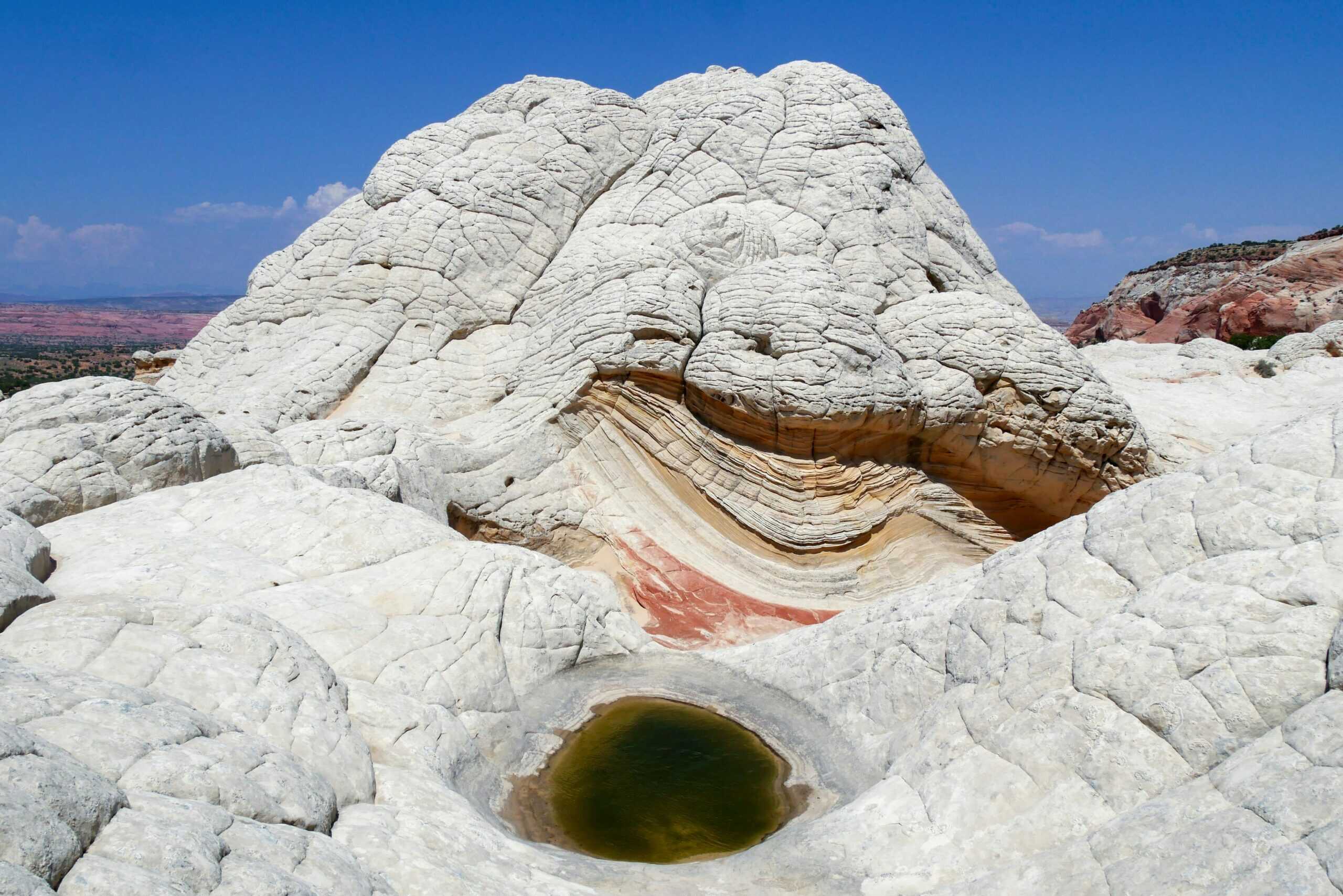
White Pocket hides inside the Vermilion Cliffs backcountry, where sandstone swirls into cream, rust, and blush like spilled paint. There are no developed trails, only a trailhead and open rock that encourages exploration, which is exactly why the area stays quieter than nearby permit-famous landmarks. Reaching it often means rough roads, high-clearance confidence, and a plan that does not depend on cell service, then hours of scrambling over domes and pockets where light changes by the minute, textures ripple underfoot, and the silence makes the whole place feel like a private gallery that never repeats a pattern, even after a full loop around the formations.
Cathedral Gorge State Park, Nevada
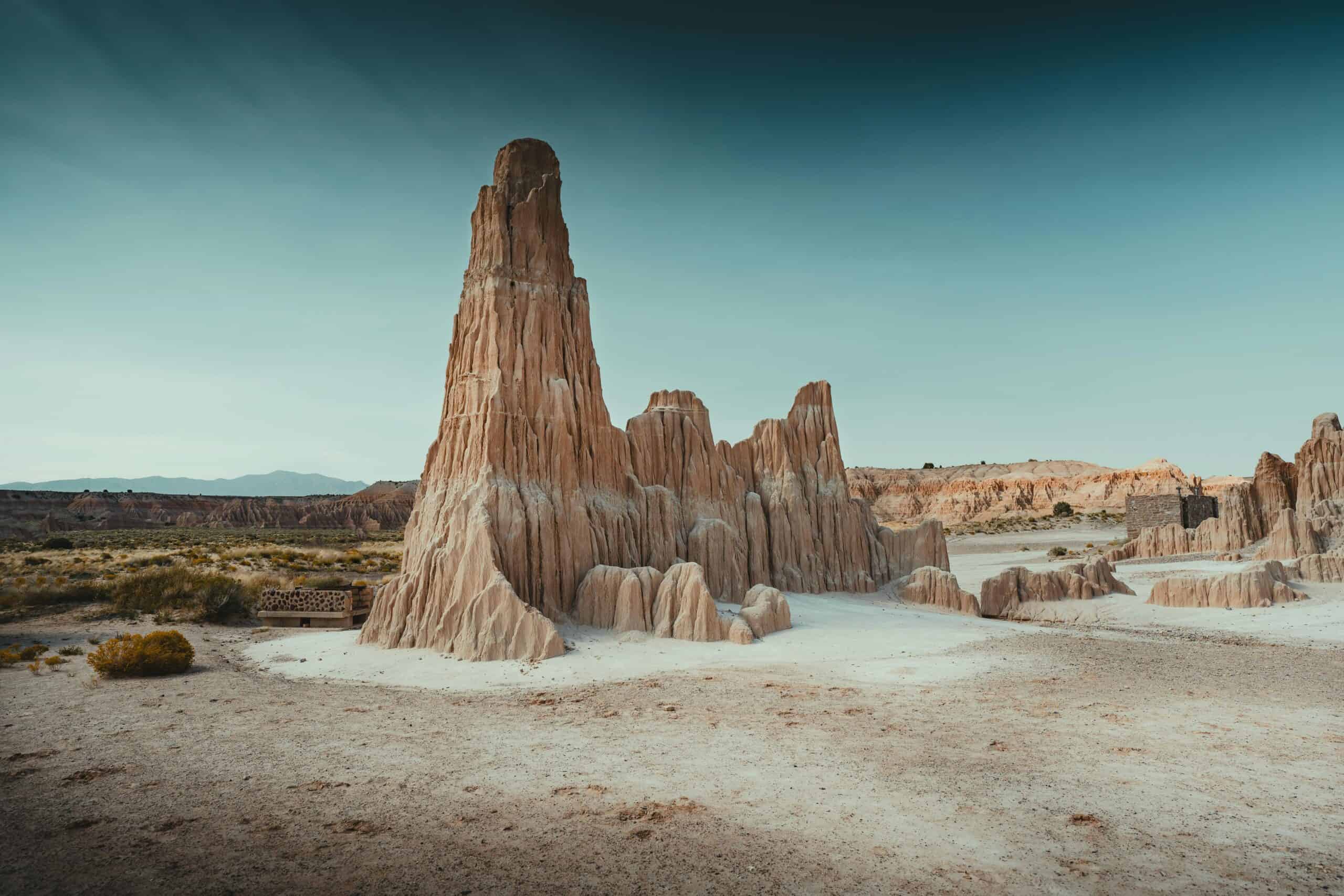
Cathedral Gorge sits in a narrow Nevada valley where erosion carved soft bentonite clay into cave-like corridors, fluted walls, and cathedral spires. From above, the park looks like rippled earth; from inside, it becomes a maze of slots, pockets, and cool shade that feels impossible in the desert, especially when the sun is high. The story starts with thick volcanic ash deposits, then water and time did the cutting, leaving passages that reward slow exploration, careful footing on powdery clay, and an unhurried loop through narrow alleys that suddenly open into bright chambers of sky, where voices echo and dust glows, and the air feels cooler by degrees.
Trona Pinnacles, California
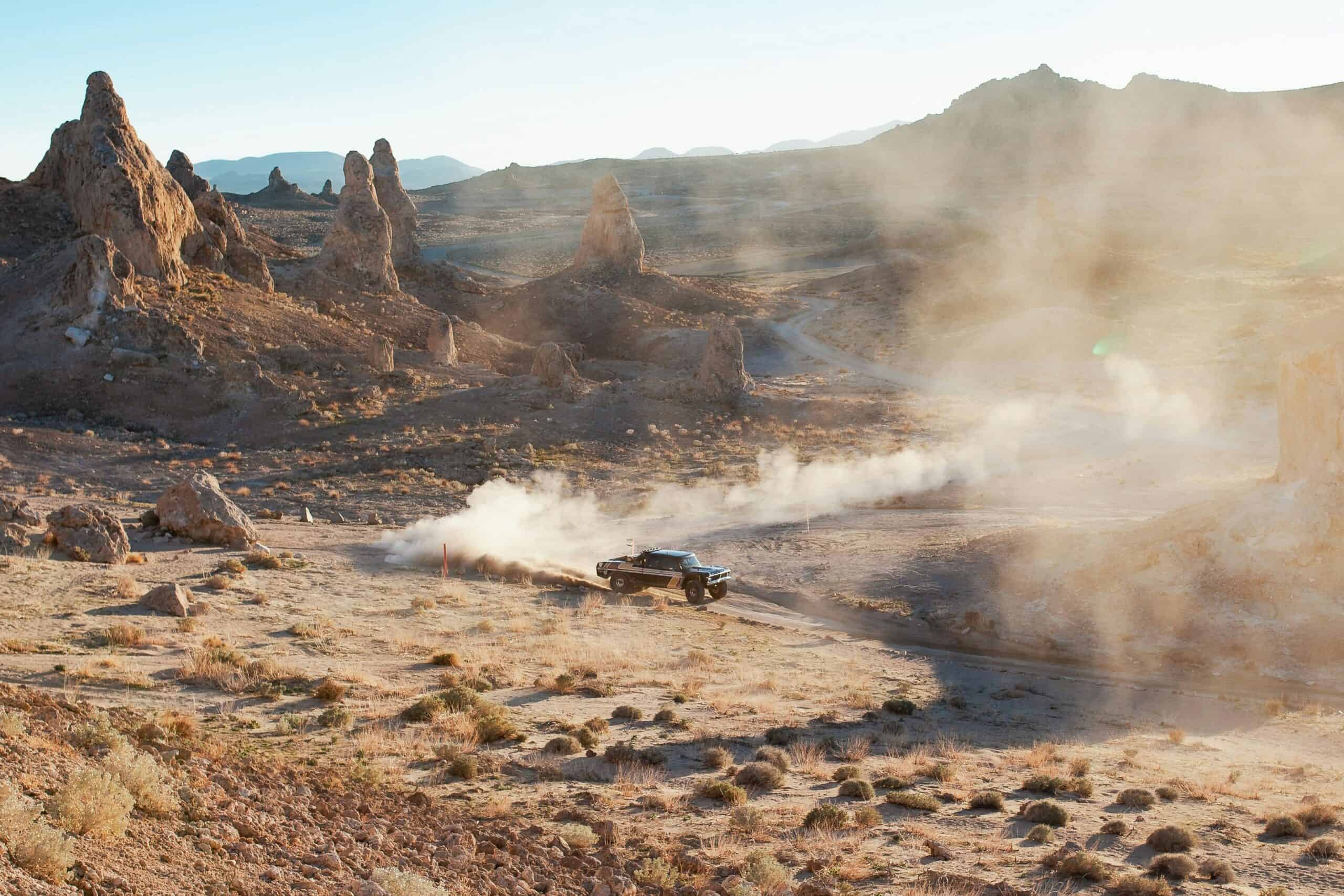
The Trona Pinnacles rise from a dry lakebed as more than 500 tufa spires, porous towers formed when mineral-rich water met an ancient lake. They look like a sci-fi set, yet the setting is starkly real: flat mud, distant ranges, and wind that never stops negotiating with the horizon, plus temperatures that can swing hard between day and night. Access is by a dirt road that is usually passable but may close after heavy rain, so the best visits are planned with daylight, extra water, and time to walk among the spires as shadows stretch, the silence deepens, and the desert proves how quickly a place can feel otherworldly without crowds or cell bars.
King Range Lost Coast, California
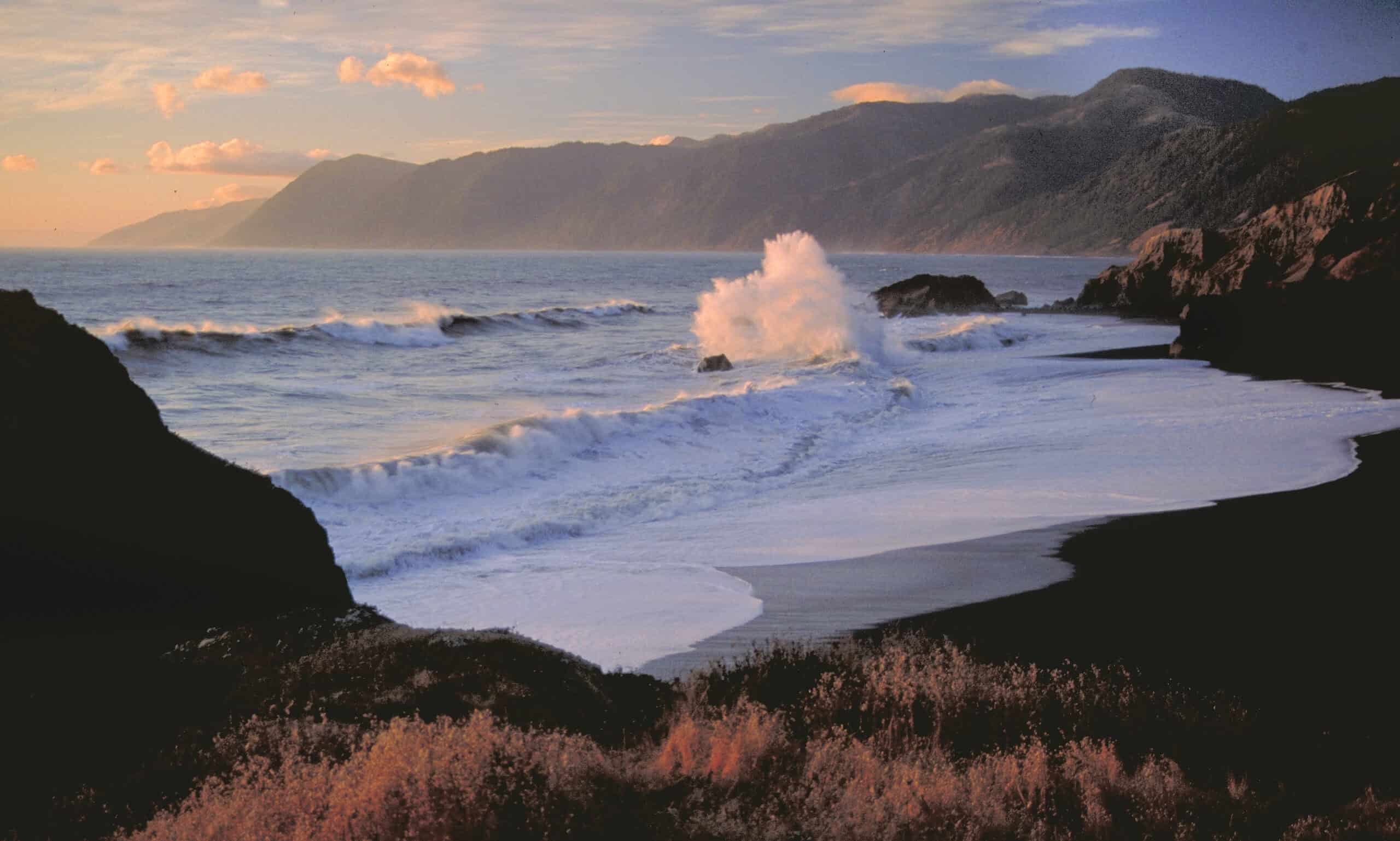
On California’s Lost Coast, the King Range rises straight out of the surf, a rugged wall of mountains so steep that Highway 1 was forced inland. That accident of geography kept the shoreline wild, with black sand, tide-cut headlands, and a sense of distance that starts before the first step, because access comes by a few back roads. This is not a quick beach stop; tides and weather set the schedule, and the reward arrives in small moments, fog lifting off spruce ridges, sea lions barking offshore, and driftwood piled like sculpture, while the coast feels owned by wind and water, not convenience or crowds that drift in at noon, then leave when the fog thickens again.
Makoshika State Park, Montana
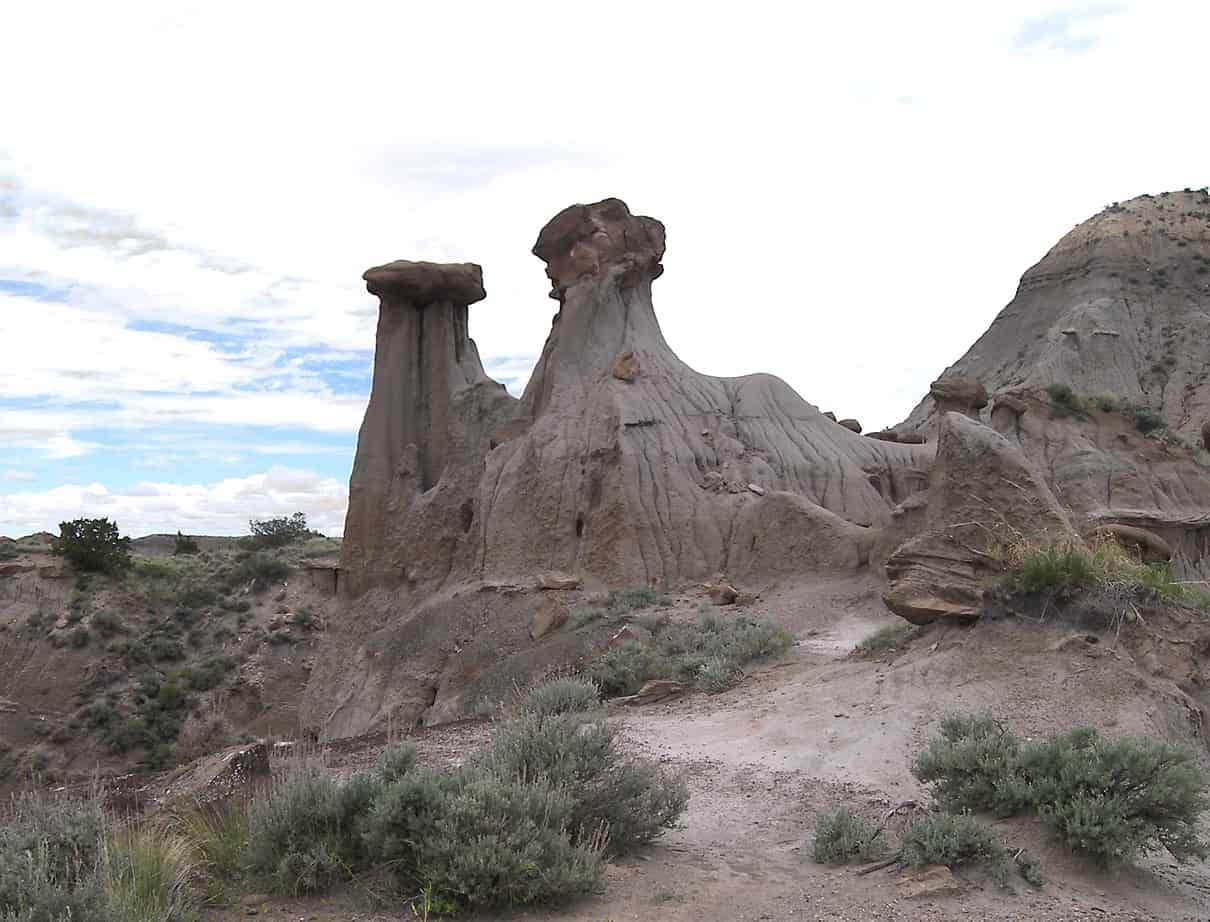
Makoshika is Montana’s largest state park, a badlands world of caprocks, spires, and hoodoos that glow at sunset and feel empty in the best way. Park information highlights fossil remains of Tyrannosaurus rex, Triceratops, and other prehistoric life, which adds a quiet depth to every overlook and wash. Short trails and drives reveal fluted hillsides, hidden coulees, and sudden viewpoints where the prairie drops away, and the experience lands hardest at dusk, when the sky goes wide, the wind calms, and layered rock shadows make the whole place feel like an open-air museum with no walls, only horizon, plus the sense of walking through time exposed in layers.
Devil’s Bathtub, Virginia
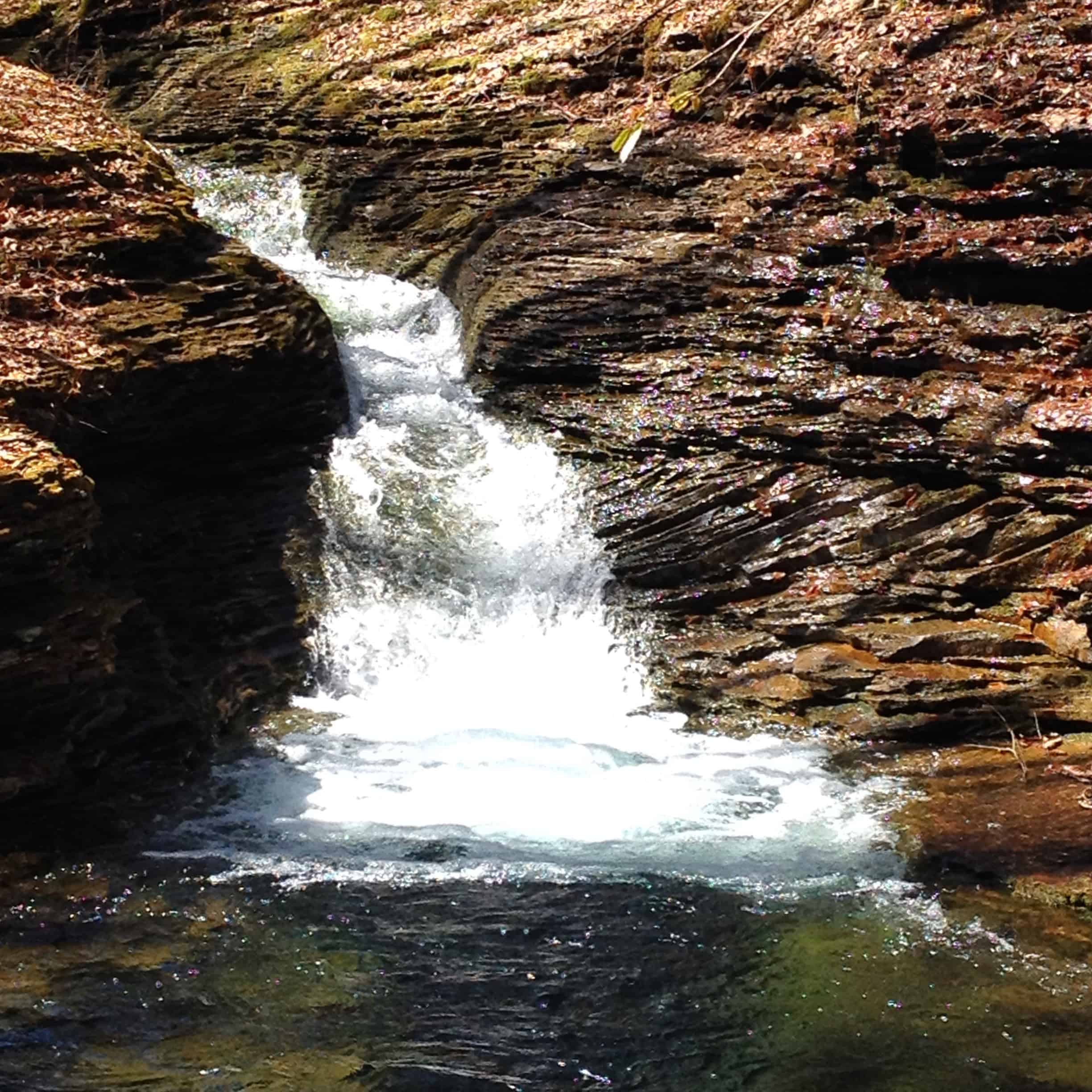
Devil’s Bathtub is a naturally smooth, blue-green swimming hole tucked into the mountains of southwest Virginia, reached by a trail that treats creek crossings as the main event. The payoff is a clear basin carved by water and rock, with small cascades, rounded stone, and a cold temperature that can shock tired legs in summer, then reset the mind in seconds. It stays under the radar because it takes effort, and because conditions matter: after rain, water rises, rocks slick up, and crossings get serious, so the safest visits are planned around weather, daylight, and a pace that leaves energy for the return walk, not just the photo, and sturdy shoes that handle wet rock.
Blue Hole, Santa Rosa, New Mexico
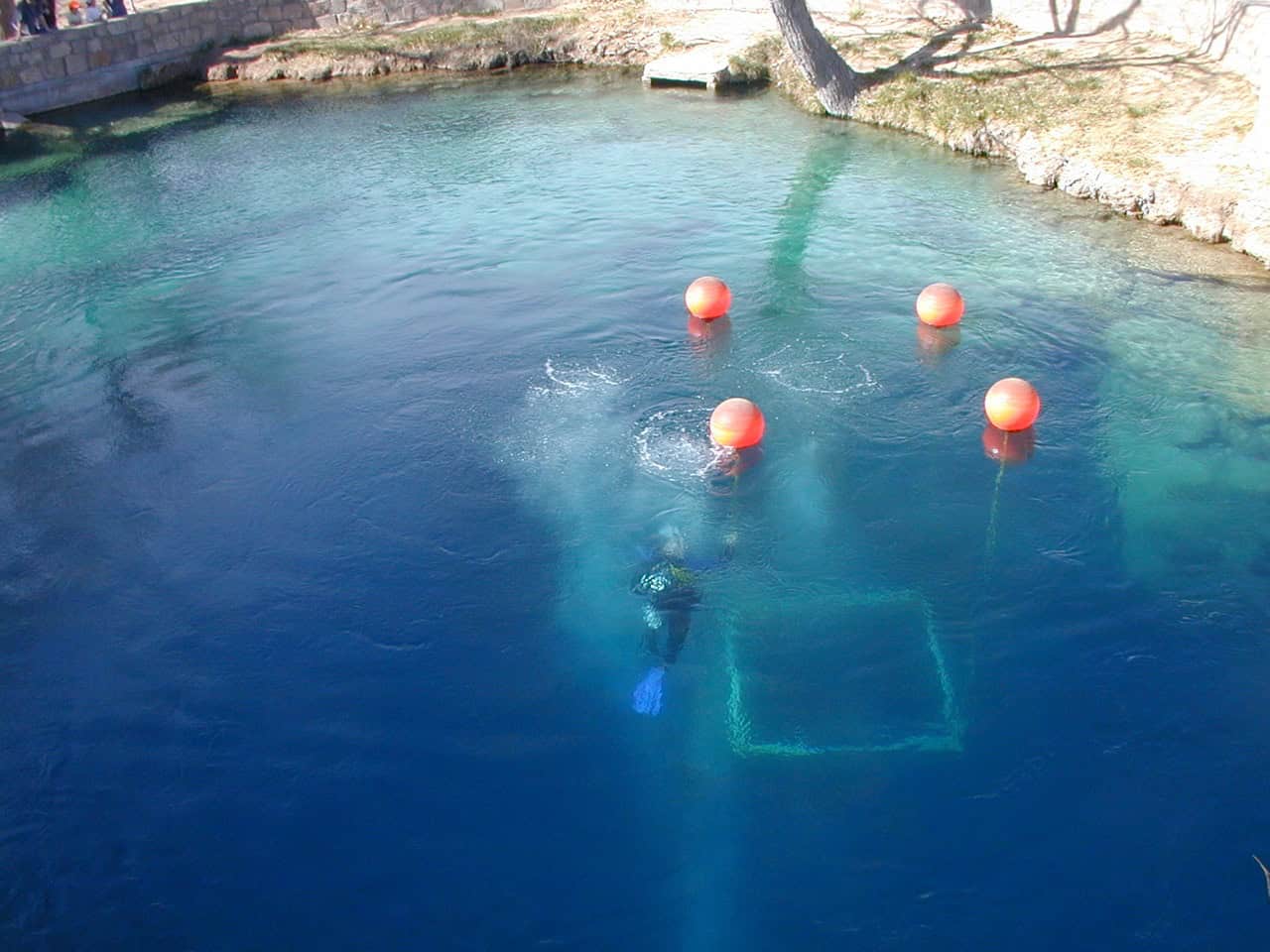
Santa Rosa’s Blue Hole looks like a small pool until the color gives it away, a clear circle of water that draws swimmers and divers off Route 66. Local guidance lists it at 81 feet deep and about 60 feet across, which makes the surface feel deceptively simple compared with what drops below and how quickly cold water can steal strength. It works best as a quiet pause in the desert, with a calm approach, saved proof of hours and rules, and a respect for depth, because the real wonder is watching sunlight turn the water electric blue while the surrounding landscape stays dry, still, and quietly amazed, even at midday, when the blue looks almost unreal against red earth.
Lava Beds, California
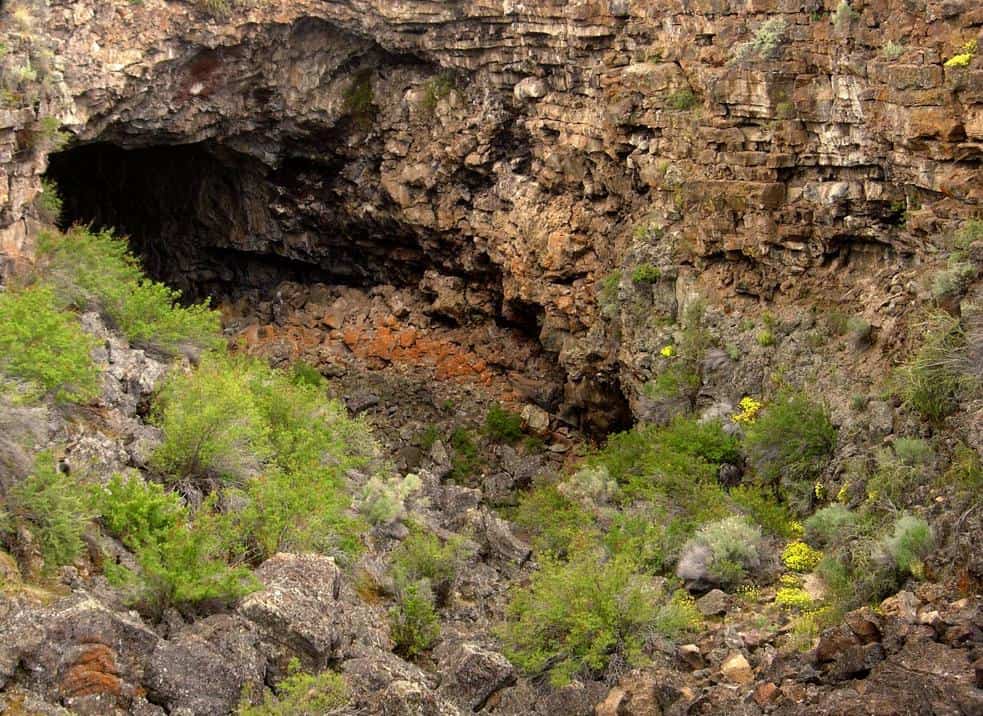
Lava Beds is a high-desert landscape built by eruptions, where lava tubes, skylights, and collapse trenches hide more than 800 caves beneath a rugged plain. Some caves are easy walks, others demand helmets, multiple lights, and calm decision-making, and entry requires a free caving permit that helps manage safety and reduce the spread of white-nose syndrome in bats. Above ground, the terrain is stark and open; below, the world turns echoing and cold, with rough basalt walls, sudden chambers, and pockets of darkness that make time feel strange, like stepping into the plumbing of an ancient volcano and listening to it breathe, then emerging into bright sage air.