We may earn money or products from the companies mentioned in this post. This means if you click on the link and purchase the item, I will receive a small commission at no extra cost to you ... you're just helping re-supply our family's travel fund.
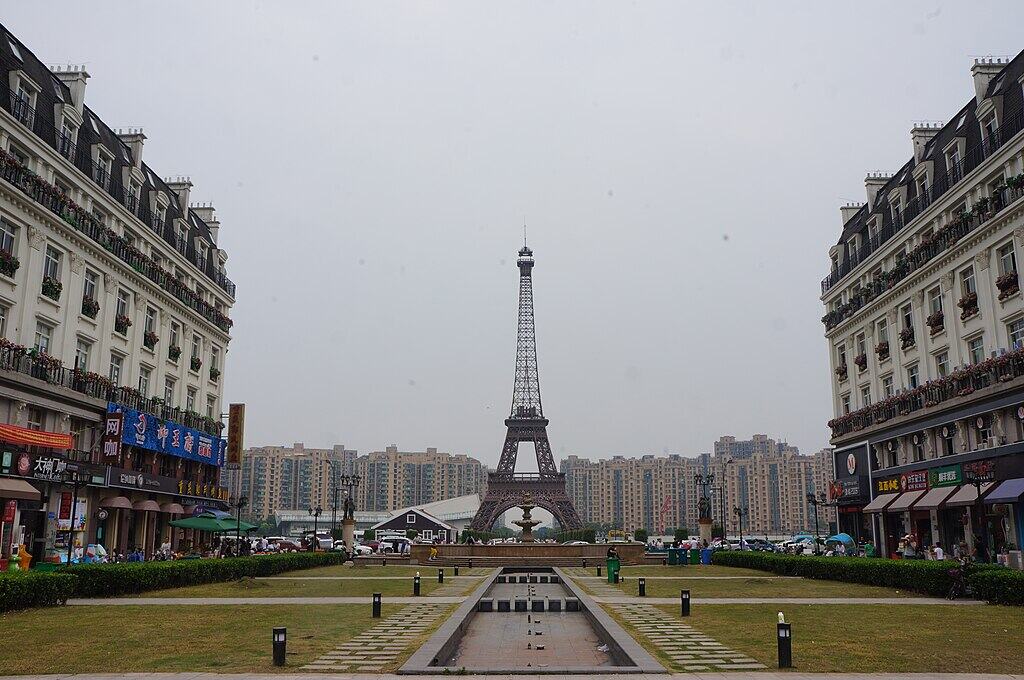
Around the world, grand ambitions have produced enormous malls, new cities, airports, and theme-park towns designed to attract hordes of visitors. Yet, in many cases, the crowds never showed up. What remains are oversized monuments to overconfidence: empty streets, deserted halls, silent runways, and unfinished dreams. These failures reveal economic miscalculations, speculative excess, and misplaced priorities. Below are 10 such “tourist traps” built for crowds that never arrived.
1. New South China Mall : Dongguan, China
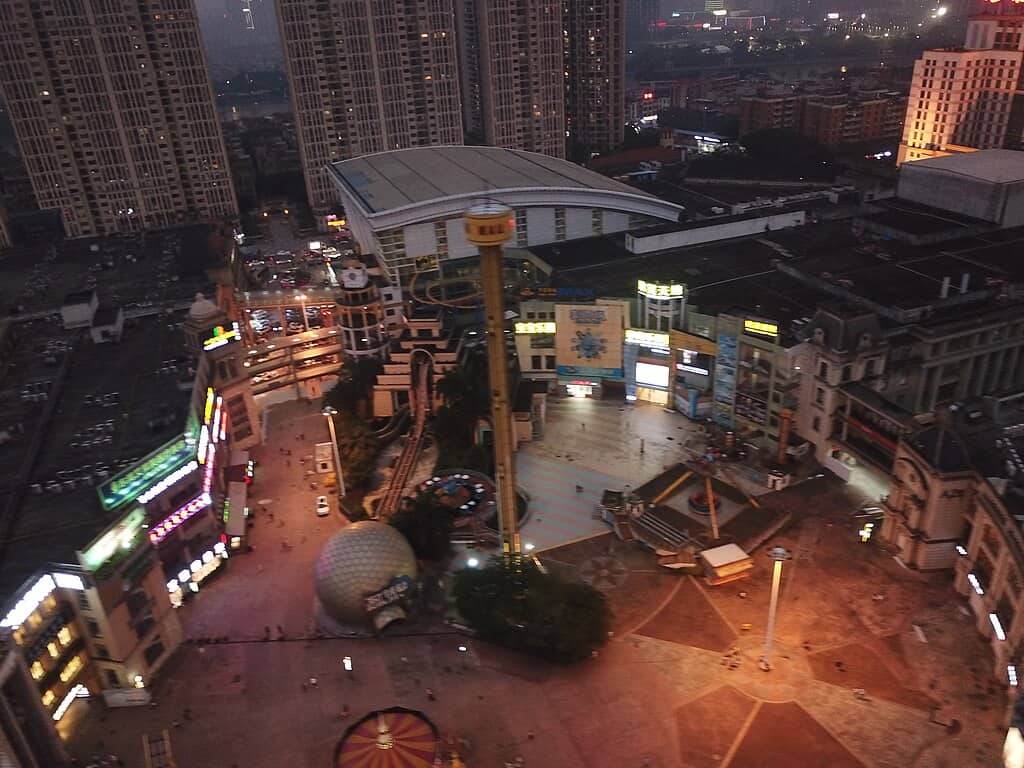
Opened in 2005, New South China Mall spans 659,611 m² and could host ~2,350 stores, including canals, gondolas, and Venetian-style architecture. Costing roughly $1.3 billion USD, occupancy fell to only 1% as most stores never opened. Suburban location, limited public transport, and distance from wealthy shoppers made sustaining business impossible. Only a few fast-food chains, a go-kart track, and an IMAX theater operate today, leaving the mall as one of the world’s largest “dead malls” and a cautionary tale of overambition.
2. Tianducheng (“Fake Paris”) : Hangzhou, China
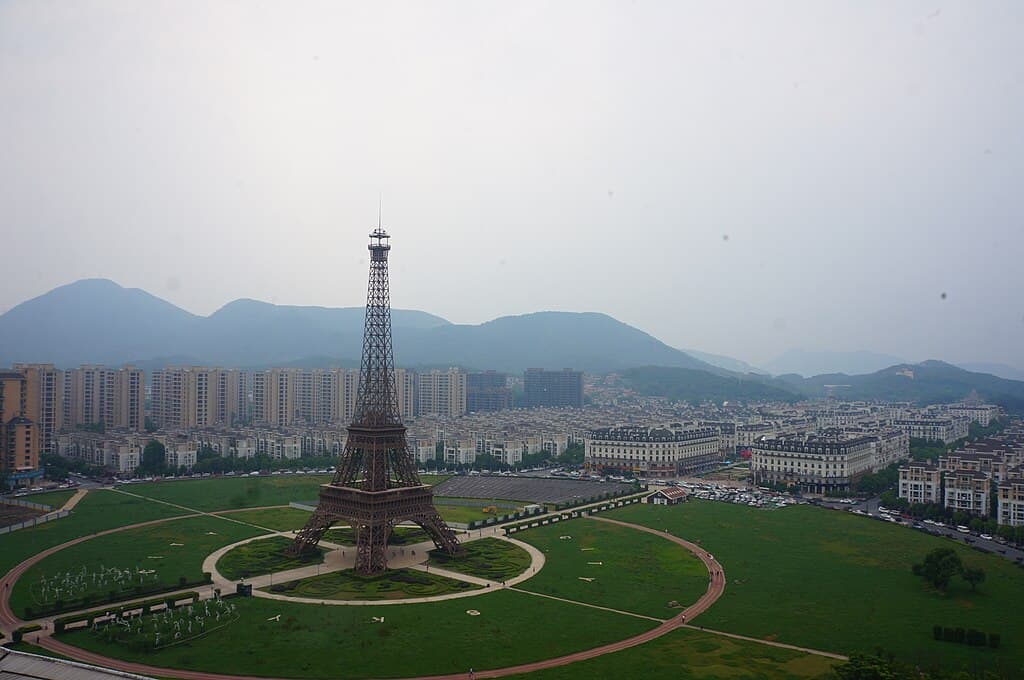
Tianducheng, begun in 2007, mimicked Paris with a 108 m Eiffel Tower replica, boulevards, fountains, and European-style apartments. The project cost was around $630 million USD, intended for 100,000+ residents, yet by 2013 only ~2,000lived there. The population later rose to ~30,000, still far below expectations. Tourists visit for novelty or wedding photos, but most streets remain empty. Tianducheng highlights the surreal contrast between architectural fantasy and actual human settlement, showing how overambitious design can produce an eerily quiet urban environment.
3. Kangbashi District : Ordos, China
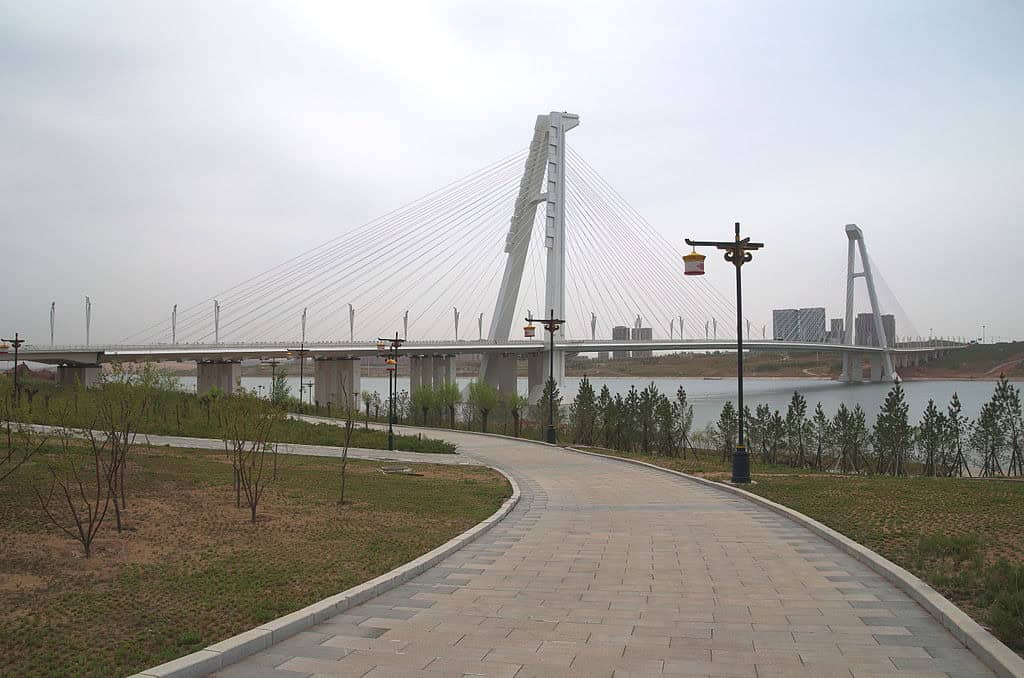
Planned from 2004, Kangbashi aimed to house 300,000–500,000 residents, with wide boulevards, opera houses, museums, and stadiums. Construction cost roughly $1.5 billion USD, yet only ~28,000 people lived there initially. By 2021, the population rose to ~120,000, still far below projections. High real estate costs and remote location hindered growth. Kangbashi remains a modern ghost city, with empty streets and massive public spaces. It demonstrates how ambitious urban planning without realistic demand can create fully built environments almost entirely devoid of life.
4. Ciudad Real Central Airport : Spain
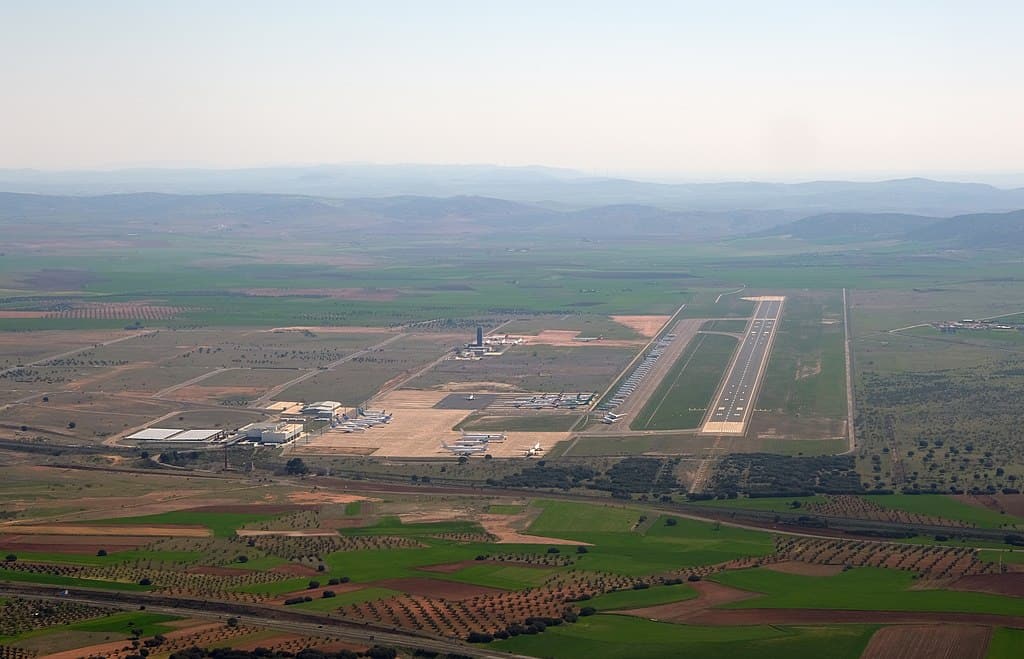
Opened in 2008, Ciudad Real Airport featured a 4,100 m runway and a terminal for 2.5–10 million passengers annually. Construction cost was $1.1 billion USD, but only 22,000 passengers arrived initially. Airlines withdrew, and bankruptcy followed by 2012 with $327 million USD debt. It was auctioned for just $10,900 USD, leaving empty runways and terminals. The airport remains a striking example of infrastructure built for demand that never existed, highlighting how massive investment can fail without proper forecasting and airline support.
5. Ryugyong Hotel : Pyongyang, North Korea
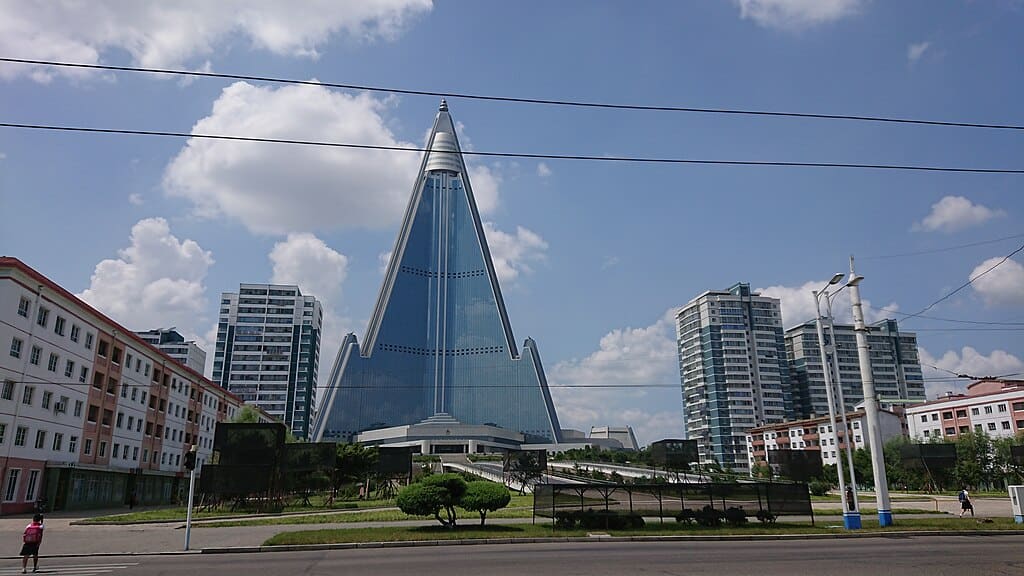
Construction started in 1987 on the 105-floor Ryugyong Hotel, 330 m tall, with an estimated $750 million USD cost. Intended as a luxury hub for international tourism, construction halted in the 1990s. Exterior glass was added later, but the interior remains unfinished. No tourism boom followed, leaving the massive triangular structure empty for decades. Ryugyong Hotel has become a symbol of unfulfilled ambition and architectural audacity frozen in time, towering silently over Pyongyang’s skyline while failing to attract guests or visitors.
6. Hashima (Battleship Island) : Nagasaki, Japan
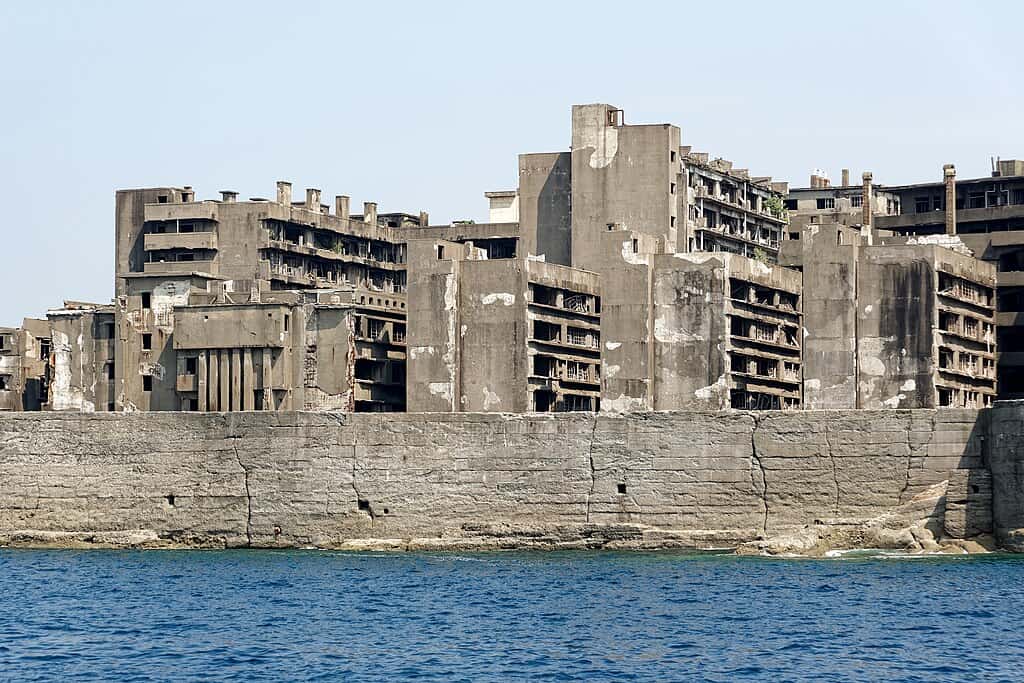
Hashima Island, once densely populated for coal mining, was abandoned when mines closed. Redevelopment for tourism, including viewing platforms and guided tours, cost around $28 million USD. Harsh weather, strict safety regulations, and limited access meant far fewer visitors than expected. The island retains decaying buildings, narrow streets, and ghostly infrastructure, offering a glimpse into Japan’s industrial past. Despite reconstruction, tourism never reached projected levels, making Hashima a haunting example of ambitious planning constrained by environment and logistics.
7. Naypyidaw : Myanmar
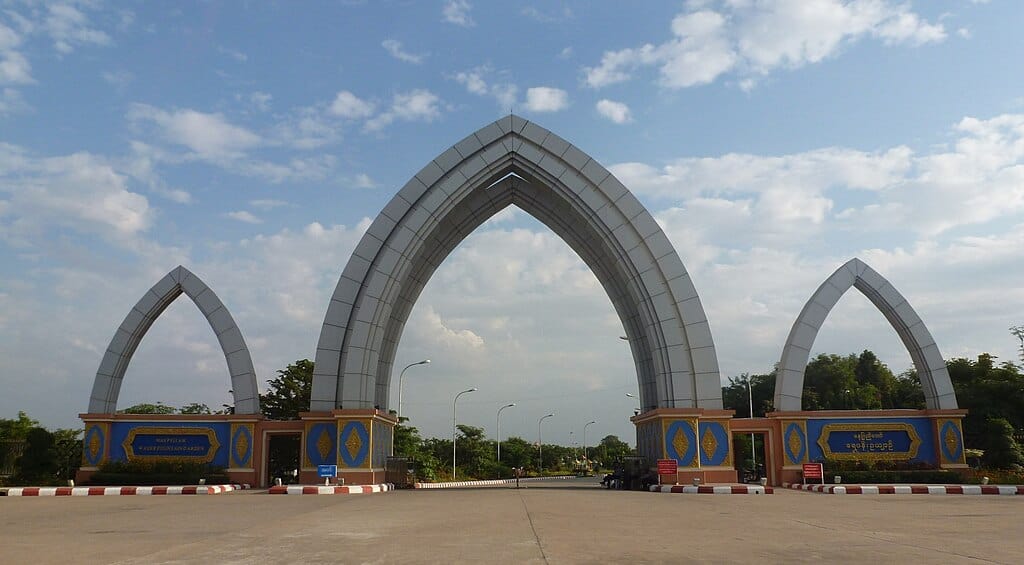
Constructed in the early 2000s as Myanmar’s capital, Naypyidaw features massive highways, government complexes, sprawling plazas, and hotels. Development cost exceeded $3 billion USD, but the city remains sparsely populated. Roads are often empty, and government buildings dwarf actual usage. Despite ambitions for international prestige and tourism, the mismatch between grand infrastructure and low population created one of the world’s most famous “planned-but-never-populated” capitals, demonstrating how planning can overshoot reality when human settlement and engagement are insufficient.
8. Wonder of the World Theme Park : Florida, USA
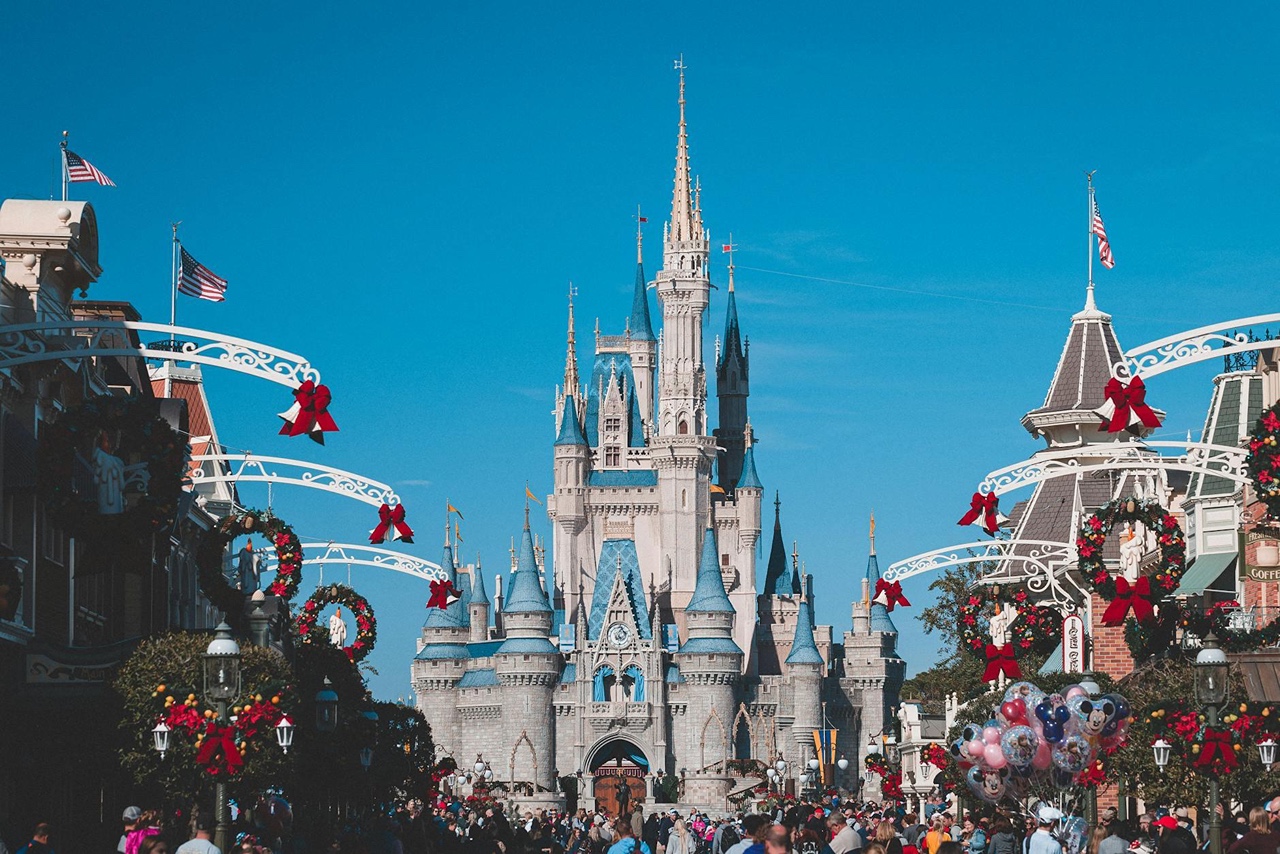
Proposed in the early 2000s, this theme park aimed to replicate global wonders with rides and interactive exhibits. Estimated cost was $900 million USD, but funding problems, strong competition, and poor marketing meant partial completion only. Expected visitor crowds never arrived, leaving some attractions abandoned. The foundations remain a monument to overambition in tourism planning. The project shows how even carefully designed entertainment concepts can fail if market demand, location, or investment falls short.
9. Global Village : Dubai, UAE
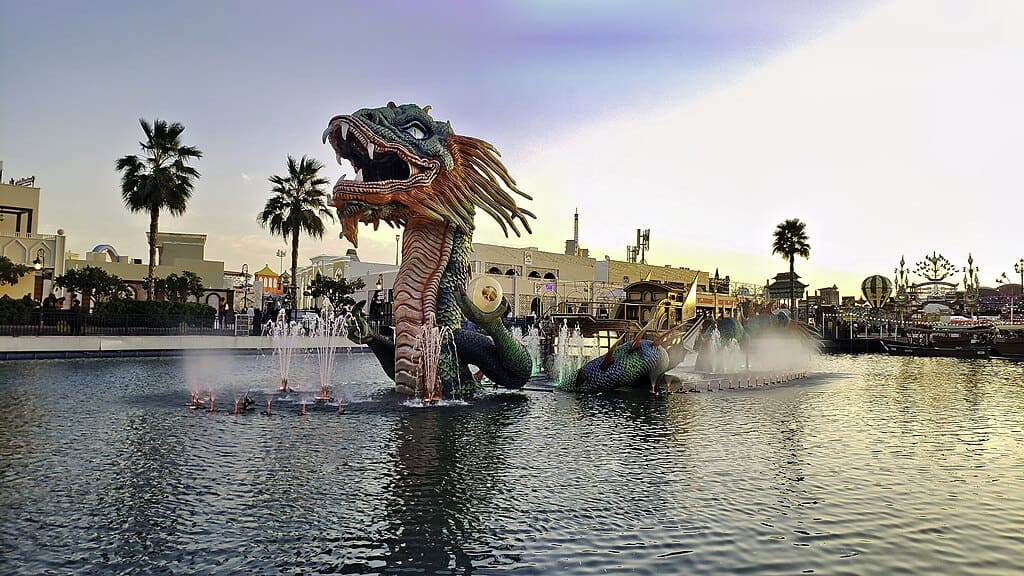
Early Global Village Dubai aimed to showcase international culture through themed pavilions, marketplaces, and performances. Development costs were around $120 million USD, but initial attendance was low due to extreme heat, logistics, and marketing challenges. Many early structures remained underused or abandoned. Later expansions improved visitor numbers, but the original site illustrates how ambitious plans can lag behind actual public engagement, highlighting the challenges of building large-scale tourism destinations in harsh environments.
10. Dickson Hyperdome : Canberra, Australia
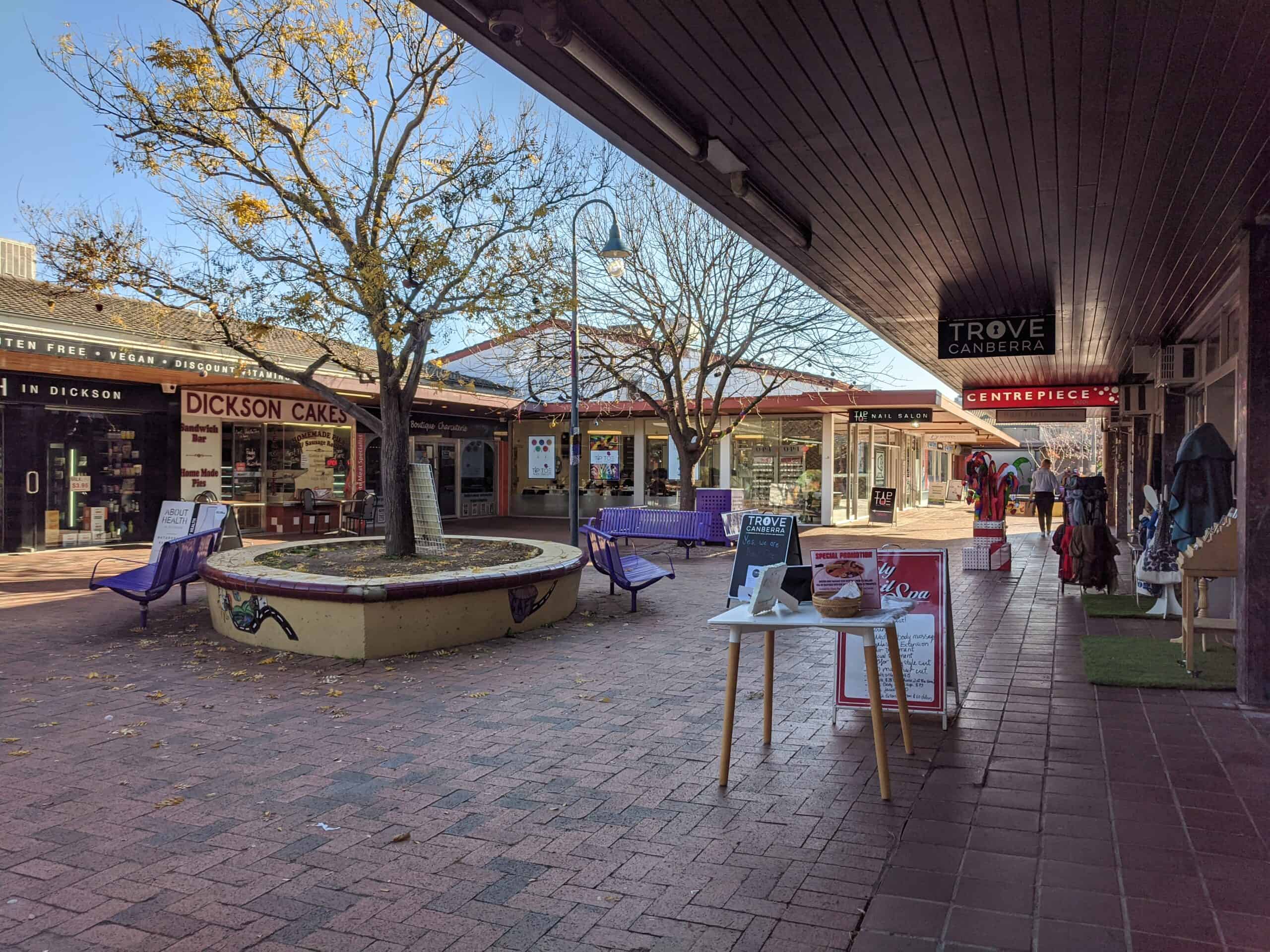
Redevelopment of the Dickson Hyperdome aimed to create a regional entertainment and retail hub, costing around $45 million USD. Slow tenant uptake, limited footfall, and economic shifts prevented success. Many shops and entertainment zones remained empty or unbuilt. Today, the partially completed hub is a quiet reminder that even well-intentioned urban revitalization can fail when demand does not meet expectations. Hyperdome shows the difficulty of translating ambitious investment into sustained community use.