We may earn money or products from the companies mentioned in this post. This means if you click on the link and purchase the item, I will receive a small commission at no extra cost to you ... you're just helping re-supply our family's travel fund.
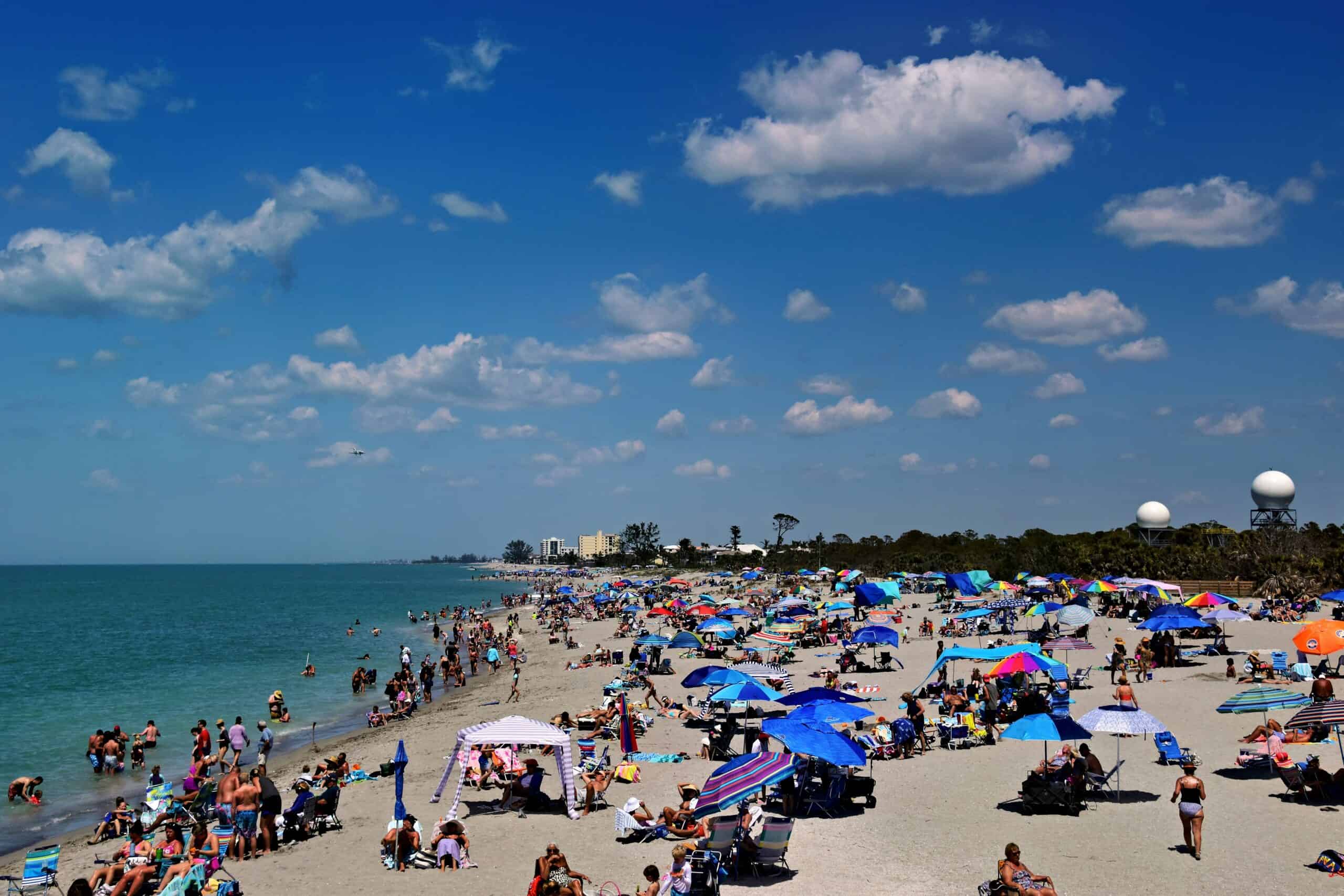
Beach towns often look effortless in photos, all pastel skies and glittering water, but residents know the tension usually starts at the curb. For many of the most famous stretches of sand, parking has become the invisible gatekeeper, deciding who actually enjoys the ocean and who spends the day circling blocks. High tech apps, shrinking free lots, and creeping daily rates shape daily routines. In these places, the real drama often plays out long before anyone’s toes touch the sand.
Miami Beach, Florida

In Miami Beach, residents joke that parallel parking should count as a local sport, but the punch line stopped being funny once rates soared. Garages near Ocean Drive fill early, event closures trigger flat event pricing, and street spots vanish beneath a maze of signs that shift rules by block and hour. Service workers plan shifts around discount programs and long walks from distant lots, knowing one rushed mistake can turn a day’s tips into a single ticket. By afternoon, many simply abandon the sand and treat parking itself as the main cost of living there.
Santa Monica, California
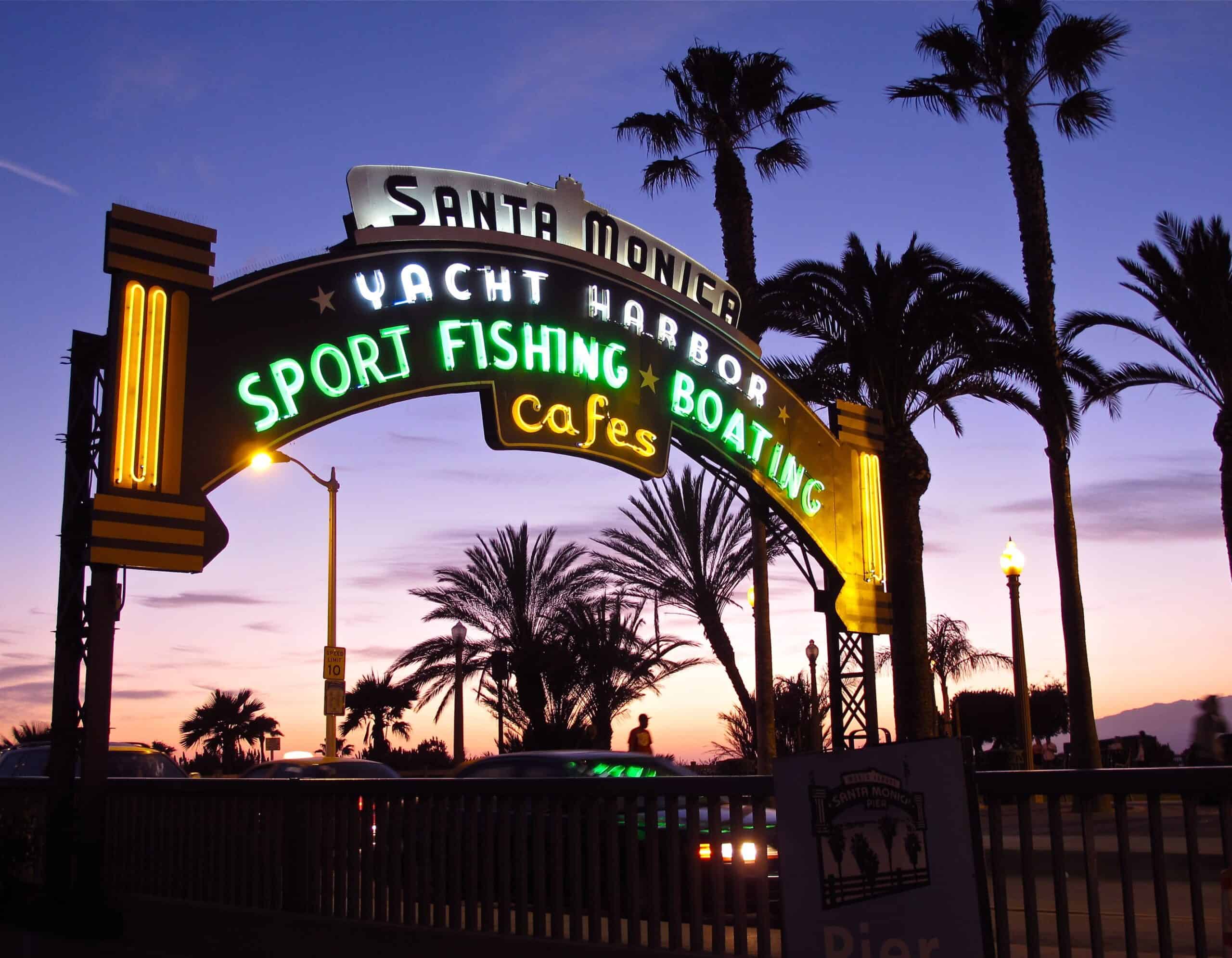
Santa Monica’s wide beach looks like pure ease, yet cars tell a different story as they snake into full garages before lunch. Meters run late, enforcement cars glide past like clockwork, and drivers still puzzle over zones that change rules from one side of a street to the other. Longtime residents weigh the joy of an evening walk on the pier against the risk of returning to a bright envelope tucked under the wiper and another line at the payment office. Many now time grocery runs, workouts, and dinners around when they can actually find an open, affordable space.
Venice Beach, California
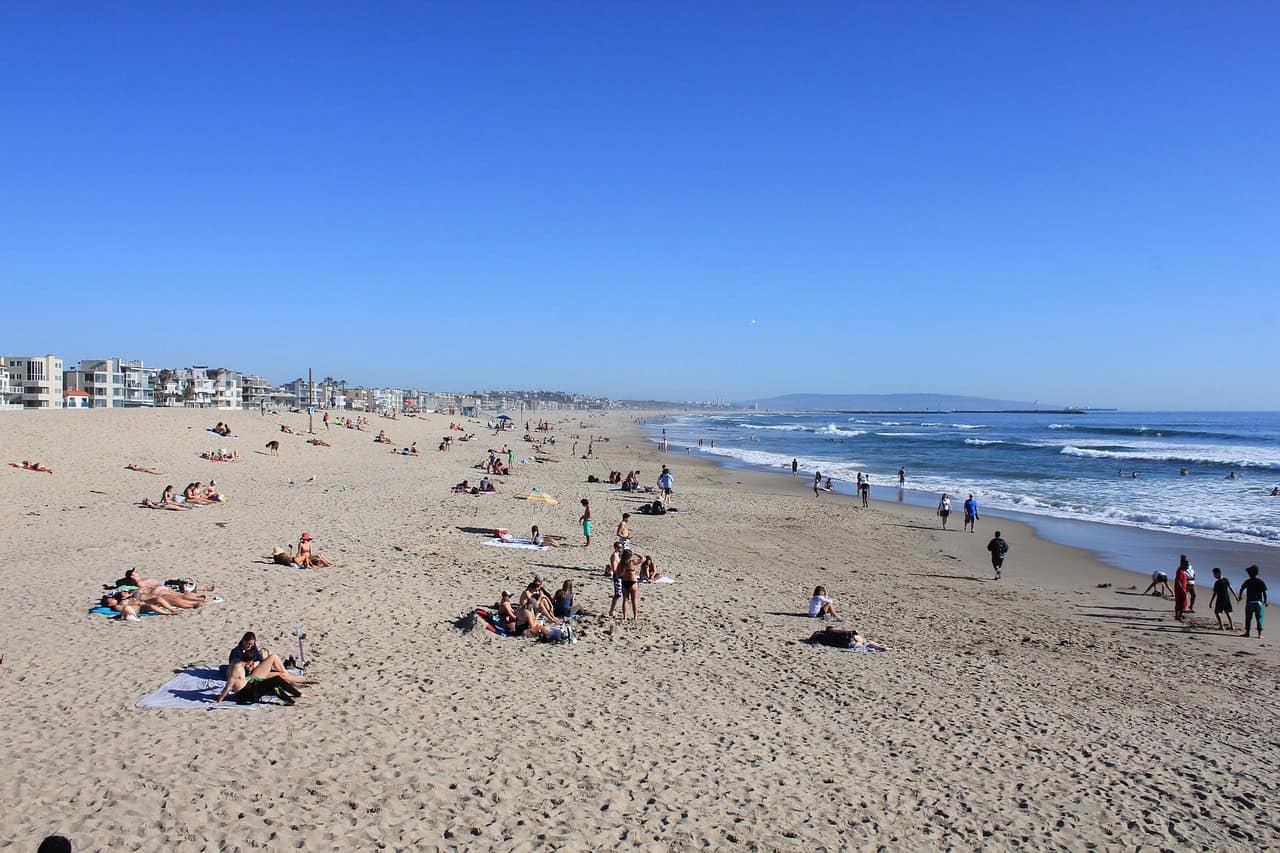
Venice Beach gives off a loose, bohemian energy, but the parking game feels tight and unforgiving. Private lots advertise just a few spaces, then quietly ratchet prices as the day heats up, while street spots hide behind curb cuts, driveways, and rules that punish even a few inches over a line. Locals learn which alleys clog by noon and which blocks attract tow trucks, and many simply bike or walk instead, leaving newcomers to discover the true cost of that oceanfront selfie. The boardwalk may feel spontaneous and freewheeling, yet the curbside reality stays scripted and expensive.
Laguna Beach, California
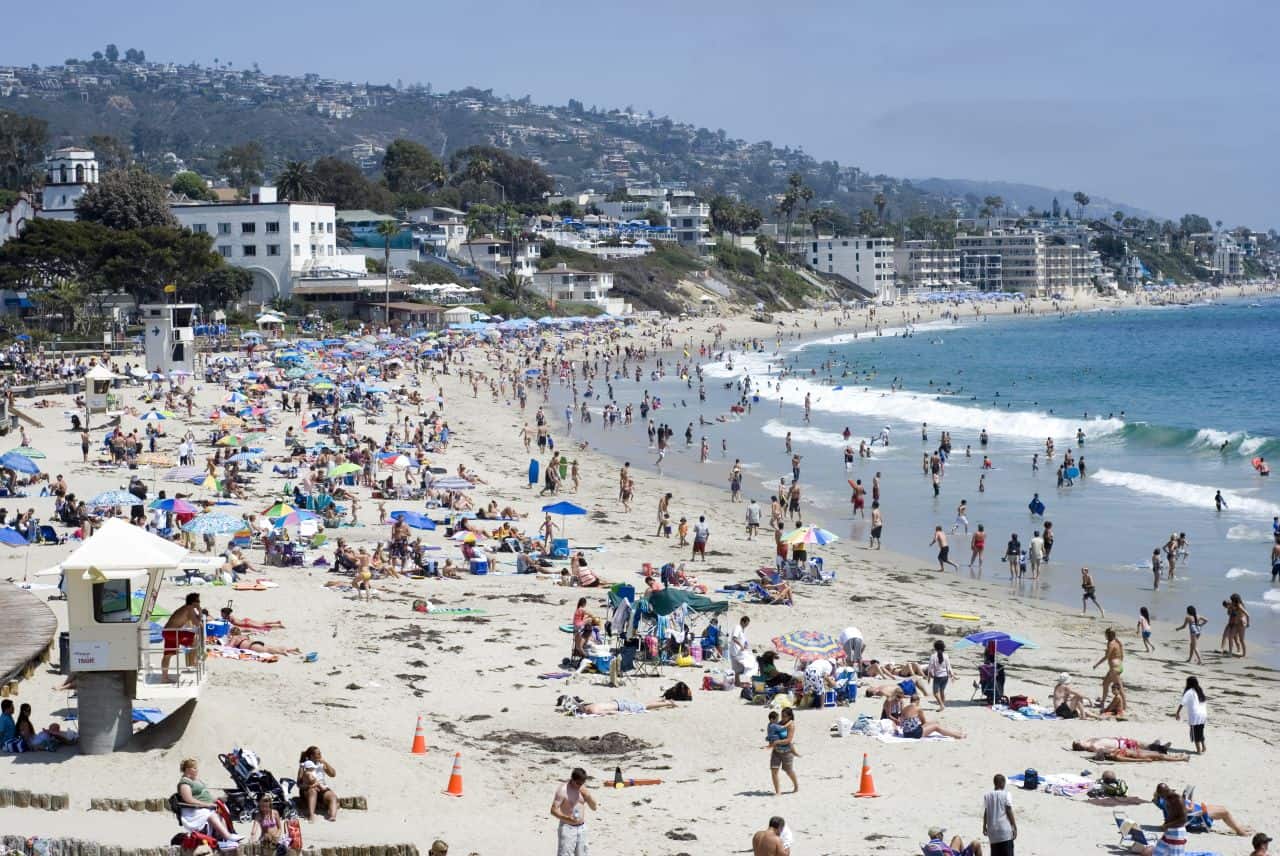
Laguna Beach locals have made peace with the tides, but not with meters that seem to run longer every year. Downtown stalls flip quickly from free to premium, with summer festivals, art walks, and perfect surf days pushing every space to capacity by mid morning. Residents stack parking apps on their phones and carry rolls of quarters for backup, timing grocery trips and school pickups around enforcement schedules. The water stays relaxing, but the curb rarely does, especially once tourists pour in from inland suburbs. Even quick coffee runs can feel like small campaigns waged against the clock and the meter.
Waikiki, Hawaii

In Waikiki, the soft trade winds do not soften the sting of nightly parking charges that rival a decent hotel meal. Many major properties charge high daily rates, nearby garages follow suit, and a simple beach stop can quietly add hours of fees to a family’s budget. Honolulu residents talk about Waikiki as if it were another island entirely, a place that requires careful planning, shared rides, or leaving the car at home, even when the shoreline sits just a few miles from their own front doors. Some longtime locals now treat hotel valet tickets like luxury items in themselves.
Cape May, New Jersey
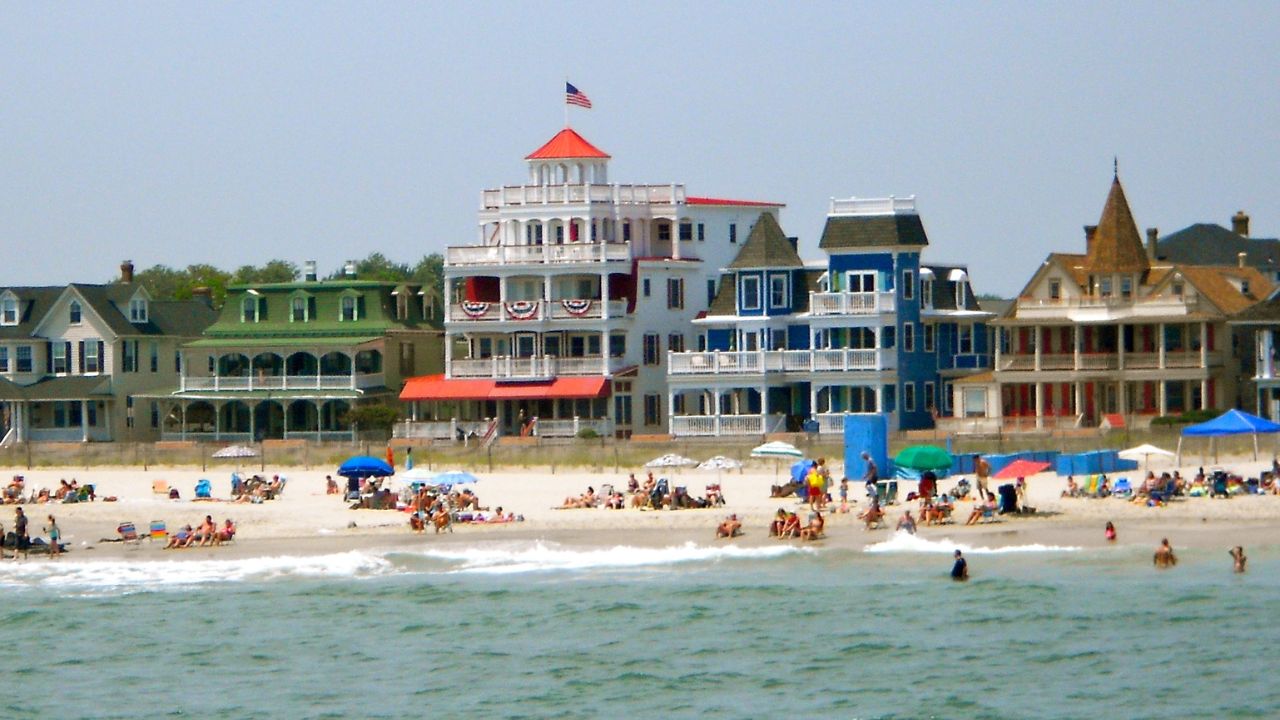
Cape May wraps its historic streets in flowers and gingerbread trim, then lines them with meters that blink from spring into fall. Seasonal enforcement stretches deep into the evening, and a missed text from the parking app can turn sunset on the promenade into an expensive lesson. Locals remember when more blocks were free and will quietly direct friends to backstreet spots or bike racks instead. For many who live there year round, parking has become less about convenience and more about defending a bit of breathing room by the sea. The calm only returns once the last meter near the sand finally flashes paid in full.
Stone Harbor, New Jersey
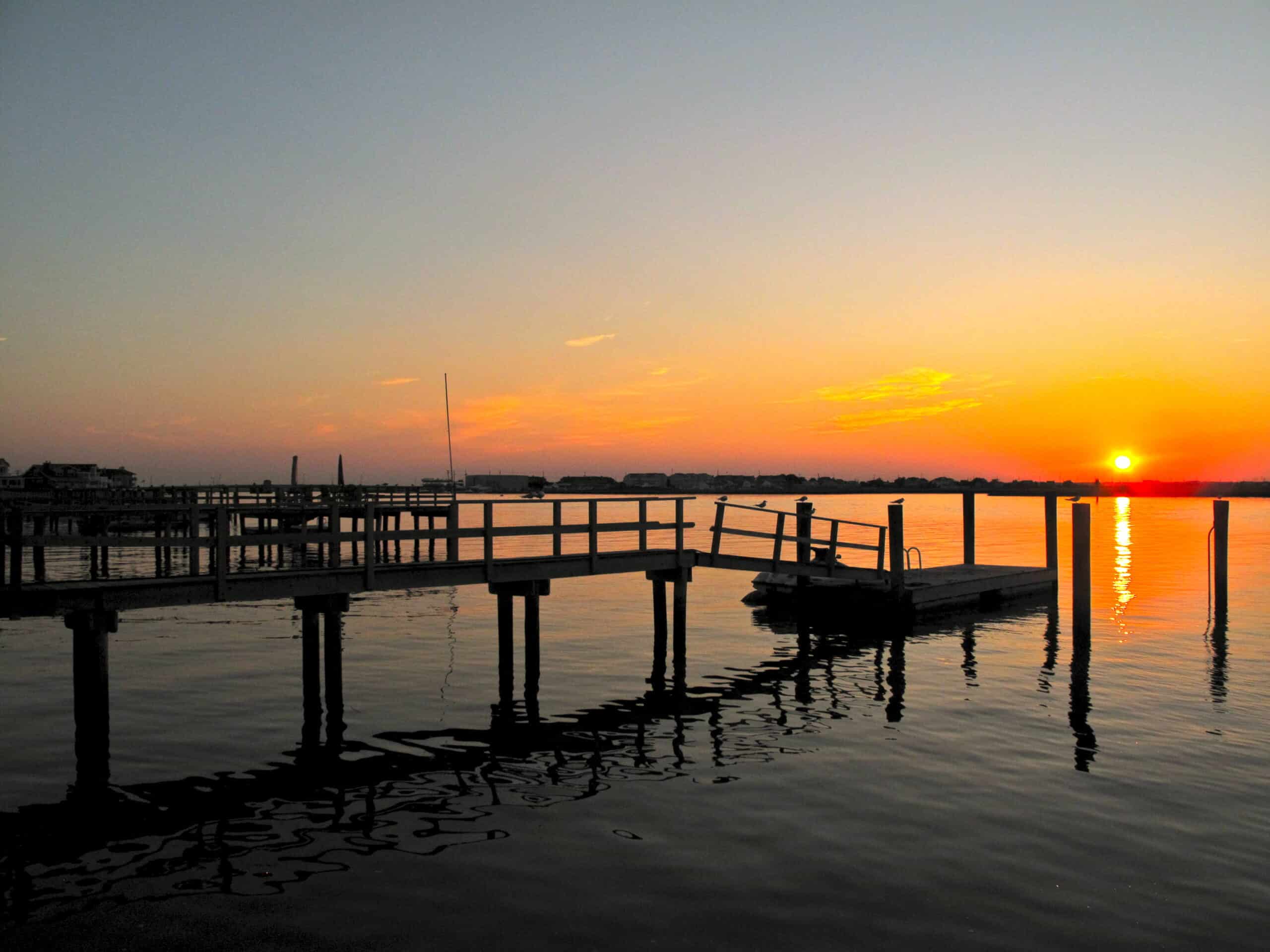
Stone Harbor looks calm from the dunes, yet downtown spaces churn all day under the pressure of meters and phone apps. Visitors juggle beach bags while trying to coax flaky cell service into loading ParkMobile, adding service fees and stress before anyone sees the water. Business owners worry about customers who give up after one failed transaction, and residents watch familiar side streets fill with license plates from three states away. The town’s charm remains, but the welcome now often starts with a tutorial on how to pay just to stay put. Even a quick stop for ice cream comes with a digital learning curve.
Rehoboth Beach, Delaware
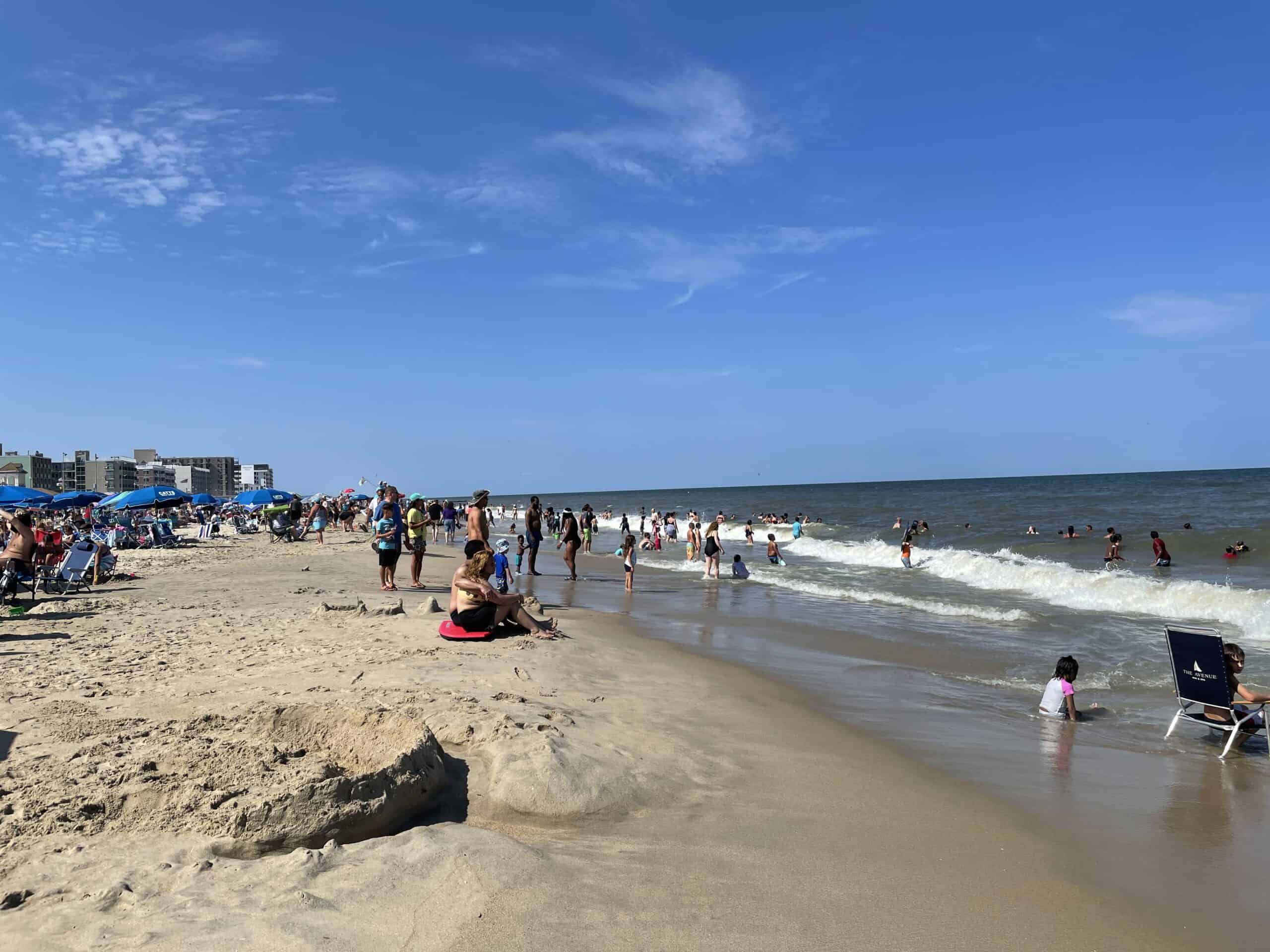
Rehoboth Beach has become a master class in monetizing every curb, at least in the way locals describe the parking rules. Meters hum from late morning into the night, permits divide blocks into shifting territories, and the enforcement officers rarely miss an expired session. Residents keep mental maps of which streets offer a forgiving mix of meters and permits and which corners seem to generate tickets in batches. The boardwalk still smells like fries and salt air, but reaching it often means accepting parking as the first and priciest attraction of the day. Many simply walk in from distant neighborhoods instead.
Newport, Rhode Island
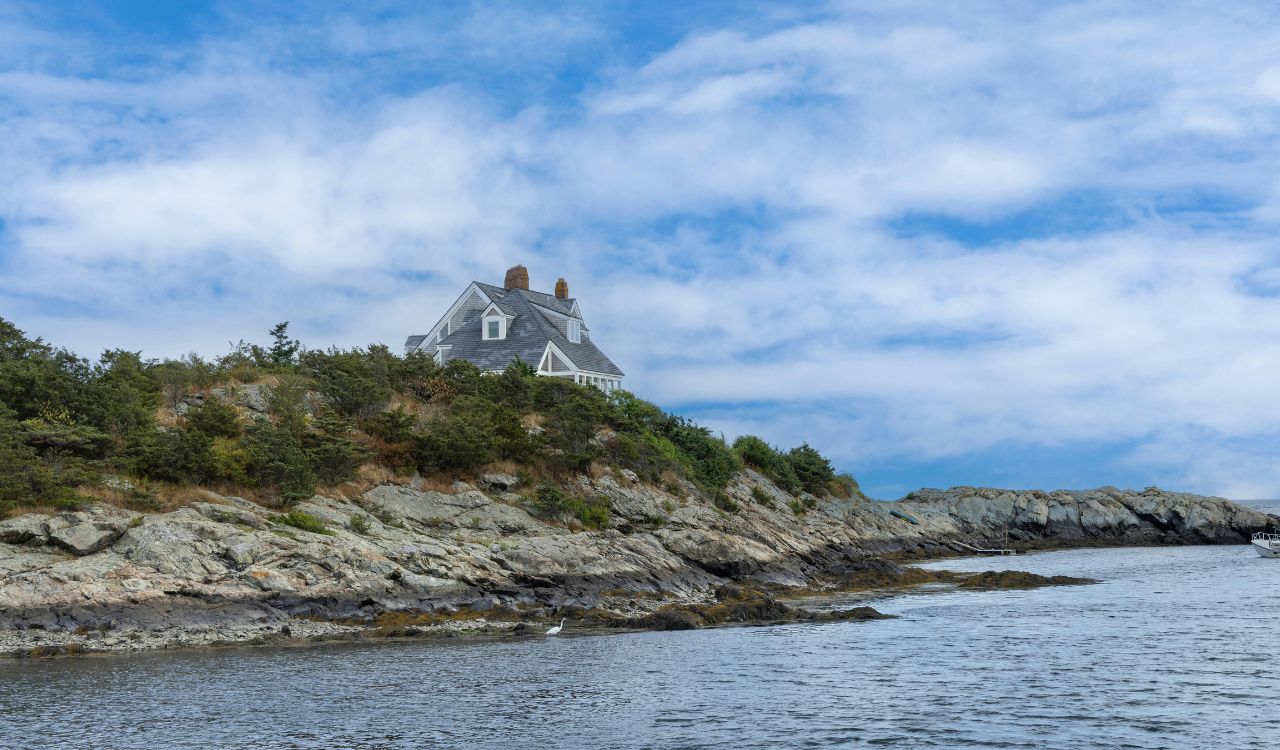
In Newport, the drive to Easton Beach ends not with sand but with a price board that locals know all too well. Daily rates climb with the temperature, and free spaces near neighborhoods vanish under seasonal permit zones that leave visitors circling for long stretches. Residents debate how much of the parking revenue returns to the community, yet still buy passes and plan their own beach days like small campaigns. The coastline stays stunning, but the car often dictates how long anyone can linger. Leaving early to beat both traffic and fees has quietly become part of the local rhythm.
Montauk, New York
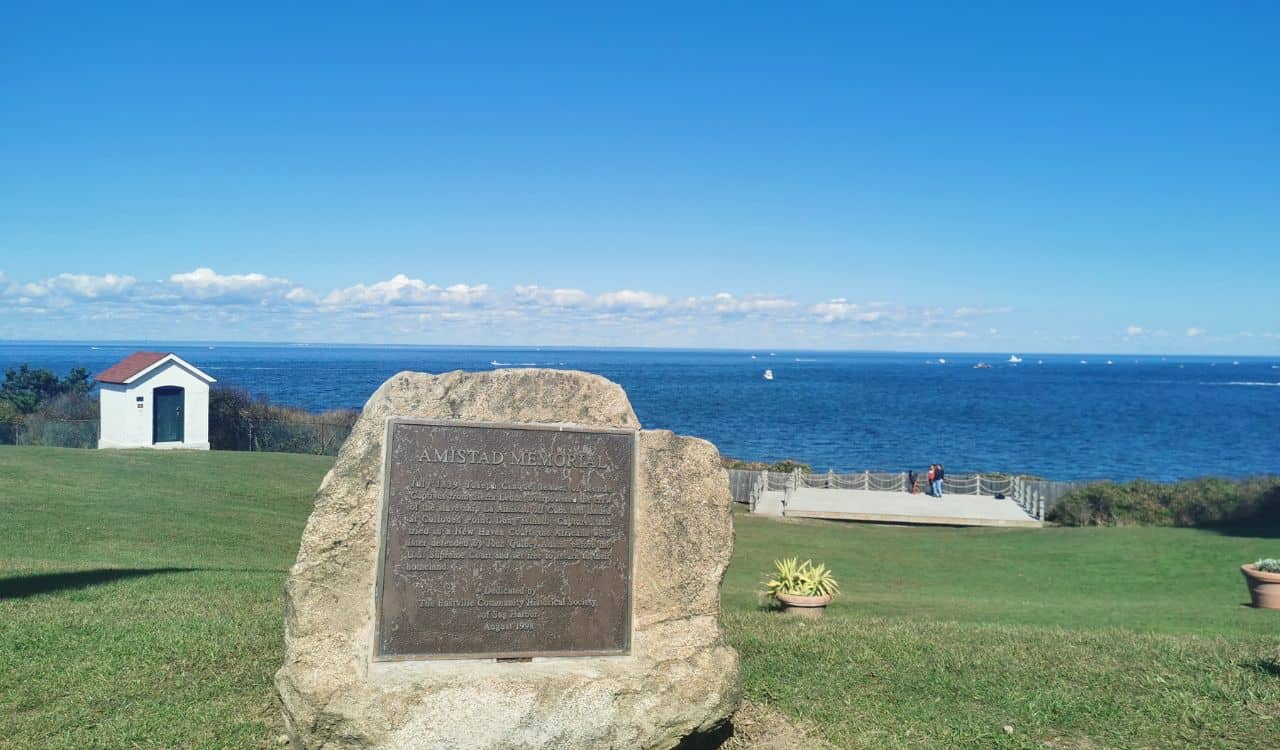
Montauk sits at the end of Long Island, and parking there feels like the final level of a complicated game. Resident only lots sit next to mixed use areas, each supervised by different rules and permit colors that confuse even people who grew up near the docks. Summer crowds pour in with rental cars and borrowed beach tags, raising the stakes for a single misread sign. Locals swap stories about surprise tickets and towing fees at barbecues, and more than a few quietly opt to walk for miles. The ocean may feel endless, but open spaces for cars have never felt more finite.