We may earn money or products from the companies mentioned in this post. This means if you click on the link and purchase the item, I will receive a small commission at no extra cost to you ... you're just helping re-supply our family's travel fund.

Travel isn’t just about where you go, it’s about how you show up. In some places, clothing carries cultural, religious, or even political meaning. What feels normal at home can draw stares, warnings, or official attention abroad. From sacred cities to tightly governed capitals, understanding dress expectations can prevent awkward moments. Below are ten destinations where your wardrobe choices matter more than you might think each explained with context, numbers, and practical clarity.
1. Riyadh, Saudi Arabia
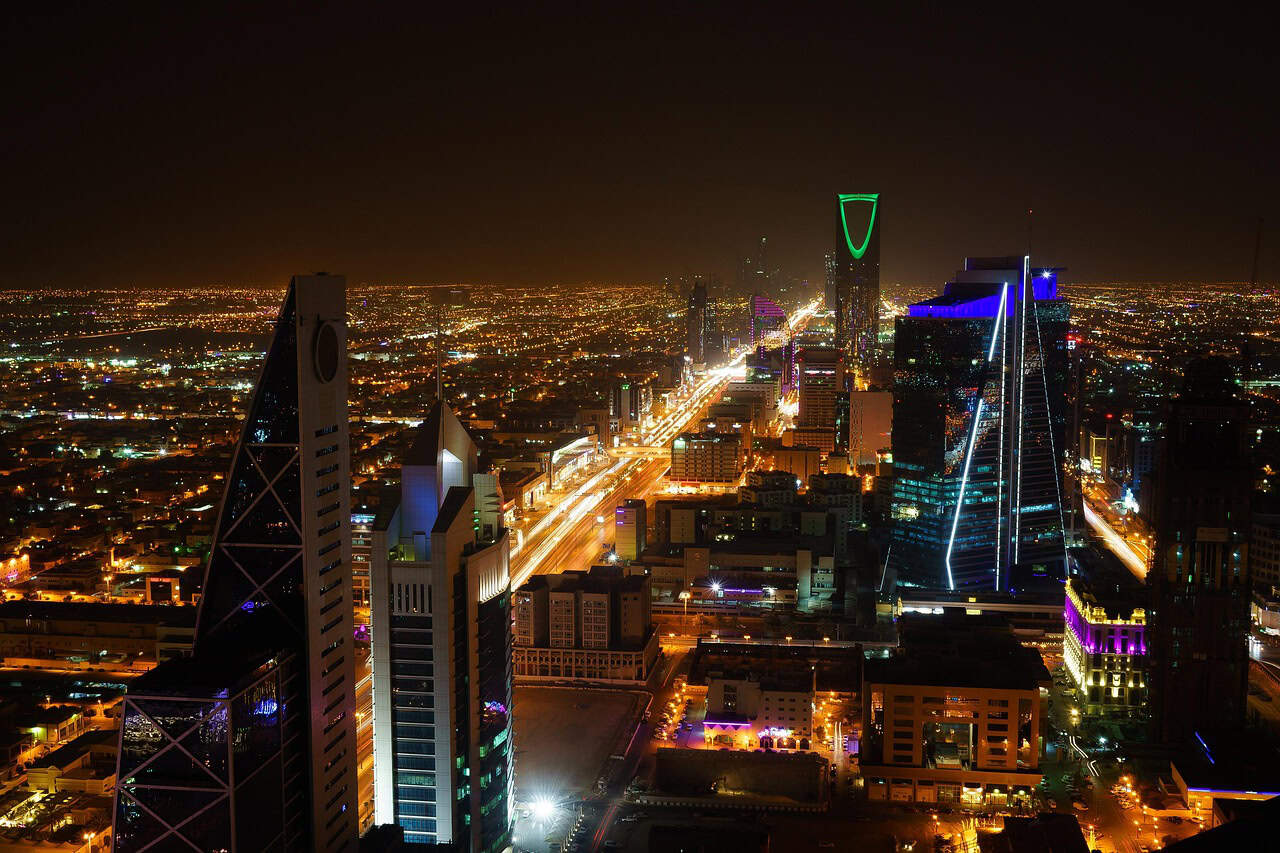
In Riyadh, tradition still shapes public life. Although Saudi Arabia welcomed over 27 million international visitors in 2023, conservative dress remains widely respected. Women are no longer legally required to wear an abaya, yet loose clothing covering shoulders and knees is strongly advised.
Men wearing sleeveless shirts or overly ripped jeans may attract stares, particularly in older districts. Public decency laws allow fines that can reach 5,000 SAR (about $1,300 USD) for “indecent appearance.” Shopping malls and family parks enforce these norms more strictly than hotel zones.
2. Tehran, Iran
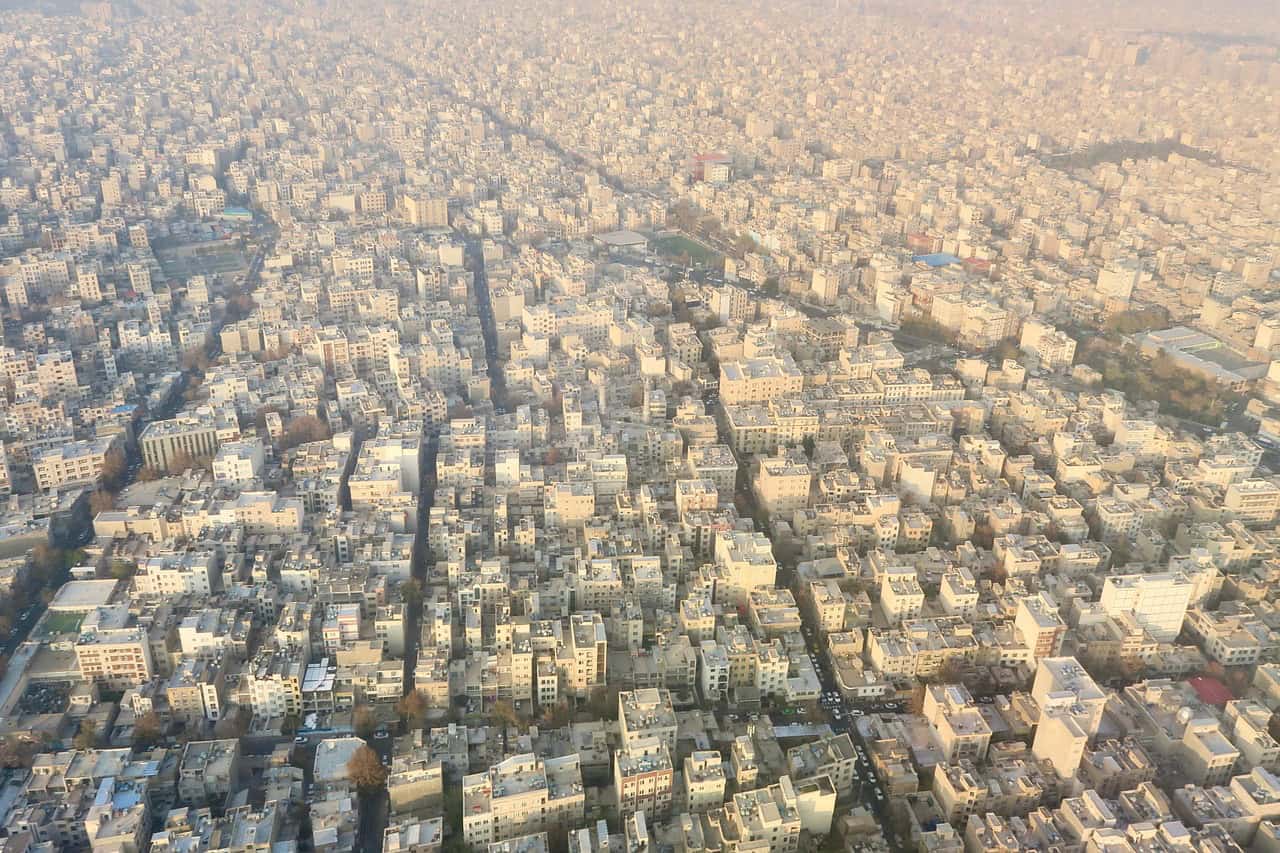
Tehran follows a legally enforced dress code affecting nearly 9 million residents and all visitors. Women must wear a headscarf in public, and clothing should cover arms and legs. Even tourists can receive official warnings for non-compliance.
Authorities have periodically issued fines and short-term detentions for dress violations. Men wearing shorts above the knee in central districts may also stand out. Neutral coats, long trousers, and subdued colors are the safest choice when exploring museums, bazaars, and public squares.
3. Pyongyang, North Korea
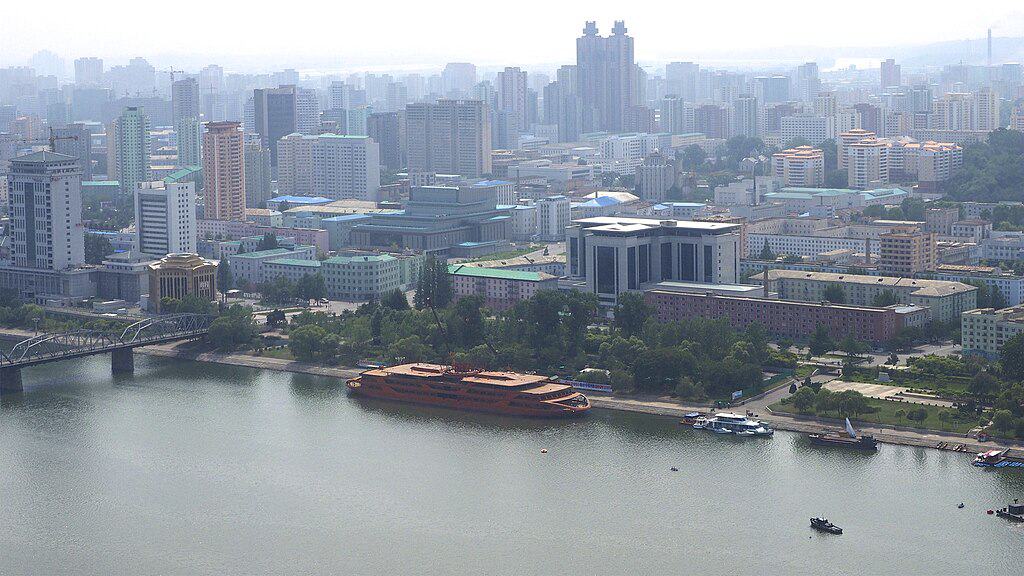
Pyongyang receives fewer than 5,000 foreign visitors in most years, and appearance is closely monitored. Visitors are typically accompanied by state-approved guides at all times. Flashy designer logos, ripped denim, or slogan-heavy clothing can raise suspicion.
Military-style jackets or camouflage are discouraged, as they can be interpreted as disrespectful. Conservative business-casual attire is considered safest. Even hairstyles are sometimes commented on. In a country where public presentation reflects ideology, blending in is not just polite, it’s essential.
4. Jerusalem, Israel
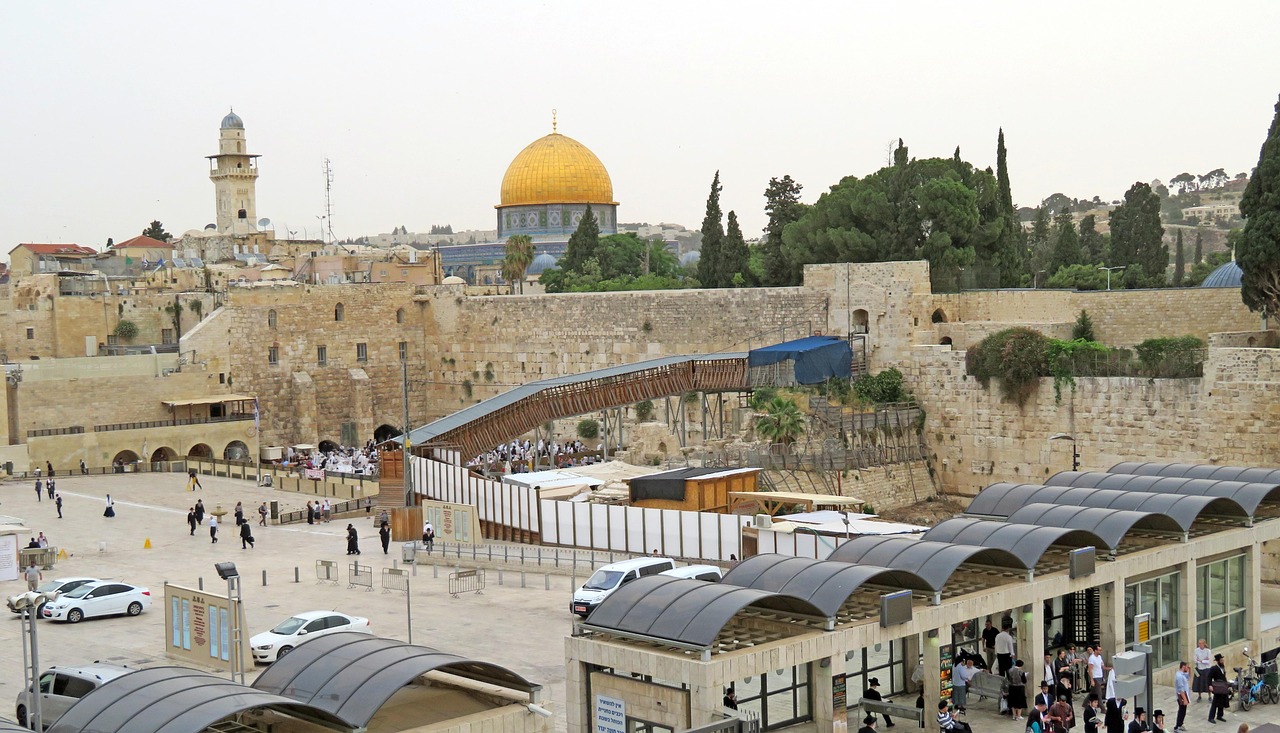
Jerusalem welcomes roughly 3 million international visitors annually, yet its sacred quarters demand sensitivity. In ultra-Orthodox Jewish neighborhoods, shorts and sleeveless tops may provoke confrontation. At the Western Wall, modest clothing is expected, with separate prayer areas for men and women.
In Muslim areas near Al-Aqsa Mosque, covered shoulders and knees are recommended. While Tel Aviv is far more relaxed, Jerusalem’s Old City follows centuries-old customs. Respectful attire can mean the difference between peaceful exploration and uncomfortable exchanges.
5. Dubai, United Arab Emirates
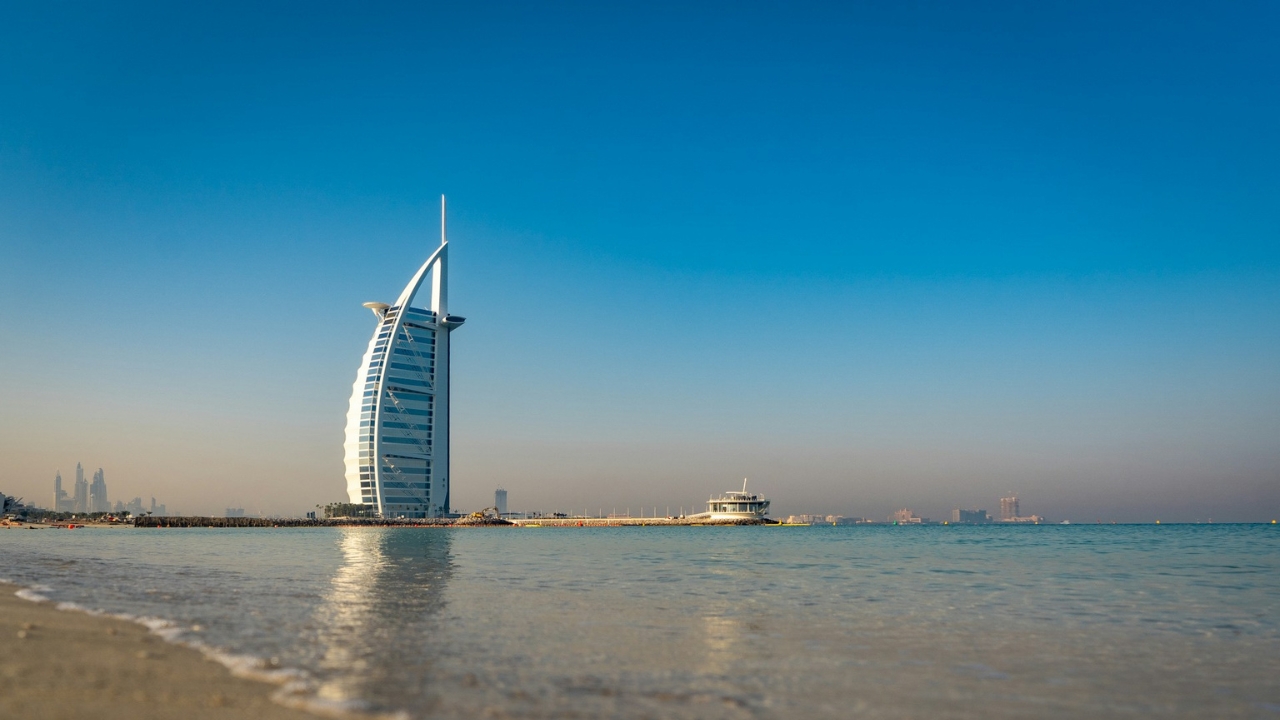
Dubai hosted over 17 million international visitors in 2023, and its skyline signals modernity. Still, public decency regulations remain in effect. Swimwear is acceptable only at beaches and pools, not in malls or metro stations.
Revealing outfits in public areas can lead to warnings or fines under UAE law, sometimes exceeding 2,000 AED (around $545 USD). Nightclubs and private resorts are more flexible, but traditional neighborhoods expect modest dress. Lightweight fabrics that cover shoulders and knees are a smart compromise.
6. Moscow, Russia
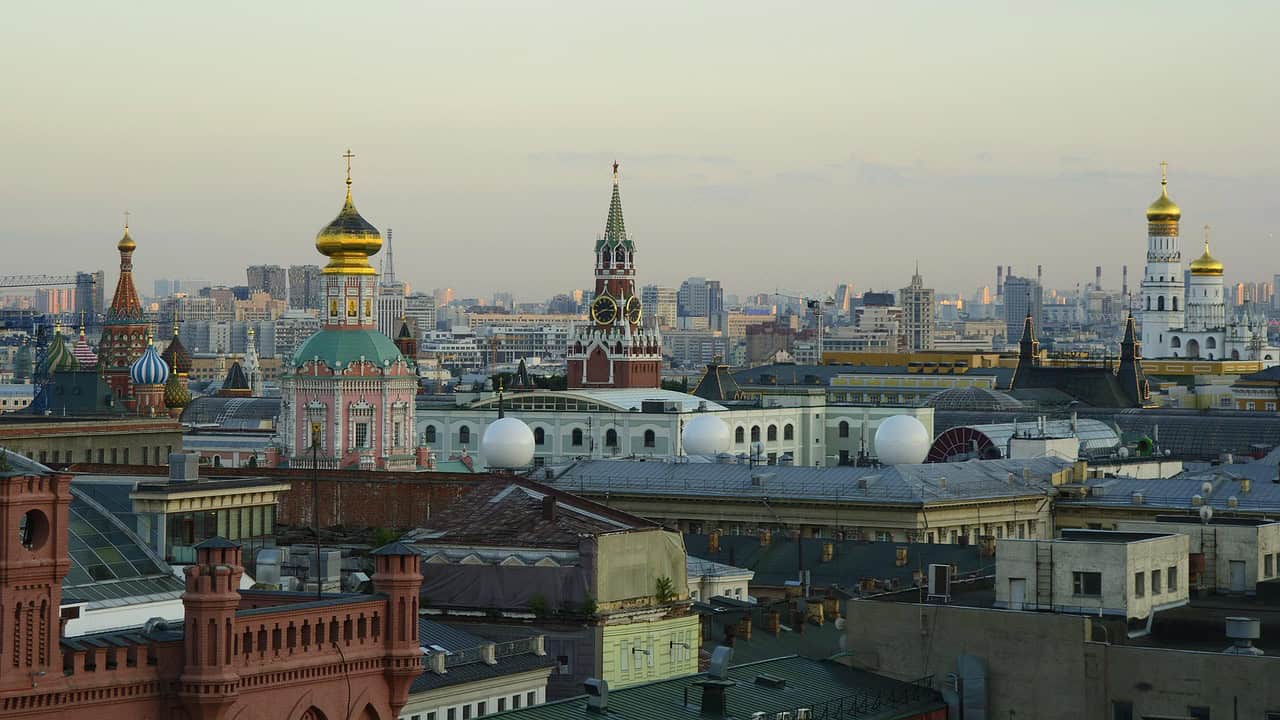
Moscow, home to nearly 13 million people, is fashion-conscious yet politically sensitive. Clothing featuring protest slogans, foreign political symbols, or controversial flags can invite questioning from authorities. Public assembly laws are strict, and apparel can sometimes be interpreted as activism.
Even camouflage or military-style outfits may draw attention in certain districts. Muscovites typically dress sharply, favoring structured coats and polished shoes. Neutral colors and minimal logos help visitors move through metro stations, Red Square, and government-adjacent areas without scrutiny.
7. Varanasi, India
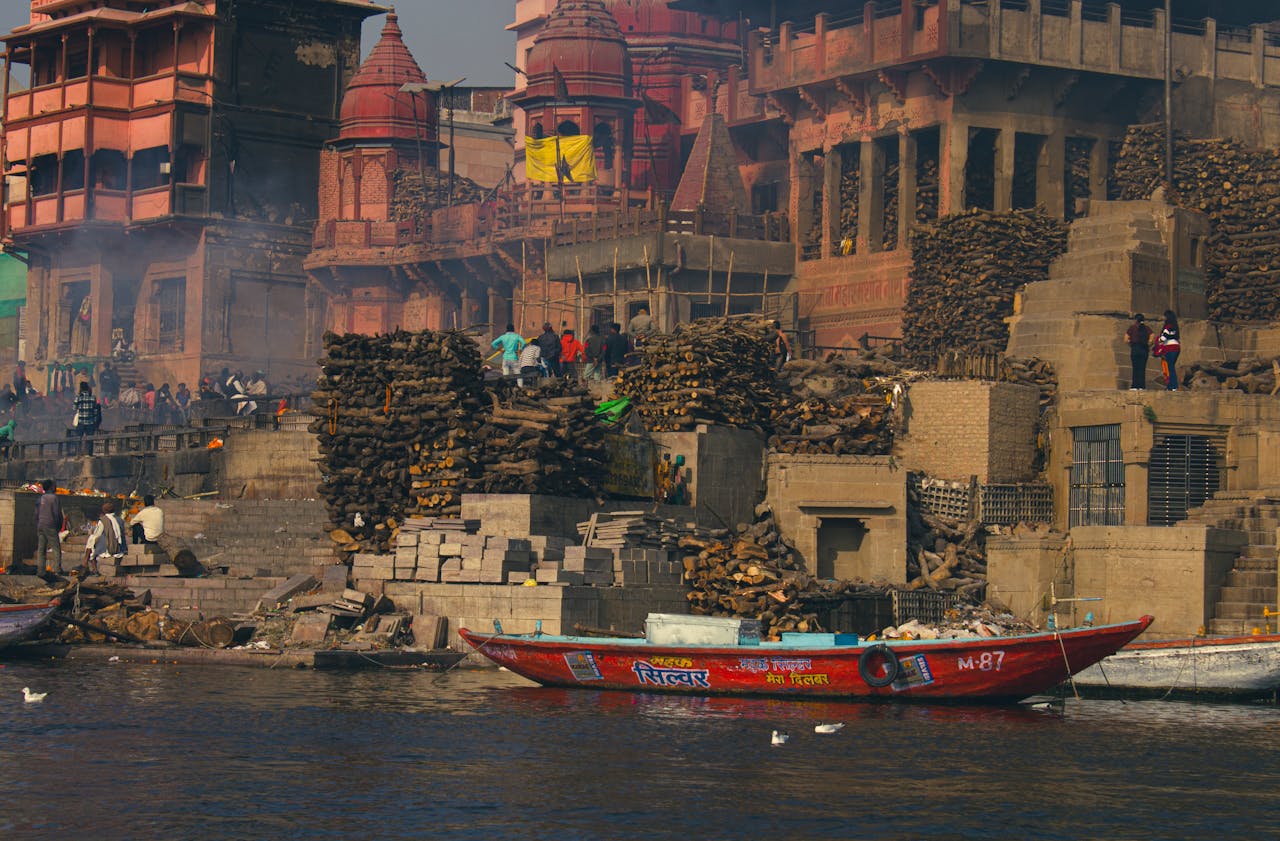
Varanasi, one of the world’s oldest continuously inhabited cities, draws over 6 million pilgrims annually. Along the Ganges River, modest dress is essential, particularly during rituals and cremation ceremonies. Shorts, tank tops, or tight clothing can be perceived as disrespectful.
Light cotton trousers and covered shoulders are appropriate in temples and ghats. While India’s cities are diverse in fashion, sacred zones remain traditional. Respectful attire fosters smoother interactions with priests, families, and local guides during early morning and sunset ceremonies.
8. Doha, Qatar
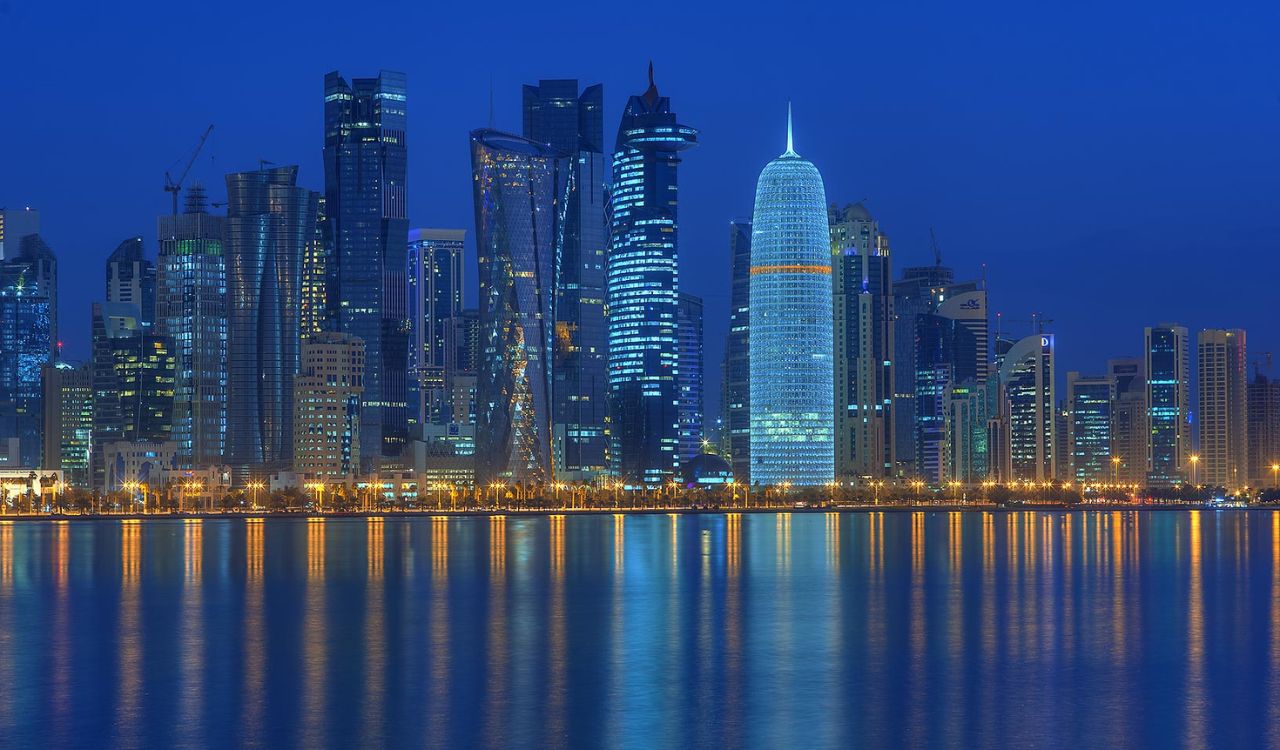
Doha, a city of about 2.7 million people nationwide, balances rapid modernization with cultural conservatism. Visitors are encouraged to cover shoulders and knees in public institutions and traditional markets. During major events like the 2022 FIFA World Cup, guidelines were publicly emphasized.
Although beachwear is permitted at resorts, it is inappropriate in metro stations or shopping centers. Public decency laws allow fines for immodest clothing. Loose, breathable fabrics are practical in the desert heat while still aligning with local expectations.
9. Havana, Cuba
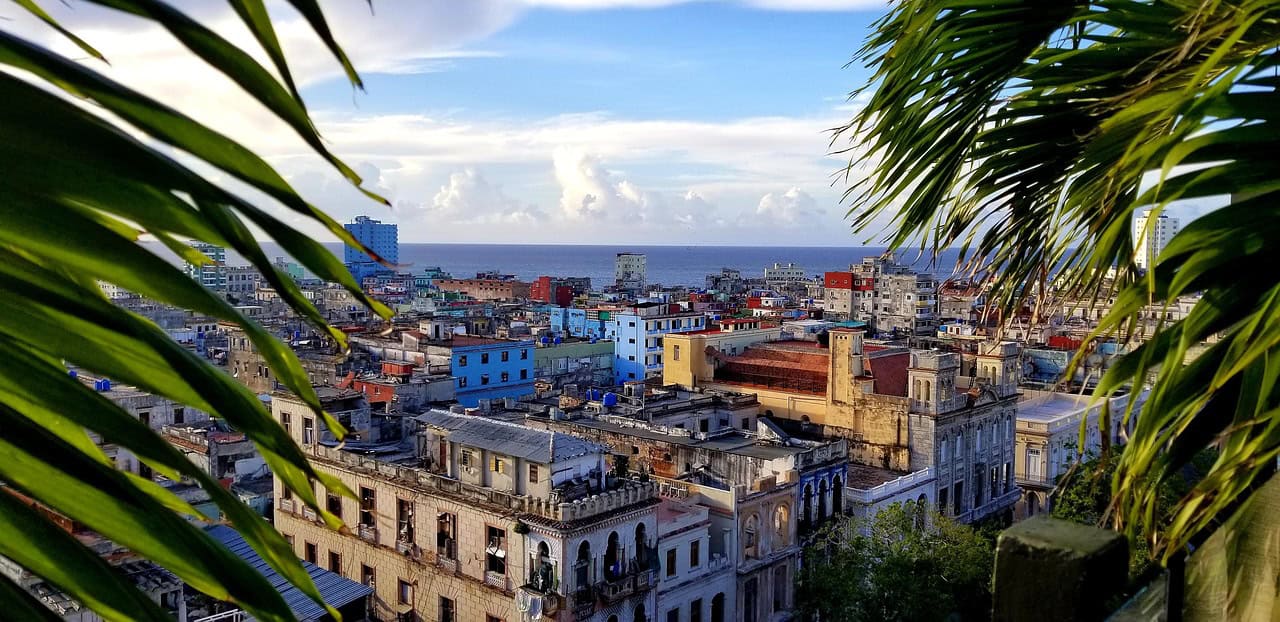
Havana welcomes roughly 1.6 million visitors annually, and flashy clothing can unintentionally signal wealth. Wearing luxury brands, expensive watches, or visible gold jewelry may attract scammers or petty thieves.
Cuba’s average monthly state salary has historically hovered under $50 USD equivalent, creating a visible contrast between locals and affluent tourists. Casual, understated outfits help travelers blend into colorful streets and vintage car-lined avenues. Comfort and simplicity often provide both safety and cultural sensitivity.
10. Beijing, China
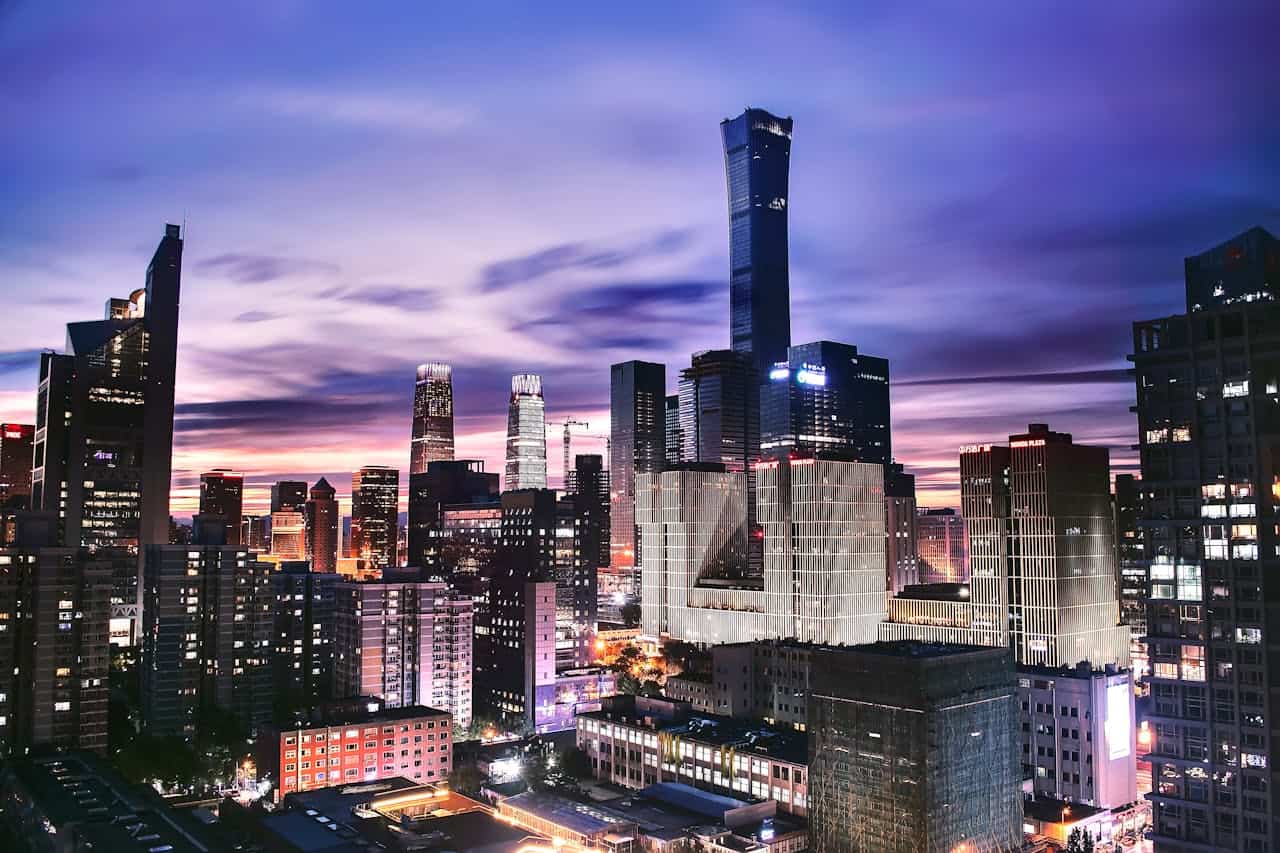
Beijing, a city of over 21 million residents, blends imperial history with tight regulatory oversight. Clothing bearing politically sensitive slogans, protest imagery, or controversial historical references can prompt questioning.
Security presence is high around Tiananmen Square and government complexes, where surveillance systems are extensive. While everyday fashion in malls and universities is modern and varied, avoiding politically charged graphics is wise. Neutral attire ensures visits to landmarks and cultural sites remain smooth and uninterrupted.