We may earn money or products from the companies mentioned in this post. This means if you click on the link and purchase the item, I will receive a small commission at no extra cost to you ... you're just helping re-supply our family's travel fund.
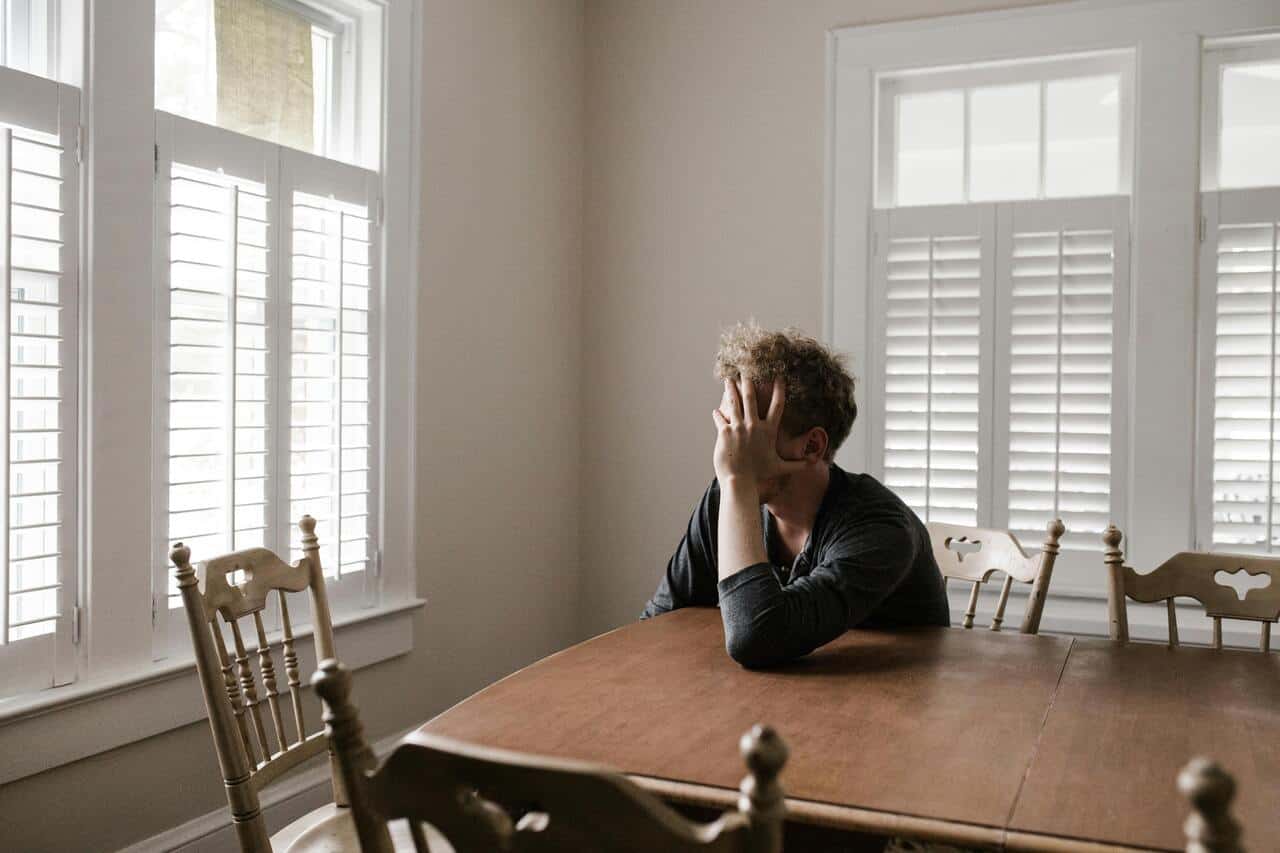
Travel can open eyes, but not always gently. Some destinations don’t inspire escapism; they confront you with inequality, collapse, and uncomfortable truths that refuse to stay local. These places aren’t hopeless or unworthy of empathy, they’re honest mirrors of global systems under strain. You don’t leave refreshed. You leave aware, carrying numbers, faces, and realities that make ignorance impossible once you’ve seen them firsthand.
1. Port-au-Prince, Haiti
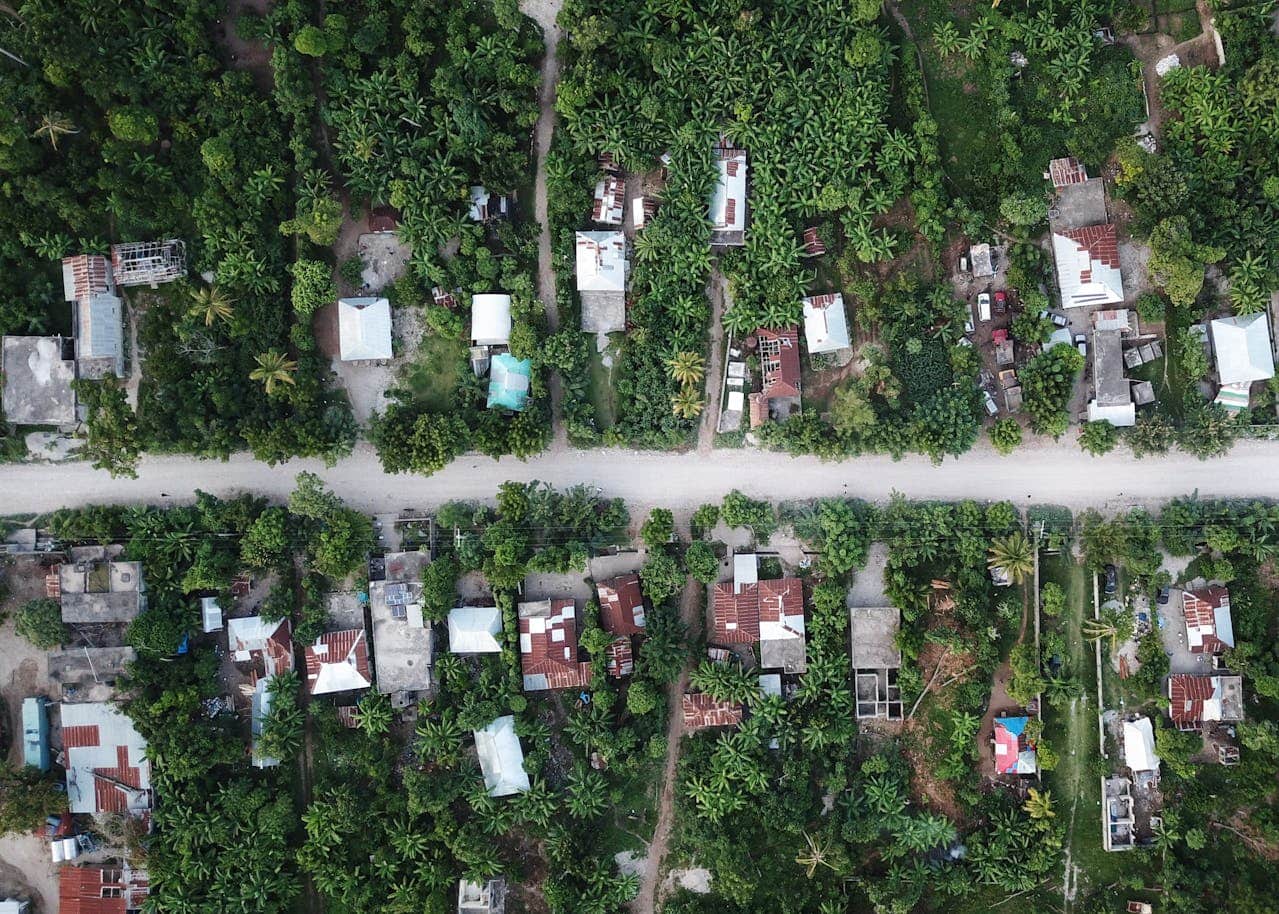
Port-au-Prince reveals how disaster compounds over time. Over 60% of residents live below the poverty line, while unemployment exceeds 40%. More than 12 years after the 2010 earthquake that killed 220,000 people, thousands still live amid damaged infrastructure. Electricity averages under 8 hours daily, and clean water reaches only about 55% of homes. Armed gangs now control nearly 70% of neighborhoods, limiting movement and trade. Visitors witness resilience overshadowed by failed aid systems and political paralysis that keep daily life locked in survival mode.
2. Dhaka, Bangladesh
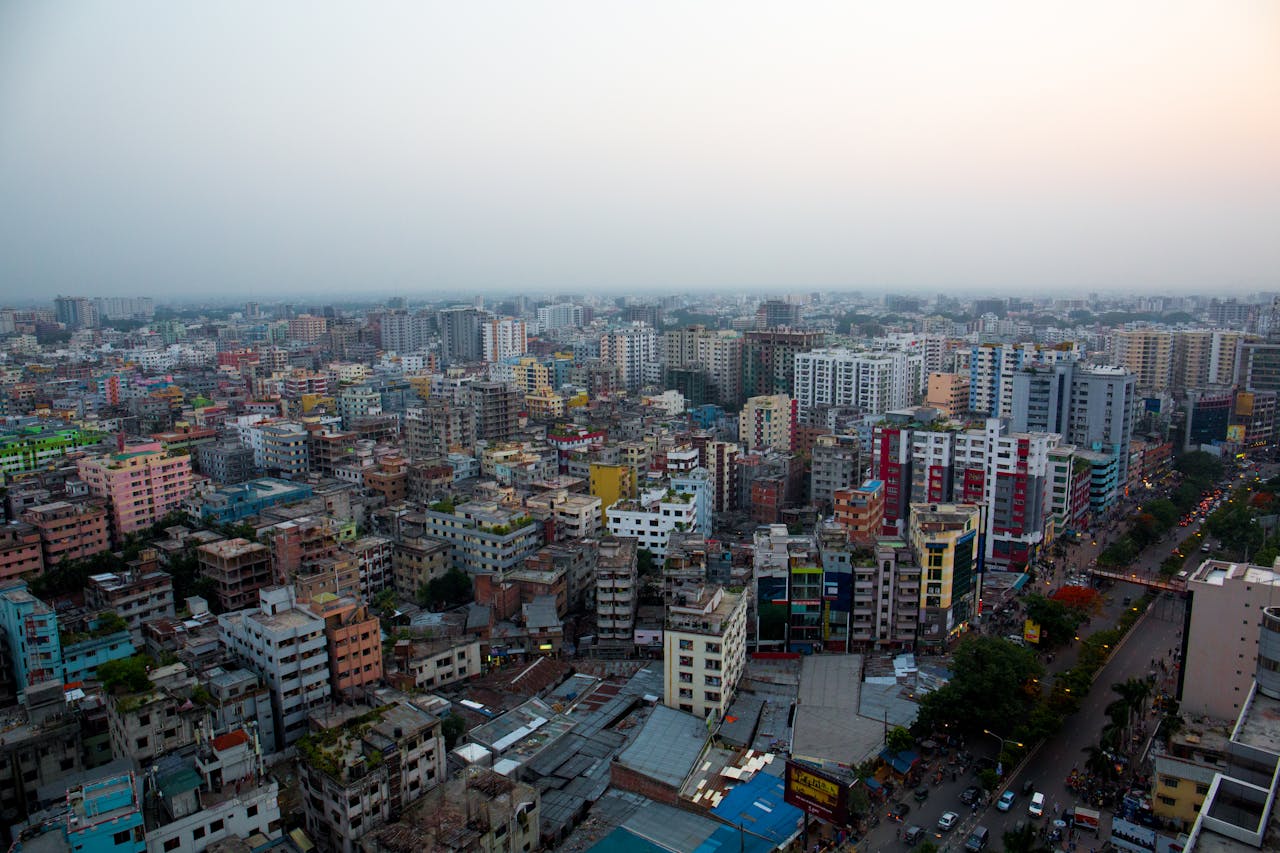
Dhaka makes global consumption feel personal. With over 22 million residents packed into 47,000 people per square kilometer, it ranks among the densest cities on Earth. Garment workers earn roughly $95 per month while fueling a $34 billion export industry. Air pollution regularly exceeds safe limits by four times, and the Buriganga River is biologically dead. Watching factory shifts end at midnight forces travelers to confront how affordable clothing is built on invisible human and environmental exhaustion.
3. Manila, Philippines
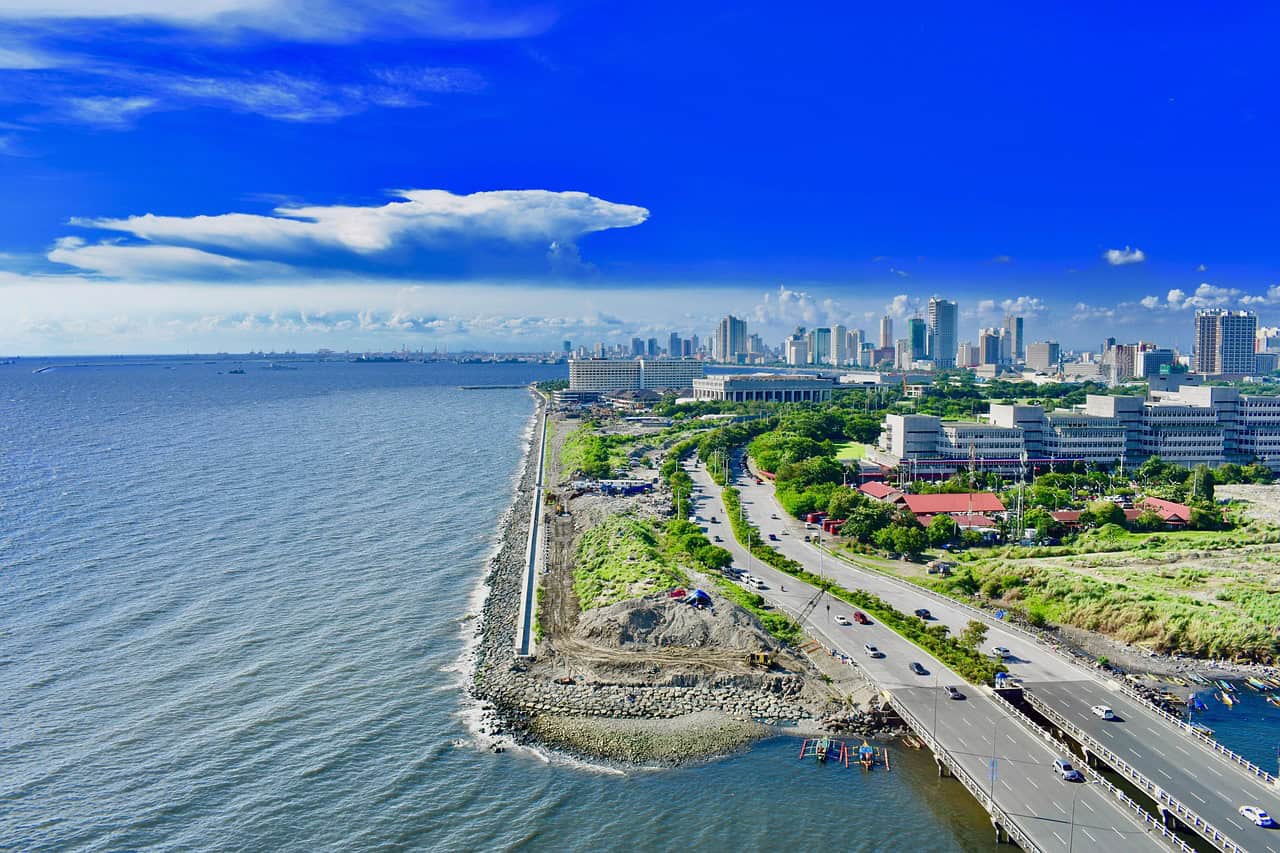
Manila exposes inequality in constant motion. Nearly 24% of residents live in informal settlements, many along flood-prone canals. Average commuters lose over 90 minutes daily in traffic, costing the economy $3.5 billion each year. During monsoon season, floods displace thousands within hours. Luxury malls rise beside communities lacking sanitation, while the richest 1% control over 17% of national wealth. The city makes inequality feel routine, not exceptional, woven directly into everyday survival.
4. Johannesburg, South Africa
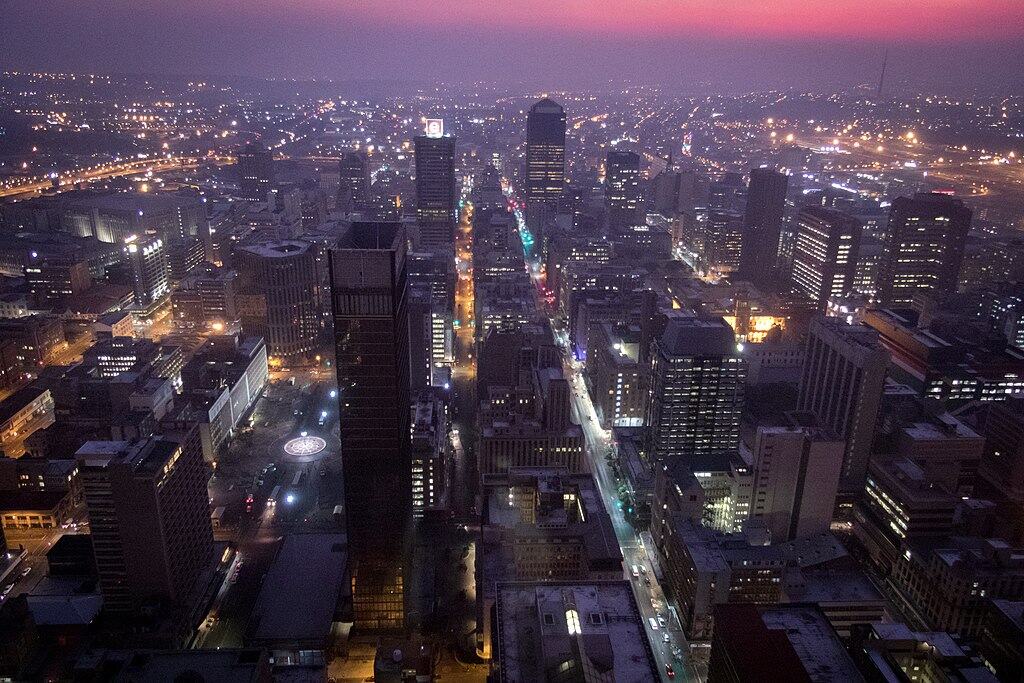
Johannesburg carries the weight of unfinished justice. South Africa’s Gini coefficient stands at 0.63, among the highest globally. City unemployment exceeds 32%, while youth unemployment approaches 60%. Fortified suburbs sit minutes from informal settlements lacking water security. Rolling power cuts often last 8–10 hours daily. Visitors quickly realize apartheid’s legacy didn’t vanish, it fossilized into spatial inequality, where opportunity is mapped by postcode and history still dictates who thrives.
5. Rio de Janeiro, Brazil
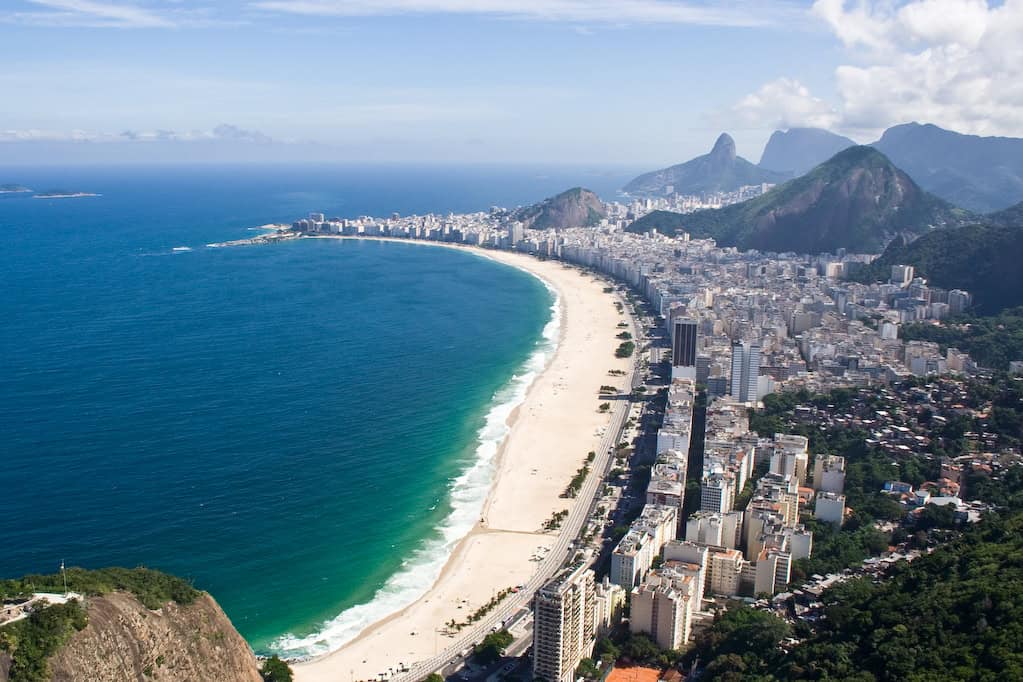
Rio’s beauty sharpens its cruelty. Around 1.4 million people, 22% of the city live in favelas. Police operations killed over 1,300 people in 2022, mostly in low-income areas. Tourism generates more than $5 billion annually, yet public services remain uneven. Armed patrols coexist with beachgoers, normalizing violence as background noise. The contrast forces visitors to recognize how spectacle can distract from structural neglect hiding in plain sight.
6. Cairo, Egypt
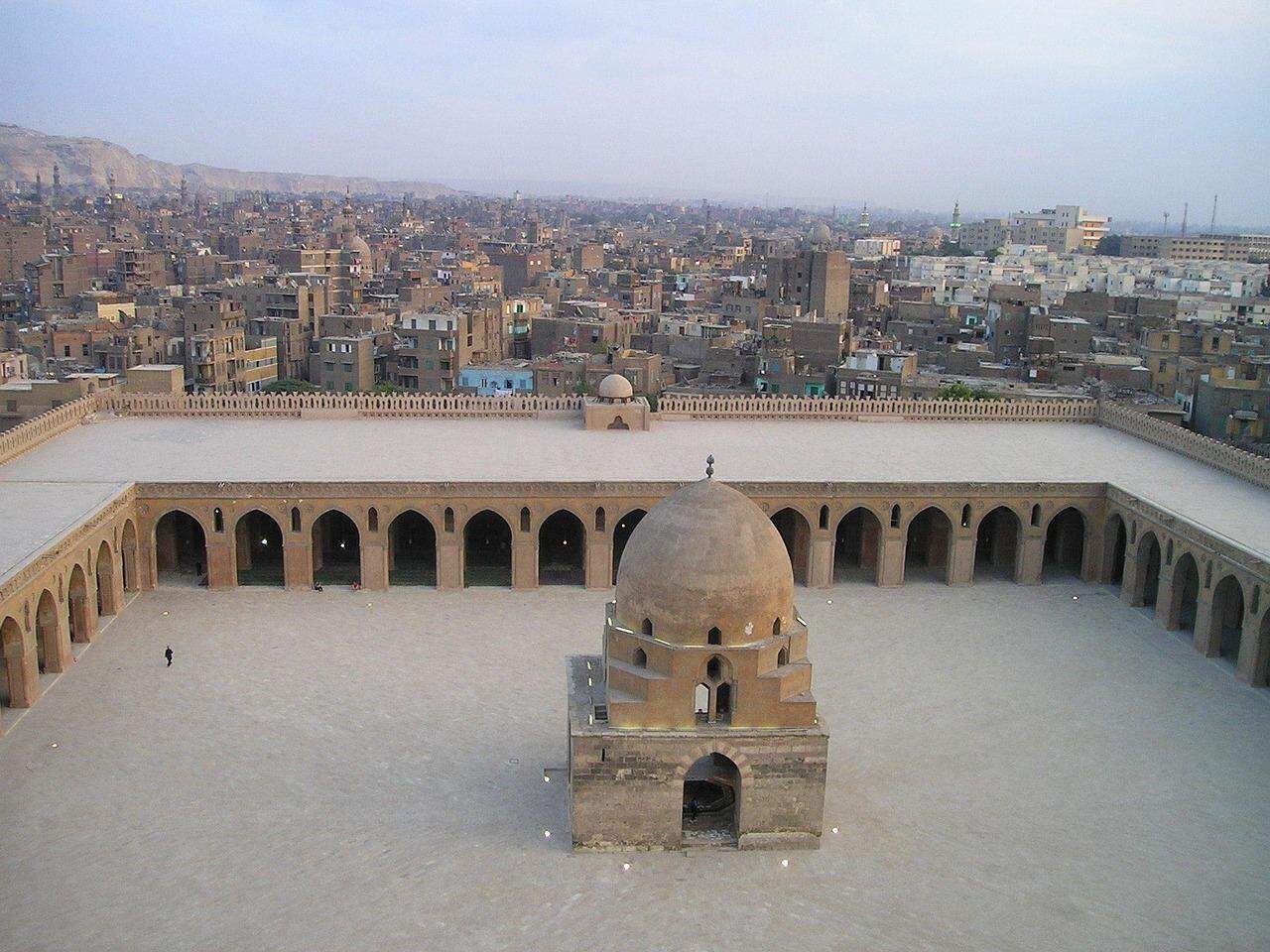
Cairo overwhelms through accumulation. Greater Cairo holds over 21 million residents and grows by nearly 500,000 annually. Traffic speeds average 8 km/h, while air pollution contributes to an estimated 20,000 premature deaths each year. Nearly 40% of Egyptians live on less than $2 per day. Ancient monuments tower above overcrowded housing, making it clear that history’s grandeur offers little protection from modern pressure and governance strain.
7. Lagos, Nigeria
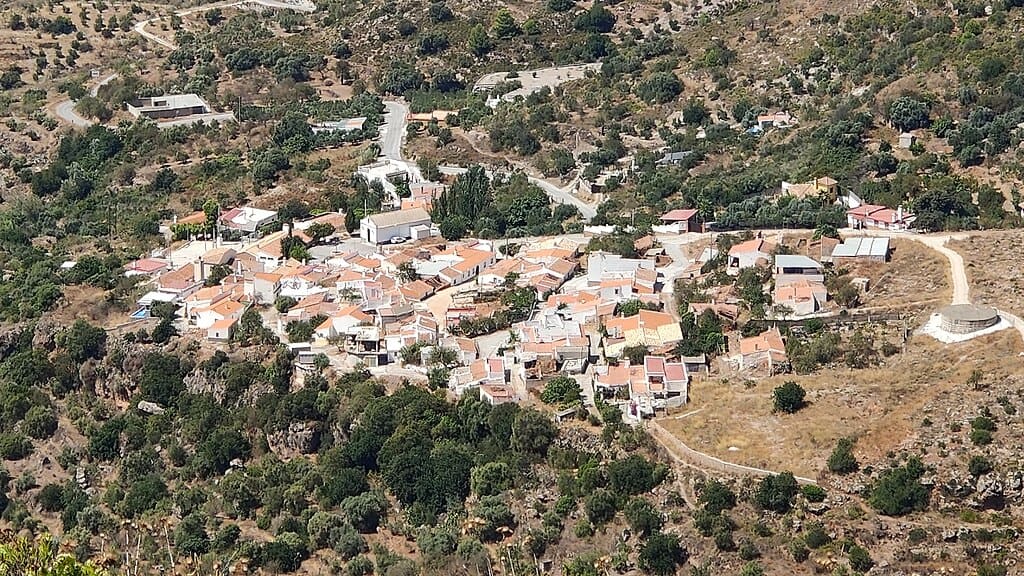
Lagos feels like momentum without mercy. The city adds roughly 600,000 residents each year and may reach 30 million by 2035. Yet only 10% of homes connect to formal sewage systems. Frequent power failures force businesses to rely on generators, costing billions annually. Creativity and ambition thrive, but infrastructure lags dangerously behind growth. Visitors sense a city sprinting forward while leaving its most vulnerable struggling to keep pace.
8. Caracas, Venezuela
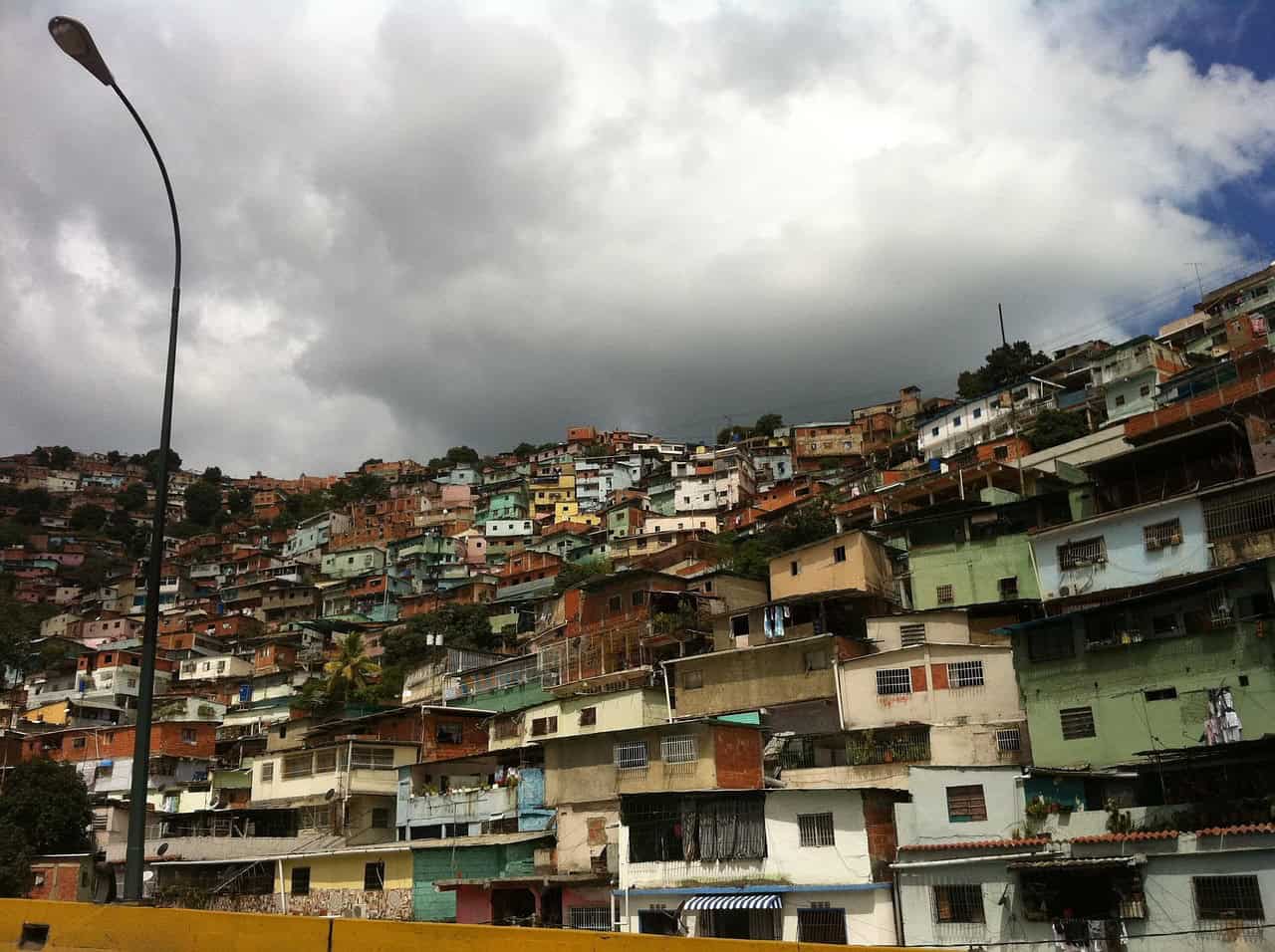
Caracas reflects rapid national collapse. Venezuela’s economy has shrunk over 70% since 2013. Inflation peaked at 130,000% in 2018, erasing savings overnight. Minimum monthly wages hover near $5, while basic food baskets exceed $300. Power outages and medicine shortages persist. Visitors encounter dollarized street economies and empty shelves, gaining firsthand insight into how policy failure dismantles normal life with terrifying speed.
9. Jakarta, Indonesia
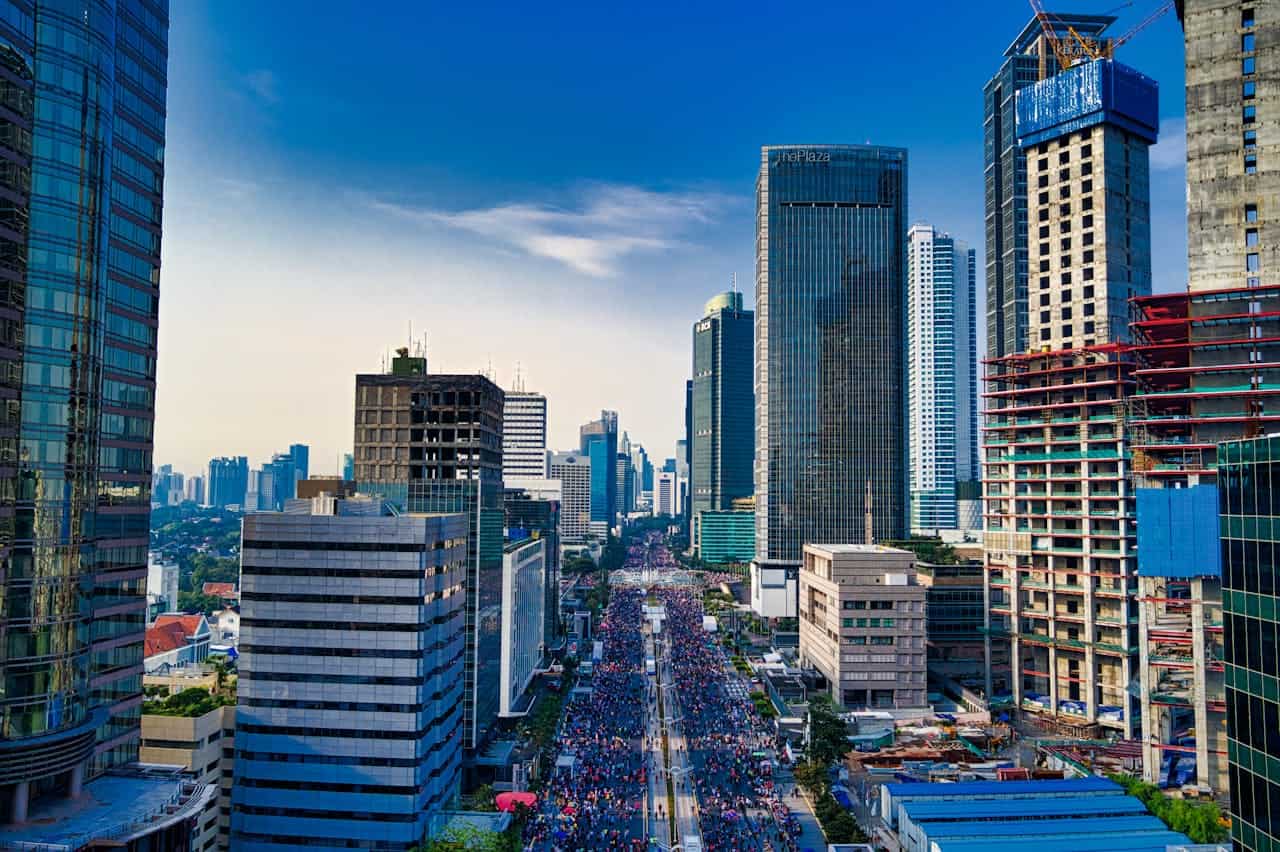
Jakarta shows how climate collapse unfolds in real time. Parts of the city sink by up to 25 cm each year due to excessive groundwater extraction, while the overall average remains 5–10 cm annually. Nearly 40% of Jakarta already sits below sea level, and seasonal flooding displaces thousands of families every year. Air pollution frequently ranks among Southeast Asia’s worst, reducing life expectancy by nearly two years. Watching residents reinforce homes destined to vanish forces visitors to confront how environmental damage becomes permanent.
10. Flint, Michigan, USA
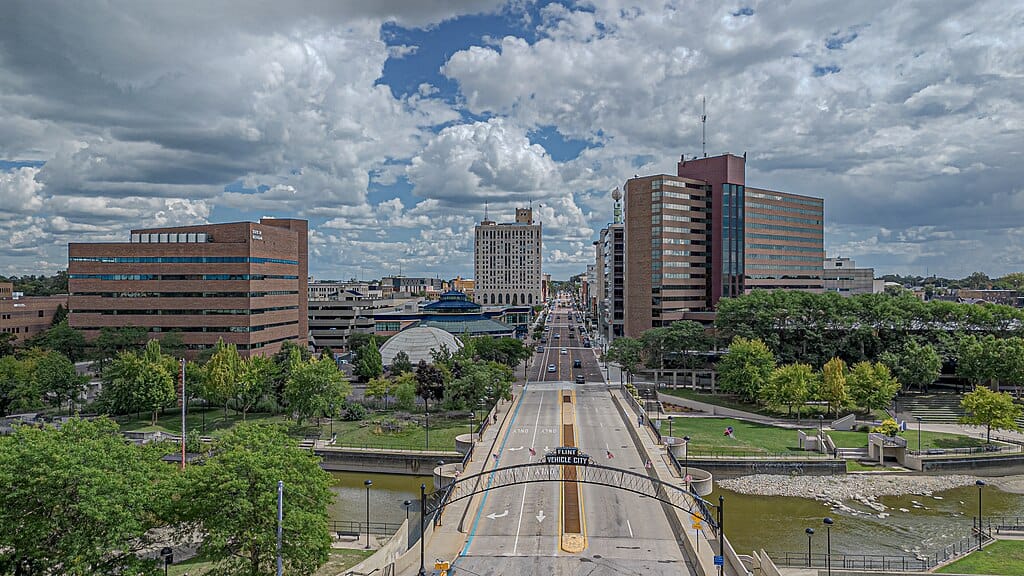
Flint dismantles the illusion that systemic failure is distant. Since 2014, more than 100,000 residents were exposed to lead-contaminated water, with recorded levels up to 900% above federal limits. The city’s poverty rate stands near 38%, and average life expectancy is almost nine years lower than the U.S. national figure. Thousands of homes remain abandoned, and trust in institutions is deeply fractured. Flint shows how neglect, once normalized, quietly devastates entire communities.