We may earn money or products from the companies mentioned in this post. This means if you click on the link and purchase the item, I will receive a small commission at no extra cost to you ... you're just helping re-supply our family's travel fund.
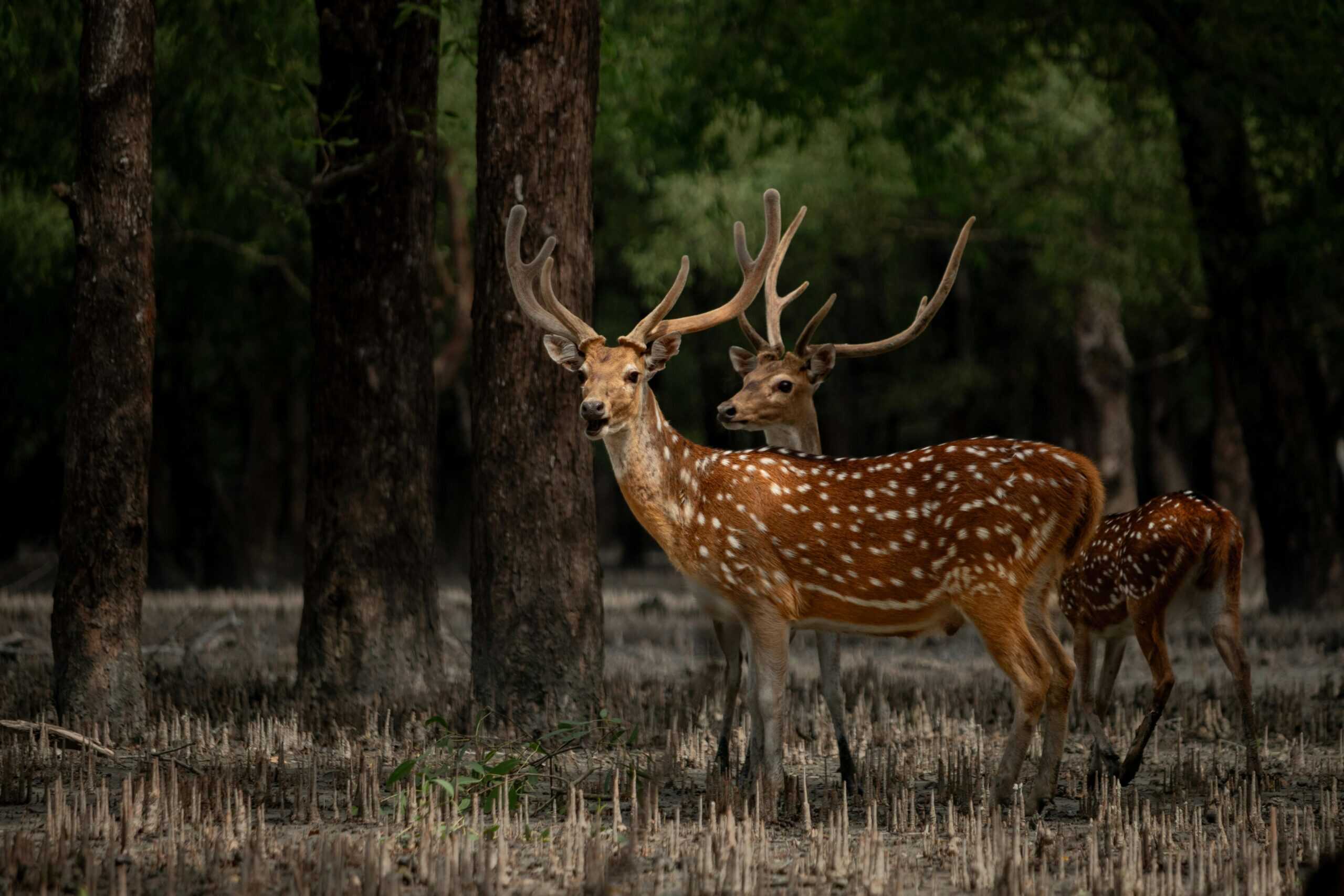
Wild places promise wonder, but the sharpest risks are often not cliffs or storms. They are animals doing what animals do: defending calves, guarding water, hunting, or refusing to yield. In a few destinations, wildlife lives close to towns, trails, beaches, and boats, so one careless minute can become an emergency. The danger is usually predictable: dusk on the shoreline, a narrow creek, a crowded boardwalk, or a swim outside the safe zone. These stops are not meant to scare anyone. They explain why distance, timing, and local rules matter as much as reservations and gear.
The Sundarbans, India And Bangladesh
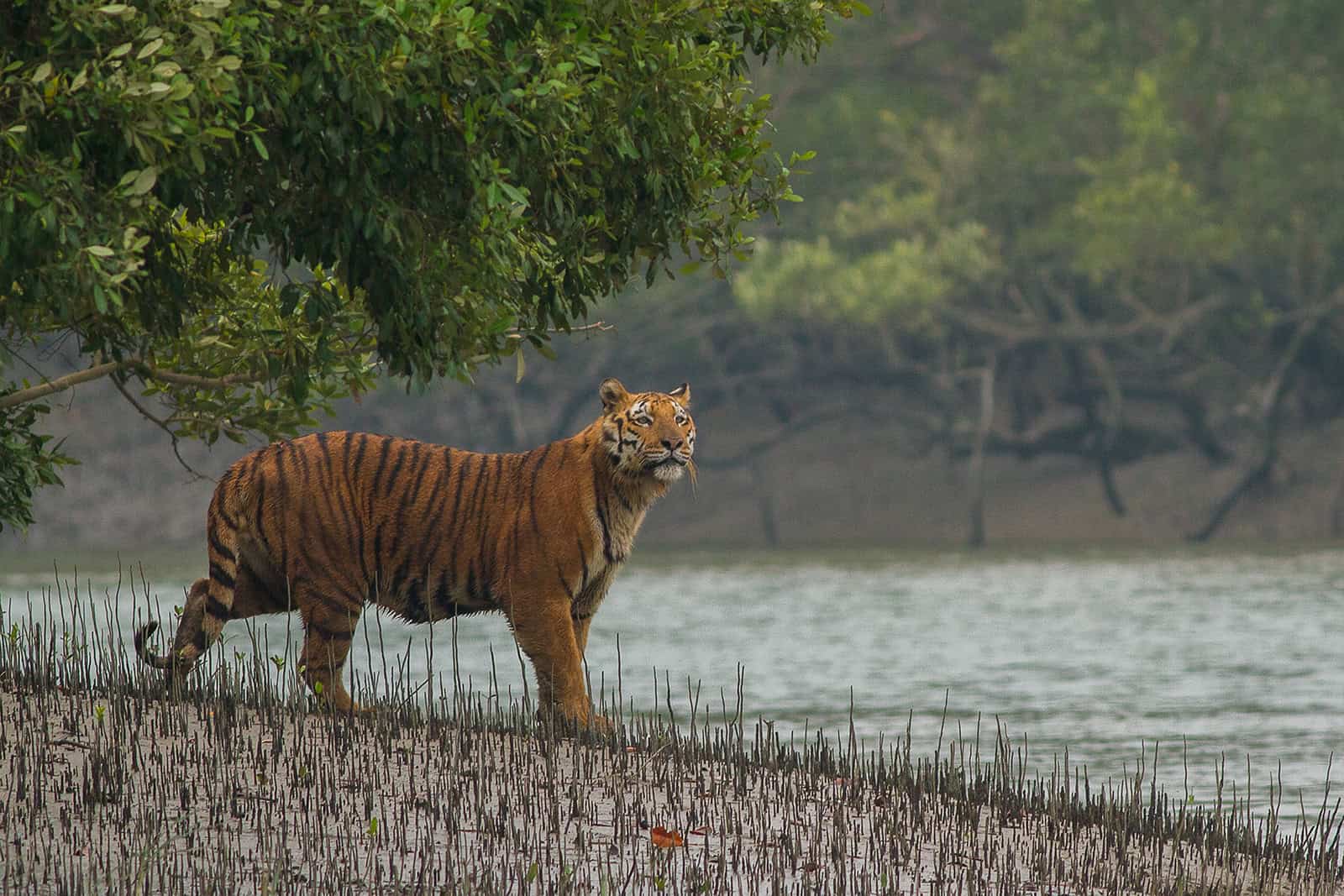
In the Sundarbans, mangrove creeks keep people and predators uncomfortably close, with tigers and saltwater crocodiles sharing the same tide-driven maze. Fishers and honey collectors still work the forest edge, where dense cover, shifting mudflats, and fast currents shorten reaction time and slow rescues. Risk spikes when boats nose into narrow creeks or when someone steps onto exposed flats, because visibility is poor and help can be hours away. Local rules emphasize moving in groups, keeping to approved routes, carrying radios, and leaving early when the tide turns.
Kakadu National Park, Australia
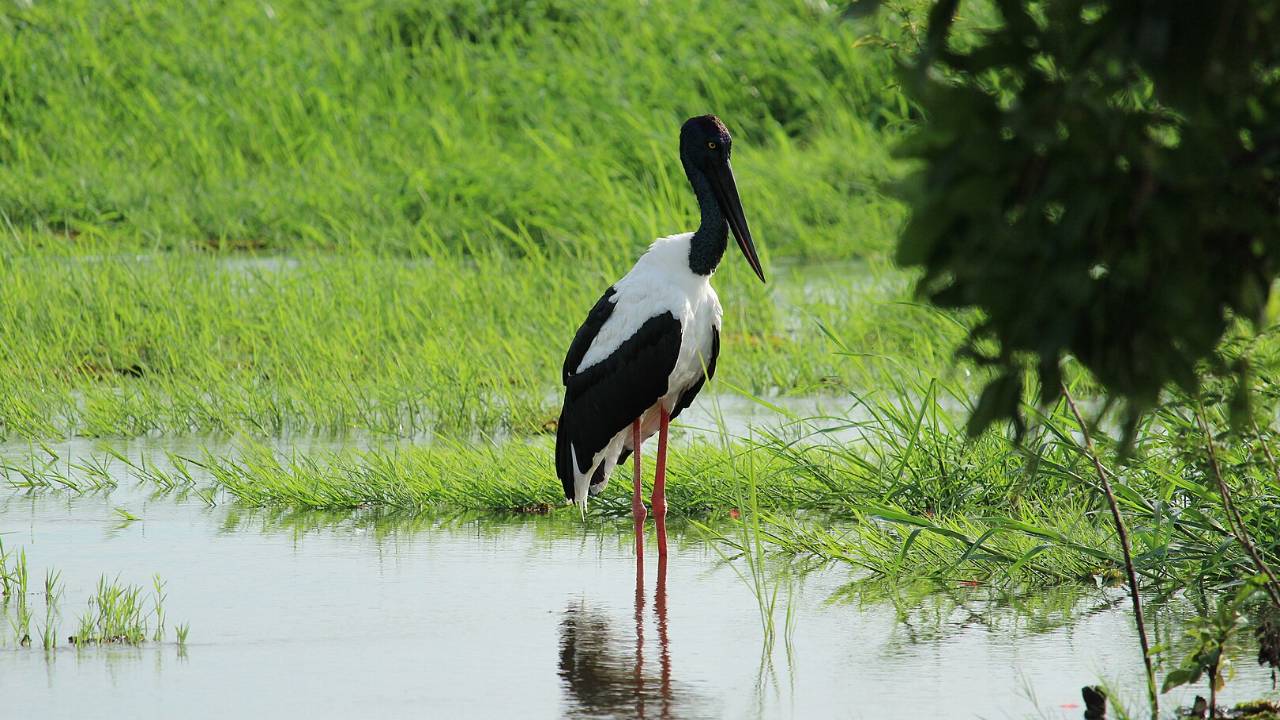
Kakadu’s rivers and low-water crossings sit in saltwater crocodile country, and the danger often looks ordinary until it is too late. During the wet season, roughly Nov. to Apr., crocodiles defend territory and nesting areas, and fast water can hide them at the edge of a ramp or crossing. Places like Cahills Crossing draw crowds, which can create false confidence, but crocs hunt from shallow margins and blend into glare and tannin-stained currents. Local advice stays simple: keep well back from the bank, never wade, secure children, and treat signs as instructions.
Tropical North Queensland, Australia
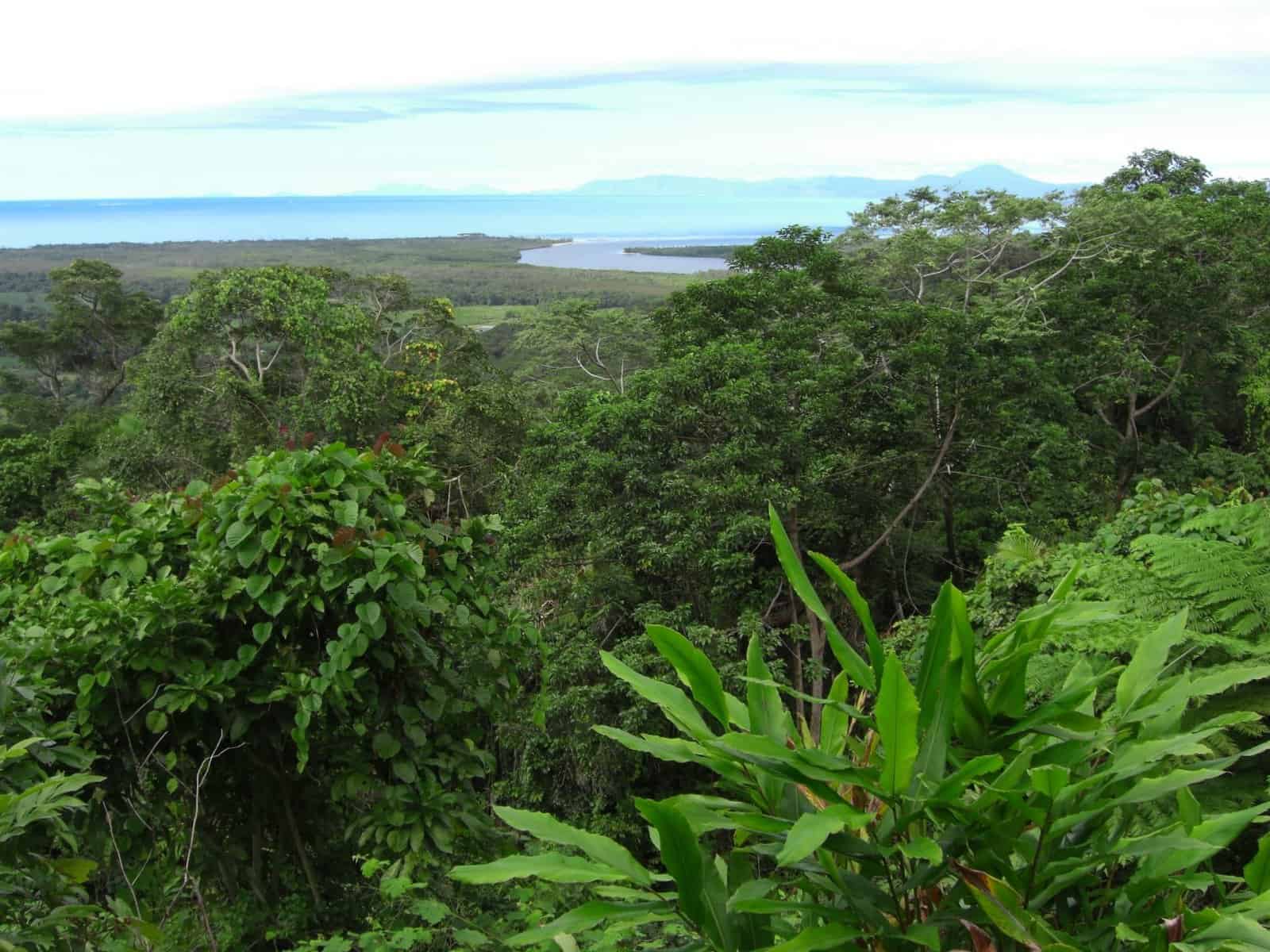
Warm seas near Cairns and the Cape York coast bring a seasonal sting risk that locals take seriously, especially during the warmer months when box jellyfish are more common. Major species can cause rapid, intense reactions, and remote beaches add time to treatment, which is why vinegar stations, stinger nets, and patrols matter. Problems start when swimmers drift outside protected areas or skip protective suits in shallow water, assuming calm surf means low risk. Coastal communities manage the danger with clear signage, stinger suits, and quick first aid, not bravado.
Lake Naivasha, Kenya
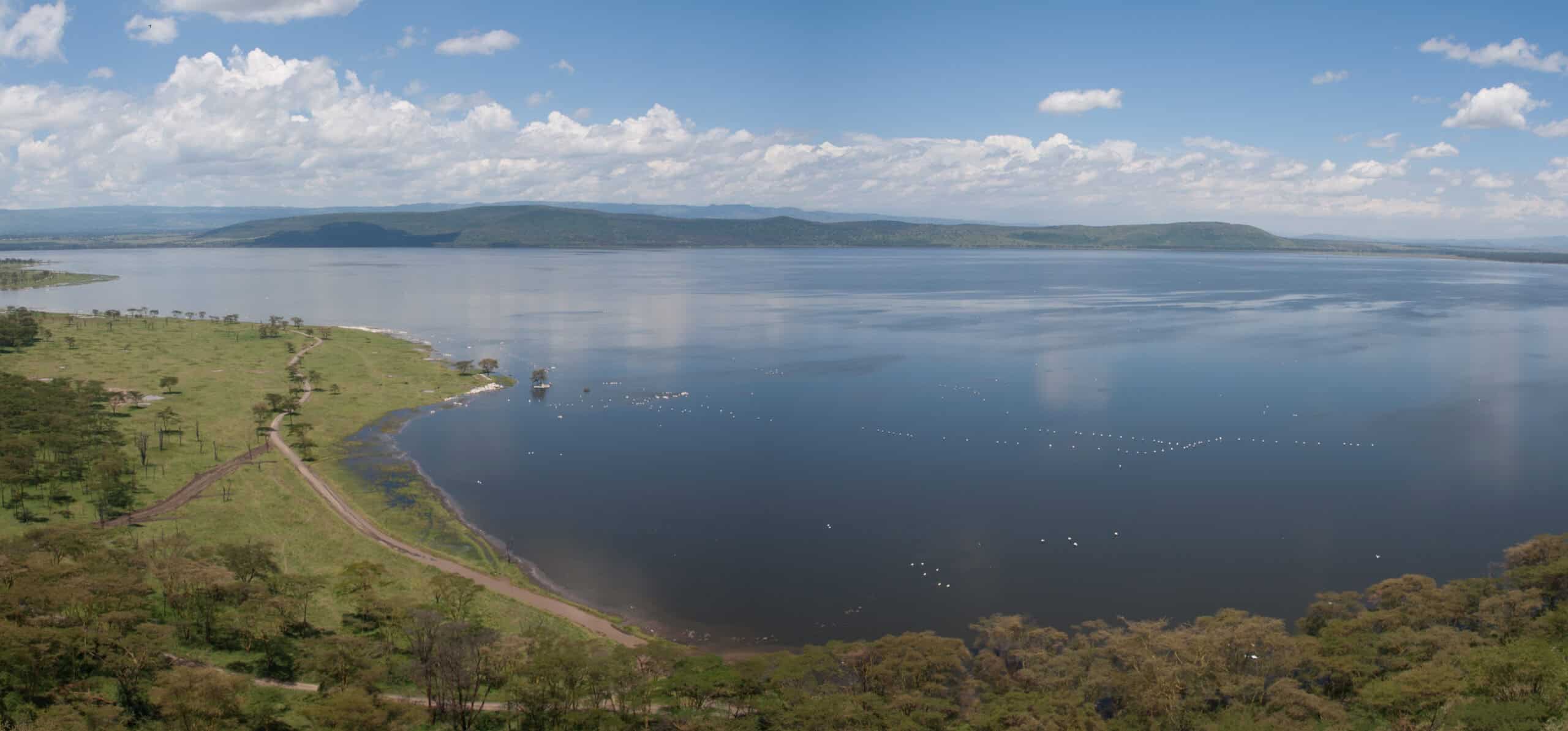
Lake Naivasha looks peaceful from a boat, but the shoreline belongs to hippopotamuses, especially at dusk when they move between water and grazing. Hippos are not predators, yet they are intensely territorial, and a quiet canoe or narrow channel can feel like an intrusion that triggers a charge. Attacks often happen close to the bank, where people fish, rinse gear, or step out briefly, misreading still water as empty space. Guides keep wide buffers, avoid night water travel, and treat warning sounds as a reason to retreat fast, not to linger for photos or shouting.
Sri Lanka’s Dry Zone National Parks
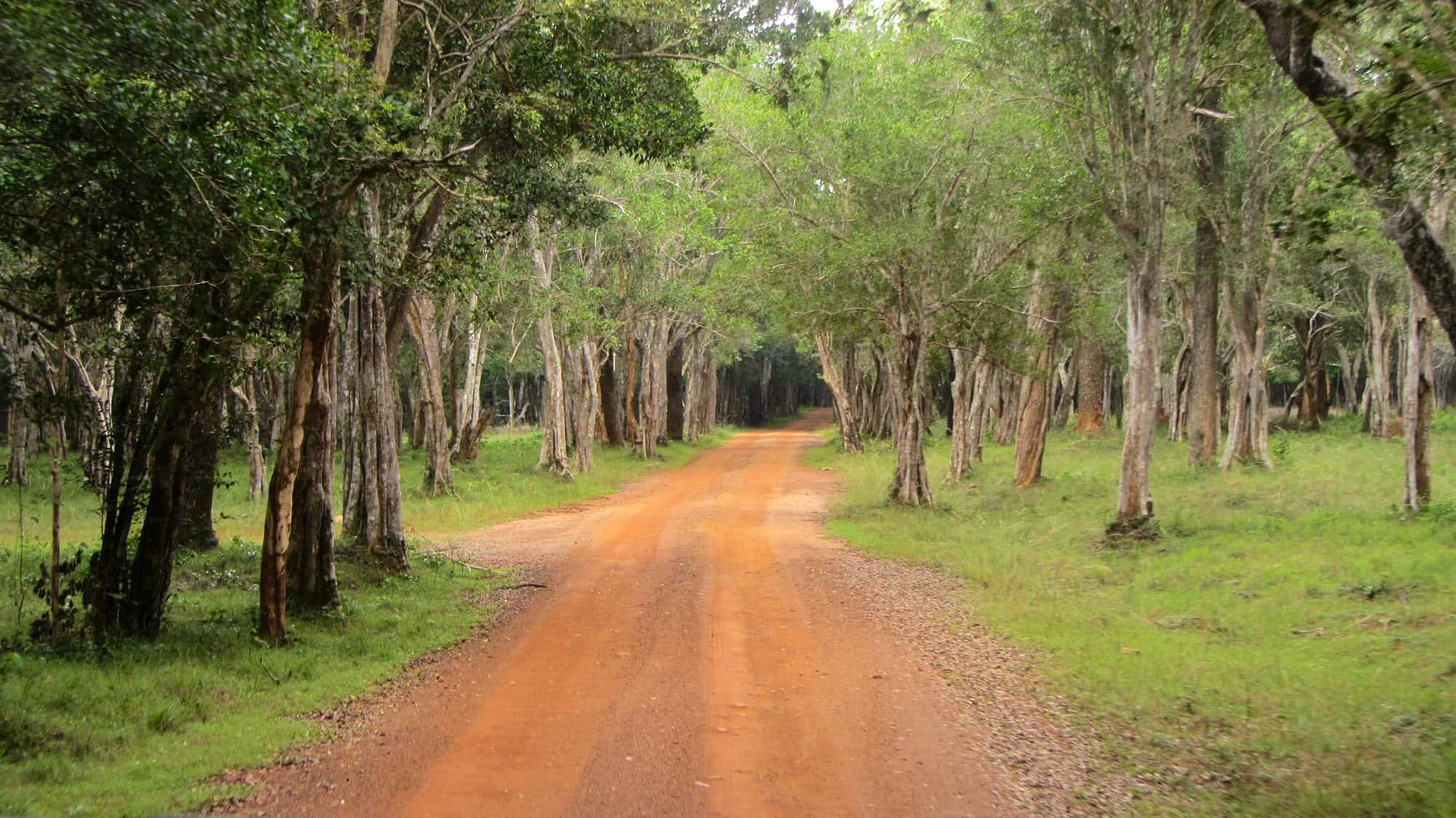
In Sri Lanka’s dry zone, elephants move between forest and farmland, and that overlap can turn a quiet road into a tense standoff in seconds. Conflict rises near park boundaries and migration corridors, where crops and water draw elephants close to villages after dark. The danger is not mystery; it is distance and surprise, especially around bends, tall grass, or vehicles that crowd an animal’s route. Good operators slow down, keep engines steady, avoid blocking paths, and never push closer for a better photo, because one defensive charge can injure people and animals alike.
Komodo National Park, Indonesia
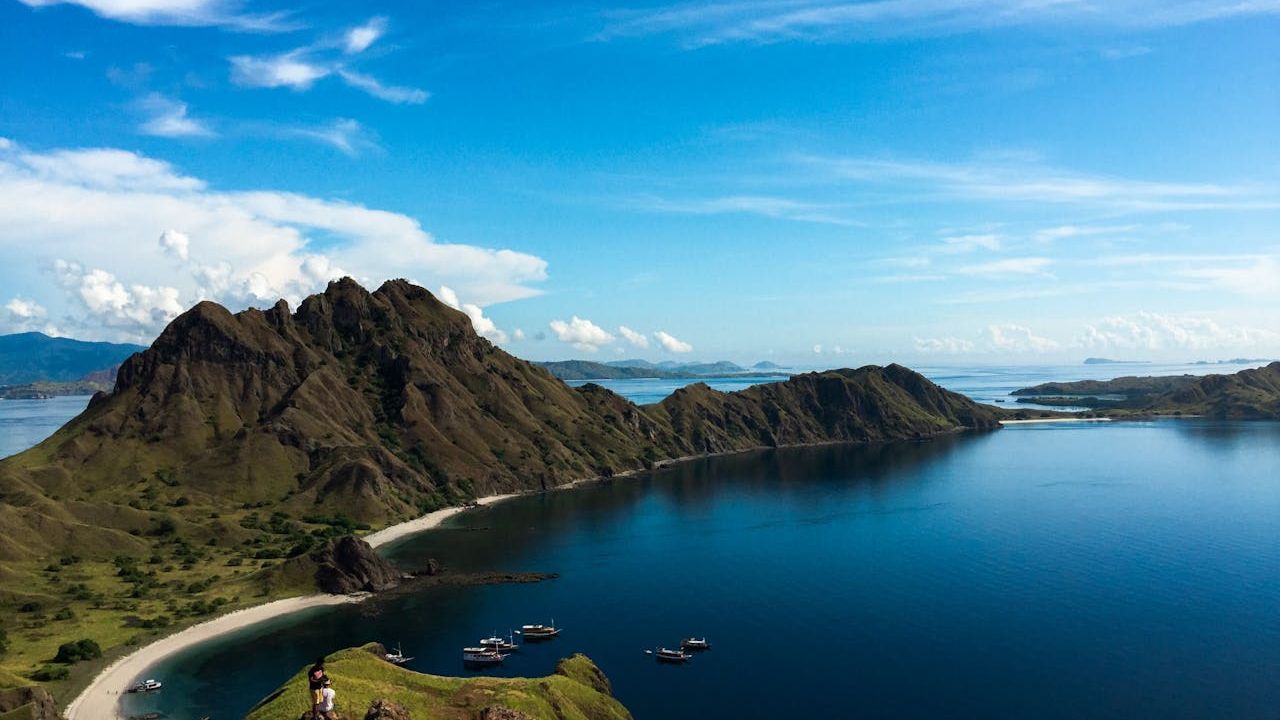
Komodo National Park pairs postcard beaches with a blunt reality: Komodo dragons are powerful predators, and they do not behave like tourist attractions. Rangers keep visitors close because dragons can move faster than expected, and the risk rises around food smells, nesting zones, and dry brush where their bodies blend into the ground. A serious bite can cause heavy injury and infection, and help may not be immediate on remote islands. The safest walks are calm, supervised, and boring in the best way, with distance treated as the whole point of the rulebook every day.
Churchill, Manitoba

Churchill’s polar bears gather near town each fall as sea ice forms, and the setting can feel deceptively domestic: streets, school buses, and tundra just beyond the last houses. That proximity is why local authorities run a Polar Bear Alert system with patrols and responses when bears enter the control zone. The threat is not aggression alone; it is curiosity paired with strength, hunger, and limited escape routes in a flat landscape. Residents and visitors avoid wandering outside the core area, report sightings quickly, and treat bear-proof habits as part of daily life when daylight is short.
Yellowstone National Park, Wyoming And Montana
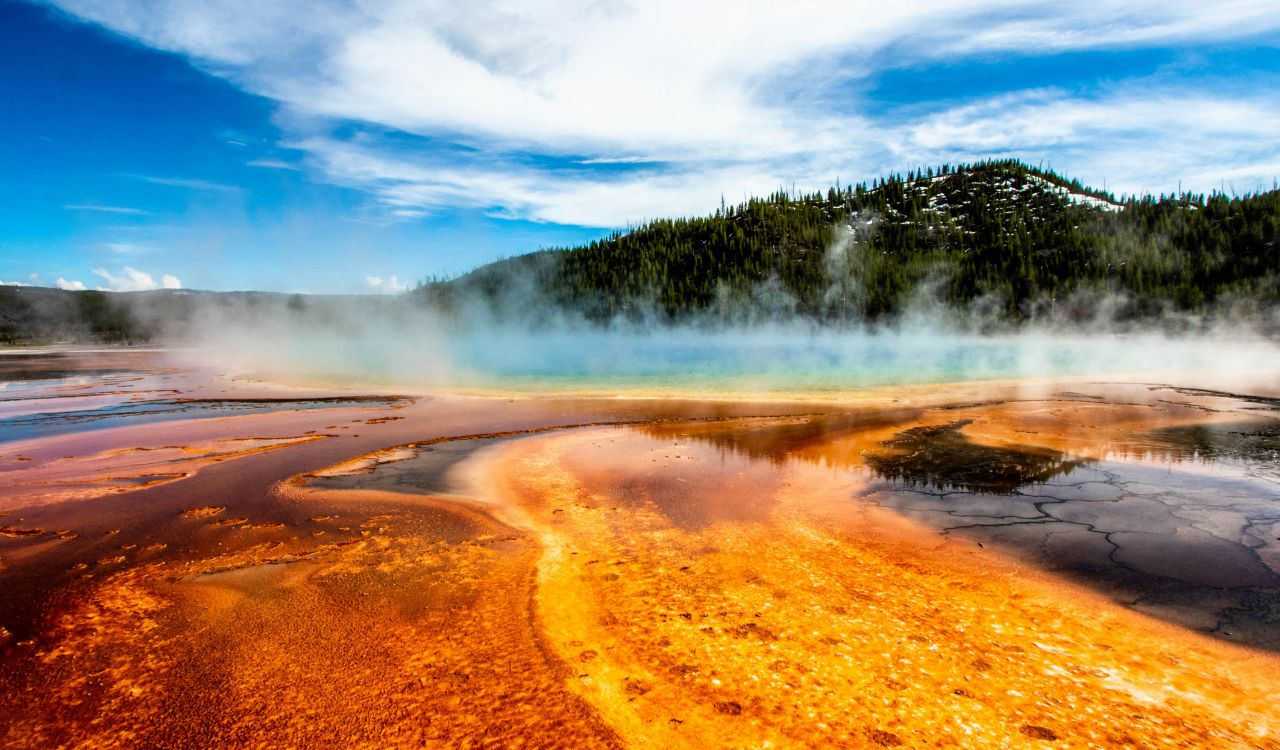
Yellowstone’s animals look familiar in photos, which is why the park keeps repeating the same warning about distance. Bison are responsible for many visitor injuries because they seem slow until they explode into motion, and they can run far faster than a person on a boardwalk. Trouble often starts at road pullouts and crowded geyser areas, where traffic, calves, and impatience squeeze space and push people closer than they realize. Rangers stress wide buffers, clear exit routes for animals, and the discipline to back away early, before the scene shifts from vacation to ambulance.
Central Florida Lakes And Canals
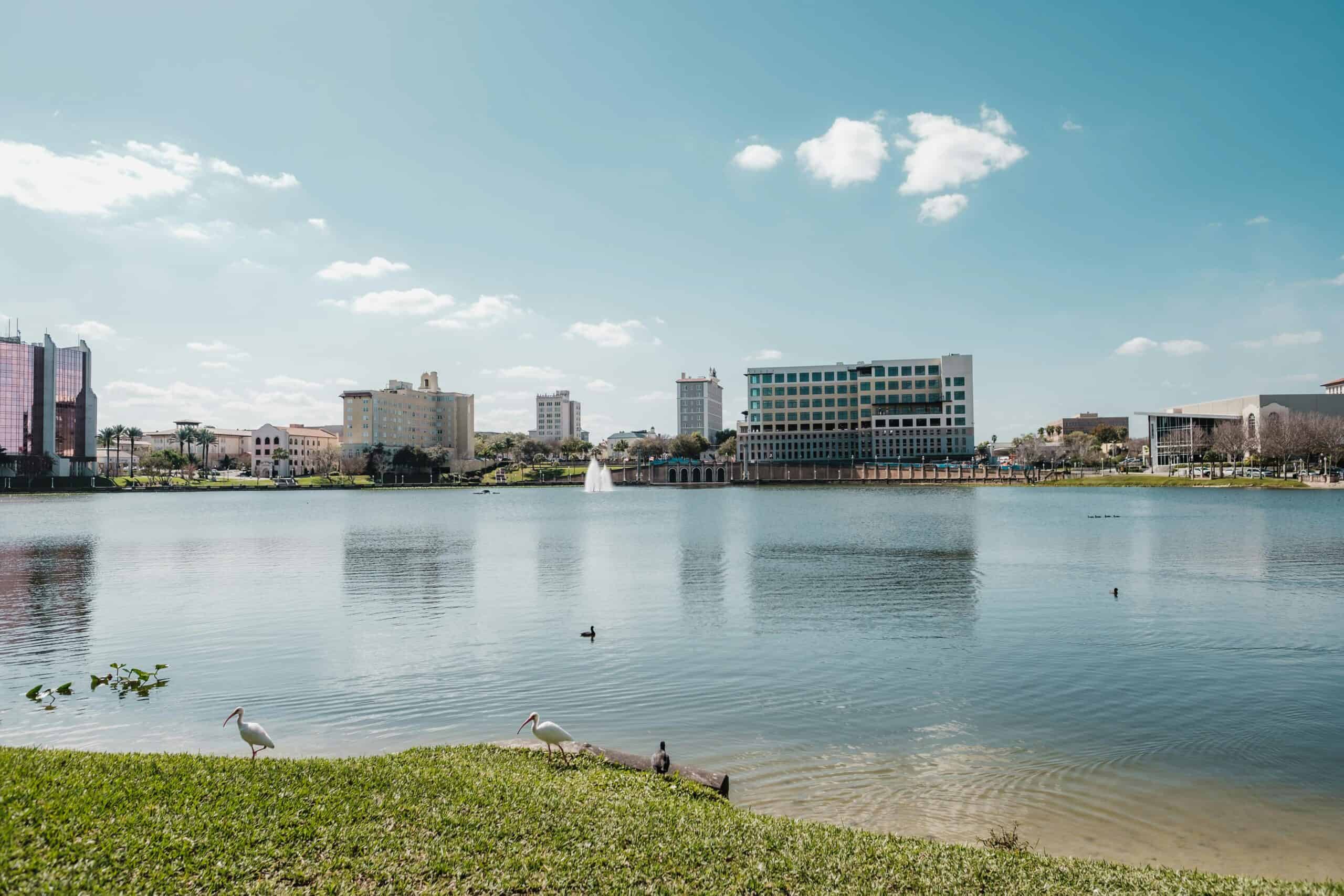
In central Florida, alligators share space with people in lakes, canals, golf-course ponds, and quiet retention basins behind homes. The risk builds through routine habits: walking pets near the shoreline, letting children play at the edge, swimming outside marked areas, or lingering at dusk and dawn. Most incidents begin in shallow water where visibility is poor and an animal feels cornered or drawn by splashing. Local guidance stays practical: assume any still water may hold an alligator, keep distance, use leashes, and never feed wildlife, because feeding trains animals to associate people with food.
Volusia County, Florida

Volusia County’s surf culture brings heavy water time, which is why the area has long been associated with a high number of shark bites. Most bites are not predatory; they happen in shallow water when swimmers, surfers, and bait fish share sandbars, especially when waves churn the water and visibility drops. The threat grows during warm months and after storms, when bait schools run close to shore and people stay in the water longer. Lifeguards focus on timing and awareness: heed flags, avoid fishing zones, and take murky conditions as a reason to step out, not to push farther.