We may earn money or products from the companies mentioned in this post. This means if you click on the link and purchase the item, I will receive a small commission at no extra cost to you ... you're just helping re-supply our family's travel fund.

Places built for visitors are starting to draw firmer lines around who gets to stay where, and for how long. City councils are reacting to rent pressure, noise complaints, and the hollowing-out of residential blocks, while national governments add registration systems that make enforcement easier. In 2026, the change shows up in practical ways: fewer entire-home listings, more license checks, new limits by neighborhood, and higher fees baked into nightly rates. The trip still happens. It just runs on different rules, and the smartest plans treat lodging as a moving target.
Barcelona, Spain

Barcelona has become a symbol of the backlash against short stays in city-center apartments, and Spain is tightening the net nationwide. New national rules push listings into a central registry and make registration numbers harder to fake, and authorities have already pressed platforms to remove ads that do not show required details. Barcelona’s own policy direction points toward fewer tourist apartments overall, so availability concentrates in compliant operators, hotels, and licensed aparthotels. Stays that once looked easy in El Raval or the Gothic Quarter increasingly shift to regulated options, or to quieter districts with clearer paperwork.
Amsterdam, Netherlands

Amsterdam’s rules keep tightening at the neighborhood level, and 2026 adds a sharper squeeze in the most in-demand areas. From April 1, eight central neighborhoods drop to a 15-night annual limit for home rentals, while the citywide cap stays at 30 nights, turning casual hosting into a narrow window. Registration and local conditions make noncompliant listings easier to spot and quicker to remove. The market tilts toward hotels, houseboats with proper licensing, and serviced apartments that can operate year-round, while peak weekends force longer lead times. Spontaneous stays around the canal ring give way to planned bookings and stricter check-in rules.
Dublin, Ireland
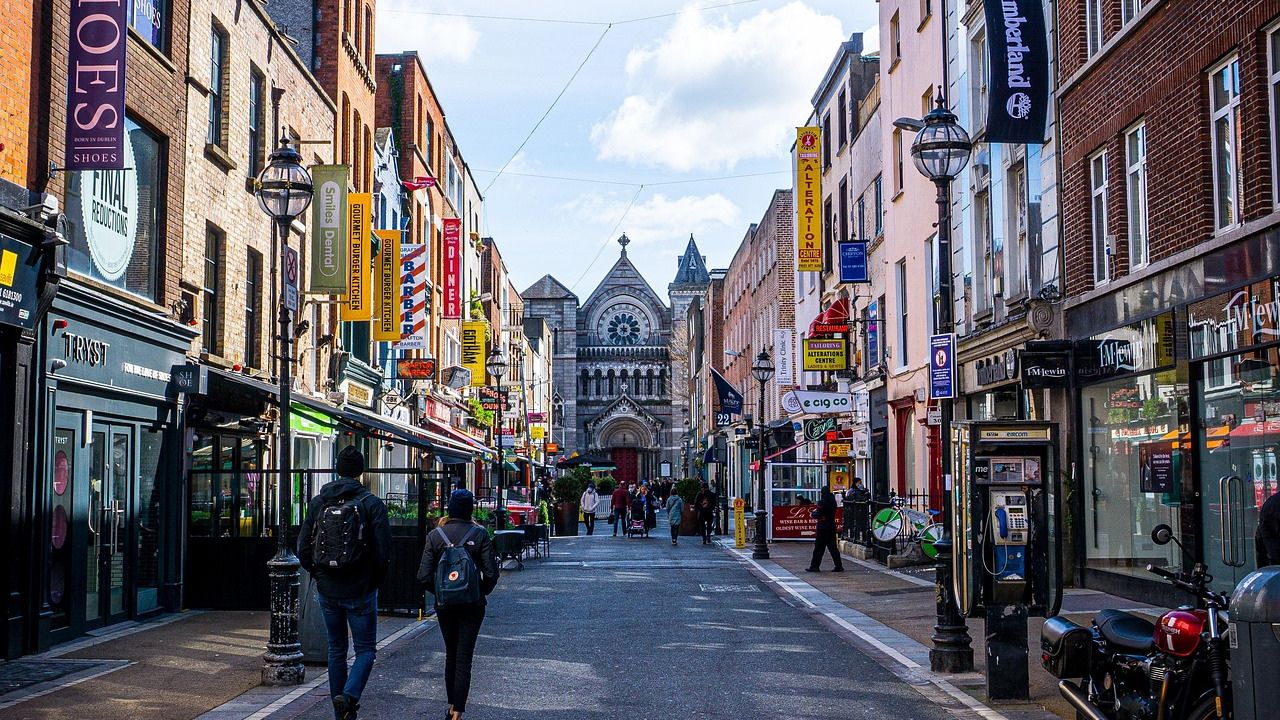
Dublin’s short-term market is heading into a registration era, and the paperwork will matter more than the décor. An official short-term tourist letting register is set to begin on May 20, 2026, tying listings to a registration code and clearer enforcement of planning rules. In practice, whole-home stays in the city and other high-pressure areas face tighter scrutiny, especially where 90-day limits and change-of-use questions apply. When listings cannot show proof fast, platforms and owners step back, and travelers shift to hotels, B&Bs, and licensed aparthotels. That pushes more bookings toward the outskirts, where transit time replaces the old convenience.
Terézváros, Budapest, Hungary

Budapest’s nightlife district is drawing the hardest line: Terézváros, the city’s 6th district, has approved a ban on short-term rentals starting Jan. 1, 2026. It is a direct response to years of party noise, stairwell traffic, and blocks where residents felt outnumbered by rolling suitcases. For visitors, that central zone becomes far less Airbnb-shaped overnight, with inventory shifting to hotels and licensed accommodations outside the district boundary. Stays may still be close to Andrassy Avenue, just less likely to be an entire apartment above a late-night bar. The spillover raises demand in nearby districts, and prices follow within a season.
Ljubljana, Slovenia

Ljubljana’s old town has been feeling the pressure of apartment-style tourism, and Slovenia’s new Hospitality Industry Act aims to reset the balance. Rules taking effect Jan. 1, 2026 introduce tighter limits and conditions for short-term tourist rentals, with Ljubljana facing a stricter annual-night cap than many smaller towns. The impact is quiet but real: fewer whole-home listings that operate year-round, and more emphasis on registered providers that can document compliance. Travelers see a narrower pool near the riverfront, and more stays pushed toward hotels, pensions, and the city’s edge. Expect faster delistings when rules are ignored.
Lisbon, Portugal

Lisbon’s short-let boom is being steered back toward residents, and the city’s containment map is the tool doing the work. Recent rule changes tightened the thresholds that define “containment areas,” making it easier for neighborhoods to hit the point where new local lodging licenses are restricted or blocked. In 2026, EU-wide data sharing rules add pressure by making listings easier for authorities to match with permits and caps. The practical outcome is fewer new apartments entering the pipeline in popular quarters, and a stronger tilt toward hotels, hostels, and legal serviced stays. Private rooms and boutique hotels fill the gap in Alfama and Baixa.
Edinburgh, Scotland

Edinburgh is adding a new layer to the nightly bill, and it lands where short-term lets compete with hotels. From July 24, 2026, the city’s Visitor Levy adds 5% to the accommodation-only cost for up to five nights, reshaping price comparisons across apartments, hostels, and boutique stays. Licensing rules already limit what can legally operate, and the levy rewards providers who calculate and remit charges cleanly. Some prebooked stays paid before Oct. 1, 2025 are carved out, so receipts and booking dates suddenly matter as much as location. During Fringe season, that extra fee and tighter supply nudge demand toward traditional hotels and outer neighborhoods.
Austin, Texas

Austin’s approach leans on the platforms, not just the hosts, and 2026 is when that leverage really bites. City rules require booking sites to verify local short-term rental licenses and delist properties that cannot prove authorization, with a key compliance date set for July 1, 2026. In a city where festivals and game weekends can empty hotel inventories, the crackdown changes the shape of availability, especially for entire-home stays. More demand spills into hotels, extended-stay suites, and licensed operators that keep paperwork current year after year. Listings that once looked secure can vanish midseason when platforms run compliance sweeps.
Houston, Texas

Houston is moving from a hands-off era into a registration-first system, driven by complaints about party houses and neighborhood disruption. Enforcement begins Jan. 1, 2026, and operating without a city certificate can trigger daily fines, while platforms are expected to remove noncompliant listings after notice. Rules also require a 24-hour emergency contact and other basic accountability measures, pushing casual operators out of the shadows. For travelers, the change reads as fewer surprise bargains, more consistency in what gets listed, and a sharper divide between legal stays and listings that suddenly disappear. Pressure is highest near Montrose.
Portland, Maine

Portland’s debate is less about tourists and more about housing stock in a small city that cannot absorb endless conversions. Voters approved changes that take sharper effect in 2026, including a new cap of 293 non-owner-occupied short-term rentals and a move to end new tenant-occupied STRs in 2026. The message is clear: whole-home stays without an on-site owner become rarer, and compliance becomes easier to audit. Travelers will still find charming bases near the Old Port, but more nights will land in inns, hotels, and owner-occupied homes with clear rules. As inventory tightens, summer weekends sell out earlier, and prices climb across Casco Bay.