We may earn money or products from the companies mentioned in this post. This means if you click on the link and purchase the item, I will receive a small commission at no extra cost to you ... you're just helping re-supply our family's travel fund.
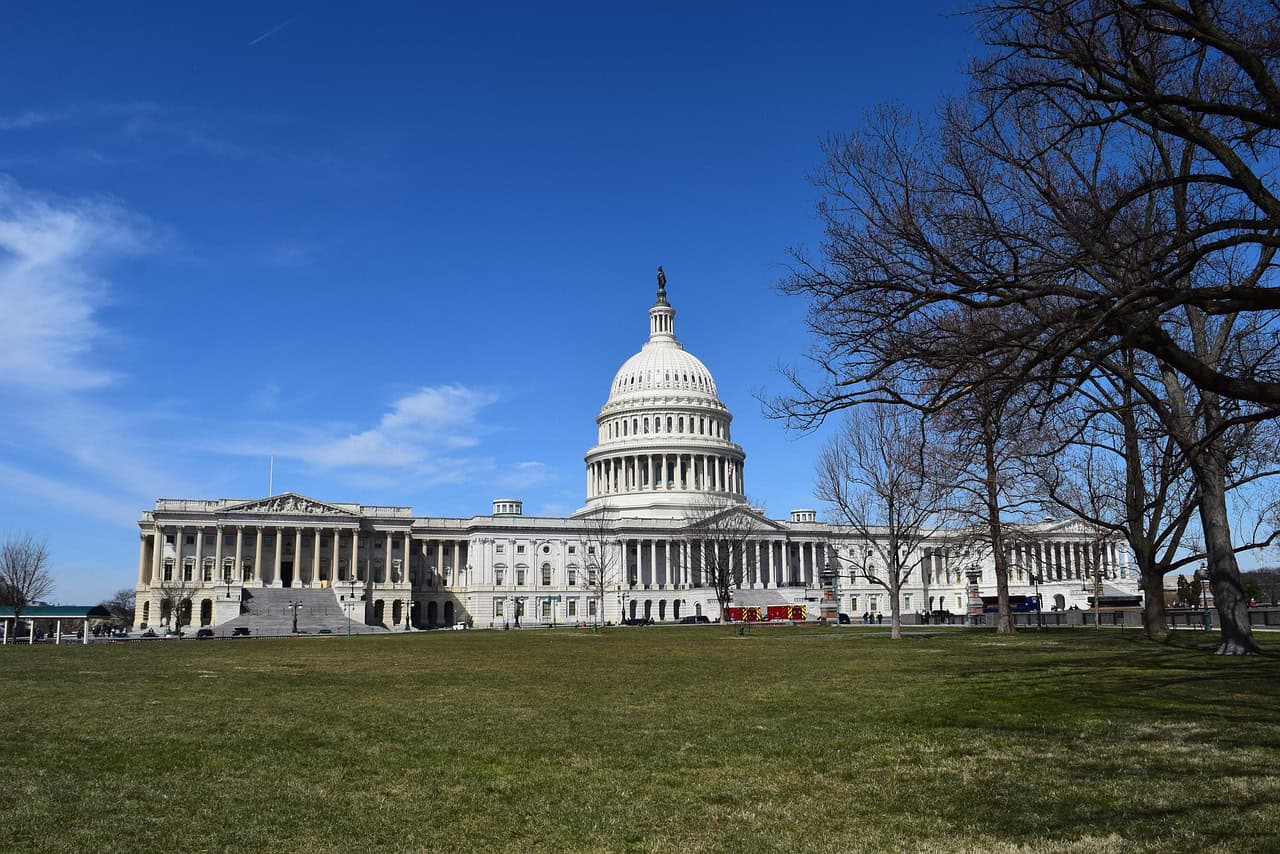
Election years can turn lively cities into pressure cookers of political tension, especially swing state capitals. Massive rallies, protests, and heightened security make travel stressful for those seeking calm sightseeing. Crowds of tens of thousands, media presence, and traffic disruptions are common. For travelers sensitive to political energy or noise, planning trips around election cycles is essential. Here are ten destinations that frequently see heightened activity and why cautious travelers often avoid them.
1. Washington, D.C., USA
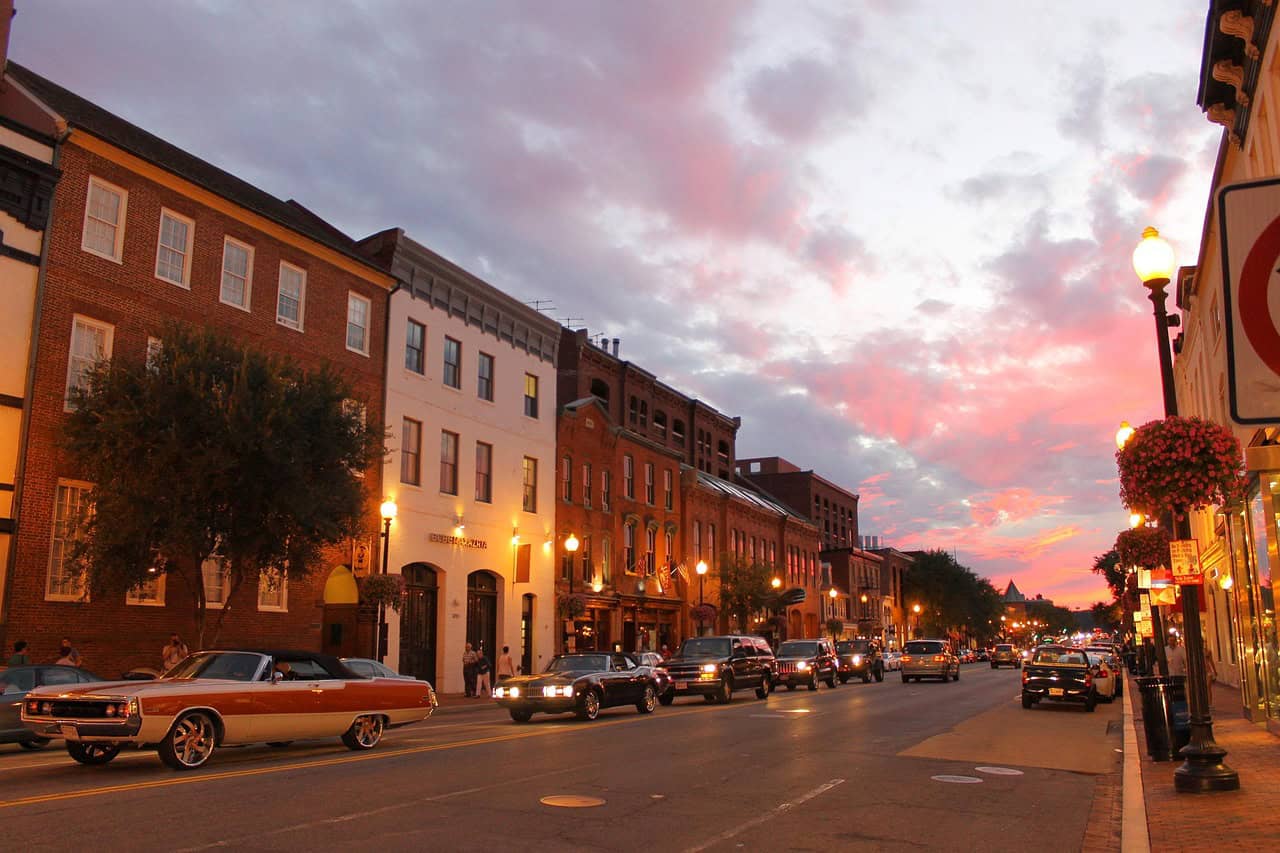
Washington, D.C., as the nation’s capital, becomes a vortex of political activity during election years. Annual security budgets exceeding $400 million fund heightened checkpoints, road closures, and police deployments. Demonstrations can attract 30,000+ participants, making access to landmarks like the National Mall challenging. Even hotels in central areas see rates spike by 20–35%. Travelers anxious about crowds, noise, and political intensity may find the city overwhelming and exhausting during campaign season.
2. Philadelphia, Pennsylvania, USA
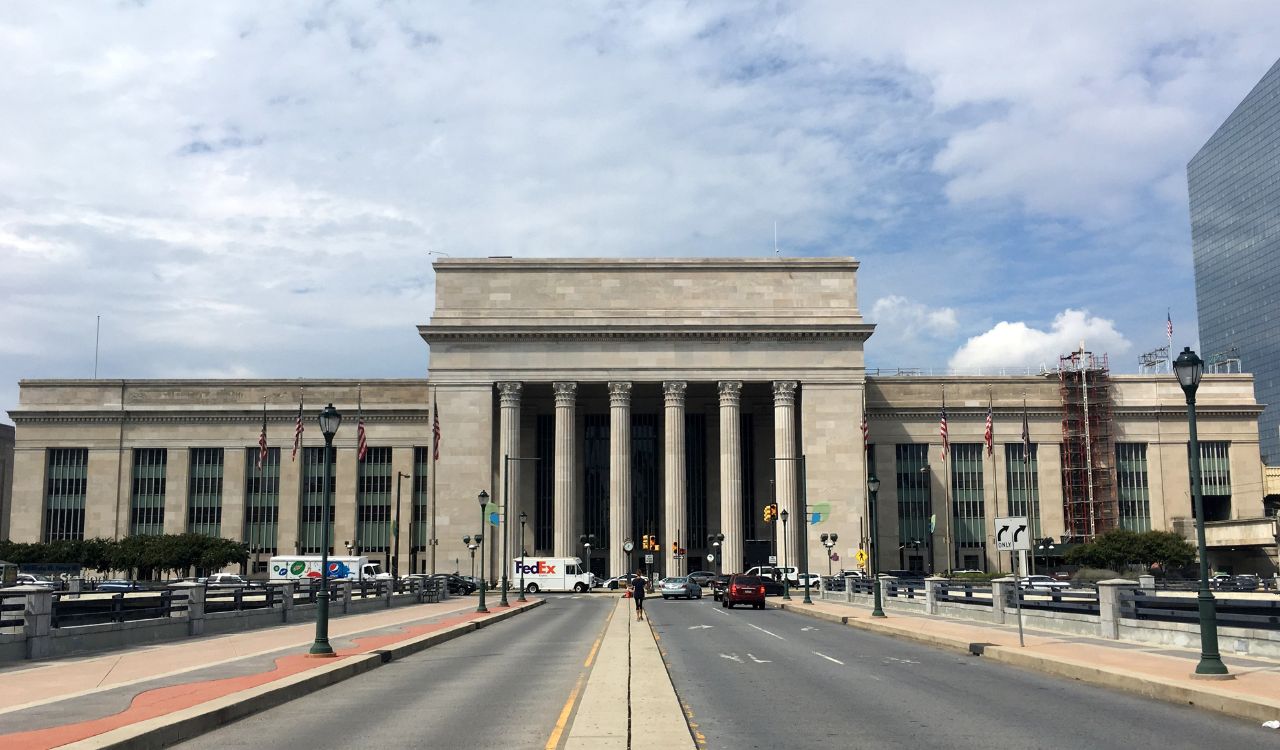
Philadelphia, a key swing state city, hosts rallies drawing 15,000–25,000 people in central squares. Streets near the historic Old City often close, and public transit can run altered schedules, delaying trips by up to 40%. Security presence is highly visible, with hundreds of officers stationed around event sites. Even casual sightseeing at the Liberty Bell or Independence Hall can feel tense. Travelers often avoid peak election days to minimize exposure to political demonstrations and media frenzy.
3. Milwaukee, Wisconsin, USA
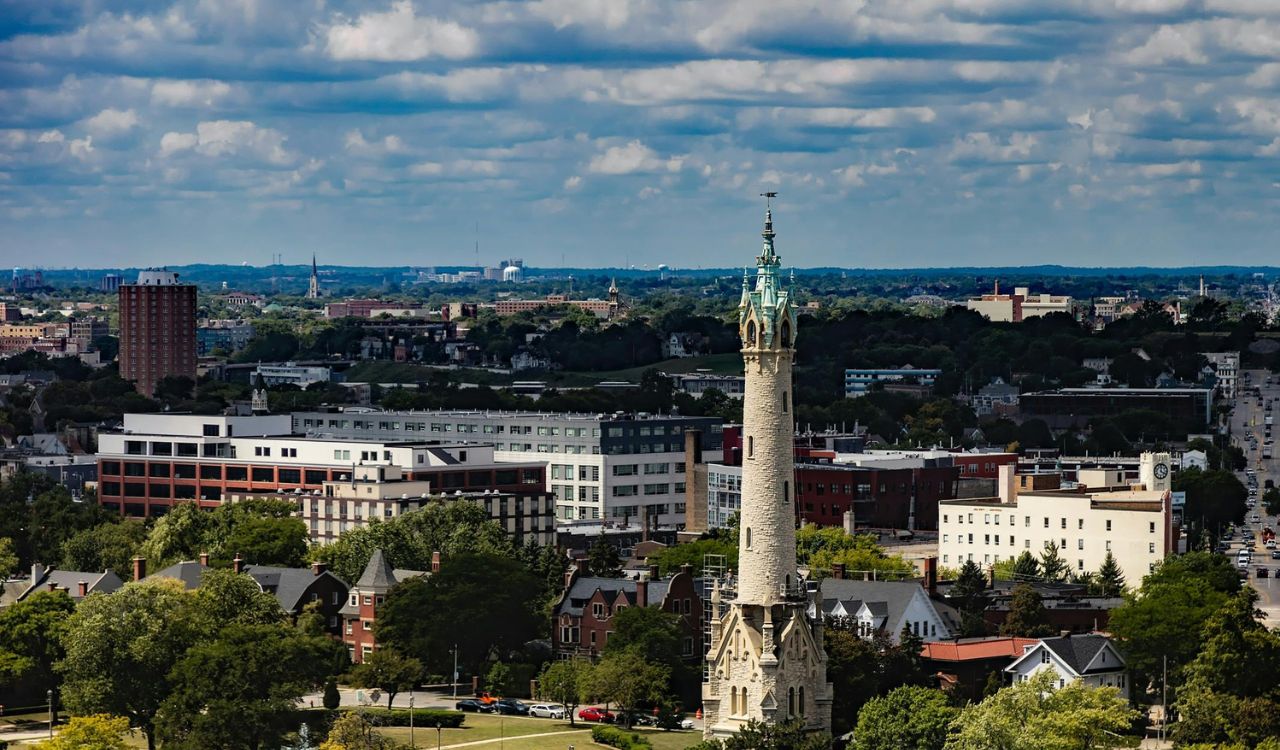
During elections, Milwaukee hosts rallies and campaign events attracting 10,000–20,000 attendees. Downtown streets may close temporarily, and hotels report 15–30% higher rates due to political visitors. The city’s arenas and convention centers become focal points for demonstrations, sometimes requiring extensive police coordination. For visitors seeking a relaxed experience, navigating crowded streets and potential traffic delays can elevate stress, prompting many to postpone travel or choose quieter suburbs for lodging.
4. Phoenix, Arizona, USA
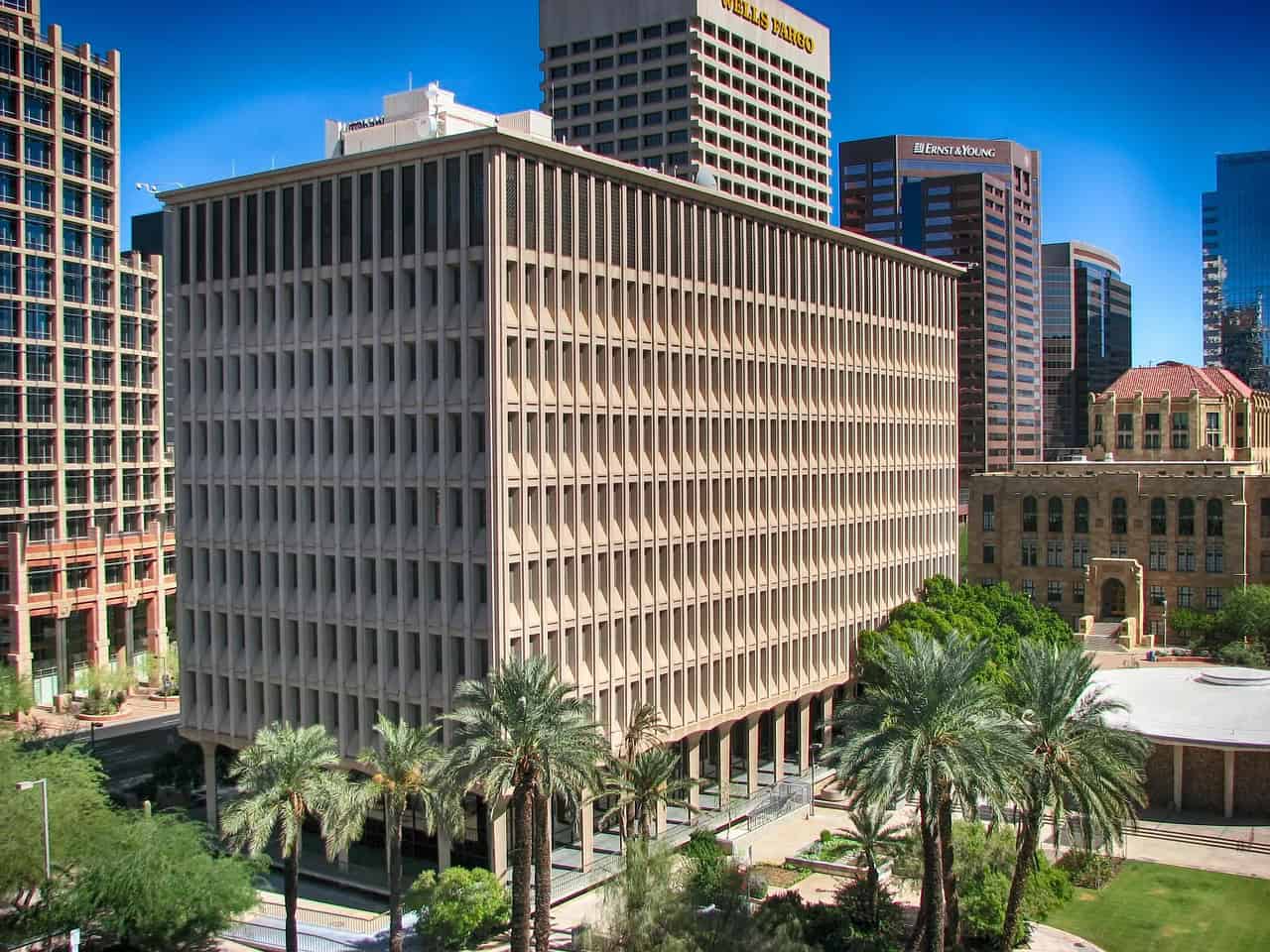
Phoenix sees rallies drawing 8,000–18,000 participants during election years. Central squares and main streets often close, causing traffic backups of up to 45 minutes. Law enforcement deploys hundreds of officers, and security perimeters restrict access to popular areas. Hotel rates near event zones rise 10–25%, and public transport may run altered schedules. Visitors sensitive to crowds or political energy can experience heightened anxiety, making it essential to plan around rally dates or stay in suburban areas.
5. Detroit, Michigan, USA
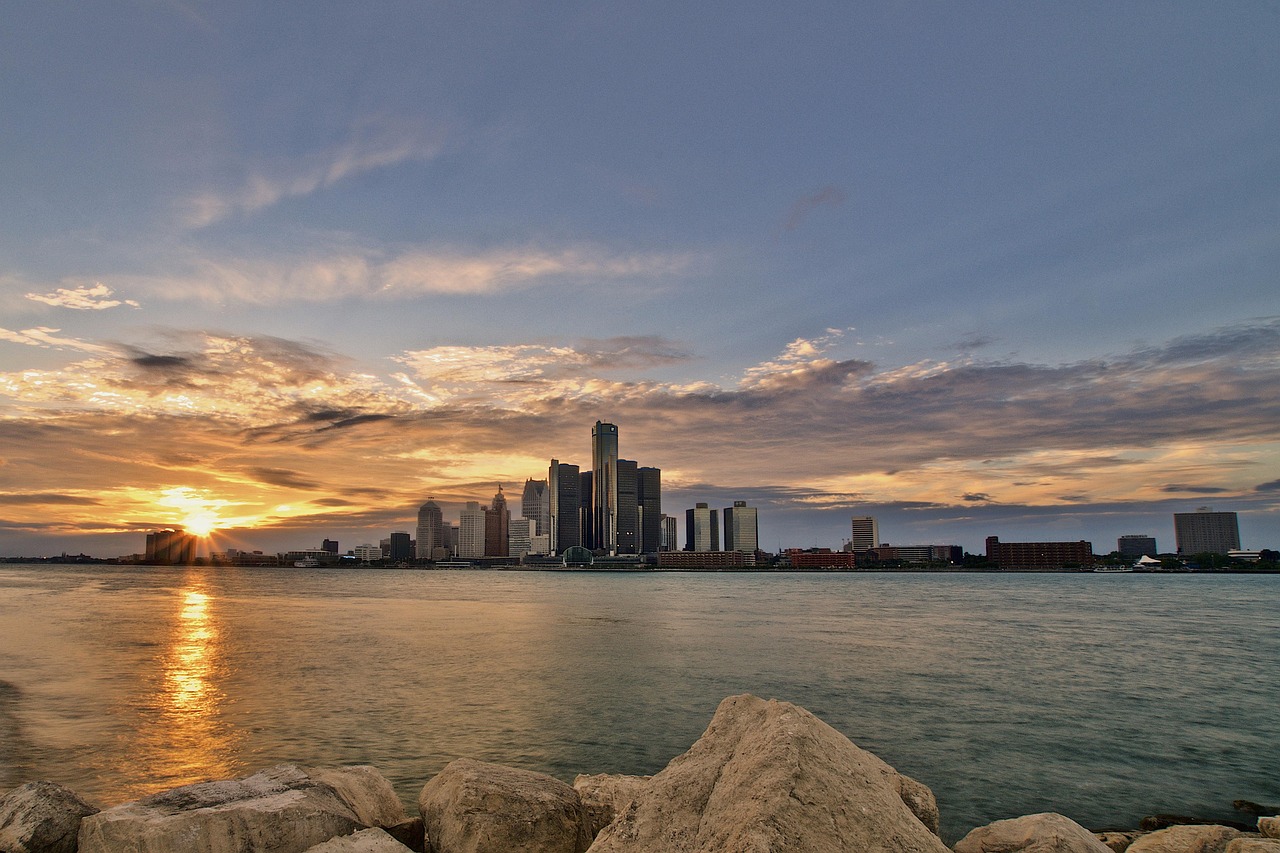
Detroit’s downtown becomes a hub for campaign activity during elections, with rallies hosting 12,000–20,000 attendees. Traffic congestion often delays trips by 30–50 minutes, and visible police presence may feel intimidating for some travelers. Popular destinations like the Detroit Institute of Arts can experience temporary closures or heavy crowds. Hotels in central locations see 20–30% rate increases. Those seeking calm travel experiences may choose off-peak days or quieter neighborhoods to avoid political tension.
6. Charlotte, North Carolina, USA
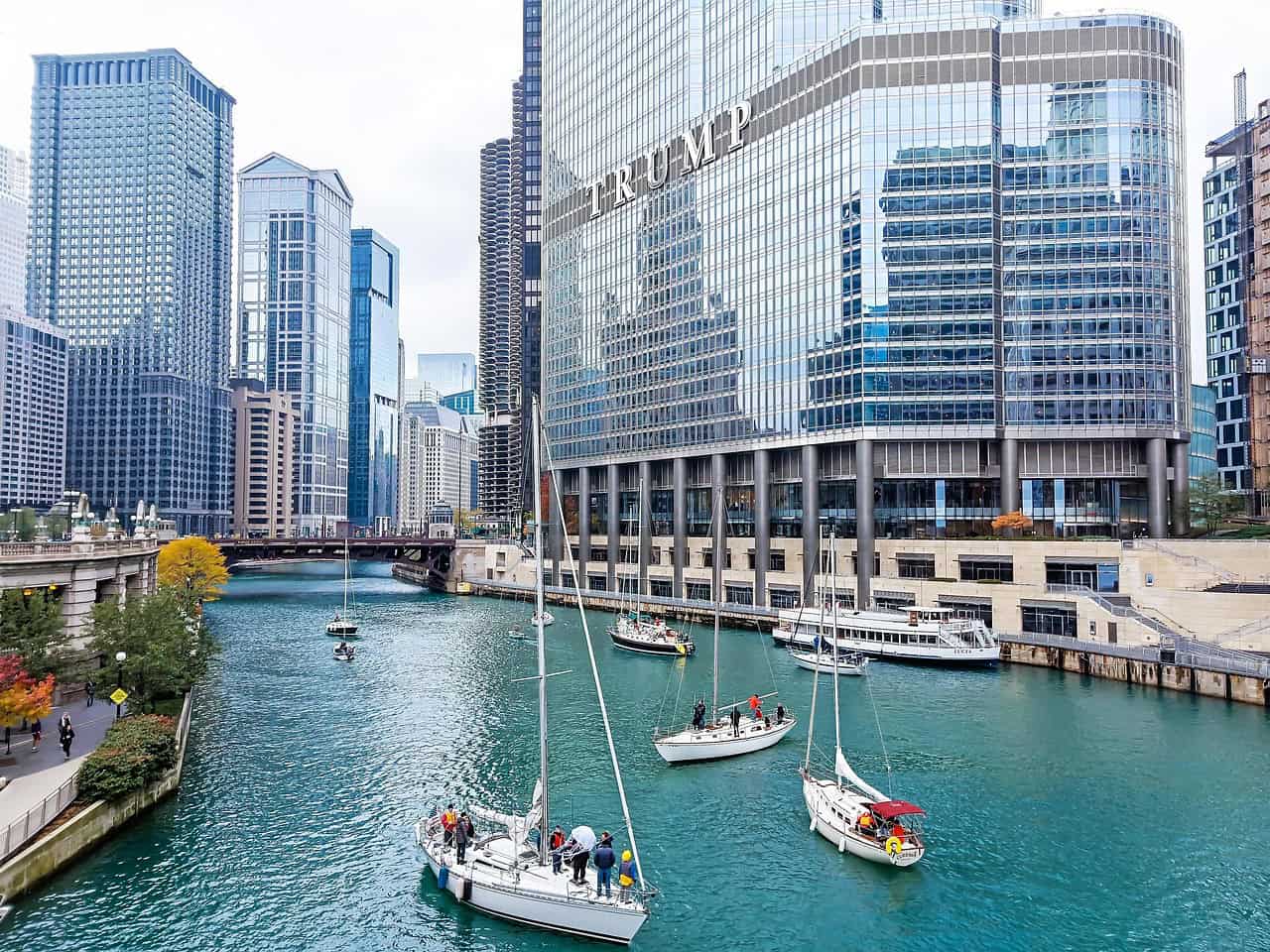
Charlotte frequently hosts rallies that draw 10,000–15,000 participants in arenas and downtown venues. Street closures, heavy security, and media coverage create a charged atmosphere. Tourists may experience longer waits at restaurants and public transport delays of 20–35 minutes. Central hotels often report 15–25% higher prices. Travelers seeking stress-free sightseeing often avoid peak campaign days, preferring suburban accommodations or scheduling visits outside high-activity zones to minimize anxiety.
7. Columbus, Ohio, USA
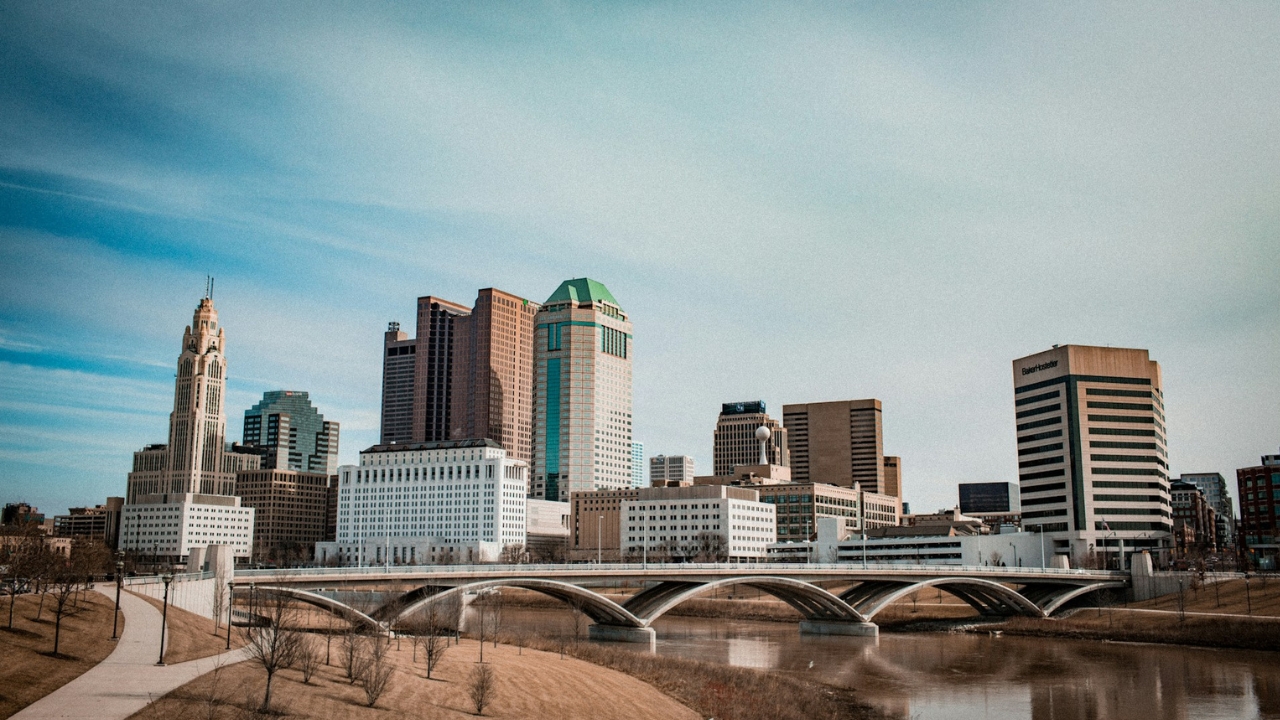
Columbus hosts rallies attracting 8,000–12,000 people during election seasons. Downtown streets can close, public transport reroutes, and local traffic can be delayed by 25–40 minutes. Hotels near event venues report rate increases up to 30%. Visitors exploring areas like the Short North Arts District may encounter loud protests or heavy police presence, making leisure travel challenging. Awareness of event schedules and planning trips around quieter periods is essential for a more relaxed experience.
8. Tampa, Florida, USA
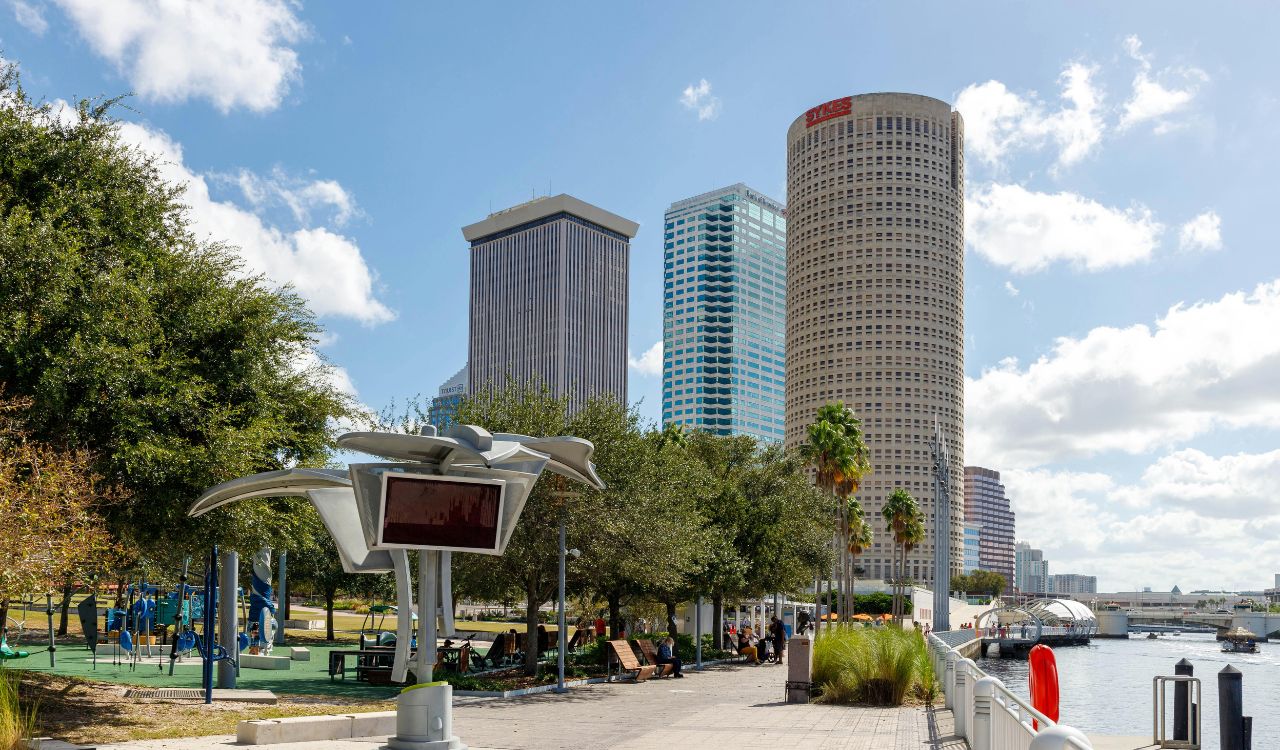
Tampa draws 7,000–15,000 attendees to political rallies in stadiums and public squares. Traffic congestion and police checkpoints can delay movement by 30–50 minutes, while hotels near event areas see price hikes of 10–20%. Restaurants, especially in downtown zones, experience higher demand, making reservations difficult. Tourists sensitive to political tension or crowds may feel anxious navigating the city. Opting for off-peak days or suburban accommodations can reduce stress during election activity.
9. Denver, Colorado, USA
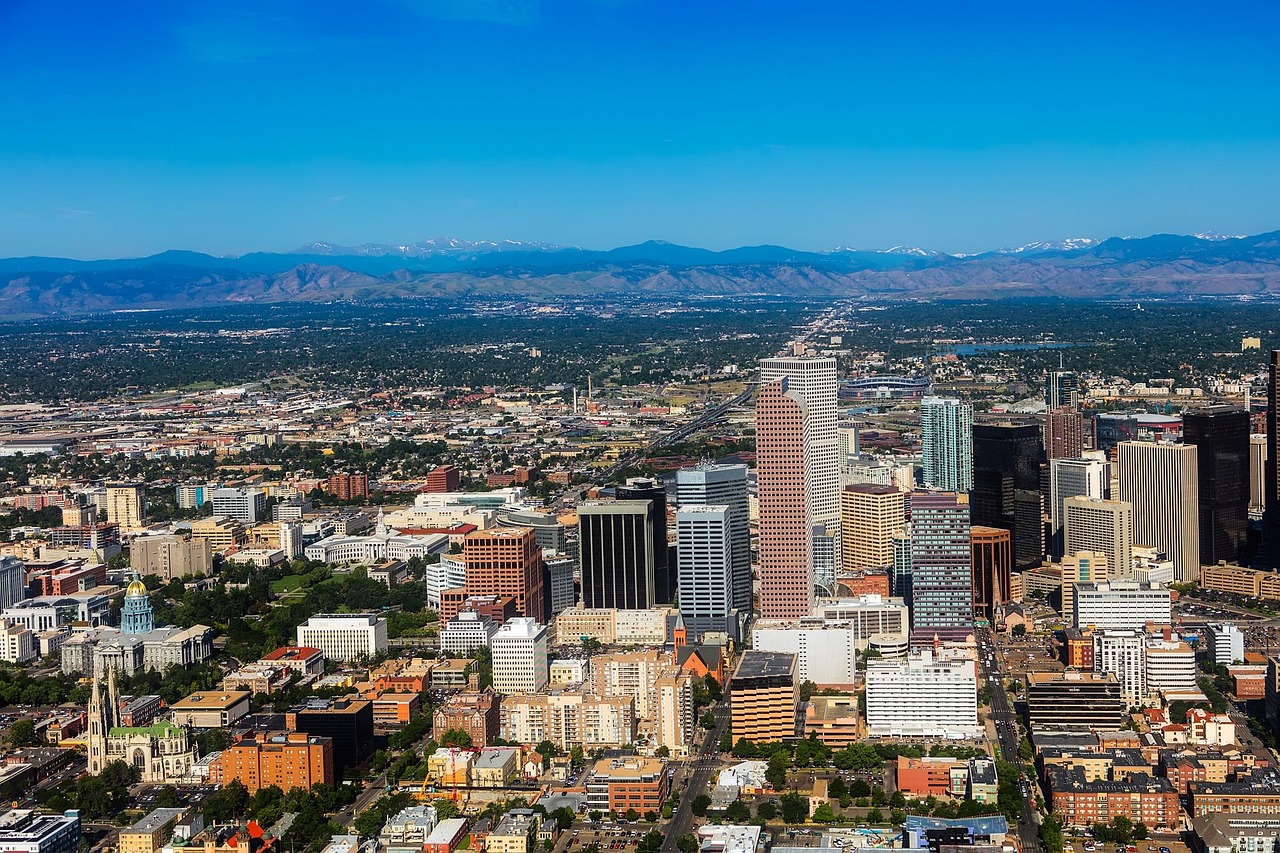
Denver hosts rallies with 8,000–14,000 participants during election years, often near civic centers and downtown squares. Security perimeters, road closures, and media coverage heighten stress levels for visitors. Traffic delays of up to 40 minutes are common, and hotels near rally sites report 15–30% higher rates. Travelers seeking low-stress experiences may find the city overwhelming, particularly if sensitive to crowds, political energy, or visible law enforcement activity. Planning visits during quieter times is advisable.
10. Las Vegas, Nevada, USA
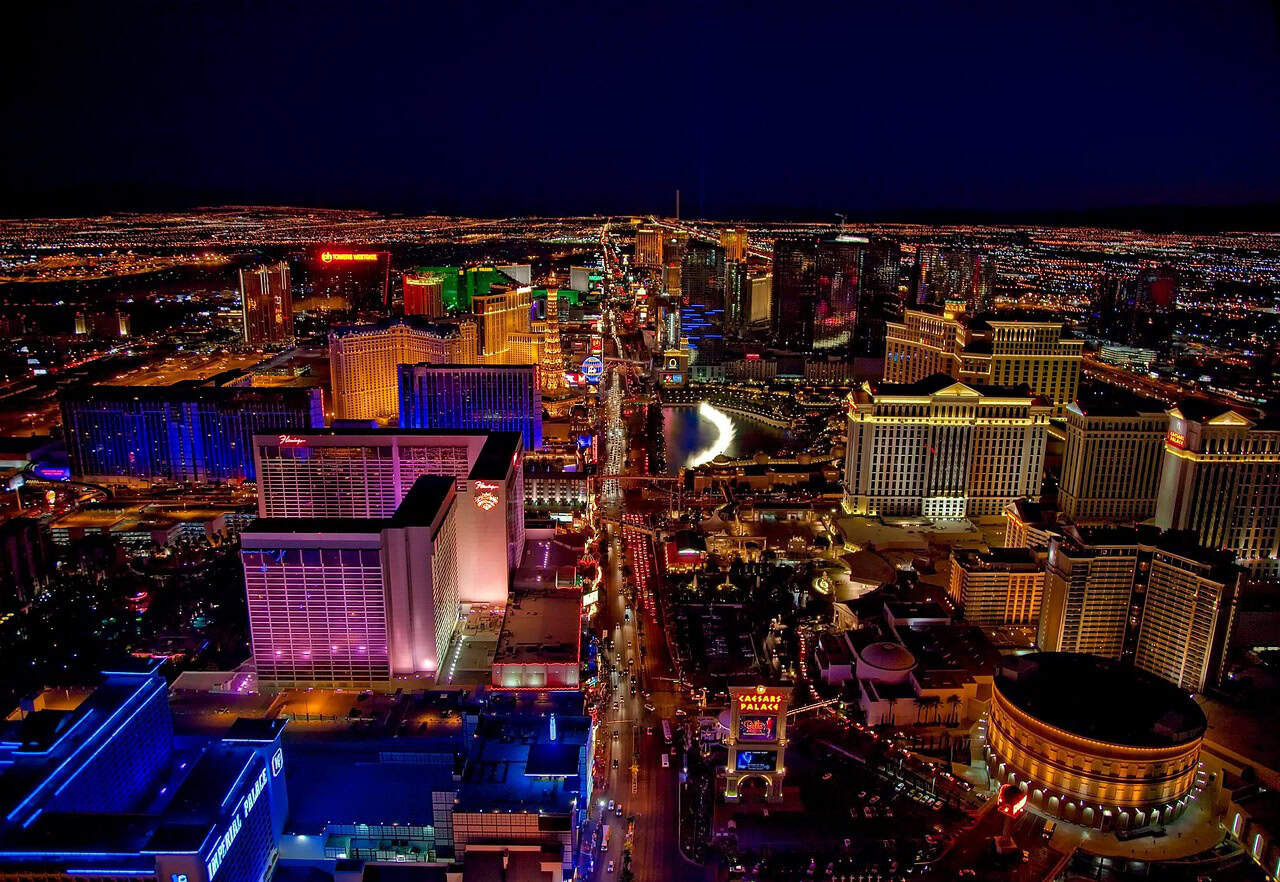
Las Vegas experiences rallies drawing 10,000–20,000 people during national elections. High-profile venues like casinos and hotels become crowded, with rates rising 15–35%. Road closures and heavy police presence around events create logistical challenges, and the mix of tourists and politically active crowds can be overwhelming. Even routine sightseeing along the Strip can feel chaotic. Careful planning, such as avoiding peak rally days or choosing accommodations away from event zones, helps maintain a calm travel experience.