We may earn money or products from the companies mentioned in this post. This means if you click on the link and purchase the item, I will receive a small commission at no extra cost to you ... you're just helping re-supply our family's travel fund.

Travel can be deeply rewarding, but not every destination offers the same level of safety for visitors. In some countries, weak policing, economic instability, and powerful criminal networks create environments where tourists are seen as easy targets. These risks rarely apply everywhere within a country, yet they are serious enough to demand awareness. The list below highlights ten countries where gang activity has repeatedly affected travelers. Each section follows the same structure, combines context with numerical crime data, and focuses on why tourists may be vulnerable, not on sensational fear.
1. Haiti
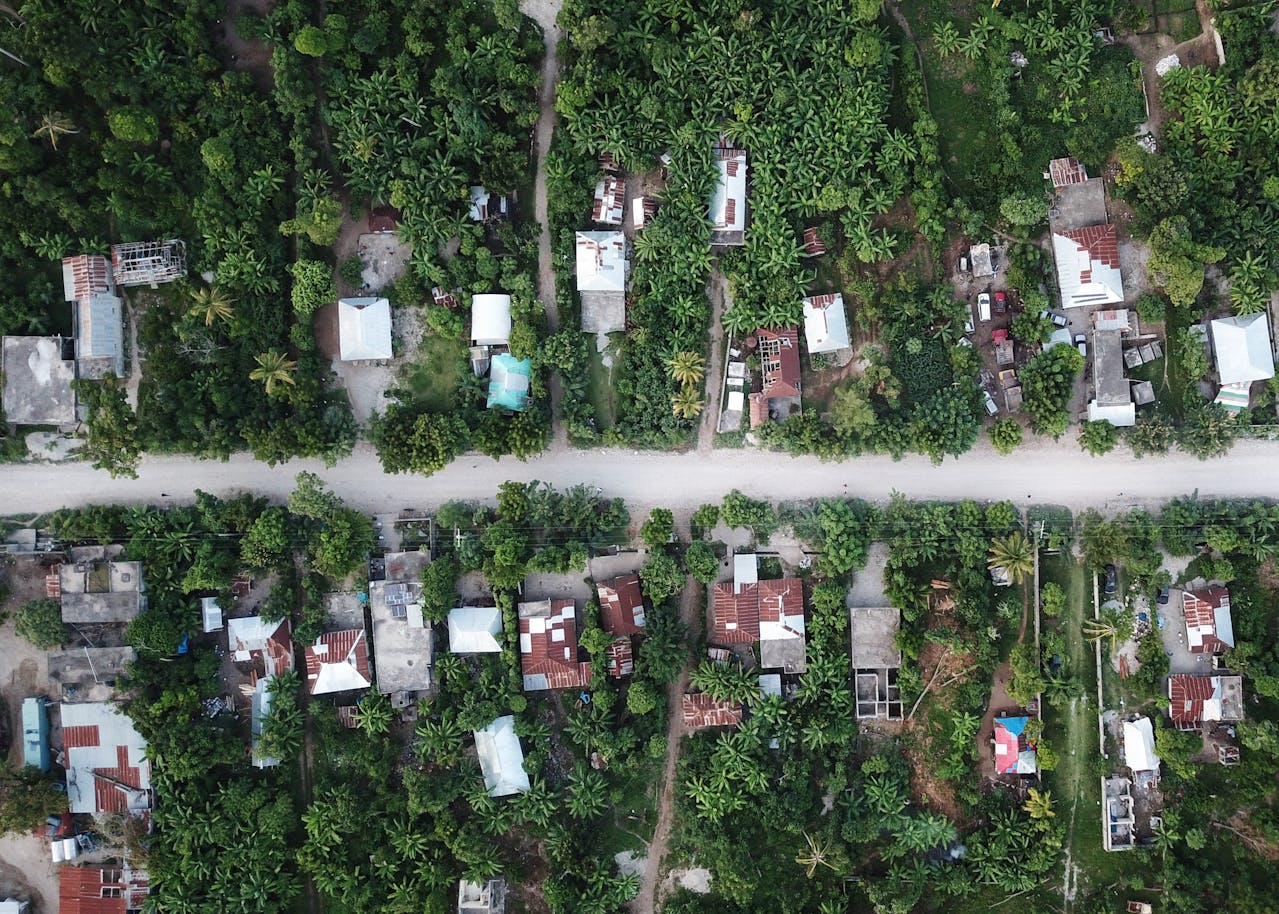
Haiti faces one of the most severe security crises in the Caribbean, with gangs exerting open control over large urban areas. In Port-au-Prince, armed groups dominate key roads, fuel depots, and entire neighborhoods, making movement unpredictable for outsiders. Tourists stand out due to limited local knowledge and reliance on transport routes that gangs monitor. In 2024, Haiti recorded over 5,000 violent deaths, and kidnappings exceeded 1,500 cases, many occurring during daylight hours. Police staffing is extremely low, with fewer than 9 officers per 10,000 residents, reducing response capacity. While tourism is already limited, foreign visitors face high risks of robbery, abduction, or being caught in gang clashes.
2. Venezuela
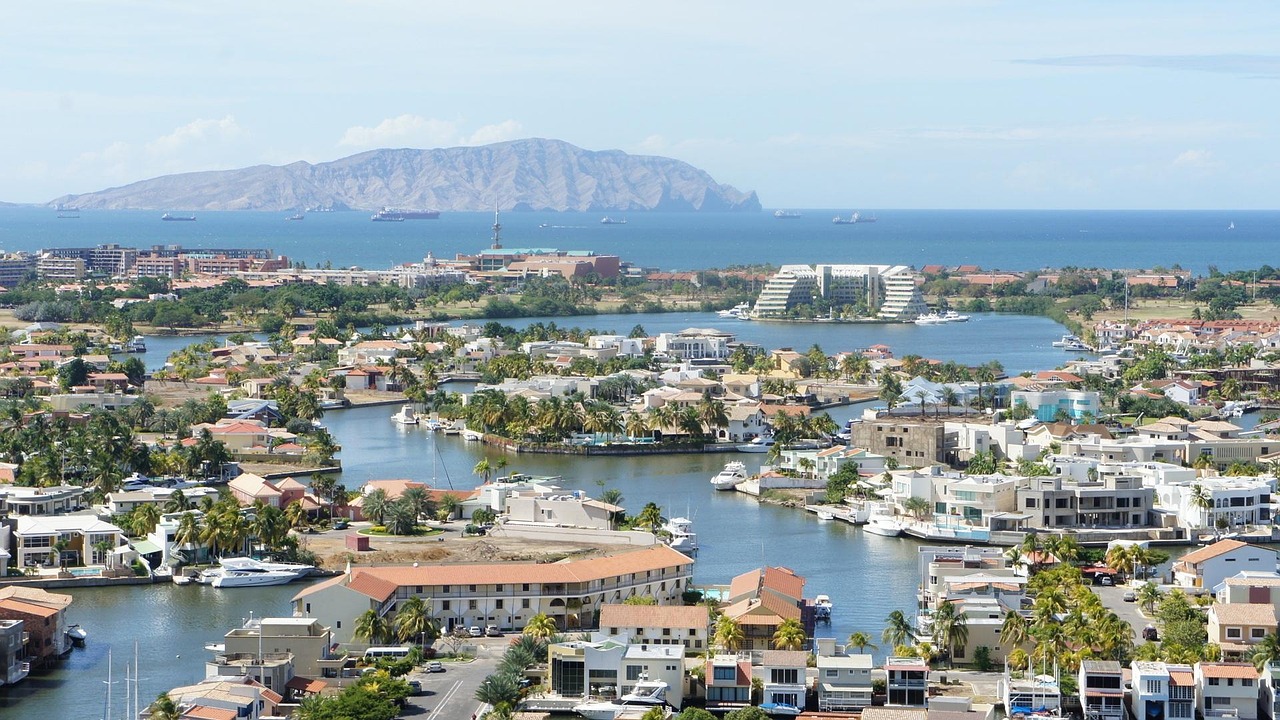
Venezuela’s prolonged economic collapse has fueled organized crime, especially in major cities. Criminal gangs operate alongside corrupt networks, targeting anyone perceived as wealthy, including tourists. Armed robberies, express kidnappings, and ATM-related assaults are common in Caracas and Maracaibo. The national homicide rate has fluctuated but remains high, estimated at 26 murders per 100,000 people in recent years. Power outages and fuel shortages often leave travelers stranded, increasing exposure. Police clearance rates for violent crime remain below 10%, creating near-total impunity. Although some areas have improved, visitors still face elevated risks from street gangs who view foreigners as high-value, low-resistance targets.
3. Colombia
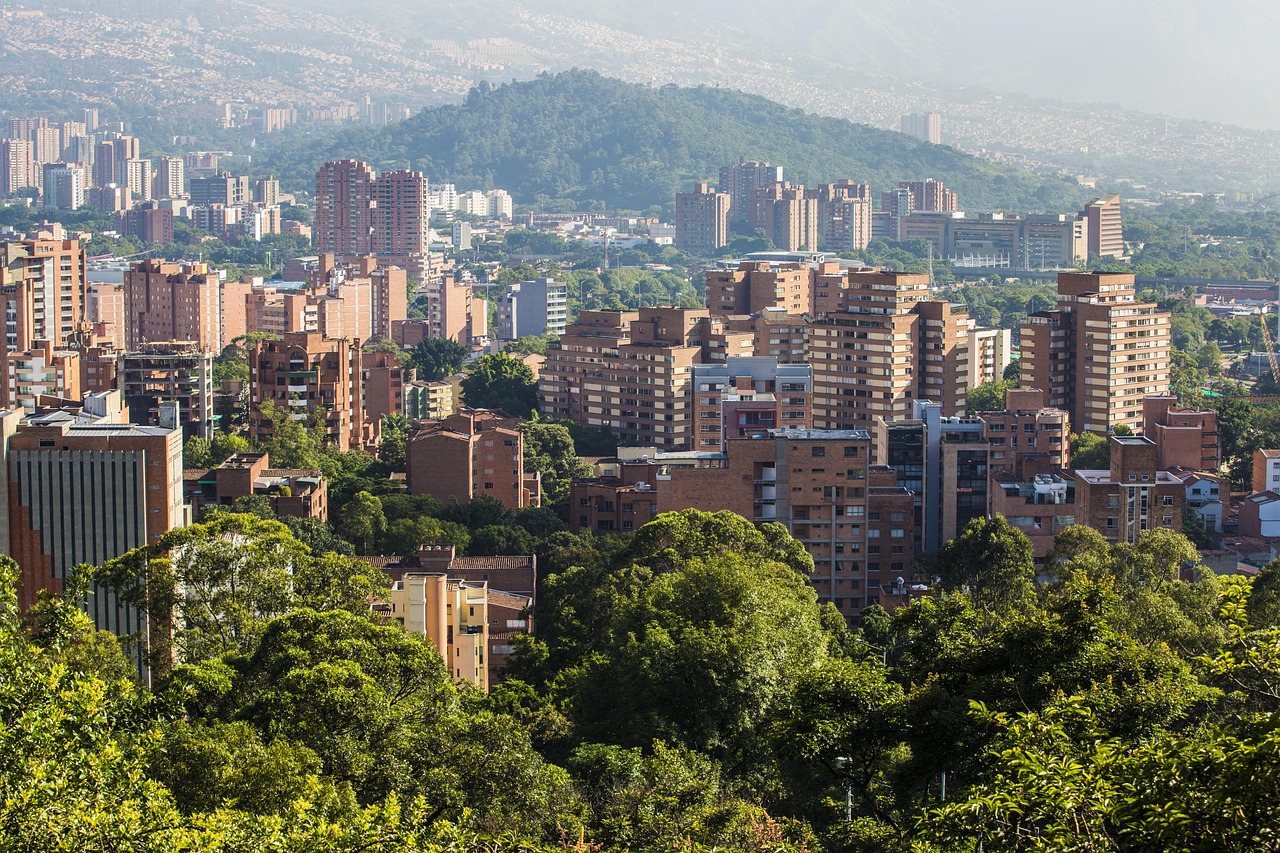
Colombia attracts millions of tourists, yet organized gangs still operate in urban nightlife zones and transport corridors. Criminal groups often use drug-facilitated theft, particularly scopolamine, to incapacitate victims before robbery. Cities like Medellín and Bogotá report hundreds of such cases annually, with foreigners disproportionately affected. In 2023, Colombia logged approximately 13,000 homicides nationwide, with urban robbery rates rising over 18% year-on-year. While police presence is visible in tourist districts, gang members adapt quickly, targeting bars, dating apps, and informal taxis. Travelers unaware of local tactics face heightened risk despite Colombia’s improving international image.
4. Honduras
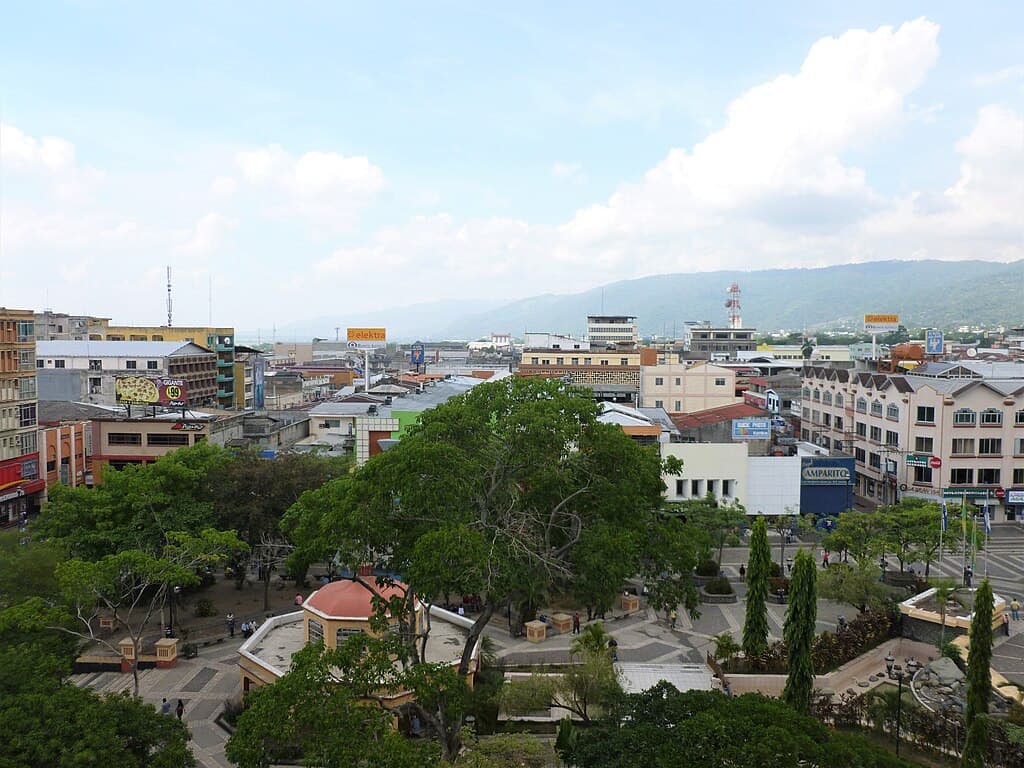
Honduras consistently ranks among the most violent countries in the world due to entrenched gang networks. Groups like MS-13 and Barrio 18 control neighborhoods, transport routes, and extortion rackets. Tourists are vulnerable when moving between cities or using public transport. The national homicide rate recently hovered around 35 per 100,000 people, far above the global average. In cities such as San Pedro Sula, robbery reports involving firearms are common. Kidnapping statistics are underreported, but local NGOs estimate hundreds of cases yearly. Limited police resources and gang intimidation make tourist protection inconsistent outside controlled resort areas.
5. Brazil
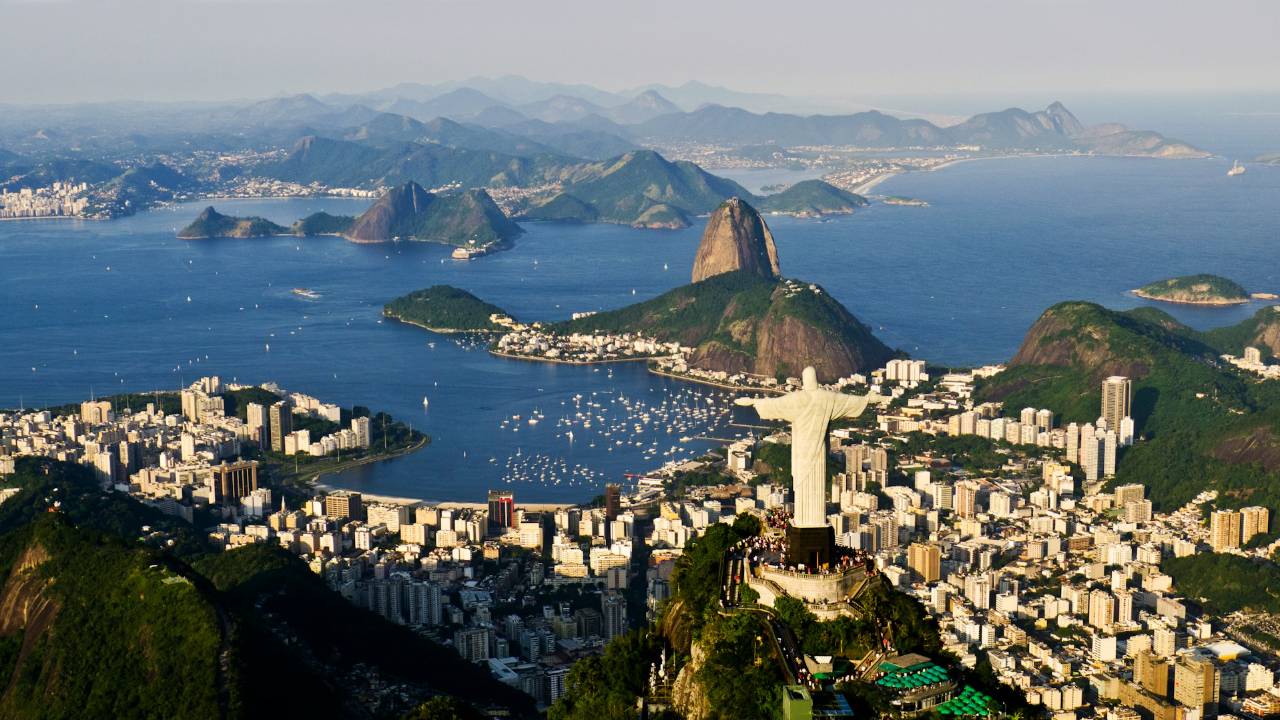
Brazil’s vibrant culture masks deep urban security challenges driven by organized gangs. In cities like Rio de Janeiro, armed groups control favelas and conduct frequent robberies in nearby tourist zones. Tourists are often targeted for phones, jewelry, and cash, sometimes at gunpoint. Brazil recorded over 45,000 homicides in a recent year, with robbery rates exceeding 1 million incidents annually. While tourist police units exist, response times vary widely. Gang-related theft often occurs quickly and violently, leaving little chance for resistance. Even experienced travelers can misjudge boundaries between safe and gang-controlled areas.
6. Mexico

Mexico’s tourism sector thrives, but organized crime remains a serious risk in many regions. Cartels and local gangs dominate drug routes and urban neighborhoods, sometimes overlapping with tourist infrastructure. While resorts are generally guarded, travelers venturing beyond controlled zones face higher danger. Mexico reported approximately 30,000 homicides per year, with certain states exceeding 60 per 100,000 residents. Express kidnappings and highway robberies remain documented threats. Criminal groups may not target tourists deliberately, but foreigners are vulnerable due to unfamiliarity and visibility. Safety varies dramatically by region, making careful planning essential.
7. Ecuador
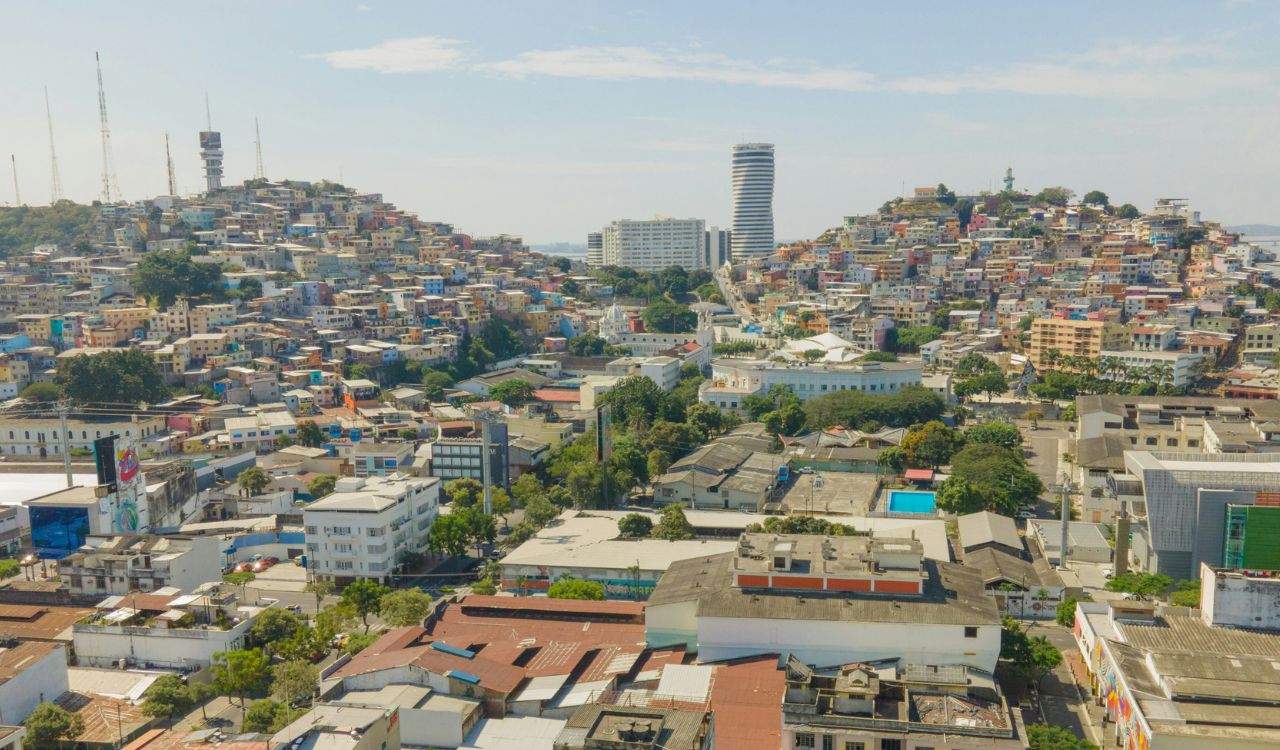
Ecuador has seen a sharp rise in gang violence linked to drug trafficking routes. Once considered relatively safe, cities like Guayaquil now experience frequent armed robberies and prison-linked gang conflicts. Tourists are at risk in transport hubs, markets, and coastal cities. The homicide rate surged from 6 per 100,000 in 2019 to over 40 per 100,000 recently, one of the fastest increases globally. States of emergency have been declared multiple times. Police resources are stretched thin, and gangs often act brazenly. Visitors must remain alert, particularly outside organized tours.
8. Belize
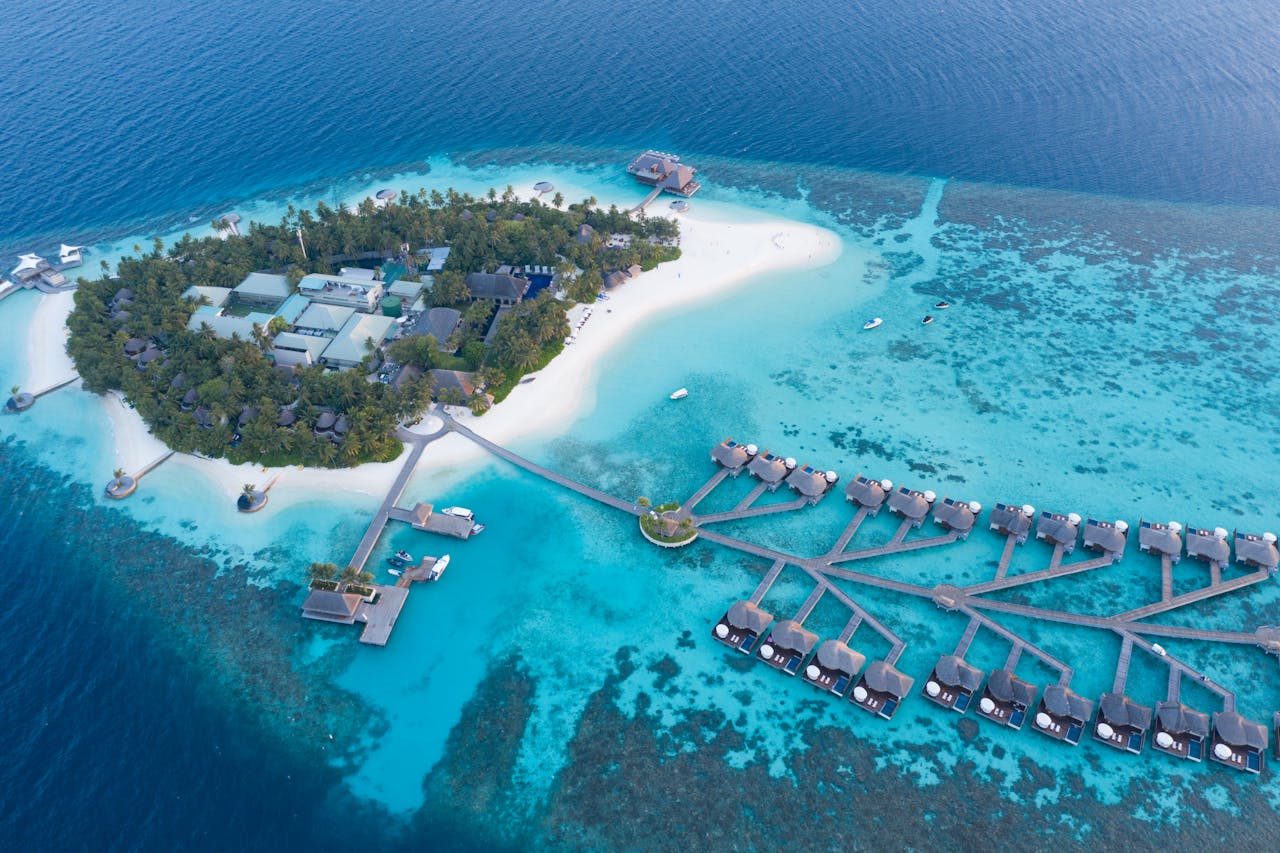
Belize’s small size hides concentrated gang violence, especially in Belize City. Local gangs are involved in drug distribution and territorial disputes, occasionally spilling into public areas. Tourists are rarely targeted intentionally but are vulnerable to armed robberies and theft. The national homicide rate stands around 25 per 100,000 people, high for a country with a small population. In Southside Belize City, firearm incidents occur regularly. Limited law enforcement capacity and slow emergency response increase risk. Coastal resorts are safer, yet independent travel through urban zones requires caution.
9. Philippines
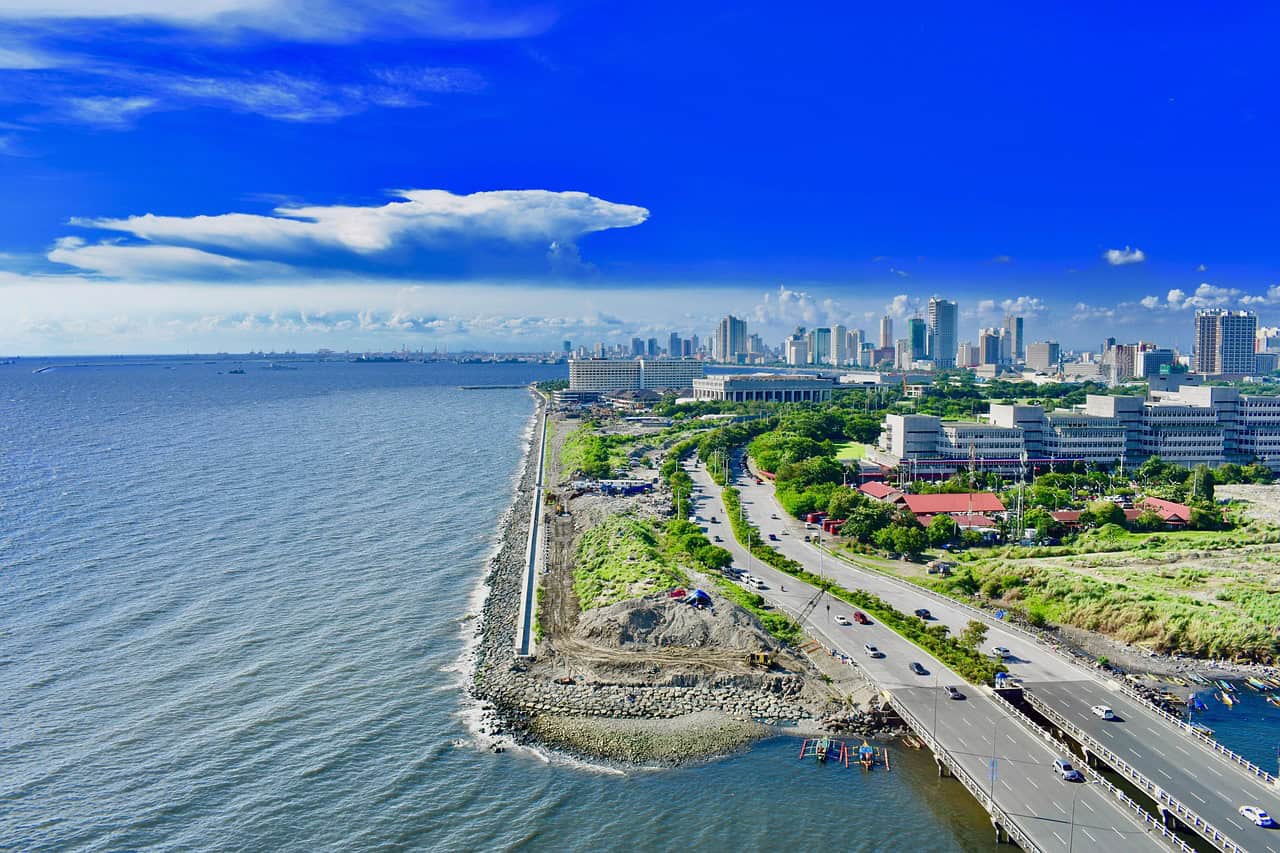
The Philippines offers stunning destinations but faces localized security challenges. Urban gangs in cities like Manila and Cebu engage in pickpocketing, armed robbery, and scams targeting foreigners. In southern regions, criminal and insurgent groups increase kidnapping risks. The country records roughly 8,000 homicides annually, with robbery rates rising in dense urban areas. Tourist visibility, especially among solo travelers, can attract gang attention. Police presence varies, and response times are inconsistent outside central districts. Awareness of local conditions is crucial, as safety can change dramatically within short distances.
10. Costa Rica
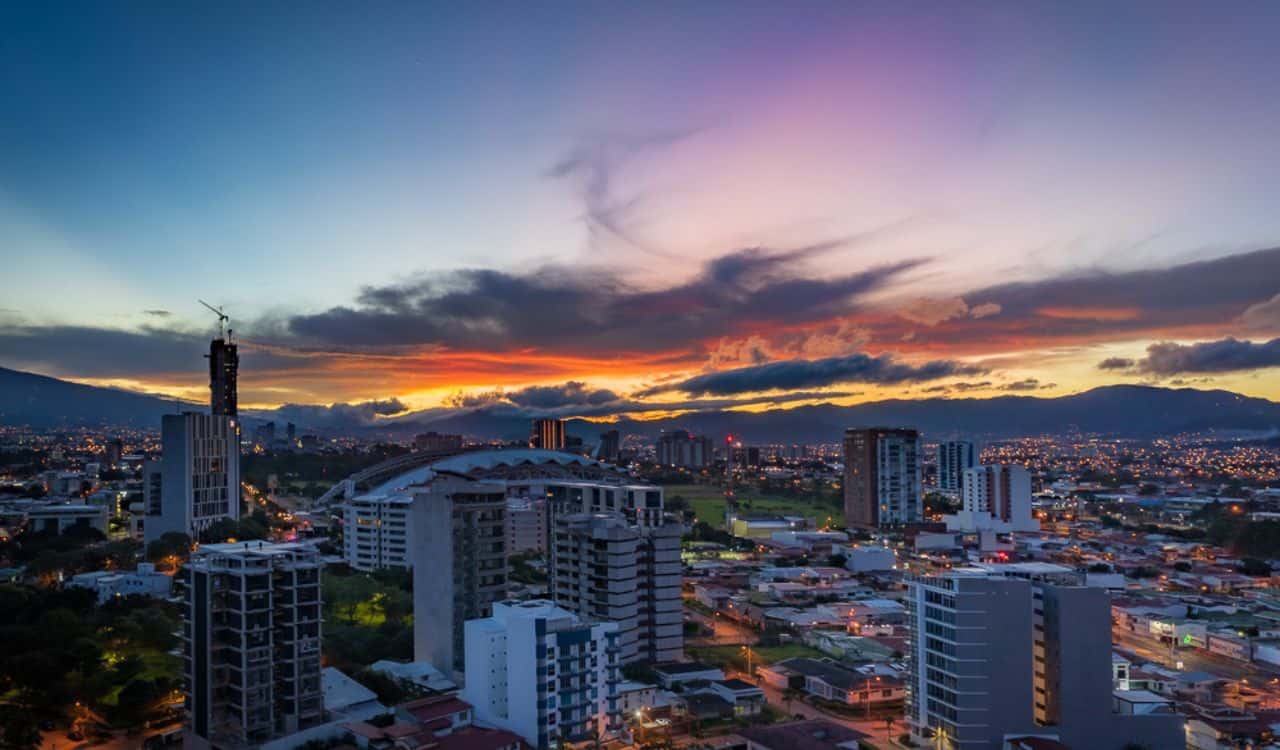
Costa Rica maintains a reputation for safety, yet gang-related crime has risen sharply in recent years. Organized groups linked to drug trafficking have increased armed robberies and home invasions, including incidents involving tourists. The homicide rate climbed to around 17 per 100,000 people, the highest in decades. Theft remains the most common crime affecting visitors, particularly vehicle break-ins near beaches and parks. Police resources are generally professional but increasingly strained. While still safer than many countries on this list, Costa Rica now requires more vigilance from travelers than in the past.