We may earn money or products from the companies mentioned in this post. This means if you click on the link and purchase the item, I will receive a small commission at no extra cost to you ... you're just helping re-supply our family's travel fund.
In the world’s busiest destinations, a traveler’s worst enemy is often confusion: unfamiliar prices, unspoken rules, and the rush of arrivals. Scams thrive in that gap, usually run by a small minority who orbit airports, transit hubs, and landmark streets. Government advisories and travel-safety monitors repeatedly flag the same patterns: distraction theft, fake authority figures, rigged transport, and pressure sales. This gallery highlights countries where those tactics are frequently reported, so the joy of exploration does not come with an avoidable sting.
Spain

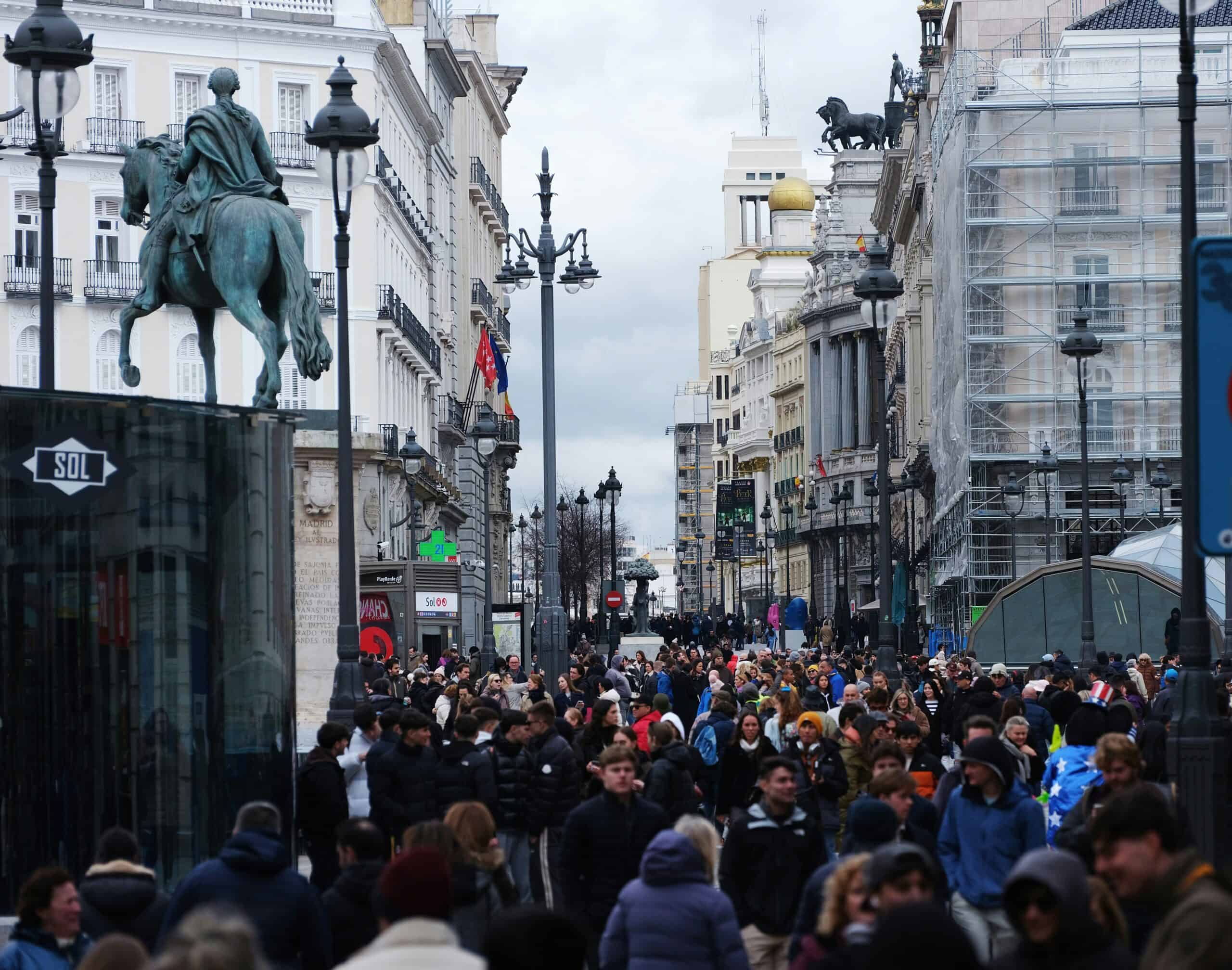
Spain’s big-city energy can make small deceptions feel like background noise, especially in airport check-in lines, metro interchanges, and packed old-town lanes. UK travel advice warns that thieves use distraction techniques and may pose as police to ask to see a wallet, while genuine officers will ask for ID but will not demand purses or wallets. Advisories also flag risks like unofficial money changing and timeshare-style fraud, and the safest rhythm is slow and documented: licensed taxis, official exchanges, and purchases that end with a receipt, with valuables split across pockets to blunt the team’s advantage in crowded plazas at dusk.
France

France can feel effortless until a crowded platform, ticket machine, or landmark stairway becomes a stage for coordinated theft in plain sight. UK travel advice notes that pickpockets can work in gangs, using distraction while another person goes into a bag, with repeated trouble reported on the Paris Metro, RER lines, and main stations. The loss is rarely cinematic; it is quick, practiced, and built on politeness, and the shock arrives later, when cards fail at a hotel desk and a missing passport turns a museum day into hours of calls, reports, and queues. Bags kept close and valuables split across pockets cut the payoff on crowded weekends.
Italy
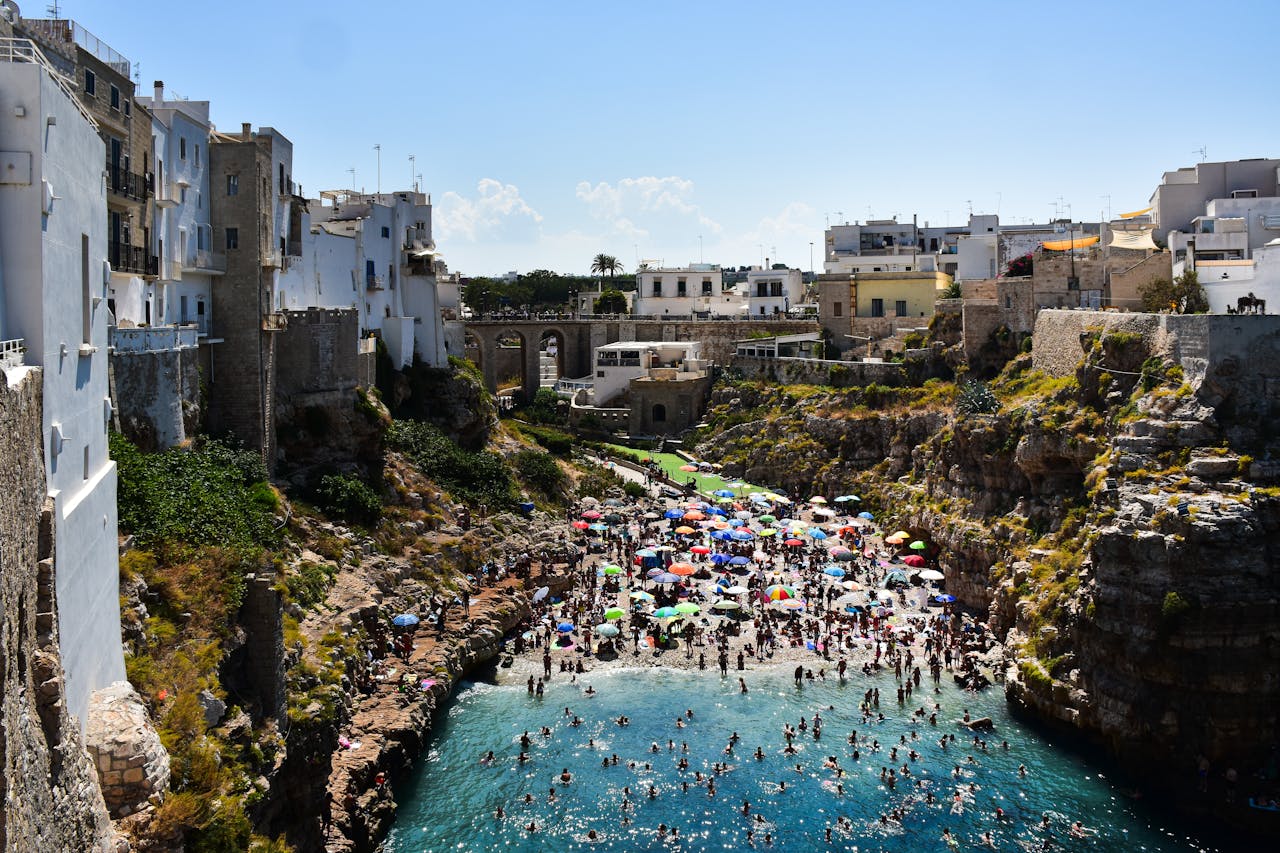
Italy’s romance is real, and so is the reality of fast hands in the busiest centers where crowds compress and attention drifts. UK travel advice flags higher levels of petty crime, including bag-snatching and pickpocketing, particularly in city centers and at major tourist attractions, and it warns about thieves using distraction techniques. A day in Rome, Florence, Venice, or Milan can move from gelato to cathedral steps to a packed train, and that constant motion is where a phone, passport, or card can disappear, leaving museum tickets unused and the rest of the trip organized around police reports and replacement documents by evening too.
Turkey

Turkey’s hospitality is legendary, but major tourist districts can attract opportunists who treat visitors as walking currency exchanges. UK travel advice says street robbery and pickpocketing are common in major tourist areas of Istanbul, and it cautions against strangers offering to change money or steer people toward restaurants or nightclubs. In nightlife corridors, the risk often arrives dressed as friendliness, then flips into pressure, confusion, and a bill that grows fast, especially when alcohol is involved and decisions are made mid-laugh, not on a menu. Advisories flag counterfeit notes and spiked drinks so caution stays practical.
Thailand
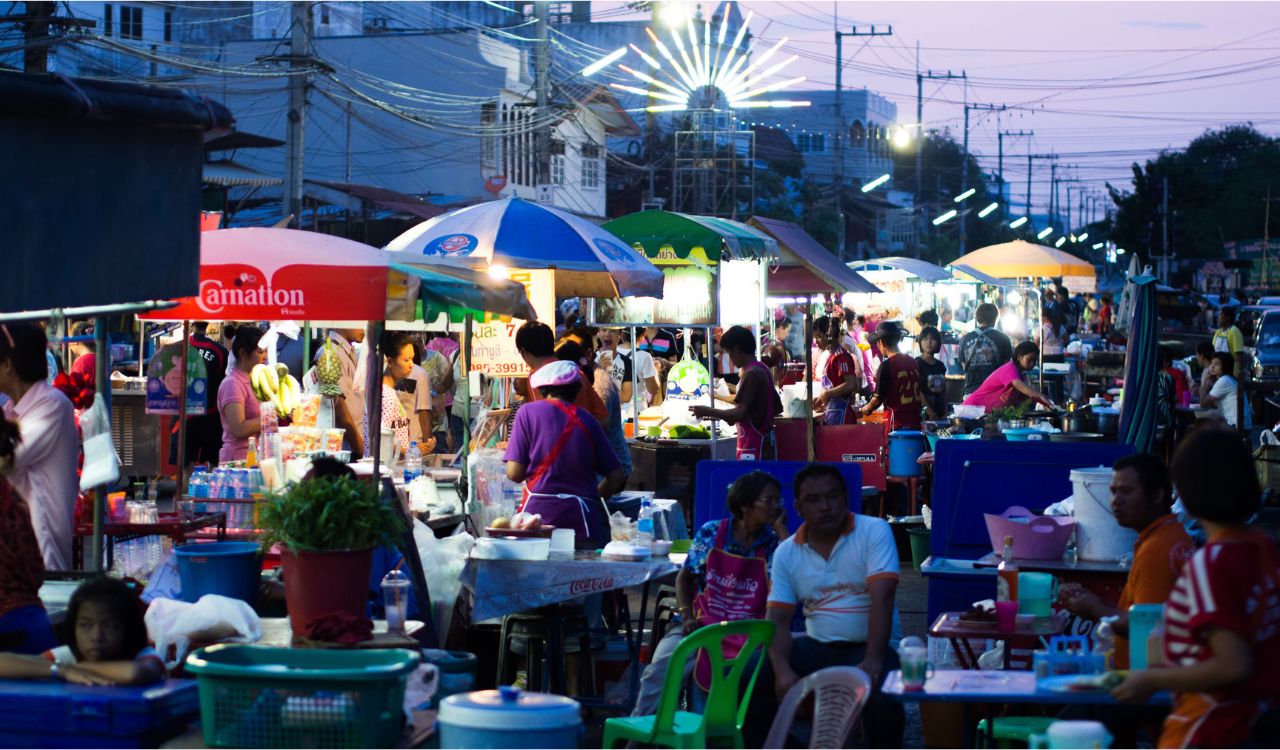
Thailand’s travel rhythm moves quickly, and transportation is where many money traps begin, especially near temples, malls, and nightlife strips. Australia’s Smartraveller warns that friendly taxi or tuktuk drivers offering cheap tours may take passengers to commission shops, where people may be overcharged or sold worthless goods or gems, and it advises agreeing on fare and route for unmetered rides. The trick is rarely subtle; it leans on speed and smiles, turning a short ride into an unwanted shopping circuit, and leaving visitors paying extra for the privilege of getting lost. A written price and a fixed route make the pressure melt fast.
Vietnam
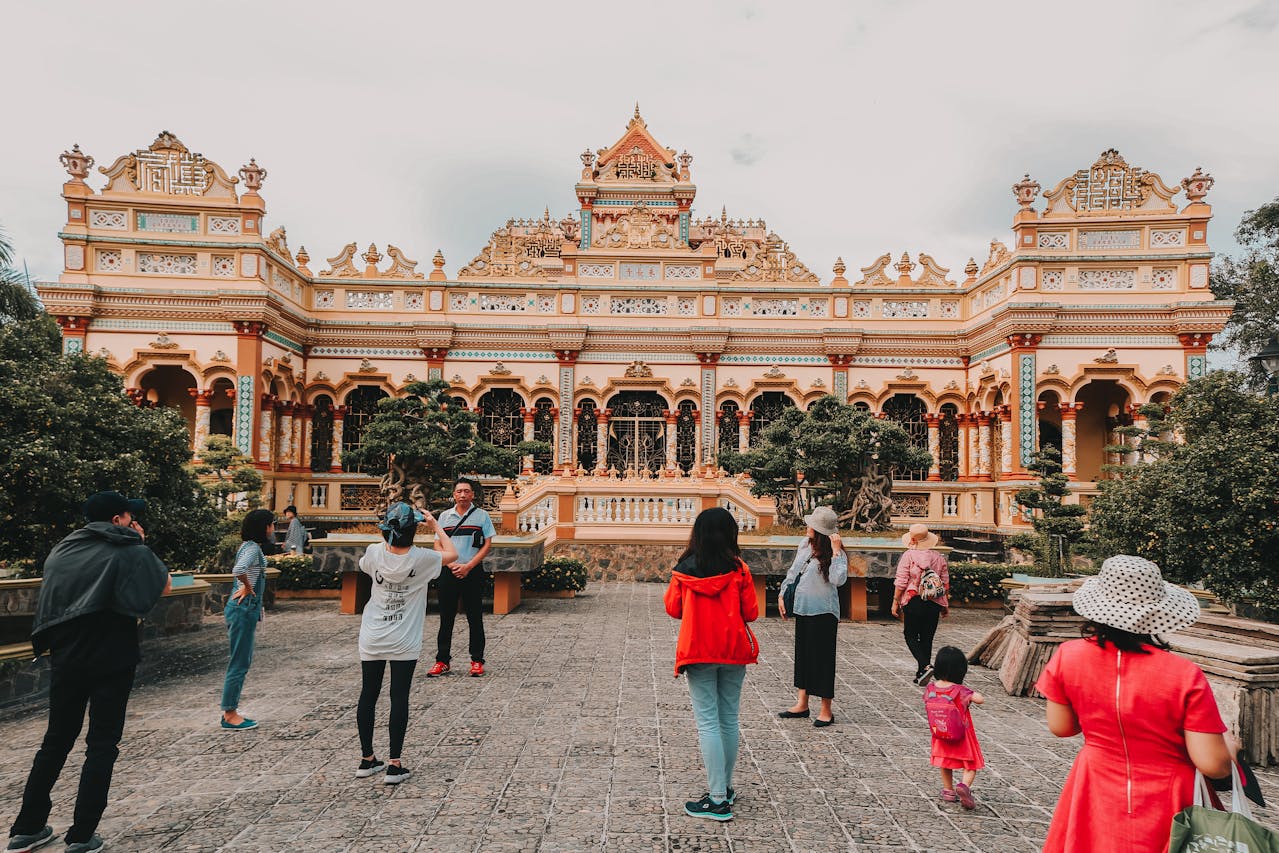
Vietnam’s street life is part of its magic, but crowded tourist zones also create easy openings for theft during busy evenings and holiday surges. UK travel advice says violent crime against foreigners is rare, yet petty theft and pickpocketing occur regularly, with bag-snatchers operating in crowded areas and places visited by tourists, and with seasonal spikes around holidays like Tet. In Hanoi and Ho Chi Minh City, a fast curbside moment can separate a person from a phone or wallet, and the aftermath is often the same: canceled cards, a new SIM, and a sudden awareness of how quickly a vibrant street can turn indifferent for days afterward.
India
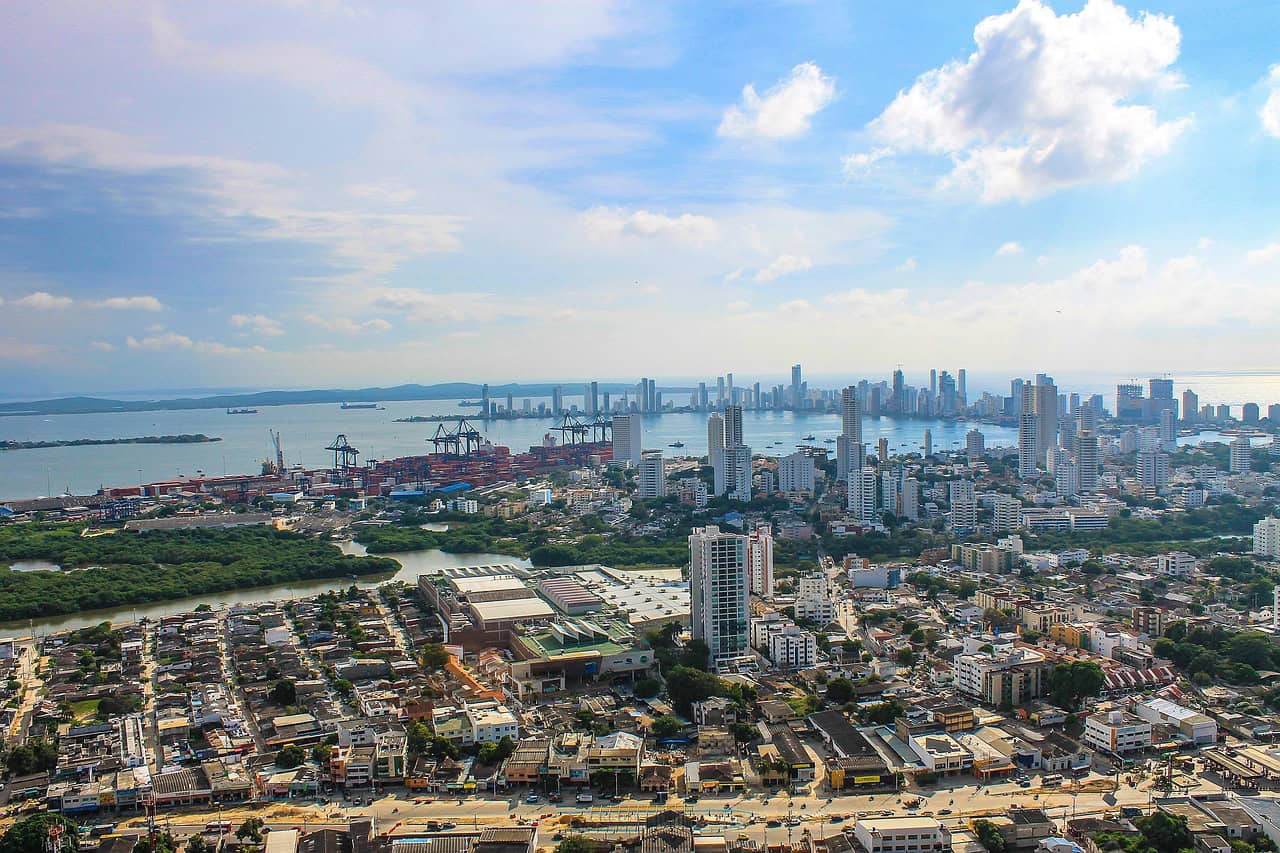
India can feel intensely welcoming, but scale and speed make it a place where small frauds cluster around stations, monuments, and busy markets. Australia’s Smartraveller notes that scams are common, including fake tour guides, ATM and credit card skimming, and fraudulent access to government services, alongside petty theft in crowded areas. In Delhi, Agra, and Jaipur, the pattern often starts with reassurance and urgency, then turns into rerouted plans, surprise fees, or compromised cards, and the safest trips are the ones built on verified bookings and a paper trail. A small pause to confirm names, prices and IDs can drain the scam’s power.
Mexico

Mexico’s beach cities and historic capitals can be dazzling, yet official advisories repeatedly warn about scams that mimic authority and demand quick payment. UK travel advice cautions that criminals may pose as police officers and try to fine or arrest travelers for no reason, and it also notes that some genuine officers have extorted money for alleged minor offenses or traffic violations. In Cancun, Mexico City, and popular driving routes, the safest posture is quiet firmness: pay fines through official channels, keep passports in hand, and treat any roadside urgency as a cue to slow down and verify identities, not to argue before paying.
Dominican Republic

The Dominican Republic sells sunshine, but card fraud is a frequent shadow in busy resort economies and nightlife zones. Canada’s travel advisory warns that credit, debit, and ATM fraud occur frequently, including card reader tampering or skimming, and it advises extra caution when paying or withdrawing cash. The harm is often quiet and delayed: a clean-looking terminal, a normal receipt, then charges that appear days later, turning a post-trip glow into a bank call, a dispute form, and a calendar of follow-ups. ATMs inside banks, covered keypads, and early statement checks can cut losses, but limiting card handoffs matters most at checkout.
Morocco
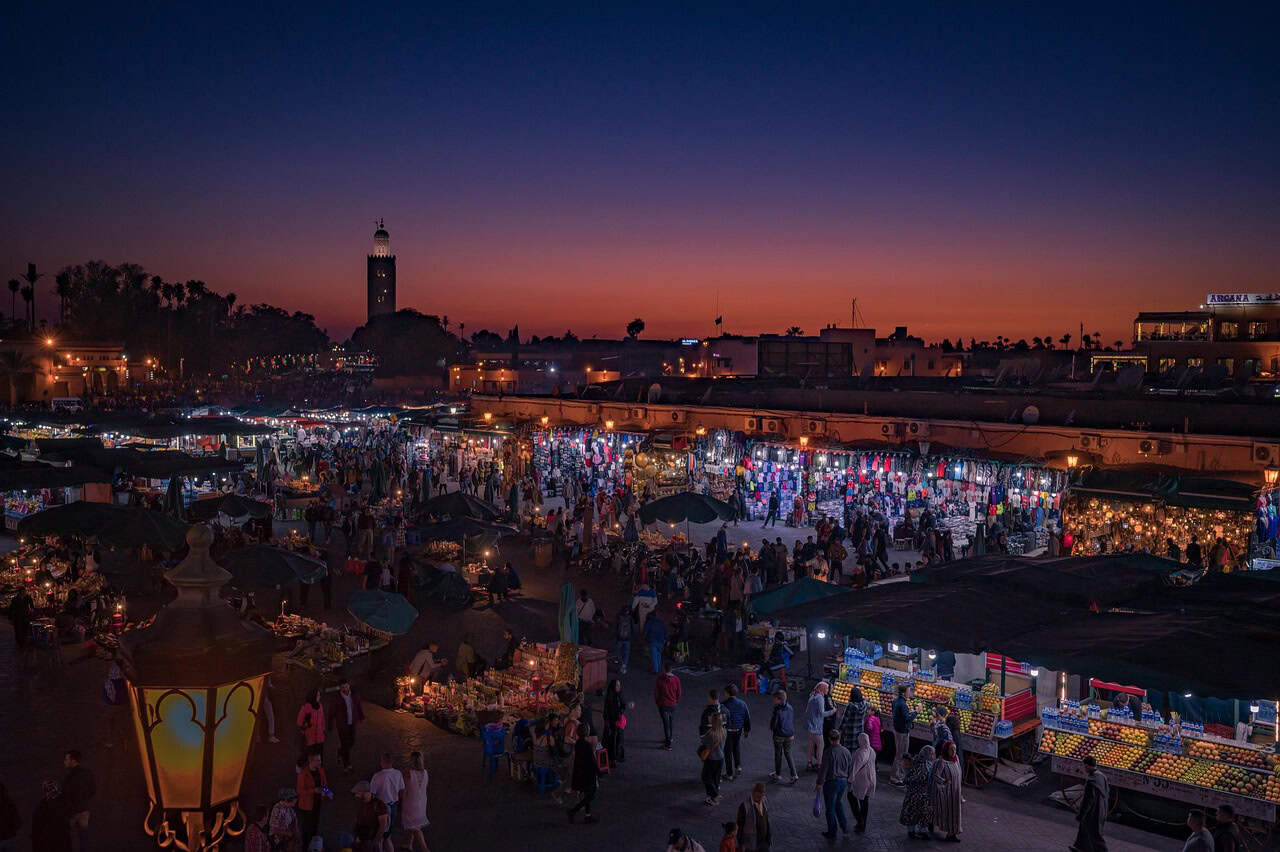
Morocco’s medinas are unforgettable, and they can also be places where pressure tactics thrive in narrow lanes and busy squares. Canada’s travel advisory notes that petty crime and scams occur, especially in medinas, market areas, parks, and beaches, while Australia’s Smartraveller warns that scams and fraud can include double-charging cards and swapping purchased goods for lower-quality ones. In Marrakech and Fez, the line between help and hustle can blur fast, and the most comfortable days are the ones guided by licensed services, clear prices, and the confidence to decline a too-friendly escort without a debate.