We may earn money or products from the companies mentioned in this post. This means if you click on the link and purchase the item, I will receive a small commission at no extra cost to you ... you're just helping re-supply our family's travel fund.
Quality of life is not one perfect statistic. It shows up in the small, repeatable parts of a week: a commute that works, health care that feels reachable, and streets that feel safe after dark. The countries that score well across global measures tend to share the same habits. They invest in public services, protect time outside work, and keep nature close enough to be part of ordinary routines. The result is not a fantasy. It is a steadier baseline that makes daily life feel lighter.
Switzerland
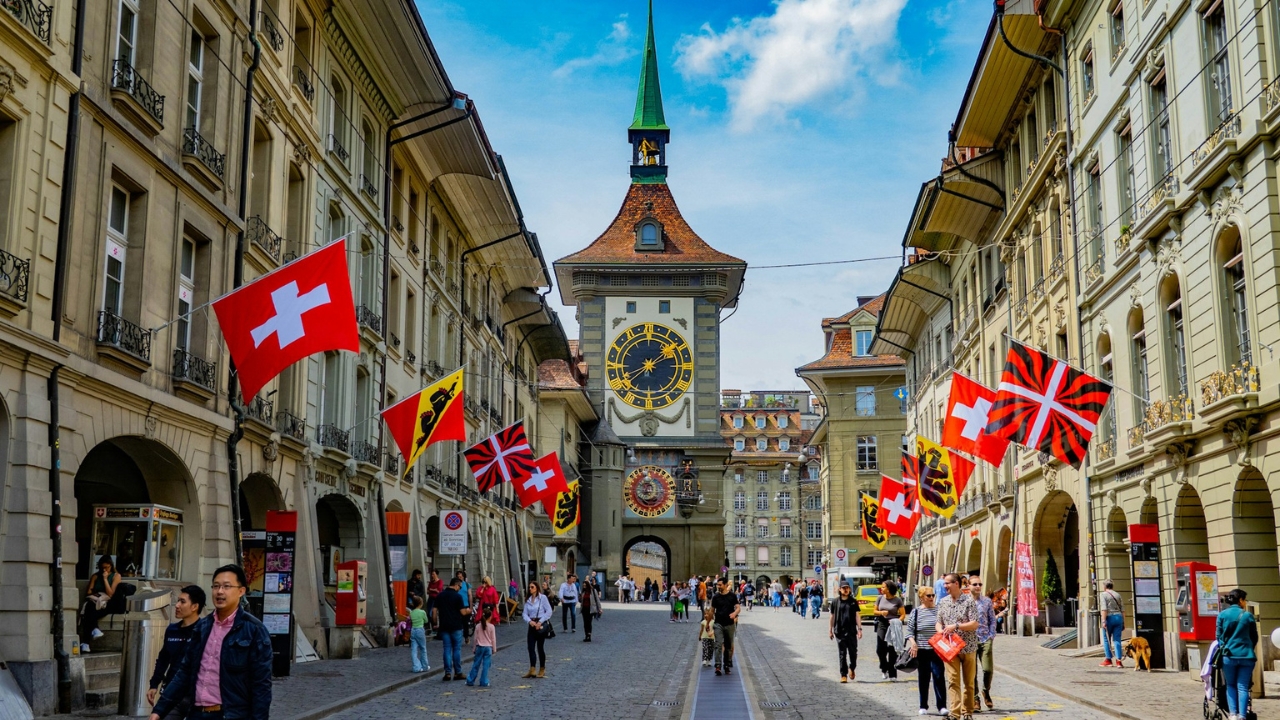
Switzerland turns high wages and strong infrastructure into a daily sense of ease, from punctual trains to well-funded local services. It sits at the very top tier of the UN’s Human Development Index, reflecting long life expectancy, strong schooling, and high incomes. Cities like Zurich and Geneva often rank among the world’s most livable, and the Alps sit close enough to make outdoor time feel routine, not rare. The tradeoff is cost, yet the payoff shows in clean streets, reliable systems, and a culture that treats time and craft as serious priorities. Even winter feels organized, with transit, trails, and cities working in sync.
Norway
CC BY-SA 4.0/Wikimedia Commons
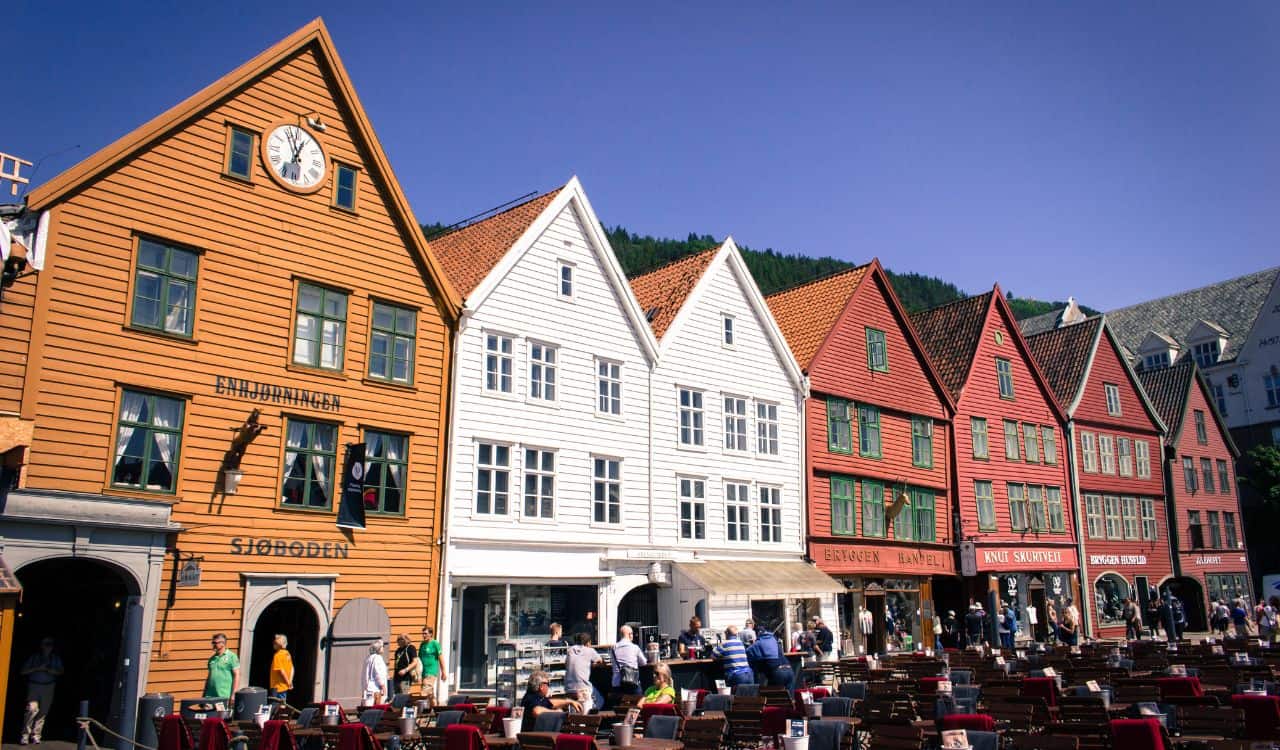
Norway pairs wealth with a social model built to keep the floor high for everyone, and it shows in health, education, and stability. It ranks near the top of the UN’s Human Development Index, and its culture of trust makes public life feel straightforward. Oslo delivers museums and waterfront walks, then fjords and forests take over within easy reach, so nature stays stitched into the week. Long winters can be demanding, but they are matched by warm homes, strong public services, and a work culture that protects personal time. Norway often sits near the top in happiness rankings, reflecting steady satisfaction.
Denmark
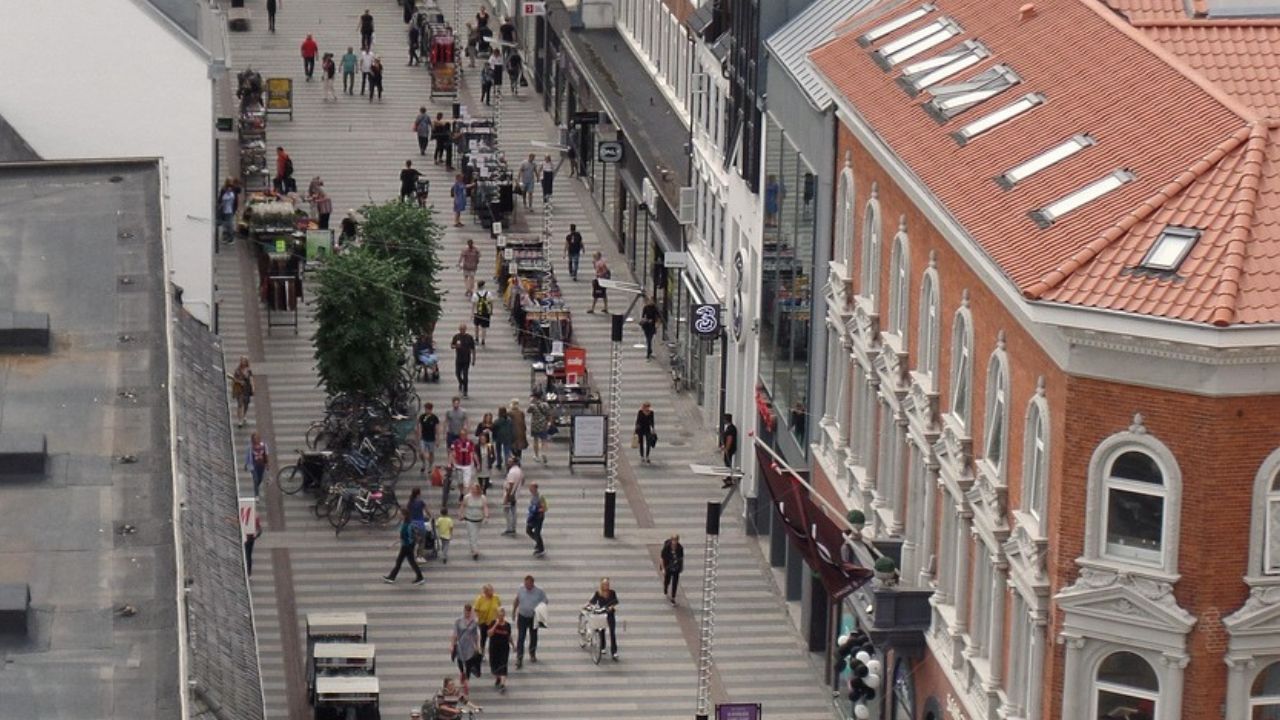
Denmark is known for making the basics work: cycling-friendly streets, efficient services, and a safety net that reduces daily stress. It ranks high on human development and stays near the top of global happiness rankings, helped by social trust and strong support systems. Copenhagen blends clean design with waterfront life, and smaller towns keep parks, libraries, and transit close. The weather can be gray, but the rhythm stays bright through work-life balance and a public realm that invites people outside. Strong education and health outcomes keep the day-to-day baseline steady.
Finland
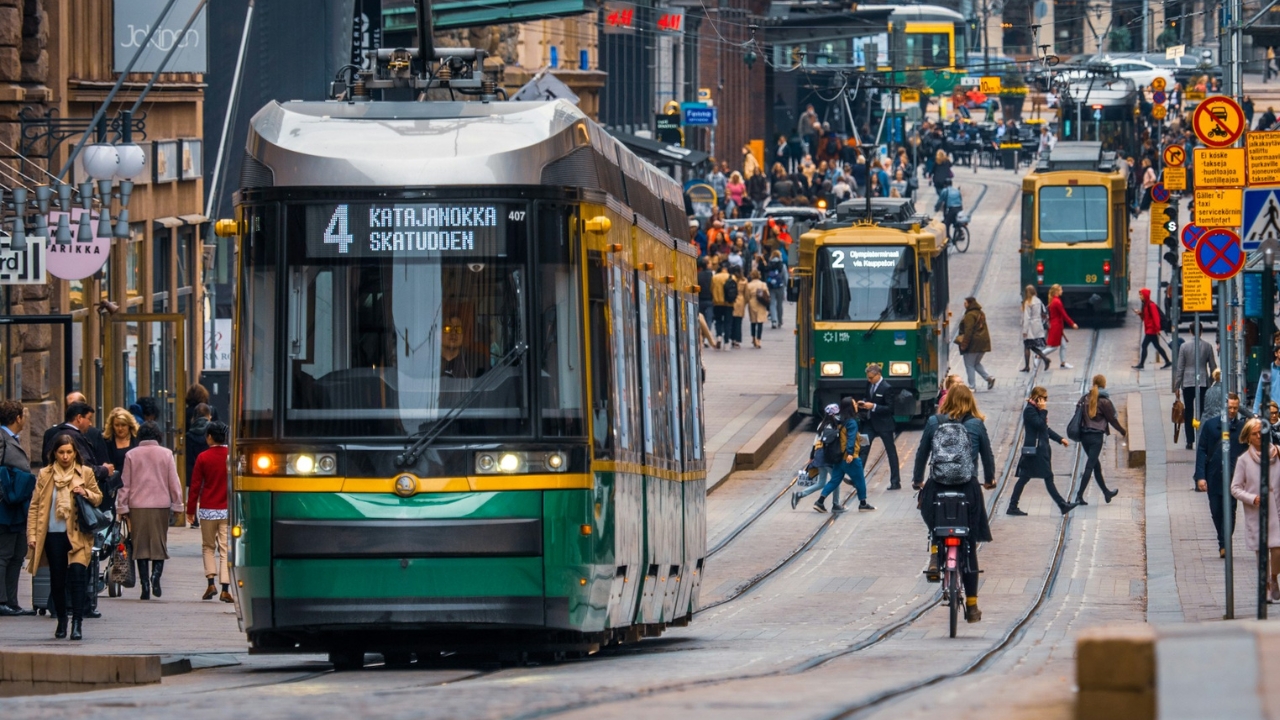
Finland’s quality of life often looks understated, but the details add up: excellent schools, functional government, and deep confidence in public systems. It regularly ranks as the happiest country in the World Happiness Report, with researchers pointing to trust, social support, and strong institutions. Helsinki keeps the sea close, saunas close, and forests closer, so quiet nature is part of normal life. Winters are long, yet homes are built for comfort, cities are built for walking, and time off is treated as a public good, not a perk. The country’s low corruption and high safety levels help ordinary days feel unforced.
Sweden
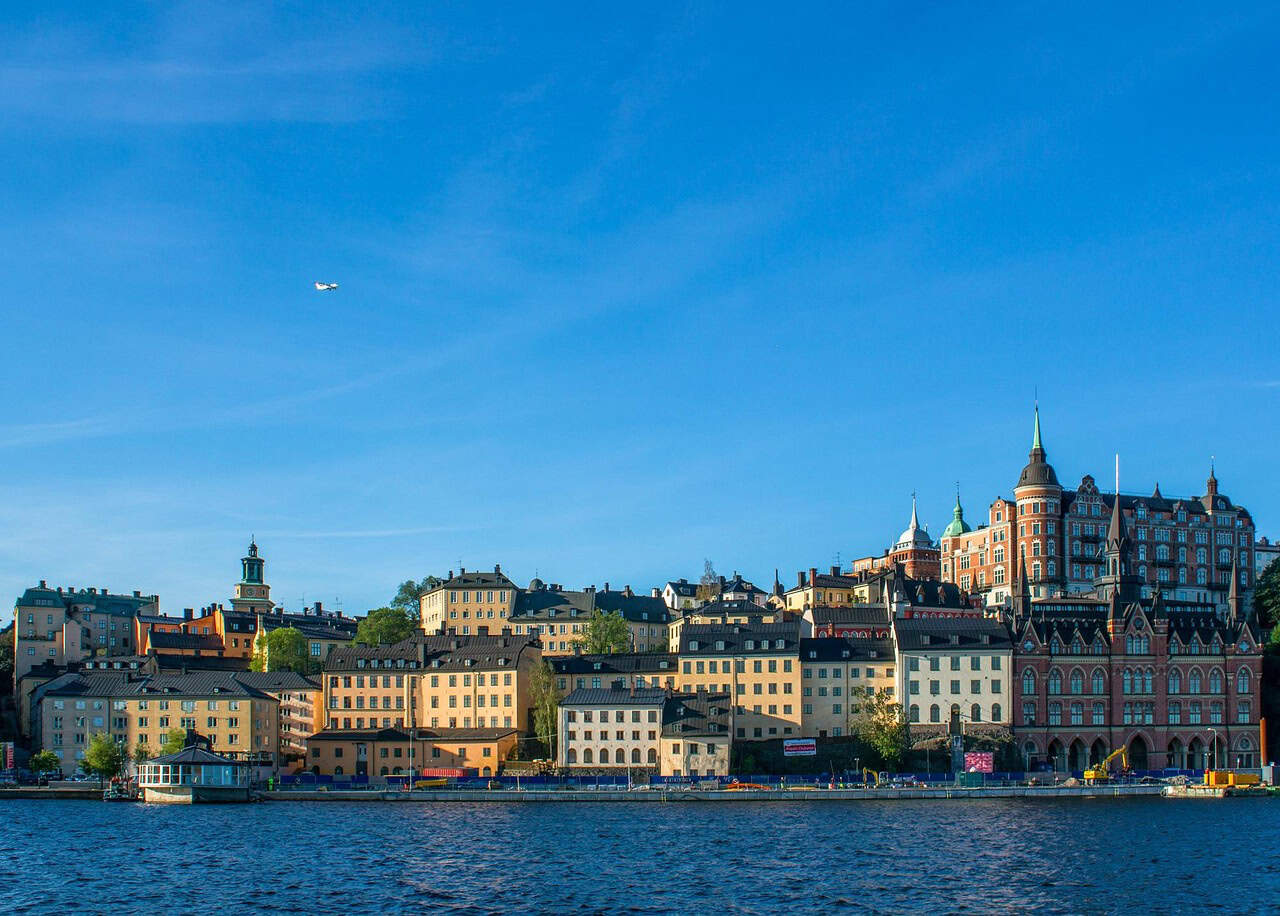
Sweden balances modern comfort with access to space, both literal and social. It ranks high on human development, and its cities tend to run smoothly, with strong public transit, generous parental support, and well-kept public areas. Stockholm’s islands and Gothenburg’s waterfront make water and greenery feel built-in, while the north offers quiet, dark winters and bright summer nights. Life can be expensive in the cities, but the return is a stable baseline: clean air, strong worker protections, and a culture that values competence over drama. Sweden often ranks high for life satisfaction, alongside its Nordic peers.
Netherlands
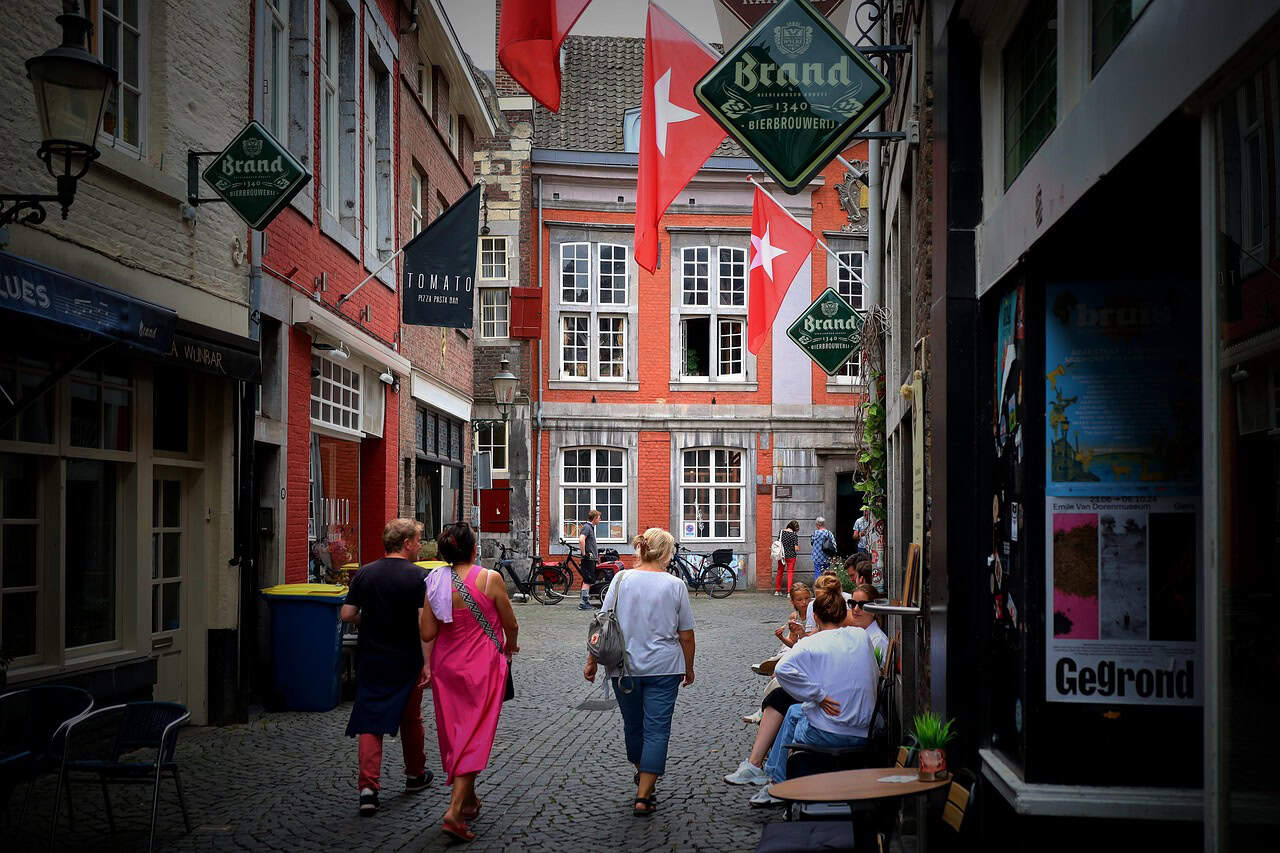
The Netherlands makes everyday living feel practical and pleasant, with bike-first planning, compact cities, and reliable public services. It ranks highly on quality-of-life measures that factor safety, health care, and strong infrastructure, and it also performs well on happiness and human development. Amsterdam gets the headlines, but Utrecht, Rotterdam, and The Hague show the same strengths: walkability, water, parks, and a culture that respects personal space. Housing pressure is real, yet the overall system still favors predictability, clean streets, and a calm public life that supports families and newcomers.
Luxembourg
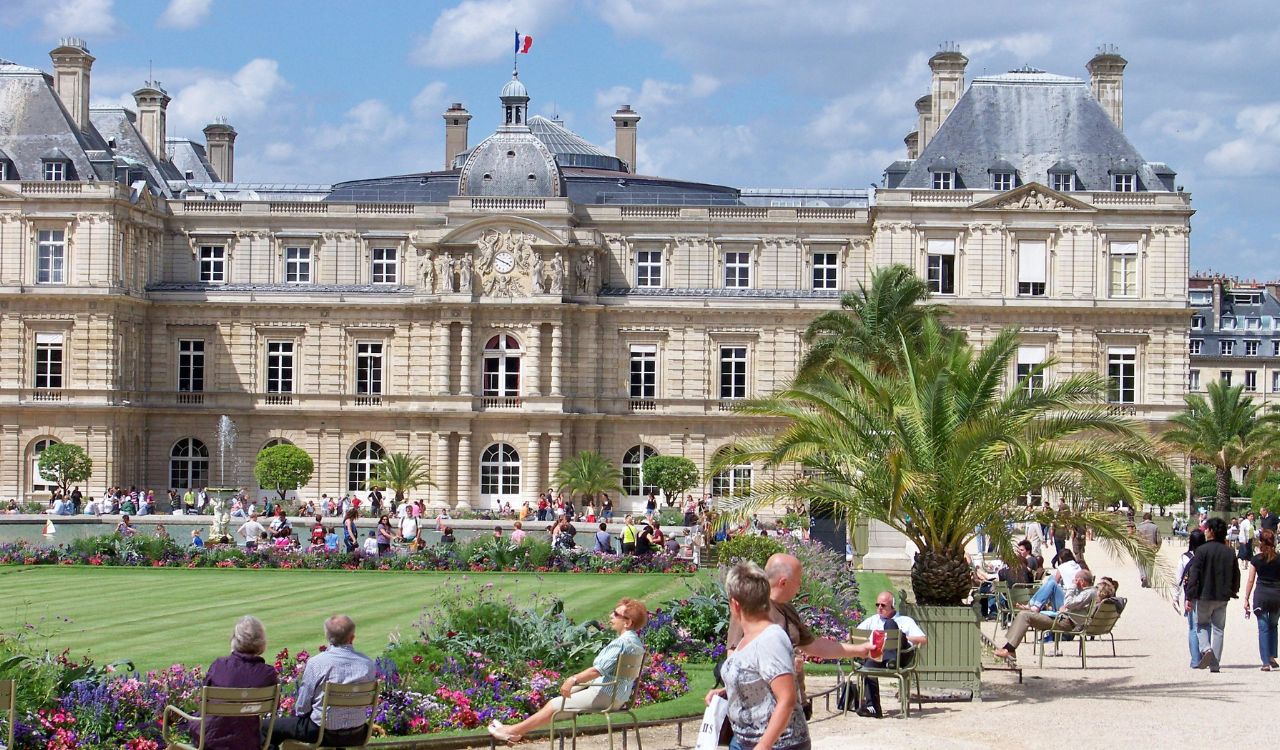
Luxembourg is small, wealthy, and unusually well connected, which helps it deliver high living standards without the frantic pace of bigger capitals. On crowd-sourced quality-of-life measures, it often ranks at or near the top, boosted by safety, strong public services, and efficient infrastructure. The capital’s old town sits above green valleys, and cross-border commutes to France, Belgium, and Germany are common, creating an international daily life. Costs can sting, but incomes, public transport policies, and day-to-day order make the country feel stable, clean, and easy to navigate. Multilingual culture is routine, not a marketing line.
Iceland
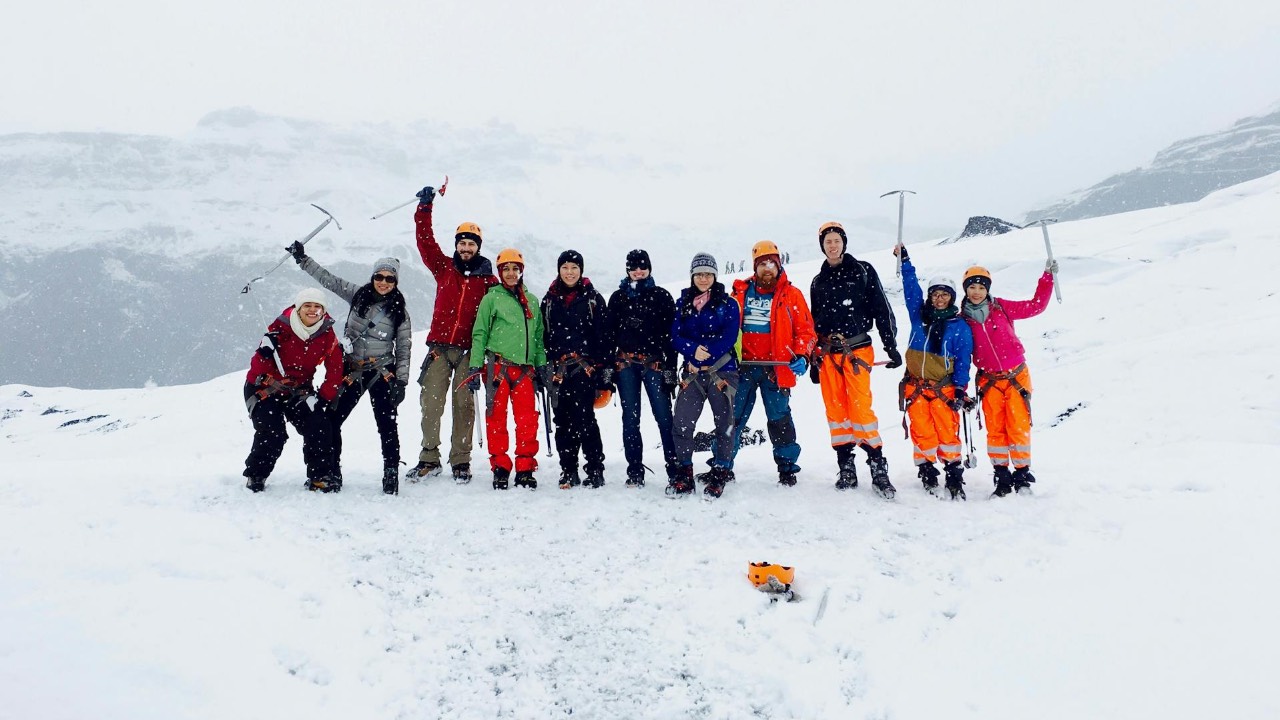
Iceland’s quality of life comes from a rare mix: high social trust, strong services, and nature that feels immediate and restorative. It ranks at the very top of the UN’s Human Development Index table and sits near the top of happiness rankings, reflecting long life expectancy and social support. Reykjavik is small enough to feel personal, yet it offers culture, geothermal pools, and a café scene that stays lively through dark months. Outside the city, waterfalls, lava fields, and quiet coasts reset the mind fast, and the safety baseline lets daily life feel unguarded. Geothermal heat and clean power shape homes and public pools year-round.
Austria
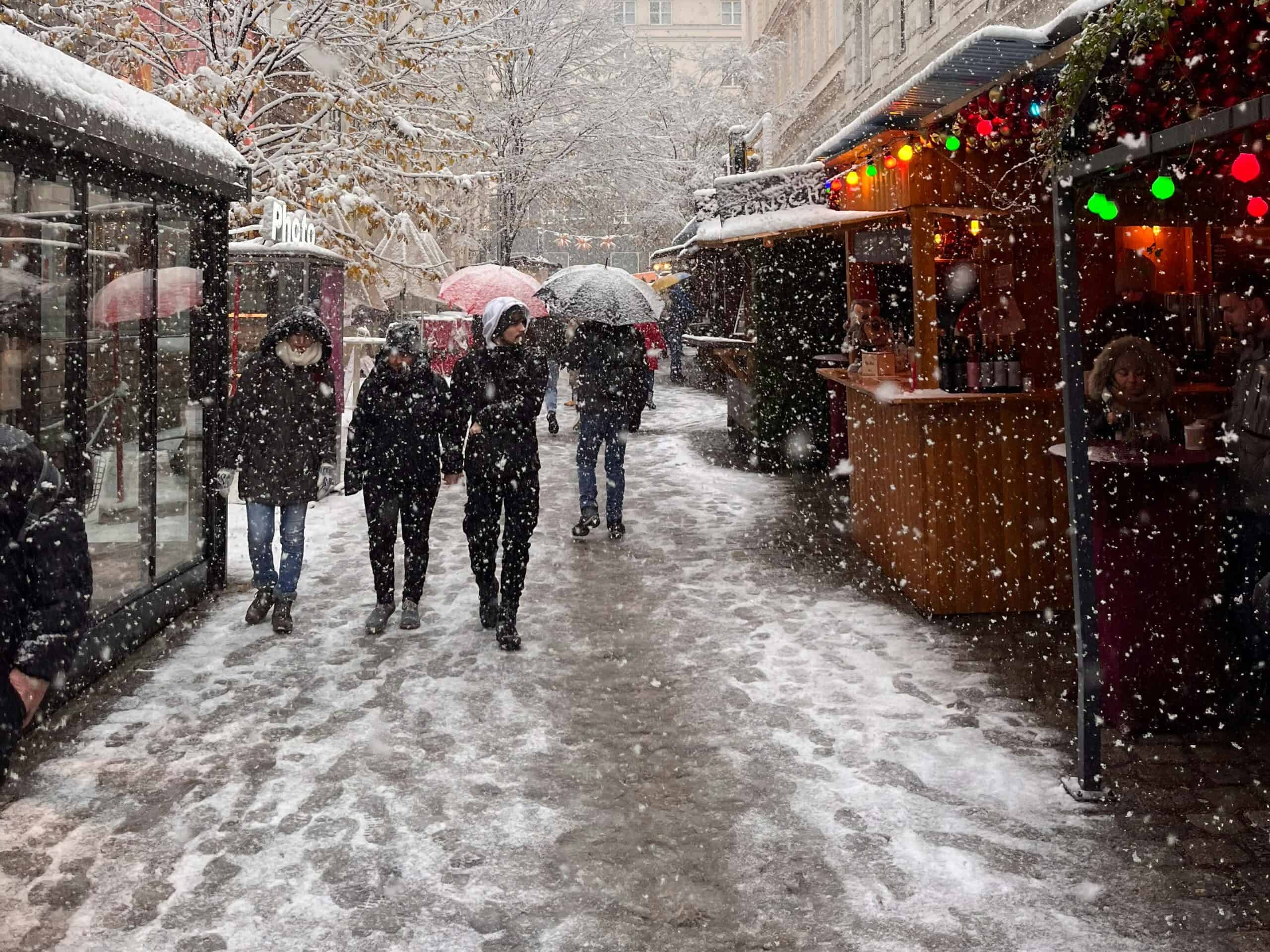
Austria blends historic beauty with modern competence, and daily life often feels orderly without feeling stiff. Vienna consistently ranks among the world’s top cities for quality of living, supported by transit, parks, and housing that keeps the city workable. Beyond the capital, Alpine towns bring clean air, lakes, and trail culture that makes weekends feel restorative. Health care and education are strong, streets are generally safe, and services tend to run predictably, which lowers the ambient stress. The coffeehouse tradition encourages slow conversation, and the cultural calendar keeps winters from feeling closed in.
New Zealand
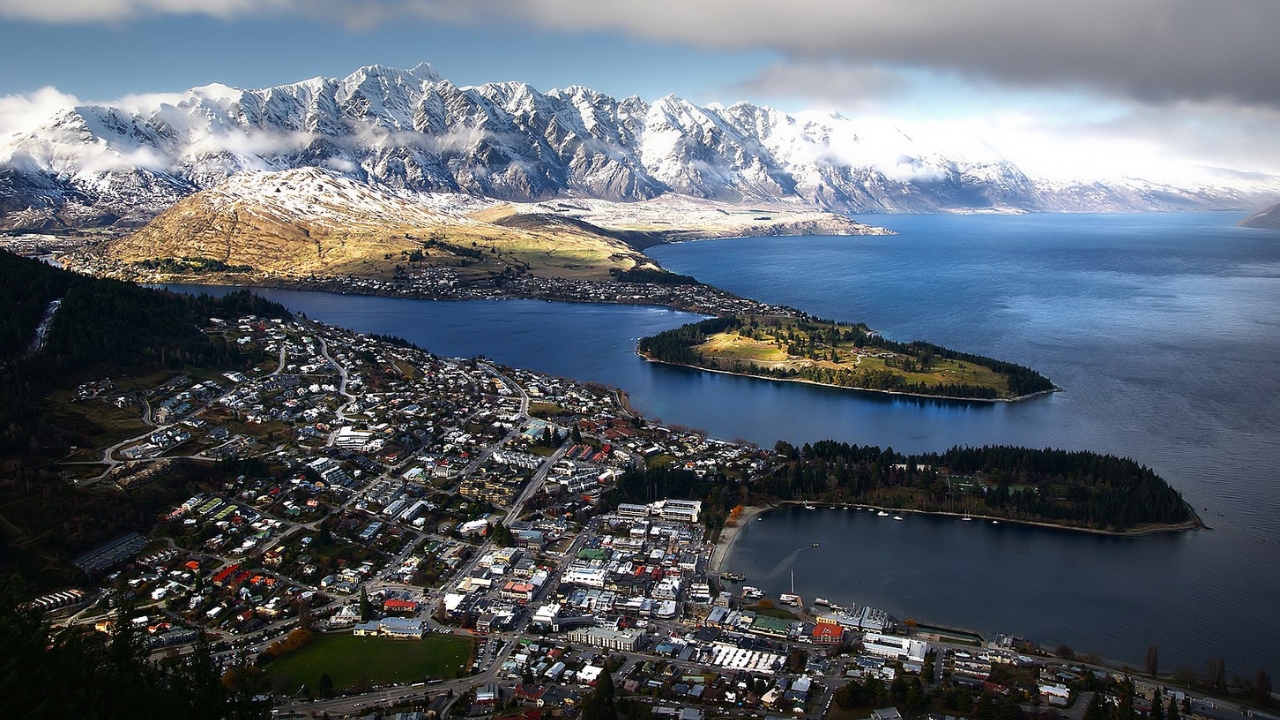
New Zealand’s quality of life is often tied to breathing room: lower population density, coastlines, and a culture that values straightforwardness. On global well-being and happiness measures, it tends to place near the leaders, supported by social trust and access to nature that is never far away. Auckland, Wellington, and Christchurch offer solid services and strong food scenes, then beaches, hiking tracks, and wineries take over within a short drive. Housing costs can strain budgets, but the vibe stays grounded, with clean air, outdoor weekends, and institutions that keep public life steady.