We may earn money or products from the companies mentioned in this post. This means if you click on the link and purchase the item, I will receive a small commission at no extra cost to you ... you're just helping re-supply our family's travel fund.
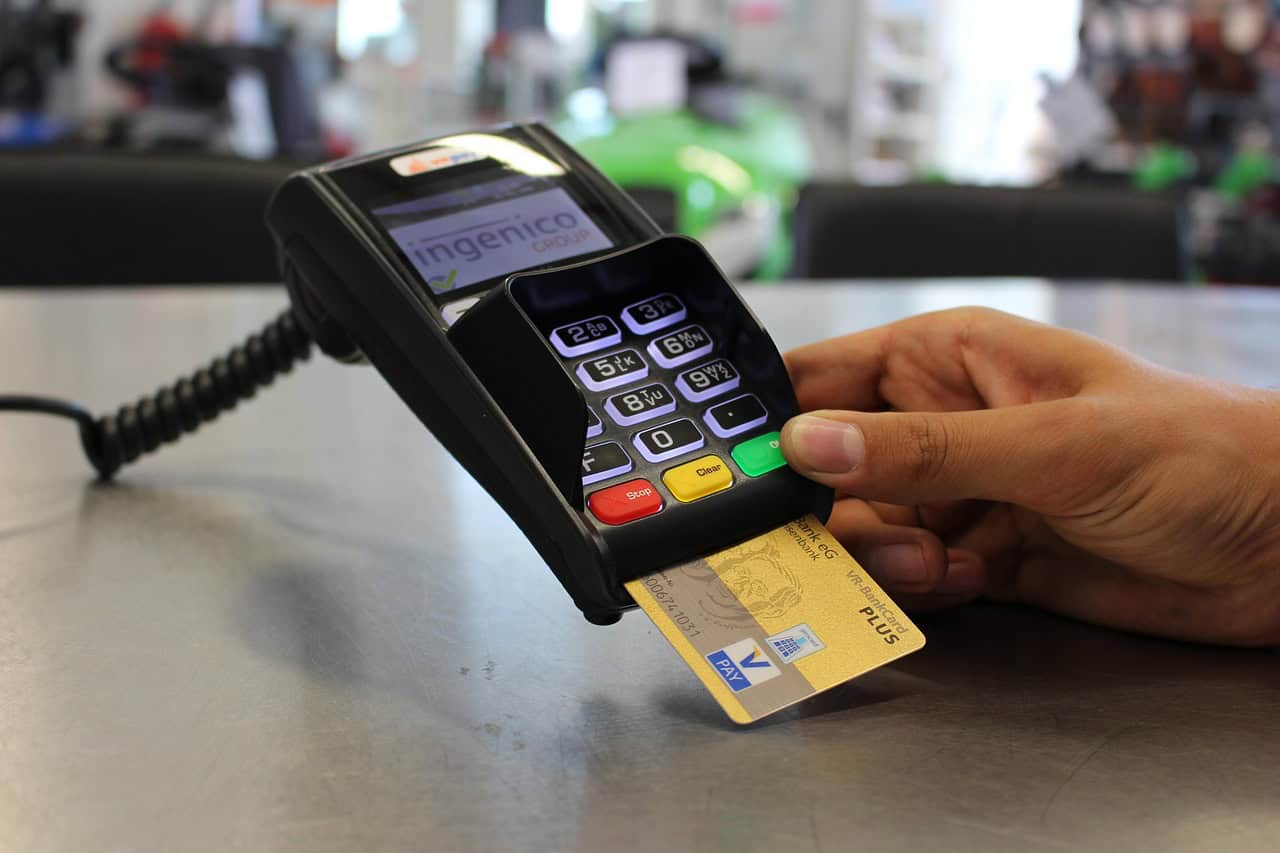
Credit cards promise effortless travel, but a swipe in the wrong place can turn a normal day into a locked account, a police report, or a long call with a bank on another continent. Some countries lean heavily on PIN rules or identity checks. Others struggle with cloning and skimming in tourist corridors. And in a few places, unpaid balances or disputed bills can spill into legal problems faster than visitors expect. These 10 destinations are still worth visiting, but they reward travelers who treat card use as a risk to manage, not a default setting.
United Arab Emirates

In the UAE, money disputes can escalate quickly, and Australian travel guidance warns that unresolved criminal charges, including unpaid debts, may lead to detention on arrival, even in transit. A credit card balance, hotel deposit dispute, or rental-car bill can become more serious once a case is filed and travel restrictions follow, sometimes catching people who assumed it was only a bank matter or a billing mix-up. Clean documentation helps: keep receipts and cancellation proof, settle charges promptly, and avoid departing with accounts in limbo that could trigger a hold at immigration during a routine entry or exit check, without warning.
Japan

Japan is orderly, but card rules tightened in 2025 as signature verification for IC card transactions was discontinued and PIN entry became the expected method for many in-person payments. Travelers without a set PIN, or cards that relied on signature fallback, can see purchases declined at the register or on hotel deposits, and the embarrassment can turn into real stress when the only working card fails during transit or check-in. Preparation is simple, and it helps: confirm and test the PIN with the issuer, carry a backup card on a separate network, and keep some cash for transit gates, small restaurants, kiosks, and late-night emergencies.
Cuba
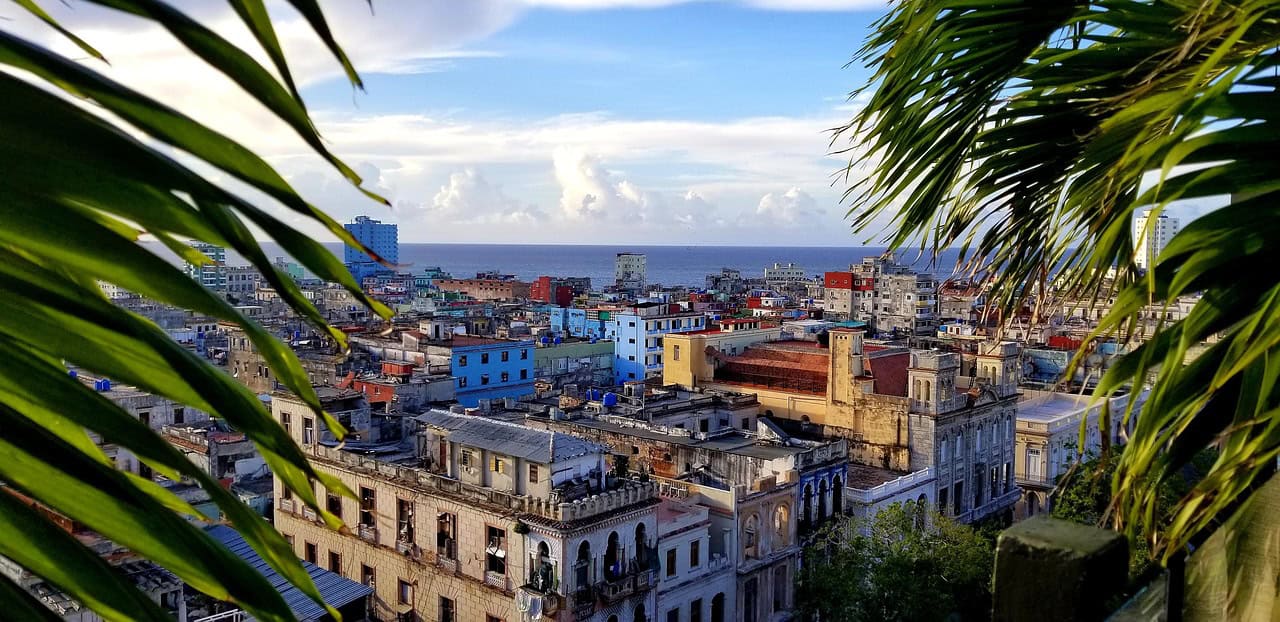
In Cuba, the trouble is often total card failure. U.S. government travel information says U.S.-issued credit and debit cards do not work in Cuba, pushing visitors toward cash travel and fewer financial safety nets. When a hotel wants payment, a clinic requires fees, or a taxi price jumps, that limitation can become a high-pressure scramble for currency and secure storage, especially outside Havana where options narrow fast. A cash plan becomes part of trip safety, including carrying multiple currencies, splitting funds across bags, and budgeting for days when ATMs, exchanges, or connectivity are unreliable or temporarily down, for any reason.
Argentina
Argentina can surprise card users with exchange-rate complexity. Visa and Mastercard describe a preferential foreign tourist exchange rate for eligible card transactions, and reporting notes that reimbursements may appear after the initial charge posts. That lag can make totals look wrong in the moment, tempting repeat payments that later become duplicates, while holds from hotels and car rentals can stack and squeeze the available limit for days. Patience prevents messes: save receipts and screenshots, avoid retrying charges immediately, and keep cash for small purchases and tips too when networks run slowly or terminals fail mid-transaction.
Mexico
Mexico is full of places where cards work smoothly, but the U.S. State Department notes reports of banking fraud, including fraudulent charges or cash withdrawals from skimmed cards, especially in tourist areas. A single compromised ATM or a card handled out of sight can trigger account locks, replacement delays, and hours lost to fraud calls, and the timing is brutal when a flight, tour, or hospital bill needs payment the same day. Risk drops fast when payments stay in view, ATMs inside banks replace street machines, and accounts get checked each day so small test charges are caught early, before bigger withdrawals hit and limits get frozen.
Indonesia
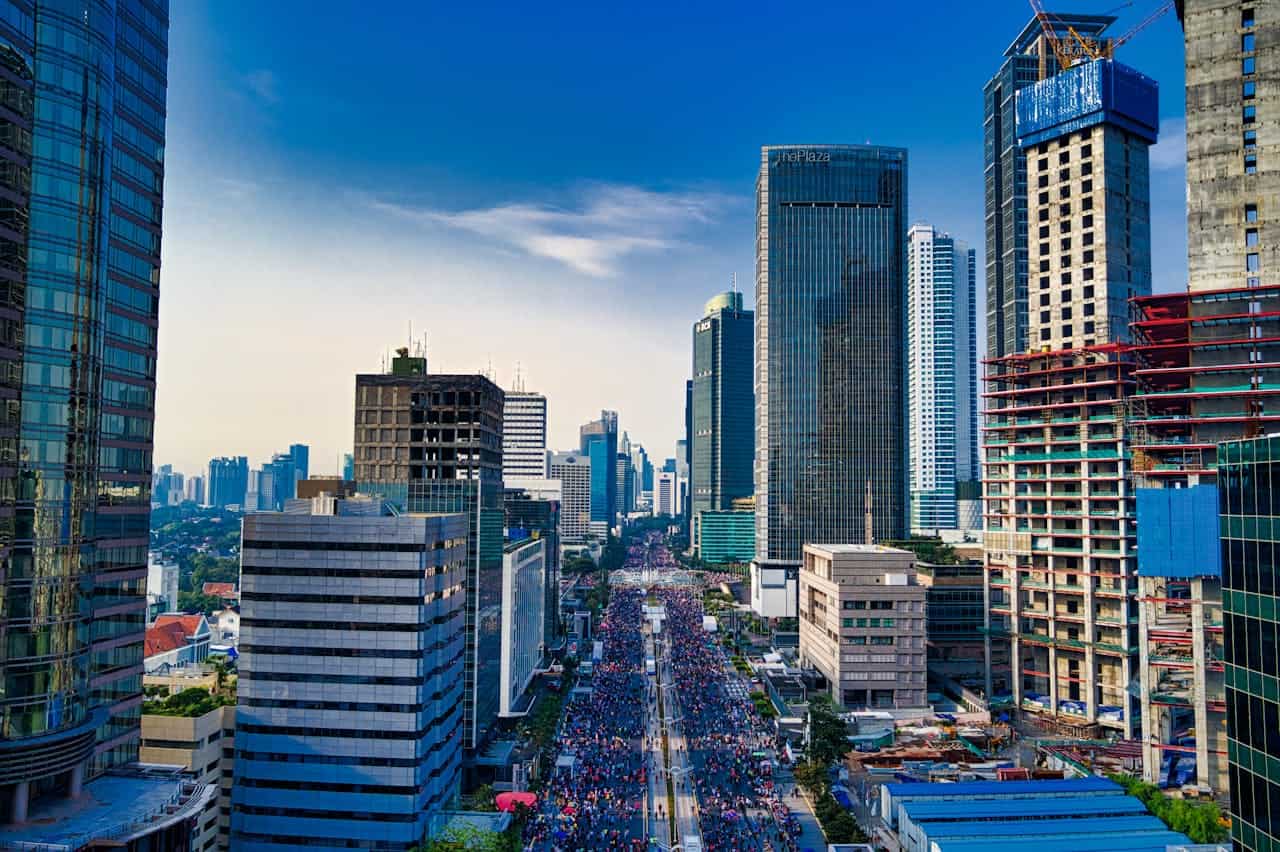
Indonesia’s tourism hubs are welcoming, yet UK travel advice warns that credit card fraud is common and recommends not losing sight of cards during transactions at restaurants, bars, and shops, in busy areas. It also notes scams involving tampered ATMs and fake phone numbers posted on machines, designed to harvest card details and PINs after a supposed error message appears or a card is briefly trapped. When a card is compromised, the damage can spread quickly across linked accounts, so travelers often limit ATM use, choose bank-branch machines, shield PIN entry, avoid unsolicited helpers, and keep a second payment method separate and unused.
Thailand

Thailand’s UK travel advice flags card fraud and ATM skimming and recommends using ATMs inside banks, keeping cards in sight, and protecting the PIN from view. The disruption often arrives later, when a skim triggers a bank shutdown and leaves a traveler unable to pay for transport, hotels, or medical care during a move between cities or islands, or when a tour operator insists on a card authorization at check-in. Resilience comes from redundancy: splitting spending across two cards, favoring tap-to-pay on reputable terminals, keeping a cash buffer, using alerts, and saving offline copies of bookings so a payment freeze does not strand plans.
Brazil

Brazil is increasingly card-friendly, but UK travel advice says bank and credit card scams are common, including card cloning at ATMs and in shops during ordinary purchases too. Criminals target moments of distraction, and cloned cards can drain accounts fast, followed by time-consuming reports that banks or insurers may request before reversing charges or issuing replacements. Visitors reduce exposure by avoiding isolated street ATMs, using staffed bank locations, keeping cards in sight at checkout, declining offers of help at machines, and monitoring statements for tiny authorizations that signal compromise before larger withdrawals appear.
Türkiye

Türkiye has modern payments yet Canada’s travel advisory warns that credit card and ATM fraud occurs and urges caution while cards are handled and PINs are entered in busy tourist districts and bazaars after dark. Another costly trap is dynamic currency conversion, where a terminal offers billing in a foreign currency at a worse rate, locking in extra fees with one rushed tap or signature at a hotel, shop, or restaurant. Steadier habits help: choose local currency when prompted, use well-lit bank ATMs, keep the card in sight, avoid street-side exchange pitches, and treat unsolicited help at machines as a red flag rather than friendly service.
Nigeria

UK travel advice for Nigeria notes increased criminal activity around banks and ATMs and adds that credit card fraud is common, a combination that can turn routine cash access into a hazard. Problems compound when an issuer flags foreign activity and freezes the account, and replacement cards take days, leaving limited options if local merchants require immediate payment or if a hotel demands a fresh authorization hold, sometimes in cash. Trip stability improves when ATM stops are minimized, secure locations are used in daylight, transactions are kept small, and an emergency card is stored separately and left unused until a real need appears.