We may earn money or products from the companies mentioned in this post. This means if you click on the link and purchase the item, I will receive a small commission at no extra cost to you ... you're just helping re-supply our family's travel fund.

Travel doesn’t just move you across borders; it places you inside new cultural mirrors. In many countries, the human body is read as a signal of discipline, status, health, or morality. While these judgments are rarely meant to harm, they can feel immediate and unavoidable for visitors unfamiliar with local norms. Beauty standards are shaped by history, media, economics, and public policyand tourists often experience them more sharply than locals. Understanding where body scrutiny is strongest, and why, helps travelers manage expectations and navigate social interactions with confidence rather than confusion.
1. South Korea
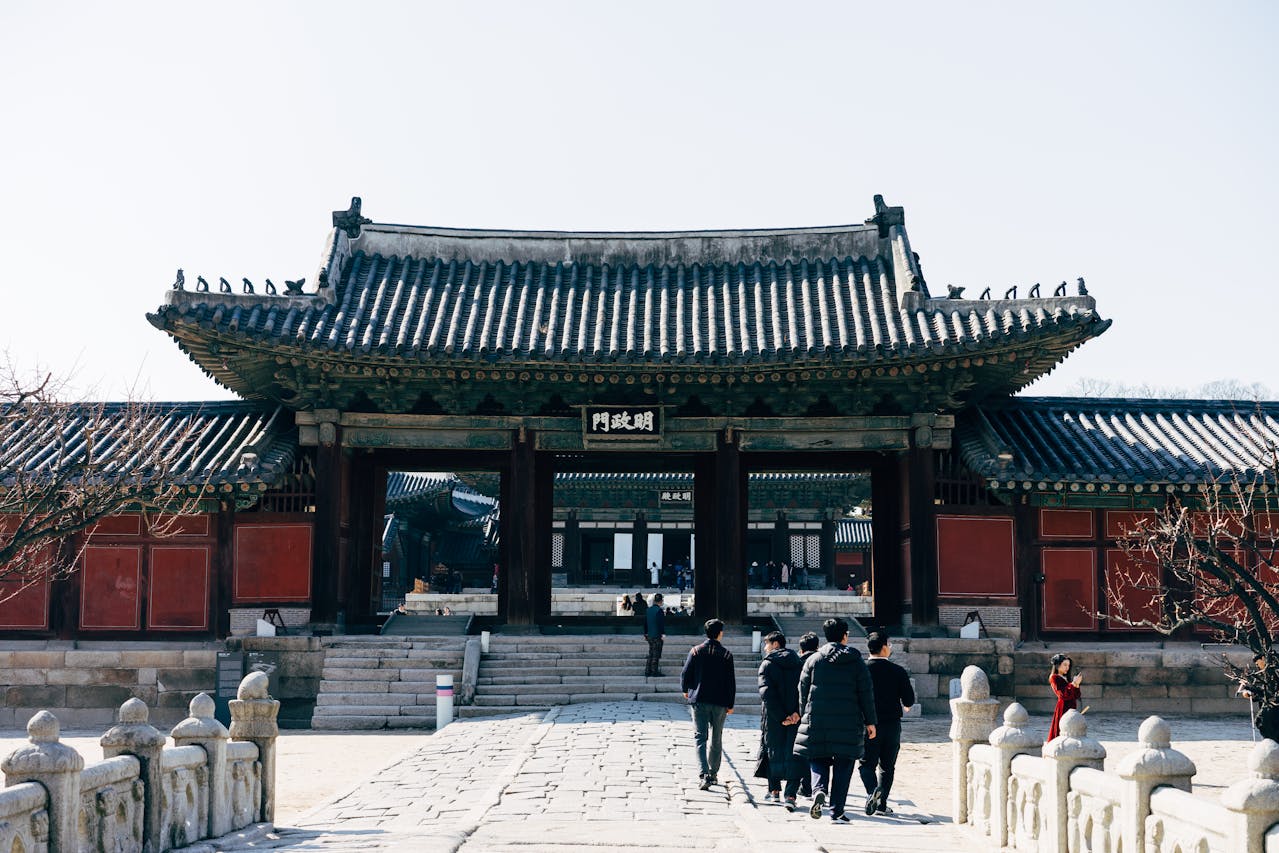
South Korea maintains one of the world’s most appearance-focused cultures, where body size is openly discussed and constantly measured. According to national health surveys, over 62% of adults actively attempt weight control, and BMI charts are displayed in schools and workplaces. Thinness is associated with discipline and professionalism, while excess weight is often treated as a correctable flaw. Visitors may receive direct comments about their body, sometimes within minutes of meeting someone. In Seoul alone, cosmetic clinics exceed 1,300 locations, reinforcing the idea that physical appearance is a social responsibility rather than a private matter.
2. Japan
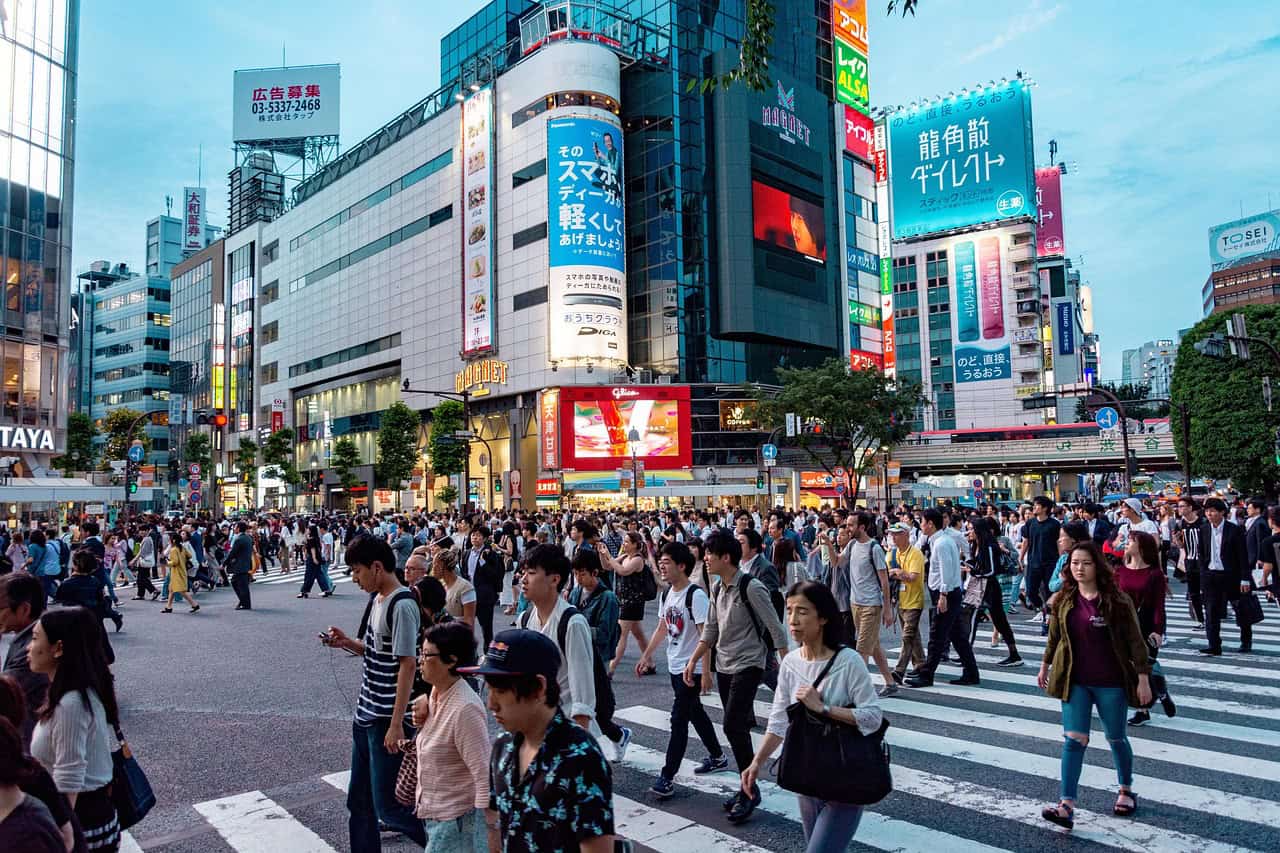
Japan’s body judgment is subtle but deeply ingrained. The government’s “Metabo Law” targets waistlines over 85 cm for men and 90 cm for women, linking slimness to public health and productivity. Around 28% of companies conduct annual body measurements, normalizing quiet scrutiny. Tourists rarely face open criticism, but visible weight gain, heavy tattoos, or unstructured posture can draw silent disapproval. The emphasis on harmony means judgment is expressed through distance or restraint rather than words, making many visitors feel observed without understanding why.
3. France
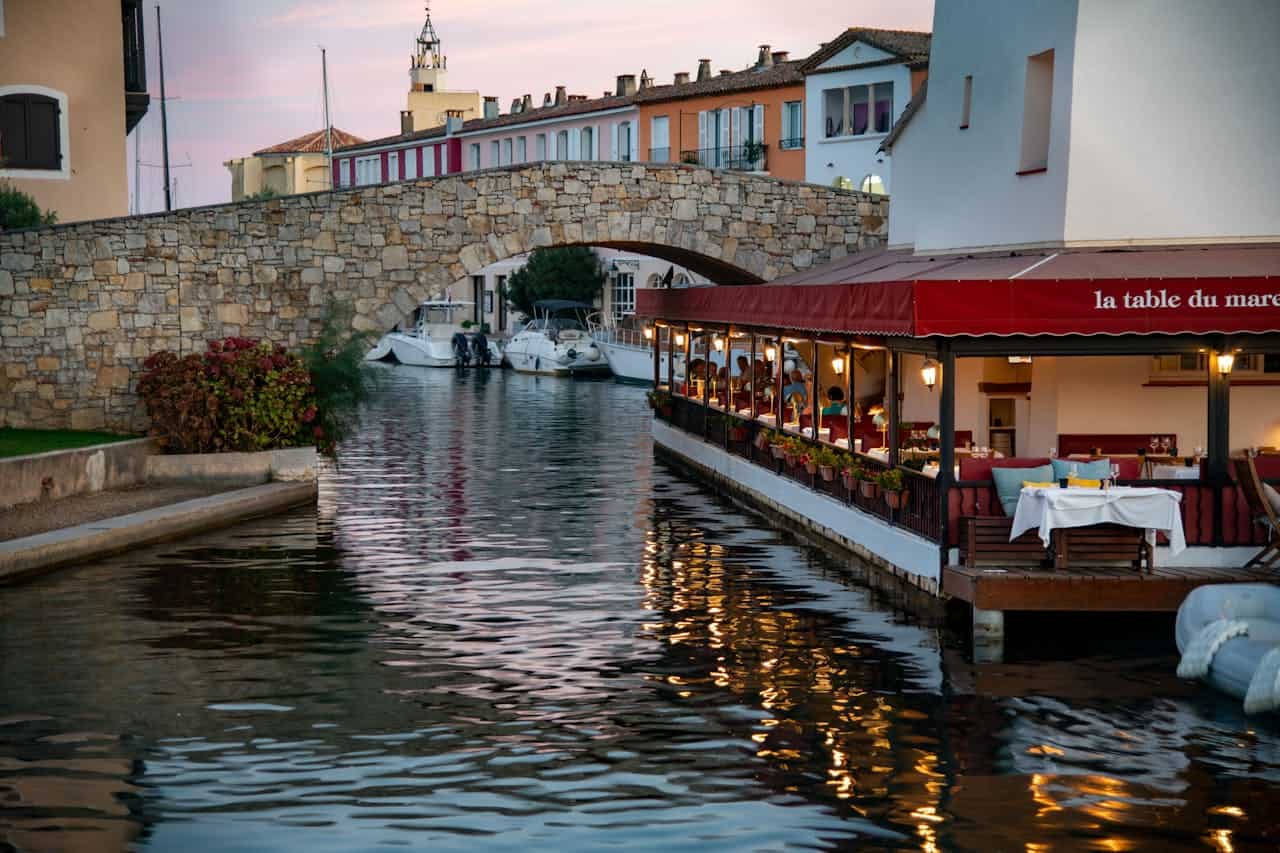
In France, body judgment revolves around control rather than fitness. Despite one of Europe’s lowest obesity rates at 17%, thinness is culturally tied to elegance and intelligence. Over 70% of French adults eat fixed meal portions, reinforcing moderation as a virtue. Tourists who snack frequently, eat large servings, or appear physically careless may feel quietly evaluated. Comments are rarely direct, but advice about food habits or lifestyle is common. The French ideal favors restraint, making excess of weight or behavior stand out immediately.
4. Brazil
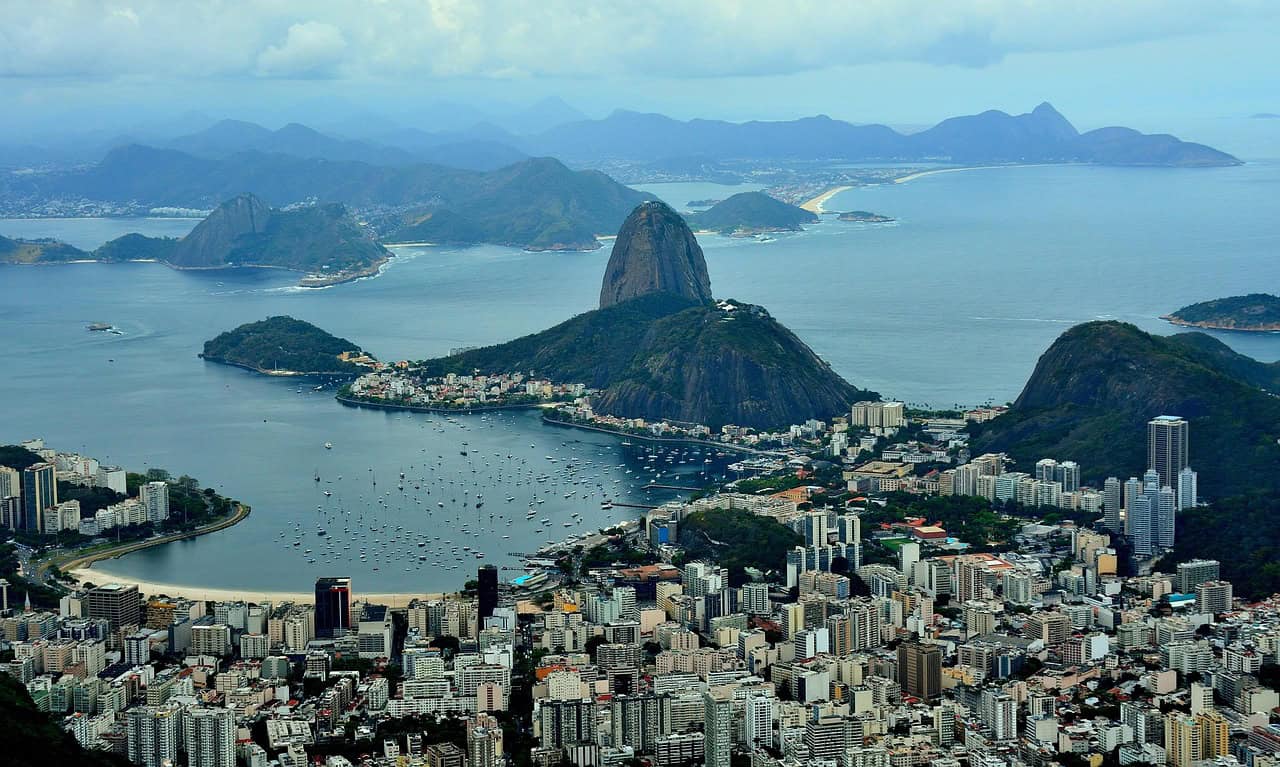
Brazil’s relationship with the body is highly visual and unapologetically public. With more than 8 million beachgoers daily in coastal cities, bodies are constantly compared. While curves are celebrated, they must be paired with firmness. Brazil ranks 2nd globally in cosmetic procedures, with over 1.6 million surgeries annually. Tourists who appear out of shape may receive prolonged stares, especially in swimwear. Judgment isn’t rooted in cruelty but visibility; in Brazil, the body is a social statement displayed without filters.
5. United States
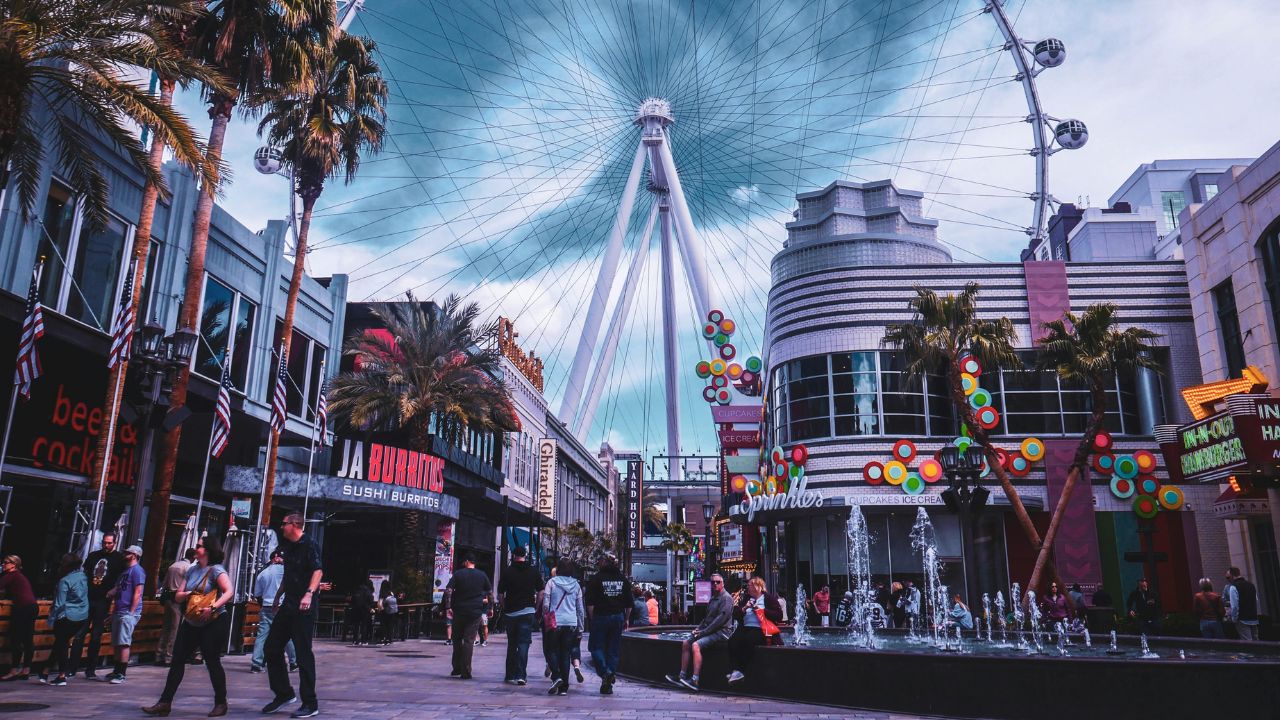
The U.S. presents one of the most contradictory body cultures in the world. While 42% of adults are classified as obese, fitness spending exceeds $35 billion annually, tying health to morality. Tourists encounter mixed signals, body positivity alongside aggressive wellness messaging. In cities like Los Angeles or New York, appearance often correlates with perceived success. Being visibly overweight or unfit can trigger assumptions about lifestyle or discipline. Judgment is rarely explicit, but it’s embedded in advertising, conversation, and social expectations.
6. China

In China, thinness is strongly linked to attractiveness, especially for women. National data shows over 60% of urban women aim to stay under 50 kg, regardless of height. Public comments about weight are culturally normalized, often framed as honesty rather than insult. Tourists may receive unsolicited advice or casual remarks about their size. With only 6% obesity prevalence, deviation from the slim ideal stands out quickly. What shocks visitors most is not the judgment itself, but how openly it’s delivered
7. Italy
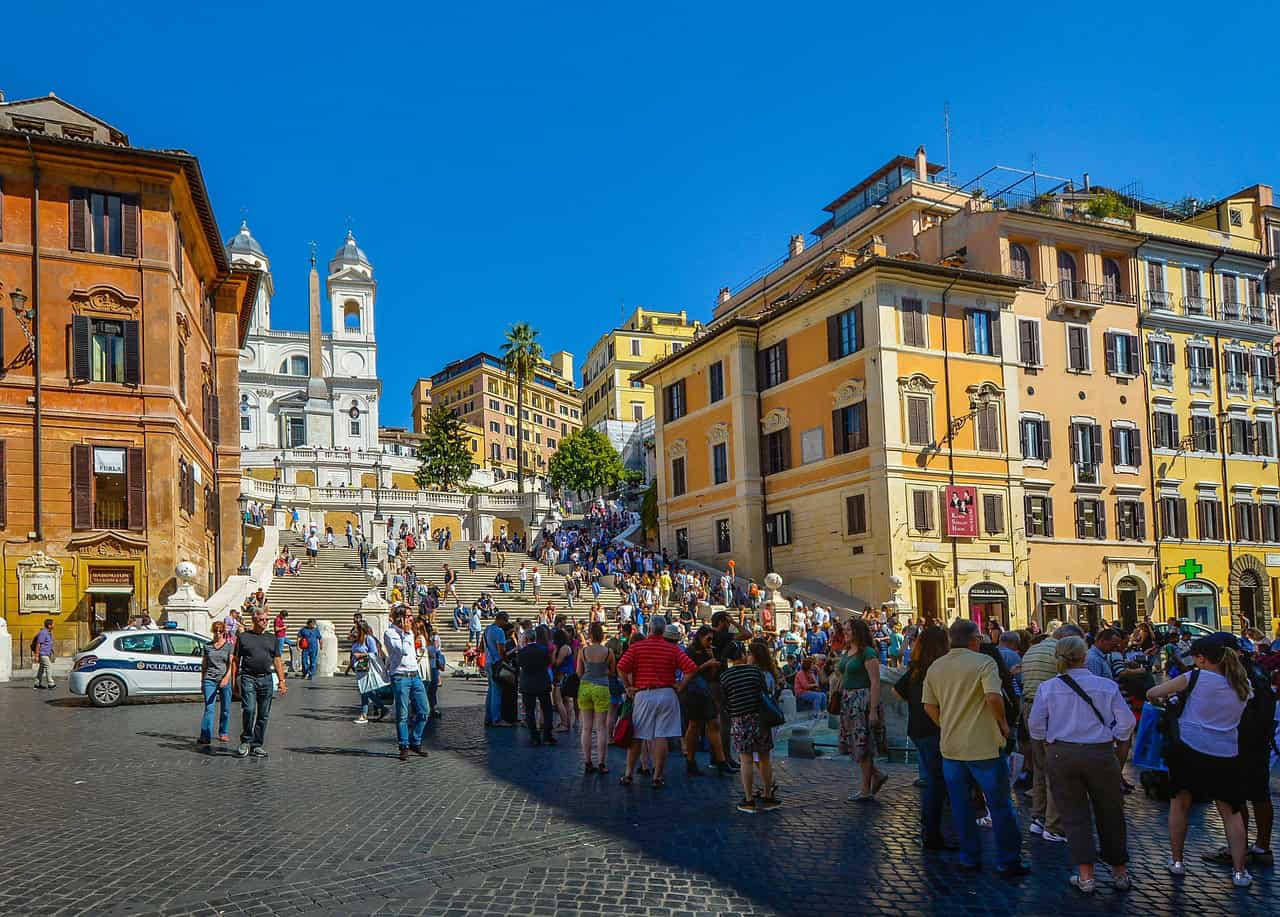
Italy views the body as part of personal presentation. Despite a diet rich in carbohydrates, obesity remains low at 19%, supported by walking-centric lifestyles. Italians notice posture, fit, and proportion as much as size. Tourists who dress poorly or appear physically uncomfortable often draw quiet scrutiny. Comments are rare, but attention is constant. In a culture where fashion and form are intertwined, the body communicates taste, confidence, and self-respect, making visitors feel assessed even in casual settings.
8. Thailand

Thailand’s beauty standards emphasize slimness and lightness. Surveys show over 75% of Thai advertising features thin body types, reinforcing narrow ideals. Comments about weight are common and often framed as concern. Tourists who are overweight may experience curious looks or unsolicited remarks, particularly outside major tourist hubs. With obesity rates under 11%, visible difference is amplified. Judgment is rarely hostile, but persistent awareness can feel overwhelming, especially when combined with cultural politeness that masks discomfort.
9. Russia

Russian body expectations are direct and uncompromising. For men, size and strength imply authority; for women, slimness paired with polish is ideal. Obesity rates sit at 23%, yet social tolerance remains low. Comments can be blunt, and sensitivity around body image is minimal. Tourists may encounter dismissive attitudes if they appear physically weak or unkempt. In Russia, the body is seen as a reflection of personal discipline, and deviation invites unfiltered opinions.
10. India
India’s body judgment is complex and deeply social. While 24% of adults are overweight, body size is openly discussed in families and public spaces. Thinness is praised, weight gain is sometimes linked to prosperity, and fairness remains unfairly idealized. Tourists often receive unsolicited comments framed as concern or curiosity. With over 1.4 billion people, norms vary by region, but body commentary is normalized nationwide. Judgment is rarely malicious, yet nearly impossible to avoid.