We may earn money or products from the companies mentioned in this post. This means if you click on the link and purchase the item, I will receive a small commission at no extra cost to you ... you're just helping re-supply our family's travel fund.
Night can change the texture of a destination. Side streets empty, public transit thins, and a small problem can become a bigger one when help is farther away. For women, that shift can carry extra risk, especially when official guidance repeatedly warns against late travel, unlicensed transport, or walking alone. The countries below appear often in government safety notes about after-dark movement. Many trips go smoothly, but late nights call for tighter logistics, vetted rides, and earlier plans so evenings stay simple, calm, and predictable.
South Africa
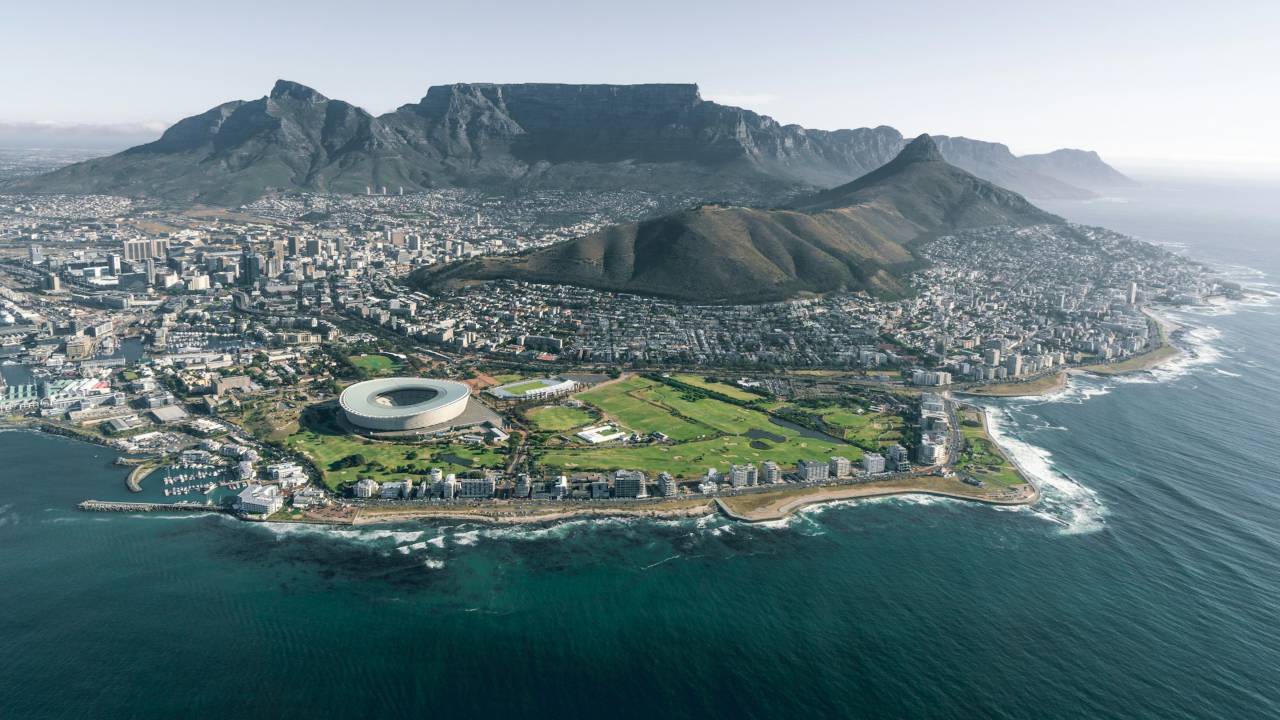
South Africa’s official guidance urges avoiding walking alone, especially after dark, keeping valuables out of view, and using caution when moving through cities at night. After 10 p.m., risk often rises near transit hubs, nightlife corridors and downtown blocks, where muggings and carjackings can turn a small lapse into a larger problem. Many women travelers keep evenings close to secure lodging, use app-based or hotel-dispatched rides, avoid informal settlements without trusted local support, and stay off dim sidewalks.
Source:
Brazil
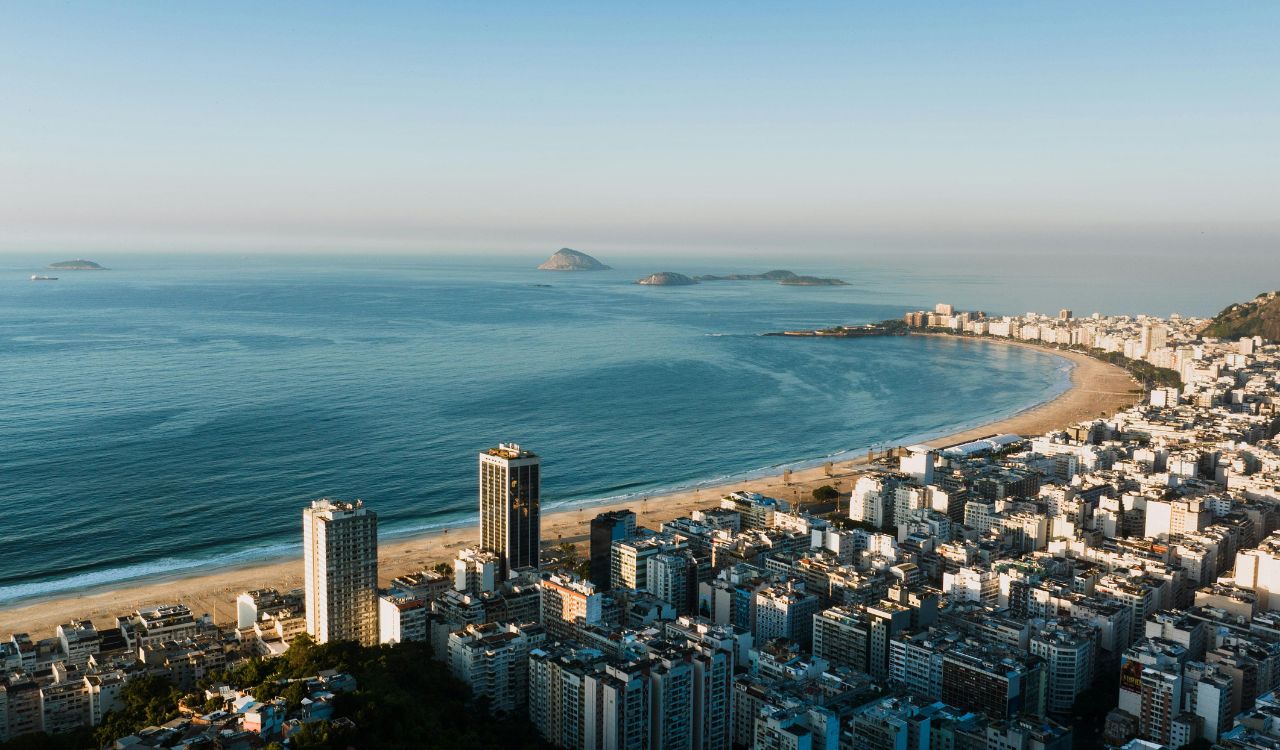
Brazil’s guidance flags late nights as a common trouble zone: use caution when walking or driving at night, avoid bars or nightclubs alone, and avoid walking on beaches after dark. After 10 p.m. the mix of crowds, alcohol, and distracted tourists can make pickpocketing, robbery, and drink tampering harder to spot until it is too late. Women travelers often stick to well-lit restaurant districts near hotels, keep cash minimal, watch drinks closely, use app-based or hotel-dispatched rides, and avoid late ATM runs in quieter blocks.
Source:
Mexico

Mexico’s risks vary by state, yet official guidance still flags night travel between cities as a common danger point, with U.S. personnel advised not to move between cities after dark. It also recommends using regulated taxi stands or app-based services rather than street-hailed cars, since pickup points can be targeted when crowds thin. For women, late-night problems often appear in transit: dark highways, isolated gas stops, and waits outside clubs, so evenings tend to go safest when routes stay short, drivers are verified, and returns happen before streets empty and stay steady too.
Source:
Jamaica
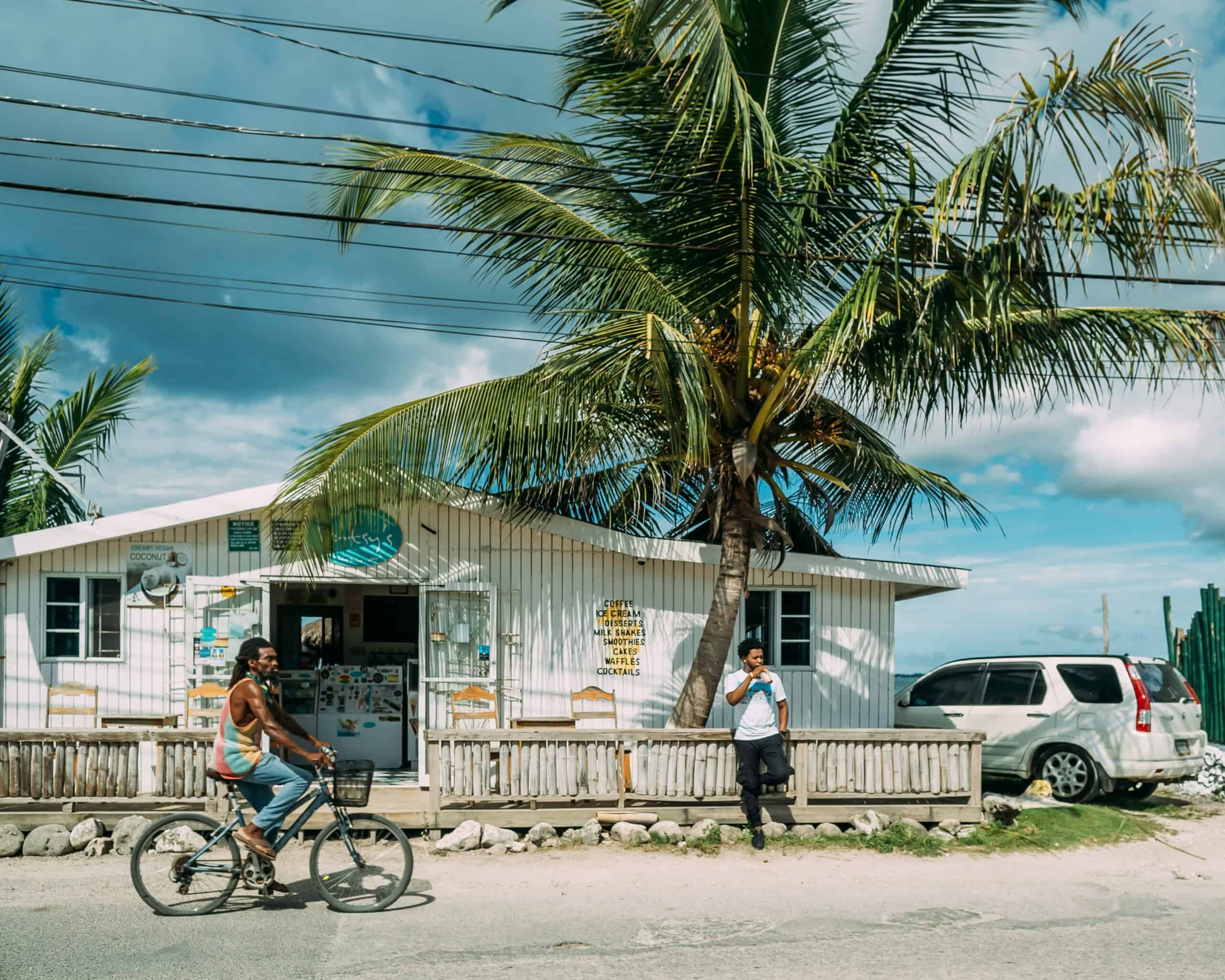
Jamaica’s advisory language treats late movement as a risk multiplier: avoid walking or driving at night, avoid public buses, and avoid remote places. That matters because after 10 p.m. the easy routes can become quiet, and opportunistic crime has been reported even in areas that feel tourist friendly. Women travelers often keep evenings structured, stay in groups, choose hotel-arranged rides, and skip late ATM stops, beach walks, or roadside errands, since a short stroll can turn isolating once crowds fade phones come out and help feels far away with dinners and direct rides cutting exposure.
Source:
Haiti
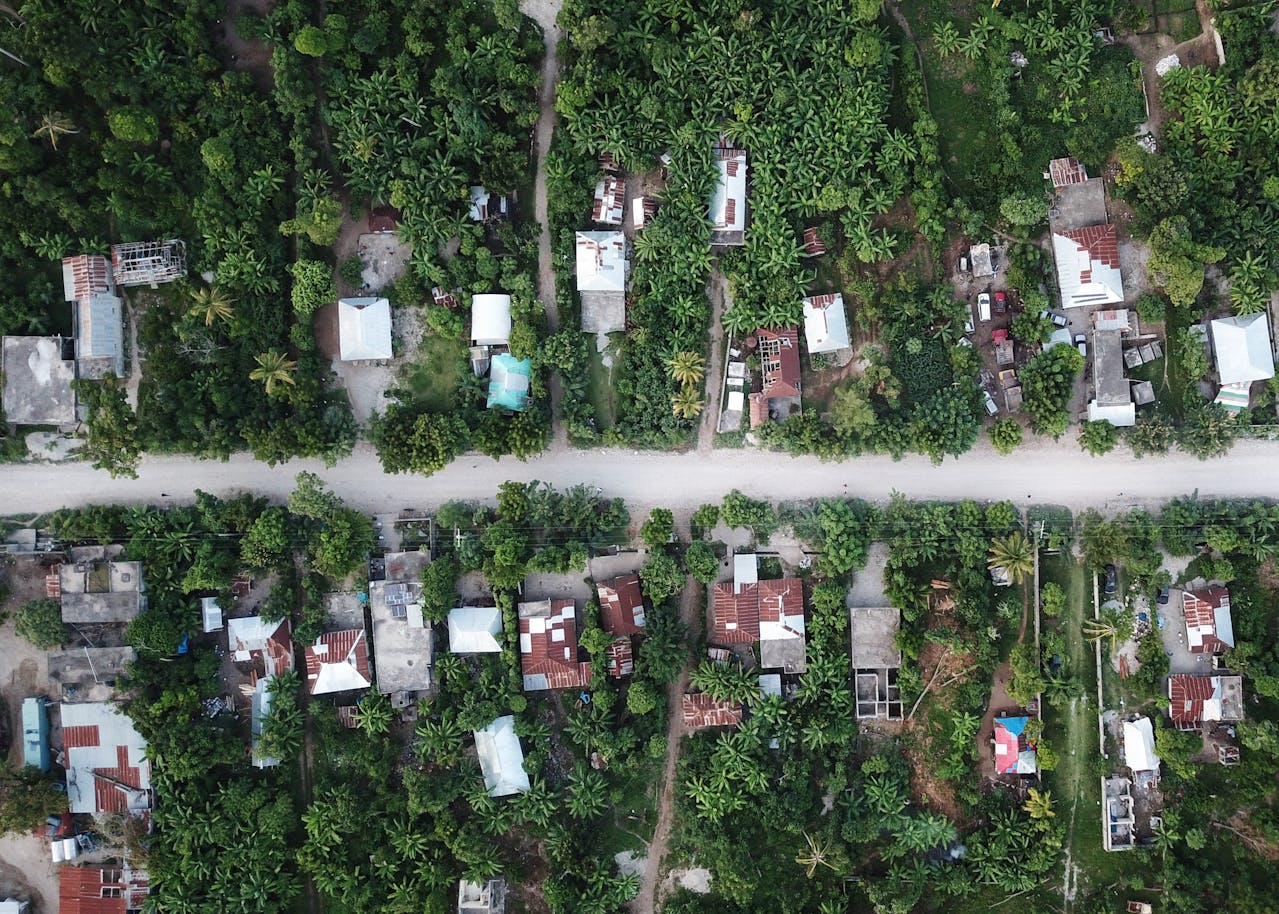
Haiti’s travel advisory is unusually strict about nighttime exposure, reflecting how quickly conditions can change after dark. U.S. government employees must follow a nightly curfew, cannot travel by foot in Port-au-Prince, and face tight limits beyond secure compounds. After 10 p.m., roadblocks, kidnapping risk, and thin emergency response can make even a short transfer high stakes, so women who must travel there typically stay in secured lodging, move only with vetted transport, keep routes brief planned and reversible, and add check-ins and backup contacts so problems get noticed fast now.
Source:
Trinidad and Tobago
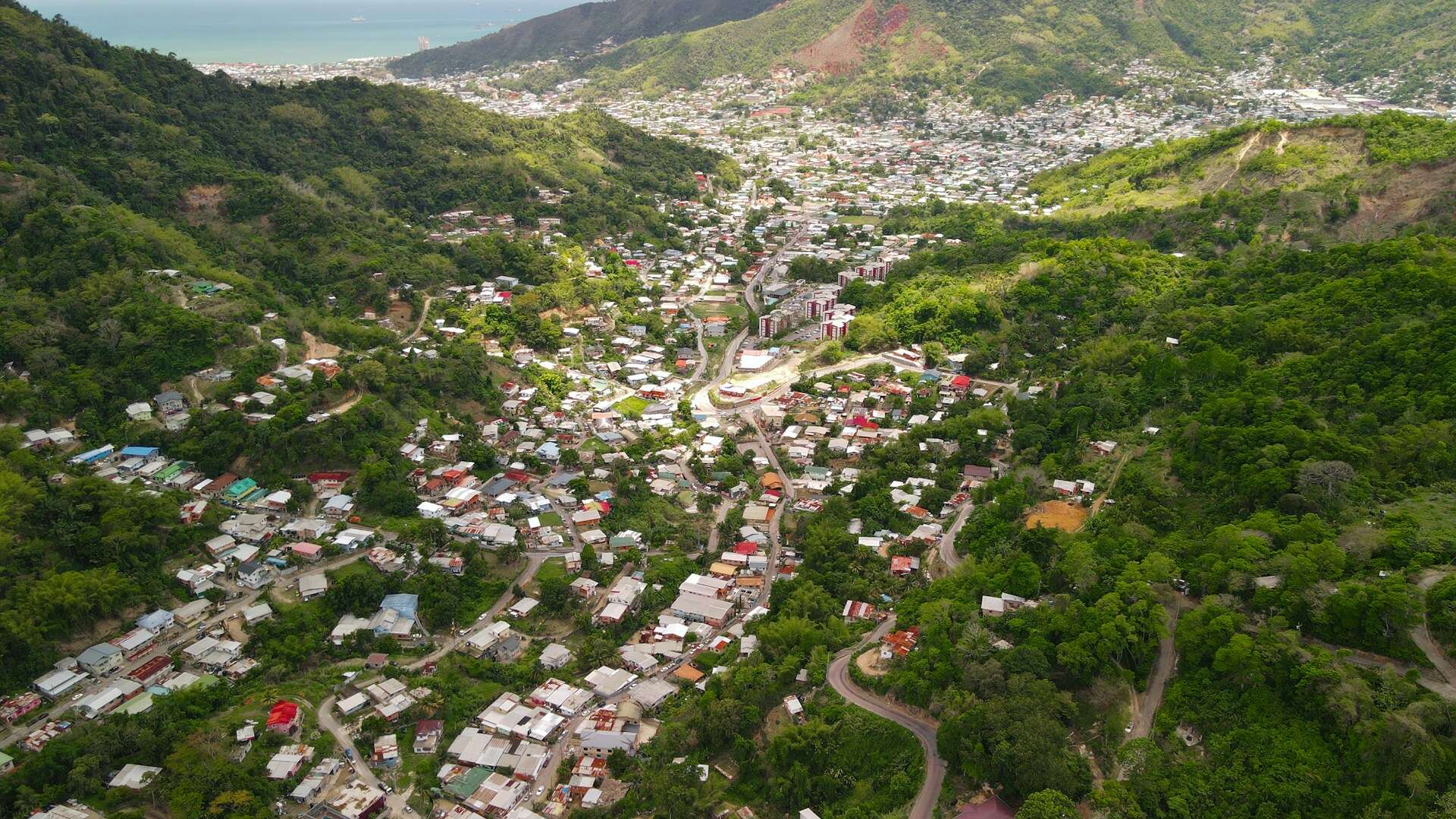
Trinidad and Tobago’s safety guidance warns that violent crime, including sexual assault and kidnapping, is increasingly common, and advises avoiding travel alone after dark or in secluded areas. It also notes places to avoid after dark, including beaches and parts of Port of Spain, where quiet streets can flip the balance toward opportunistic attacks. For women, late-night risk often concentrates in the in-between spaces: empty parks, waterfront paths, and parking lots, so nights tend to run safer with groups, secure venues and rides arranged door to door, rather than curbside waits at night.
Source:
Papua New Guinea
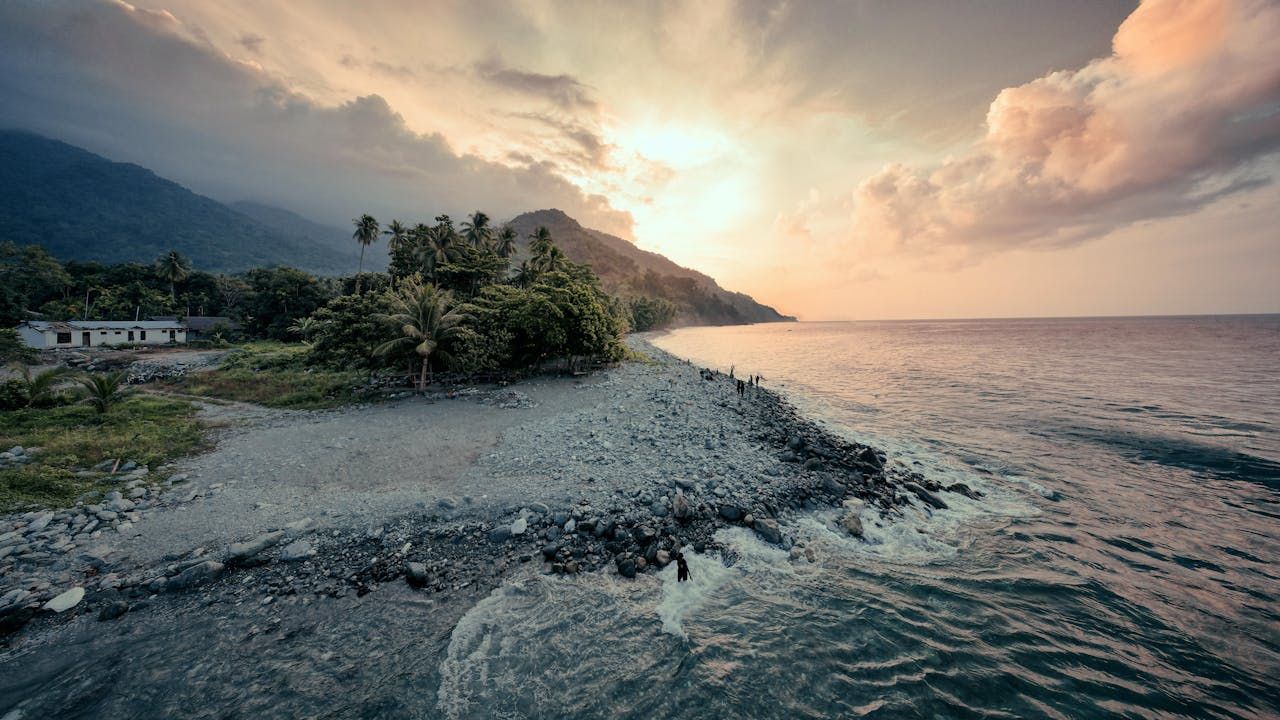
Papua New Guinea’s country guidance makes the after-dark point plainly: avoid public transport, especially after dark, do not travel alone, and limit evening entertainment to venues with professional security. That warning reflects real patterns in Port Moresby and other centers, where robbery and harassment can spike around taxi ranks, markets, and empty streets late at night. Women travelers often keep movement minimal after 10 p.m., rely on hotel or sponsor drivers, stay with trusted groups, and treat a short walk as exposure when lighting is poor and response is uncertain in quieter areas.
Source:
Honduras
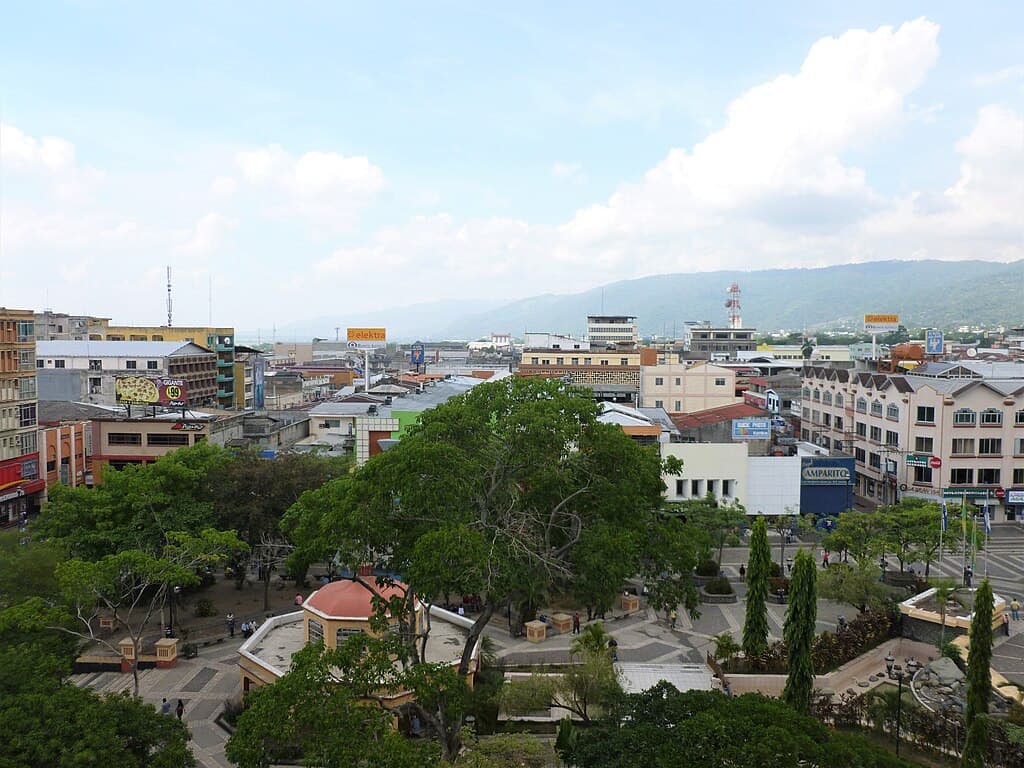
Honduras adds a second layer to night risk: roads themselves can be dangerous when visibility drops. U.S. guidance notes the embassy discourages car and bus travel after dark because roads are poorly lit and marked, drivers may not use headlights, and people or animals can wander into traffic. For women, a late intercity trip can turn into isolation after a missed turn, a rockslide, or a breakdown, so evenings often stay close to secure lodging, with trusted drivers, charged phones, and routes planned to avoid lonely stops and dim highway shoulders especially in wet seasons, when delays build.
Source:
Mozambique
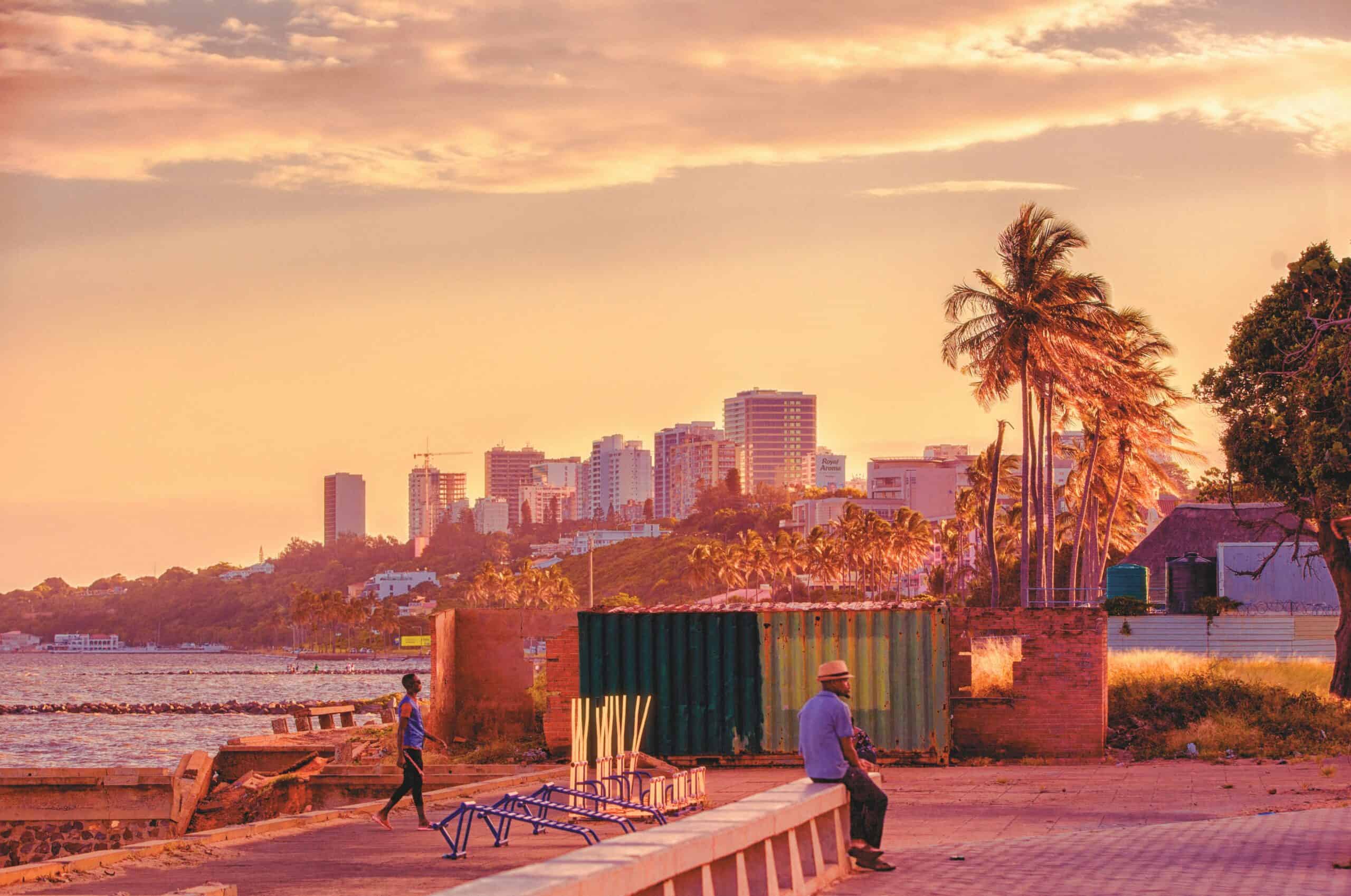
Mozambique’s safety notes emphasize street crime and advise avoiding isolated areas and walking at night, even in well-known tourist zones. After 10 p.m., risk can rise along quiet waterfront stretches, wooded edges, or dim side streets in Maputo and secondary cities, where visibility is low and escape routes narrow. Women travelers often keep evenings close to reputable hotels, use arranged transport, and avoid night ATM runs or short errands on foot, because a brief walk can become a target when the street suddenly empties police presence thins, and reliable taxis are harder to find at once.
Source:
Angola
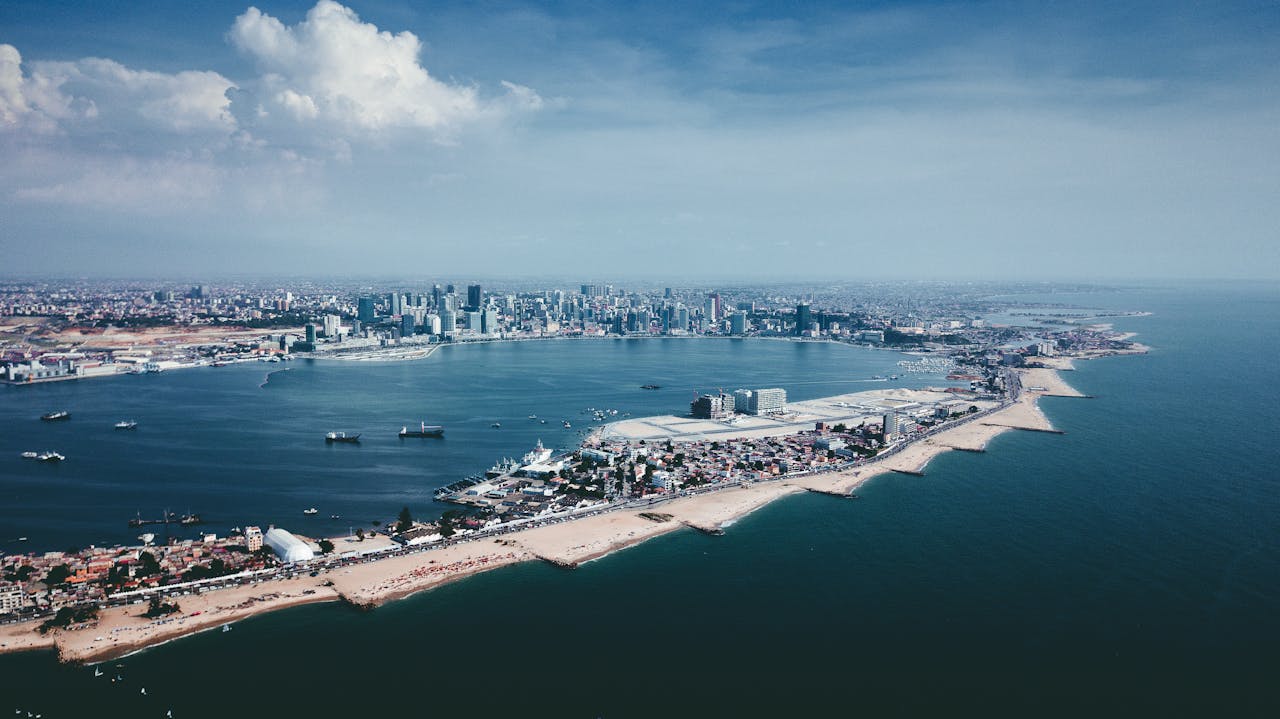
Angola’s guidance urges caution when walking or driving at night and recommends avoiding walking alone, especially after dark, in major cities. It also warns about criminals targeting valuables when vehicles stop in traffic, including smash-and-grab theft that can involve threats or guns. Women travelers often keep doors locked, phones out of sight at lights, and routes varied, then rely on hotel-dispatched rides for evenings, with pickup points inside lobbies, cash kept minimal, and arrivals timed before streets thin out and sidewalks go quiet near markets, bars, and taxi ranks after 10 p.m.
Source: