We may earn money or products from the companies mentioned in this post. This means if you click on the link and purchase the item, I will receive a small commission at no extra cost to you ... you're just helping re-supply our family's travel fund.

Across the world, population balance is rarely even. While more boys are born than girls globally, long-term demographic forces often reverse that ratio. Women tend to live longer, migrate differently, and experience distinct health and social outcomes that shape national populations. In some countries, this gap is subtle; in others, it is striking and deeply tied to history, economics, and public health. The following list explores ten countries where women outnumber men, explaining not just the numbers, but the real-world forces behind them, using clear data and grounded context.
1. Latvia
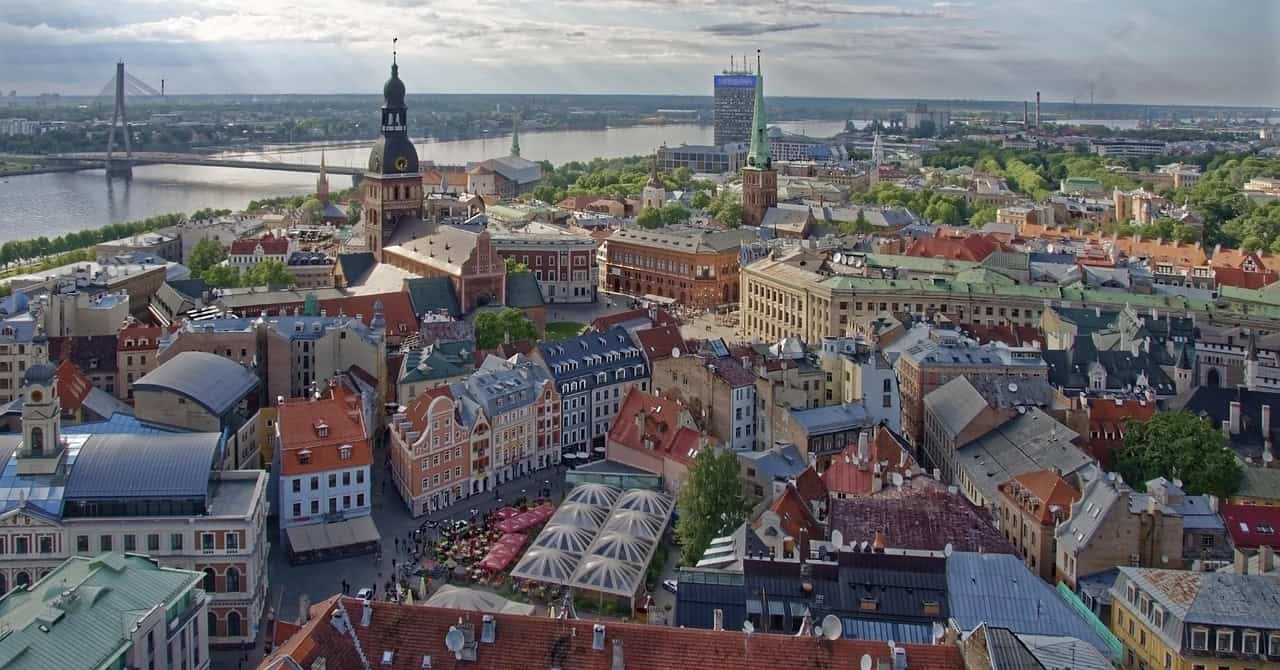
Latvia consistently records one of the largest gender imbalances in the world. Women make up roughly 54.3% of the population, leaving men at about 45.7%, or around 84 men per 100 women. The core driver is life expectancy: Latvian women live on average 79.6 years, while men average only 70.1 years. High male mortality from cardiovascular disease, alcohol-related illness, and occupational risk remains a major factor. The imbalance becomes extreme after age 60, where women dominate senior demographics. Migration also plays a role, as younger men are more likely to leave for work abroad. Over time, these combined forces have made Latvia a clear example of how health outcomes shape population structure.
2. Lithuania

Lithuania’s population shows a similarly strong female majority, with women accounting for approximately 53.7% of residents. The national gender ratio stands near 86 men per 100 women. Life expectancy again explains much of the gap: women live about 81 years, while men average close to 71 years. Chronic illness, alcohol consumption, and stress-related conditions disproportionately affect men, particularly in middle age. Rural regions show the sharpest imbalance, as working-age men often migrate to Western Europe for employment. By retirement age, women outnumber men by a wide margin, reshaping family structures and social care systems across the country.
3. Estonia
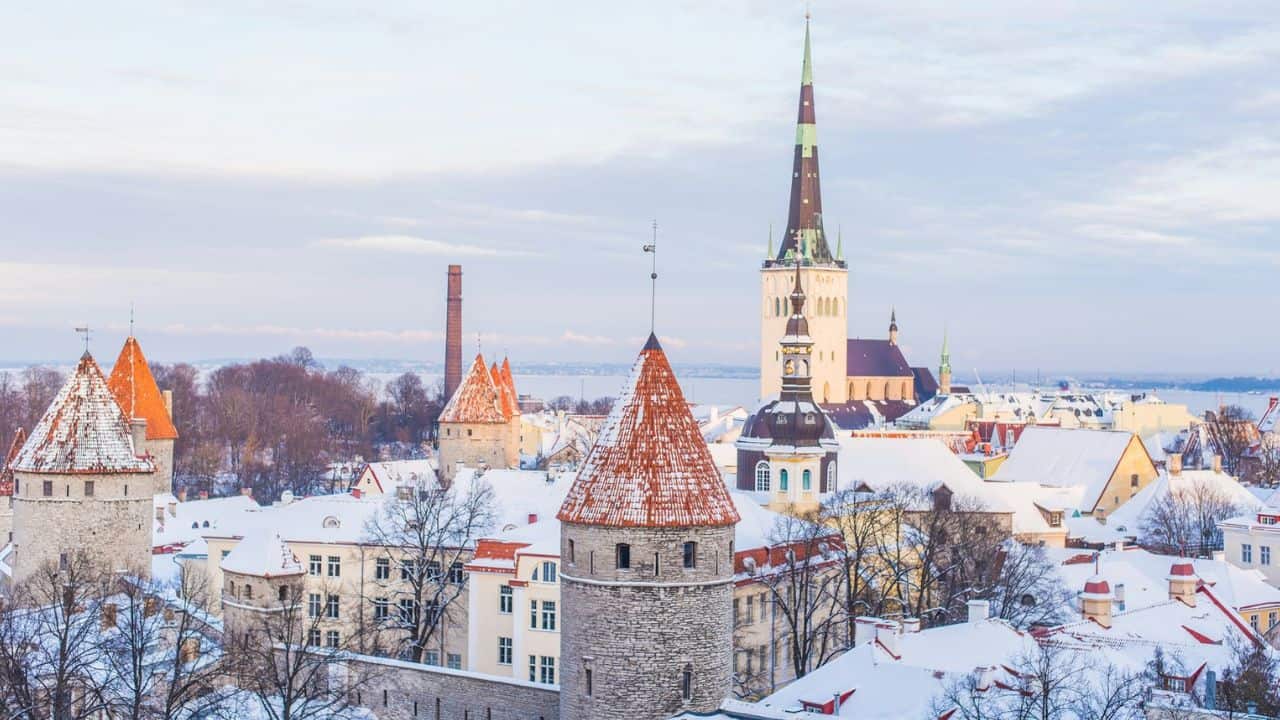
In Estonia, women represent around 53.4% of the total population, compared to 46.6% men. The gender ratio sits at roughly 87 men per 100 women. Estonian women enjoy a life expectancy of about 82.5 years, while men average just under 74 years. Though the gap has narrowed in recent decades, historical health disparities still echo through older age groups. Male mortality from heart disease and accidents remains higher, and outward migration of younger men adds pressure. The result is a steadily aging female-heavy population, particularly noticeable in urban centers and among pension-age citizens.
4. Russia

Russia has one of the most dramatic gender gaps among large nations. Women account for roughly 54% of the population, leaving men at 46%, or about 86 men per 100 women overall. The contrast widens sharply with age. Female life expectancy is approximately 77.8 years, while male life expectancy lingers near 68.2 years. Alcohol-related illness, accidents, and cardiovascular disease heavily affect men. In the 65+ age group, women can outnumber men by more than 2 to 1. This imbalance has lasting effects on households, caregiving patterns, and social demographics nationwide.
5. Ukraine

Ukraine’s population includes about 53.8% women and 46.2% men, producing a ratio near 86 men per 100 women. Life expectancy plays a central role, with women living around 77 years and men closer to 67 years. Economic migration has further reduced the male population, as working-age men often seek employment abroad. Conflict-related losses have also intensified the imbalance in recent years. Urban areas and older age brackets show the strongest female majority, creating long-term implications for labor supply, family formation, and elder care throughout the country.
6. Belarus

Belarus maintains a steady female-majority population, with women comprising approximately 53.6% of residents. The national ratio stands at about 87 men per 100 women. Women live an average of 79.4 years, compared to 69.3 years for men. The ten-year life expectancy gap is among the largest in Europe. Health factors, particularly cardiovascular disease and lifestyle-related conditions, drive male mortality upward. After age 55, the imbalance accelerates rapidly, leaving older communities overwhelmingly female and placing unique pressure on healthcare and social support systems.
7. Portugal

Portugal’s gender imbalance is more moderate but still consistent. Women make up around 52.7% of the population, with men at 47.3%, or roughly 90 men per 100 women. Portuguese women live about 84.3 years, while men average 78.2 years. Migration plays a notable role, as younger men frequently move abroad for work. Coastal and rural regions show stronger female majorities, especially among seniors. Over time, longevity combined with labor migration has gradually tilted Portugal’s demographic balance toward women.
8. France

France has a relatively balanced population, yet women still hold a slight majority at approximately 51.6%. The gender ratio is close to 94 men per 100 women. Life expectancy explains most of the difference: women live around 85.7 years, compared to 80 years for men. Birth ratios remain fairly even, but the gap widens steadily with age. By 75 and older, women significantly outnumber men. This demographic pattern influences housing, healthcare demand, and social planning, particularly in urban and suburban regions.
9. United Kingdom

In the United Kingdom, women account for about 50.8% of the population, while men represent 49.2%, producing roughly 97 men per 100 women. The imbalance is small overall but pronounced among older age groups. Female life expectancy averages 83 years, compared to 79 years for men. Migration affects regional ratios, with women more concentrated in certain urban and coastal areas. Although younger age groups are nearly even, longevity ensures that women gradually become the majority nationwide.
10. United States

The United States has a slight female majority, with women making up approximately 50.5% of the population. The national ratio is about 97 men per 100 women. While more boys are born than girls, higher male mortality reverses the balance over time. Women live an average of 81.4 years, compared to 76.1 years for men. Accidents, chronic disease, and health access disparities contribute to the gap. The difference becomes most visible after age 65, shaping retirement, healthcare, and family dynamics across the country.