We may earn money or products from the companies mentioned in this post. This means if you click on the link and purchase the item, I will receive a small commission at no extra cost to you ... you're just helping re-supply our family's travel fund.

Harassment can happen in any country, including at home. What changes from place to place is how often official travel guidance spells it out, and which situations trigger problems: taxis, nightlife, crowded tourist corridors, or weak response systems. The countries below are not ranked by virtue or culture. They are places where U.S. State Department pages explicitly warn women travelers about harassment or sexual violence, which is useful for planning logistics and expectations. The goal is calm, practical travel design: predictable transport, earlier timing, and clear boundaries. It is about reducing exposure, not limiting curiosity.
Egypt
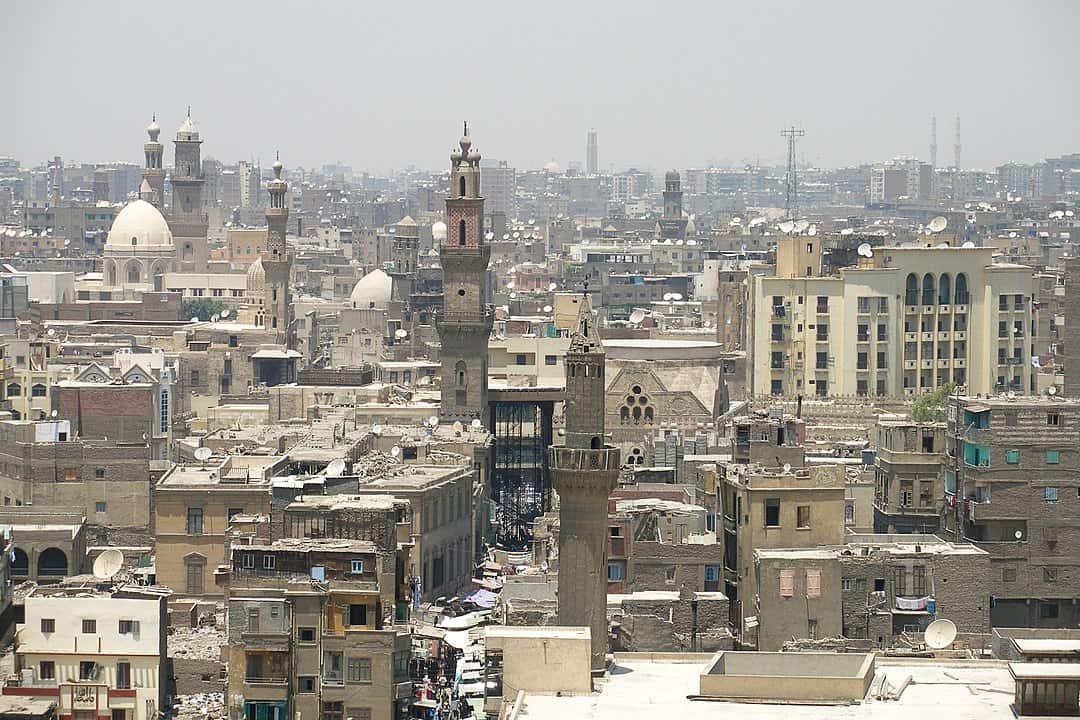
Egypt’s advisory is unusually direct: the U.S. Embassy reports U.S. citizen women experiencing sexual harassment, verbal abuse, and rape, and it notes local assistance and support are limited. That combination tends to raise the cost of small misreads, especially in dense tourist zones where crowds create anonymity. Trips feel steadier when transport is arranged through hotels or trusted operators, and when late-night improvisation is minimized, because friction often appears at exactly the moments when options narrow and patience runs out. The warning is less about fear and more about predictability.
India
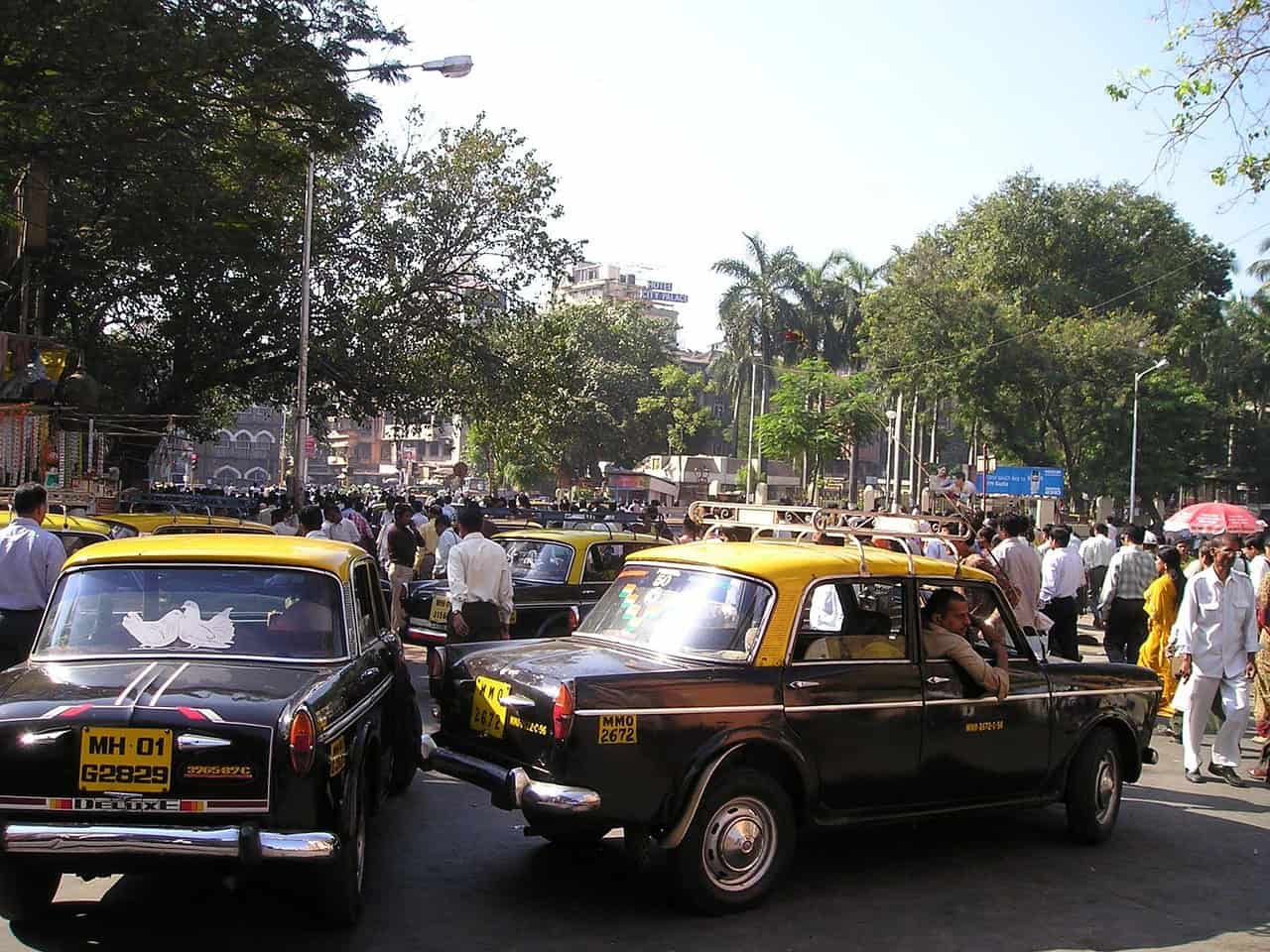
India’s travel advisory states that rape is one of the fastest growing crimes in the country and that violent crimes, including sexual assault, happen at tourist sites and other locations. That language reflects risk that can spike in crowded transit moments and in situations that isolate travelers after dark. Planning that reduces uncertainty matters most: reliable pickups, lodging that does not require long late walks, and a schedule that avoids arriving exhausted into unfamiliar streets. The point is not to generalize a vast country, but to respect what the advisory is flagging. In practice, clarity beats bravado every time.
Turkey

Turkey’s country information warns that sexual assault has occurred in Turkish baths or spas, in taxis, and when traveling alone at night, including reports involving date rape drugs. The detail is useful because it points to settings that feel safe on the surface: wellness spaces, friendly invitations, a quick ride back to a hotel. Safer experiences tend to come from reputable venues, clear group plans, and transport arranged through hotels or trusted apps, rather than ad-hoc offers. When boundaries are tested, leaving early is often the simplest protective move. Selectivity preserves the trip’s ease without turning it into paranoia.
Morocco
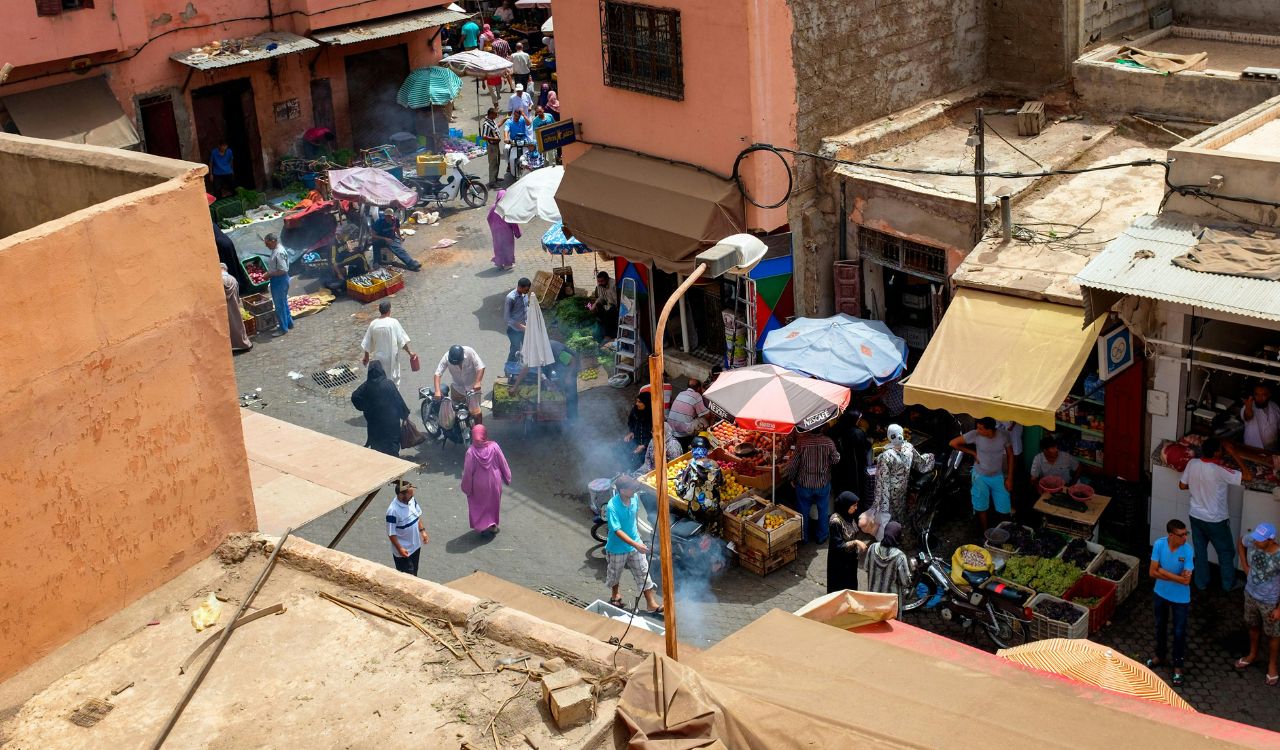
Morocco’s country page notes that women walking alone in certain city and rural areas are vulnerable to assault and advises traveling with a companion when possible, while also warning that rideshare drivers and passengers have reported harassment and physical violence by taxi drivers. Those notes often intersect in real life: a narrow medina street, a transport dispute, and attention that refuses to drop. A calmer trip is built on prearranged pickups, clear routes, and a firm habit of declining unsolicited help that turns into negotiation. The aim is not to avoid the culture, but to reduce repeat friction points.
Indonesia
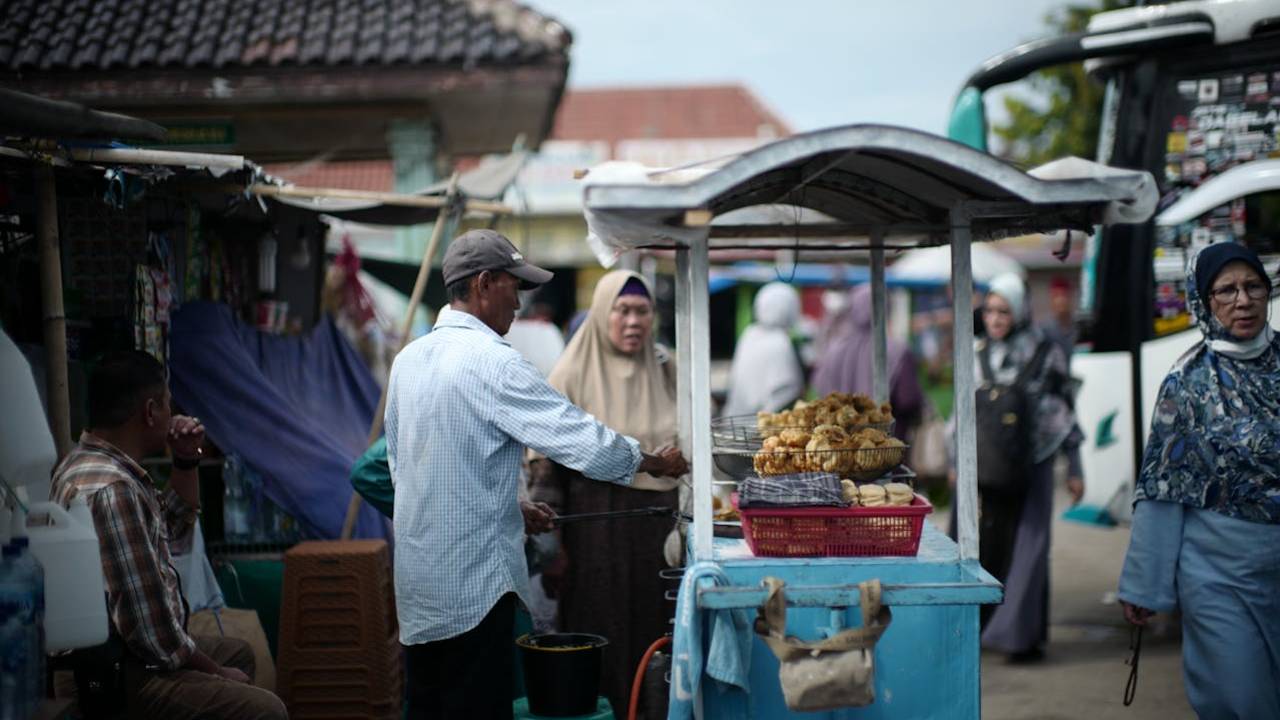
Indonesia’s country information is explicit that travelers, especially those traveling alone, may face harassment, verbal abuse, and sexual assault, and it ties risk reduction to nightlife, less populated areas, and new acquaintances in communal lodging. That framing matters because many trips center on beach towns and social settings where plans get loose and boundaries blur. The lowest-drama itineraries tend to prioritize controlled arrivals, trusted transport, and a smaller radius at night, with mornings doing the heavy sightseeing. It is practical risk management, not a judgment about the country’s warmth or hospitality.
Vietnam
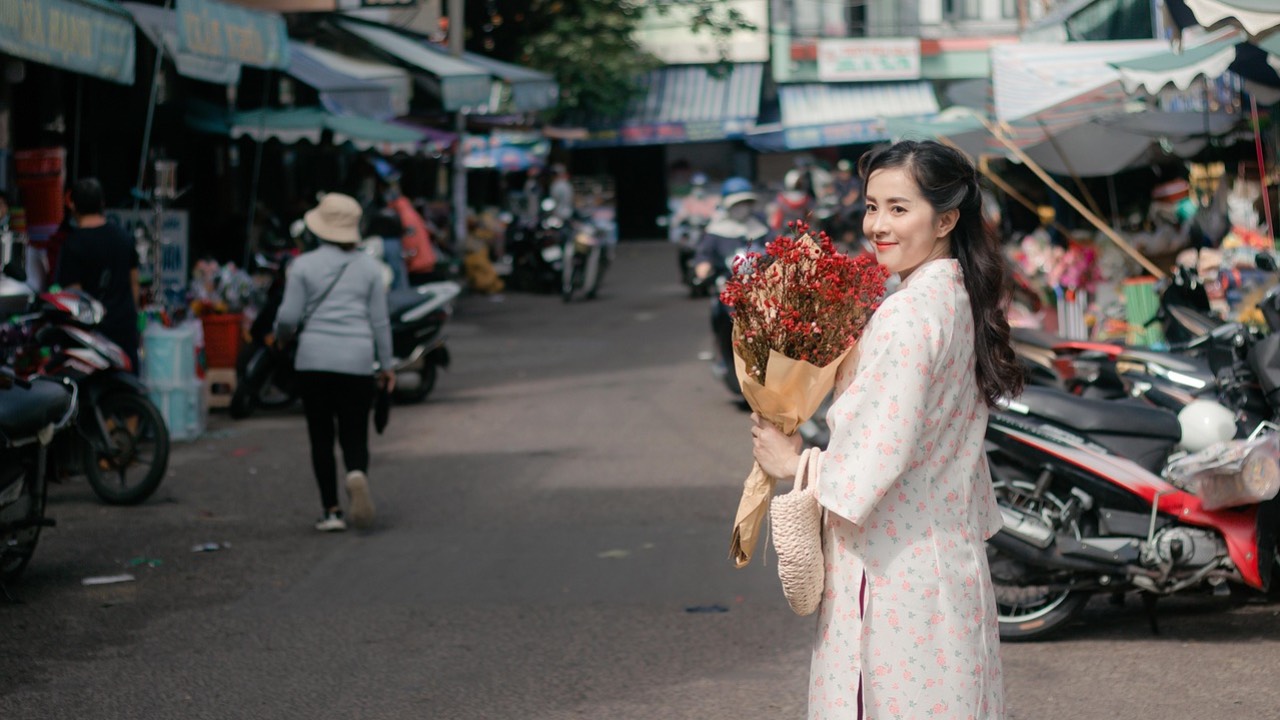
Vietnam’s country page notes that women traveling alone may face harassment and verbal abuse, and it states that sexual assault, harassment, and rape do occur, adding that local authorities may not always respond adequately. That last line is the key planning insight: when response is uneven, prevention becomes more valuable than confidence. Safer-feeling travel often comes from predictable transport, cautious nightlife choices, and lodging staff who can arrange reputable drivers, so late returns do not rely on street negotiations. The goal is to keep the trip’s energy focused on the place, not on managing unwanted attention.
Jordan
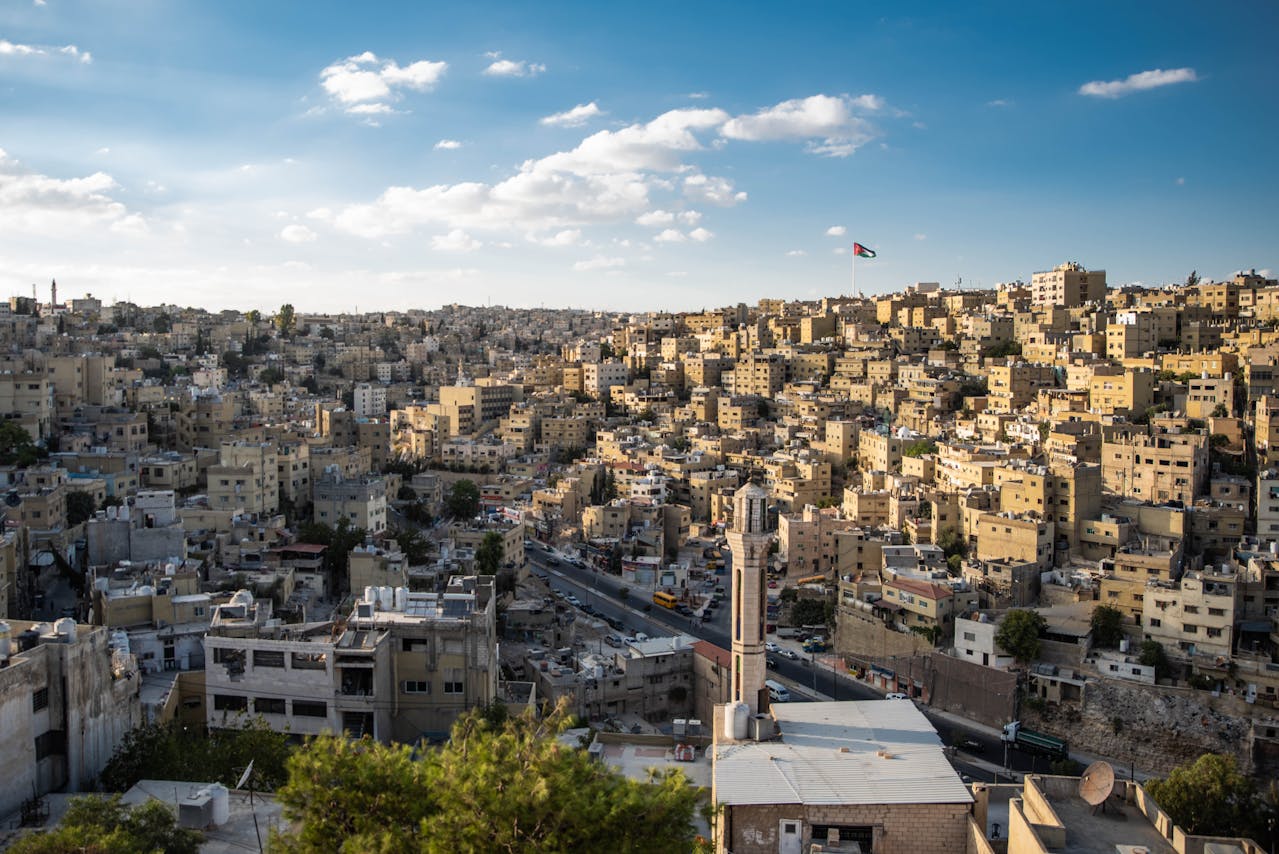
Jordan’s country information notes reports of sexual harassment, stalking, indecent exposure, and assault, with sporadic reports involving taxis and taxi drivers, including some physical assaults. That specificity is useful because it points to a common travel pinch point: end-of-day transport, when people are tired and options narrow. Trips tend to feel steadier when rides are arranged through hotels or reputable apps and when nightlife routes stay simple and well-lit. The message is not that Jordan is uniformly unsafe, but that certain scenarios repeat often enough to be named in official guidance.
Mongolia
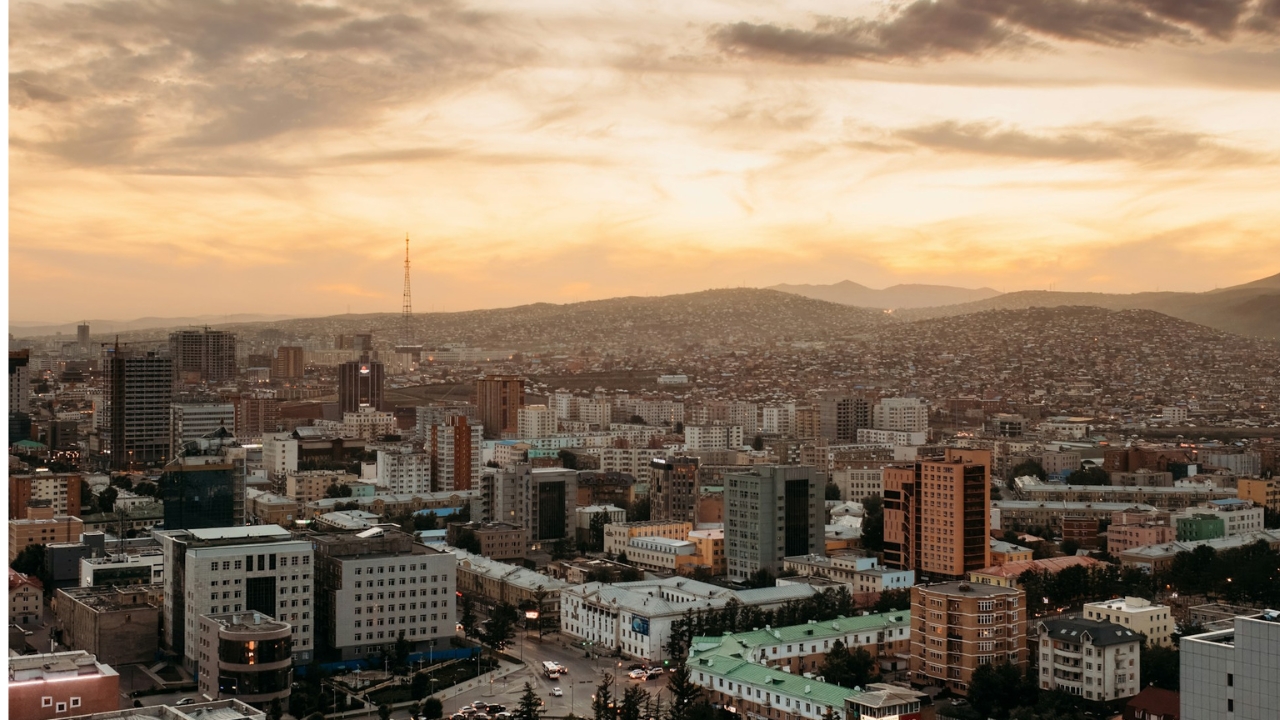
Mongolia’s country page describes street harassment as especially prevalent at night and says the most common targets are unaccompanied women, noting it can range from verbal abuse to physical assault, often near bars and nightclubs with alcohol involved. The point is that risk is time- and place-specific, not constant. Travel plans that stay earlier, rely on prearranged rides, and avoid poorly lit routes reduce exposure without shrinking the experience. Many visitors find Mongolia deeply hospitable by day, which is exactly why this night-window warning deserves to be taken seriously. Calm logistics keep evenings quiet.
Mauritius

Mauritius’s travel advisory includes a specific note on verbal harassment and other crimes toward women traveling alone, alongside broader warnings about violent crime. That matters because island branding can create false ease: beaches feel public and safe, and nightlife feels casual, until a walk back stretches longer than expected. The most comfortable stays tend to come from choosing lodging with reliable transport options and treating late-night beach routes as optional rather than routine. Harassment is rarely announced in advance, so the best protection is a plan that does not depend on isolation, especially after dark.
Equatorial Guinea

Equatorial Guinea’s travel advisory is blunt: it states sexual harassment and abuse are common, and that women perceived as Western may experience frequent harassment, while also noting enforcement is inconsistent and often ineffective. When official language goes that far, the planning lesson shifts from convenience to systems. Trips that run smoothly usually rely on vetted contacts, controlled transport, and conservative evening movement, because recourse can be limited when something goes wrong. This is less about stereotypes and more about institutional reliability, which is a real variable in travel safety.