We may earn money or products from the companies mentioned in this post. This means if you click on the link and purchase the item, I will receive a small commission at no extra cost to you ... you're just helping re-supply our family's travel fund.
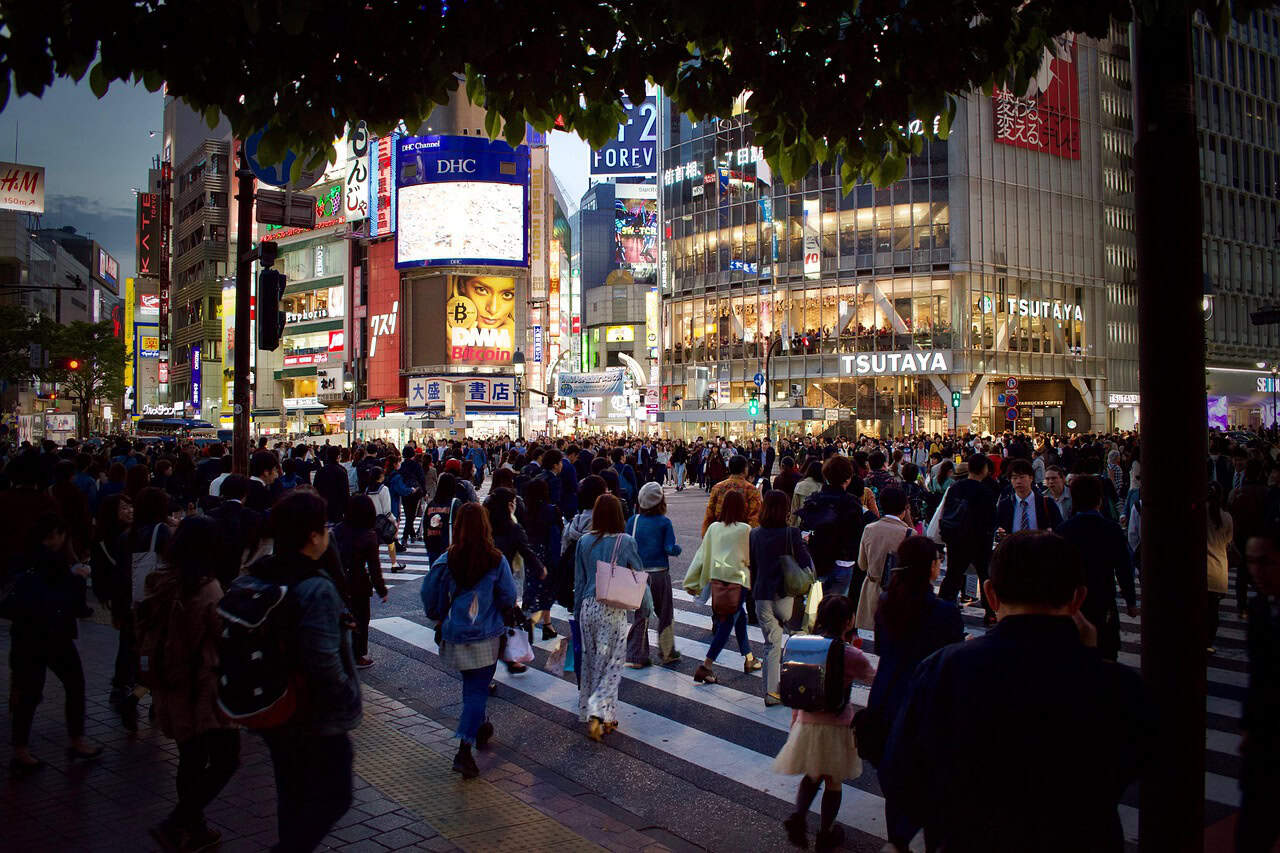
Travel often sells the fantasy of freedom, but in many countries, that freedom comes with invisible tripwires. A single careless action, often something that feels harmless at home can trigger fines, detention, or permanent travel bans. These destinations aren’t hostile to visitors, but they expect awareness, respect, and preparation. What makes them dangerous for tourists isn’t cruelty; it’s how fast consequences arrive once a line is crossed. Below are ten countries where one small mistake can derail everything, sometimes in minutes.
1. Singapore
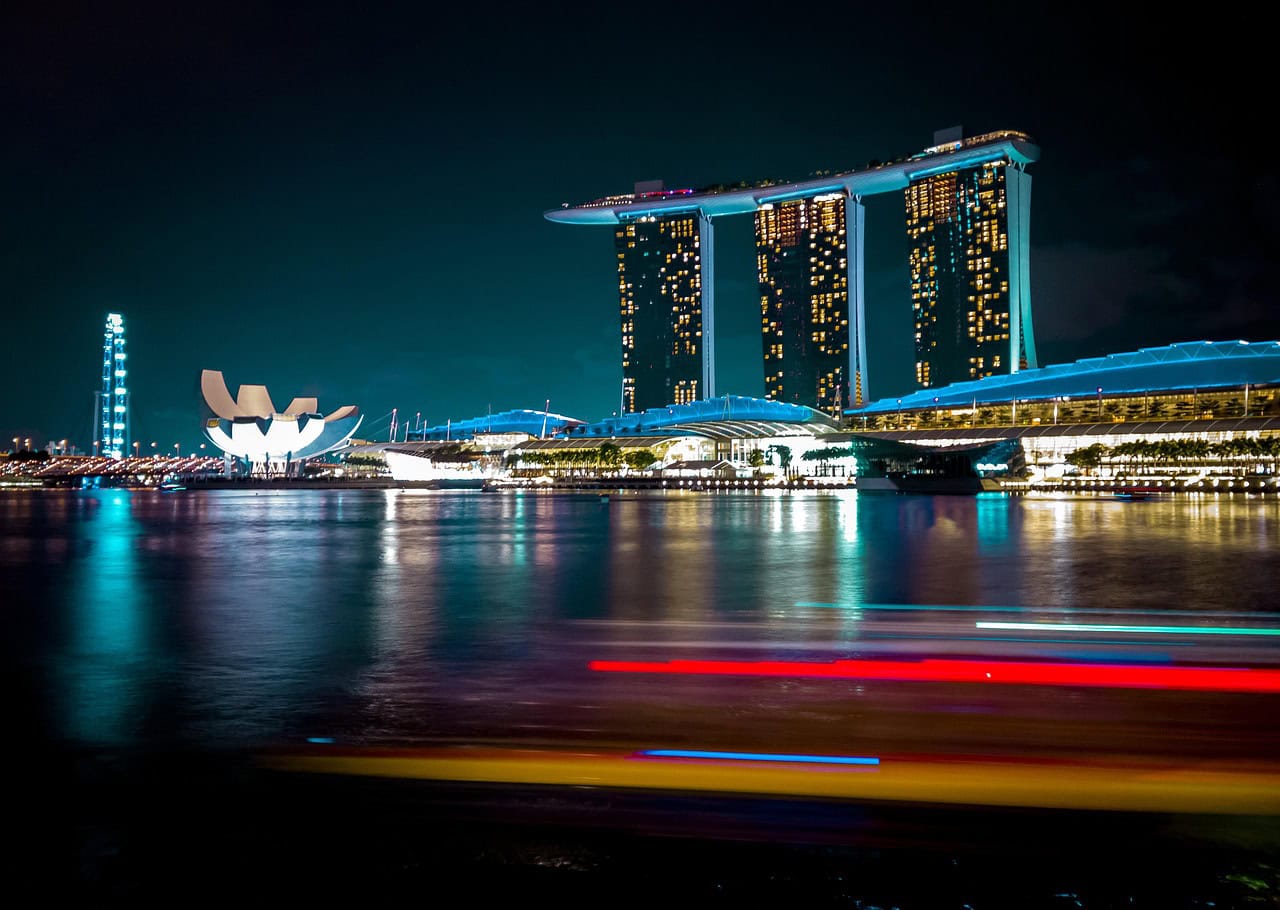
Singapore’s spotless image is protected by strict enforcement, not polite reminders. Jaywalking can cost around USD 40, littering begins near USD 300, and repeat offenses escalate fast. Importing or carrying e-cigarettes can result in fines exceeding USD 1,500 or jail time. Over 35,000 minor civic fines are issued annually, many to visitors. CCTV coverage is extensive, and enforcement is immediate. Tourists rarely get warnings. The common mistake is assuming rules are symbolic. In Singapore, they are operational, visible, and enforced without hesitation.
2. Japan

Japan’s risk comes from invisible expectations and rigid laws. Speaking loudly on trains, ignoring queues, or mishandling cash can lead to quiet denial of service. Legal trouble often starts at customs. Medications containing pseudoephedrine or ADHD stimulants are illegal without approval. In 2023, over 1,200 travelers were questioned for prescription violations. Police interviews can last hours without lawyers. The mistake tourists make is assuming politeness equals tolerance. Social order here is precise, and deviation brings swift consequences.
3. United Arab Emirates
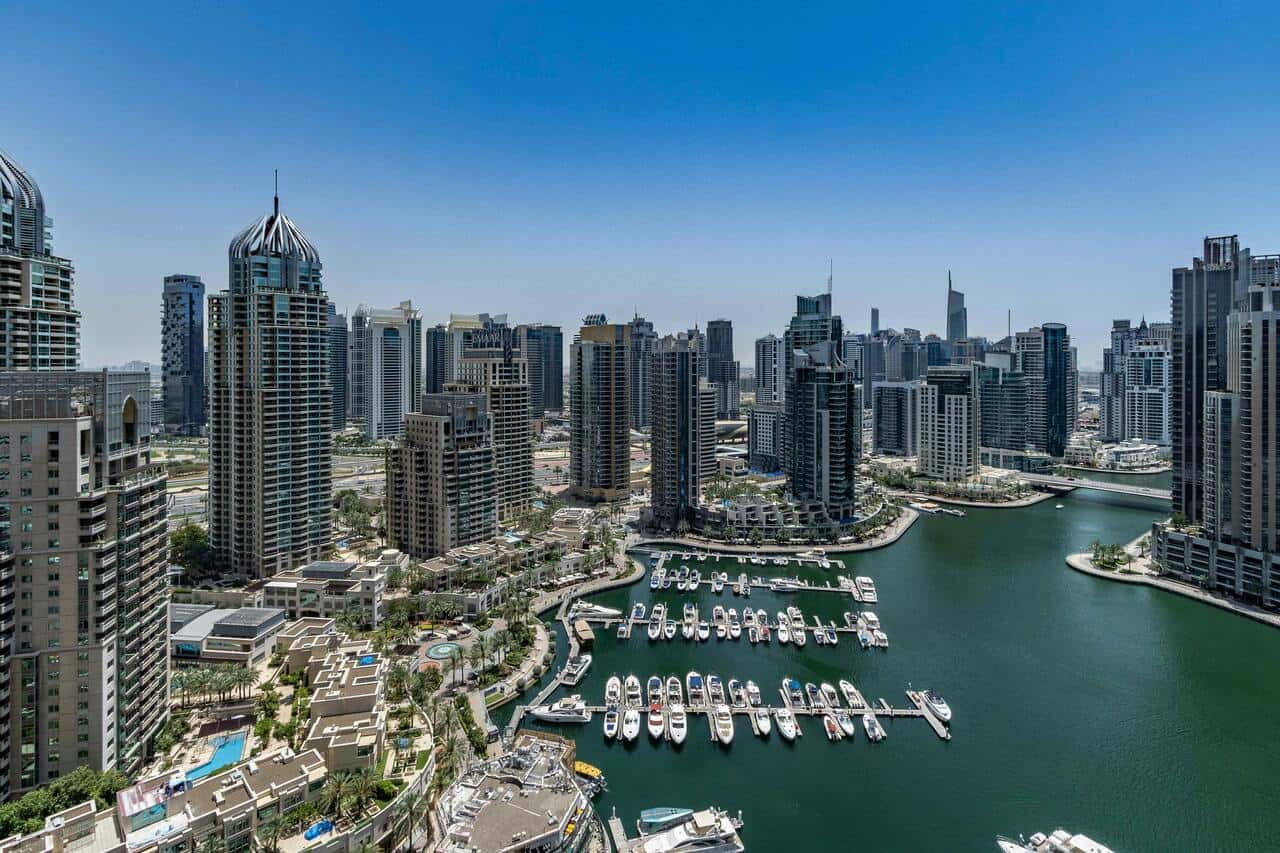
The UAE blends luxury with strict morality laws. Public intoxication can trigger fines above USD 500 or detention. Swearing, rude gestures, or public arguments are criminal acts, with more than 4,000 tourist cases recorded yearly. Alcohol licenses exist but enforcement varies by location. Social media posts criticizing authorities can lead to device confiscation or questioning. The mistake is treating Dubai’s relaxed appearance as proof of leniency. Enforcement is firm, fast, and legally supported.
4. Thailand

Thailand’s welcoming vibe hides unforgiving red lines. Disrespecting the monarchy carries penalties of up to 15 years per offense under lèse-majesté laws. Even stepping on currency with royal images can spark legal trouble. Drug laws remain strict despite cannabis reforms, with trafficking punishable by life imprisonment. In 2022, over 2,700 foreigners faced drug charges. Tourists assume beach zones mean relaxed law. That assumption ends trips abruptly.
5. South Korea

South Korea’s modern energy masks strict regulation. Recording people without consent violates privacy laws and can lead to fines exceeding USD 4,000 or device seizure. Certain prescription drugs require prior approval, and violations have caused airport detentions lasting 24 hours. Over 18 percent of tourist arrests involve alcohol-related behavior. Drunken conduct isn’t excused. The mistake travelers make is believing nightlife culture equals tolerance. It actually increases enforcement and scrutiny.
6. Indonesia
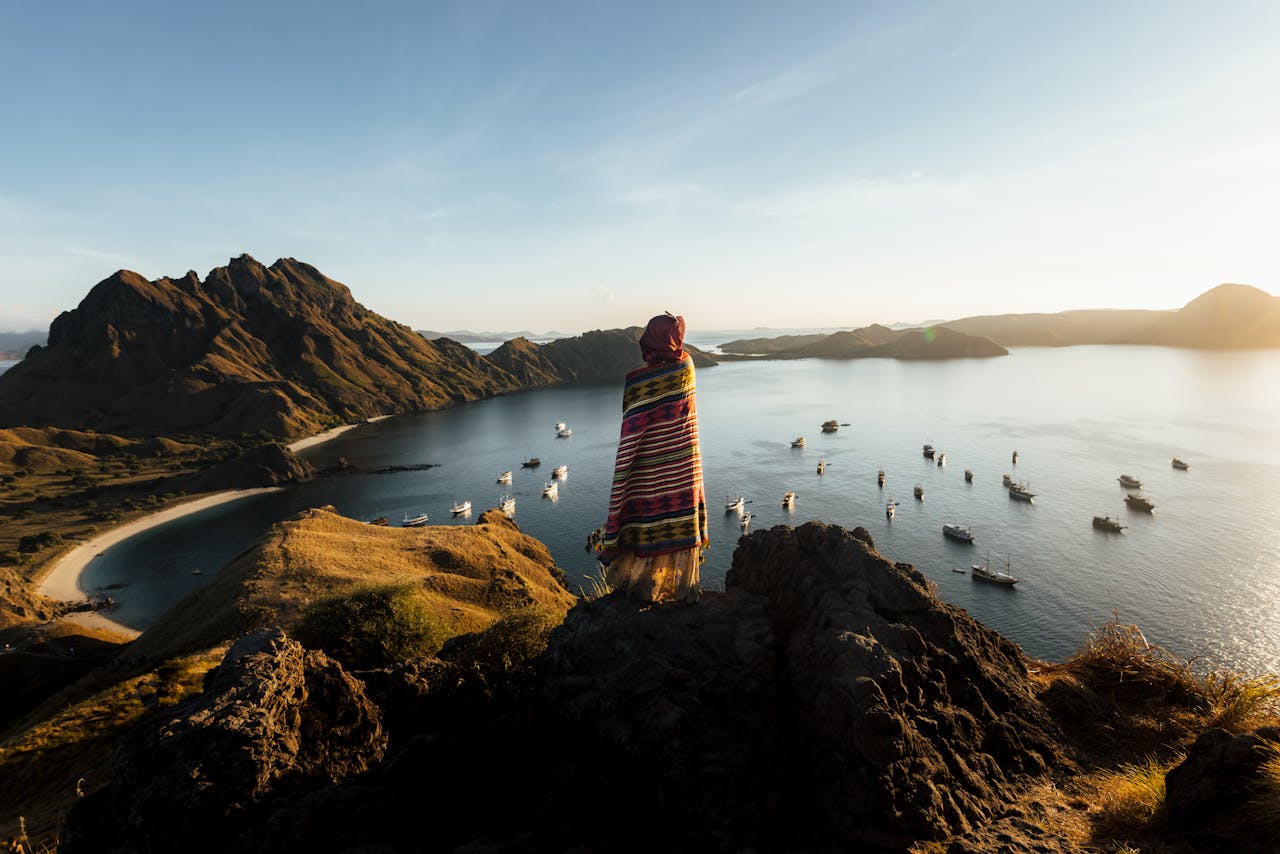
Indonesia’s relaxed atmosphere hides severe legal consequences. Drug possession under one gram can lead to 4–12 years in prison, while trafficking carries the death penalty. Visa overstays cost roughly USD 70 per day and can result in blacklisting. In Bali alone, immigration detained over 3,500 foreigners in one year. Public disrespect toward religion or ceremonies often leads to police involvement. The mistake is confusing friendliness with legal flexibility.
7. Germany
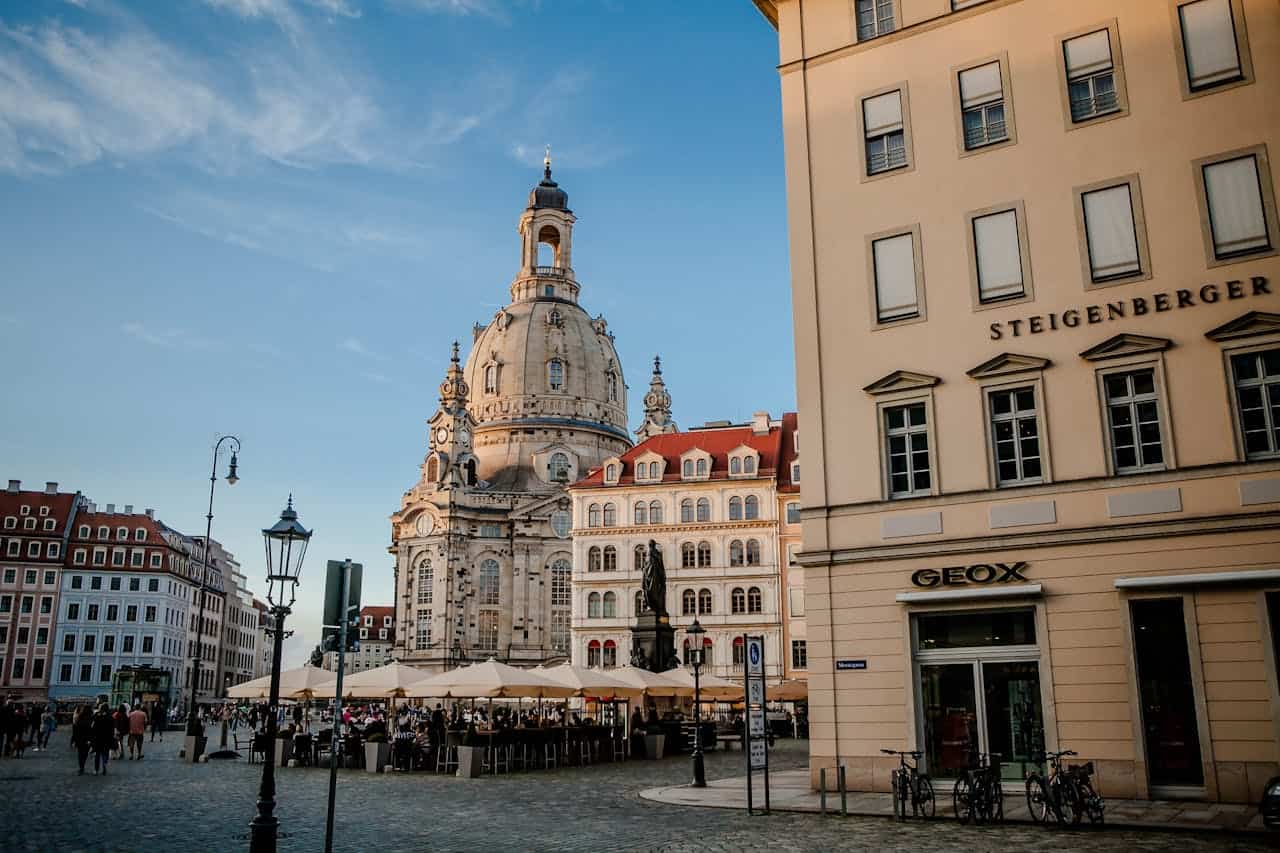
Germany enforces order through law and citizens alike. Jaywalking fines start near USD 10 but rise sharply if accidents occur. Fare evasion on public transport exceeds USD 70 per incident. Nazi symbols or gestures are criminal offenses punishable by up to three years in prison. In 2023, thousands of tourists were fined after citizen reports. The mistake is assuming rules matter only when police are present. Enforcement is collective and constant.
8. Turkey
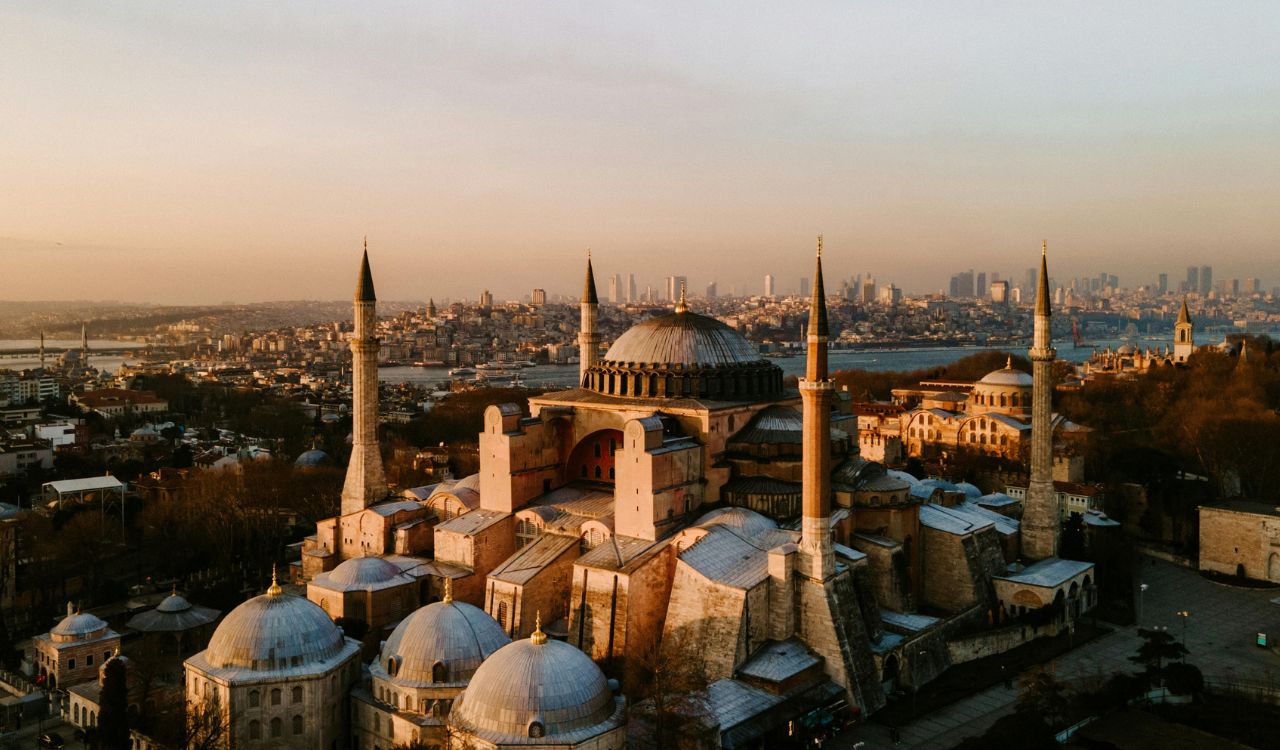
Turkey welcomes millions yet enforces strict national laws. Insulting state institutions or leadership can lead to arrest under statutes used thousands of times yearly. Photographing military or police areas may trigger questioning or device searches. Religious sites enforce dress codes, and violations lead to removal or fines. Online comments aren’t ignored. The mistake travelers make is assuming casual opinions stay private. In Turkey, they often don’t.
9. China
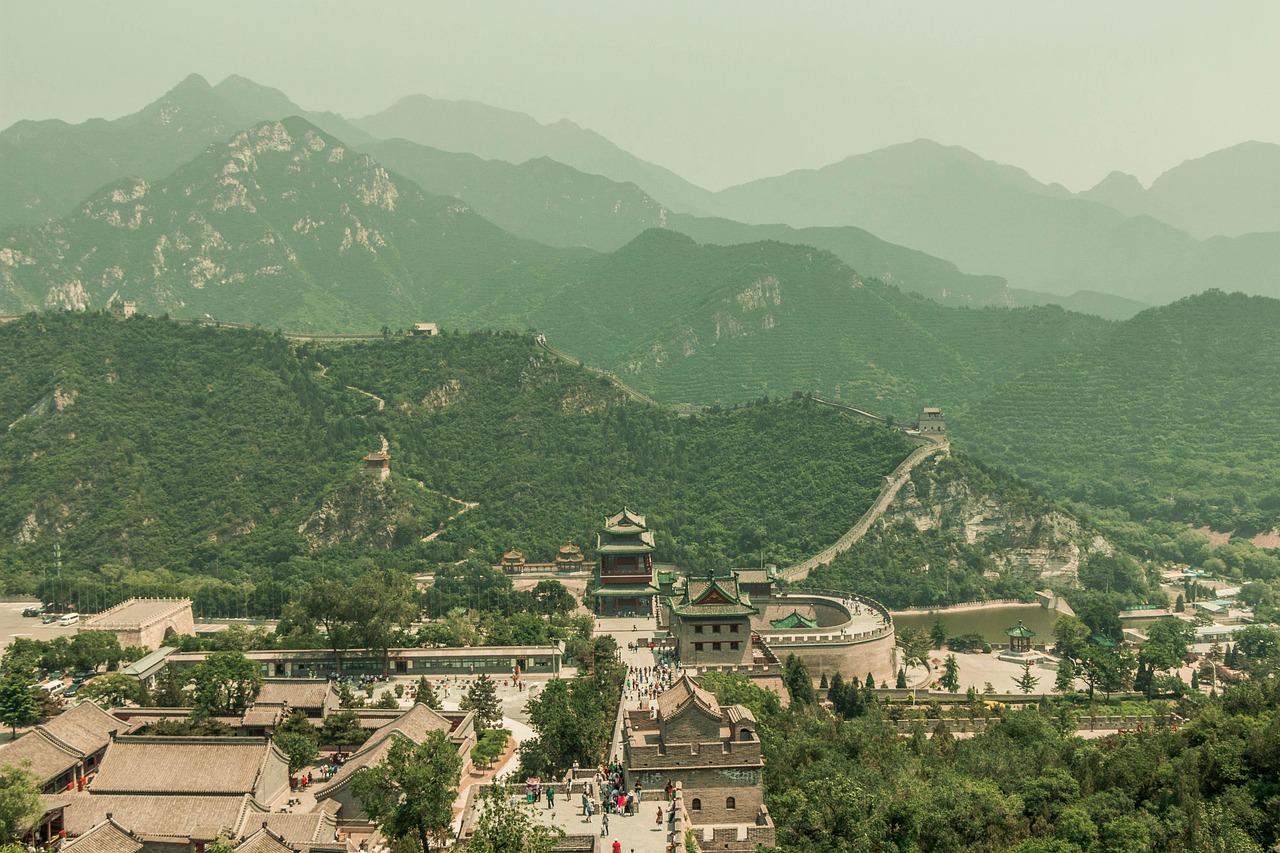
China’s laws are clear, but enforcement can feel sudden. VPN misuse, political commentary, or photographing restricted areas may lead to questioning or detention. Over 10,000 foreigners are investigated annually for visa or conduct violations. Digital activity is monitored, and devices can be searched without notice. Explanations aren’t guaranteed. The mistake is assuming silence equals safety. Compliance, not intent, determines outcomes.
10. Switzerland
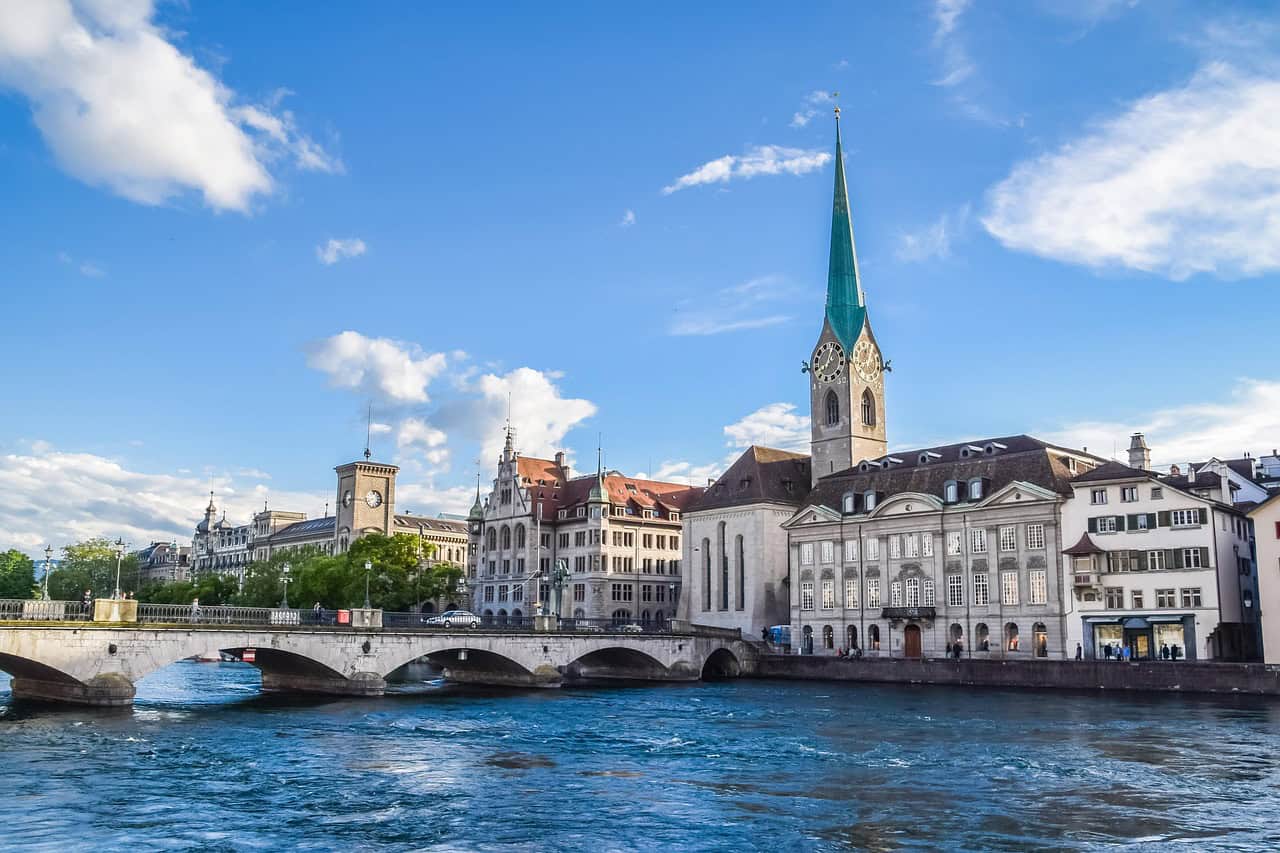
Switzerland’s peaceful image is backed by strict civic discipline. Noise after 10 p.m. can result in fines exceeding USD 100, even for conversations or moving furniture. Jaywalking, incorrect waste sorting, or using public transport without a ticket can trigger immediate penalties. In some cantons, washing clothes or recycling on restricted days is fined. Thousands of minor citations are issued to tourists every year. The mistake is assuming rules are flexible. In Switzerland, order is cultural, legal, and quietly enforced.