We may earn money or products from the companies mentioned in this post. This means if you click on the link and purchase the item, I will receive a small commission at no extra cost to you ... you're just helping re-supply our family's travel fund.
Awards can be marketing, but the World Travel Awards still capture a real signal: where travelers keep voting with their time and money. Across 2025 regional results, a handful of countries stood out as leading destinations on their continents, while one took the top global title. Some win through wildlife and wide-open nature. Others win through food, history, and cities that are easy to love on foot. Together, these winners show how many ways a place can feel irresistible, and how a strong travel identity travels well across borders.
Tanzania
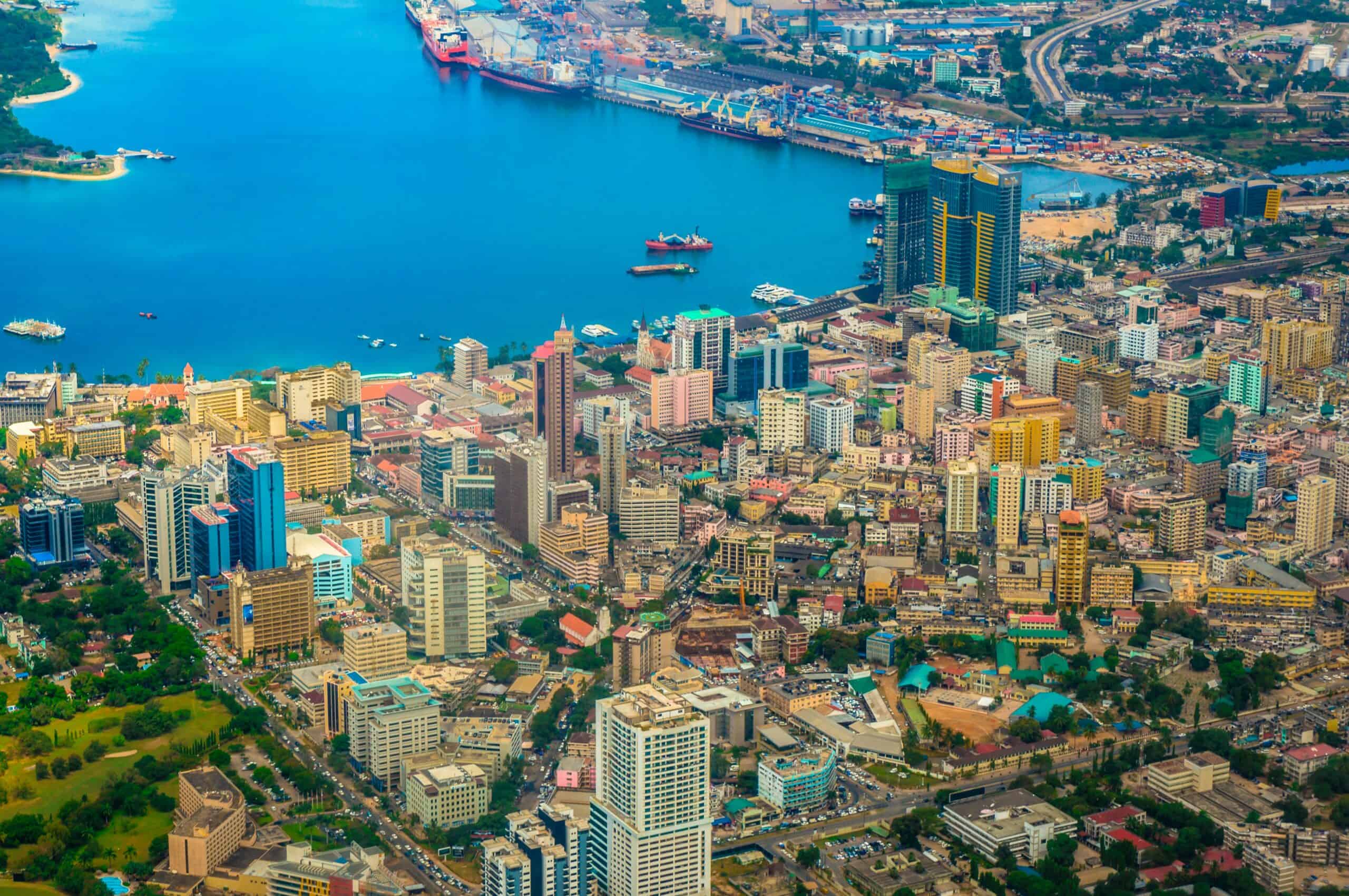
Tanzania won Africa’s Leading Destination 2025, and the appeal is immediate: Serengeti plains that feel endless, Ngorongoro’s crater rim dropping into its own enclosed world, and Zanzibar nights where the air smells like salt and charcoal. Days move at safari pace, with long quiet stretches that make the sudden moments hit harder, a lion rising from grass, a migration line appearing like a moving horizon, a lilac-breasted roller flashing color and then vanishing. It stays memorable because it rewards patience more than rushing, and a strong guide turns tracks, weather, and animal behavior into a story that feels alive.
Vietnam

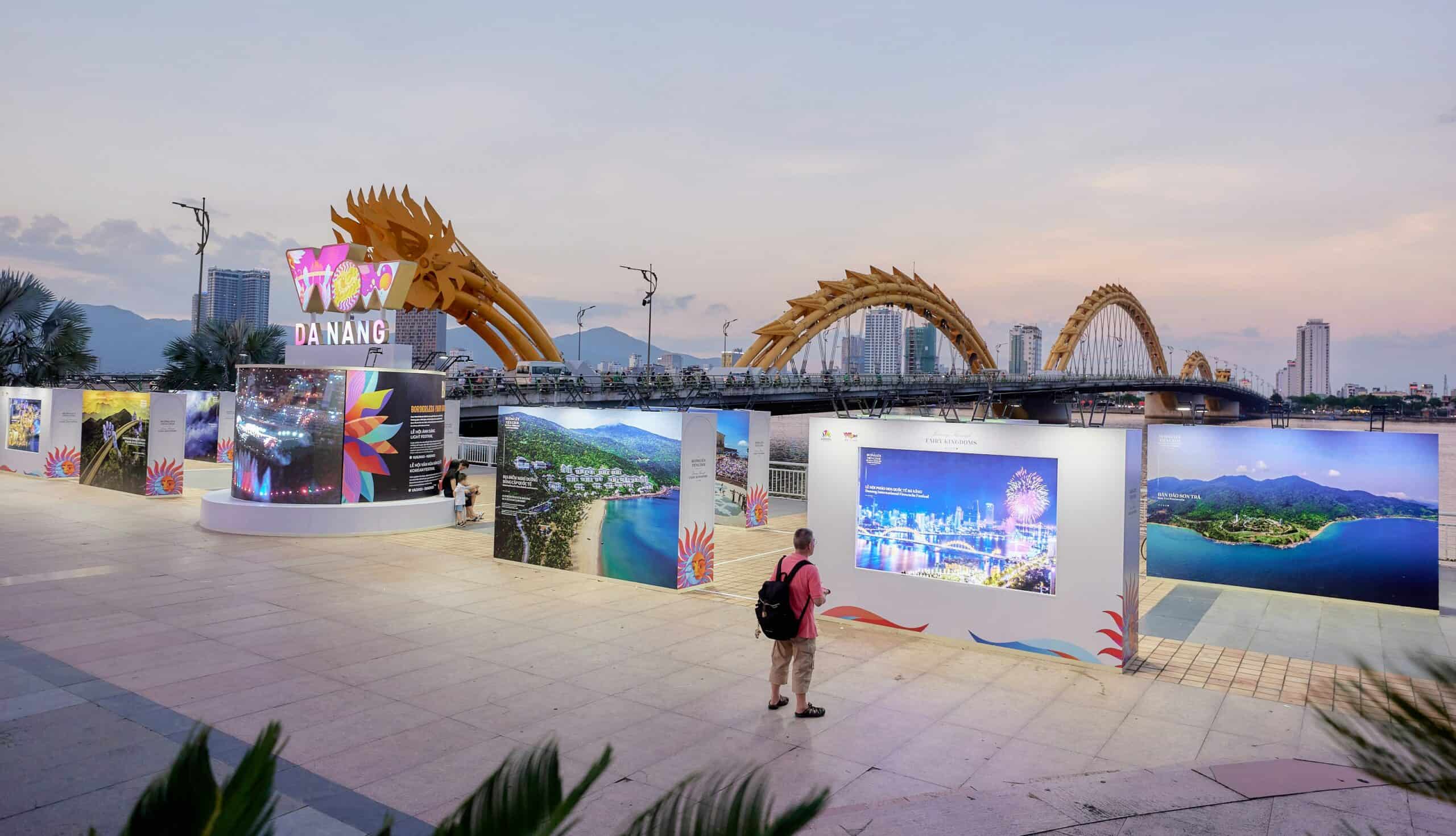
Vietnam took Asia’s Leading Destination 2025, and its strength is contrast that still feels coherent, from Hanoi’s street-food buzz to Ha Long’s misty water, imperial history in Hue, and mountain towns that wake up inside clouds. Logistics are manageable by train, short flights, and easy day trips, so itineraries can slow down between big days instead of turning into constant packing and unpacking, and that slower pace makes cities feel less frantic. The trip lands best when food is treated as the thread, because flavors shift quickly by region, and that steady change keeps curiosity high from first bowl to last late-night snack.
Portugal

Portugal was named Europe’s Leading Destination 2025, and it wins on ease without losing character: tiled streets, Atlantic light, hilltop viewpoints, and meals that feel grounded rather than staged. Short distances let a week hold Lisbon or Porto, surf towns, wine country, and quiet inland nights without sacrificing whole days to transit, and the pace stays friendly even for travelers who hate complicated planning. Even in popular areas, pockets of ordinary life remain, so the experience feels less like a performance and more like a welcome, especially at sunset when the streets soften and the cafés fill slowly.
United States

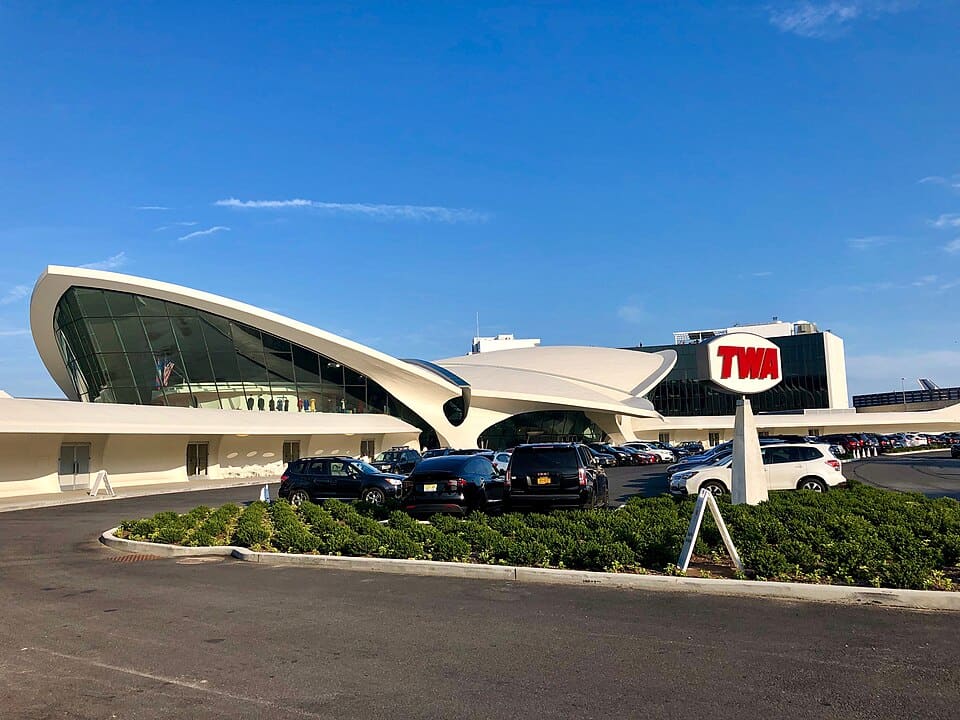
The USA earned North America’s Leading Destination 2025, largely because it can satisfy wildly different trips without changing passports, from canyon silence and desert skies to coastal fog, diners, jazz nights, and museum-heavy weekends. Scale is the gift and the trap, so the strongest itineraries pick a region and stay with it, letting distances work for the trip instead of against it, whether that means a Southwest loop, a Pacific Coast drive, or a Northeast city run. That mix of open-space calm and big-city energy keeps the destination competitive, even when costs rise, because almost any travel mood can find a matching route.
Mexico

Mexico won Mexico & Central America’s Leading Destination 2025, and the depth shows beyond beaches: Mexico City’s museums and street tacos, Oaxaca’s markets and crafts, and the Yucatán’s ruins paired with cenotes and slow evening plazas. Flights, buses, and private transfers give flexible planning, so time and budget can shape the route without breaking it, and short hops can still feel like a shift into a new culture. It rewards repeat visits because each region feels distinct, and the best days often come from simple rhythms, a market breakfast, a day trip, then a meal that tastes like nowhere else.
Jamaica
Jamaica was crowned the Caribbean’s Leading Destination 2025, and the island’s pull is personality as much as scenery, with music, food, and warm-water ease showing up in everyday places, not just curated resorts. Short drives can shift the day from north-coast sand to green interior hills and waterfalls, where the air cools and the pace slows, and roadside fruit stops, rum shops, and quick conversations become part of the plan. The most lasting memories tend to be small and local, a jerk stand at dusk, a river swim, a sound system warming up, or a quiet stretch of shoreline after the sun drops and the day finally exhales.
Peru

Peru earned South America’s Leading Destination 2025, and it shines when the trip is paced for altitude, letting Cusco and the Sacred Valley lead naturally toward Machu Picchu without turning the body into the bottleneck. The story widens into Arequipa’s white stone, Amazon lodges, and a coastal food culture that holds its own anywhere, with Lima often serving as both arrival hub and culinary reward. With acclimation days and smart planning, the country feels layered rather than rushed, and the details, markets, textiles, and quiet plazas after the tour groups move on, carry the memory home.
Australia
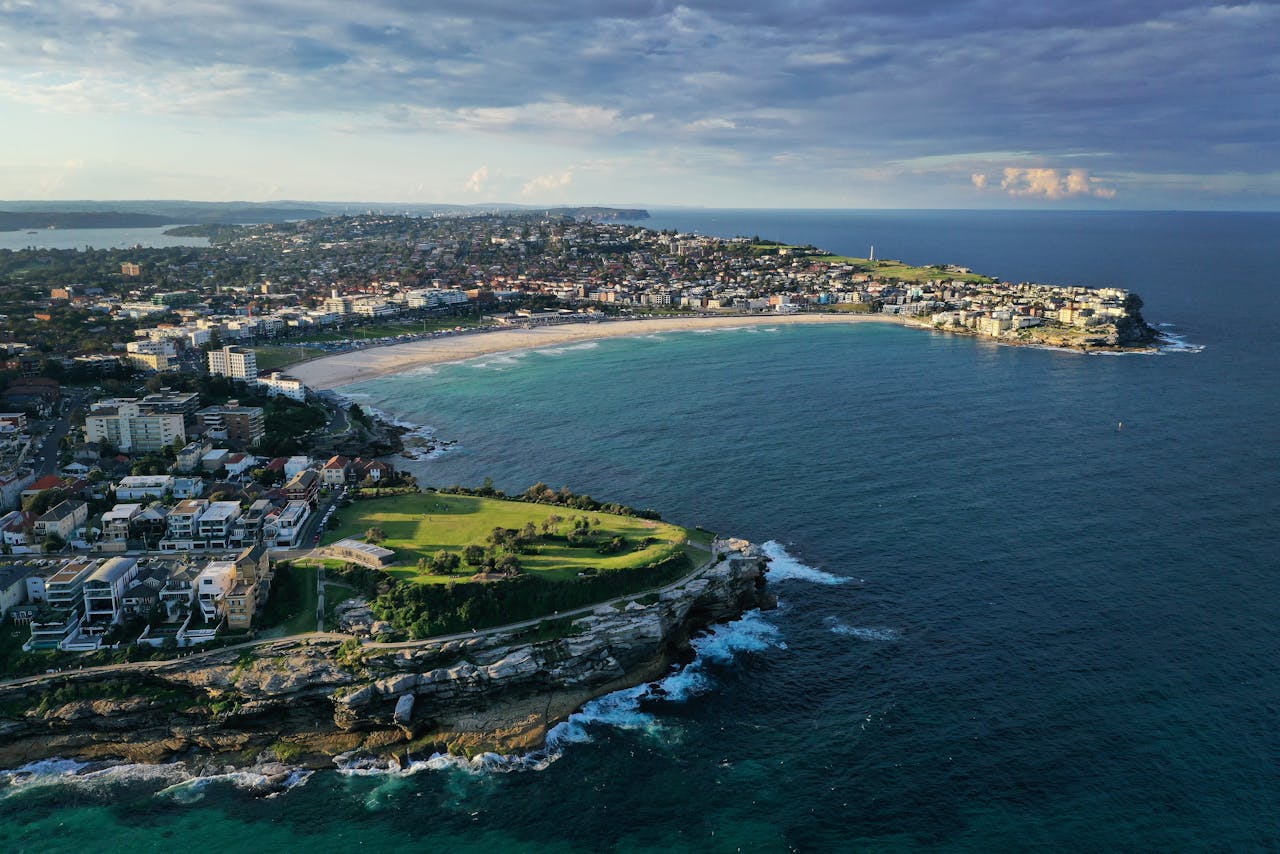
Australia took Oceania’s Leading Destination 2025, and it works best as a choose-your-own mix: beach cities with easy routines, then reef water, rain forest, wine country, or red interior landscapes that reset a sense of scale. Distances punish rushed planning, so fewer stops and longer stays usually pay off, especially when weather or jet lag would otherwise steal the best hours and turn the trip into airports and highways. When the pace is right, days feel wide and unforced, with wildlife sightings that happen without fanfare and evenings that end outdoors because the air often allows it, even when the plan is only a walk and a long dinner.
Maldives
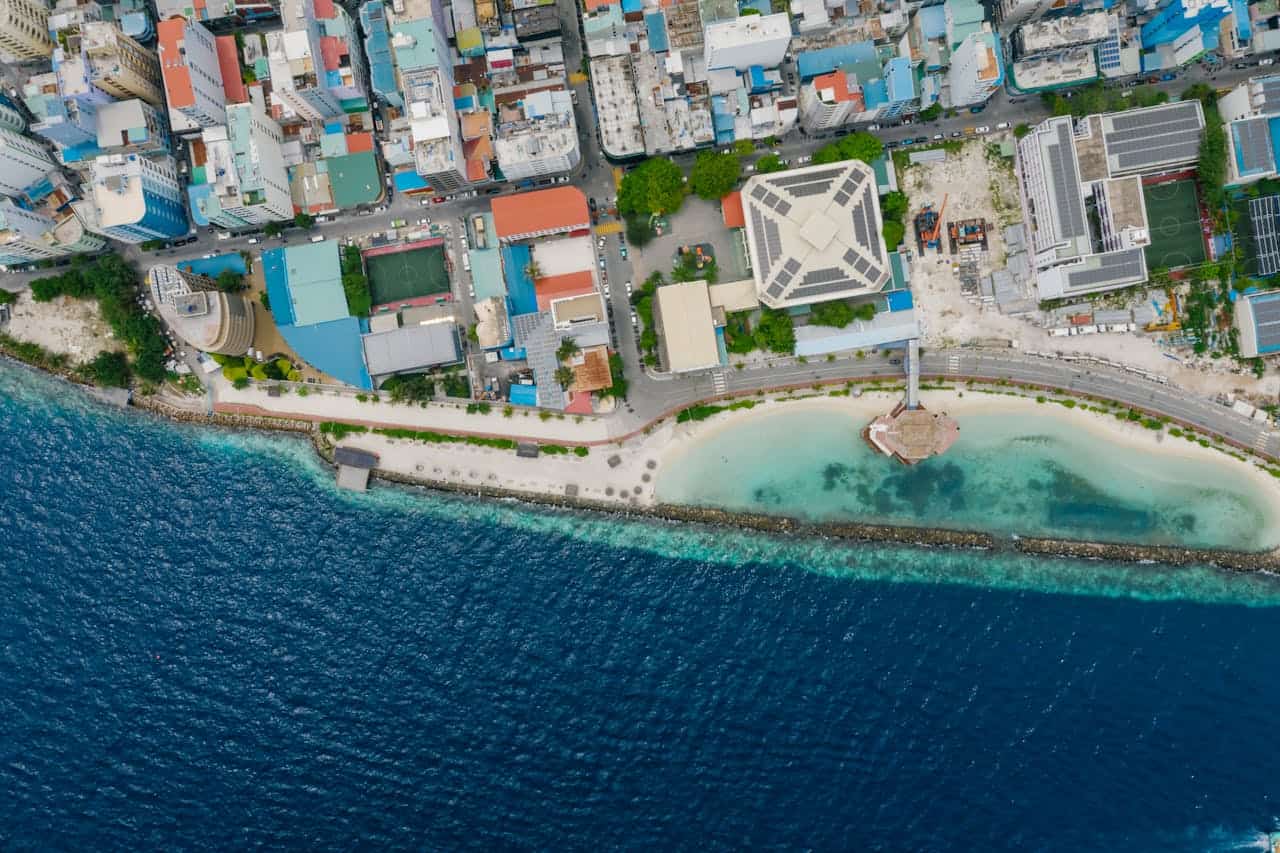
The Maldives was named the World’s Leading Destination 2025, and the win reflects a simple formula done exceptionally well: clear water, clean horizons, and a calm that settles in fast. Days are built around rhythm rather than rush, sunrise swims, reef time, long meals, and quiet evenings where the sky and lagoon do the heavy lifting, with the soundscape reduced to wind, water, and the occasional boat far off. It feels most restorative when transfers and weather plans are handled smoothly, leaving space for the kind of silence that makes a week feel longer than it is, and makes people stop checking the clock.
United Arab Emirates
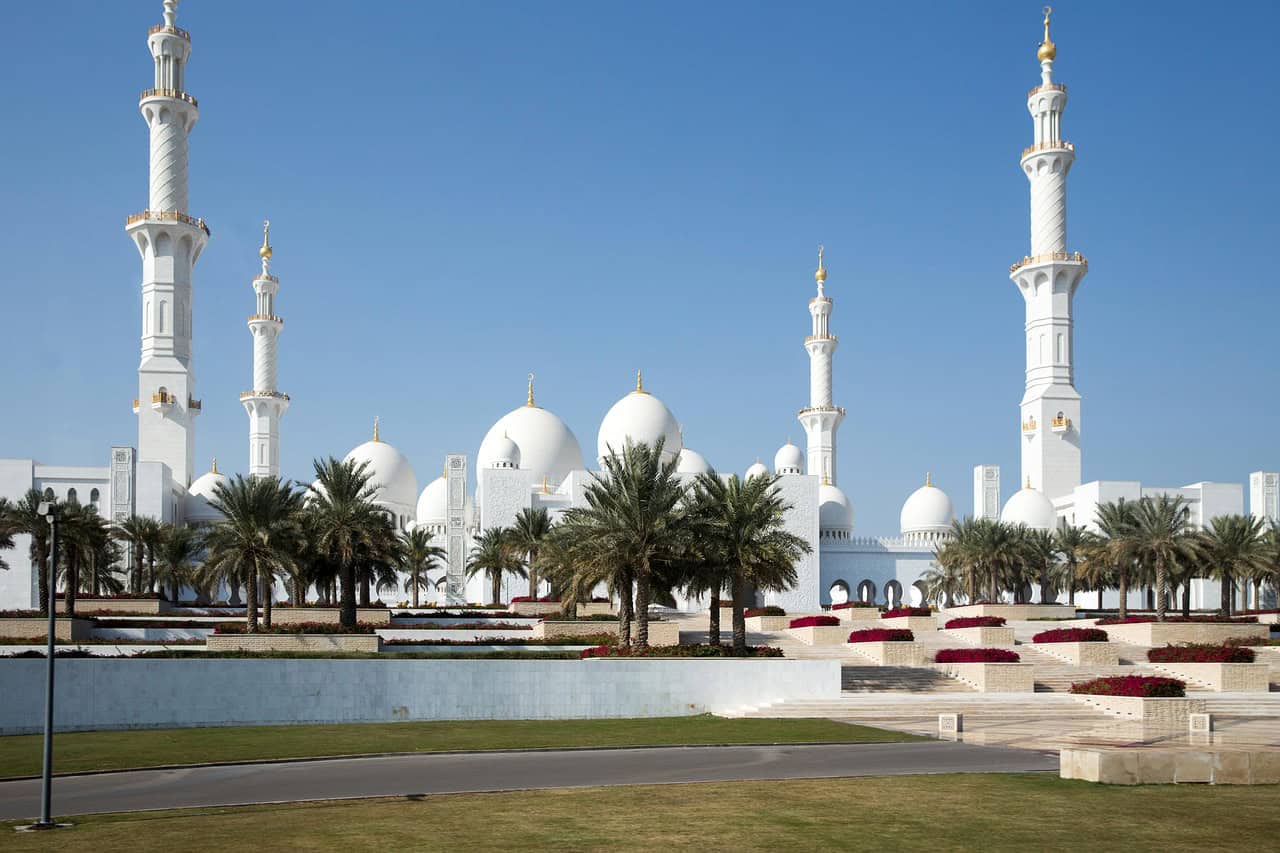
Dubai was named the Middle East’s Leading Destination 2025, placing the United Arab Emirates on the awards map through a city built for late nights and sharp contrasts. Creek-side neighborhoods, souks, and dhow rides sit close to glass towers and desert edges, so the itinerary can swing between history and spectacle without long travel, and the heat makes evening plans feel natural, not forced. The best visits balance the flash with quieter hours, early desert mornings, museum time, or a calm coffee walk, because that is where the place feels most human.