We may earn money or products from the companies mentioned in this post. This means if you click on the link and purchase the item, I will receive a small commission at no extra cost to you ... you're just helping re-supply our family's travel fund.

Weight loss while traveling often has less to do with discipline and more to do with environment. In some countries, the rhythm of daily life naturally limits overeating while encouraging constant movement. Smaller portions, fresh ingredients, walkable cities, heat, altitude, and cultural eating habits quietly reshape how much you eat and how often you move. You still enjoy food, but excess becomes inconvenient rather than tempting. These ten countries consistently stand out for travelers who return home leaner without ever planning to diet.
1. Japan
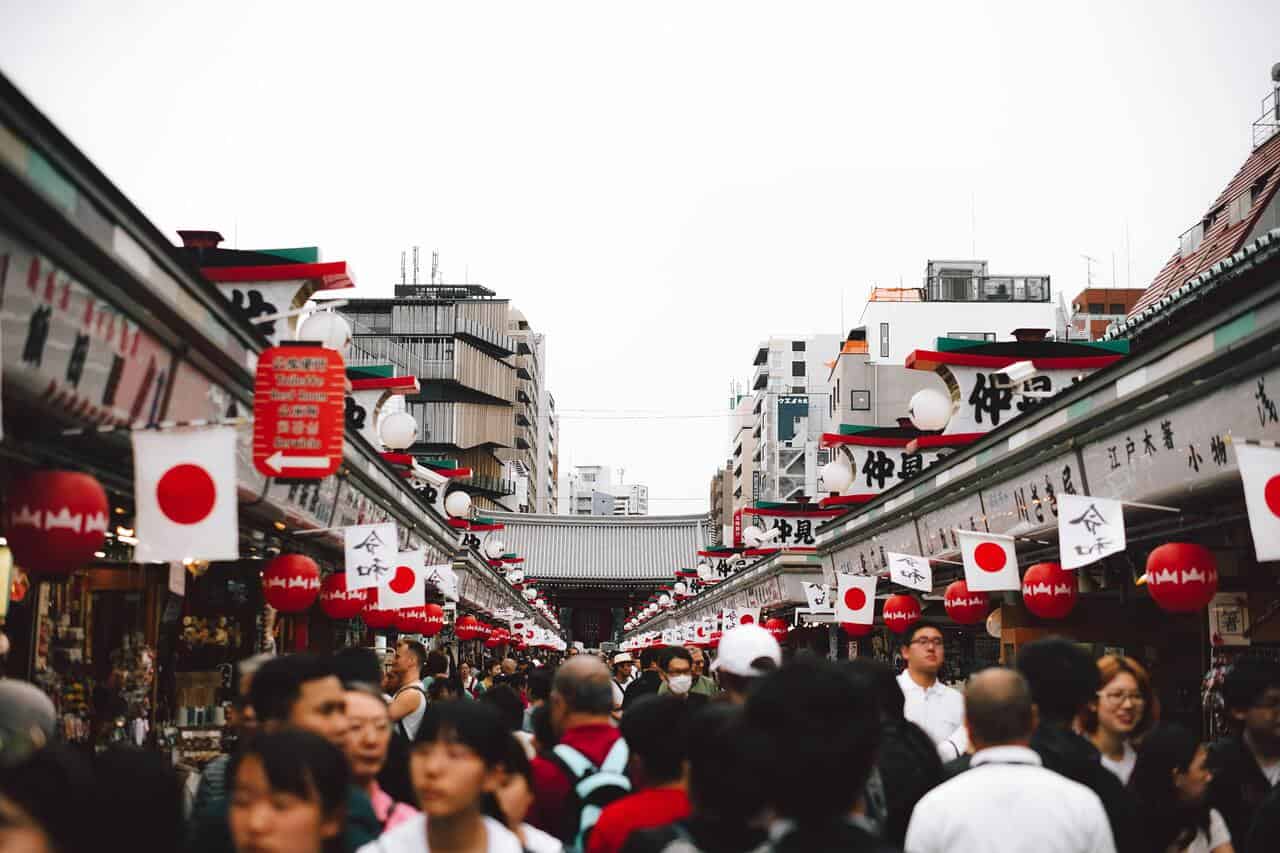
Japan supports natural weight control through structure, balance, and social norms. Average meal portions are 30–40% smaller than Western servings, while adult obesity remains under 5%. Meals prioritize fish, rice, vegetables, and fermented foods that digest slowly and reduce cravings. Sugary drinks are uncommon, and snacking between meals is socially discouraged. Walking is unavoidable; Tokyo commuters average around 6,500 steps daily, often more for visitors navigating massive stations. Even convenience-store meals rarely exceed 500 calories, making overconsumption difficult without conscious effort.
2. Vietnam
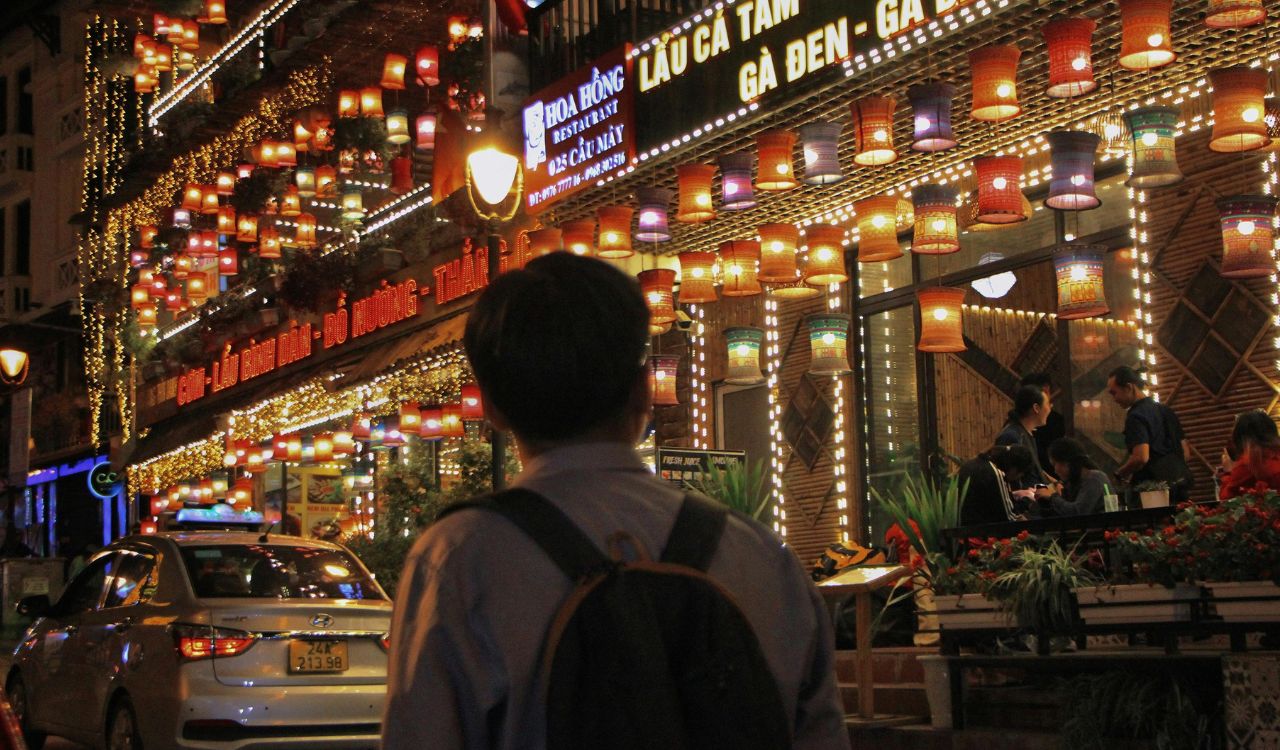
Vietnamese cuisine is built around light broths, herbs, and lean proteins. A typical bowl of pho contains roughly 400–450 calories yet feels filling due to volume and warmth. Cooking oil is used sparingly, and vegetables dominate most meals. National obesity rates sit close to 2%, among the lowest globally. Cities are dense and walkable, while tropical heat naturally suppresses appetite. Meals are frequent but modest, reducing binge tendencies. Processed foods remain limited outside major cities, keeping daily calorie intake surprisingly controlled.
3. Thailand

Thailand’s food culture balances bold flavor with moderation. Local meals usually range between 450–600 calories, relying on chili, lime, herbs, and lean protein rather than heavy sauces. Spicy food increases satiety and slows overeating. Adult obesity stays under 10%, far lower than many tourist-heavy nations. Street food portions are smaller than restaurant meals elsewhere, and constant walking through markets, temples, and beach towns often pushes daily steps past 8,000. Heat further reduces appetite, quietly reinforcing calorie balance.
4. Italy
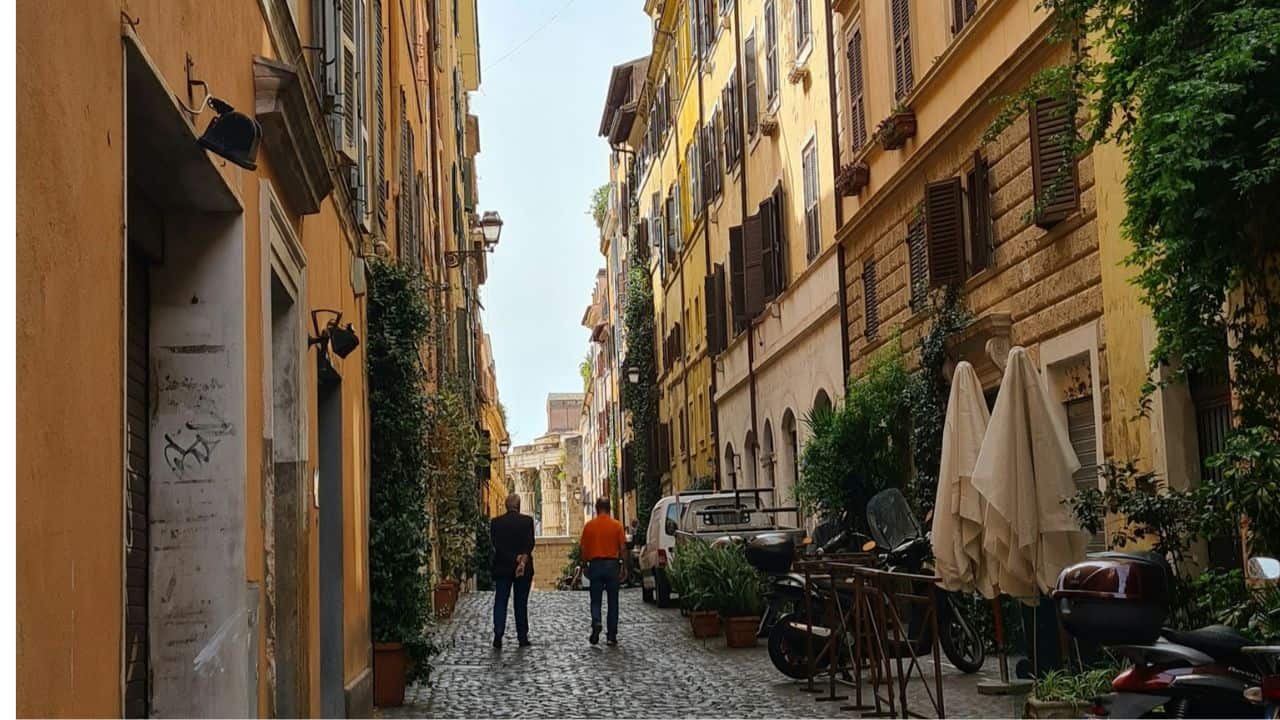
Italy proves that carbs don’t automatically cause weight gain. Pasta portions typically measure 70–90 grams uncooked, far smaller than international servings. Meals are structured, eaten slowly, and snacking is rare. Ingredients are fresh and minimally processed, improving satiety. Italians average 5,000–6,000 steps daily, often more in historic city centers where cars are impractical. National obesity rates remain near 10%. Travelers eat indulgent foods but fewer of them, often feeling satisfied with less than expected.
5. France

France maintains low obesity levels around 9%, through habit rather than restriction. Meals are deliberate, portions are controlled, and eating between meals is uncommon. A typical lunch stays under 600 calories yet feels complete. Sugary beverages are less popular than water or coffee. Cities encourage walking, with urban residents averaging over 6,000 steps daily. Desserts are enjoyed occasionally, not daily. Visitors often consume richer food than at home, but total intake drops due to pacing and structure.
6. South Korea

South Korean meals center on vegetables, fermentation, and shared plates. A standard meal includes multiple side dishes, most under 50 calories each, encouraging variety without excess. Kimchi aids digestion and reduces bloating. Obesity rates hover around 6%. Cities are compact and transit-based, requiring frequent walking and stair climbing. Late-night eating exists, but portion sizes remain modest. Social dining discourages individual overordering, helping travelers naturally match local intake patterns while staying highly active.
7. Morocco

Moroccan cuisine relies on slow cooking rather than frying. Tagines typically contain vegetables, legumes, and lean meat, averaging 500–650 calories per serving. Desserts are not daily staples, and sugar intake remains moderate outside cafés. Navigating medinas involves constant walking through narrow streets, often exceeding 7,000 steps daily. Heat reduces appetite, while meals are filling but not excessive. National obesity rates sit near 12%, and travelers often eat less simply due to meal structure and pace.
8. Peru

Peru combines hearty food with calorie balance. Meals emphasize fish, potatoes, corn, and lean meats, usually ranging from 500–700 calories. Ultra-processed foods remain limited outside large cities. High-altitude destinations like Cusco increase calorie burn by up to 10% while suppressing appetite. Walking uneven streets and archaeological sites adds constant physical strain. National obesity rates stay near 8%. Travelers often feel full sooner while expending more energy without realizing it.
9. Portugal

Portugal favors simplicity and freshness. Meals focus on grilled fish, vegetable soups, legumes, and olive oil rather than heavy sauces. Portion sizes remain reasonable, usually under 650 calories per dish. Cities like Lisbon and Porto are famously hilly, pushing daily step counts beyond 9,000 during sightseeing. Snacking culture is minimal, and desserts are occasional. Obesity rates remain around 14%, lower than many neighboring nations, making weight stability easier for long-term visitors.
10. Indonesia

Indonesia’s traditional meals are lighter than many expect. A typical plate of rice with vegetables and grilled protein averages 500–600 calories. While fried foods exist, everyday meals rely heavily on steaming and grilling. Tropical heat naturally lowers appetite, and walking through temples, villages, and markets adds steady movement. National obesity rates remain under 7%. Portions are modest, meals are spread throughout the day, and overeating feels unnecessary rather than indulgent.