We may earn money or products from the companies mentioned in this post. This means if you click on the link and purchase the item, I will receive a small commission at no extra cost to you ... you're just helping re-supply our family's travel fund.

Visa policy changes rarely feel real until a wedding guest cannot board a plane or a university loses a visiting researcher. In Dec. 2025, Presidential Proclamation 10998 expanded U.S. entry limits and directed the State Department to fully or partially suspend visa issuance for 39 countries, effective Jan. 1, 2026. The partial group includes countries now facing limits on B-1/B-2 visitor visas, F, M, J student and exchange visas, and immigrant visas, with narrow exceptions. Several of the newly added names are places Americans associate with beaches, safaris, and family roots, not a harder path into the United States.
Antigua and Barbuda
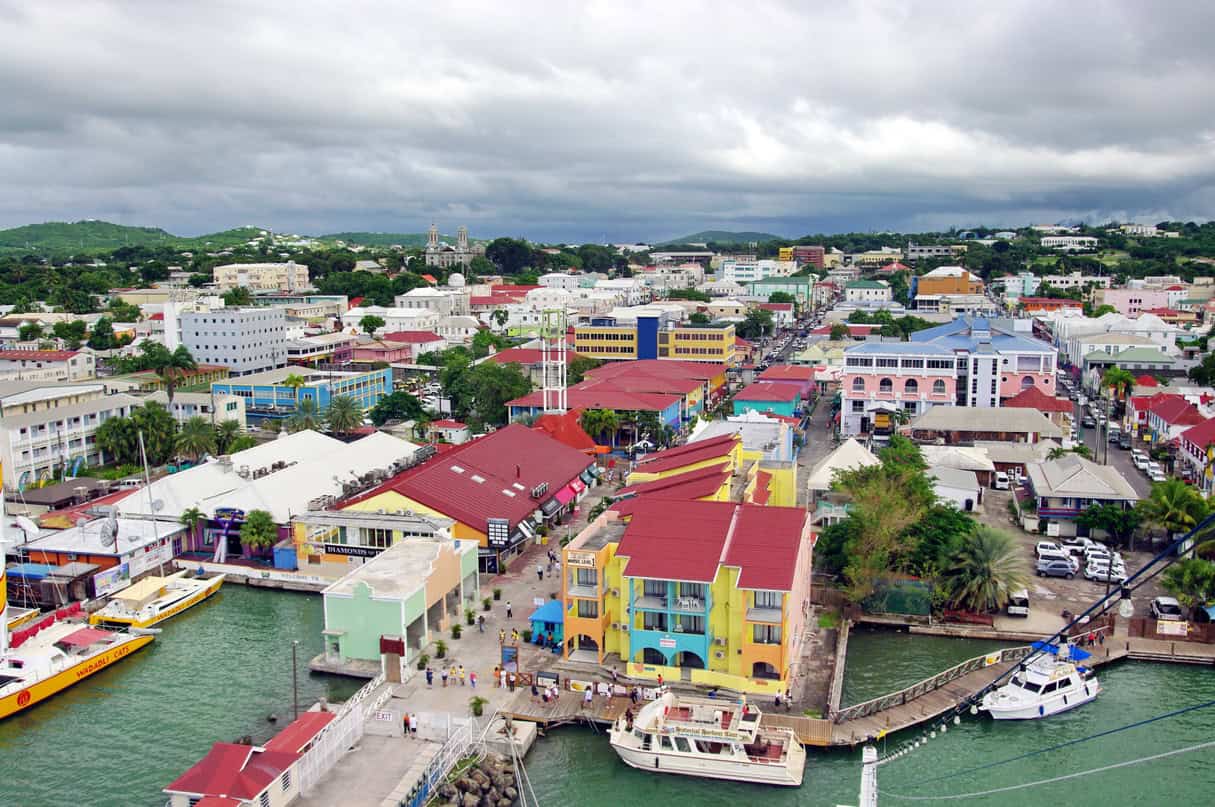
Antigua and Barbuda rarely shows up in U.S. visa restriction conversations, which is why the change surprises people planning weddings, reunions, or winter trips that involve relatives visiting the United States. Under Proclamation 10998, nationals are in the partially restricted group, affecting B-1/B-2 visitor visas and F, M, J student and exchange categories, plus immigrant visas. In practice, routine short visits become harder to secure, and Caribbean community events in U.S. hubs can lose guests at the last minute, with many cases pushed into narrow exceptions, waivers, and shorter visa validity, even for brief, family-centered travel.
Dominica
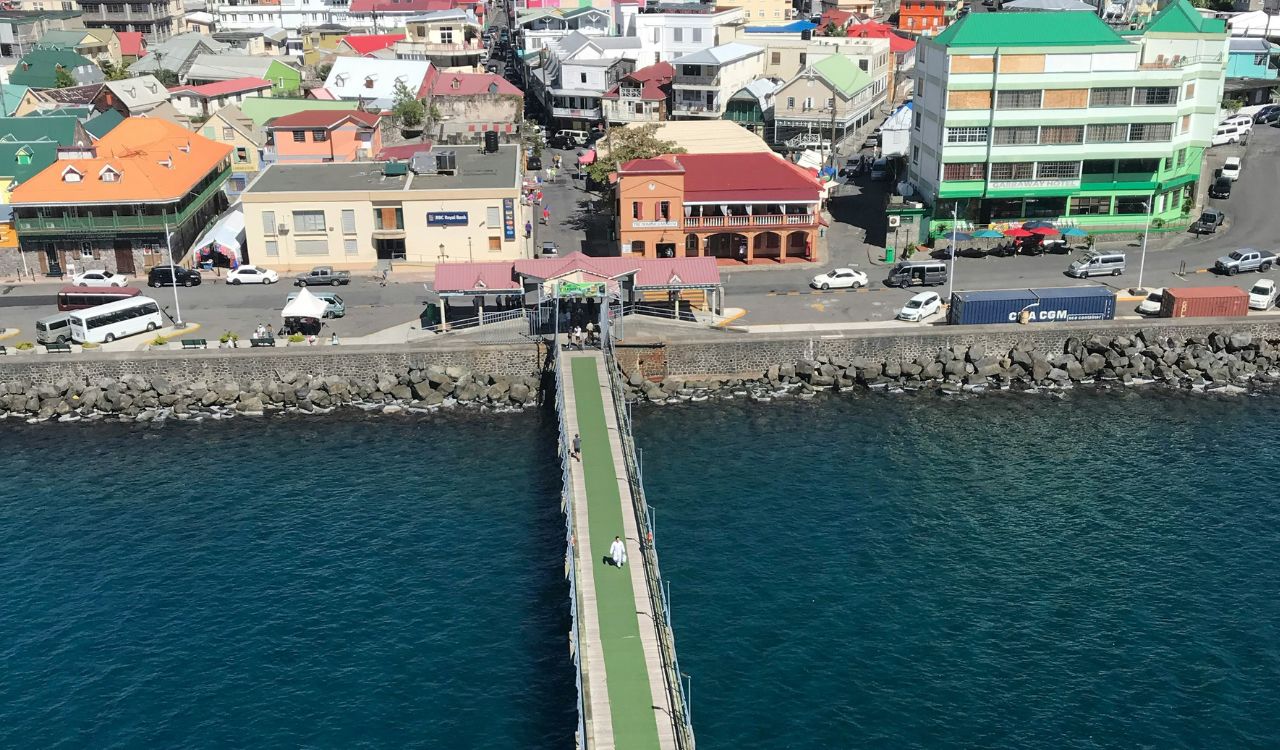
Dominica’s image is rainforest hikes and small-ship ports, not consular friction. Yet it is now among the countries under partial U.S. visa issuance suspension tied to the expanded restrictions effective Jan. 1, 2026. The affected lanes include visitor visas and common student and exchange visas, plus immigrant visas, which can disrupt family visits, work travel, and study plans. For Dominican communities in U.S. cities, the change shows up in missed graduations, postponed medical visits, and fewer relatives arriving for holidays, while paperwork timelines stretch and plans lose the certainty that made quick trips possible in busy months.
Tonga
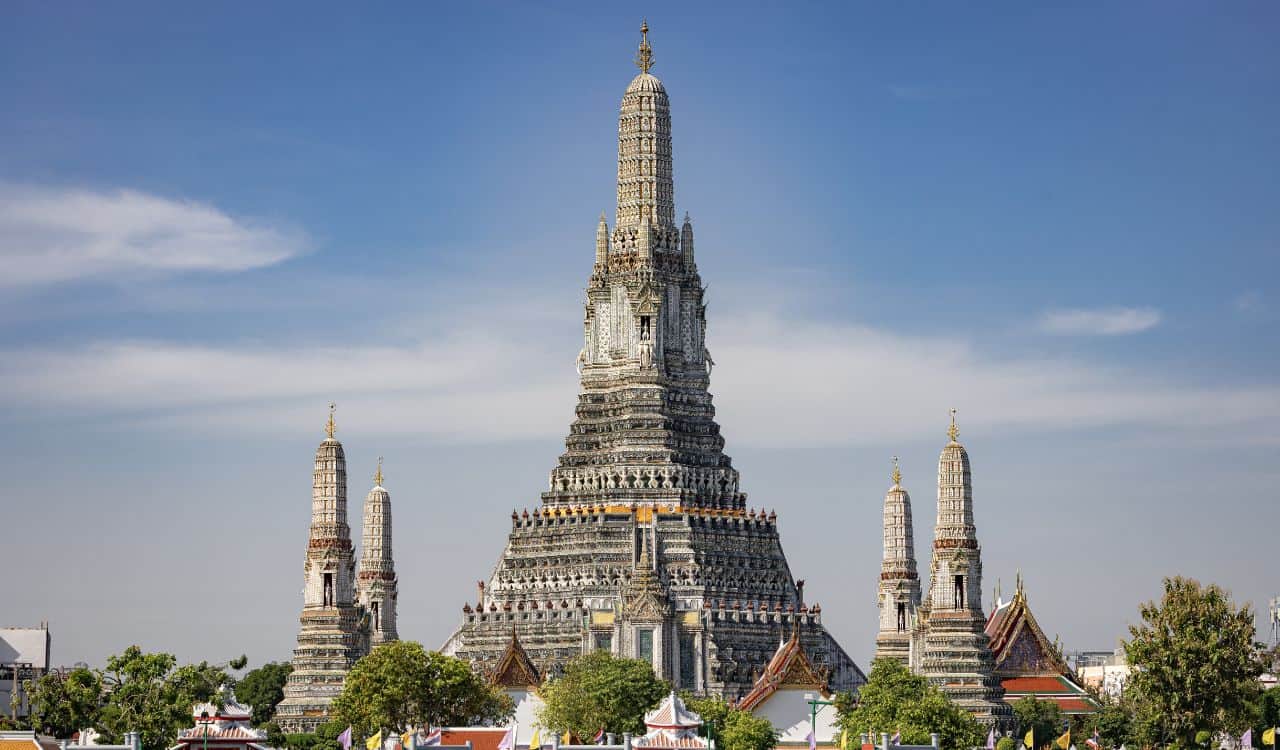
Tonga’s inclusion is described as partial, but for everyday travel it can feel absolute. The suspension covers tourist and business visitor visas and key student and exchange categories, along with immigrant visas, unless an exception applies. The surprise is the contrast: Tonga is small, widely seen as close-knit and peaceful, and better known for family ties and sports than security headlines. In U.S. communities with strong Tongan roots, church conferences, rugby trips, and caregiving visits can stall for months, turning simple plans into a maze of denials, delays, and hard choices about who gets to be present after tickets are bought.
Tanzania
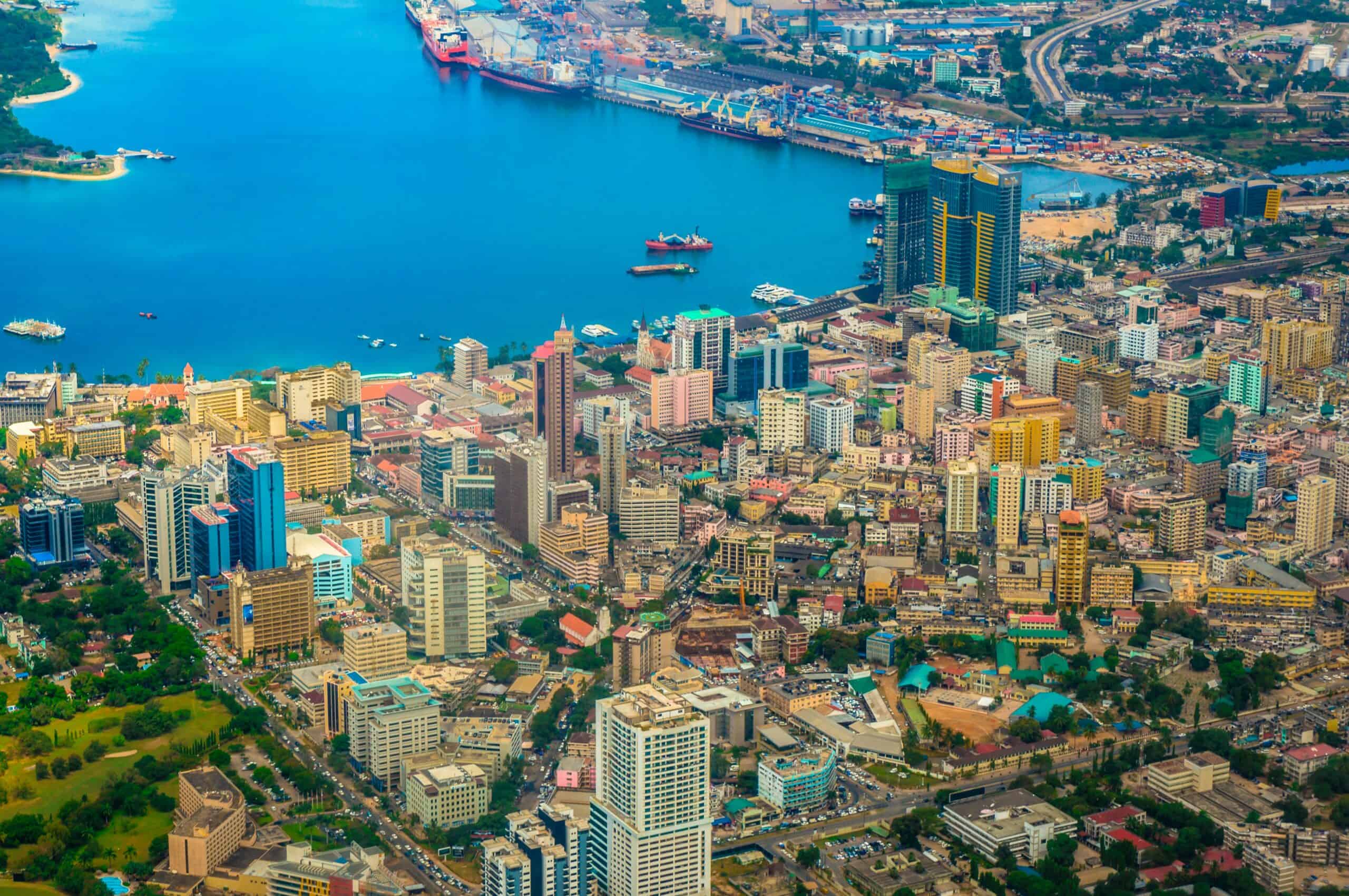
Tanzania sits on many American dream itineraries because of Serengeti safaris and Zanzibar beaches, so its appearance in the partially restricted group lands as a shock. The policy does not restrict Americans entering Tanzania; it limits visa issuance and entry for Tanzanian nationals in certain categories, including visitors and many students and exchange participants, plus immigrant visas. That still shows up in American life through universities, medical exchanges, and conservation partnerships, where predictable travel matters for conferences, training cycles, and research seasons and internships on tight calendars for grant schedules.
Nigeria
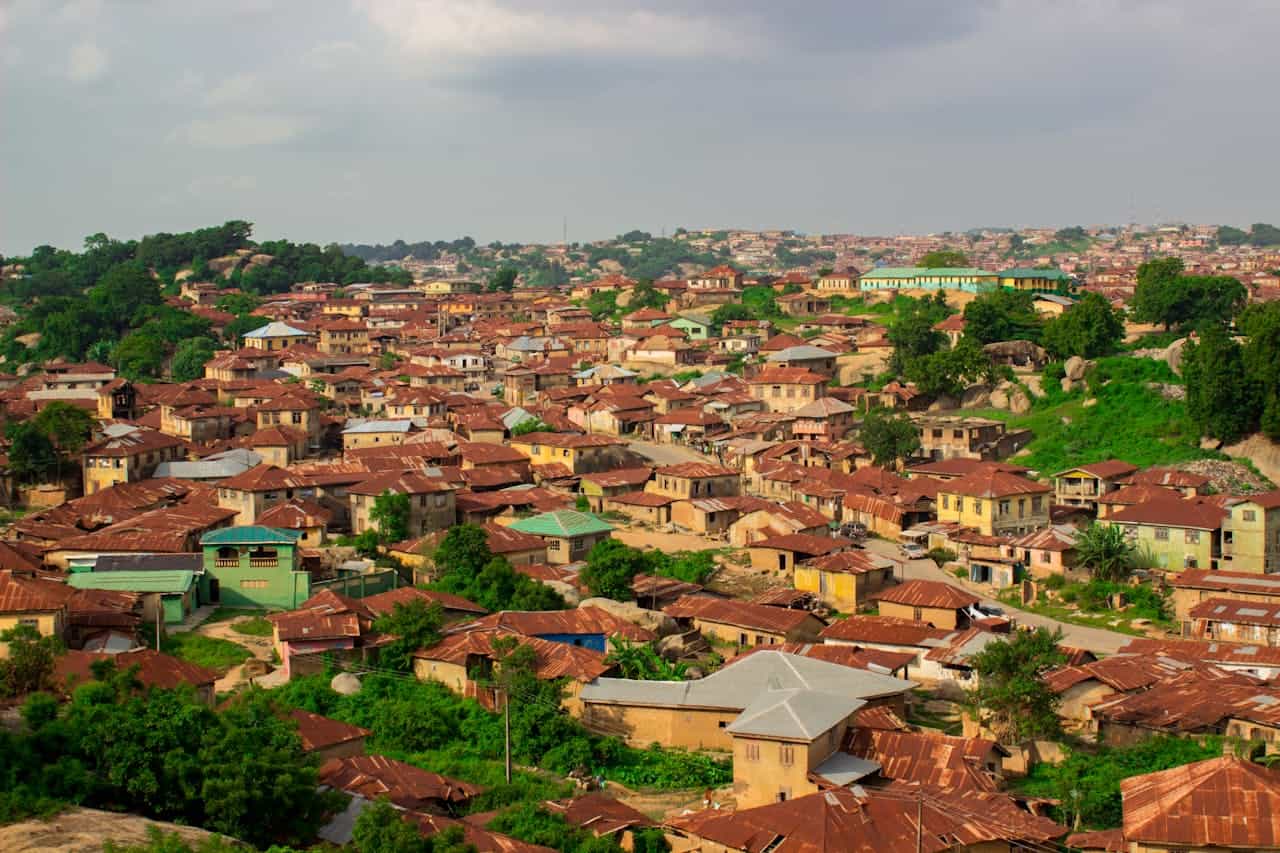
Nigeria’s inclusion matters because the U.S.-Nigeria travel pipeline is huge, spanning business, education, and family visits across large diaspora communities. Under the partial restrictions, everyday visitor visas and many student and exchange visas are affected, along with immigrant visas, unless an exception fits. That ripples through American campuses and tech corridors where Nigerian talent is common, and through families who rely on short trips for caregiving or celebrations, as longer timelines, extra scrutiny, and uncertainty become part of the cost of staying connected across oceans in the same neighborhood for both sides.
Angola
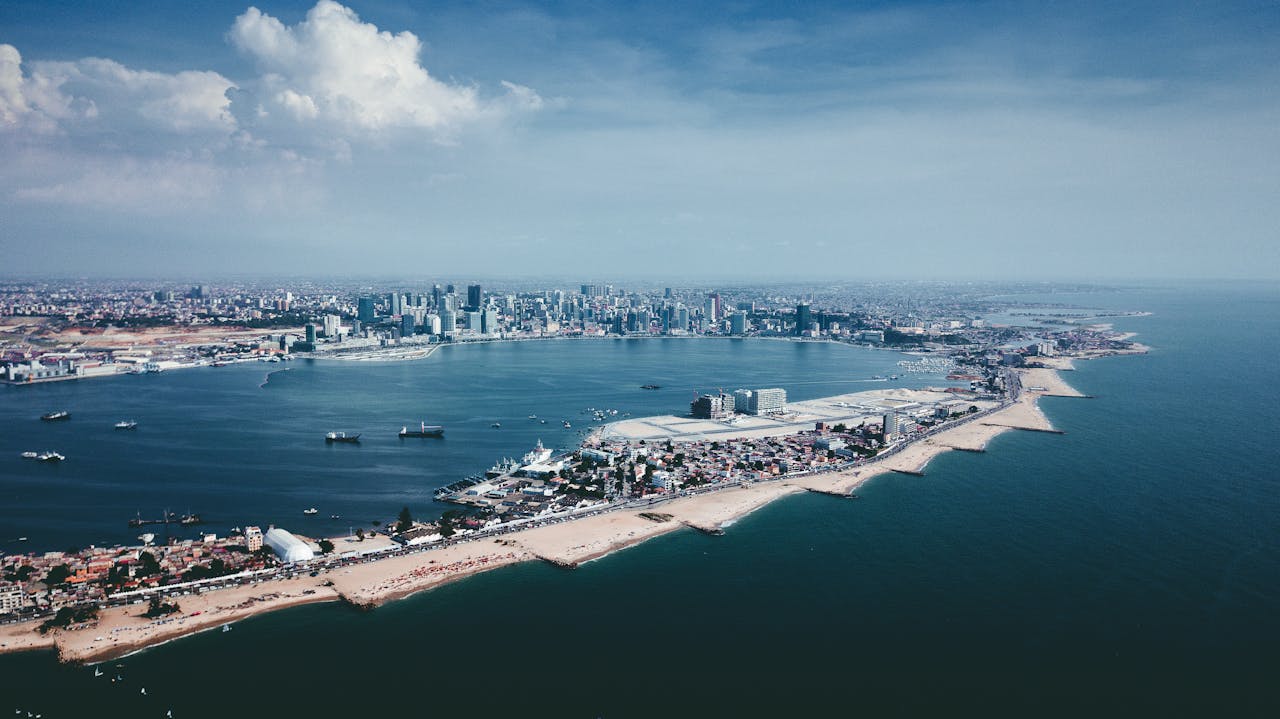
Angola is a growing point of interest for energy, Portuguese-language heritage, and postwar cultural life, but few Americans associate it with U.S. visa limits. Now it sits in the partial restriction group, where visitor visas and major student and exchange visas are suspended, along with immigrant visas, subject to limited exceptions. The effect is felt most in person-to-person ties: students, conference speakers, and relatives who want short visits, and when those links thin out, collaboration shifts online and the relationship starts to feel colder, slower, and less human than it should across both business and family networks.
Cote d’Ivoire
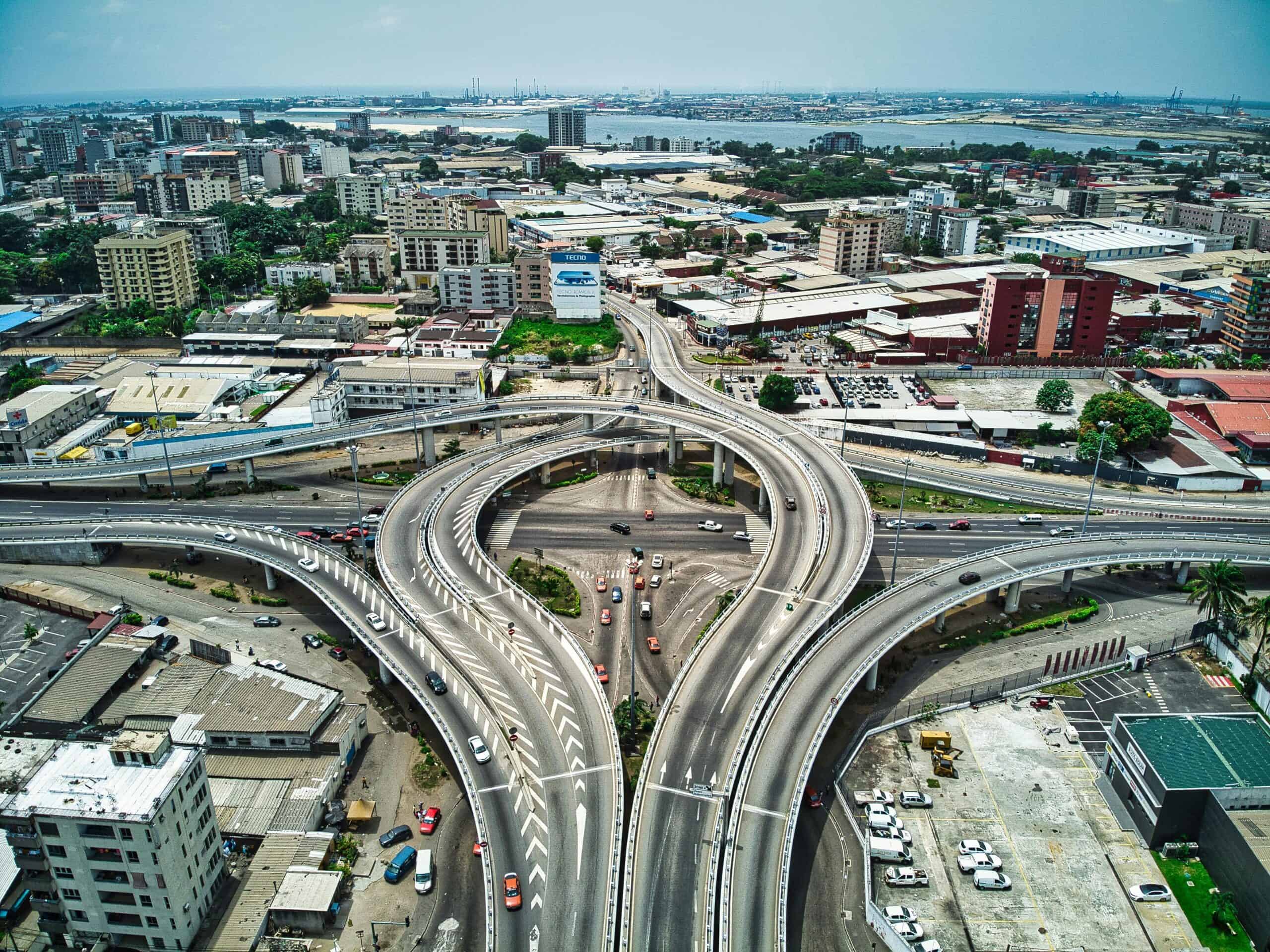
Cote d’Ivoire has been building its profile through Abidjan’s creative scene and a growing business hub, so the new U.S. stance feels like an abrupt detour. As part of the partial suspension group, common visitor visas and education-related visas are affected, along with immigrant visas, unless exceptions apply. That can slow trade delegations and exchange programs, and it can derail small, practical plans like attending a U.S. funeral or graduation, creating a quiet fraying of everyday cross-border life that rarely makes headlines but is deeply felt in families and classrooms in ways tourists rarely see across small communities.
The Gambia
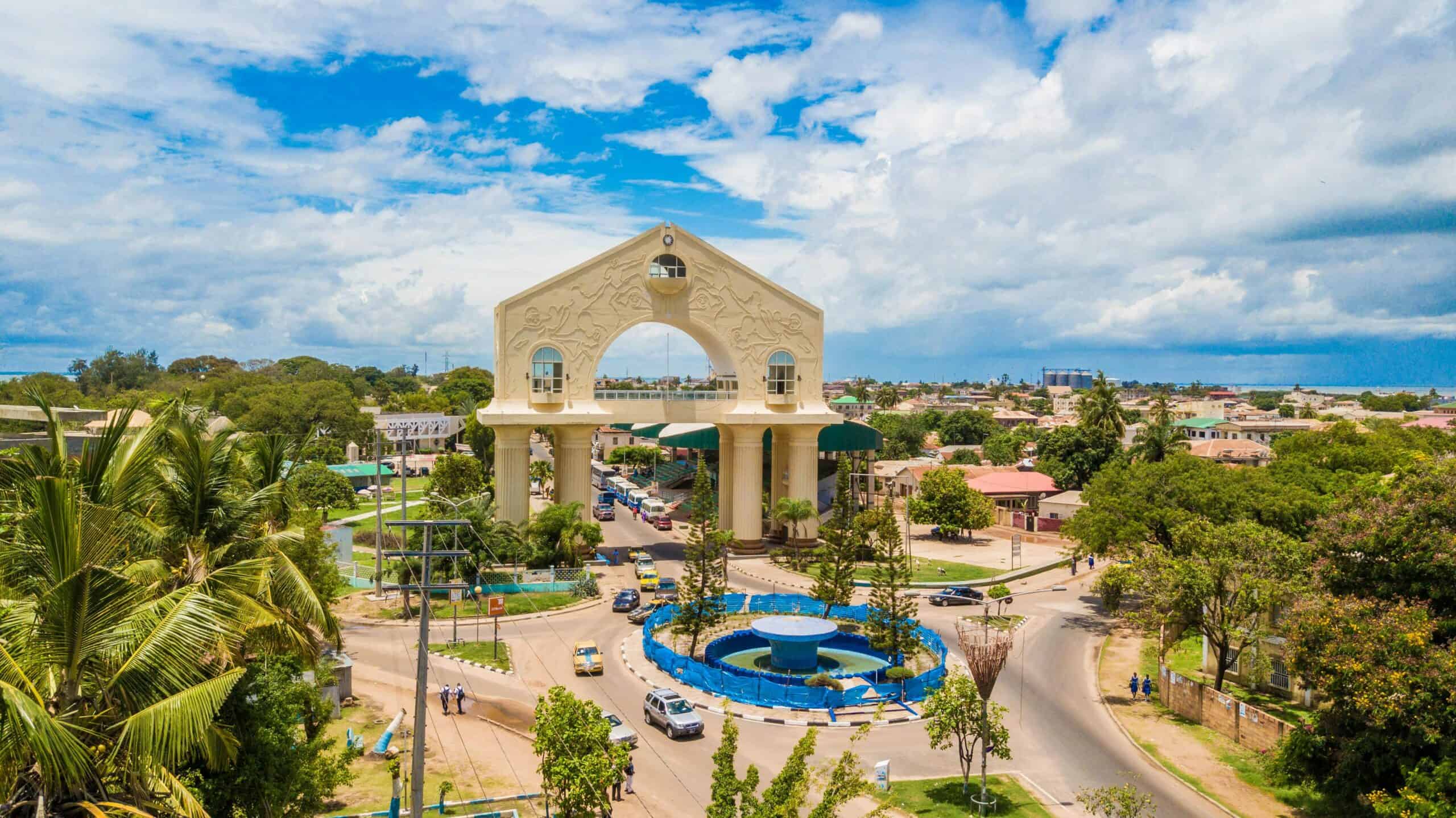
The Gambia is small, coastal, and often defined by river landscapes and heritage sites rather than global politics. Its placement in the partial suspension category still carries weight, because it touches the visa types most people use for ordinary life: visiting family, short business travel, student or exchange programs, plus immigrant visas. When those lanes tighten, relationships feel stretched, especially for Gambian-American families who rely on frequent visits to stay connected, and the impact shows up as missed reunions, delayed study starts, and plans that keep slipping season after season without clear end dates.
Malawi
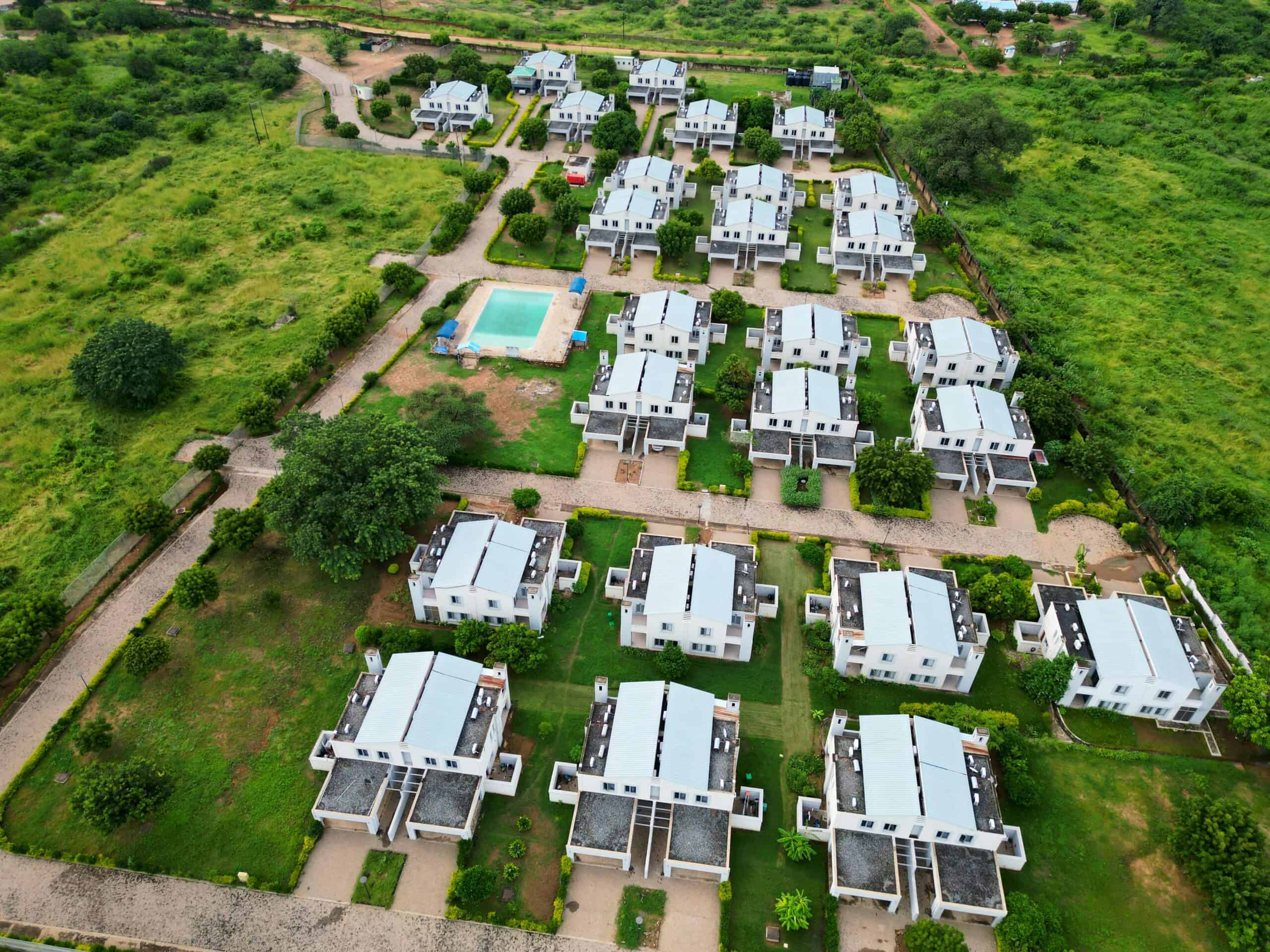
Malawi is a quiet favorite among experienced Africa travelers, known for Lake Malawi, warm hospitality, and conservation work. Its inclusion in the partial restriction group is easy to miss, yet it matters for nonprofits, faith groups, and researchers who move between Malawi and the United States for training and study. With visitor and major student and exchange categories affected, plus immigrant visas, many standard trips shift from routine to uncertain, and partnerships lose momentum when flights, workshops, and field seasons become a gamble instead of a plan, even for repeat collaborators for small teams and public health teams.
Zimbabwe
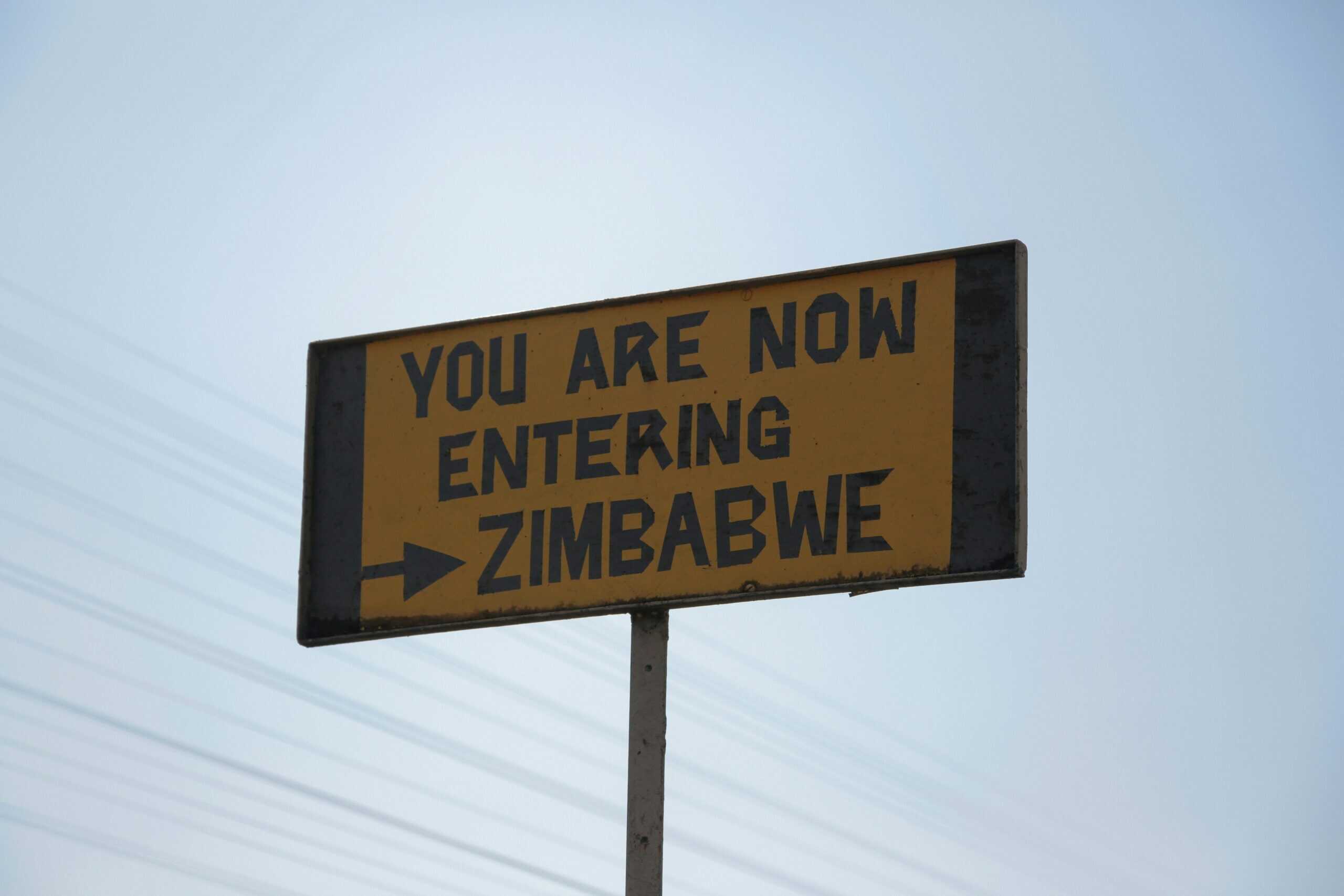
Zimbabwe draws Americans for Victoria Falls access, wildlife parks, and a complicated, vivid history, but the policy change is about Zimbabwean nationals trying to enter the United States. Under the partial suspension, visitor visas and common student and exchange visas are affected, along with immigrant visas, unless an exception applies. That hits families first around caregiving and milestone events, and it also touches professional ties in conservation, journalism, and academia, creating a quieter barrier of fewer spontaneous visits, fewer students, and fewer shared moments that once stitched communities together over decades.