We may earn money or products from the companies mentioned in this post. This means if you click on the link and purchase the item, I will receive a small commission at no extra cost to you ... you're just helping re-supply our family's travel fund.
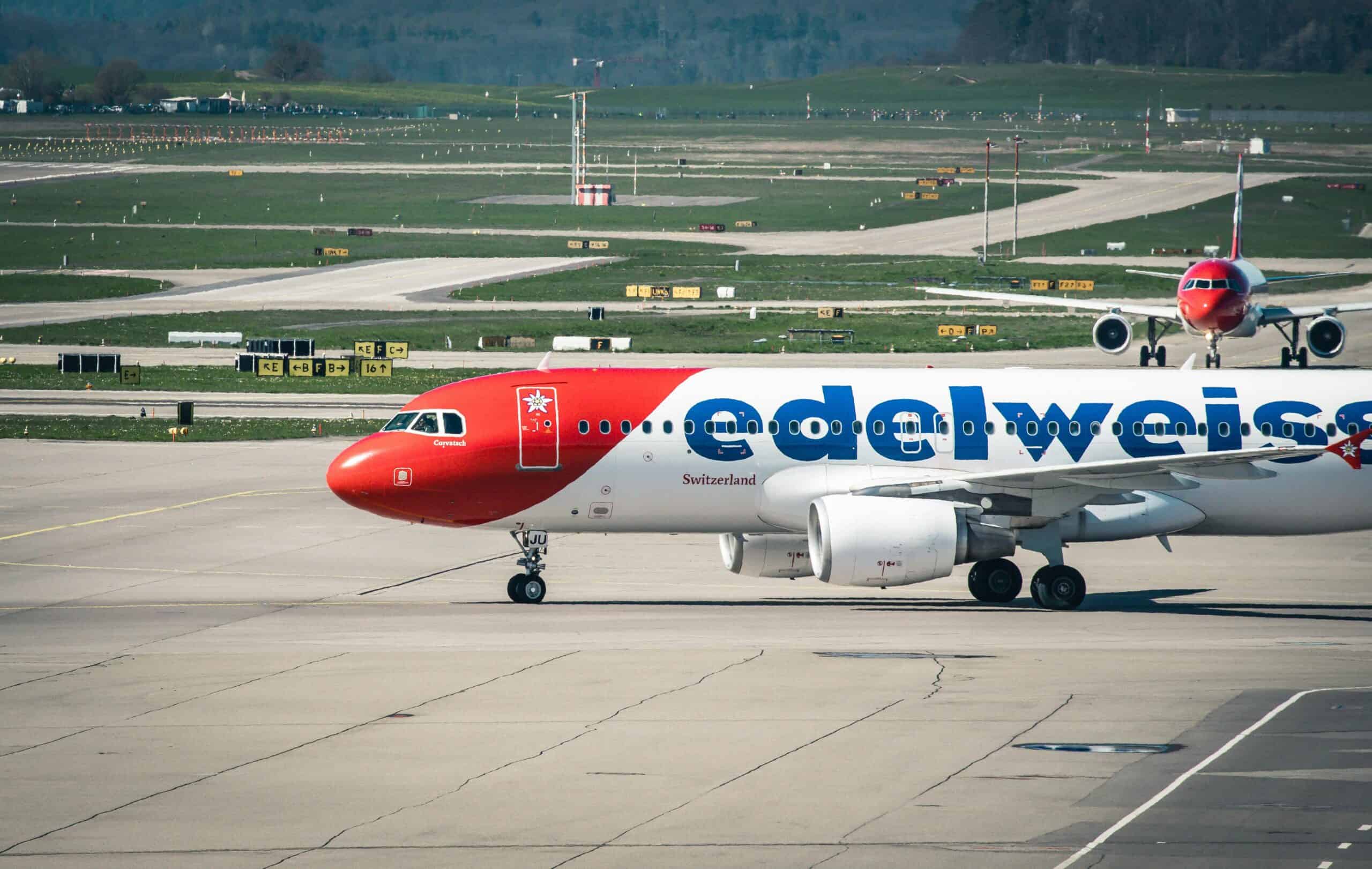
Some airports are built to process people. The best ones are built to host them. A great terminal can lower stress before security even starts, then carry that calm through food, lighting, seating, and clear wayfinding. The coolest airports do more than look impressive in photos. They make long travel days feel manageable, sometimes even enjoyable. This set focuses on places where design, service, and local identity actually improve the journey, not just the marketing. Each one proves transit can feel human when the details are handled well.
Singapore Changi Airport, Singapore
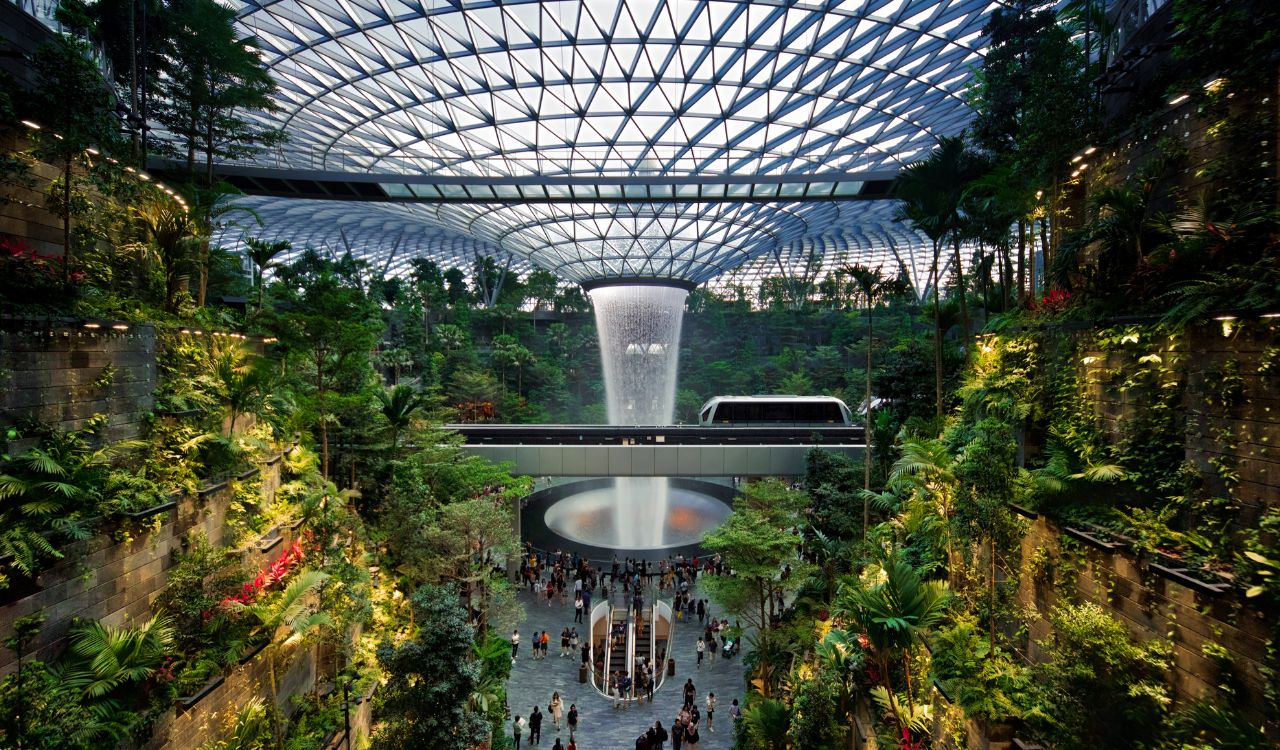
Changi still feels like the global reference point for airport experience because it combines spectacle with strong execution. Jewel’s Rain Vortex and indoor forest create an atmosphere that feels closer to a conservatory than a terminal, but the real win is operational consistency. Signage is clear, transfers are efficient, and seating and dining are thoughtfully distributed instead of clustered in one crowded zone. Many airports can stage a visual centerpiece. Changi stands out because comfort, navigation, and pacing are treated with the same seriousness as architecture.
Hamad International Airport, Doha
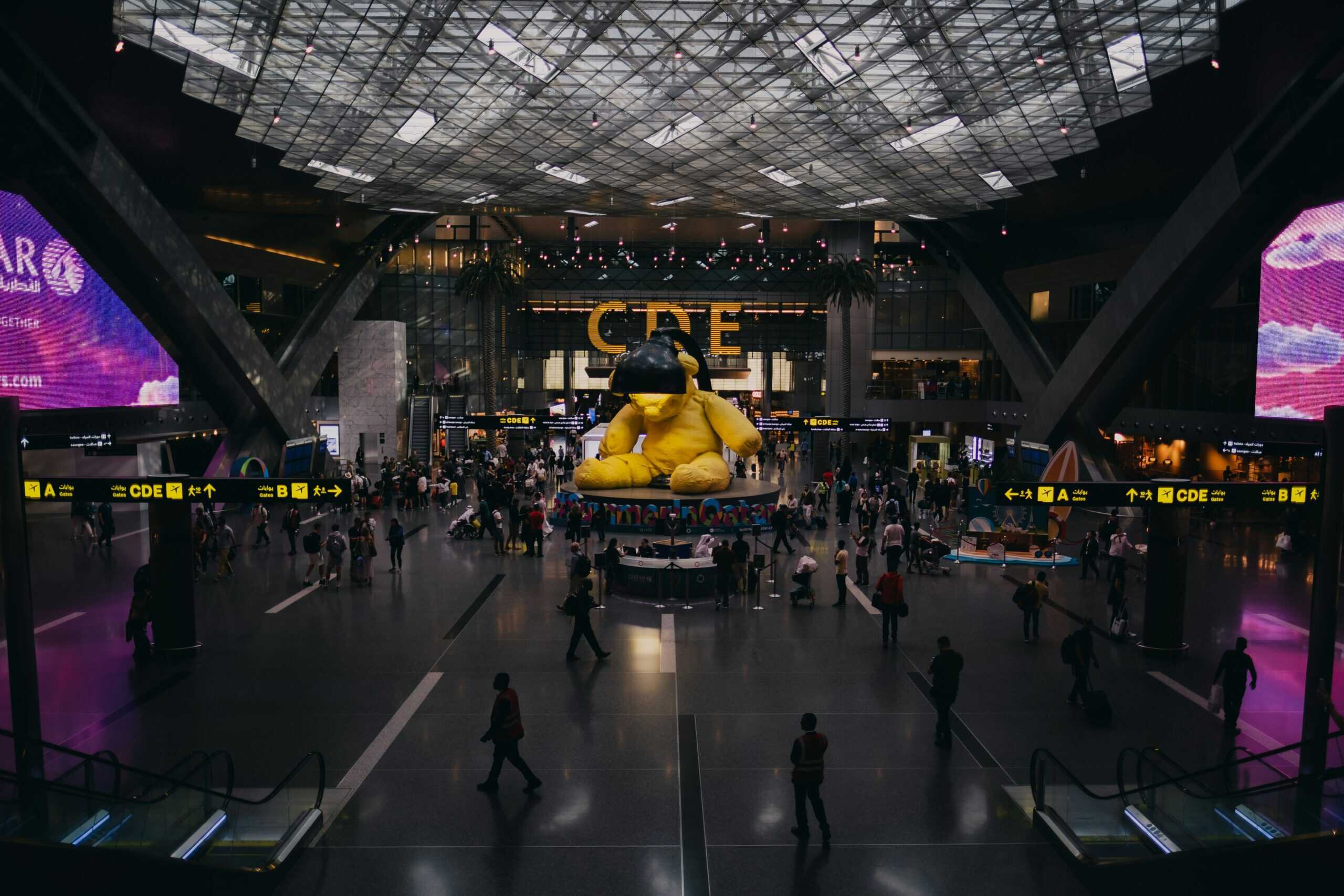
Hamad International is striking at first glance, but its strongest quality is control. The architecture is expansive, the interiors are polished, and the indoor garden space adds genuine relief during long connections. What makes it cool is how well the pieces fit together: movement paths are intuitive, premium and non-premium areas both feel considered, and the terminal holds a calmer tone than most major transfer hubs. It feels curated without feeling sterile, and that balance matters when a layover stretches from a short pause into half a day.
Tokyo Haneda Airport, Japan
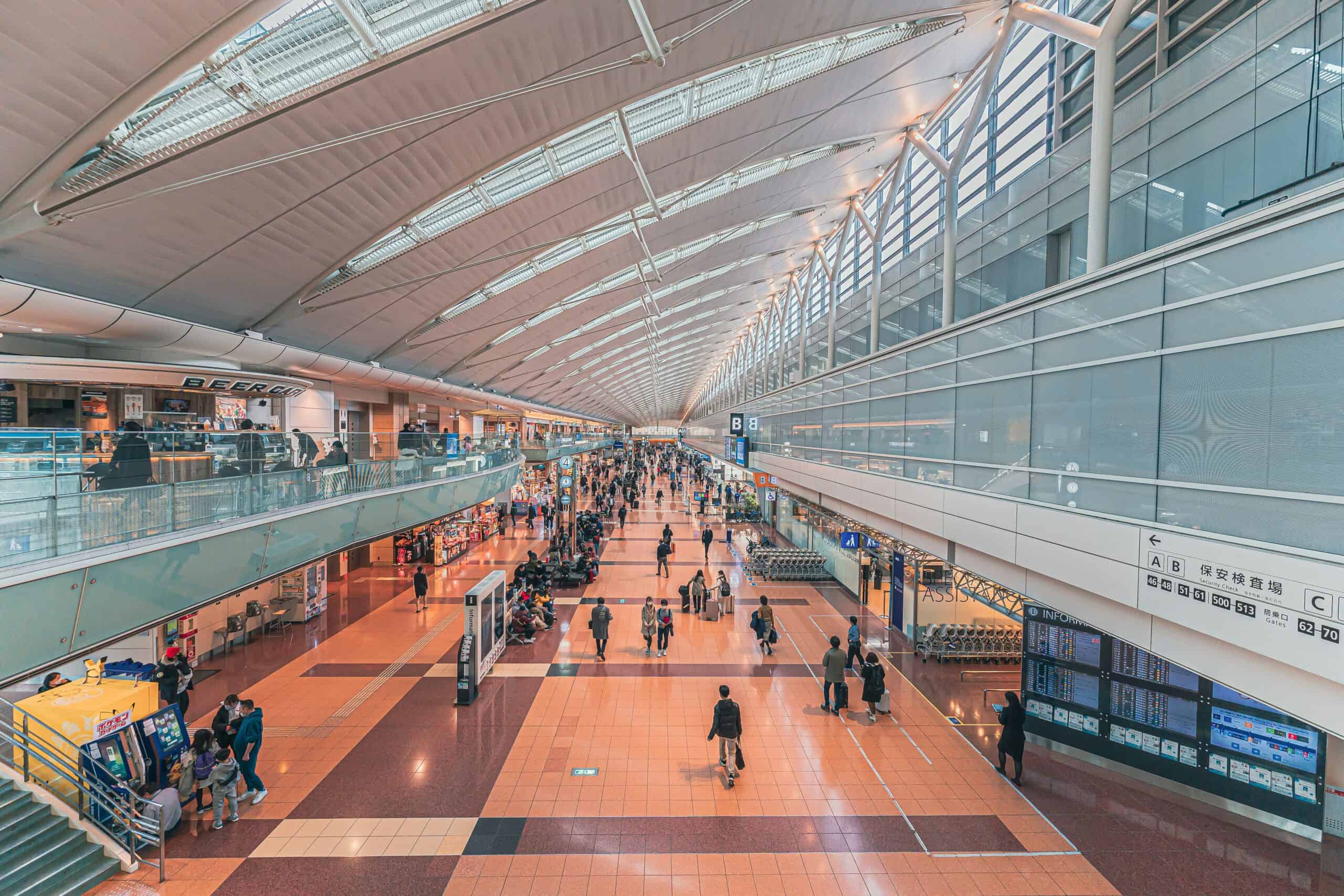
Haneda’s appeal is precision without harshness. It handles heavy traffic while staying clean, quiet, and legible, which is harder than it looks in a global mega-airport. Transfer flow is strong, signage is direct, and staff support is consistently practical, especially in moments that usually create friction, like gate changes or tight connections. Haneda does not rely on dramatic visual stunts to impress. It earns trust through execution. Travelers leave with the same impression again and again: the system works, and it works without wasting energy.
Incheon International Airport, South Korea
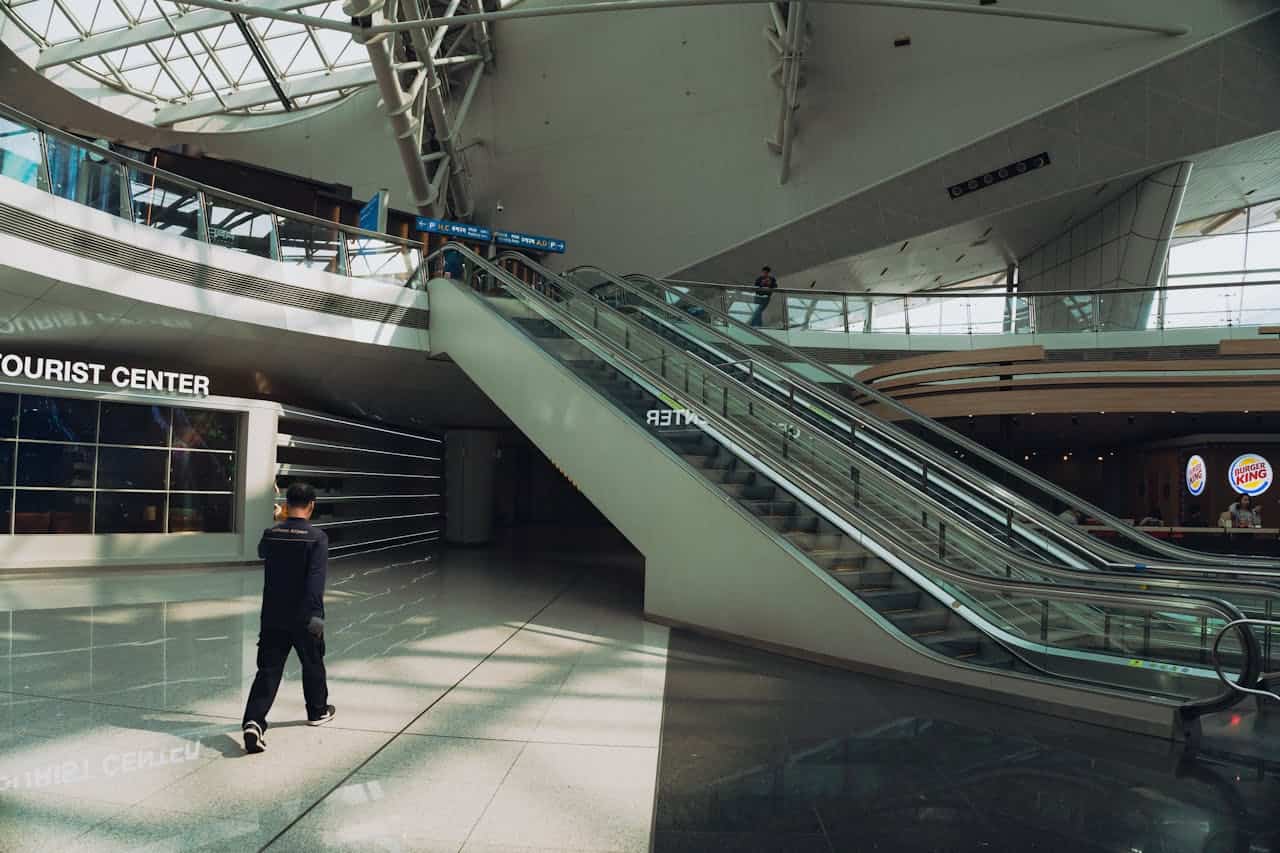
Incheon balances scale, efficiency, and identity better than most major hubs. It has the operational muscle expected from a top Asian gateway, but it also carries a clear local character through design choices, cultural programming, and service style. Passenger movement tends to feel smooth even during busy waves, with enough seating and amenities to prevent the usual bottlenecks. The airport feels modern without being anonymous. That distinction is important, because it turns a transfer stop into a place with memory, not just a corridor between flights.
Istanbul Airport, Türkiye
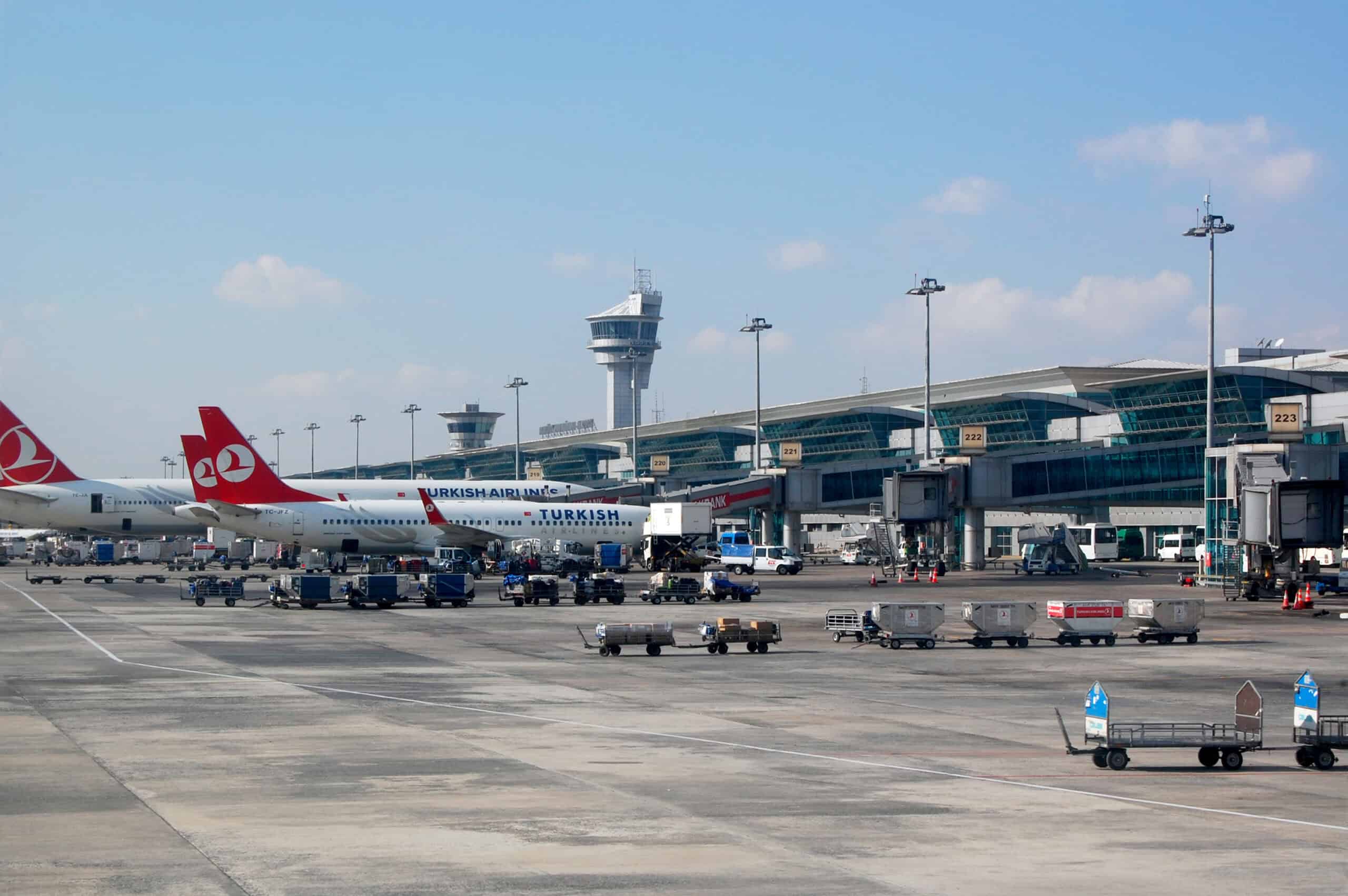
Istanbul Airport is built for ambition. Its route network bridges continents, and the terminal reflects that role with large-volume spaces, broad concourses, and a visibly international rhythm. The scale is dramatic, yet the experience has improved as passenger services and navigation have matured. One distinctive touch is the airport museum presence, which adds cultural context to an otherwise fast-moving environment. The airport’s coolest quality is its sense of range: it feels like a global junction with local depth, not just a giant building moving people through gates.
Hong Kong International Airport, Hong Kong SAR
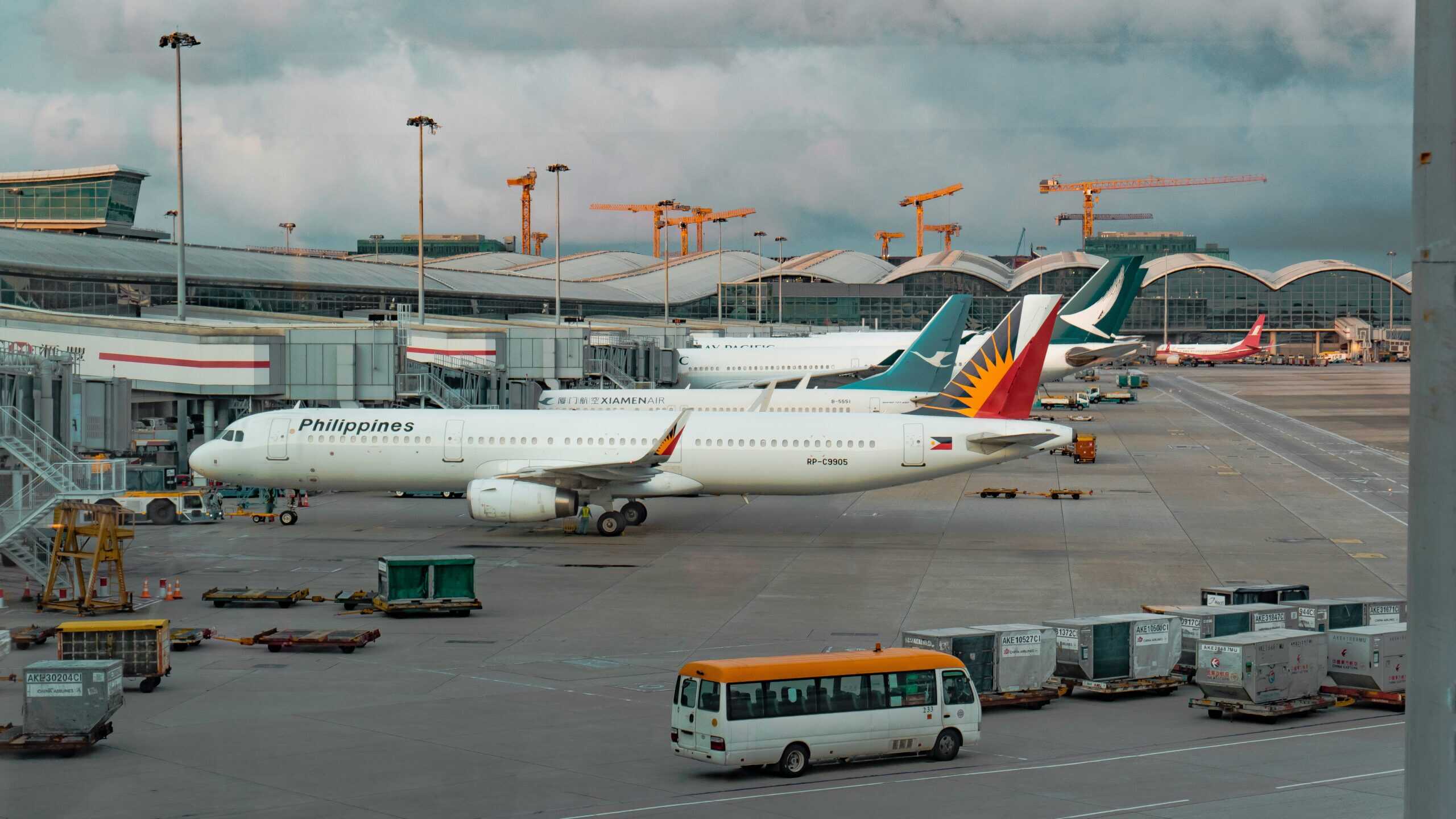
Hong Kong International remains one of the best examples of high-performance airport design. Its core strength is composure under pressure: heavy passenger flow, complex routing, and large aircraft movements are handled with strong timing and clear structure. Transfers are usually straightforward, and the terminal rarely feels chaotic even when it is fully active. Dining and retail options are broad without overwhelming the core travel function. The overall impression is disciplined and efficient, with just enough comfort layered in to keep long-haul movement from feeling purely mechanical.
Paris Charles De Gaulle Airport, France
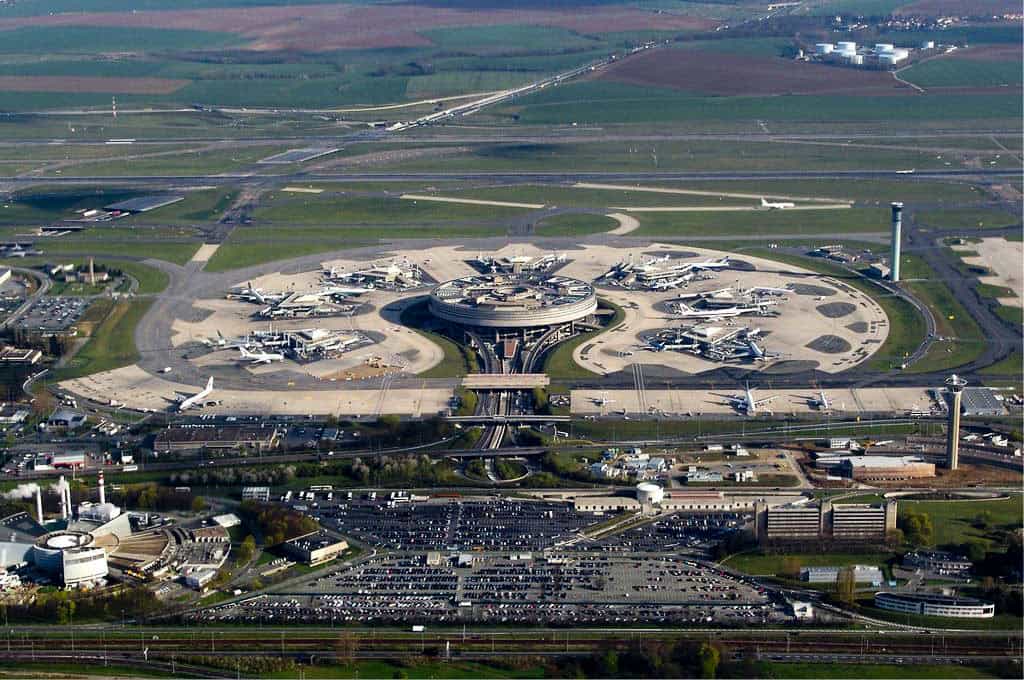
CDG has evolved from a confusing giant into a far more coherent travel environment. Terminal upgrades, better internal flow, and stronger service integration have improved the experience in ways frequent flyers notice quickly. It still carries its own personality, but now that character is paired with better usability. Food, lounge options, and circulation are more balanced than in the past, especially on international routes. What makes CDG cool now is transformation: it kept its scale and style while fixing many of the pain points that once defined it.
Rome Fiumicino Airport, Italy
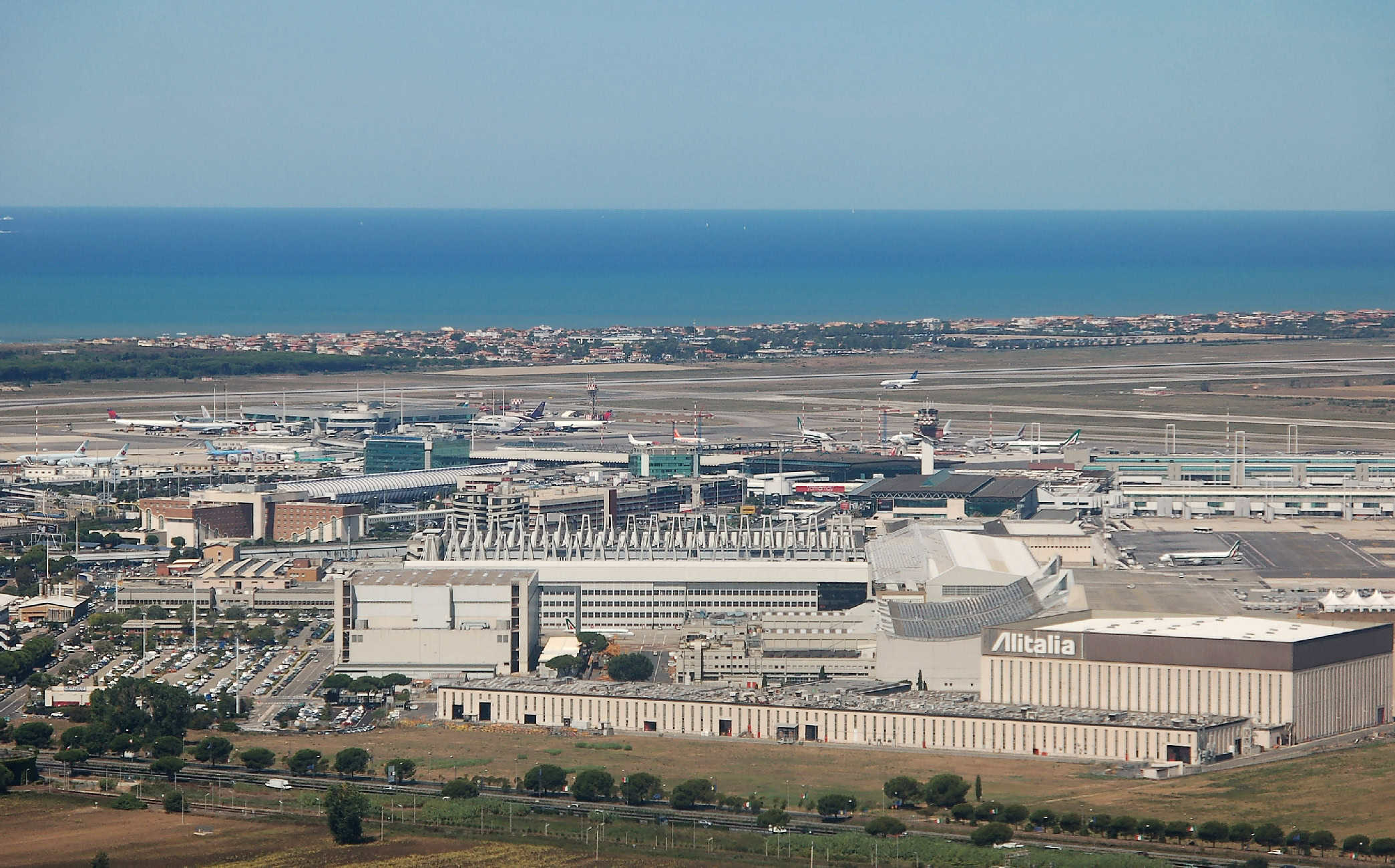
Fiumicino has become one of Europe’s most pleasant major airports because it feels intentional at human scale. Recent improvements in layout, seating comfort, cleanliness, and food quality make long waits less draining. The terminal atmosphere is lighter than many hubs of similar size, and the pacing feels less frantic even during peak departure windows. It also carries a subtle Italian sensibility through materials, hospitality tone, and retail curation. The result is an airport that feels competent and warm at the same time, which is a rare combination.
Munich Airport, Germany

Munich works because it avoids extremes. It is large enough to support serious international traffic, yet organized in a way that stays readable and calm for ordinary travelers. Transfer logic is strong, public areas are well maintained, and service quality is consistent across premium and standard passenger flows. Seasonal programming and thoughtful public spaces add personality without distracting from core function. Munich’s cool factor is trustworthiness. It delivers the same solid experience repeatedly, and that reliability becomes especially valuable on complicated itineraries.
Zurich Airport, Switzerland
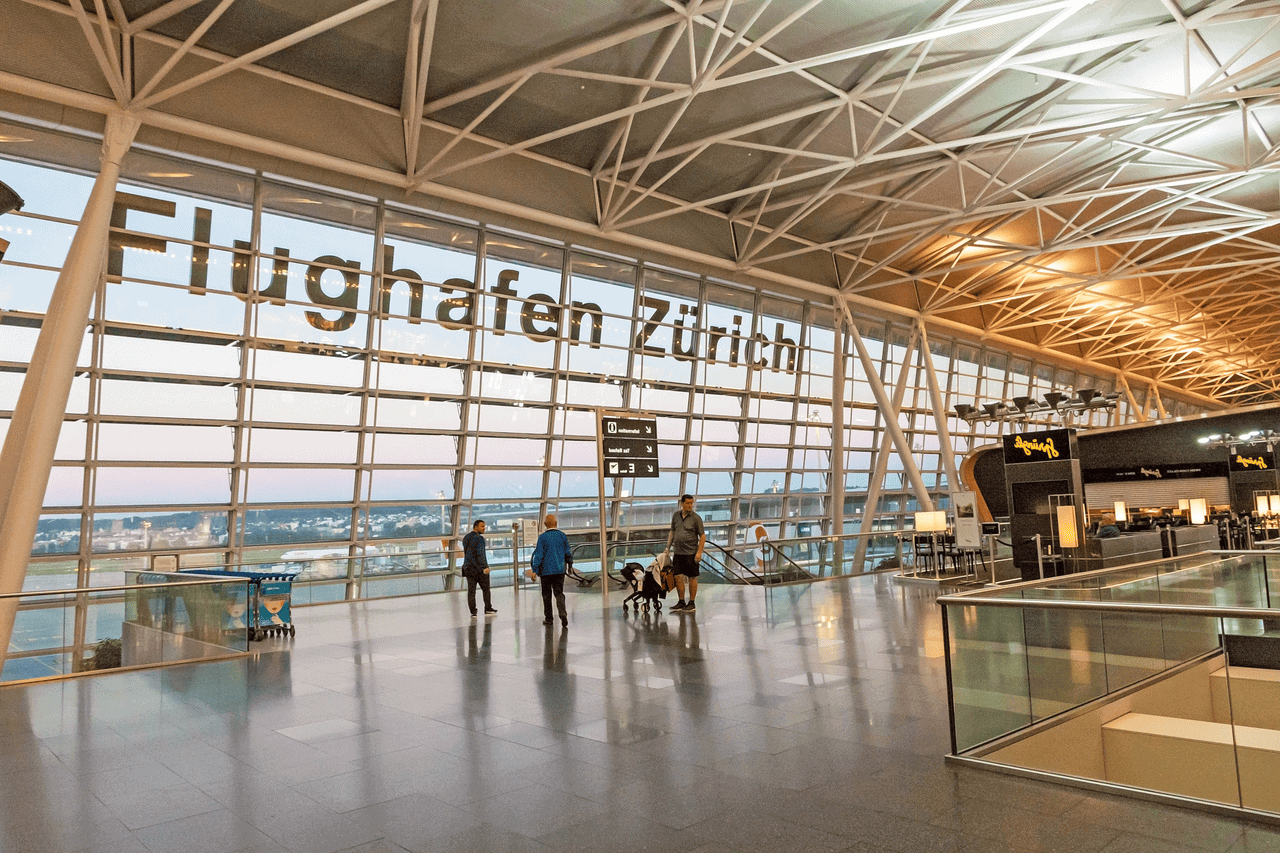
Zurich proves that cool does not have to mean flashy. The terminal is efficient, clean, and tightly integrated with ground transport, which shortens the full journey, not just the airport segment. Passenger flow is clear, security and boarding processes are usually well paced, and seating zones are designed for real use, not visual staging. It feels polished but never overdesigned. Zurich’s strength is disciplined simplicity: everything important works, little feels wasted, and travelers can focus on the trip rather than on navigating avoidable friction.