We may earn money or products from the companies mentioned in this post. This means if you click on the link and purchase the item, I will receive a small commission at no extra cost to you ... you're just helping re-supply our family's travel fund.
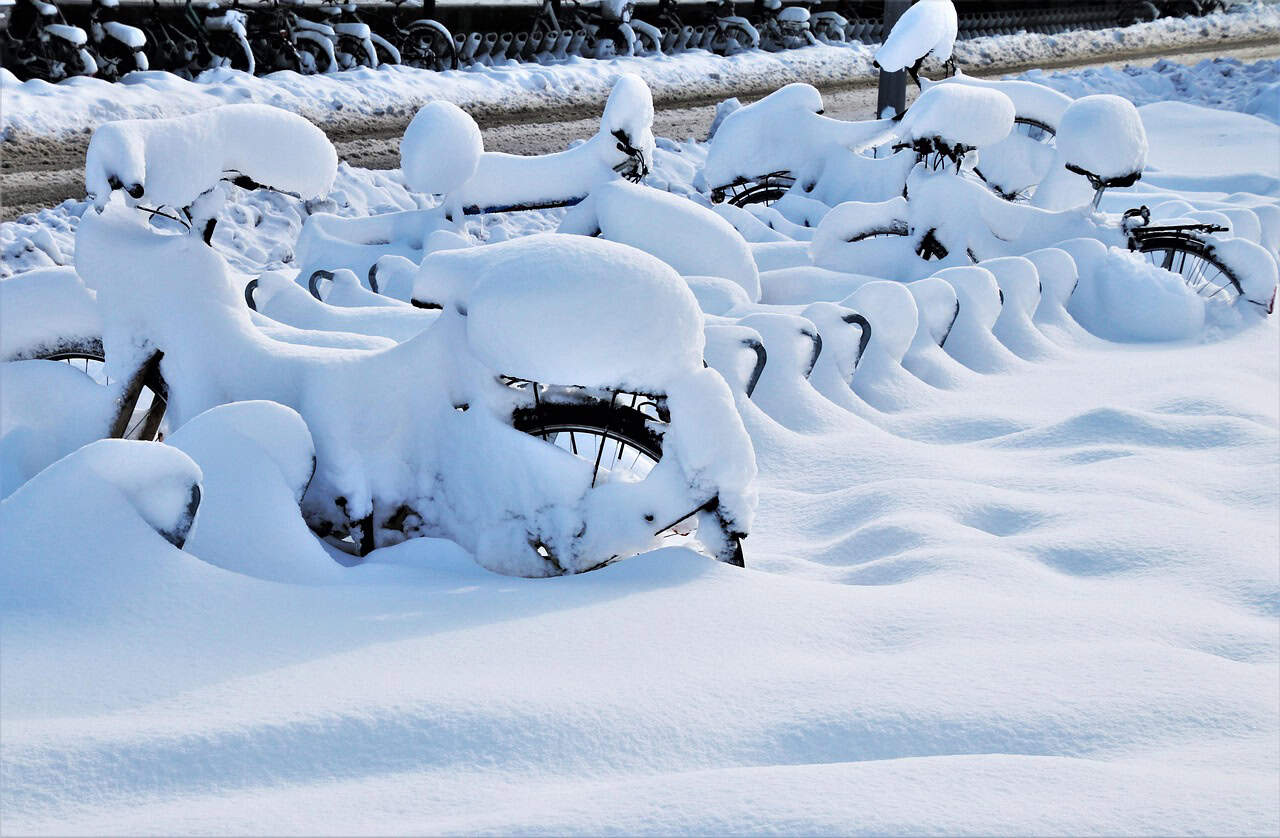
Extreme cold shapes cities in ways few other forces can. In the coldest urban areas on Earth, winter is not a season but a dominating presence that dictates architecture, clothing, transport, and even daily routines. Temperatures plunge far below freezing for months, daylight can vanish, and survival depends on preparation rather than comfort. These cities are permanently inhabited, meaning people work, raise families, and build culture despite the relentless cold. The list below explores ten of the coldest cities in the world, explaining where they are, how cold they get, how people adapt, and what daily life feels like when freezing conditions are the norm rather than the exception.
1. Yakutsk, Russia
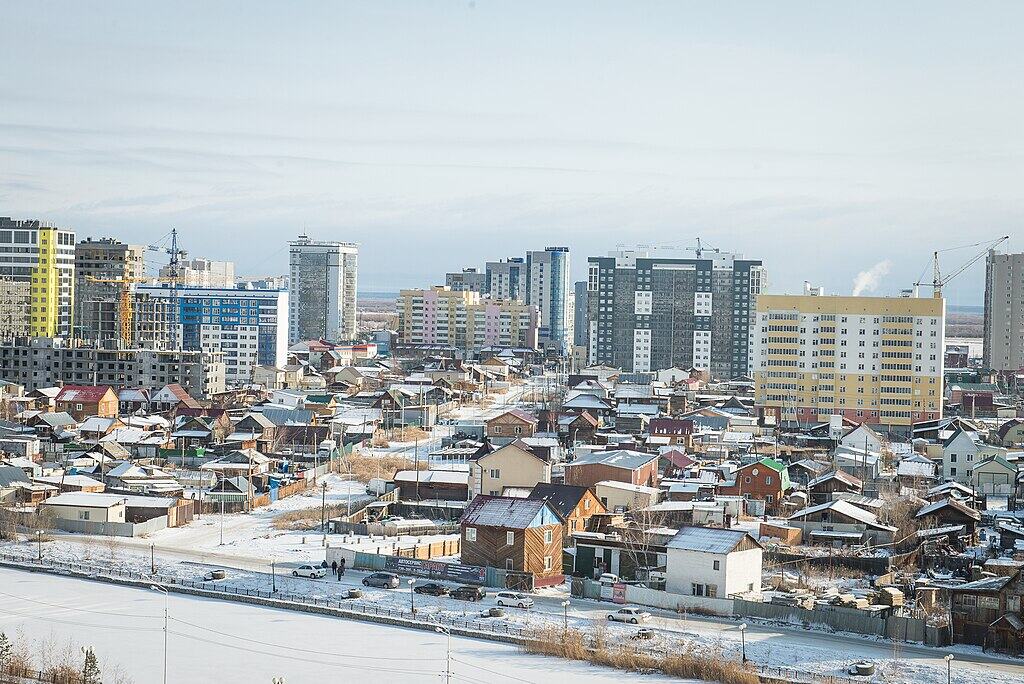
Yakutsk is widely regarded as the coldest city on Earth with a permanent population. Located in eastern Siberia, it sits atop permafrost that never fully thaws. Average January temperatures hover around −38°C, while winter nights frequently drop below −45°C. The city has recorded lows near −50°C, and extreme cold can last for weeks without relief. Buildings are constructed on stilts to prevent heat from melting the frozen ground. Cars are often left running for hours to avoid frozen engines. Despite this, Yakutsk supports over 300,000 residents, complete with universities, theaters, and markets. Summers can briefly rise above 25°C, creating one of the widest annual temperature ranges on the planet.
2. Norilsk, Russia
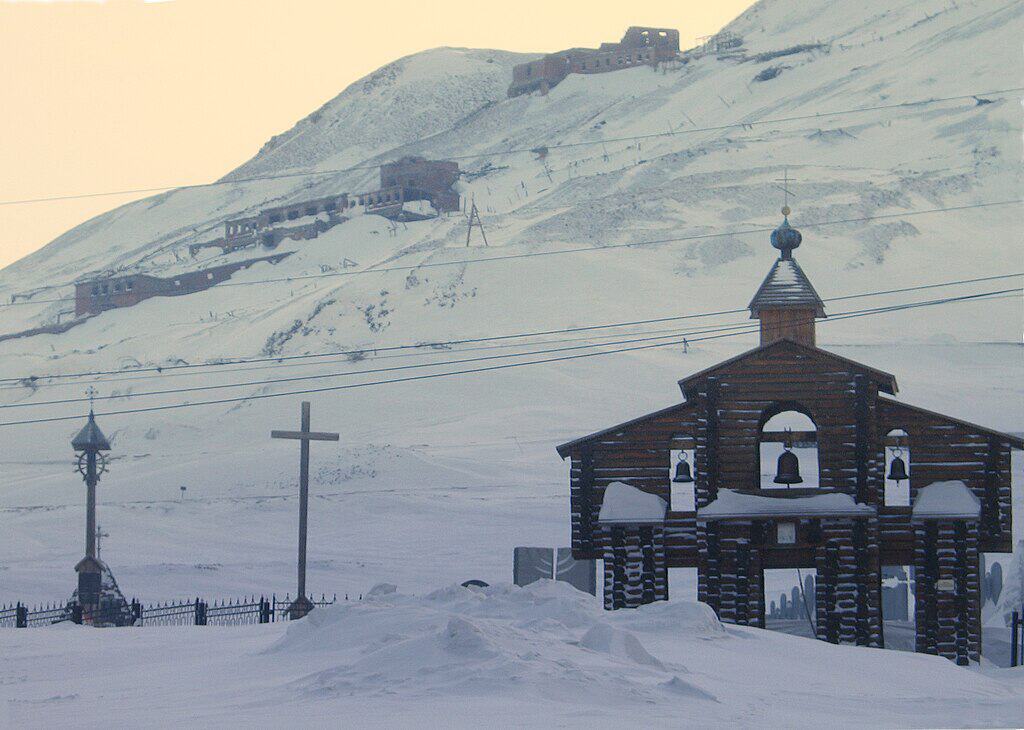
Norilsk lies above the Arctic Circle and is one of the northernmost cities of its size in the world. Winter temperatures average around −30°C, with prolonged cold spells pushing readings to −45°C. Snow covers the city for roughly nine months each year, and powerful winds frequently produce dangerous wind chill values. Norilsk is also extremely isolated, with no road access connecting it to the rest of Russia. Industrial activity dominates the economy, and residents endure polar night, where the sun does not rise for up to six weeks. Despite harsh conditions, the city maintains a population of over 175,000 people who adapt through insulated housing, enclosed walkways, and strict cold-weather routines.
3. Vorkuta, Russia
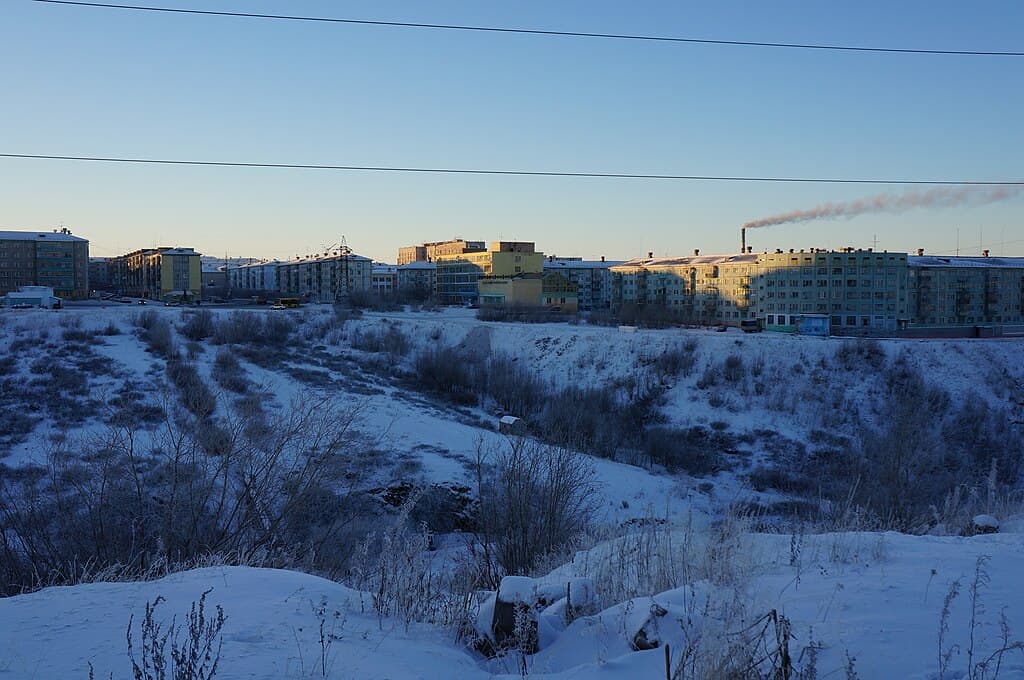
Vorkuta is another Arctic Circle city shaped entirely by cold and isolation. Winter temperatures commonly range between −25°C and −40°C, with blizzards and whiteout conditions occurring regularly. The city experiences polar night for several weeks, significantly affecting daily life and mental health. Originally developed around coal mining, Vorkuta has seen population decline, yet thousands still remain. Buildings are designed to block wind, and infrastructure prioritizes heat retention over aesthetics. Frostbite can occur in minutes during peak winter. Snow accumulation is constant, and transportation schedules revolve around weather conditions. Even with these challenges, Vorkuta continues to function as a fully operational urban center.
4. Oymyakon, Russia
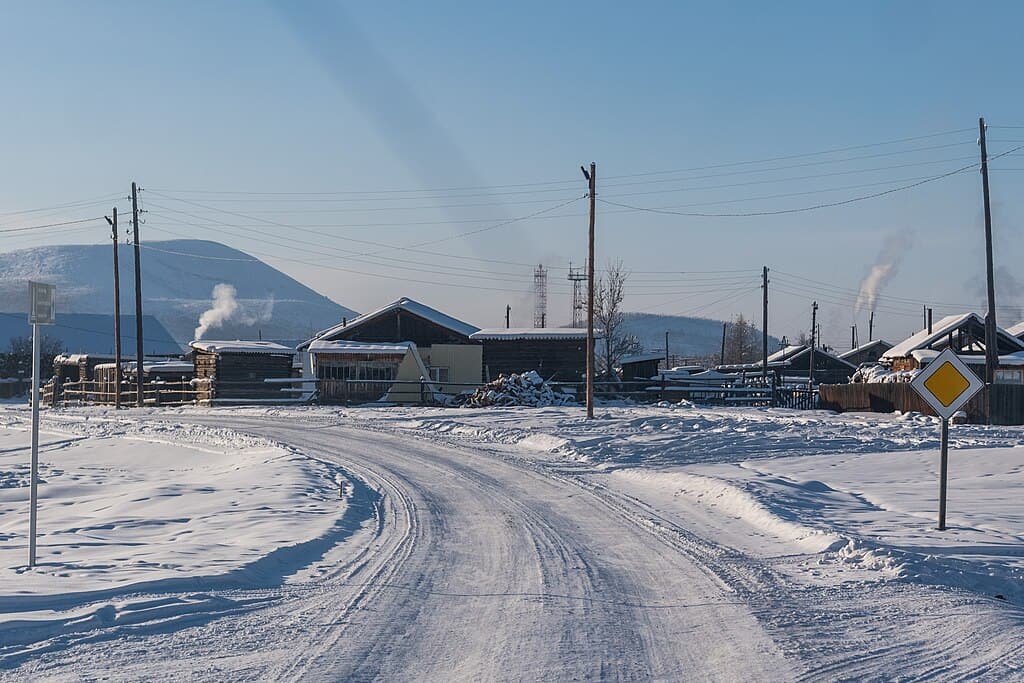
Oymyakon is technically a rural settlement, but its permanent population and extreme climate make it impossible to exclude. It holds the record for the lowest temperature ever recorded in a permanently inhabited location at −67.7°C. Average winter temperatures remain near −50°C, with children attending school unless temperatures fall below −52°C. The ground is permanently frozen, making traditional farming impossible. Diets rely heavily on meat and fish, as crops cannot grow. Vehicles are rarely turned off in winter, and exposed skin freezes within seconds. With a population under 1,000, Oymyakon represents the absolute limits of human habitation in extreme cold.
5. Ulaanbaatar, Mongolia
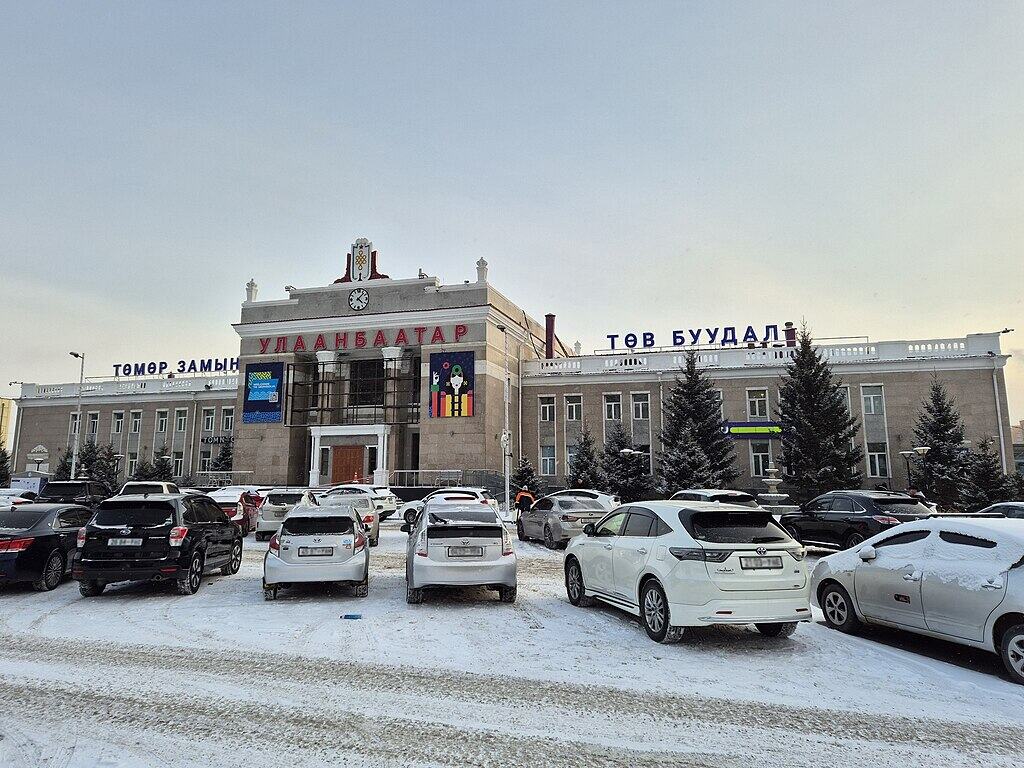
Ulaanbaatar is the coldest national capital in the world. Situated at high altitude and far from warming oceans, it experiences severe continental cold. Winter averages fall near −25°C, while nighttime lows often reach −35°C. The city’s surrounding valleys trap cold air, intensifying freezing conditions. Nearly half of Mongolia’s population lives here, resulting in dense urban pressure during winter. Coal-burning stoves used for heating contribute to heavy smog when temperatures drop. Despite this, Ulaanbaatar remains the cultural and economic heart of the country, balancing modern development with nomadic traditions under extreme winter stress.
6. Fairbanks, Alaska, USA
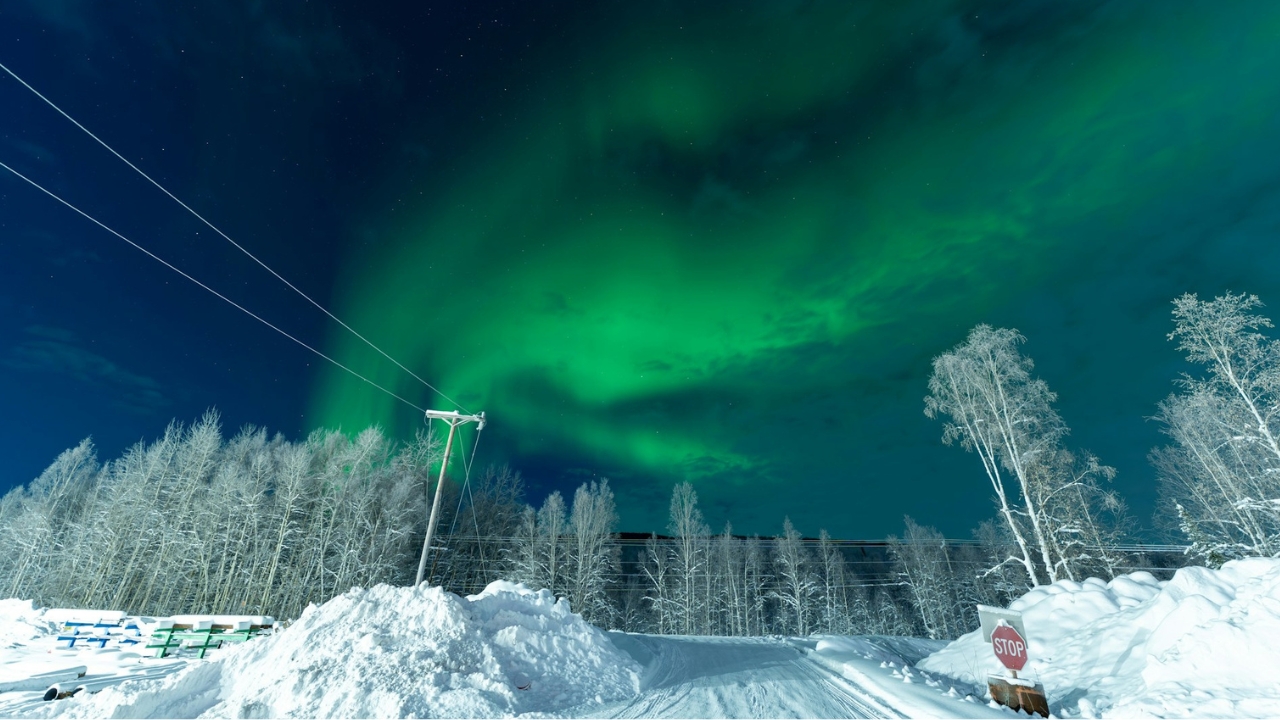
Fairbanks is the coldest major city in the United States. Located in Alaska’s interior, it lacks ocean influence that could moderate temperatures. Average winter readings sit around −25°C, but cold snaps frequently plunge below −40°C. Ice fog forms when moisture freezes in the air, reducing visibility and complicating travel. Homes rely on heavy insulation and powerful heating systems, while residents plan daily activities around temperature forecasts. Despite the cold, Fairbanks supports tourism, research institutions, and military bases. Summer temperatures can exceed 25°C, creating sharp seasonal contrasts that define life in the region.
7. Yellowknife, Canada
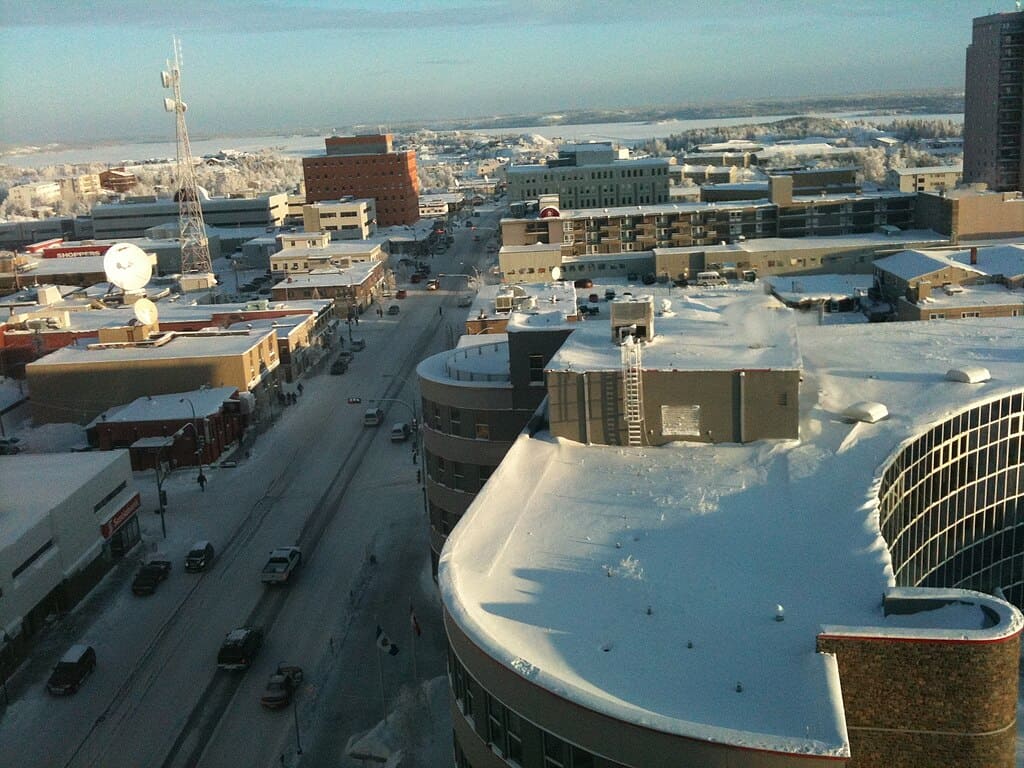
Yellowknife, the capital of Canada’s Northwest Territories, is known for both extreme cold and vivid auroras. Winter temperatures regularly range from −25°C to −40°C, with wind chill pushing perceived temperatures even lower. The city sits on solid rock rather than permafrost, allowing sturdier construction. Lakes freeze thick enough to support ice roads for heavy trucks. Residents adapt through layered clothing, winterized vehicles, and compact urban design. With a population of about 20,000, Yellowknife maintains schools, government offices, and cultural life despite winters that dominate more than half the year.
8. Harbin, China
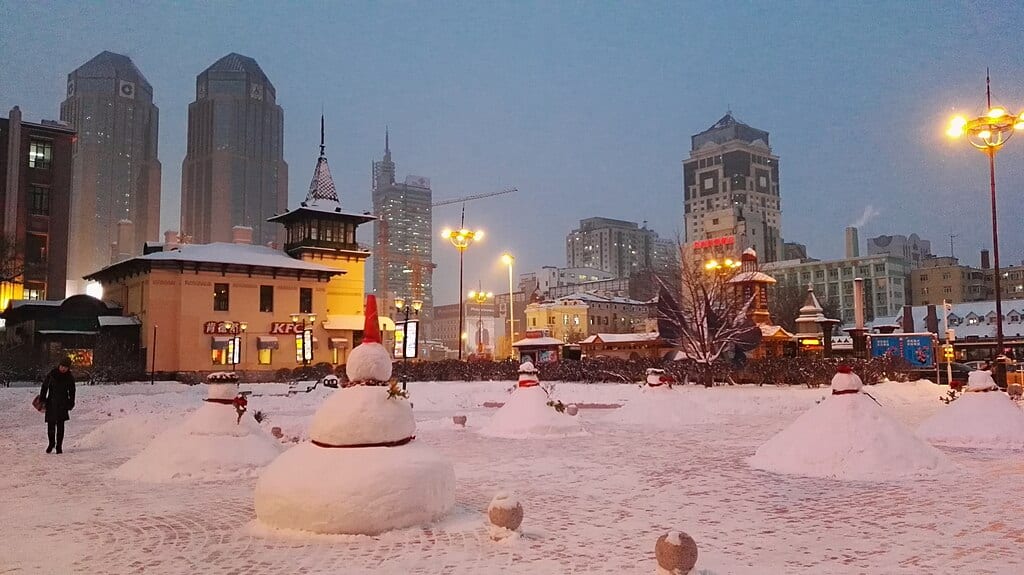
Harbin experiences some of the harshest winters in East Asia due to Siberian air masses. Average January temperatures hover around −20°C, with extreme lows near −35°C during cold waves. The city is famous for its annual Ice and Snow Festival, where massive sculptures are carved from frozen river blocks. Heating systems are centrally managed and activated months before winter peaks. Snowfall is frequent but manageable due to established infrastructure. With over 10 million residents in the metro area, Harbin demonstrates how large populations can function effectively under prolonged freezing conditions.
9. Astana (Nur-Sultan), Kazakhstan
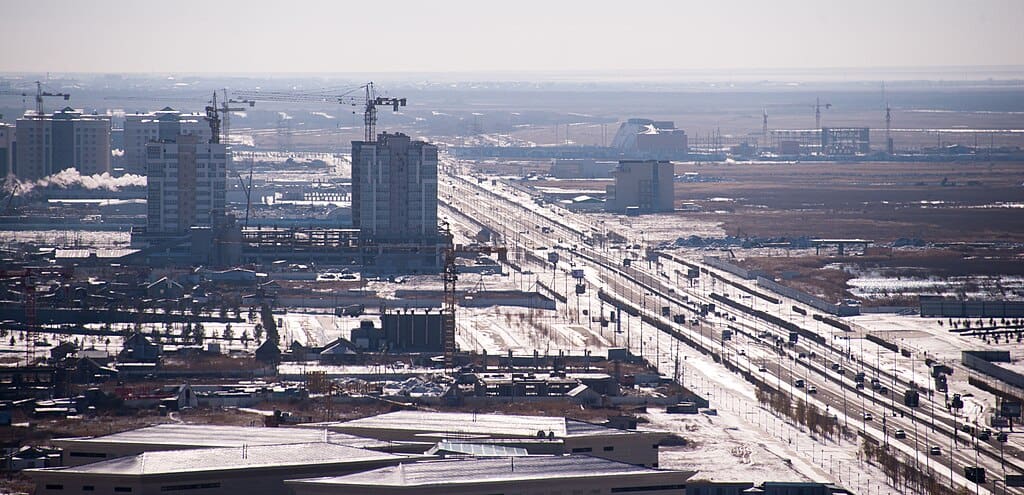
Astana is one of the coldest capital cities on Earth. Winter temperatures commonly drop to −30°C, and strong steppe winds amplify the cold through severe wind chill. Snowstorms can last for days, disrupting transport and visibility. The city’s modern architecture incorporates enclosed walkways and wind-shielded designs to reduce exposure. Despite its cold reputation, Astana continues to grow rapidly as Kazakhstan’s political center. Summers are hot, often exceeding 30°C, creating dramatic seasonal swings that challenge infrastructure and residents alike.
10. Winnipeg, Canada
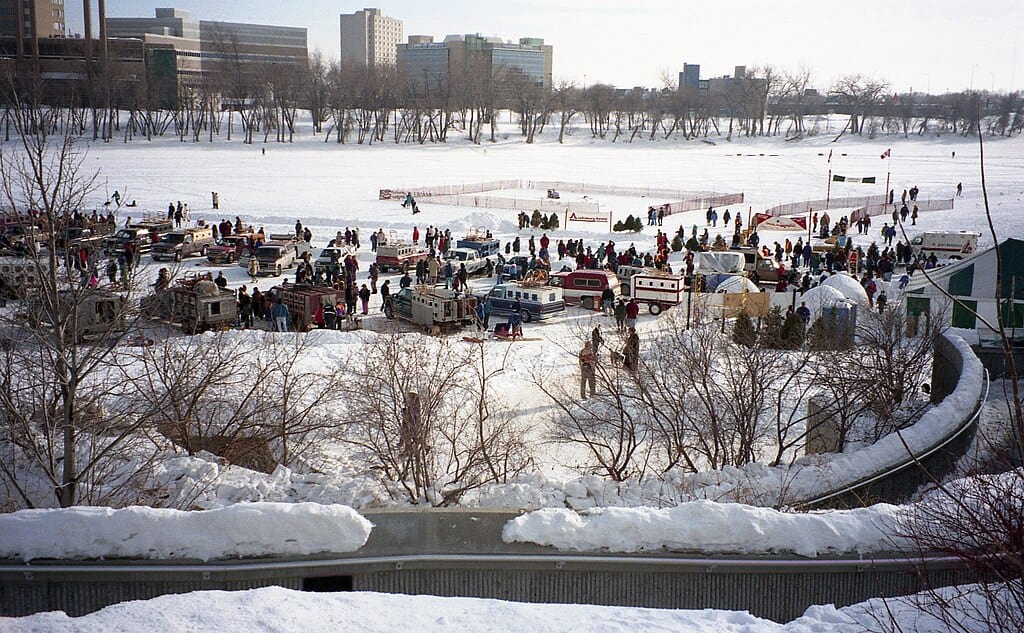
Winnipeg is often called one of the coldest large cities in the world by average winter temperature. January averages sit near −20°C, but Arctic air masses can drive temperatures below −35°C. Strong prairie winds produce extreme wind chills, sometimes making it feel colder than −40°C. The city combats winter with extensive snow removal, heated buildings, and skywalk systems downtown. With a population over 750,000, Winnipeg proves that major urban life can thrive even where winter dominates for months each year.