We may earn money or products from the companies mentioned in this post. This means if you click on the link and purchase the item, I will receive a small commission at no extra cost to you ... you're just helping re-supply our family's travel fund.
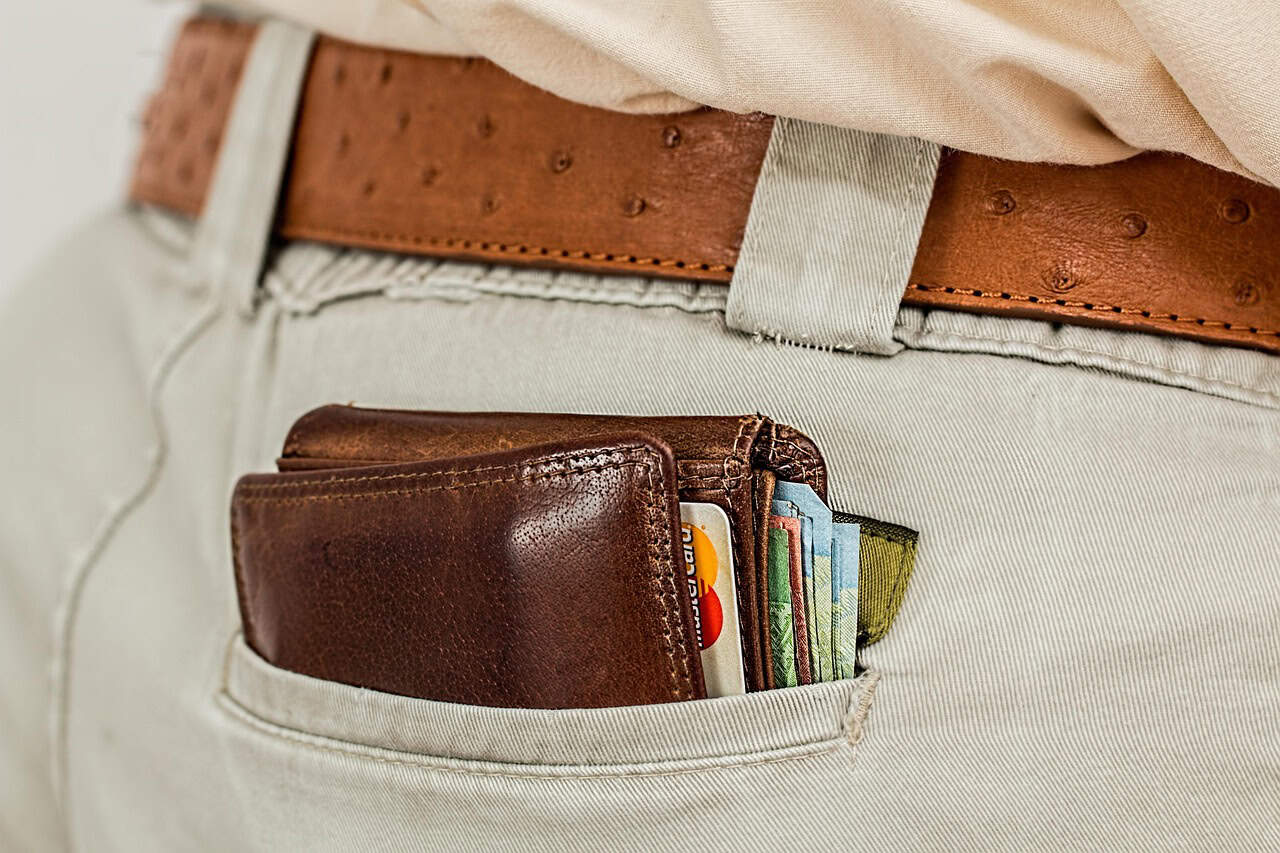
Credit cards make international travel easier, but in certain global cities, that convenience comes at a steep price. Between foreign transaction fees, merchant surcharges, inflated ATM costs, and unfavorable currency conversion practices, travelers can unknowingly lose 3–10% on everyday spending. These costs compound quickly in destinations where prices are already high or card acceptance is inconsistent. Below are ten cities where using a credit card often proves far more expensive than expected, explained with practical context and clear USD-based figures to help travelers budget realistically.
1. Tokyo, Japan
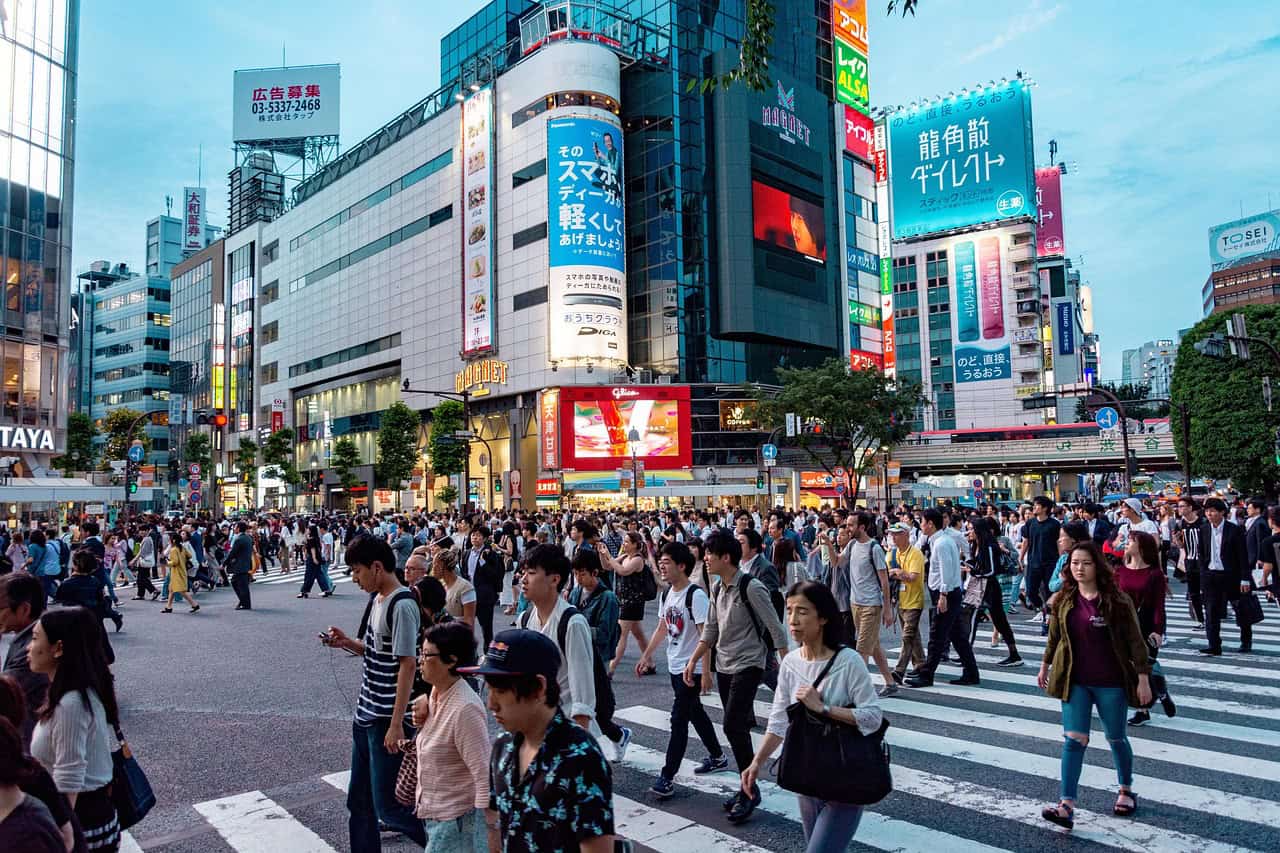
Tokyo blends modern payments with hidden card costs. While major retailers accept cards, many smaller businesses add a 2–4% surcharge on foreign-issued cards. Standard foreign transaction fees add another 1–3%. ATM withdrawals frequently cost $0.75–$2.25 per transaction, while currency conversion margins can reach 4–5%. With average daily tourists spending around $120–$150, card-related fees can quietly add $6–$12 per day. Over a week, that becomes a noticeable expense, especially for travelers relying on cards for transit, dining, and convenience-store purchases.
2. Bangkok, Thailand
Bangkok is notorious for costly card-related withdrawals. Foreign card ATM use carries a flat fee of $6–$7 per transaction, regardless of withdrawal size. Add foreign transaction fees of 2–3% and optional dynamic currency conversion markups that can exceed 6%, and costs escalate rapidly. Many hotels, clinics, and tour operators also impose 3–5% card surcharges. With average daily visitor spending between $100–$140, travelers can lose $5–$10 per day simply from card usage, especially if making frequent ATM withdrawals.
3. Zurich, Switzerland
Zurich’s high prices amplify even modest credit card fees. Foreign transaction fees of 1–3% apply to meals averaging $40–$45 and hotel stays commonly exceeding $275 per night. Some merchants quietly pass on processing costs of 1–2%. ATM withdrawals often cost $6–$11, and currency exchange spreads can approach 4%. With typical daily spending above $220, travelers may lose $7–$12 per day in card-related costs alone. In Zurich, the problem isn’t acceptance—it’s how quickly small percentages inflate already premium prices.
4. Reykjavik, Iceland
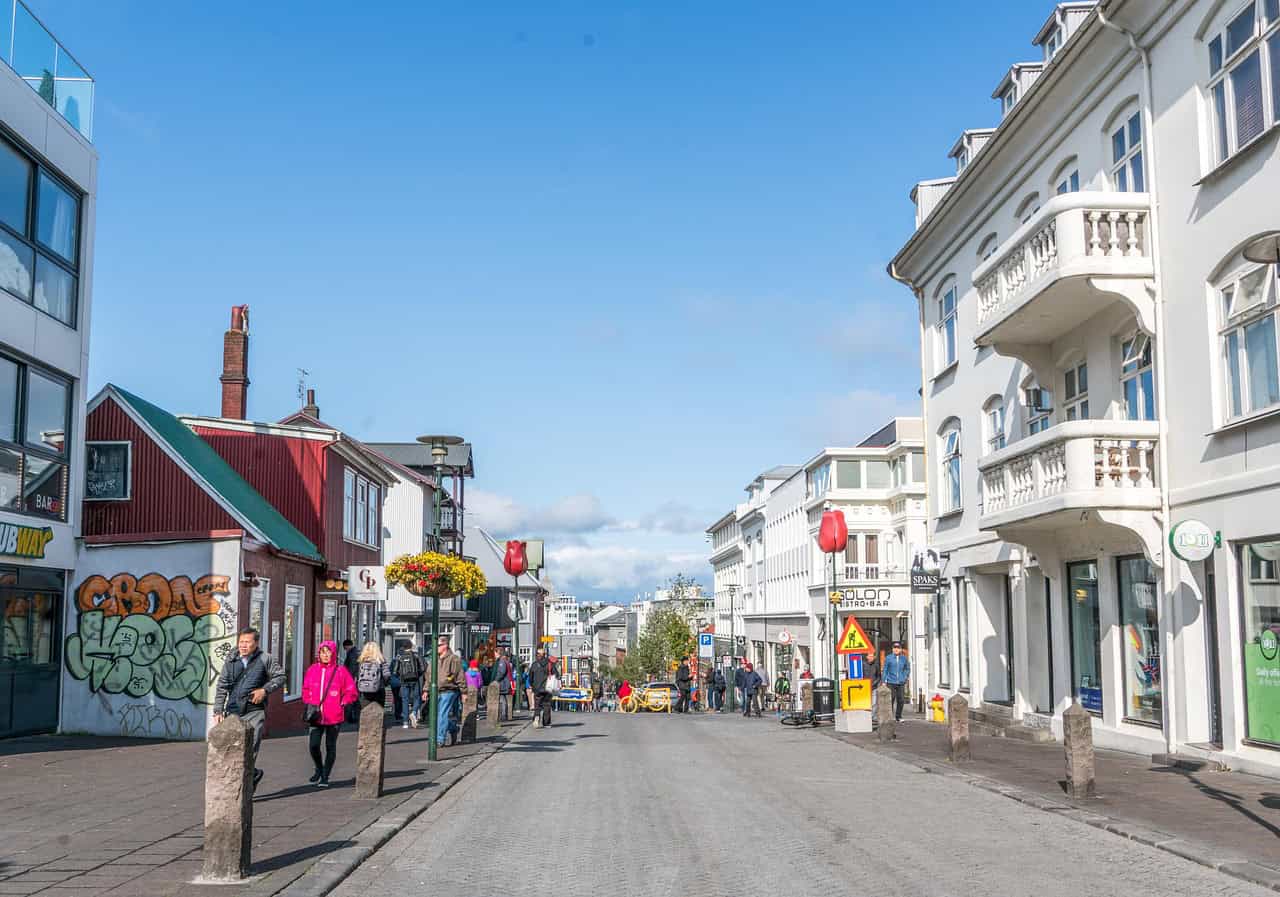
Reykjavik is largely cashless, but that doesn’t mean card use is cheap. Foreign transaction fees of 2–3% apply to nearly every expense, from $30 meals to $200 tours. Some terminals default to dynamic currency conversion, adding 5–7% if not declined. ATM withdrawals can cost $5–$9 per transaction. With daily visitor spending often around $180–$230, card-related costs can quietly reach $10–$15 per day. The lack of cash alternatives makes avoiding these fees especially difficult for short-term travelers.
5. Mexico City, Mexico
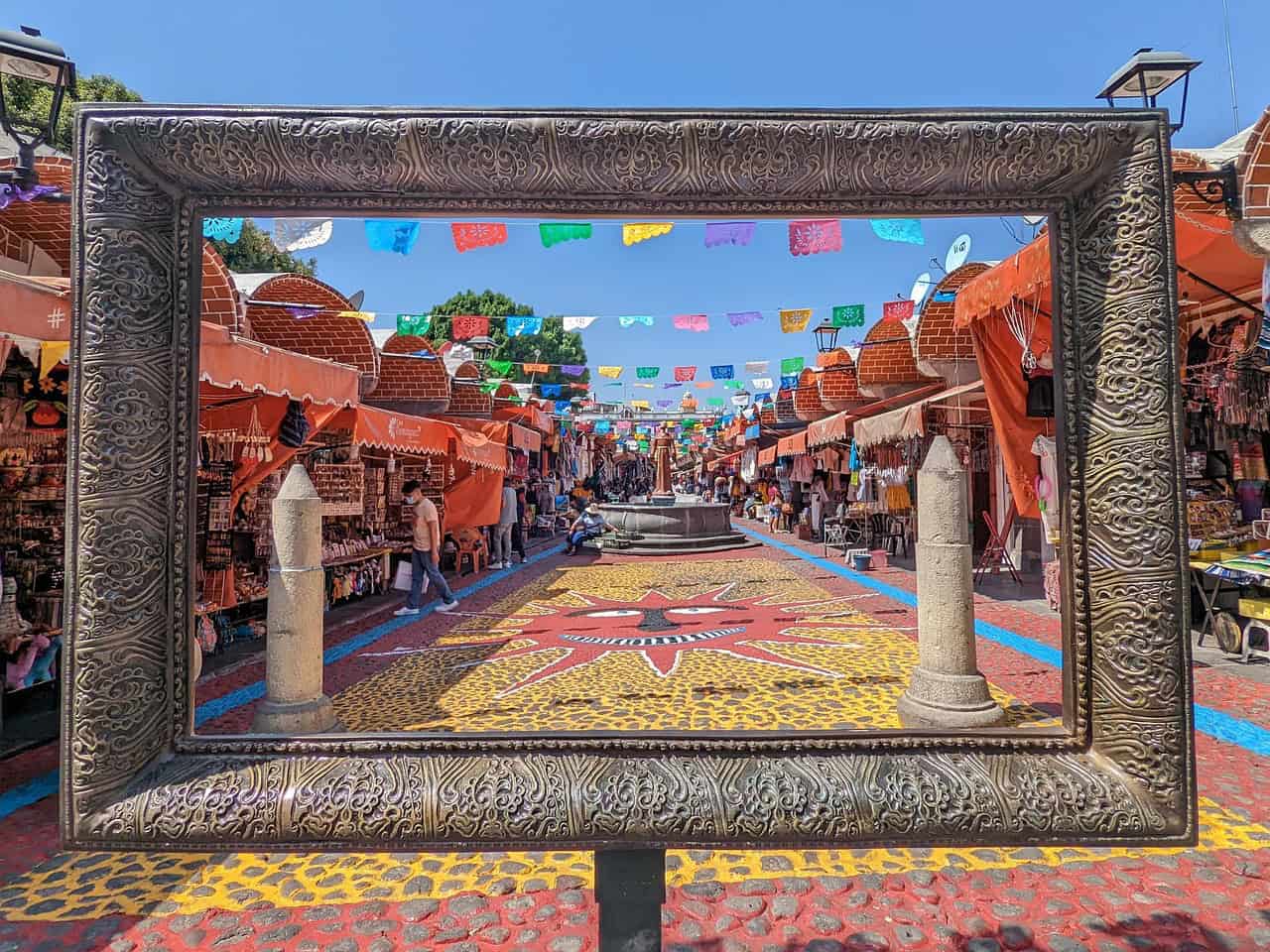
Mexico City presents a mix of acceptance and expense. Many ATMs push dynamic currency conversion with exchange markups of 6–10% if accepted. Foreign transaction fees add another 2–3%, while ATM operator fees typically range from $3–$5 per withdrawal. Some restaurants and private tour services add 3–4% card surcharges. With average daily tourist spending near $90–$120, card misuse can cost travelers an extra $5–$9 per day. Frequent small withdrawals significantly worsen the financial impact.
6. Singapore
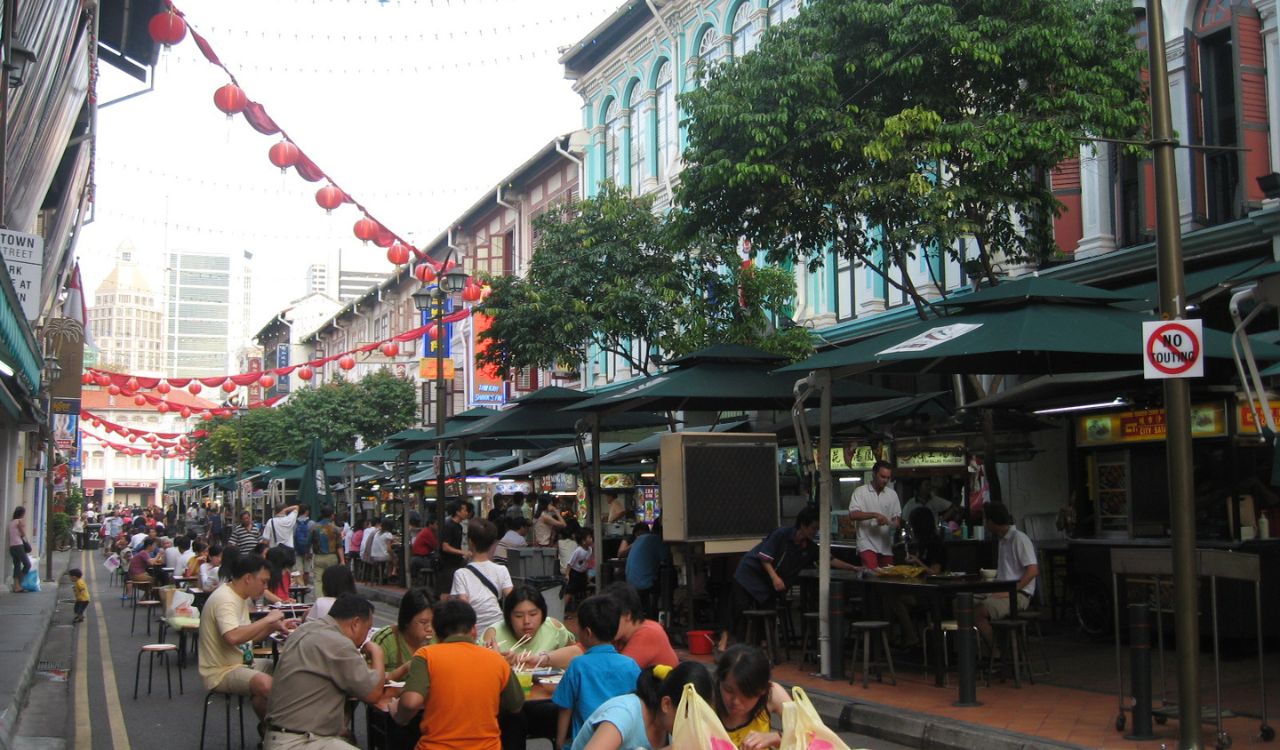
Singapore is highly card-friendly but not fee-friendly. Foreign transaction fees of 2–3% apply almost universally, and some merchants add 1–2% surcharges for international cards. ATM withdrawals may cost $4–$7, while currency conversion spreads can reach 3–4%. With daily expenses averaging $150–$200, especially for dining and transport, card-related costs can quietly reach $6–$10 per day. Singapore’s efficiency masks how consistently these small percentages accumulate across nearly every transaction.
7. Paris, France
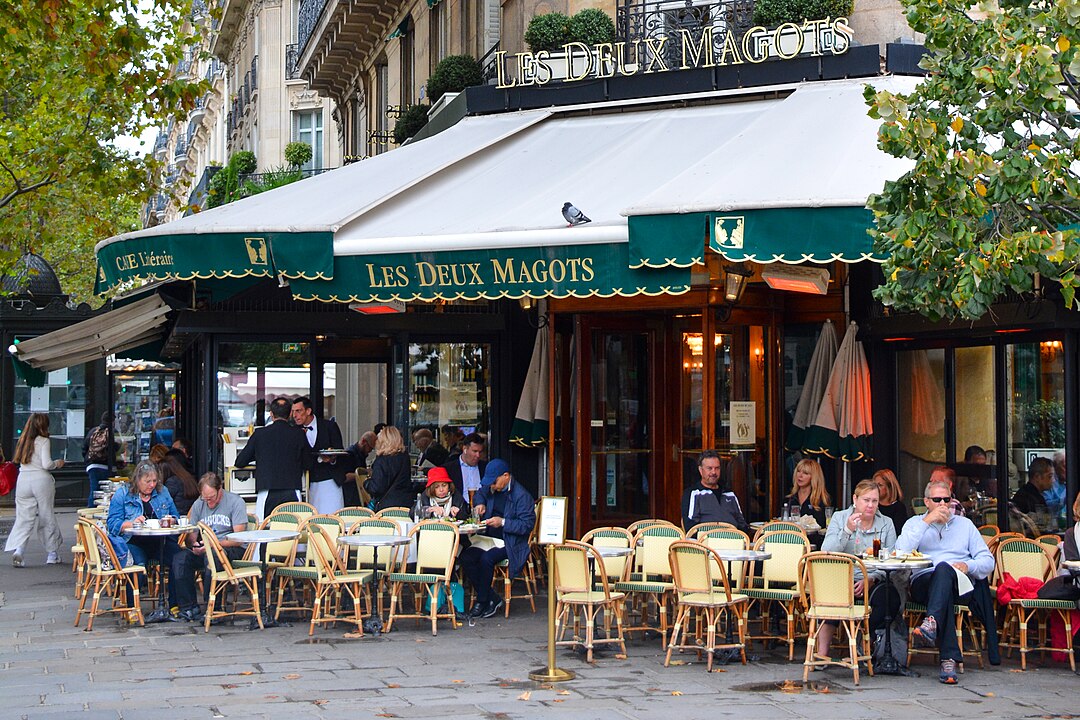
Paris accepts cards widely, yet foreign cardholders often pay more. Standard foreign transaction fees of 1–3% apply to hotel stays averaging $220 per night and meals around $30–$35. Some smaller businesses add card minimums or quiet processing markups. ATMs can charge $3–$6 per withdrawal, and conversion spreads may hit 4%. With daily tourist spending near $160–$190, card fees can total $5–$9 per day, especially for travelers who rely on cards for frequent small purchases.
8. Oslo, Norway
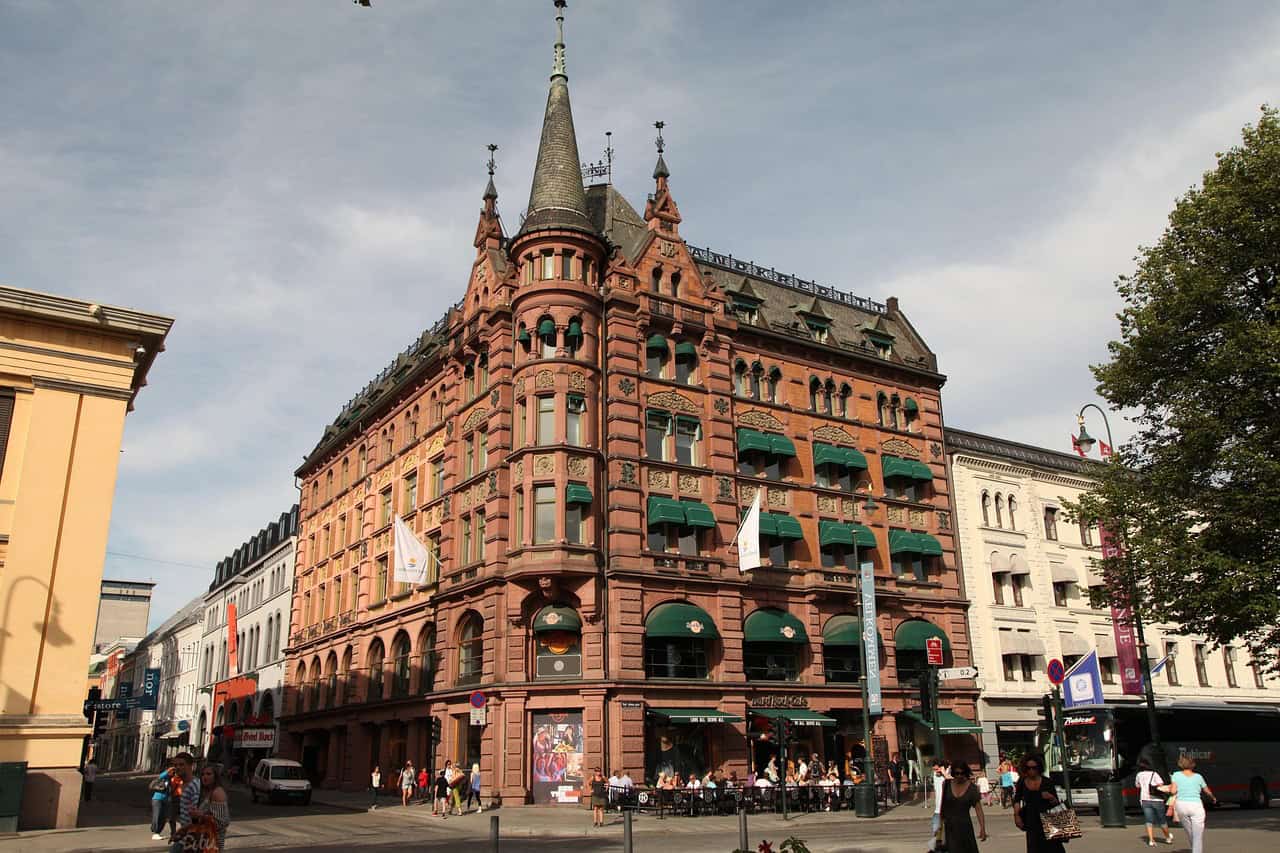
Oslo’s near-cashless economy leaves travelers dependent on cards, but fees add up fast. Foreign transaction fees of 2–3% apply to already high costs, including $35 lunches and $250 hotel nights. ATM withdrawals can cost $7–$10, and conversion margins may approach 4%. With average daily spending often exceeding $230, travelers may lose $8–$14 per day to card-related costs. The lack of cash alternatives makes Oslo one of the most quietly expensive cities for card-dependent visitors.
9. Sydney, Australia
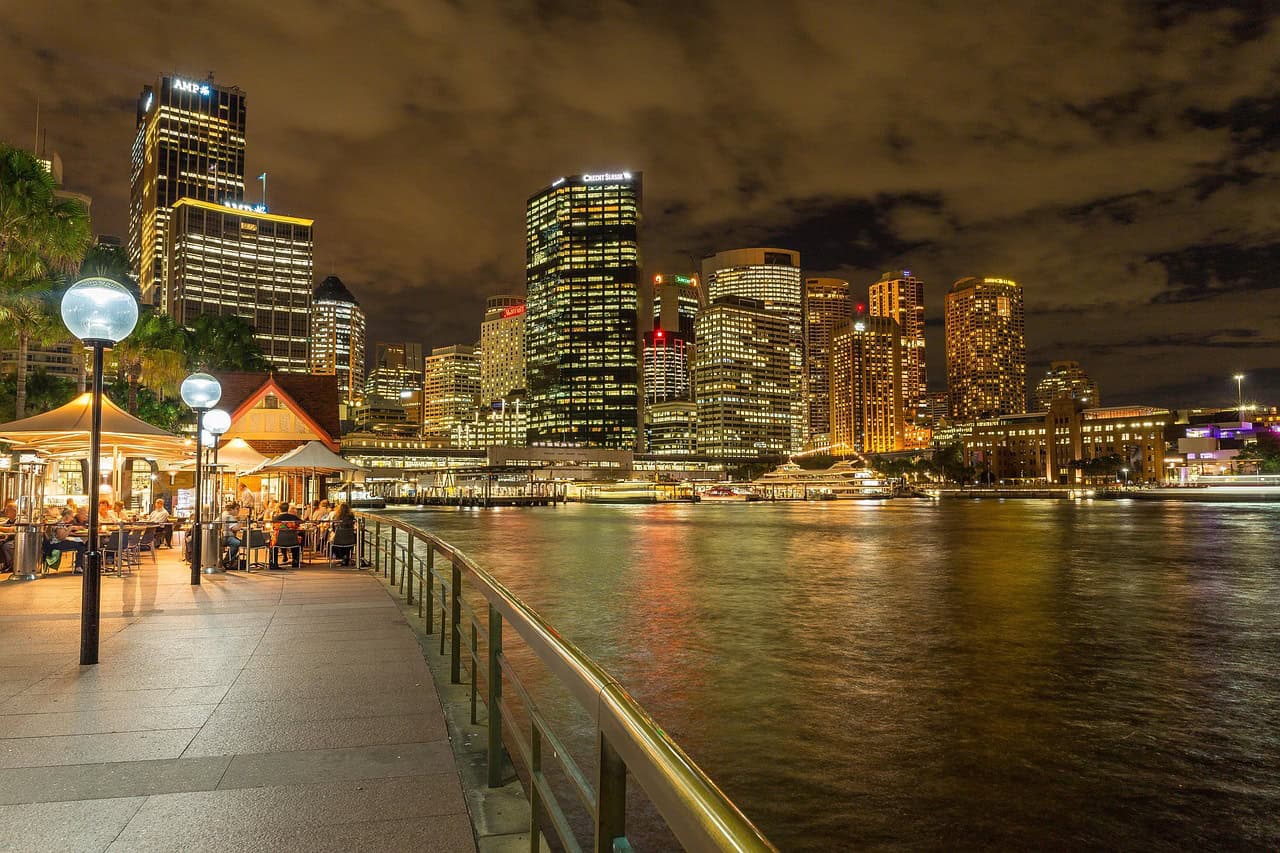
Sydney commonly applies merchant surcharges, especially at cafés, bars, and small retailers. Credit card surcharges typically range from 1.5–2.5%, on top of foreign transaction fees of 2–3%. ATM withdrawals often cost $3–$5, while conversion spreads hover around 3–4%. With daily visitors spending near $140–$180, card-related costs can reach $6–$10 per day. Frequent dining and transport payments make Sydney’s small surcharges add up faster than most travelers expect.
10. Buenos Aires, Argentina
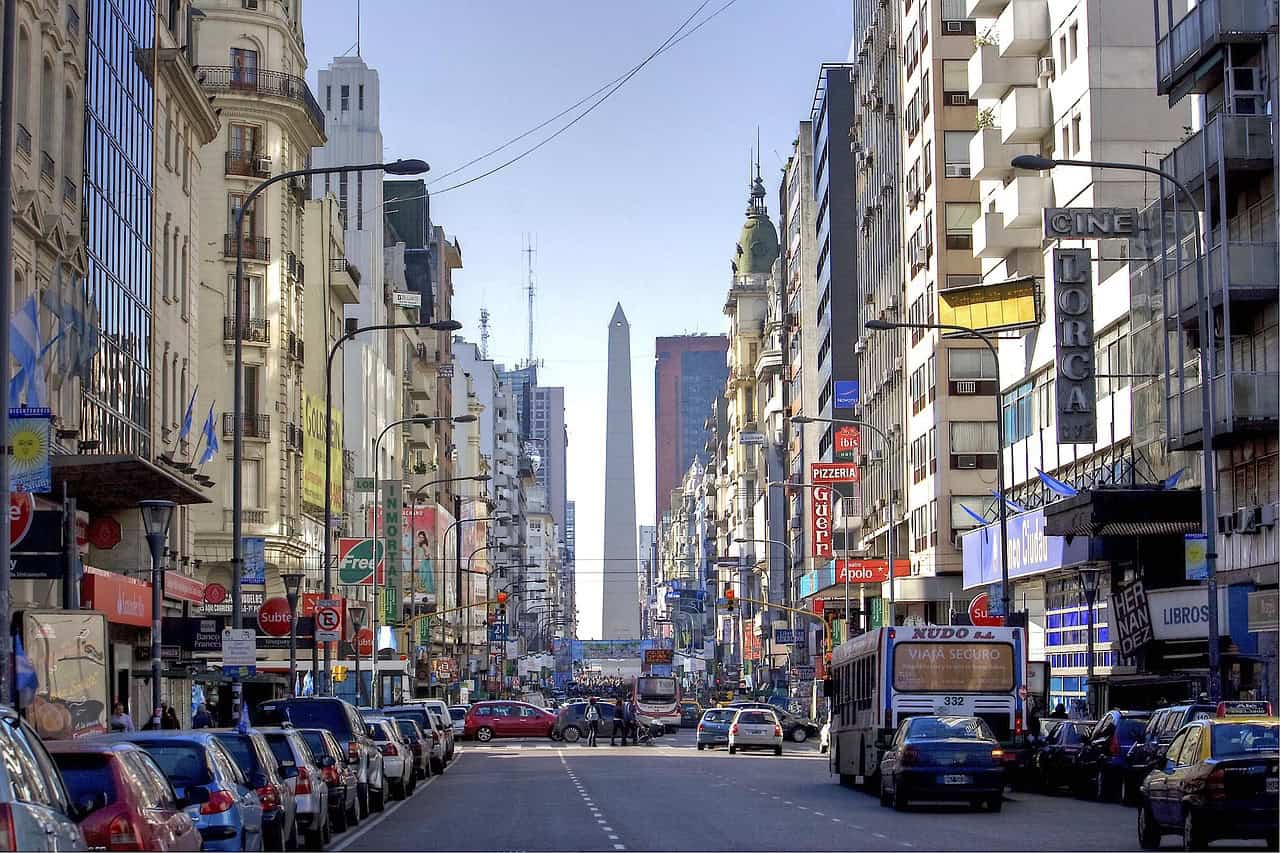
Buenos Aires is complex for card users due to currency instability. Credit cards often use less favorable exchange rates than cash markets, effectively costing travelers 5–8% per transaction. Foreign transaction fees add another 2–3%, while ATM withdrawals may cost $6–$9 with strict limits. With daily tourist spending around $70–$100, card users can lose $7–$10 per day compared to optimized cash use. In Buenos Aires, card convenience frequently comes at a significant financial disadvantage.