We may earn money or products from the companies mentioned in this post. This means if you click on the link and purchase the item, I will receive a small commission at no extra cost to you ... you're just helping re-supply our family's travel fund.
A smartphone now holds boarding passes, bank apps, and the keys to everyday accounts, so it attracts more than pickpockets. In busy cities, the risk is often quiet: a fake Wi-Fi network with a familiar name, a QR sticker placed over a real code, or a rushed login at a transit hub. None of this makes a destination unsafe. It just means crowds, shared networks, and tired decisions can add up fast. A little discipline keeps the trip smooth and the phone boring to criminals.
New York City, New York
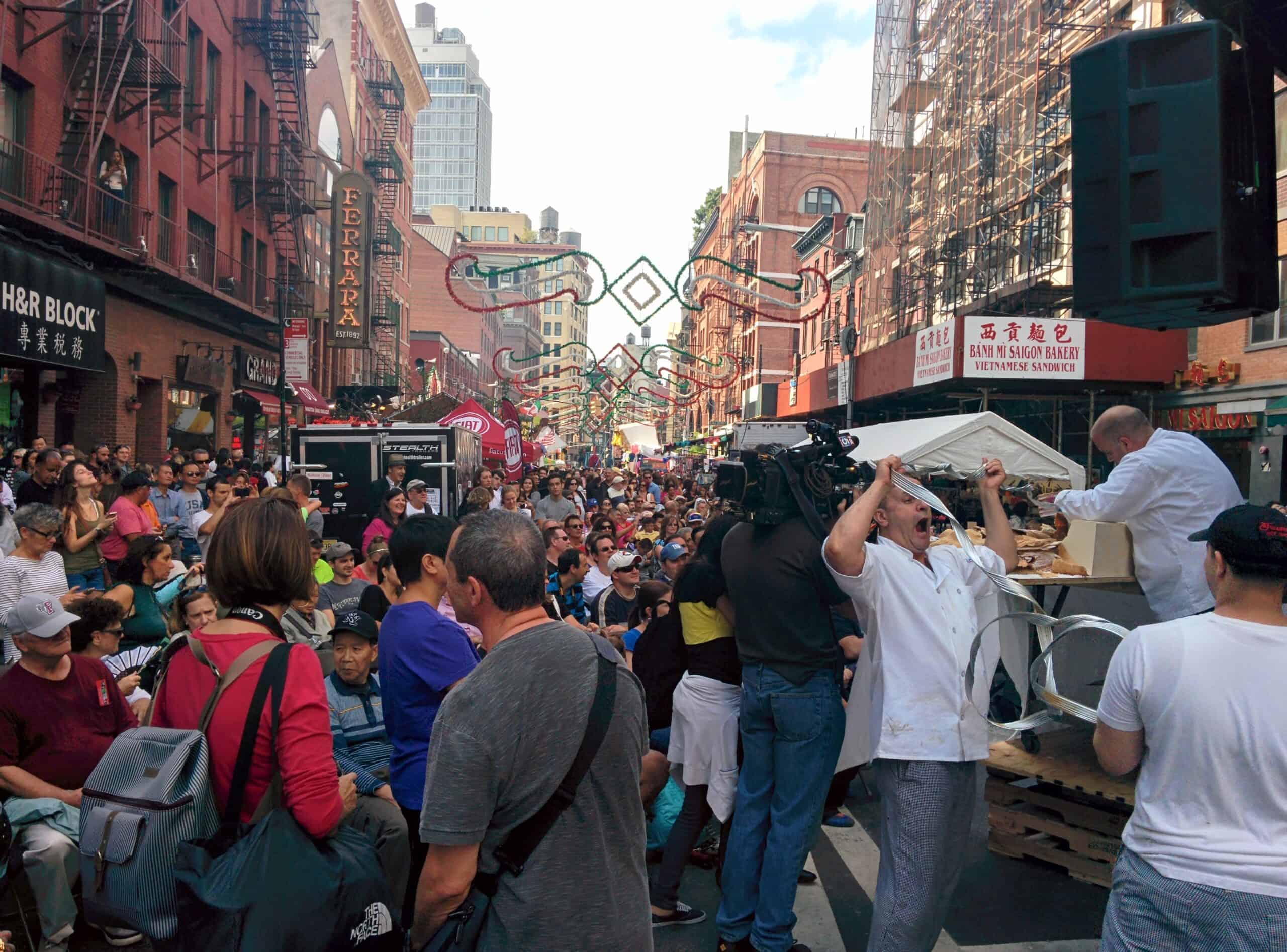
New York keeps phones in motion, from subway platforms to ticket kiosks, convention halls, and hotel lobbies, and that constant use creates openings. Rogue hotspots that mimic café or property names and lookalike captive portals can collect passwords when people connect out of habit, then redirect traffic without obvious warnings. When a device is also a wallet, lock-screen previews, reused passwords, and auto-join settings can turn a small mistake into account takeover, especially in stations and airports where tired travelers approve prompts reflexively and one-time codes flash on the screen.
London, England
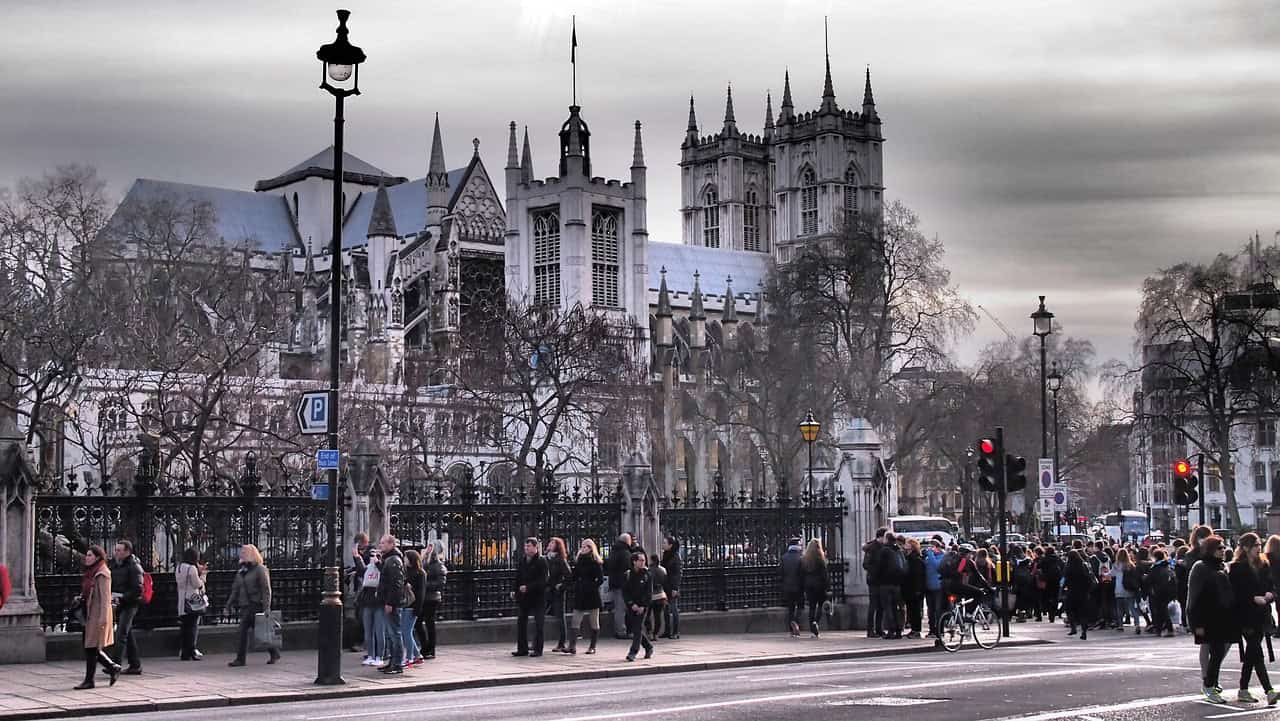
London’s tap-and-go culture keeps phones visible at Tube gates, theatres, and street markets, which invites both digital scams and quick snatches on escalators everywhere. QR codes for parking, charity drives, and event entry are easy to spoof with stickers, sending people to convincing payment pages that harvest card details and login credentials. Busy corridors around major stations also encourage open Wi-Fi and shoulder-surfing, so a single rushed connection or exposed screen can leak email sessions, bank alerts, and recovery codes before anyone realizes the device has become the key to everything.
Paris, France

Paris makes it easy to rely on café networks, museum Wi-Fi, and transit signals, and convenience can blur into risk when a network name looks familiar. Attackers lean on imitation: a hotspot labeled like the venue, a portal page with the right logo, and a prompt to re-enter credentials that feels routine, especially when a phone is charging at a small table near the door during peak hours. In dense tourist zones where devices stay out for maps and photos, one careless login can hand over email access, and from there, password resets, banking alerts, and travel confirmations can be quietly redirected.
Rome, Italy
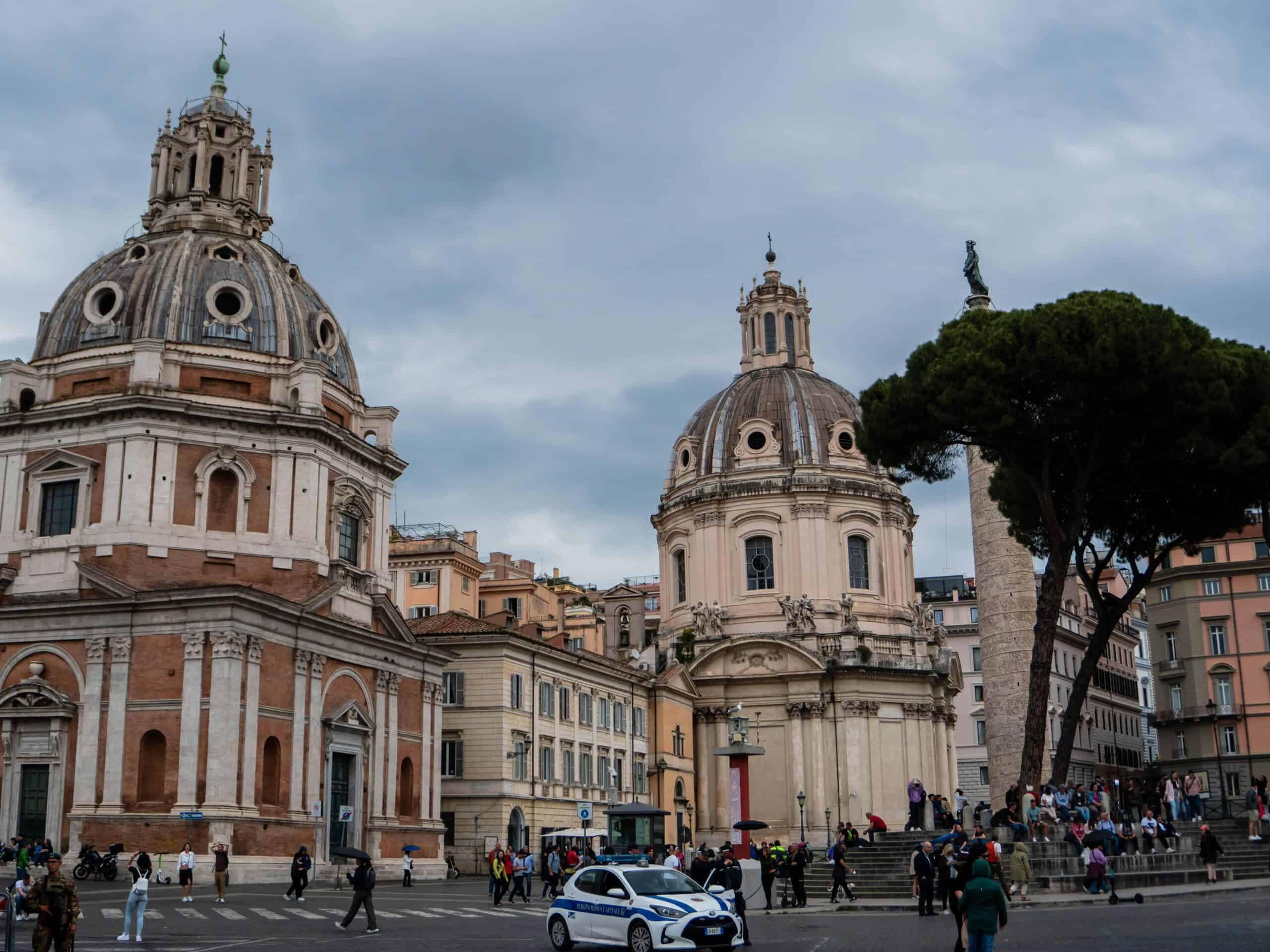
Rome’s lanes and piazzas keep people navigating in motion, with phones unlocked longer than they realize while they hop between buses, basilicas, and ticket lines. That rhythm pairs with QR menus, public Wi-Fi, and phishing texts that claim to confirm a tour, a taxi, or a reservation, then push users toward a fake sign-in that looks official on first glance. When a device is snatched in a crowd, attackers often race to reset passwords through email, so strong screen locks, limited notification previews, and app-based verification can stop a fast theft from becoming a full digital cleanup by nightfall.
Barcelona, Spain
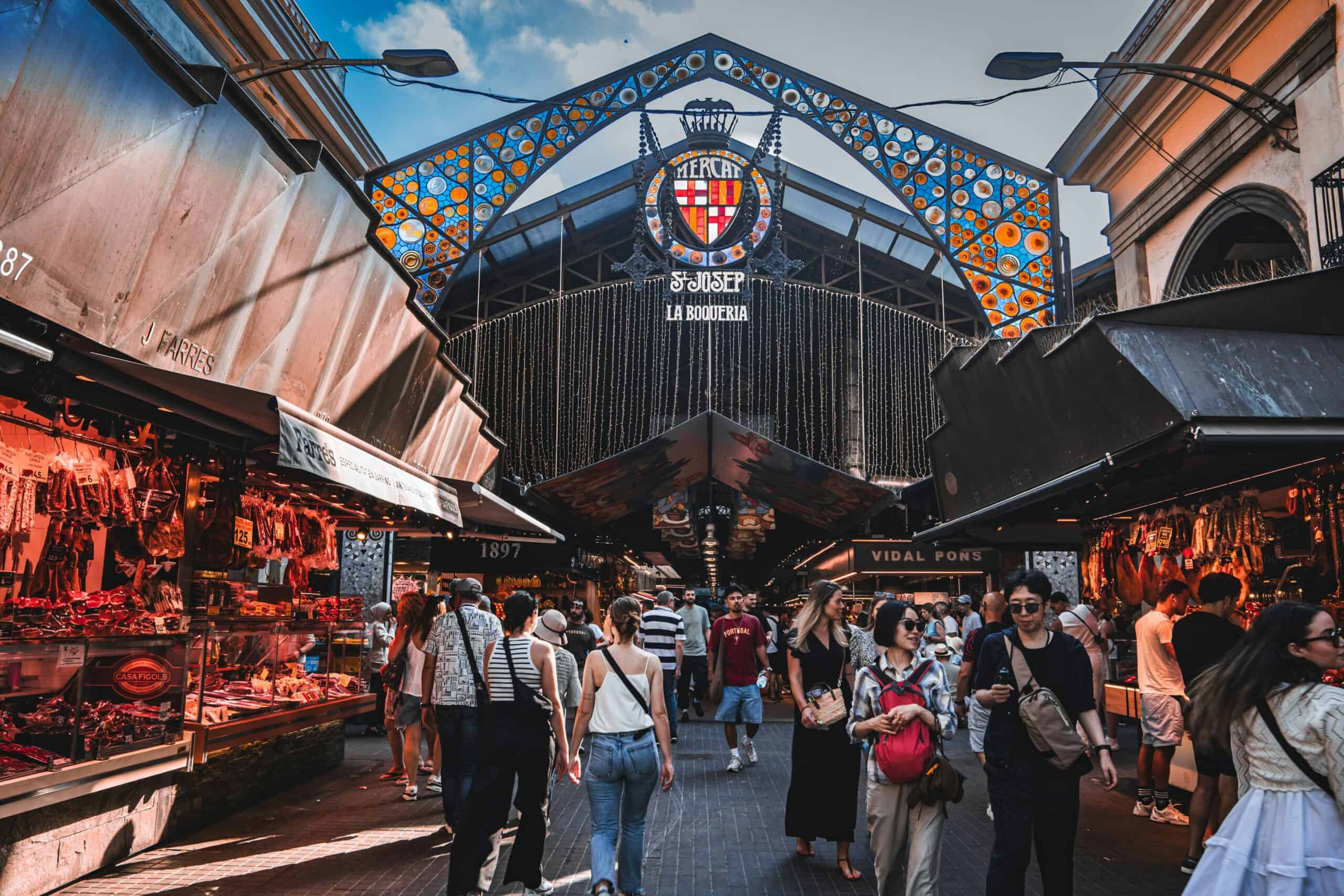
Barcelona’s beach-to-nightlife pace keeps phones out from brunch to late tapas, and short-term rentals can mean shared Wi-Fi details passed between strangers. Scammers blend simple distraction with digital tricks, using fake networks, lookalike booking pages, and urgent messages that pressure quick taps, often timed around ride pickups and crowded metro stops. In busy corridors near major sights and late-night streets, a stolen phone can become an identity problem if email is open and Bluetooth sharing is on, so passkeys, SIM protections, and cautious QR scanning help keep accounts stable while the city stays loud.
Bangkok, Thailand
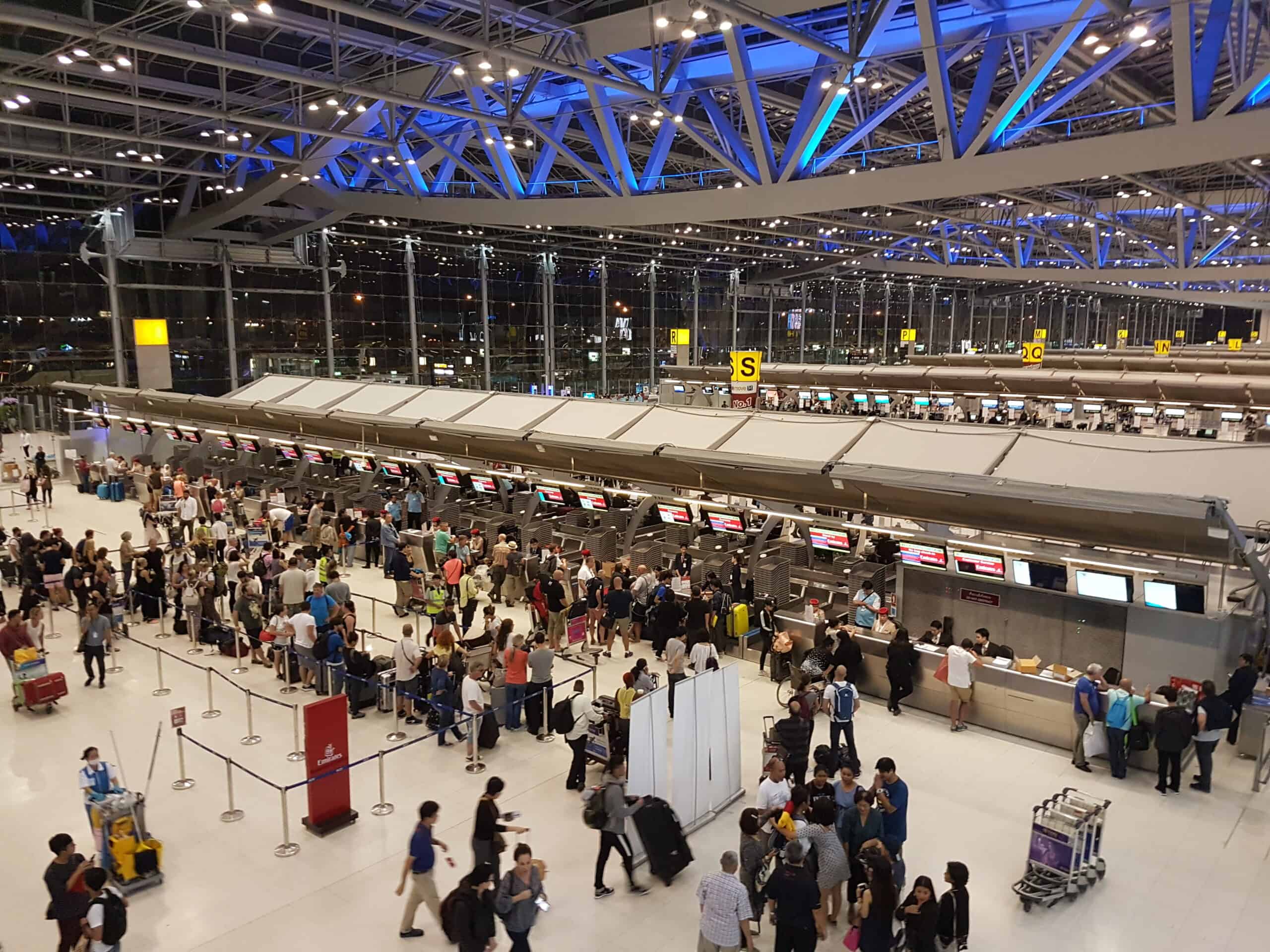
Bangkok’s markets, malls, and skytrain hubs push travelers toward quick online actions in public, often while juggling translation apps and ride bookings. Fraud tends to arrive as links, not code: parcel notices, bank warnings, or messages claiming an account is locked that lead to convincing pages built to harvest passwords. Heat, noise, and crowds make rushed approvals feel normal, so safer habits include verifying messages inside official apps, avoiding random Wi-Fi, and protecting SIM access, because a hijacked number can unlock resets across banking, email, and social accounts in minutes, quietly.
Dubai, United Arab Emirates
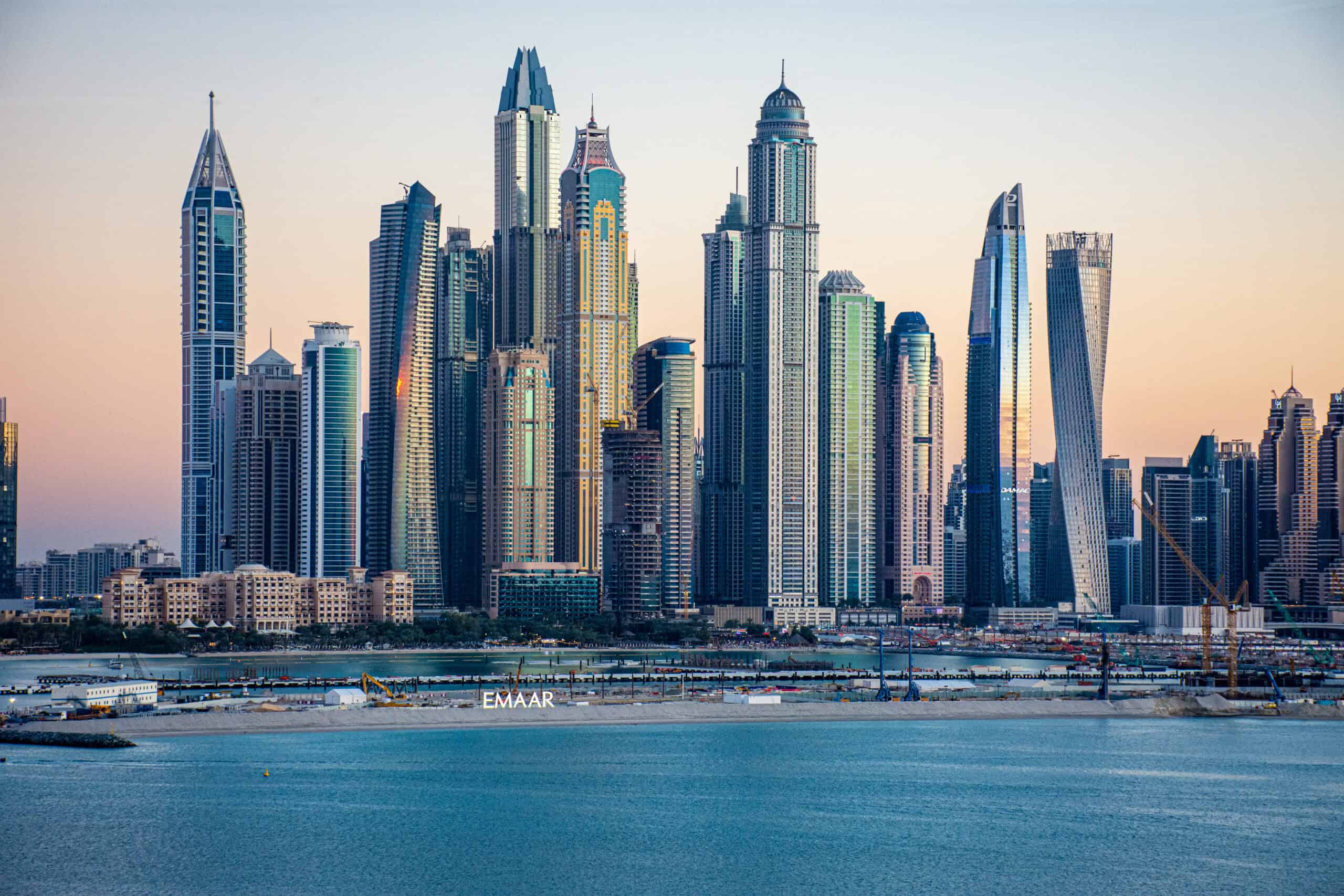
Dubai’s airports, malls, conference centers, and hotels are built for always-on connectivity, which means plenty of public networks and lounge portals used by jet-lagged travelers. Open Wi-Fi, valet QR codes, and public charging points invite risky shortcuts, especially during long layovers when any outlet feels urgent and a login prompt feels harmless. In a city designed around fast transactions, personal charging gear, private hotspot use, and tighter app permissions can keep banking and travel accounts from leaking through a fake portal or a compromised connection in a crowded food court or gate area.
Singapore
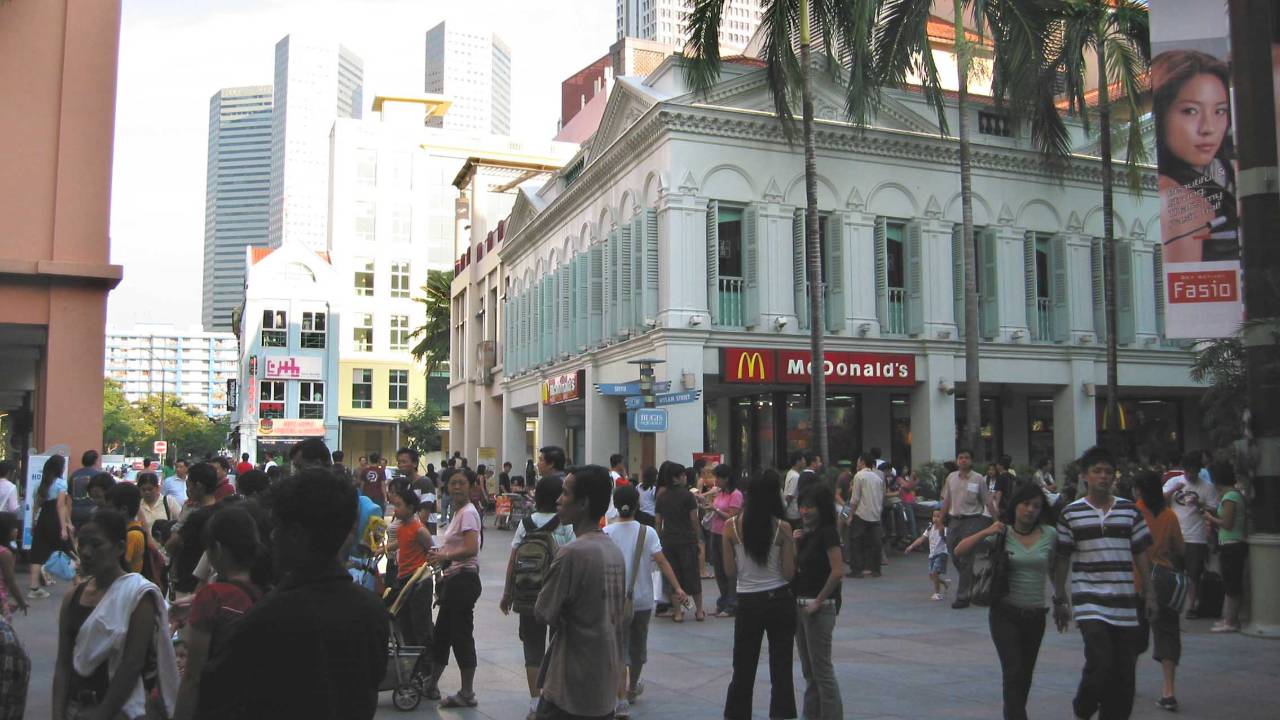
Singapore feels high-trust and well managed, but digital scams still slip in through familiar doors: public Wi-Fi, QR payments, and rushed sign-ins at malls and transit hubs. Attackers lean on impersonation, copying delivery brands, bank alerts, or hotel portals to nudge quick taps and password reuse, then pulling recovery links the moment an inbox opens. Because many visitors move between airport lounges, convention venues, and coworking spaces, strong device locks, passkeys, and instant login alerts matter, along with keeping Bluetooth sharing off and sensitive work accounts off shared networks when schedules are tight.
Las Vegas, Nevada
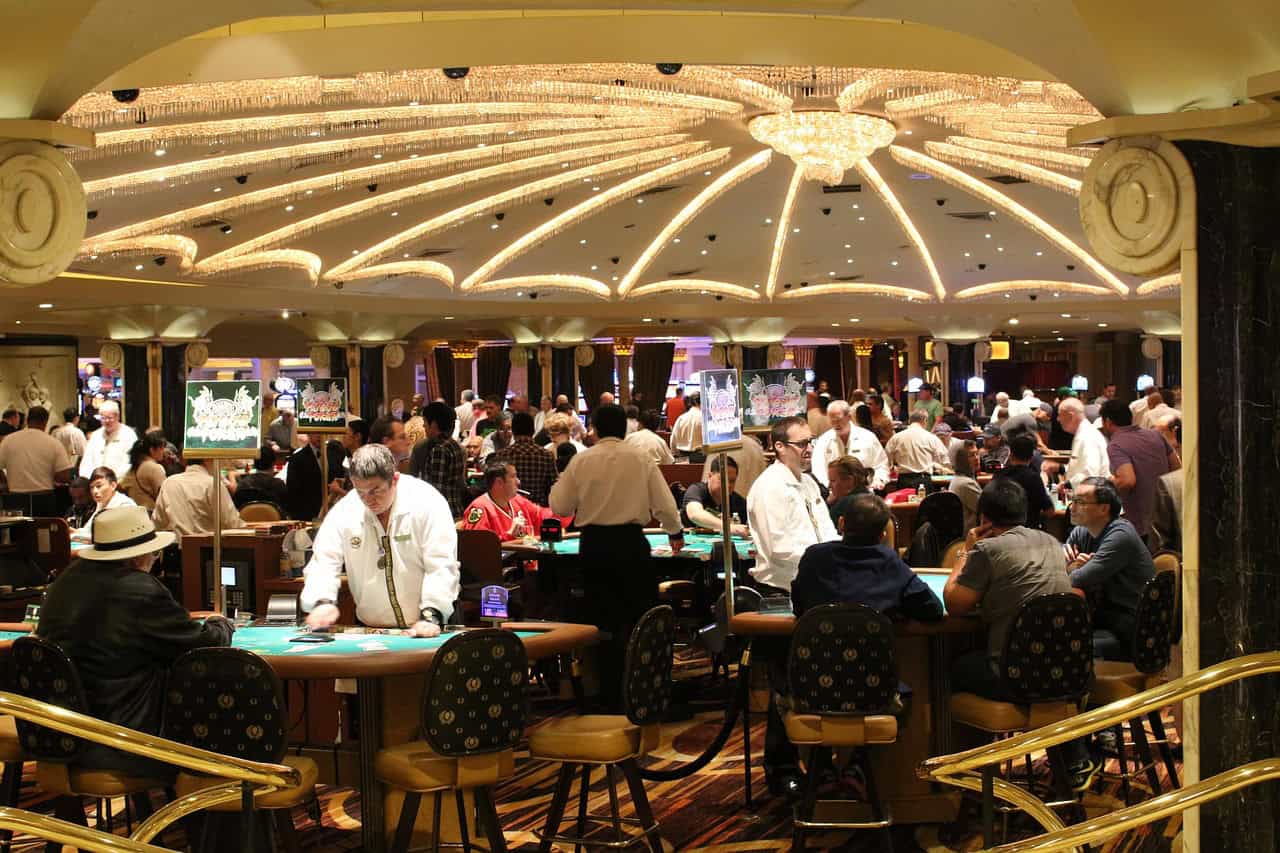
Las Vegas concentrates tourists, money, and late-night decision-making into a tight strip of resorts, casinos, and convention floors. Phones come out for room keys, show tickets, ride pickups, and payments, often on shared Wi-Fi while batteries run low and attention is divided at bars and gaming tables. That is when fake network names, phony prize texts, and lookalike hotel portals work best, because urgency is part of the city’s mood and free charging kiosks feel irresistible. Short, deliberate sessions, strong locks, and quiet notification screens keep a fun weekend from turning into an exhausting reset marathon.
San Francisco, California
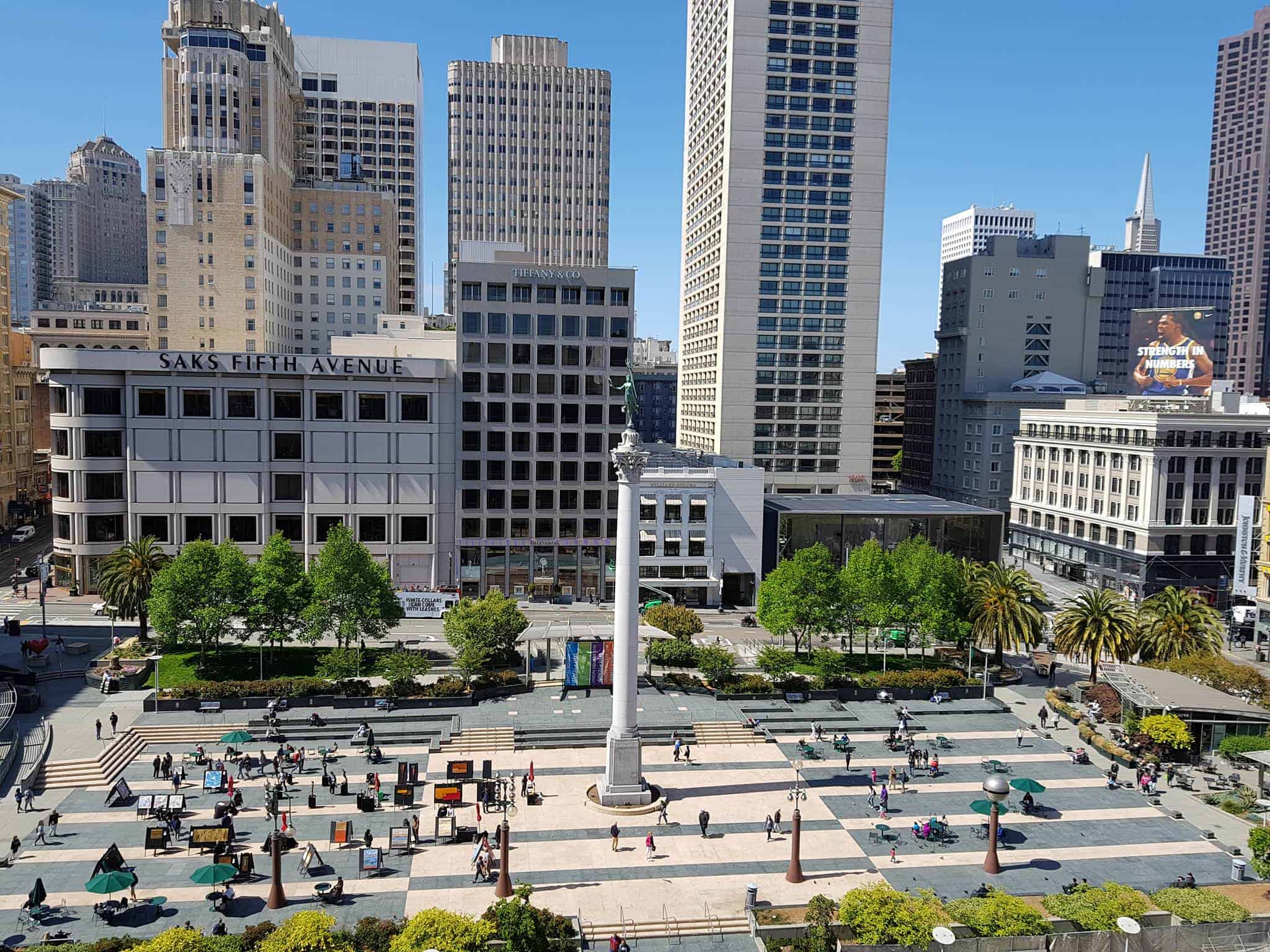
San Francisco’s café culture and business travel scene encourage constant connectivity, with people hopping between networks in airports, coworking spaces, and coffee shops. Public Wi-Fi can be exploited through fake portals that mimic legitimate sign-ins, and the mix of work email, calendars, and payment apps on one device raises the stakes. In neighborhoods packed with visitors and commuters, keeping systems updated, avoiding open networks for sensitive logins, and using authentication methods stronger than SMS reduces the chance that one compromised session spreads into personal banking, workplace accounts, and travel bookings at once.