We may earn money or products from the companies mentioned in this post. This means if you click on the link and purchase the item, I will receive a small commission at no extra cost to you ... you're just helping re-supply our family's travel fund.
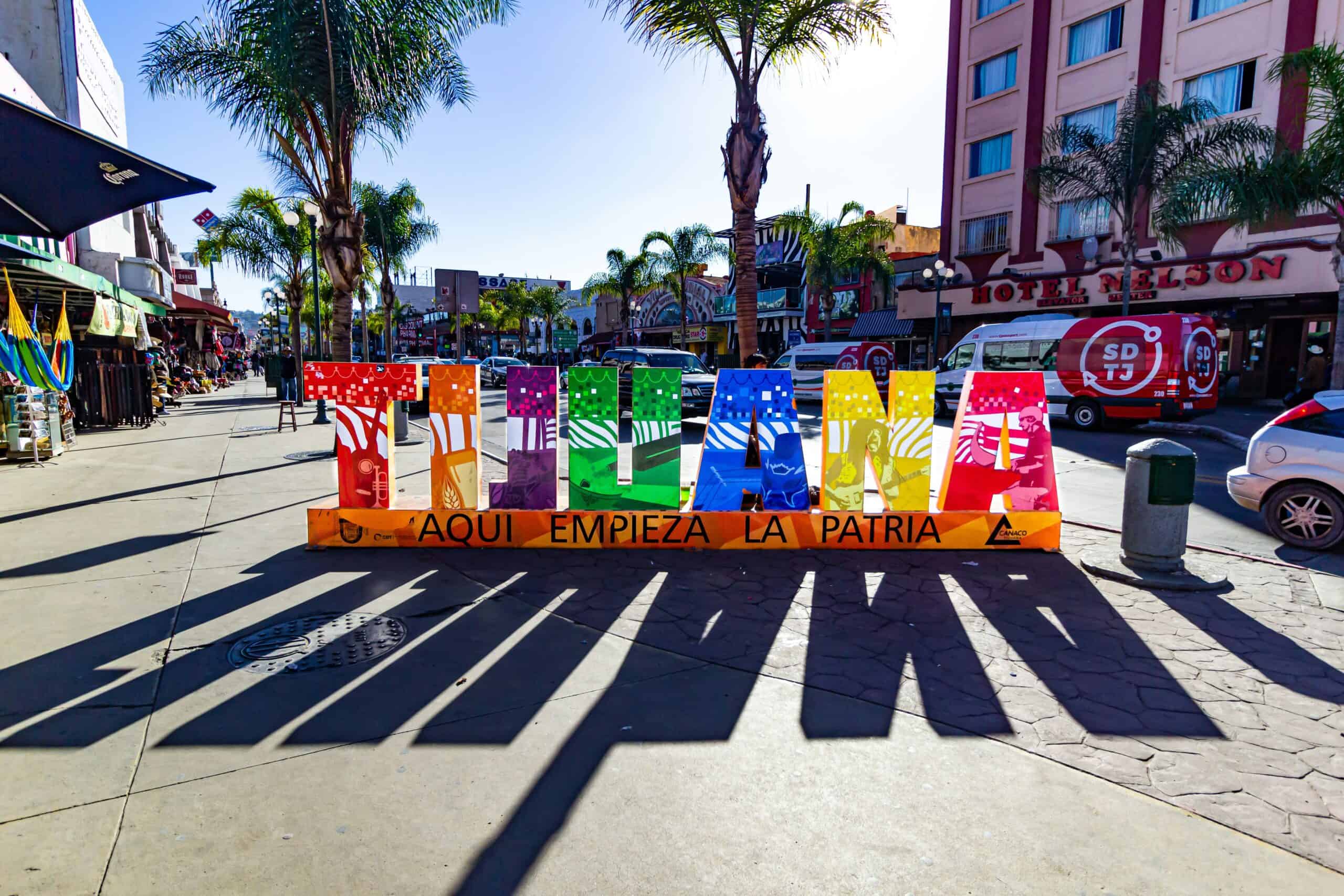
Mexico continues to draw travelers with its culture, food, and layered history, yet not every destination offers the same sense of ease right now. Safety conditions can shift from one region to another, shaped by local crime patterns and ongoing enforcement efforts. Travel experts tend to focus on specific cities where caution matters more than curiosity. These places are not without value or identity, but current realities can complicate the experience. Understanding where risks are higher helps create a clearer, more grounded view of travel across the country.
Tijuana
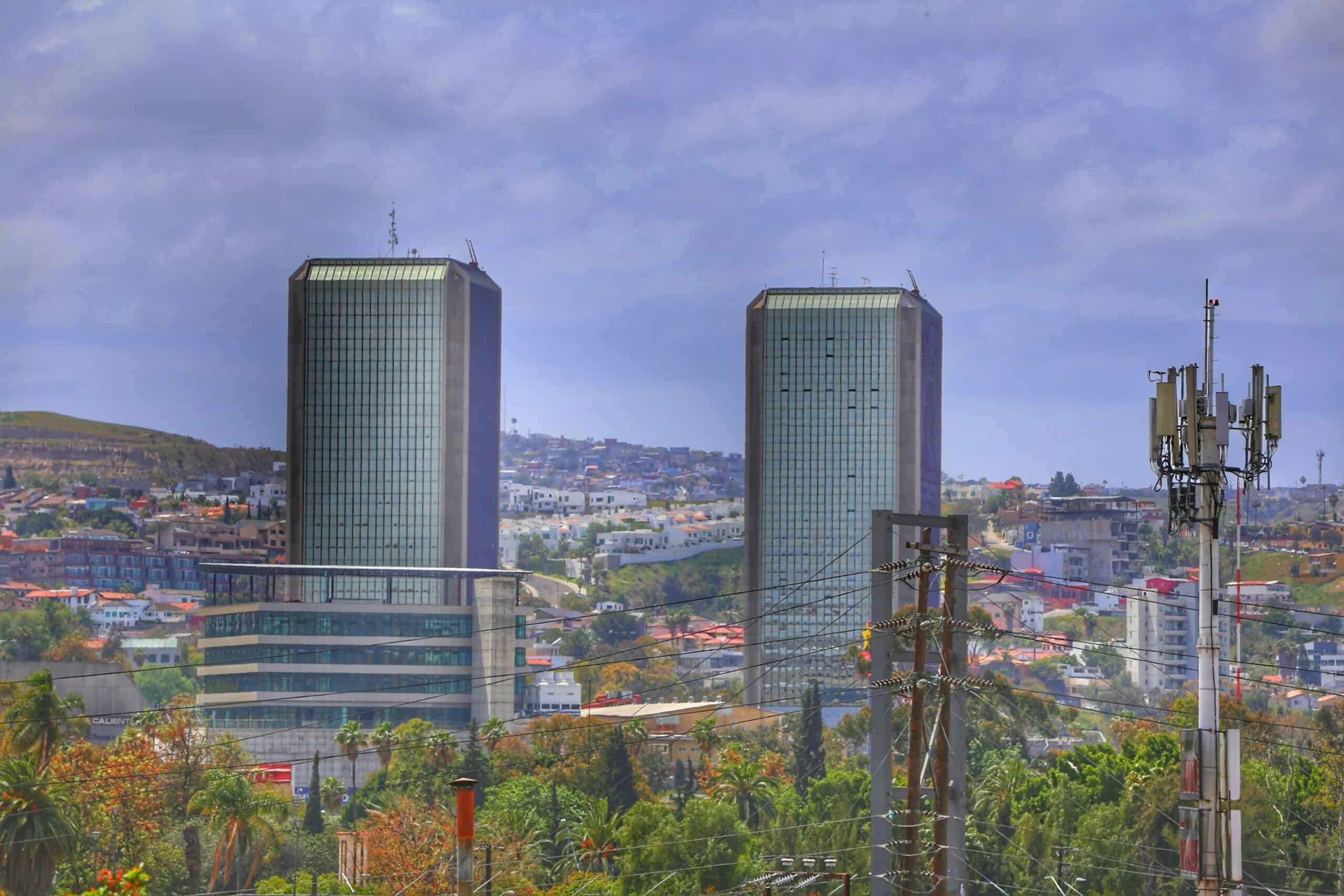
Tijuana moves fast, shaped by its position along the U.S. border and a steady flow of visitors, workers, and trade. The city carries a strong food scene and nightlife, but it also faces ongoing issues tied to organized crime. Violence is not constant everywhere, yet it can surface without much warning in certain districts. This uneven pattern makes it harder to read the city at a glance. Experts often point to that unpredictability as the main reason it requires more caution than many expect.
Ciudad Juárez
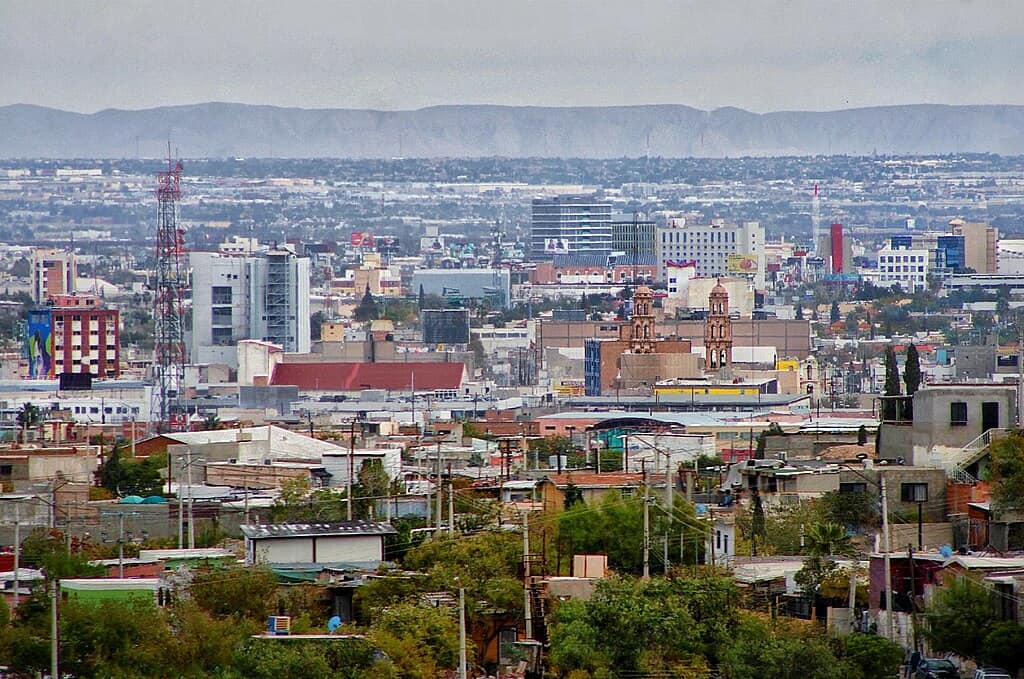
Ciudad Juárez has worked to rebuild its image over the years, and parts of the city reflect that effort with active business zones and daily routines that feel steady. Still, its location along major trafficking routes continues to influence safety conditions. Some neighborhoods remain more vulnerable, especially after dark. The city does not feel uniformly unsafe, but the gaps between stable and unstable areas are noticeable. Travel experts tend to view it as a place where awareness needs to stay high at all times.
Acapulco
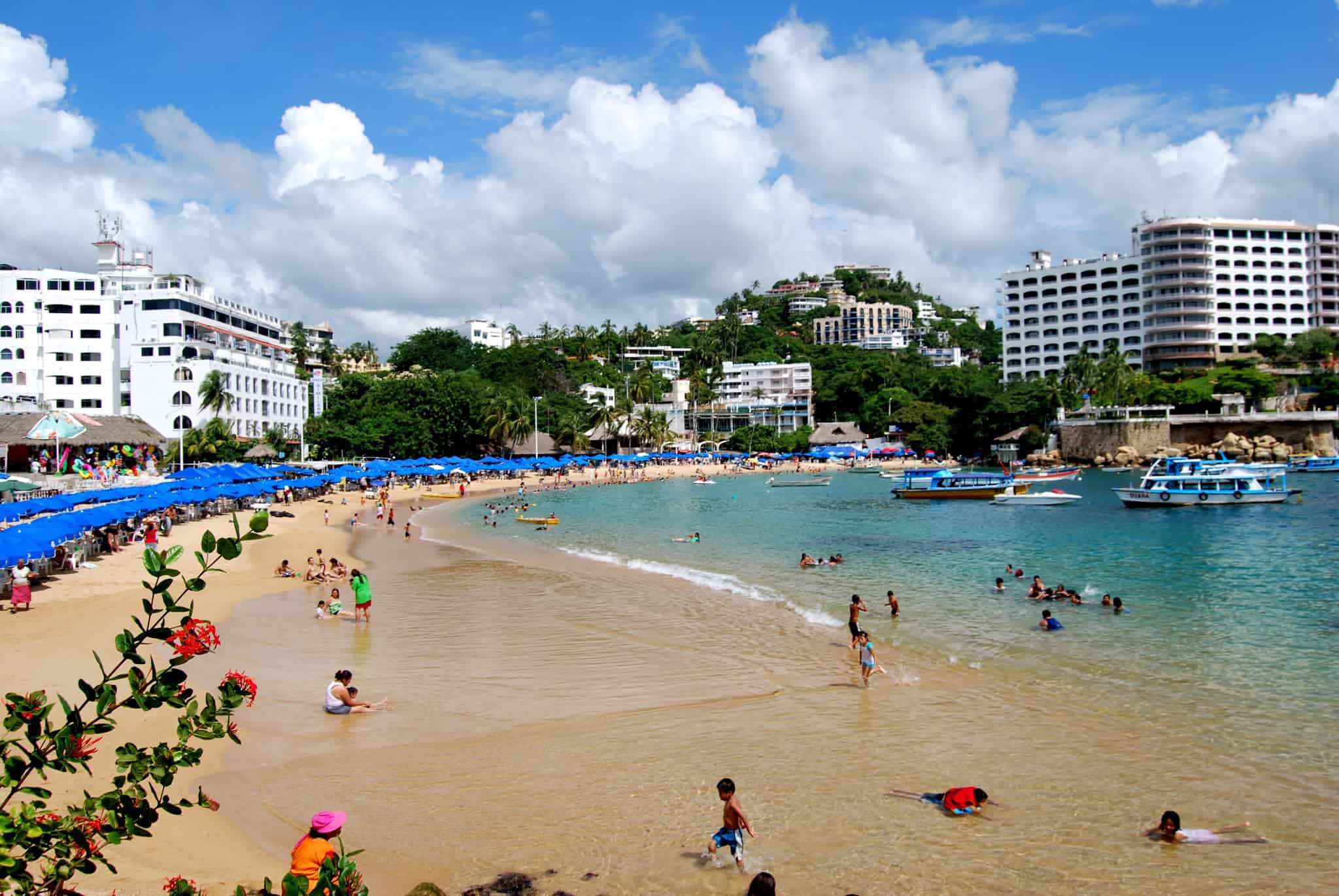
Acapulco still holds the natural beauty that once made it a global destination, with sweeping bays and warm Pacific water. What has changed is the broader environment around it, shaped by persistent security concerns and uneven infrastructure. Certain areas continue to welcome visitors, yet others feel neglected or tense. The contrast between past reputation and present conditions is hard to ignore. Experts often hesitate to recommend it widely, not because it lacks appeal, but because consistency in safety is not always there.
Culiacán
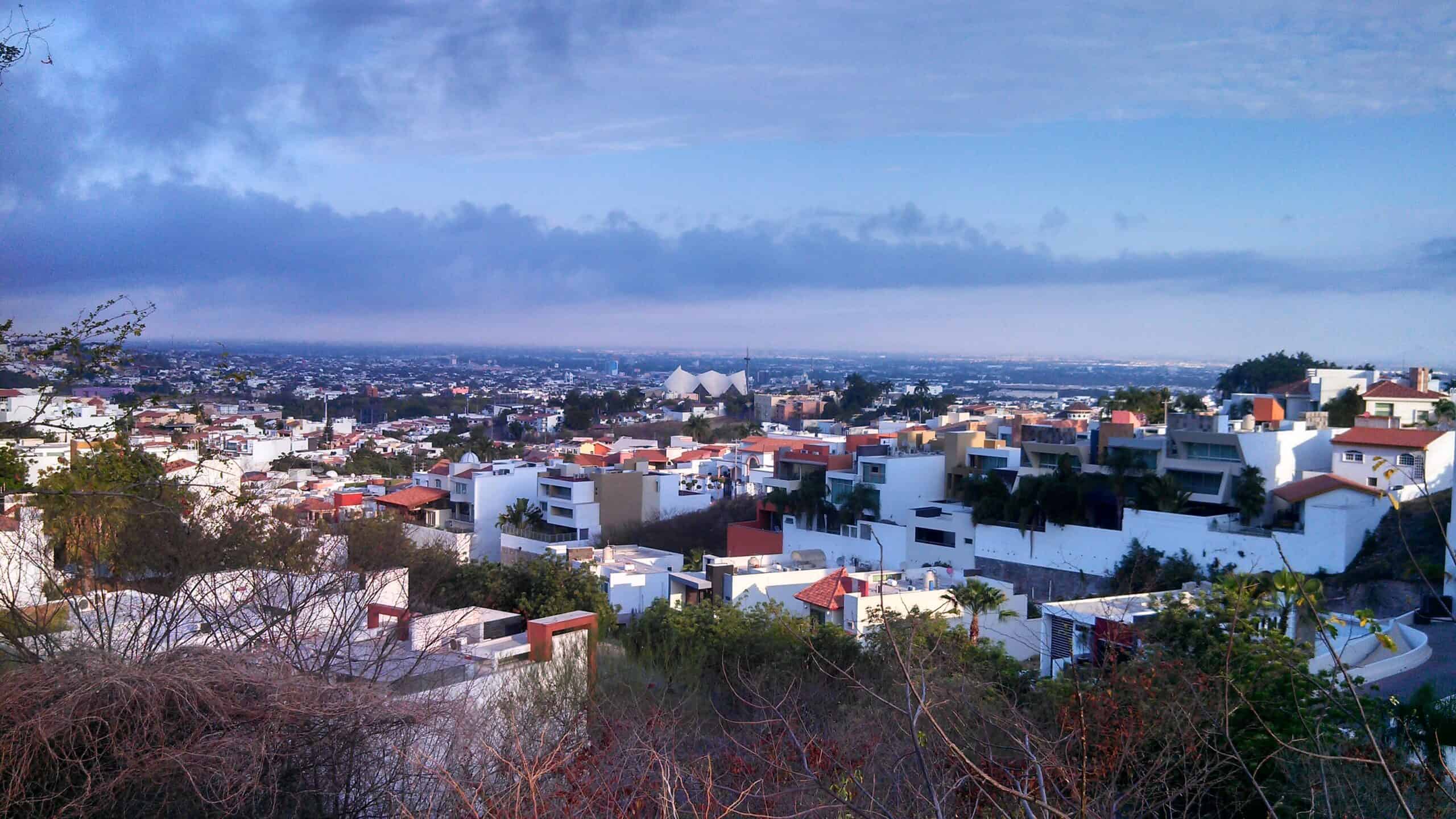
Culiacán functions like any active city, with markets, schools, and neighborhoods carrying on with daily life. At the same time, it sits in a region closely tied to organized crime, which shapes how the city is perceived and experienced. Sudden incidents can disrupt otherwise normal routines, creating a sense that stability is fragile. Visitors may not encounter issues directly, yet the underlying risk remains part of the environment. Experts often highlight that contrast as a reason for measured caution.
Zacatecas
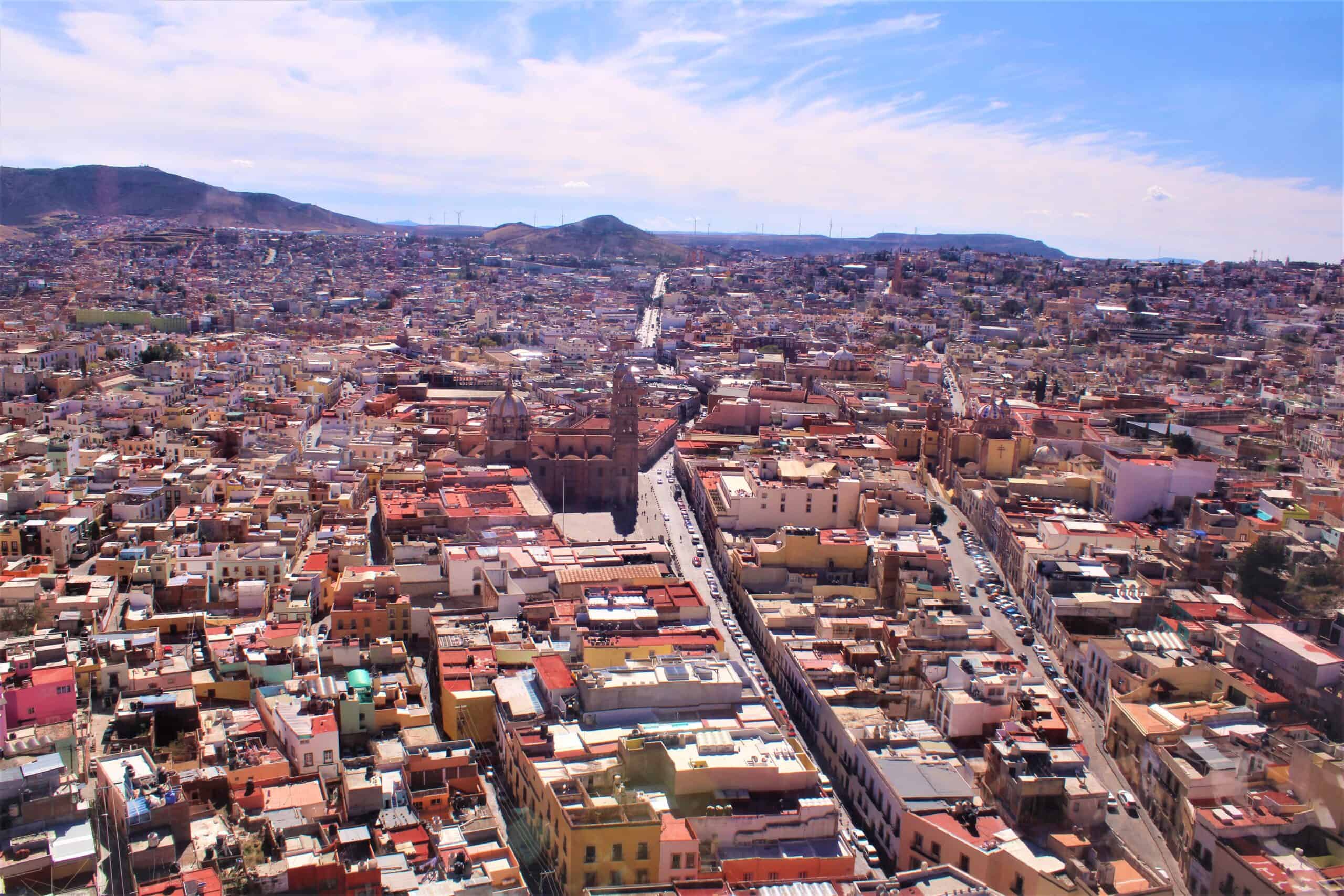
Zacatecas stands out for its colonial architecture, narrow streets, and hillside views that feel almost cinematic. In recent years, though, the region has seen rising tension linked to criminal activity. Travel routes in and out of the city have raised concern, even when the historic center appears calm. That disconnect can make planning more complicated than expected. Experts tend to look beyond the surface beauty and focus on the broader regional context when advising against casual visits.
Reynosa
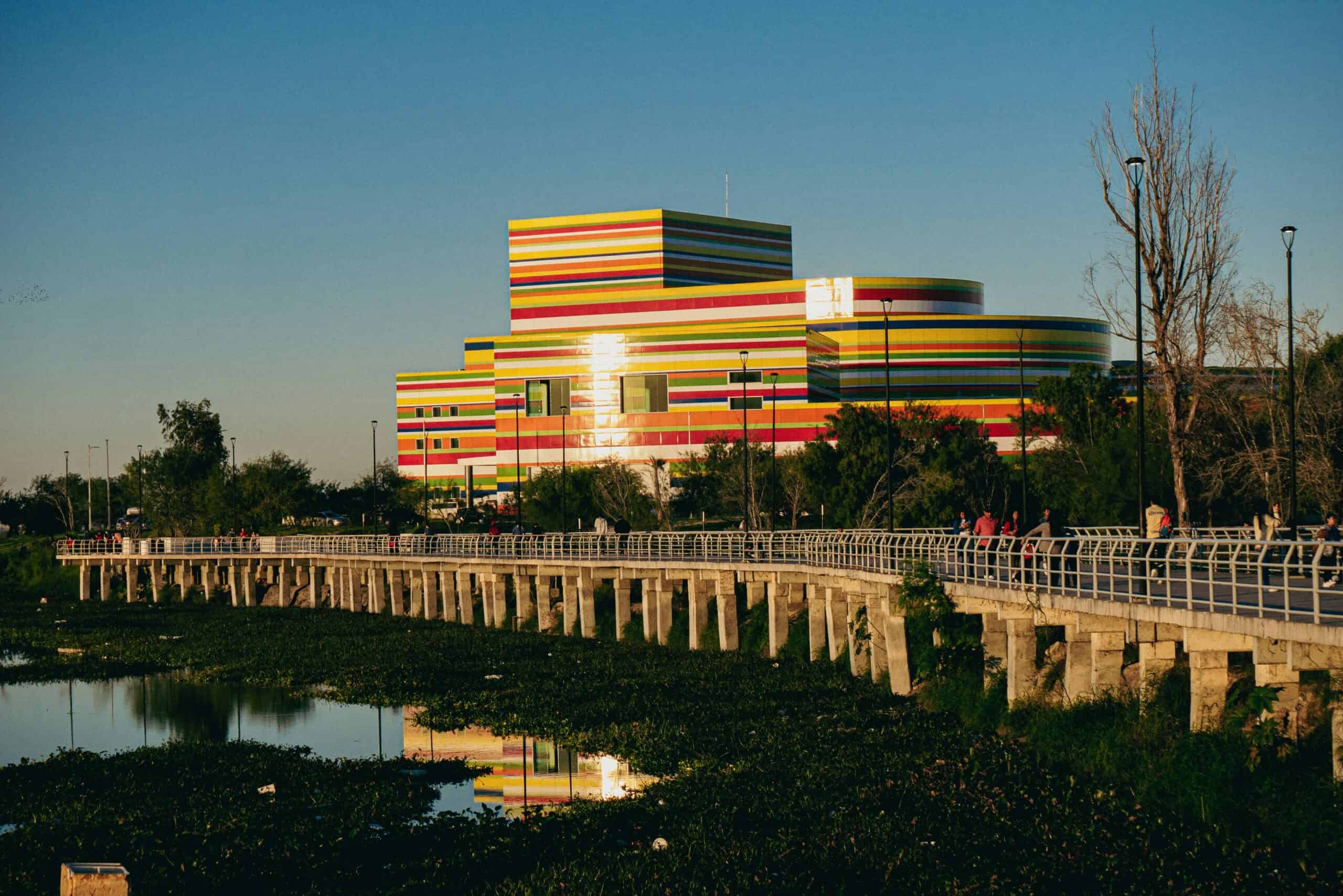
Reynosa operates as a busy border city, shaped by commerce and constant cross-border movement. Beneath that activity, security concerns tied to organized groups continue to influence daily life. Incidents can occur without much warning, affecting both residents and anyone passing through. The city does not present itself as a tourist destination, and current conditions reinforce that reality. Experts often recommend limiting travel here to essential reasons rather than exploratory visits.
Nuevo Laredo
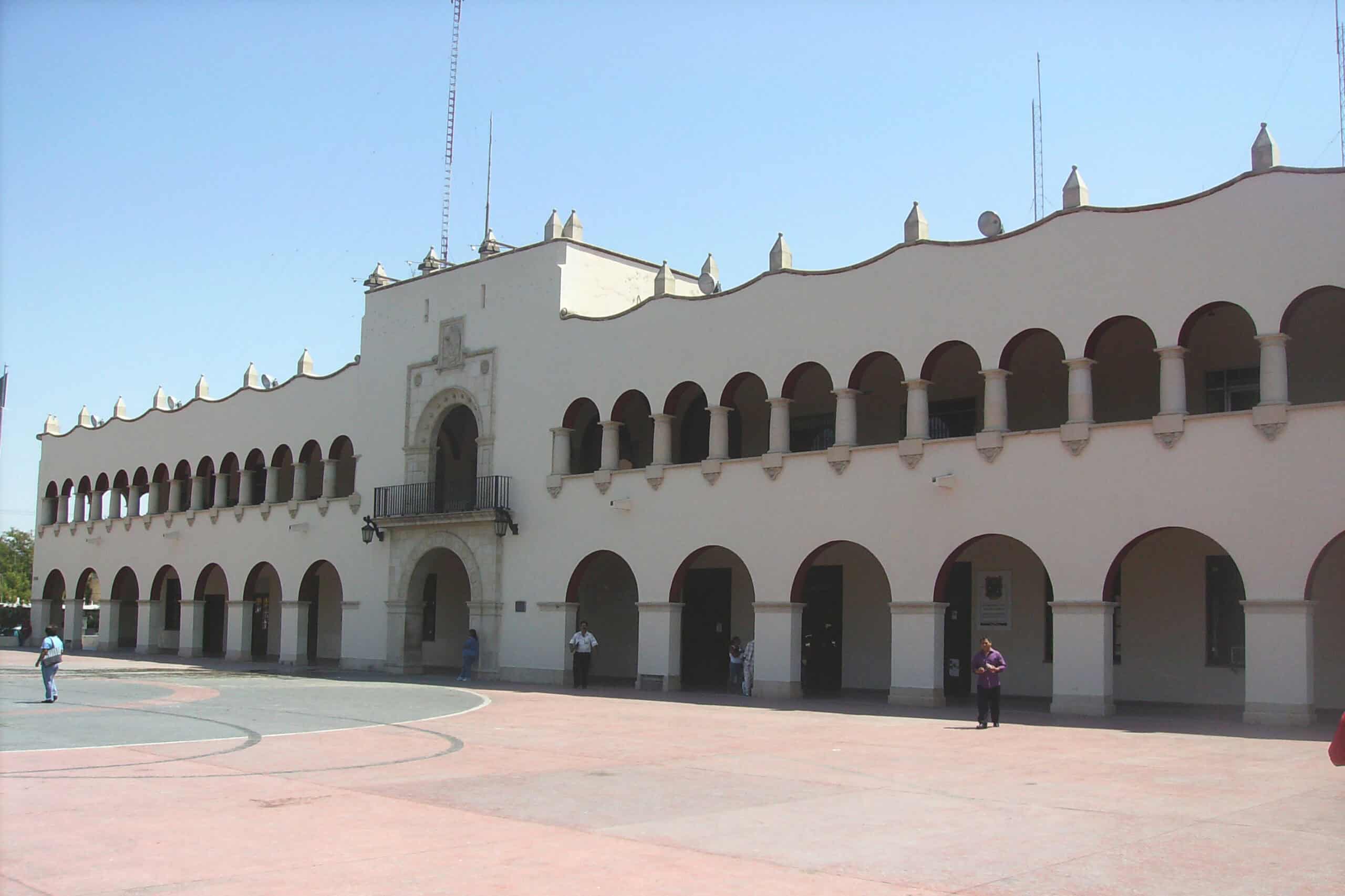
Nuevo Laredo plays a central role in trade, with trucks and goods moving through at all hours. That importance has also made it a focal point for criminal activity and enforcement efforts. The result is an environment where tensions can rise quickly and without clear signals. While many residents go about daily life as usual, the broader atmosphere feels unpredictable. Travel experts generally see it as a place where the risks outweigh the reasons for visiting.
Irapuato
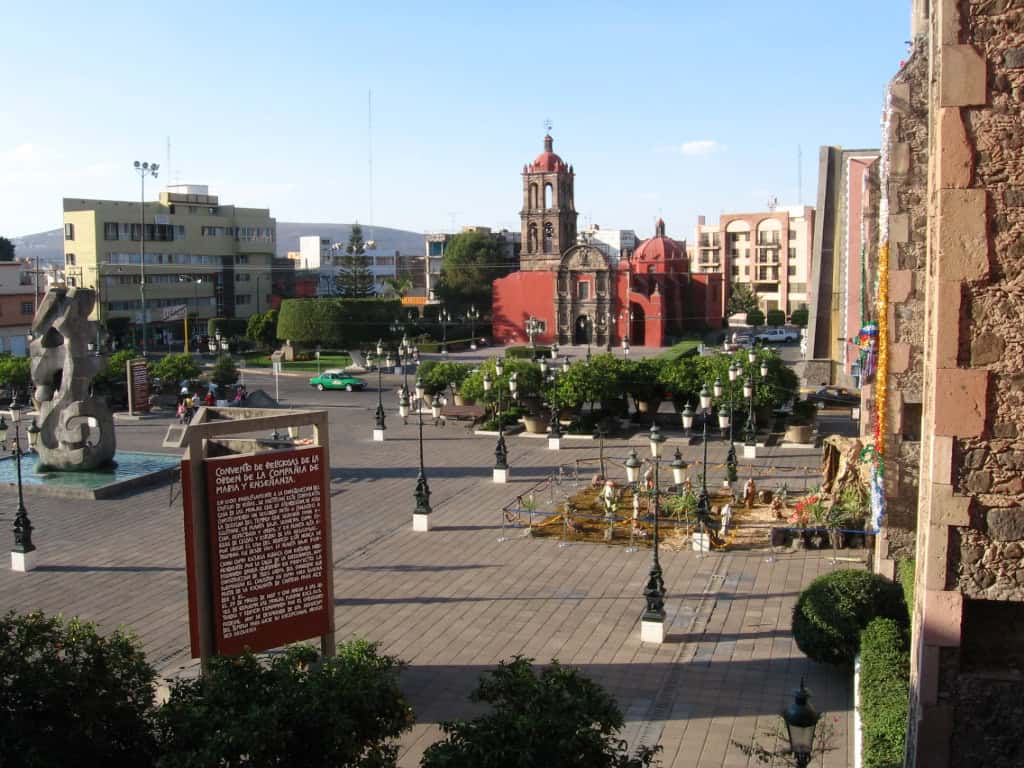
Irapuato reflects a shift seen across parts of central Mexico, where once-quiet cities are facing new challenges. Known for agriculture and local industry, it now appears more frequently in security reports tied to organized crime. Public spaces still function, but isolated incidents have changed how the city is perceived. The sense of ease that once defined it feels less certain. Experts often include it among places where conditions are evolving in ways that require closer attention.
Salamanca

Salamanca is anchored by its industrial base, with refineries and factories shaping both its economy and daily rhythm. Alongside that, the region has dealt with issues linked to fuel theft and organized crime. These factors do not define every part of the city, but they influence how safe it feels overall. Movement through certain areas can carry added uncertainty. Experts tend to group it with nearby cities facing similar patterns, advising a careful and informed approach.
Colima
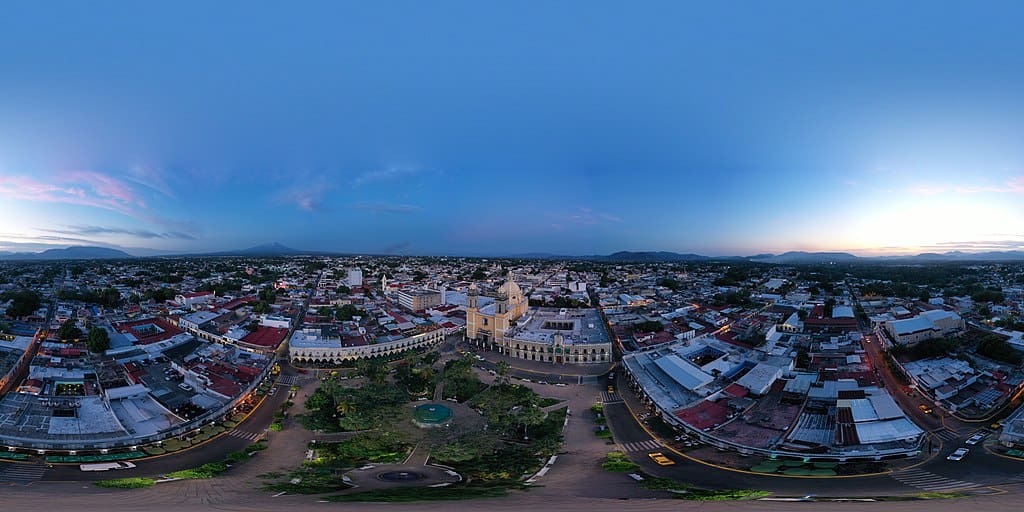
Colima often feels calm on the surface, with quiet streets and a slower pace that sets it apart from larger cities. Beneath that calm, however, crime rates have risen in ways that concern analysts and officials. Its location along key routes has contributed to ongoing challenges tied to organized groups. The contrast between appearance and underlying risk can be misleading. Experts point to that gap as a reason why it may not deliver the relaxed experience many expect.