We may earn money or products from the companies mentioned in this post. This means if you click on the link and purchase the item, I will receive a small commission at no extra cost to you ... you're just helping re-supply our family's travel fund.
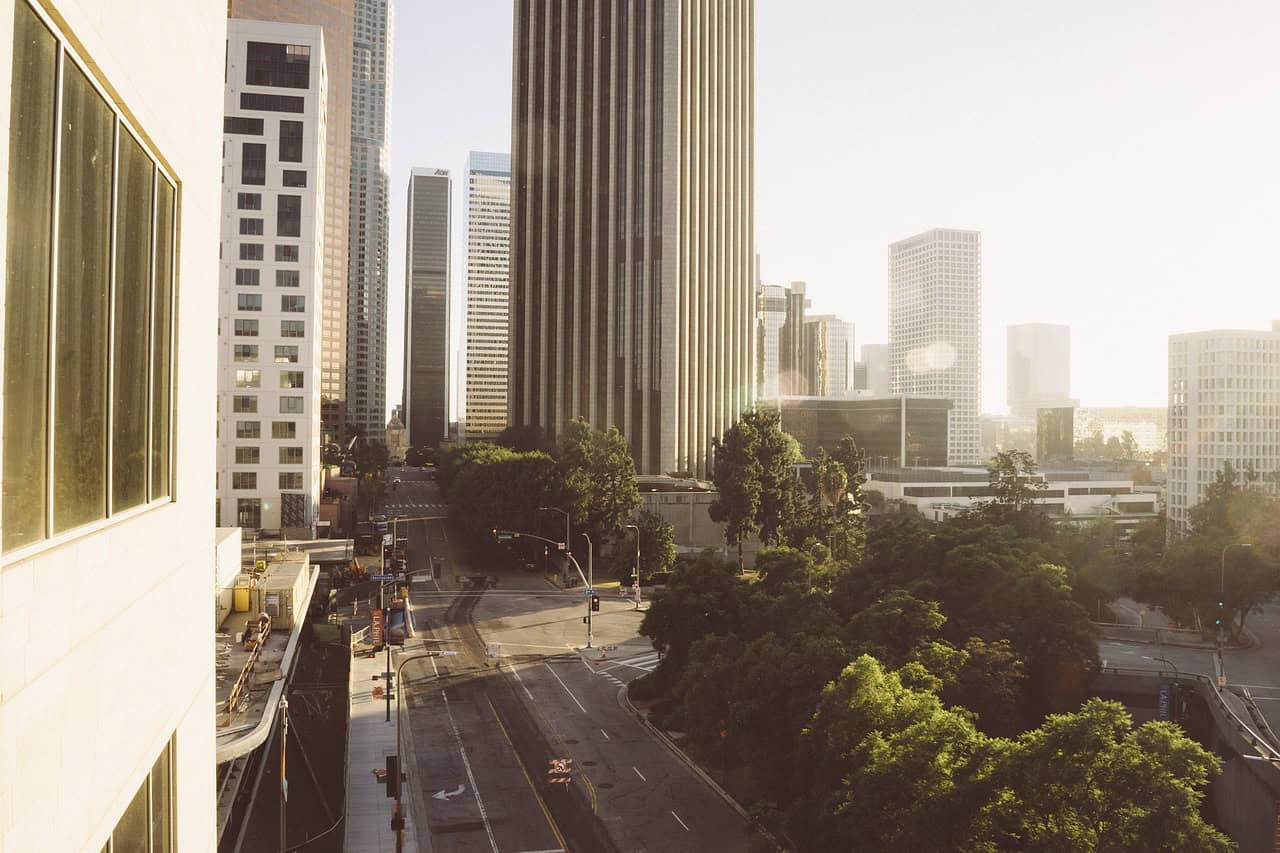
Across the United States, several cities poured staggering sums of money into “revitalizing” their downtowns, believing bigger attractions, shinier developments, and more dramatic tourism projects would spark lasting urban revival. Instead, many of these experiments squeezed out locals, inflated prices, and created places that felt more staged than lived in. What was meant to attract excitement often replaced genuine community with curated entertainment districts, towering hotels, themed experiences, and rising costs. These cities learned the hard way that downtowns thrive when they serve residents first, visitors second.
1. San Francisco
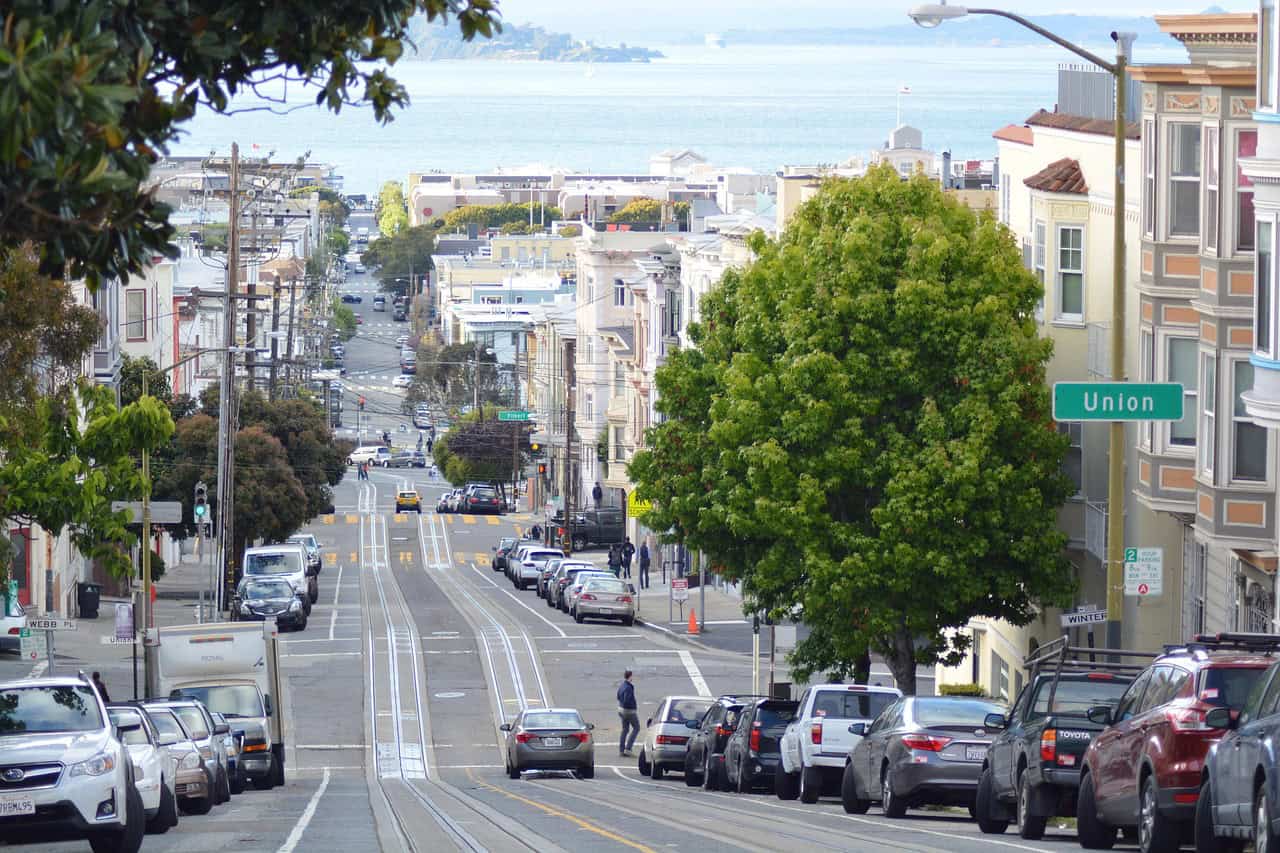
San Francisco invested heavily in downtown beautification, business incentives, and tourism-oriented upgrades, expecting visitor spending to stay above $8 billion yearly while foot traffic rebounded. Instead, retail vacancies climbed beyond 20% in several corridors, hotel rates surged past $250 per night in peak seasons, and large parts of the core emptied after business hours. Flashy projects couldn’t replace everyday life, and many residents avoided the area, leaving a polished but oddly hollow downtown meant more for visitors than community.
2. New Orleans
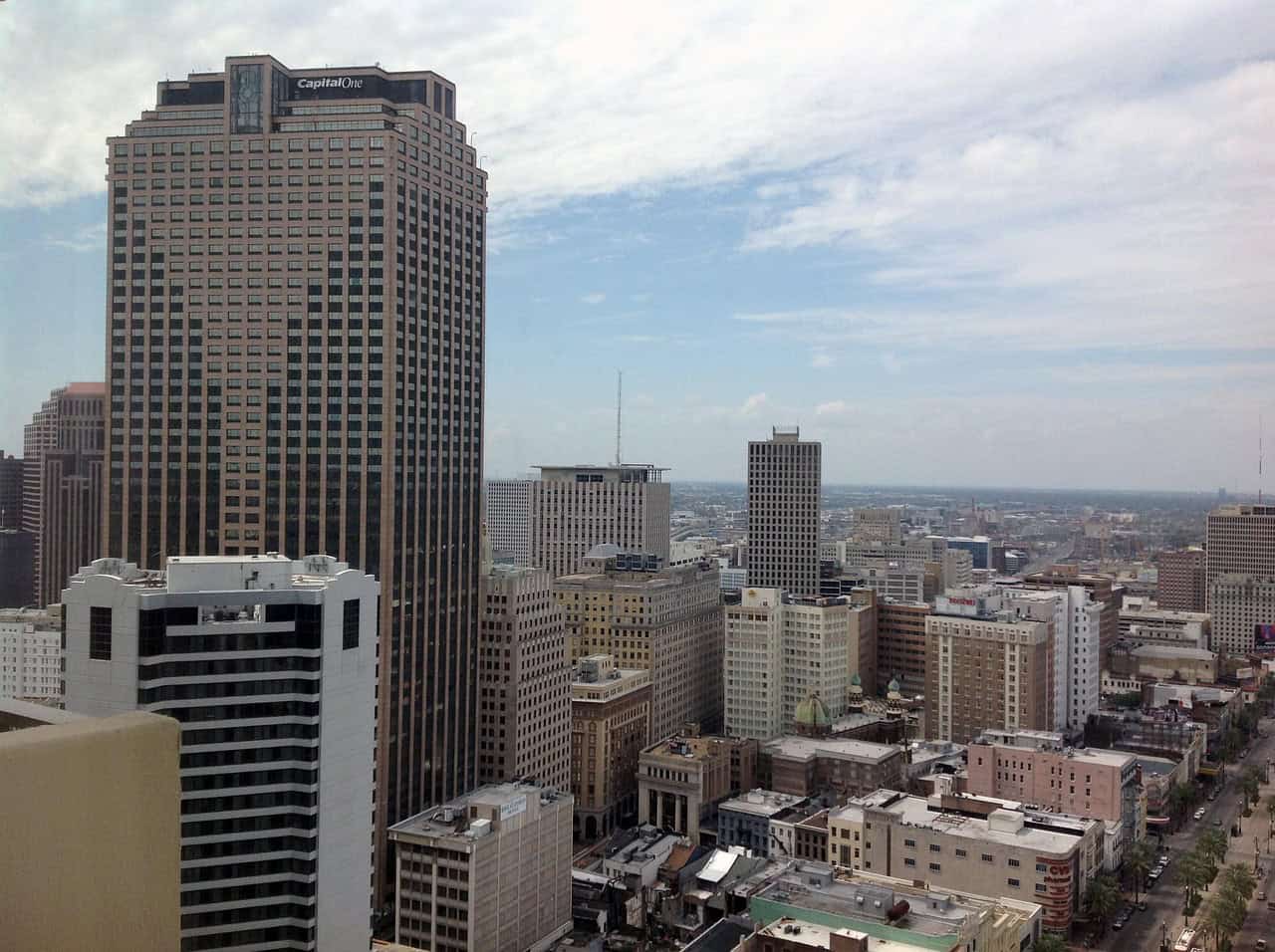
New Orleans leaned harder than ever into tourism marketing, themed entertainment streets, and expanding hotel capacity to support visitor numbers topping 18 million annually and around $10 billion in economic impact. Yet compressing everything around tourism created higher rents, louder nightlife districts, and crowded commercial strips that pushed locals away. Many long-time residents said the French Quarter and nearby downtown blocks stopped feeling like neighborhoods and started feeling like elaborate revenue engines, weakening the emotional life that once defined the city’s core.
3. Las Vegas
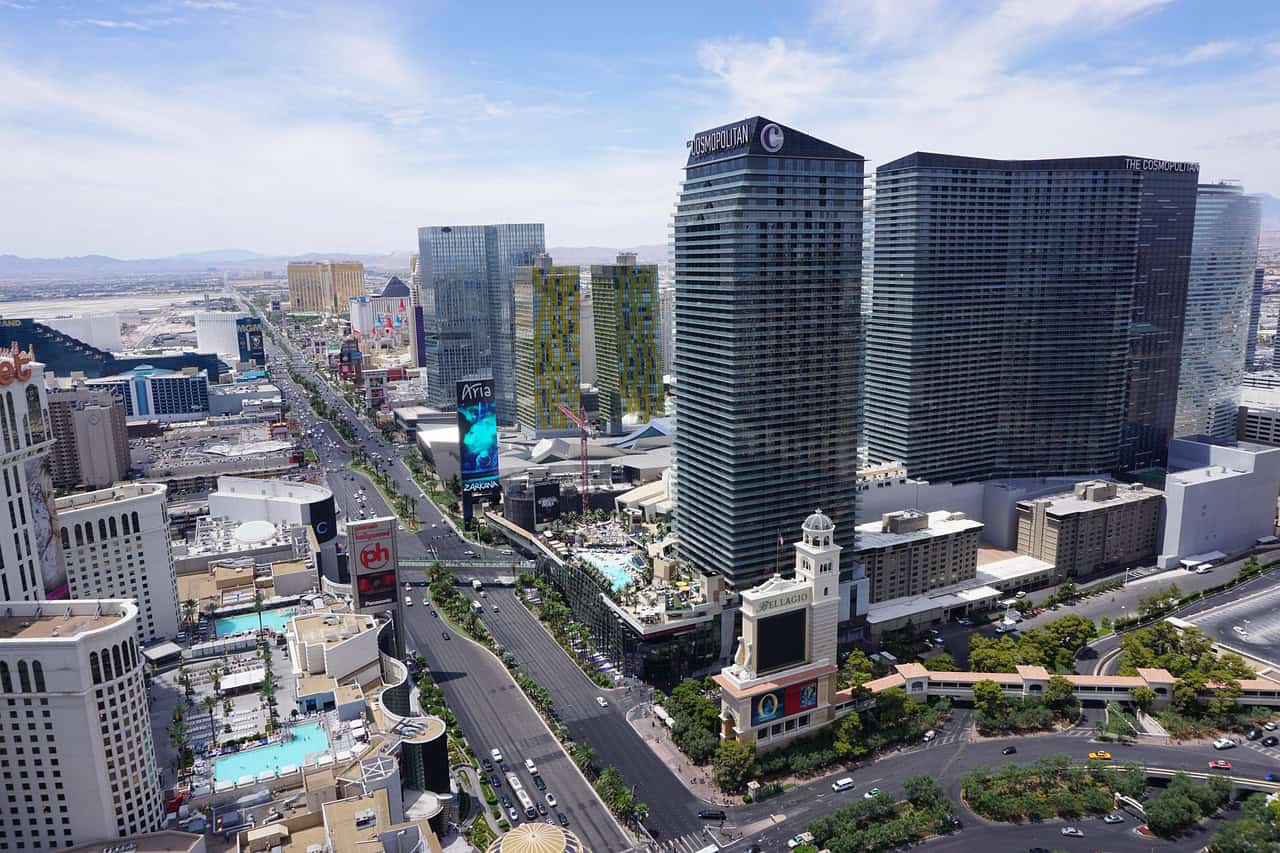
Las Vegas poured hundreds of millions into new spectacle-driven attractions, entertainment plazas, boutique resorts, and redevelopment incentives, hoping to keep downtown competitiveness strong in a tourism economy worth over $40 billion yearly. Instead, large spaces turned into hyper-curated commercial corridors where prices soared, independent businesses struggled with rising lease costs, and residents lost reasons to linger. The downtown area looked impressive, but it increasingly functioned like an expensive showcase built for spending rather than a genuinely lived-in urban heart.
4. Miami

Miami’s downtown strategy leaned into luxury redevelopment, waterfront makeovers, and high-end visitor spaces, supported by a tourism market generating more than $20 billion yearly and hotel averages often climbing above $300 per night in peak months. While these projects refreshed the skyline, they also replaced affordability with exclusivity. Everyday stores vanished, nightlife became priced for short-stay visitors, and residents felt sidelined by an economy tailored toward outsiders. The result was a gleaming downtown that photographed beautifully but felt less like a shared community center.
5. Los Angeles
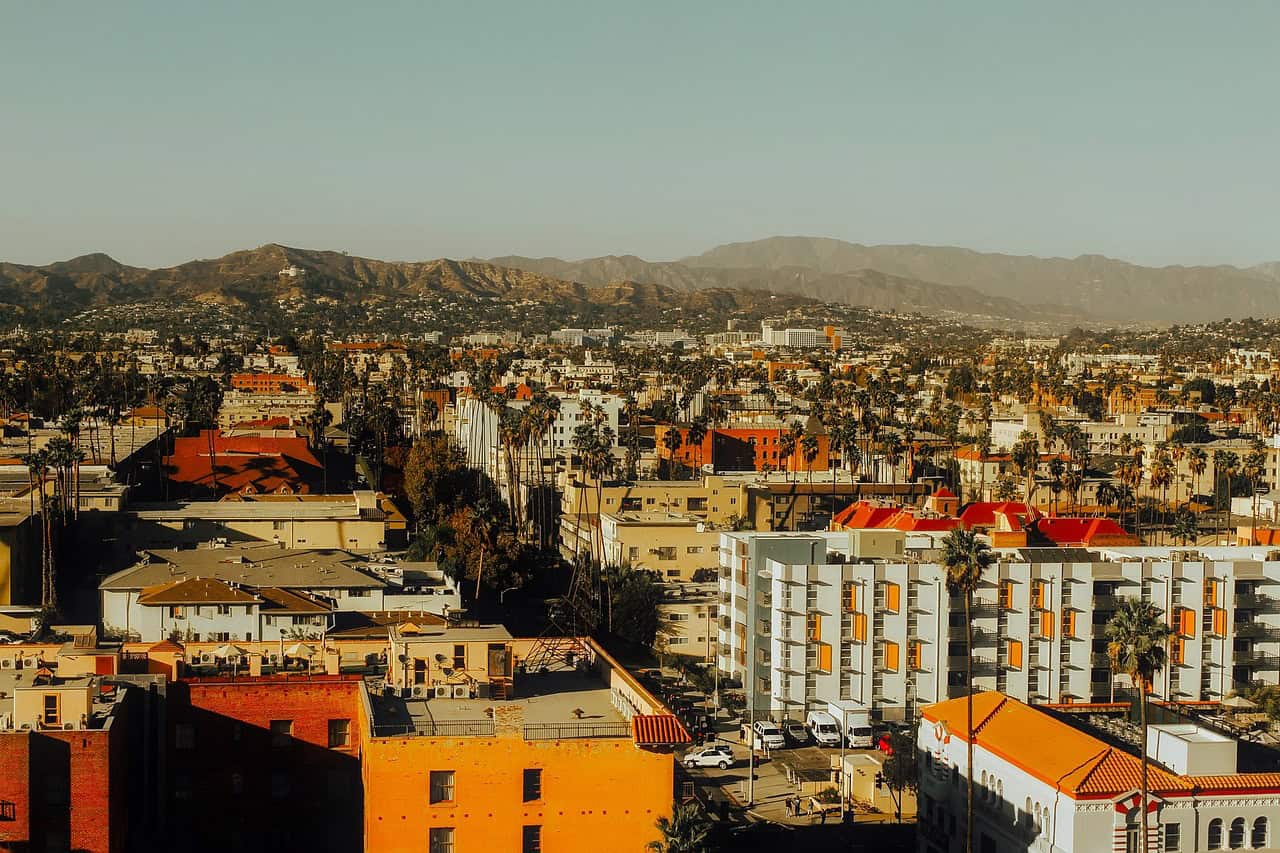
Los Angeles spent years trying to reshape downtown with mega-projects valued in the hundreds of millions, convention upgrades, entertainment districts, and luxury residential additions, banking on tourism revenue exceeding $34 billion a year. Yet instead of becoming a seamlessly vibrant core, downtown fragmented into polished pockets surrounded by under-maintained stretches and rising living costs. Smaller businesses faced unsustainable rents, locals visited less frequently, and many areas emptied outside event hours, leaving a district that felt engineered but not organically alive.
6. Chicago
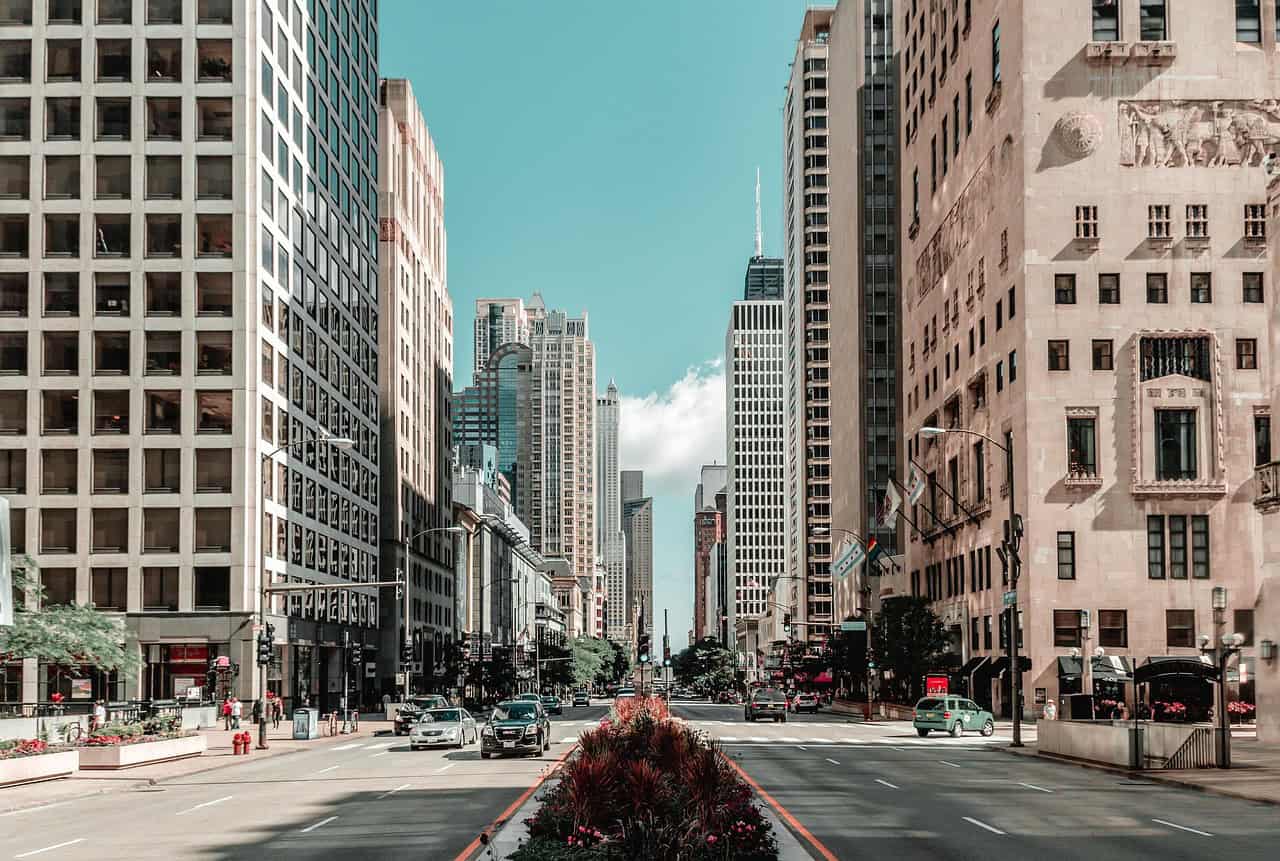
Chicago invested aggressively in festival infrastructure, revamped plazas, tourism branding campaigns, and redevelopment incentives costing hundreds of millions, hoping to strengthen a visitor economy valued around $16 billion annually. While iconic spots stayed busy, large stretches of downtown gradually shifted toward weekend travelers, conferences, and seasonal tourism rather than daily neighborhood life. Vacancy issues appeared, operating costs increased, and local presence thinned. The result was a downtown that looked successful statistically but often felt distant from the city’s everyday residents.
7. Orlando
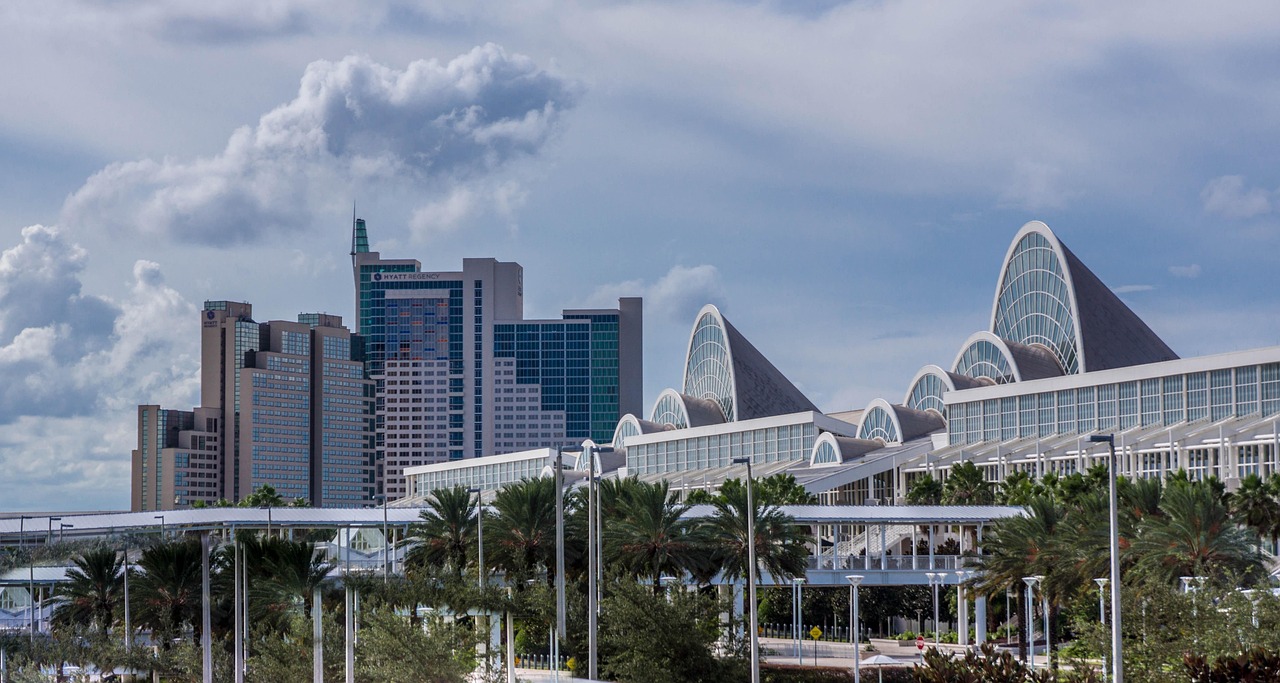
Orlando expected its massive tourism engine, regularly exceeding $70 billion in broader economic impact—to automatically enrich downtown through themed venues, promotional zones, and hotel expansions. Instead, the core drifted toward a supplemental tourist add-on rather than a naturally thriving urban center. Prices rose, many spaces catered more to short-term visitors than locals, and authentic neighborhood character weakened. Downtown became polished yet strangely optional, overshadowed by larger attractions while still carrying tourist-driven costs that made genuine local life harder to sustain.
8. Nashville
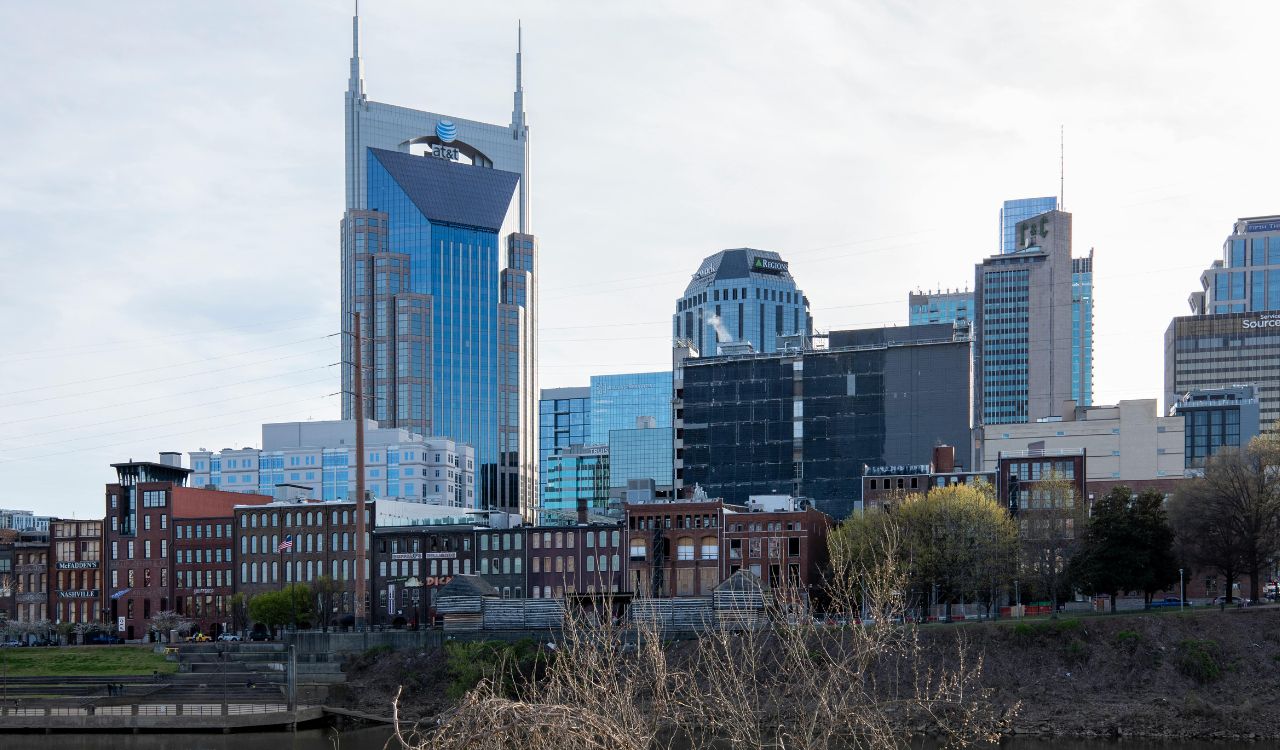
Nashville leaned deeply into downtown tourism, nightlife corridors, entertainment streets, and nonstop event marketing, chasing visitor spending estimated in the multi-billion-dollar range annually. The crowds came, but so did $20 cocktails, hotel rates regularly topping $300 on busy weekends, and streets dominated by bachelor and bachelorette party tourism. Locals increasingly avoided the area, independent shops struggled with rent spikes, and cultural authenticity shifted toward performance rather than community. Downtown became profitable, but exhausting and far less welcoming to those who actually lived in the city.
9. Austin
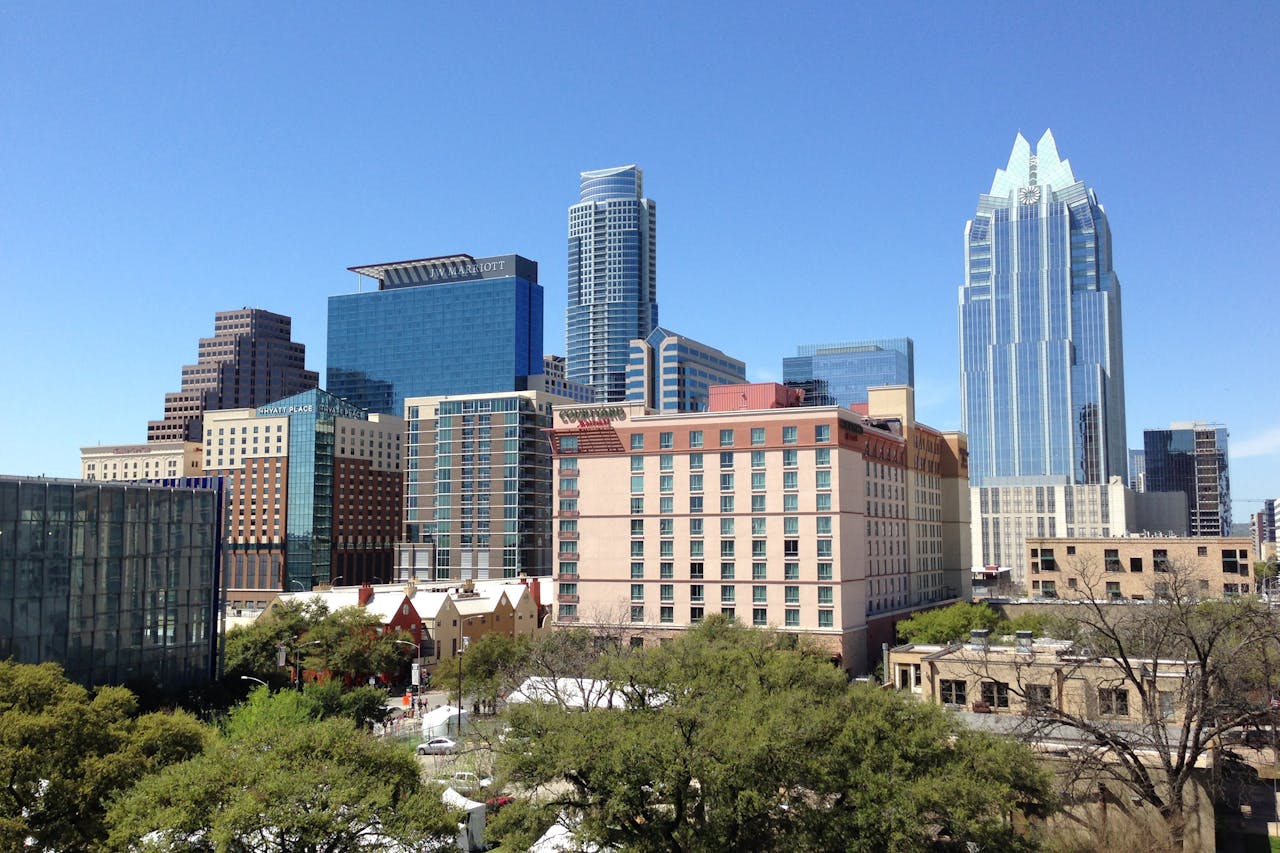
Austin’s downtown redevelopment centered on festivals, entertainment streets, hotel expansions, and premium visitor infrastructure backed by large investment projects costing hundreds of millions, assuming tourism growth above $10 billion annually would sustain vibrancy. Instead, rent inflation pushed out creative spaces, daily living costs climbed sharply, and many residents retreated from a downtown increasingly shaped for outsiders. What once felt naturally artistic slowly turned curated and commercial, proving that economic success alone cannot preserve the soul that originally made Austin appealing.
10. Seattle
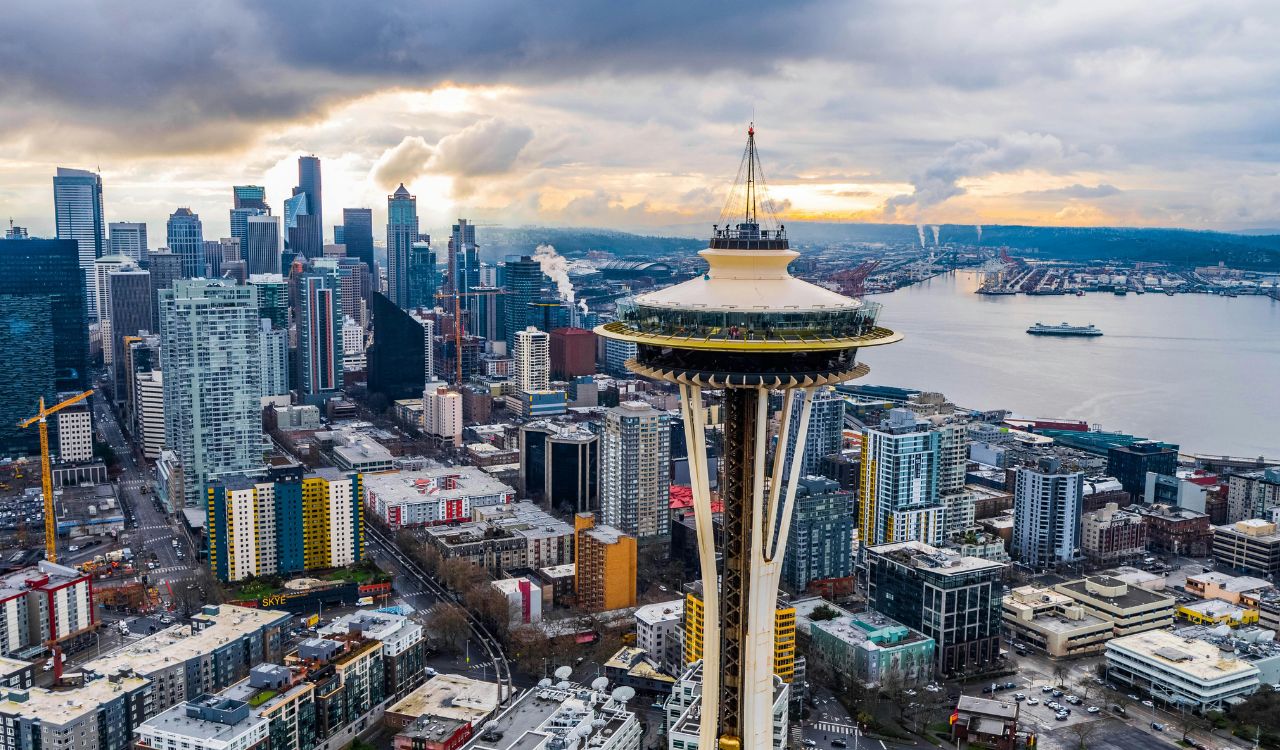
Seattle poured money into waterfront improvements, visitor experiences, large redevelopment incentives, and downtown modernization efforts tied to a tourism economy valued at roughly $8–9 billion annually. While the upgrades created cleaner visuals, they couldn’t fully solve rising costs, uneven foot traffic, and business turnover. Many blocks became attractive but thin on authentic neighborhood presence, functioning more for conference guests and travelers than residents. The result is a downtown that looks renewed on paper but still struggles to feel genuinely lived-in and emotionally connected to the people who call the city home.