We may earn money or products from the companies mentioned in this post. This means if you click on the link and purchase the item, I will receive a small commission at no extra cost to you ... you're just helping re-supply our family's travel fund.
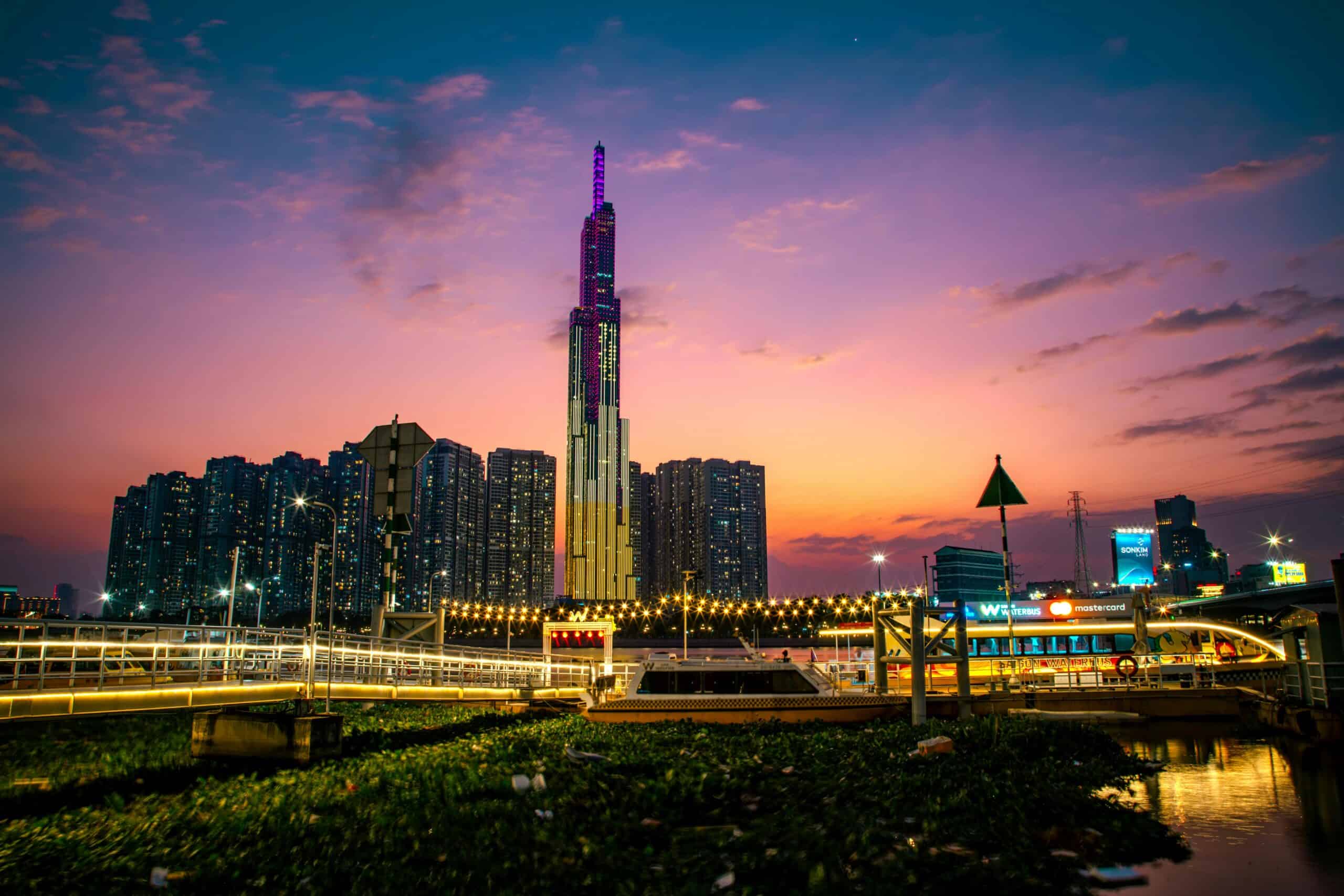
The phrase disappear by 2030 sounds absolute, but urban decline is usually slower and more uneven. Cities rarely vanish in one event. They lose ground through repeat flooding, sinking land, failing drainage, saltwater intrusion, insurance retreat, and steady out-migration. In many coastal regions, that process has already started. Streets flood more often, repair costs climb, and families with fewer resources carry the hardest burden. These 10 cities are not doomed in full by 2030, but parts of them face real risk of becoming functionally unlivable if adaptation does not accelerate.
Jakarta, Indonesia
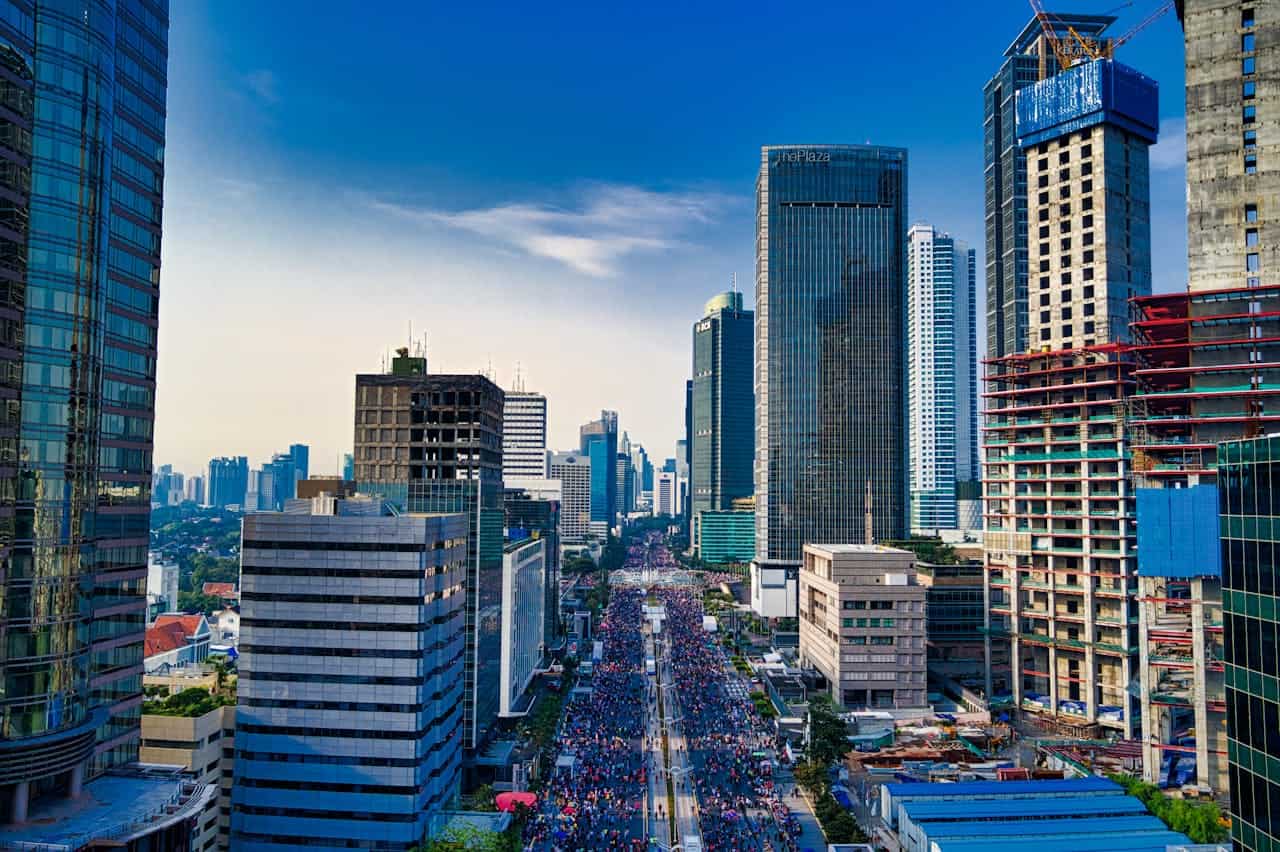
Jakarta is one of the clearest examples of climate pressure colliding with land subsidence. In several northern zones, groundwater extraction has lowered the ground while sea levels keep rising, creating a double threat that existing defenses struggle to contain. Flooding now behaves less like a rare crisis and more like a repeating urban condition. The government’s capital-relocation strategy signals how serious the challenge has become. By 2030, Jakarta is unlikely to disappear as a whole, but some districts could face chronic inundation that pushes residents and businesses inland.
Semarang, Indonesia
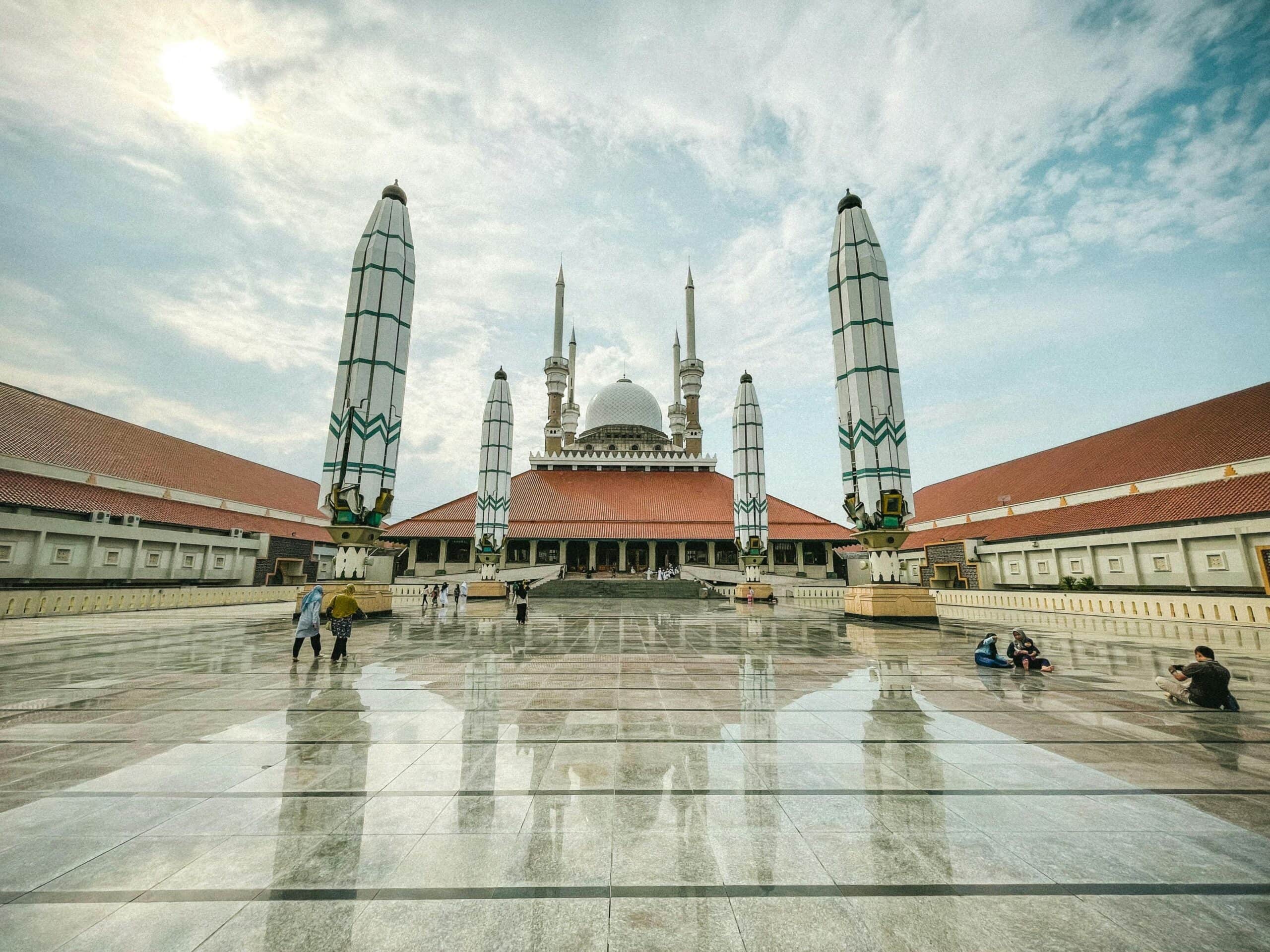
Semarang receives less global attention than Jakarta, yet it faces a similar pattern of sinking land, coastal flooding, and infrastructure strain. Roads, homes, and drainage systems in vulnerable areas are repeatedly damaged, then repaired, then stressed again, which drains local budgets and public patience. The city still grows, but exposure grows with it. What may disappear first is not the skyline, but reliability in daily life: dry commutes, stable housing, and affordable maintenance. By 2030, low-lying neighborhoods could become harder to insure, service, and sustain without major intervention.
Bangkok, Thailand
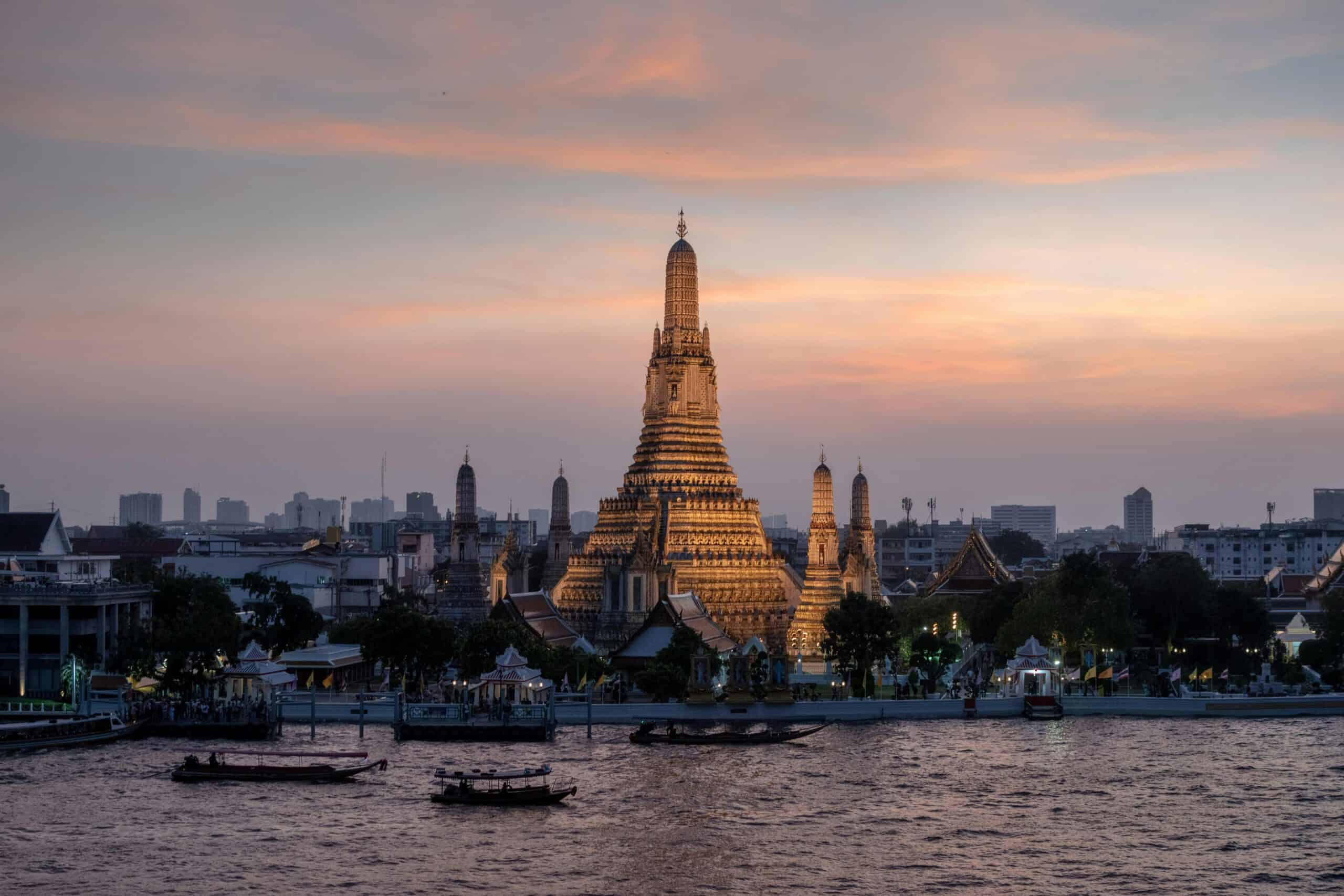
Bangkok has always lived with water, but the balance is becoming harder to maintain. Its low-lying delta setting, intense rainfall events, and continued subsidence in some areas combine into recurring flood pressure that strains drainage and transport systems. Adaptation projects are underway, yet the scale of risk is metropolitan, not local. That means progress in one district can be offset by failures in another. By 2030, Bangkok is unlikely to vanish, but parts of the city may experience frequent disruption severe enough to drive gradual relocation and rising inequality.
Ho Chi Minh City, Vietnam
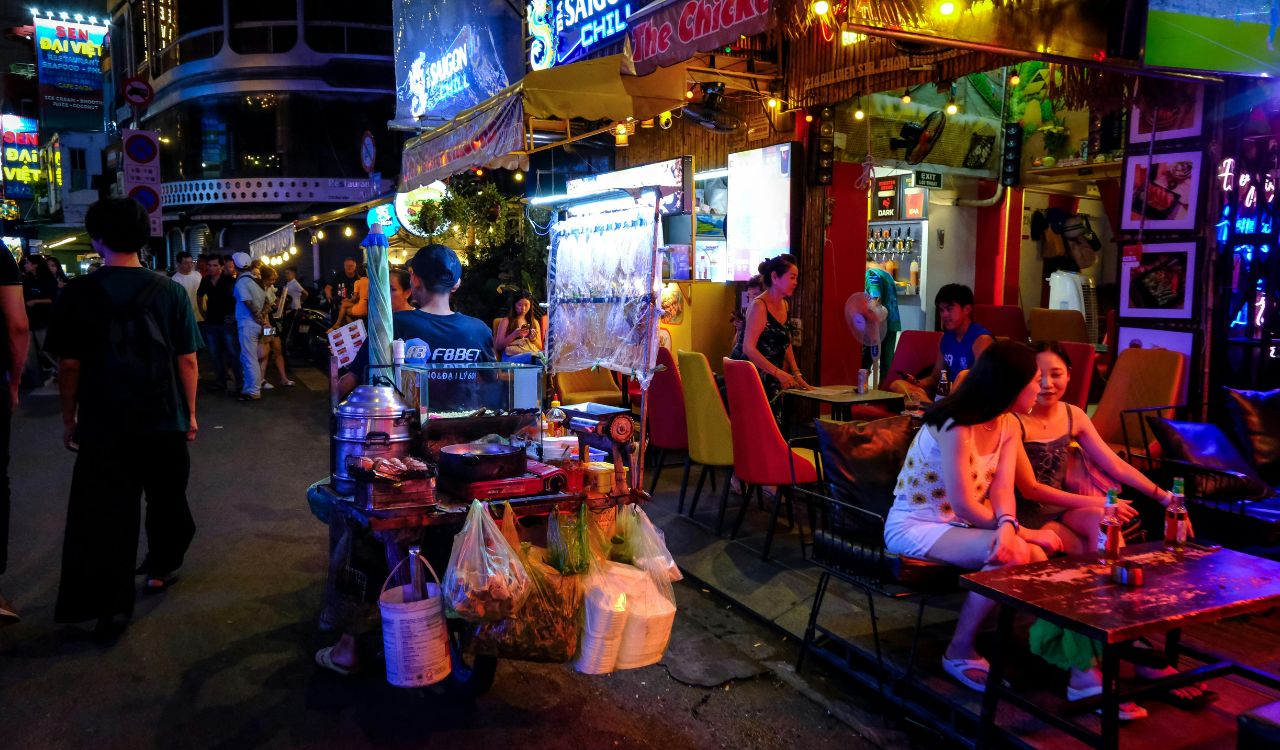
Ho Chi Minh City sits in a vulnerable river-delta environment where tides, rainfall, and sea-level rise can overlap in the same week. Even moderate water-level increases can worsen flooding in dense neighborhoods and industrial zones, damaging homes, roads, and utilities at high frequency. The city remains economically vital, but resilience gaps are visible where growth has outpaced protective infrastructure. By 2030, full disappearance is not the likely outcome. A more realistic threat is patchwork habitability, where some districts remain workable while others absorb repeated losses that trigger long-term displacement.
Kolkata, India
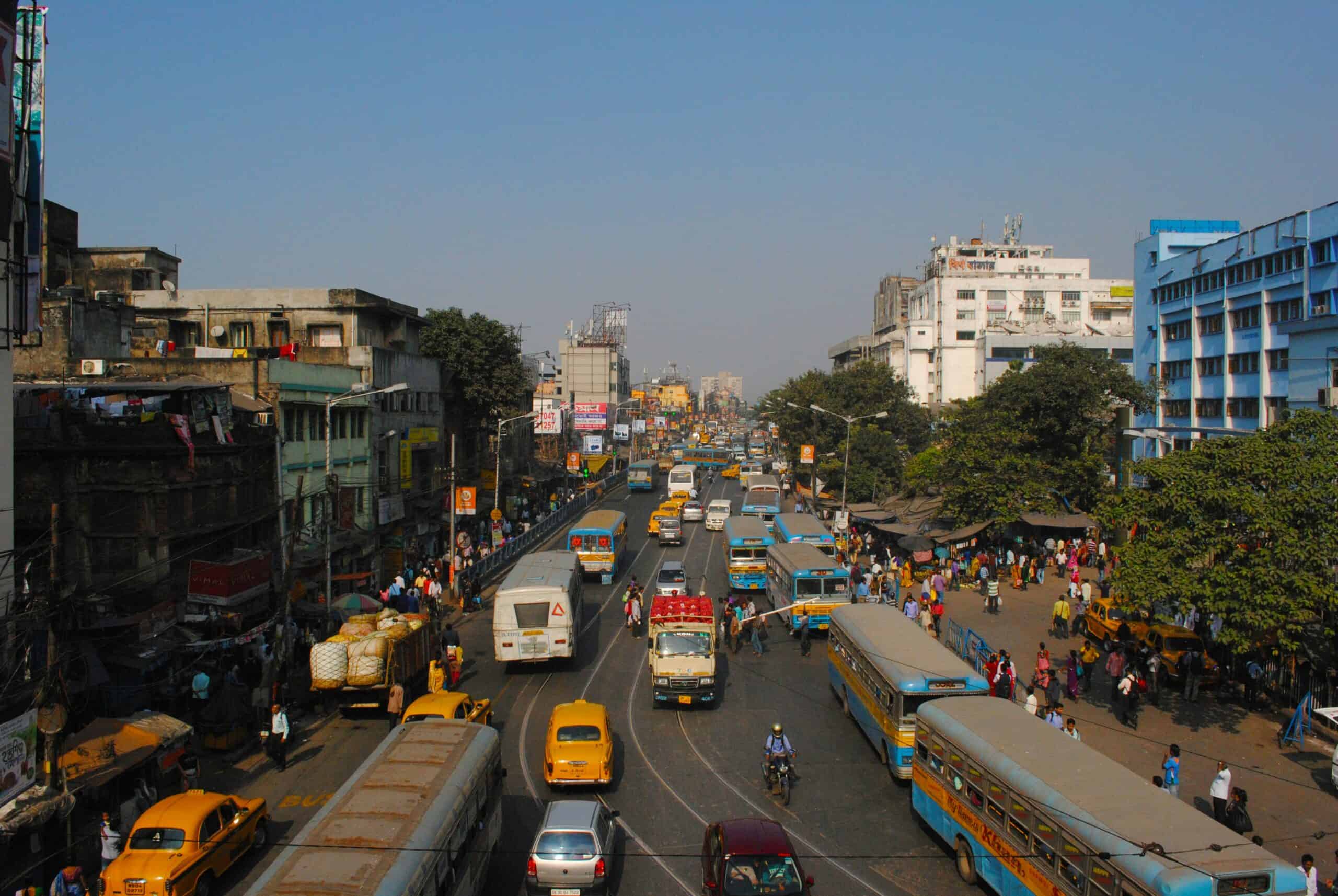
Kolkata’s risk comes from density, delta geography, and monsoon stress layered onto rising seas. Drainage failures can turn short storms into long disruptions, especially in low-lying neighborhoods where water exits slowly and infrastructure is already overloaded. The city has deep experience coping with seasonal extremes, yet the intensity and frequency of events are shifting. By 2030, Kolkata is not expected to disappear outright, but exposed areas could see worsening flood-recovery cycles that erode savings, push renters out, and deepen uneven access to safe housing and reliable services.
Alexandria, Egypt
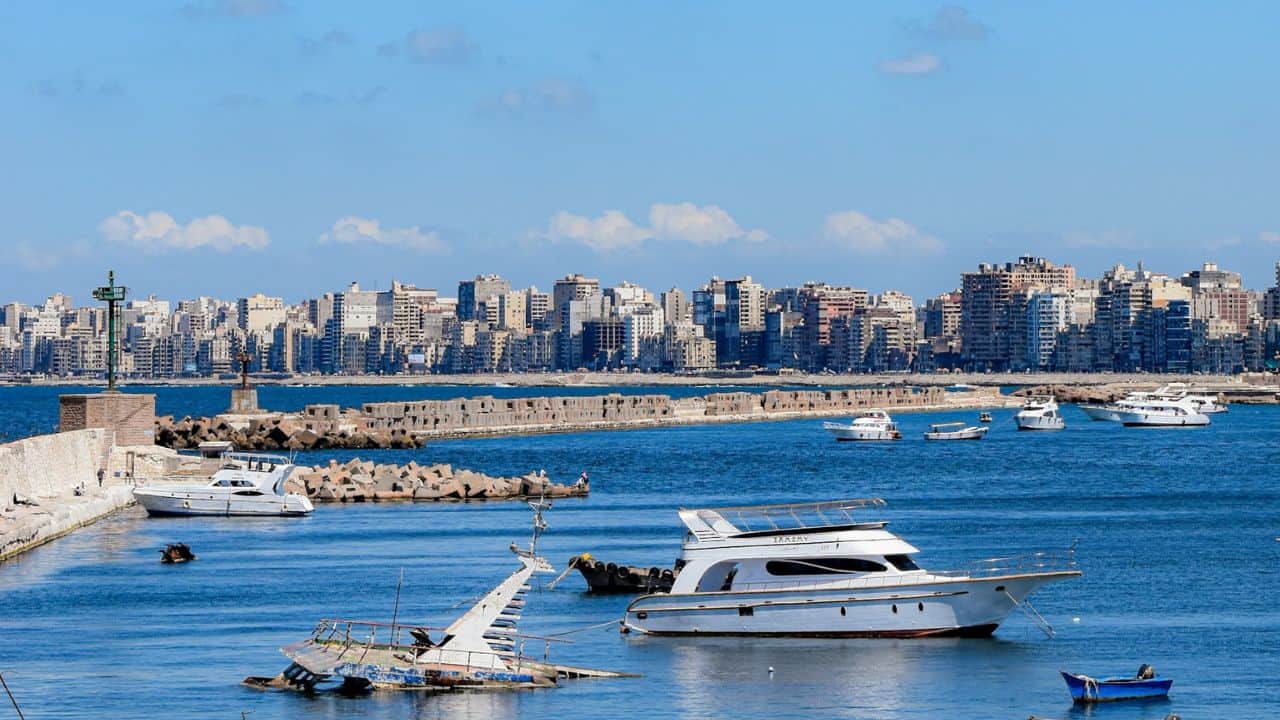
Alexandria faces a long-term coastal squeeze from sea-level rise, shoreline erosion, and saltwater intrusion. These pressures do not erase a city overnight, but they steadily weaken foundations, roads, and freshwater systems, while raising the cost of staying put. Historic districts and dense residential areas are especially sensitive because protective upgrades are complex and expensive. By 2030, Alexandria will almost certainly remain a major city. The sharper question is how much of its most exposed coastline can stay livable without continuous reinforcement, stricter planning, and faster adaptation funding.
Basra, Iraq
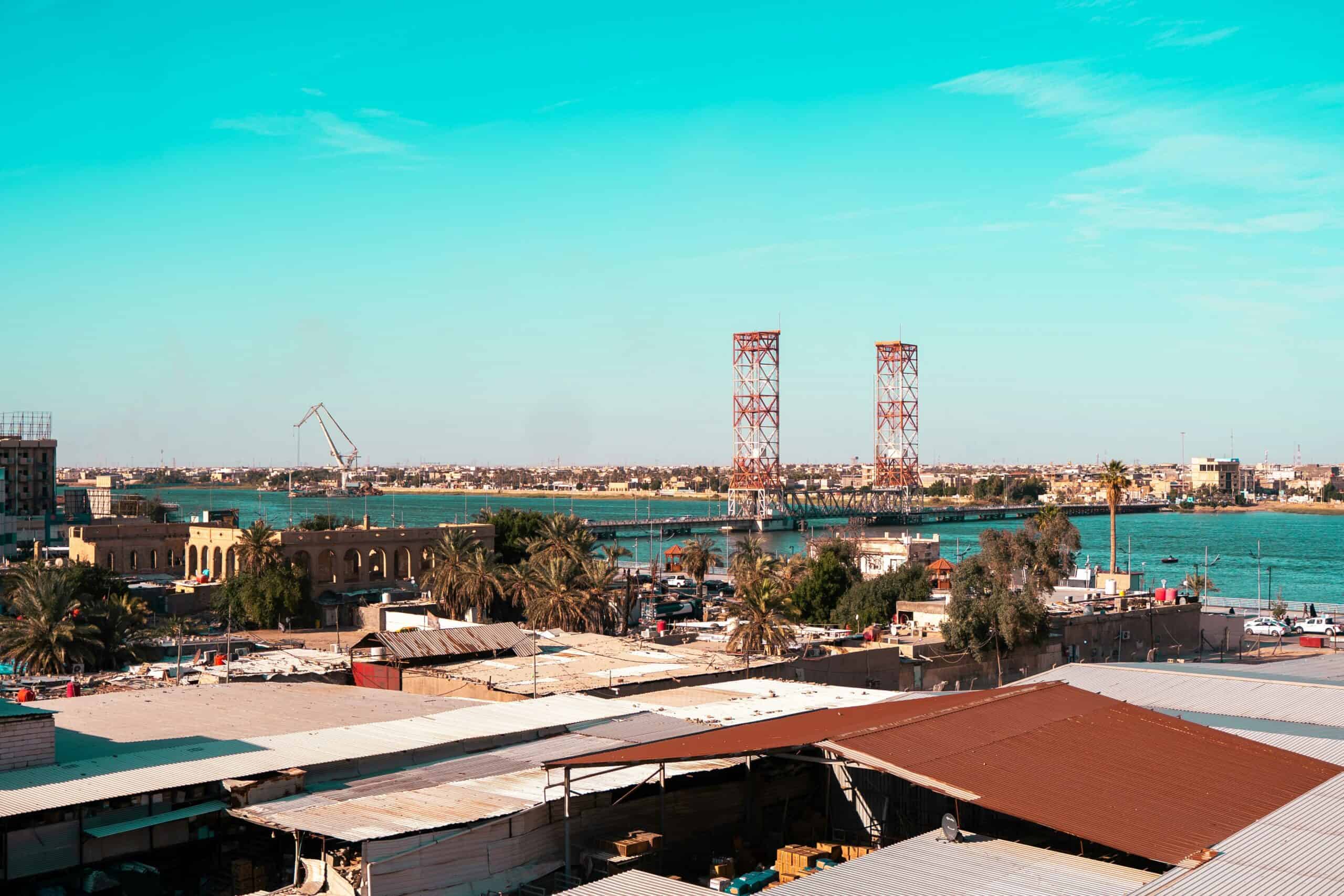
Basra’s risk story is about compounding stress, not one single hazard. Extreme heat, water scarcity, salinity intrusion, and fragile infrastructure interact in ways that reduce livability long before permanent inundation becomes visible. When electricity fails during heat waves or water quality drops, households are forced into survival decisions that can trigger gradual migration. The city still holds strategic economic value, but daily conditions in vulnerable districts are increasingly hard to stabilize. By 2030, the threat is functional disappearance in parts of Basra where public systems repeatedly fail.
New Orleans, United States
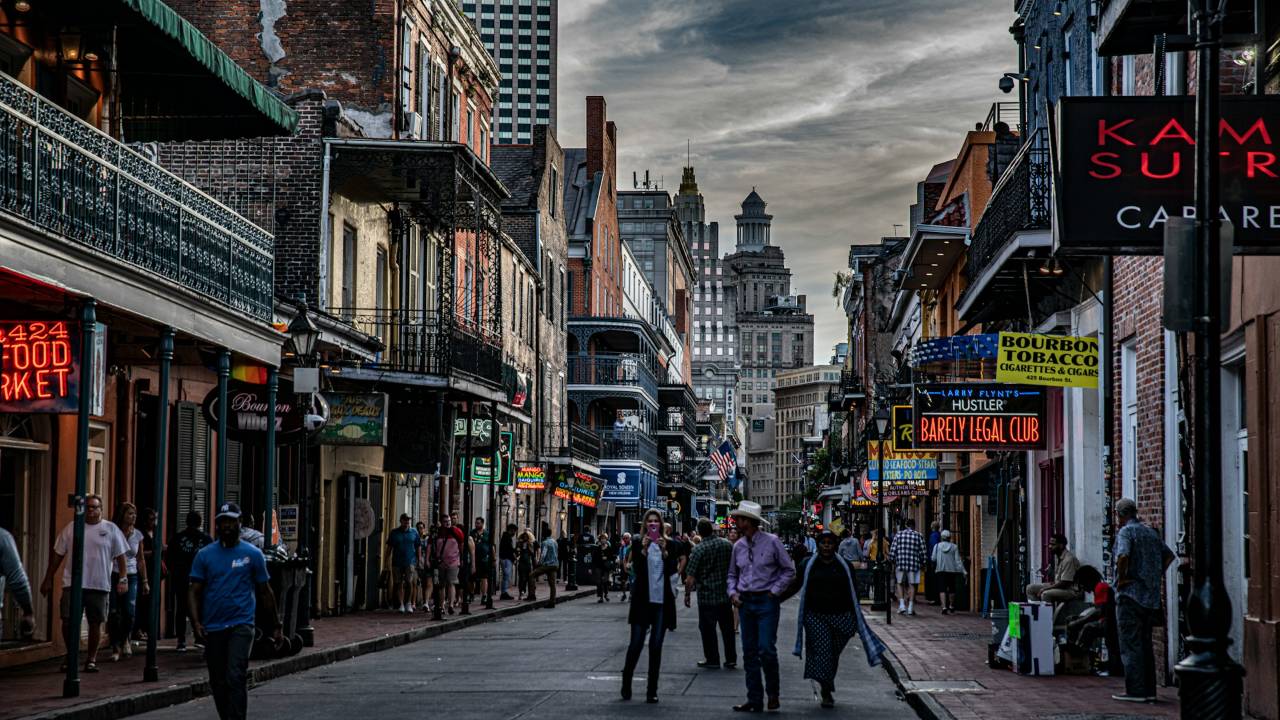
New Orleans has some of the world’s most sophisticated flood-protection infrastructure, yet it remains exposed because of low elevation, subsidence, and storm-surge risk. Engineering has reduced catastrophe risk, but it has not removed the need for constant pumping, maintenance, and upgrades. That creates a future shaped by unequal protection and rising costs. By 2030, New Orleans is not likely to vanish, but some neighborhoods may face growing insurance pressure, repair fatigue, and difficult choices about reinvestment. Survival here depends on infrastructure performance every season, every year.
Miami, United States
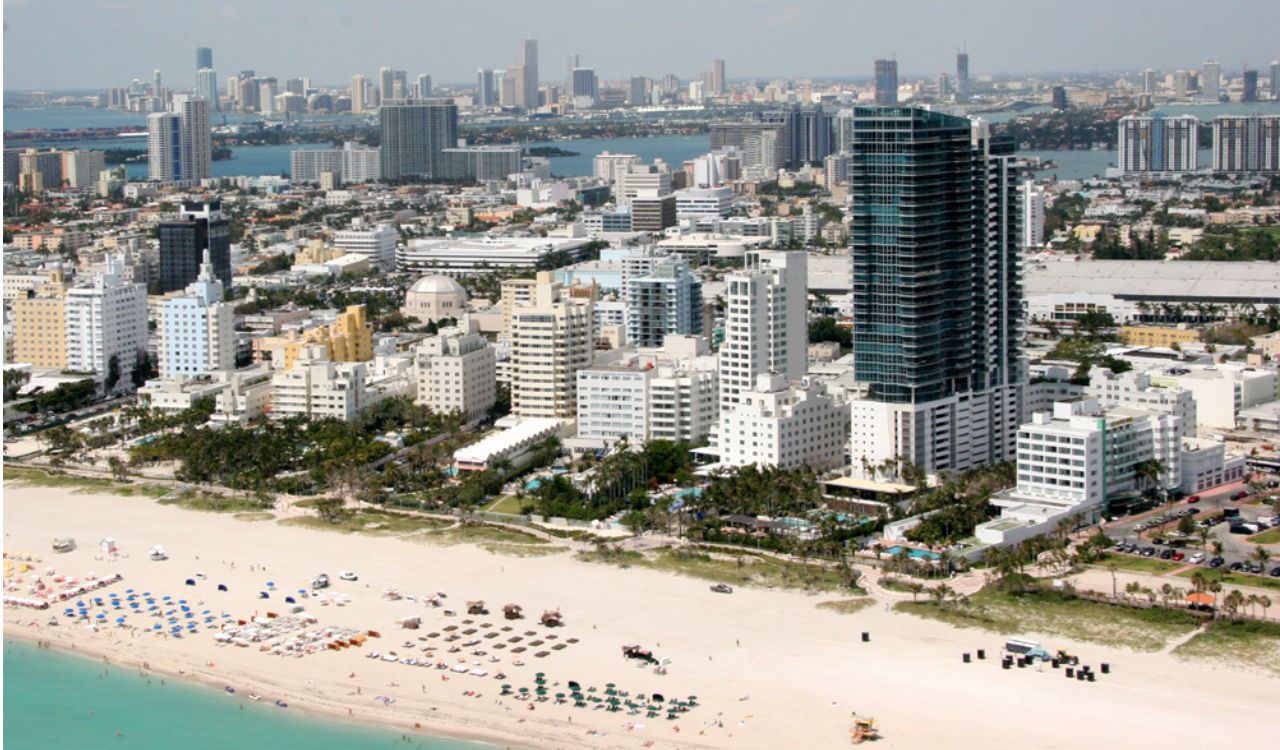
Miami’s challenge is intensified by porous limestone, which allows water to rise from below even when shore defenses are improved. Tidal flooding, heavier rainfall, and sea-level rise now affect roads, housing, and utilities with increasing regularity in low-lying areas. Public adaptation efforts are active, but costs are climbing and insurance markets are tightening, especially for vulnerable properties. By 2030, Miami will still be a global city. The risk is uneven retreat, where some communities can finance resilience while others face repeated disruption, declining affordability, and forced moves.
Lagos, Nigeria
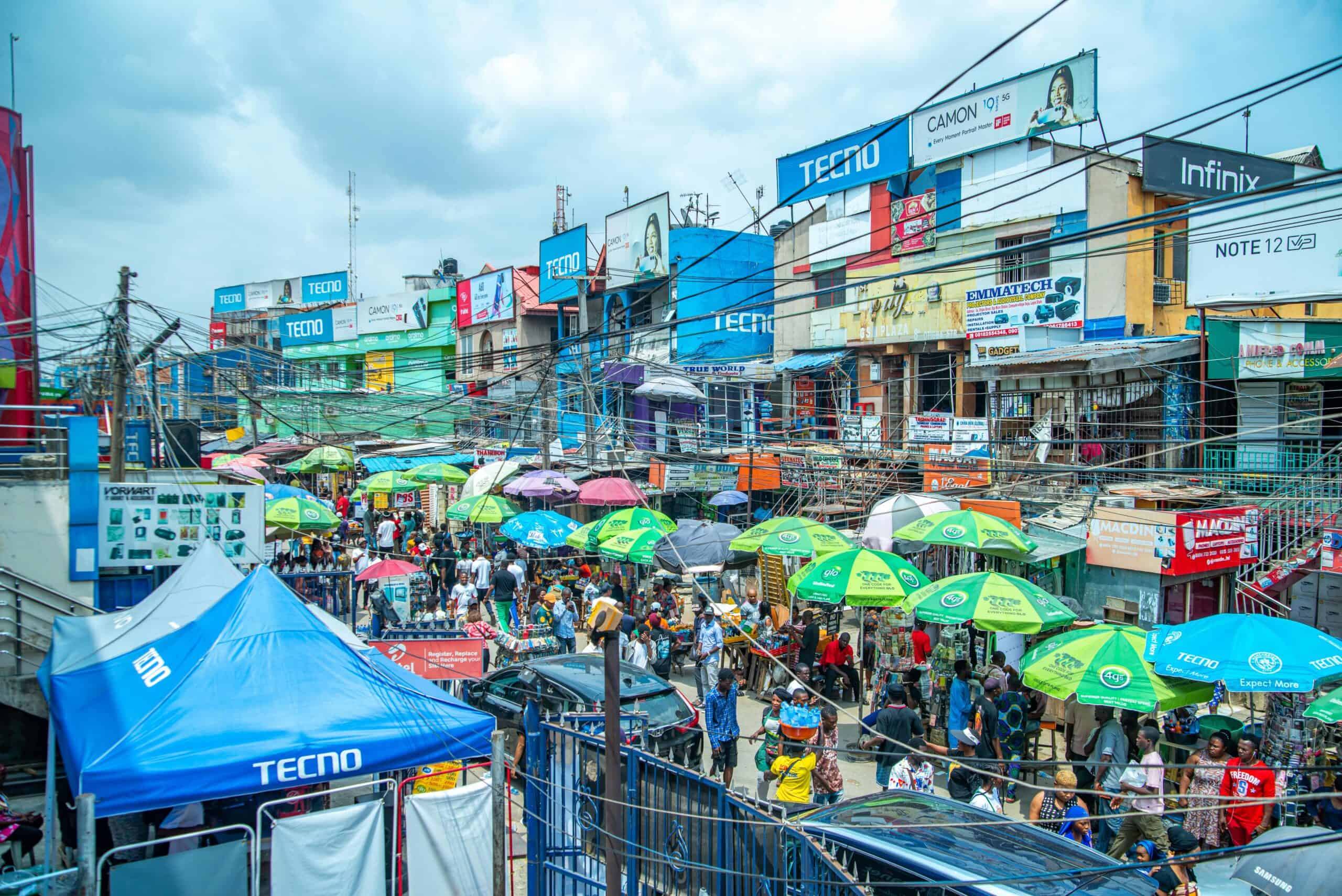
Lagos is expanding rapidly along a coastline where flood risk is already high. In low-lying and informal settlements, stormwater overload, coastal erosion, and tidal impacts can displace large numbers of people from even moderate events. Growth increases exposure when housing and services extend faster than drainage, elevation planning, and protective infrastructure. The city’s economic momentum is strong, but resilience remains uneven. By 2030, Lagos is unlikely to disappear as a whole, yet vulnerable districts could face recurring loss cycles that function like slow-motion retreat without sustained investment.