We may earn money or products from the companies mentioned in this post. This means if you click on the link and purchase the item, I will receive a small commission at no extra cost to you ... you're just helping re-supply our family's travel fund.
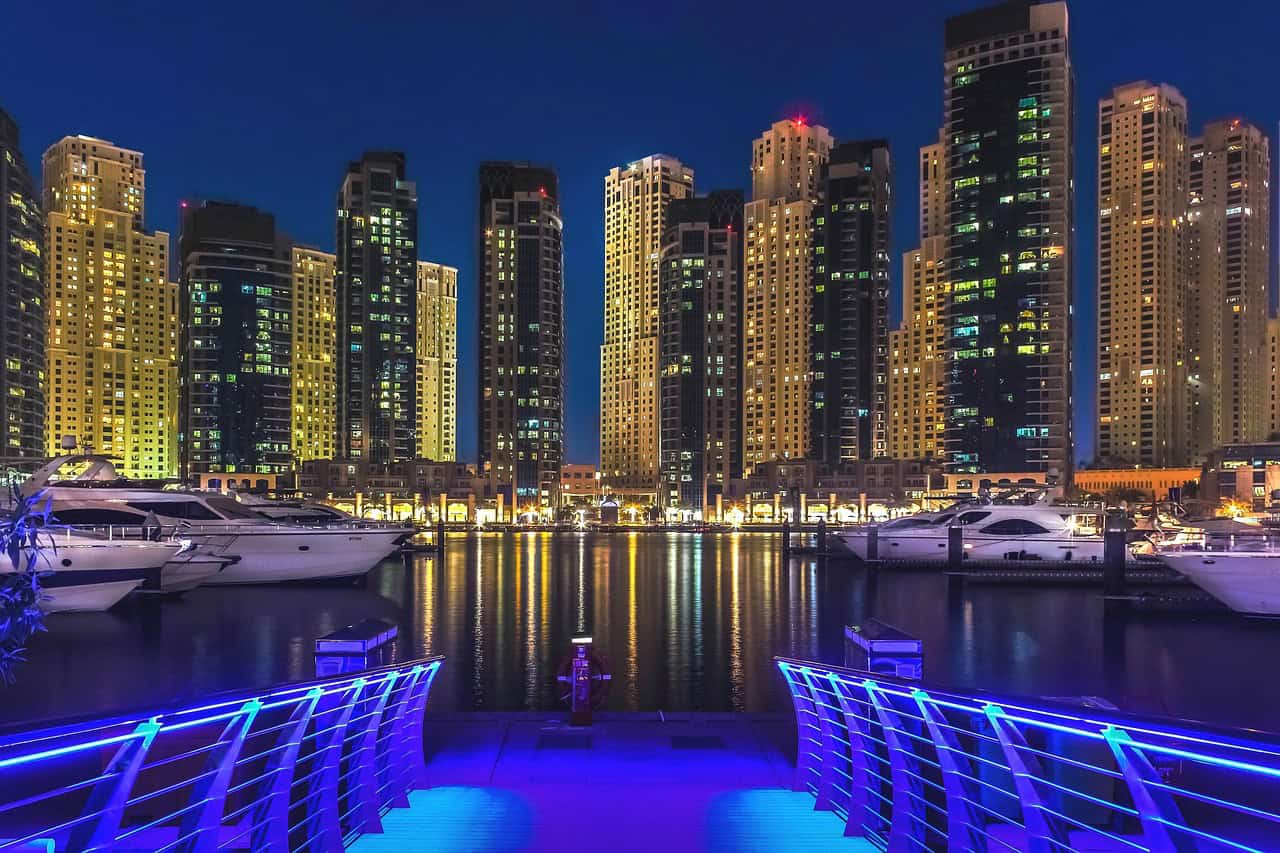
Some cities impress not with quiet charm but with spectacle. Glass towers rise above designer storefronts, air-conditioned walkways stretch for blocks, and global brands outnumber local bakeries. Yet beneath the polished marble and glowing billboards, each place still carries layers of history. These destinations blur the line between urban life and curated retail theater, where spending feels like sightseeing and heritage plays a supporting role to commerce.
1. Dubai, United Arab Emirates
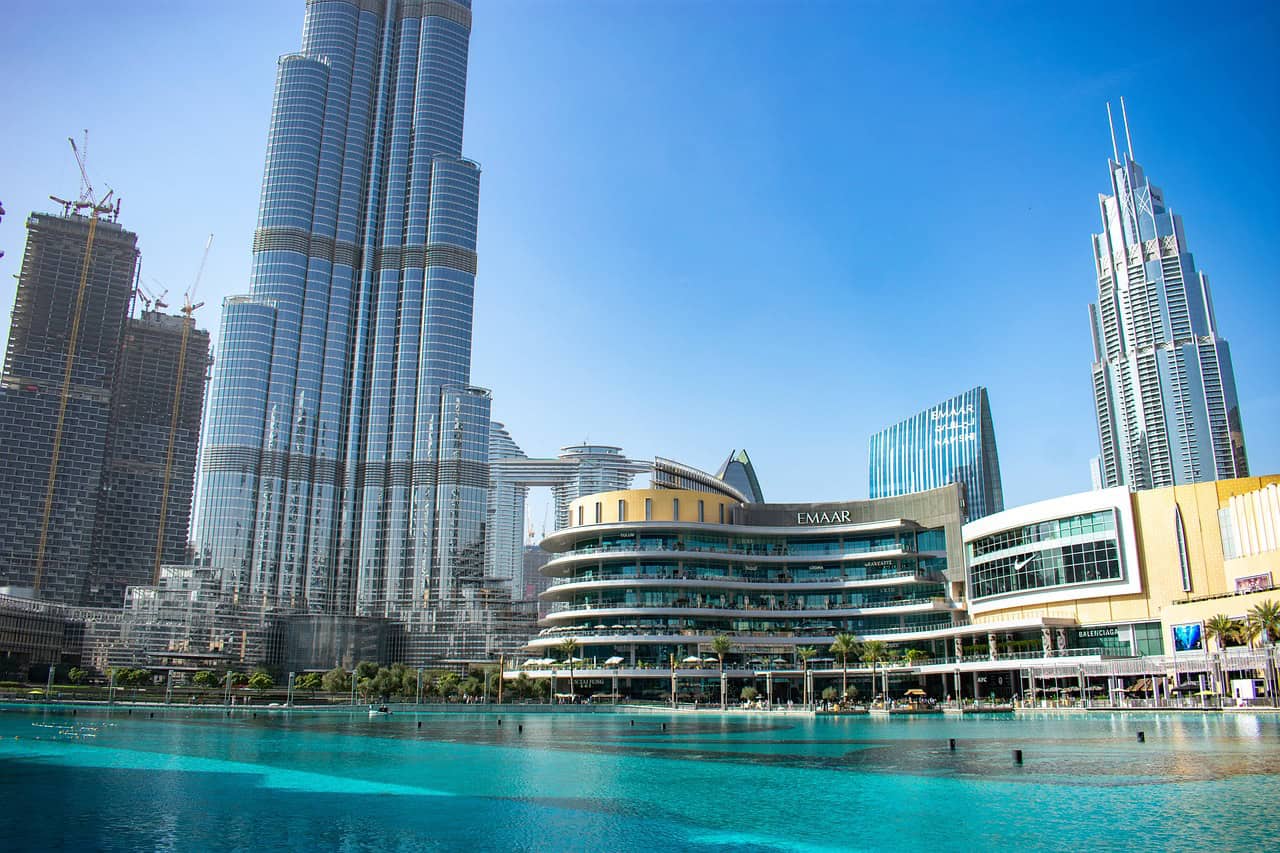
In Dubai, scale defines everything. The Dubai Mall spans over 1.1 million square meters with more than 1,200 stores, drawing roughly 80 million visitors annually. Indoor waterfalls and aquariums turn shopping into spectacle. Luxury brands cluster beside Olympic-size ice rinks, reinforcing the city’s love of superlatives.
Yet cross the creek to Al Fahidi and the mood shifts. Wind-tower houses and narrow lanes recall the 19th-century pearl trade that predated the oil boom. With a population exceeding 3.5 million, Dubai balances heritage districts with futuristic retail ambition in striking contrast.
2. Las Vegas, United States
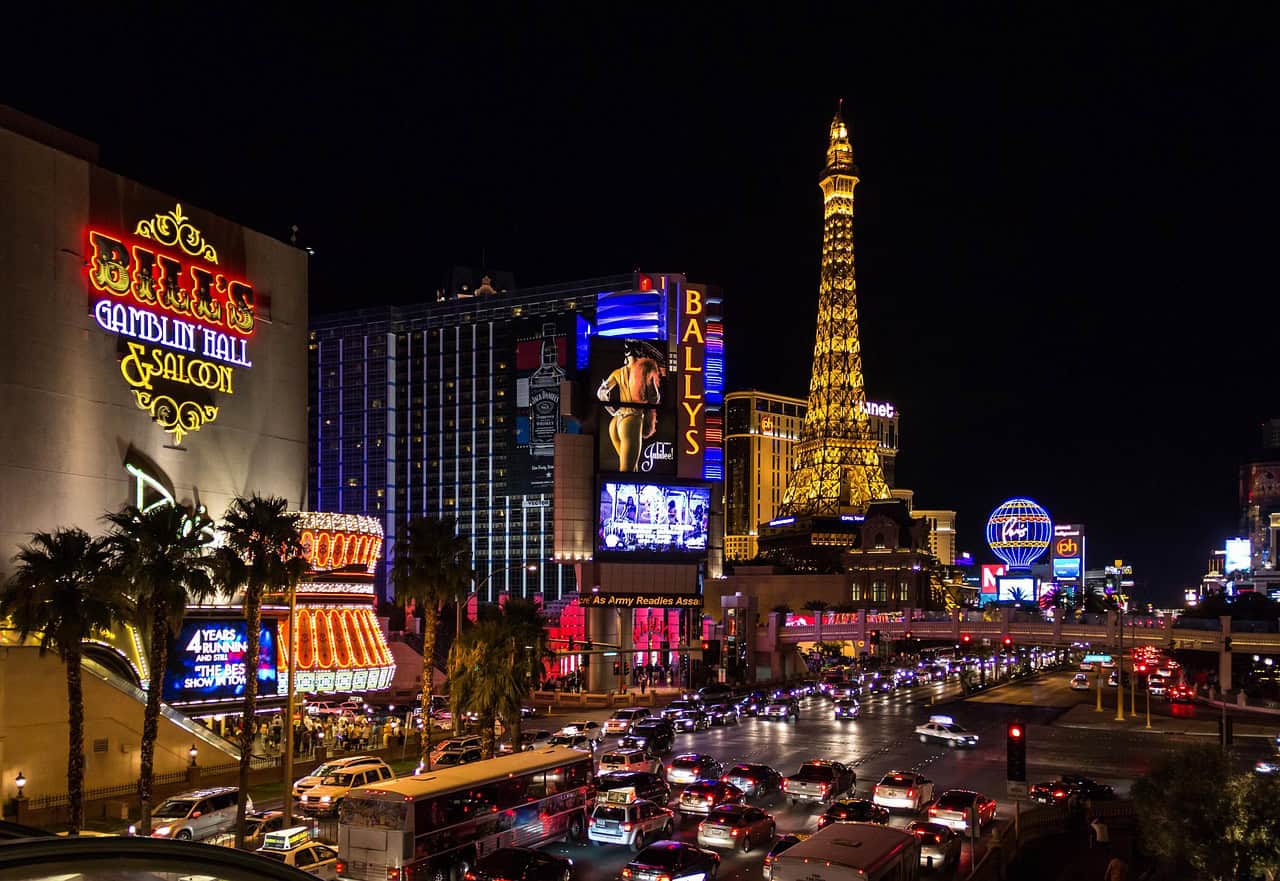
Las Vegas welcomes over 38 million visitors a year, many funneling straight into retail corridors along the Strip. The Forum Shops at Caesars alone hosts 160 stores beneath painted Roman skies. Nearby resorts fold shopping, dining, and gaming into one seamless indoor landscape stretching nearly 6.8 kilometers.
Still, downtown Fremont Street hints at a humbler 1905 railroad town. Vintage neon signs and restored casinos nod to mid-century Americana. With about 650,000 residents, Las Vegas thrives on reinvention, layering nostalgia beneath relentless commercial energy.
3. Singapore
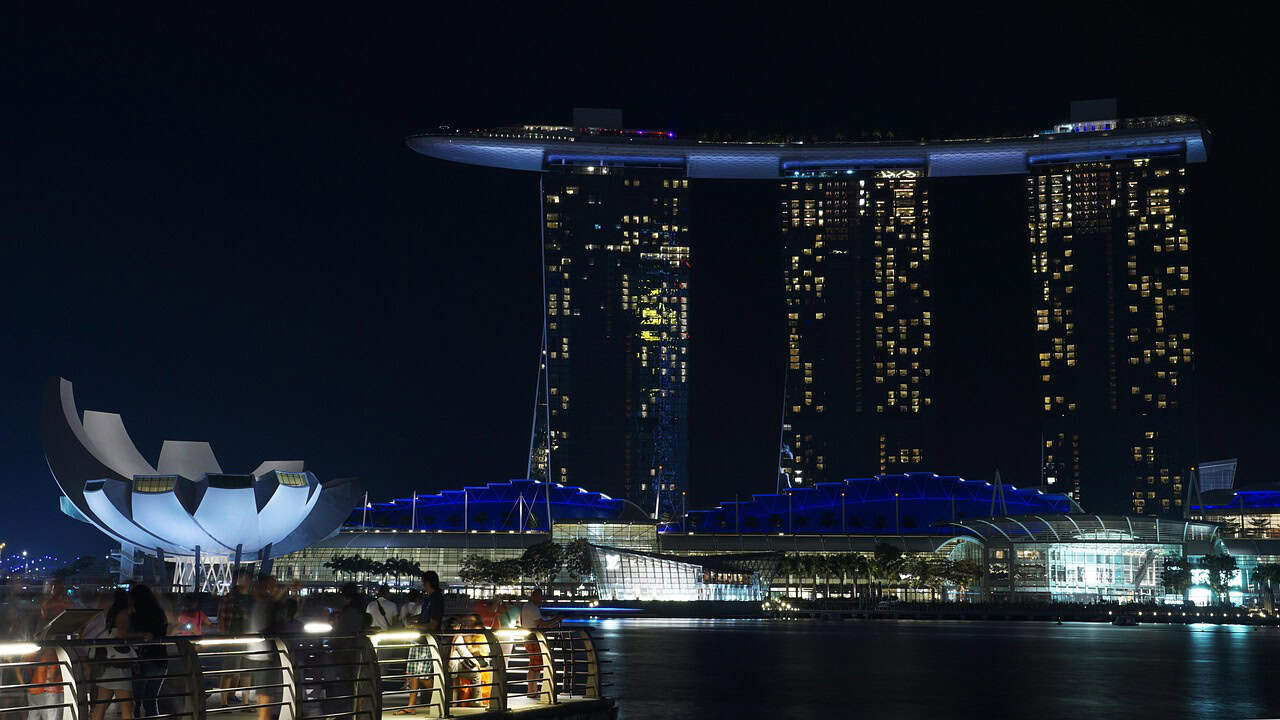
Compact yet intense, Singapore concentrates retail power along Orchard Road’s 2.2-kilometer stretch. Malls such as ION Orchard stack luxury labels across eight floors, while Marina Bay Sands integrates boutiques beneath its iconic rooftop deck. Annual visitor numbers surpass 19 million, many drawn by seamless convenience.
But beyond the glass towers, Chinatown’s shophouses and Little India’s temples preserve 200-year-old migrant stories. With 5.9 million residents, Singapore fuses disciplined urban planning with heritage quarters that quietly endure behind the retail gloss.
4. Doha, Qatar
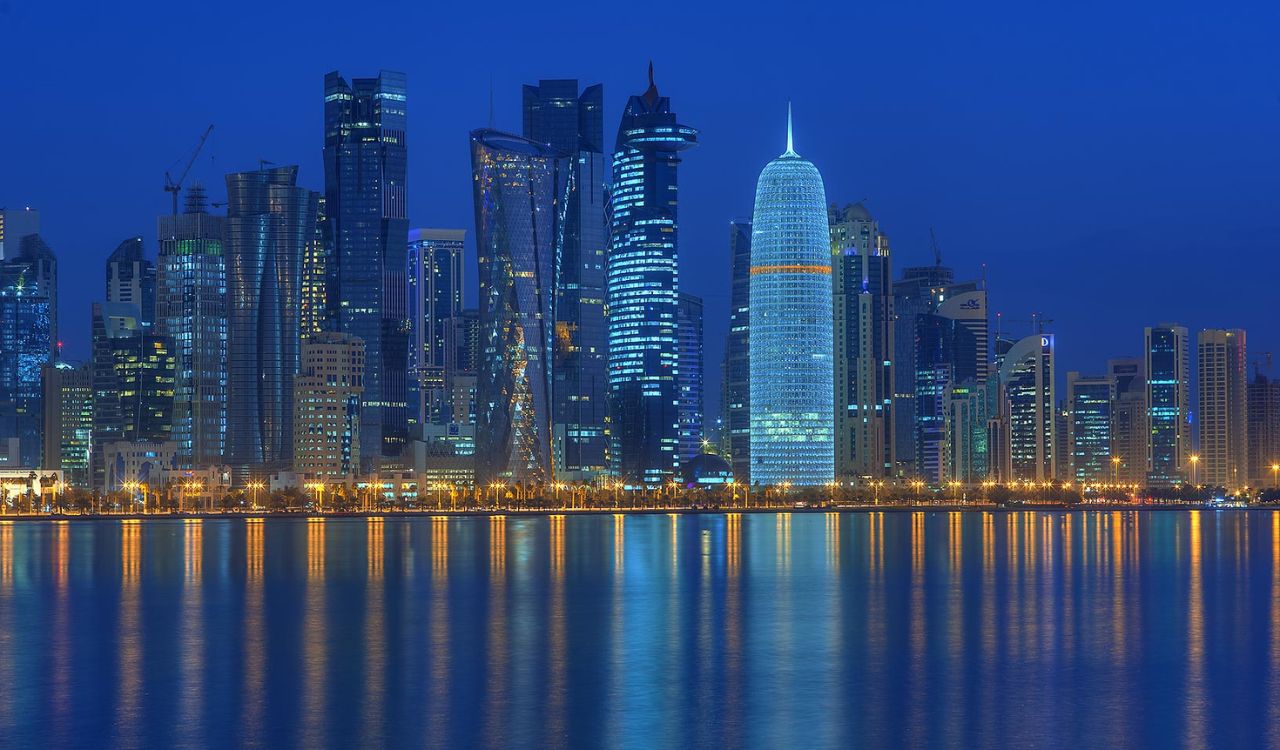
Doha has expanded rapidly, its skyline reflecting gas wealth and ambition. Villaggio Mall covers roughly 360,000 square meters and famously features an indoor canal. International brands dominate climate-controlled promenades, attracting a large share of Qatar’s 2.7 million residents.
Yet a short drive leads to Souq Waqif, where mud-rendered walls echo a trading hub rebuilt to mirror its 19th-century roots. Falcon shops and spice stalls recall pre-oil livelihoods. Doha’s polished malls and revived markets coexist in deliberate, carefully curated balance.
5. Monaco
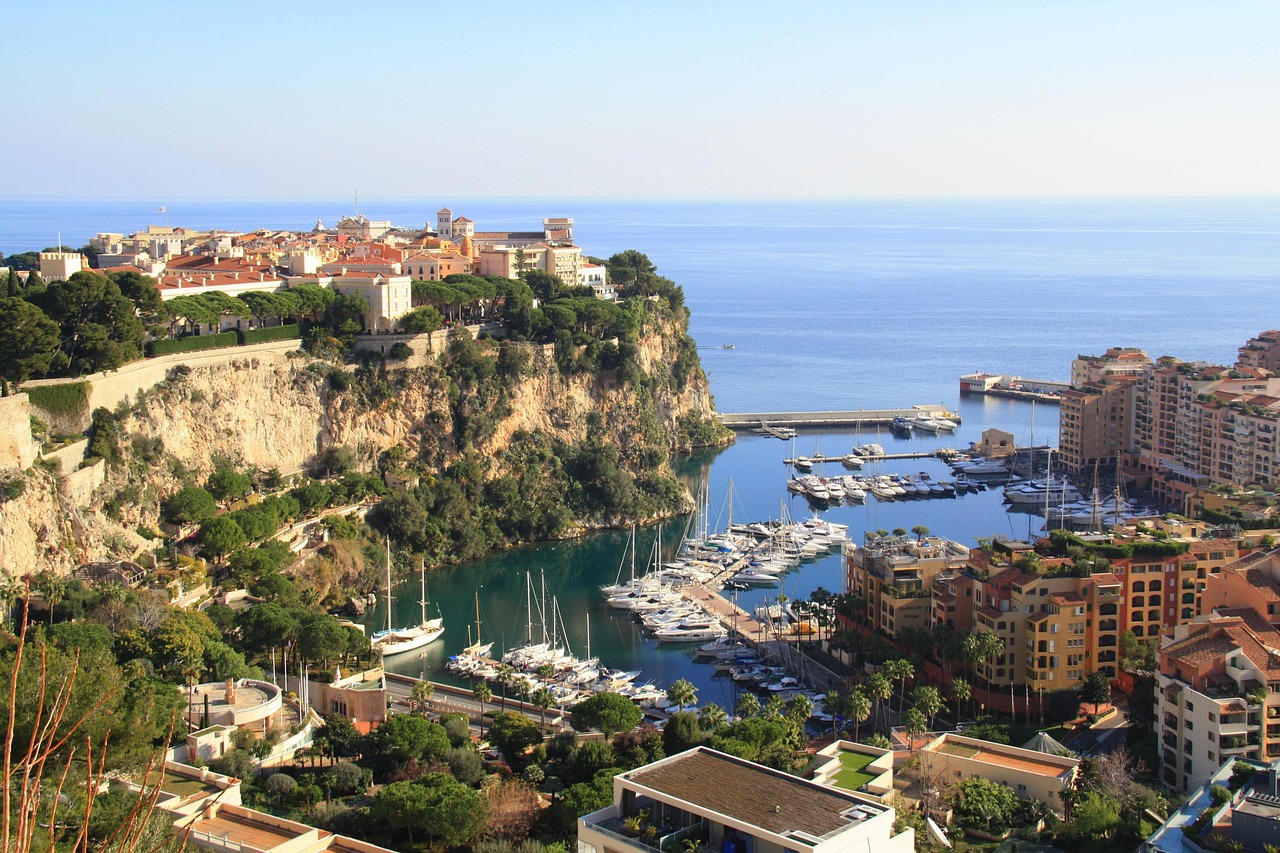
Tiny Monaco spans just 2.02 square kilometers, yet luxury saturates nearly every corner. Around the Monte Carlo Casino, couture boutiques and supercar showrooms serve a population of about 39,000. Yachts line Port Hercules, reinforcing the principality’s high-spending identity.
However, Monaco-Ville rises above the harbor with medieval lanes dating to the 1200s. The Grimaldi dynasty has ruled for over 700 years, lending historical gravity to the glamour. Here, heritage and high fashion share remarkably compact space.
6. Hong Kong
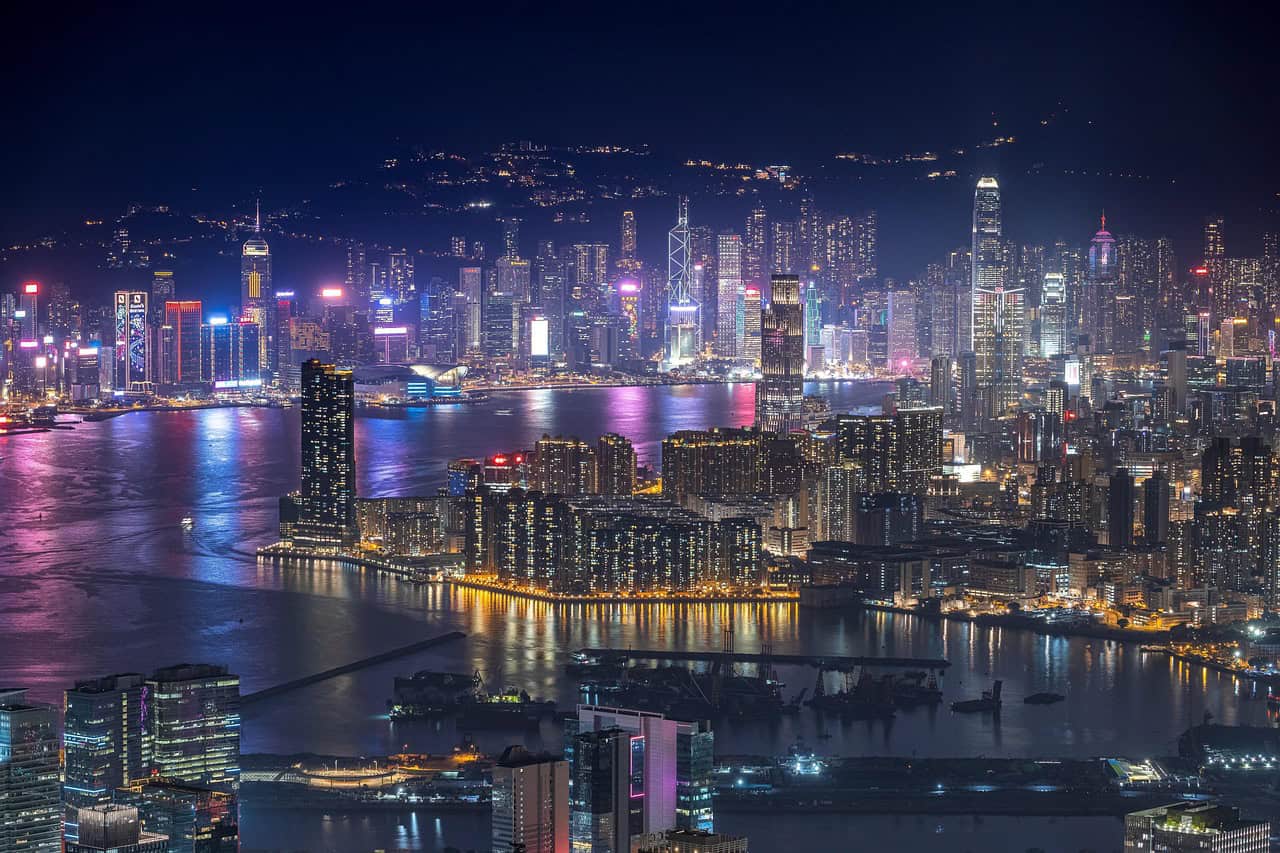
Vertical and relentless, Hong Kong connects metro stations directly into retail megastructures. Harbour City alone houses more than 450 shops along Victoria Harbour. Annual retail sales often exceed HK$350 billion, underscoring commerce as civic heartbeat.
Yet incense drifts from Man Mo Temple, built in 1847, only blocks away. Colonial facades and fishing village remnants linger between towers. With over 7.4 million residents, Hong Kong layers centuries of maritime exchange beneath polished shopping podiums.
7. Milan, Italy
Fashion capital Milan draws millions during biannual Fashion Weeks. The 19th-century Galleria Vittorio Emanuele IIhosts Prada and Gucci beneath its iron-and-glass dome, welcoming thousands daily. Luxury spending here ranks among Europe’s highest per capita.
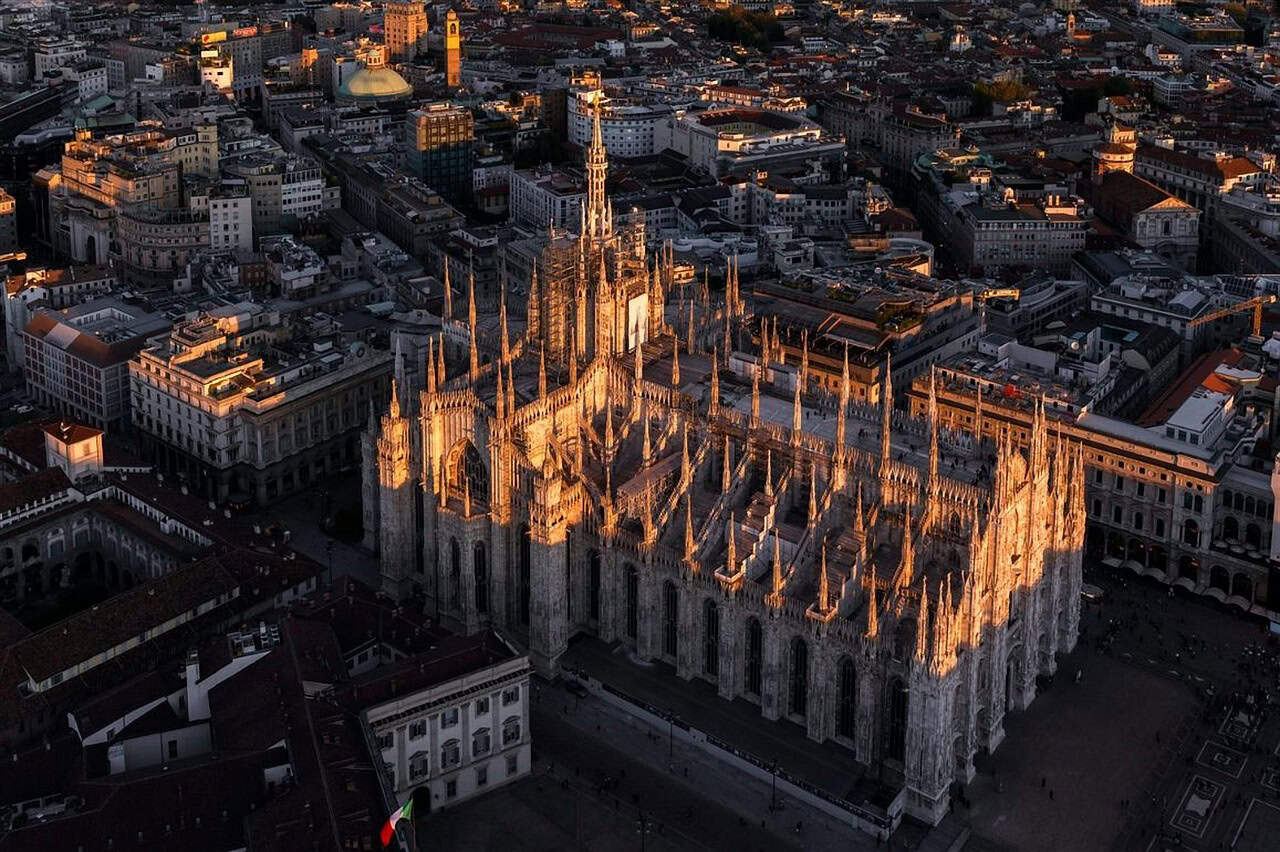
Steps away stands the Duomo, begun in 1386 and crowned with 135 spires. Milan’s 1.4 million residents navigate seamlessly between Gothic grandeur and runway culture. Retail may dominate headlines, but Renaissance heritage anchors the city’s enduring identity.
8. Seoul, South Korea
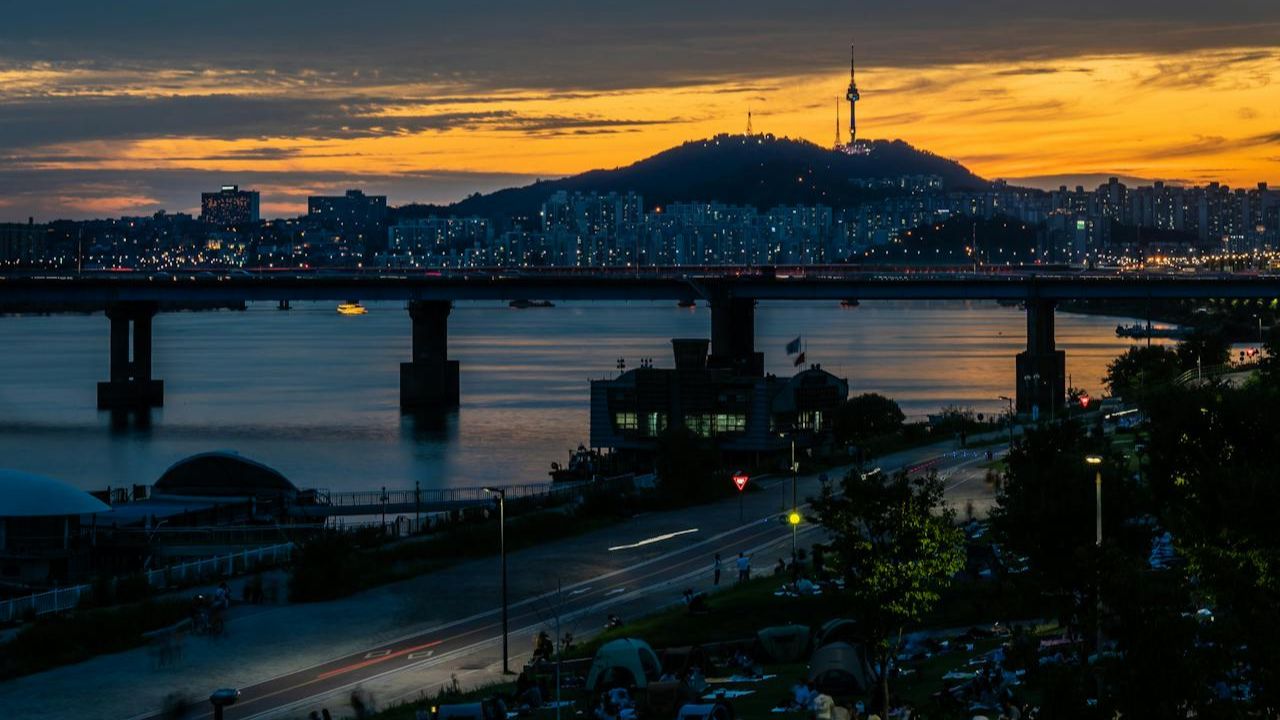
Seoul blends neon retail with royal memory. COEX Mall stretches over 150,000 square meters underground, linking cinemas, aquariums, and hundreds of stores. The metropolitan population exceeds 9.5 million, fueling one of Asia’s most dynamic consumer markets.
Yet Gyeongbokgung Palace, first built in 1395, preserves Joseon dynasty traditions amid skyscrapers. Hanok villages in Bukchon reveal wooden homes centuries old. Seoul’s commercial pulse rarely pauses, but its historic courtyards remain remarkably resilient.
9. Abu Dhabi, United Arab Emirates
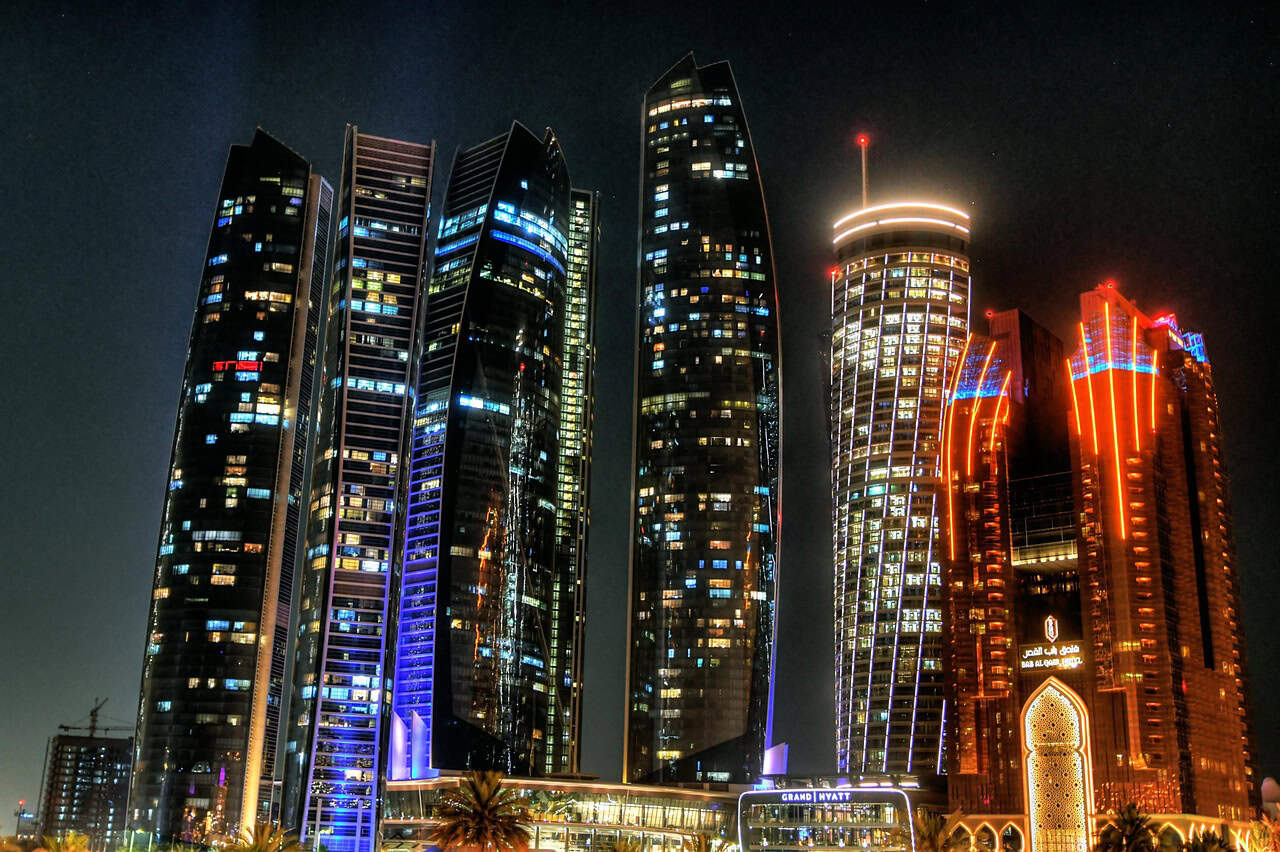
The capital Abu Dhabi pairs cultural branding with expansive malls. Yas Mall offers over 370 stores across 235,000 square meters beside theme parks and racetracks. Oil wealth has helped grow the emirate’s population to around 1.5 million.
Still, Qasr Al Hosn fort, dating to the 18th century, stands as the city’s oldest structure. Traditional dhow boats once dominated these shores. Abu Dhabi’s polished avenues overlay a relatively recent yet carefully preserved heritage narrative.
10. Paris, France
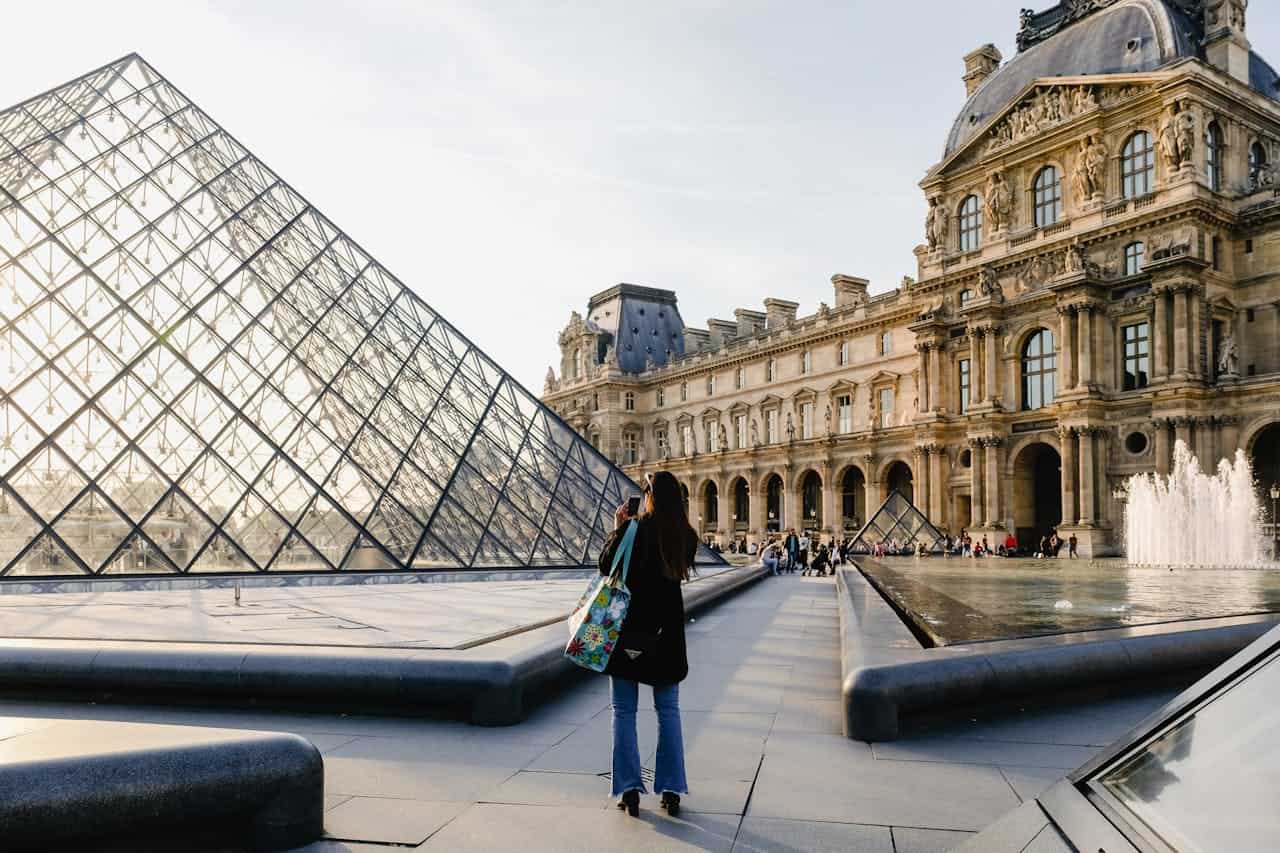
Romance meets retail in Paris, where the Champs-Élysées records some of Europe’s highest commercial rents. Flagship stores draw part of the city’s 30-million-plus annual visitors. Luxury conglomerates shape entire districts, blending fashion houses with grand boulevards.
Yet Notre-Dame Cathedral, begun in 1163, and the Louvre’s medieval foundations root Paris deeply in history. With 2.1 million residents in the city proper, Paris proves that even a global shopping stage can still rest upon centuries of art and revolution.