We may earn money or products from the companies mentioned in this post. This means if you click on the link and purchase the item, I will receive a small commission at no extra cost to you ... you're just helping re-supply our family's travel fund.
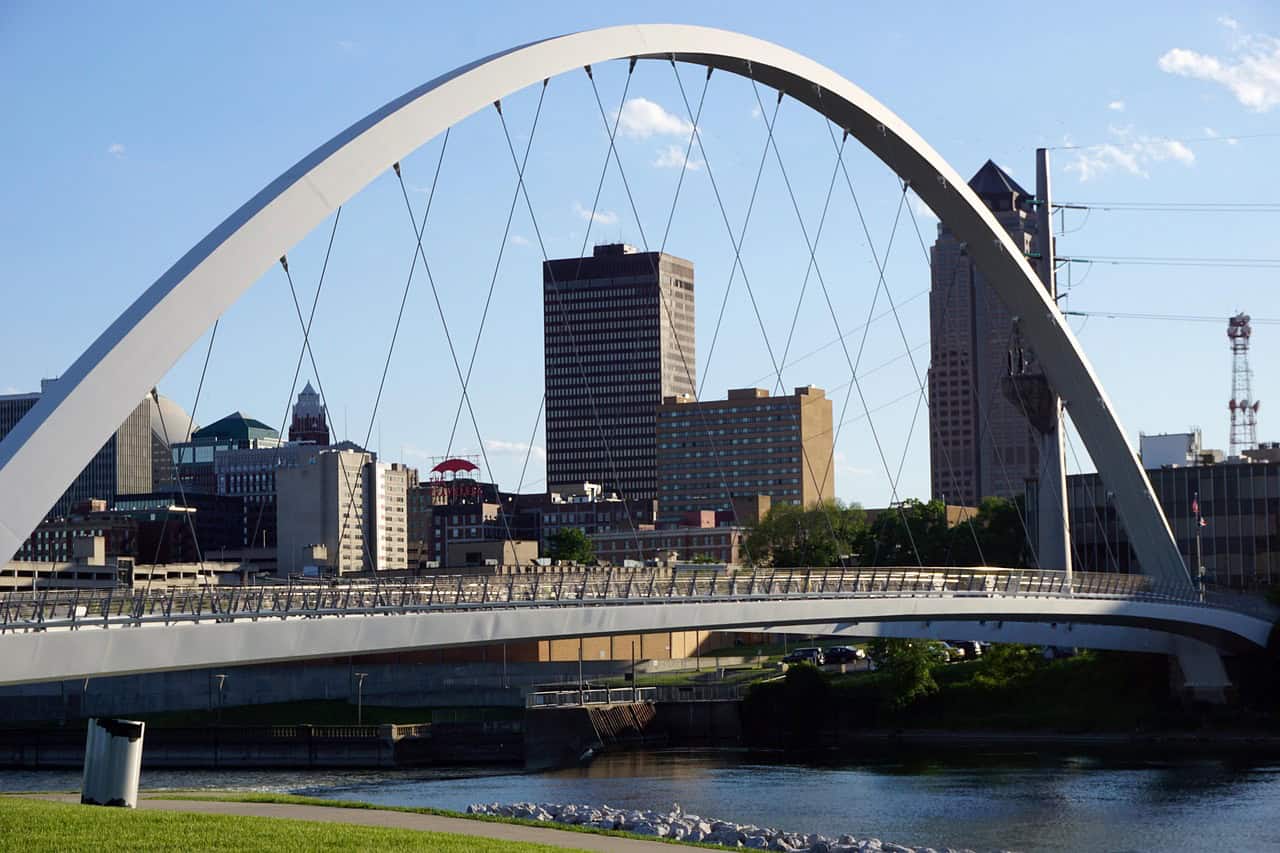
Every country has cities that quietly go about their business while louder destinations steal the spotlight. In the United States, some mid-sized and large cities are repeatedly branded “boring,” often because they lack visible nightlife, dramatic skylines, or nonstop tourism marketing. These labels don’t always reflect quality of life, but they do influence perception. Factors like early closing times, corporate-heavy downtowns, car dependency, and limited after-dark culture play a major role. Below are ten American cities that regularly receive this reputation, along with the specific, data-driven reasons people keep saying the same thing.
1. Indianapolis, Indiana
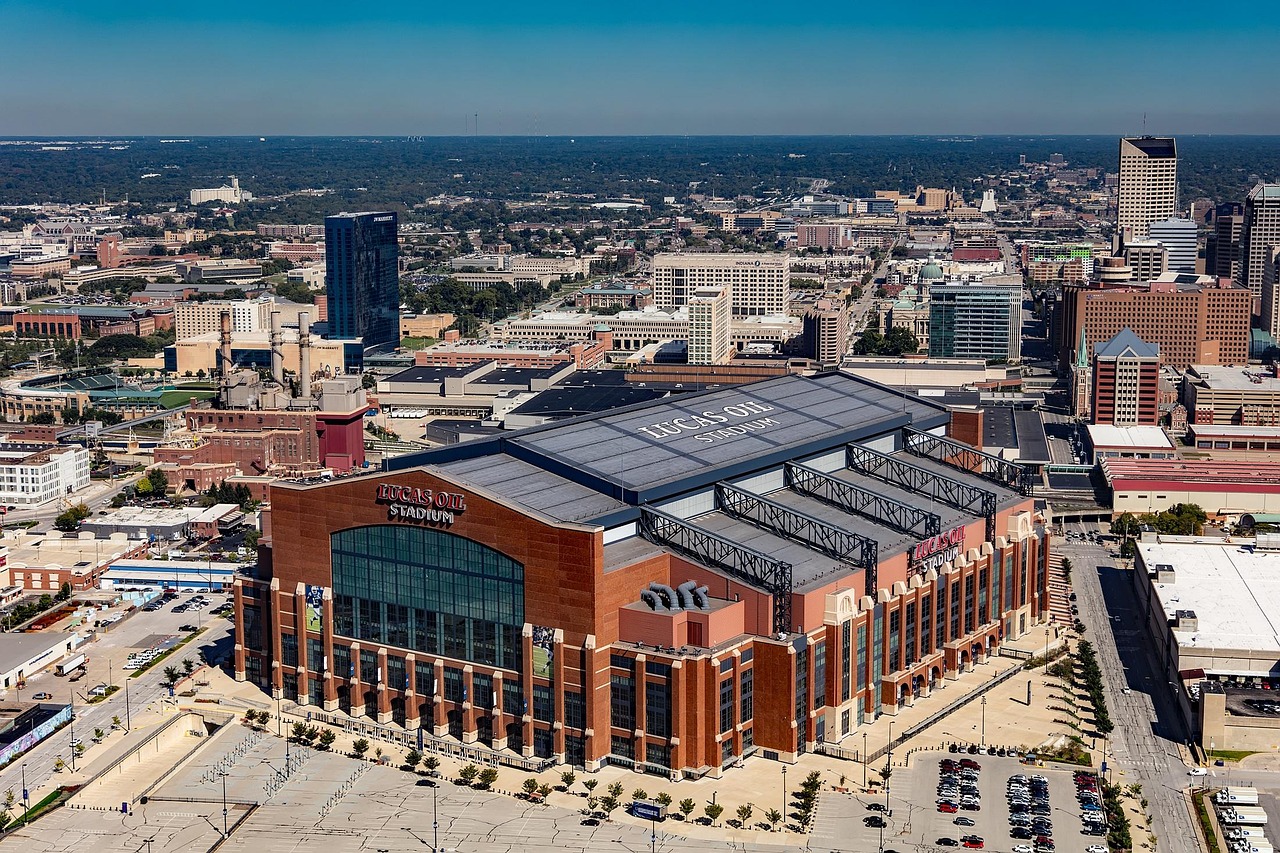
Indianapolis, with a metro population of roughly 2.1 million, is frequently tagged as boring due to its predictable rhythm and event-based energy. Outside major draws like the Indy 500, which brings in over 300,000 spectators annually, the city feels unusually quiet. Downtown nightlife thins out after 10 p.m., and fewer than 8% of venues operate past midnight. The flat geography and spread-out neighborhoods reduce walkability, reinforcing a drive-in, drive-out culture. While it ranks high for sports infrastructure, it consistently scores low for live music density and late-night entertainment per capita.
2. Columbus, Ohio
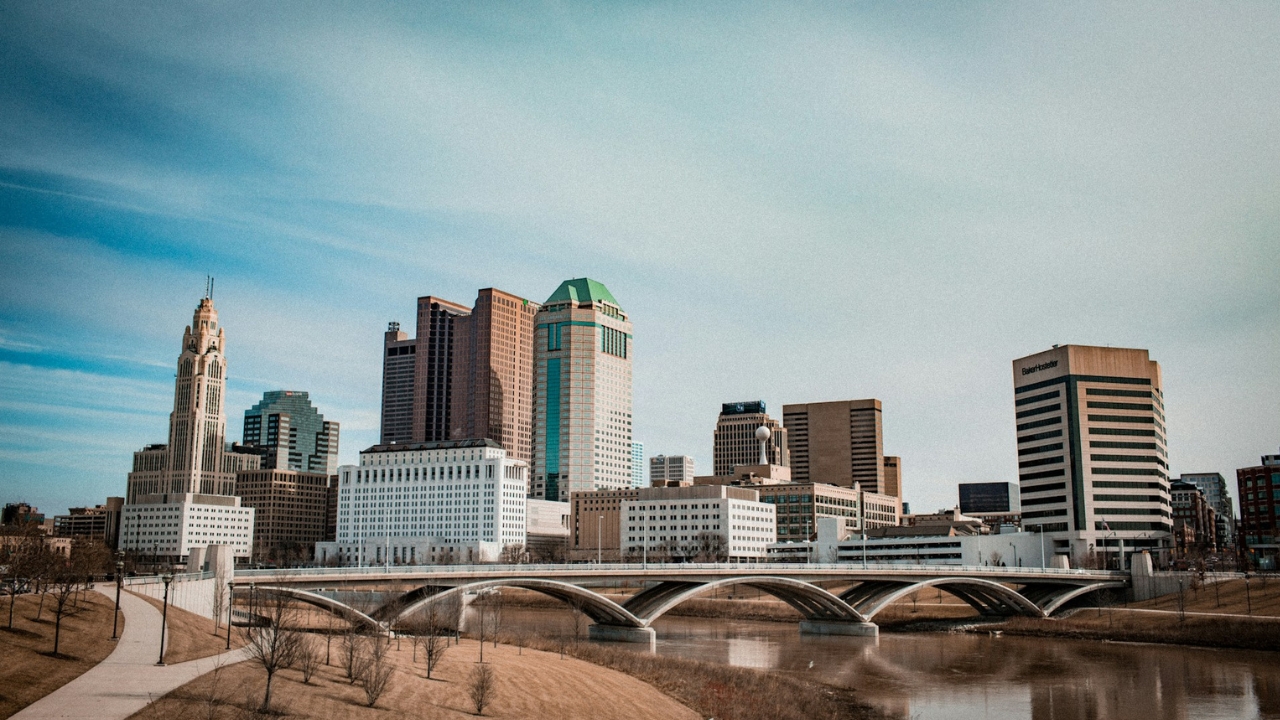
Columbus is home to about 920,000 residents, yet it struggles to project excitement beyond Ohio State football weekends. Despite having over 60,000 college students, nightlife districts are fragmented and close early, with alcohol sales tapering off noticeably after 11 p.m. The city lacks a defining historic core, and more than 65% of its land area is suburban development. Compared to peer cities, Columbus ranks lower in museum visits per tourist and cultural festivals per year. Its steady economy and safe reputation are strengths, but they also contribute to its buttoned-down image.
3. Des Moines, Iowa
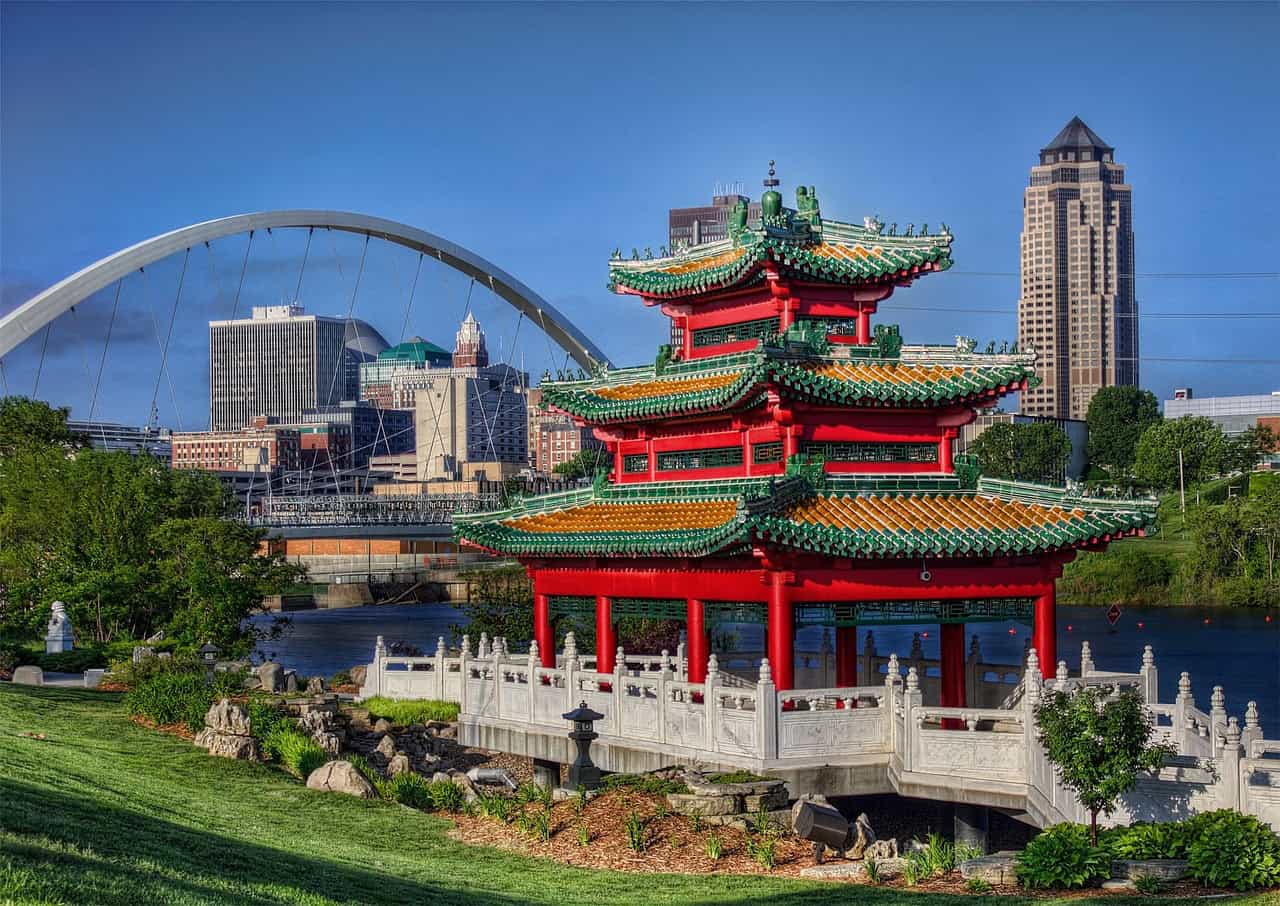
With a population of approximately 215,000, Des Moines is often described as calm to a fault. The city consistently ranks among the quietest state capitals after dark, with fewer than 5% of businesses open past midnight. While the Iowa State Fair attracts over one million visitors annually, it’s a short-lived surge in an otherwise low-energy calendar. Corporate employers dominate the downtown core, leading to empty streets after work hours. Public transit usage sits below 3%, making spontaneous exploration difficult and reinforcing the city’s reputation as functional rather than fun.
4. Omaha, Nebraska
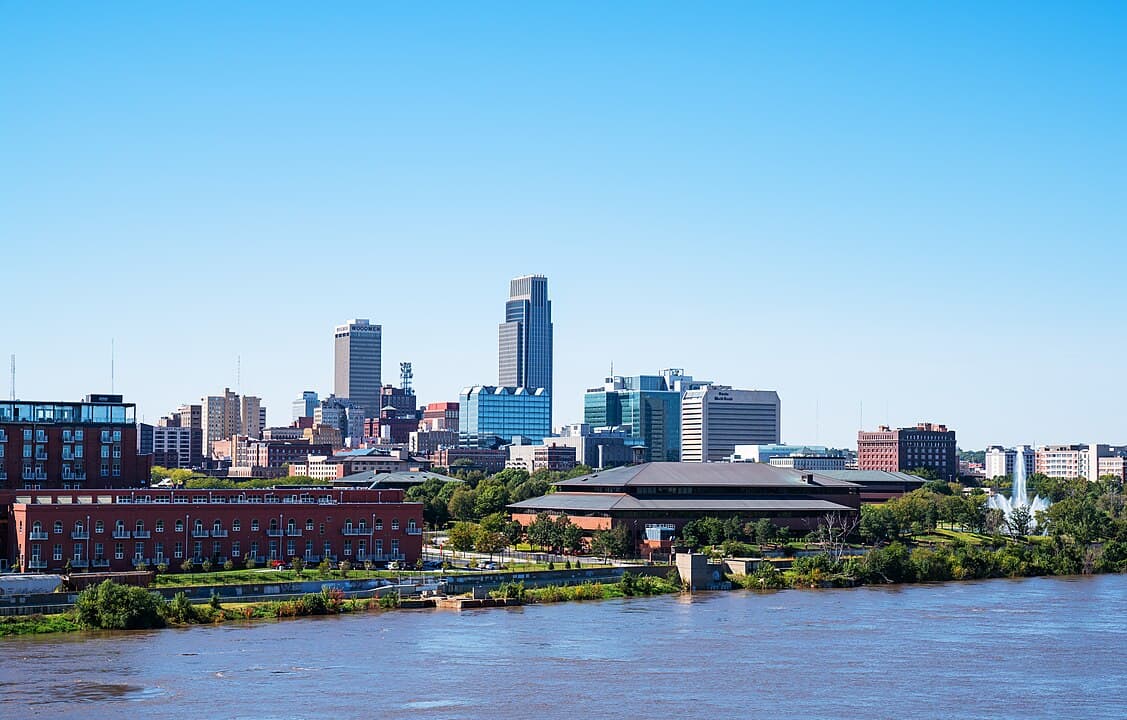
Omaha’s metro area houses around 970,000 people, yet its entertainment footprint feels small. The city has fewer than 1.5 nightlife venues per 10,000 residents, well below the national urban average. Outside select districts, streets quiet down early, and live events are limited on weekdays. Omaha’s tourism numbers remain modest, drawing under 14 million visitors annually, most of whom are short-stay travelers. Its flat landscape and low density reduce visual drama, and while dining is a highlight, the absence of late-night culture keeps the “boring” label alive.
5. San Jose, California
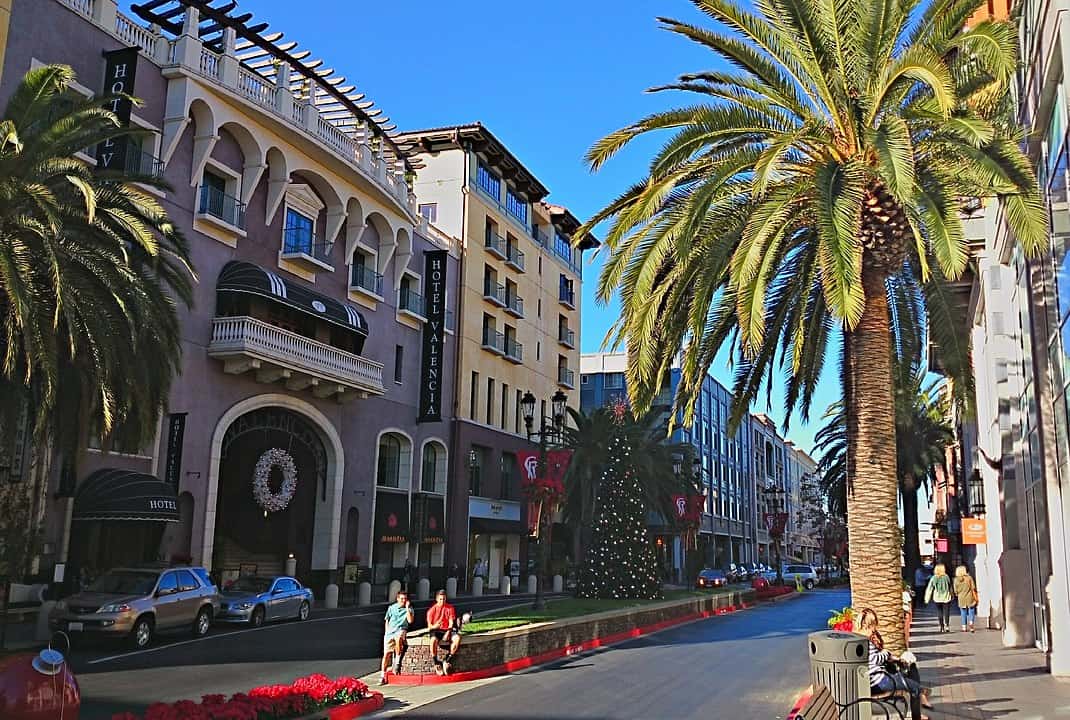
Despite being the third-largest city in California with over 1 million residents, San Jose is often called surprisingly dull. More than 35% of its workforce is employed in tech, contributing to a work-centric lifestyle. Bars and music venues are sparse relative to population size, and the city ranks near the bottom among large U.S. cities for nightlife establishments per square mile. High housing costs push social life indoors, and public spaces empty early. Compared to nearby San Francisco, which draws 26 million visitors yearly, San Jose attracts less than half that number.
6. Raleigh, North Carolina
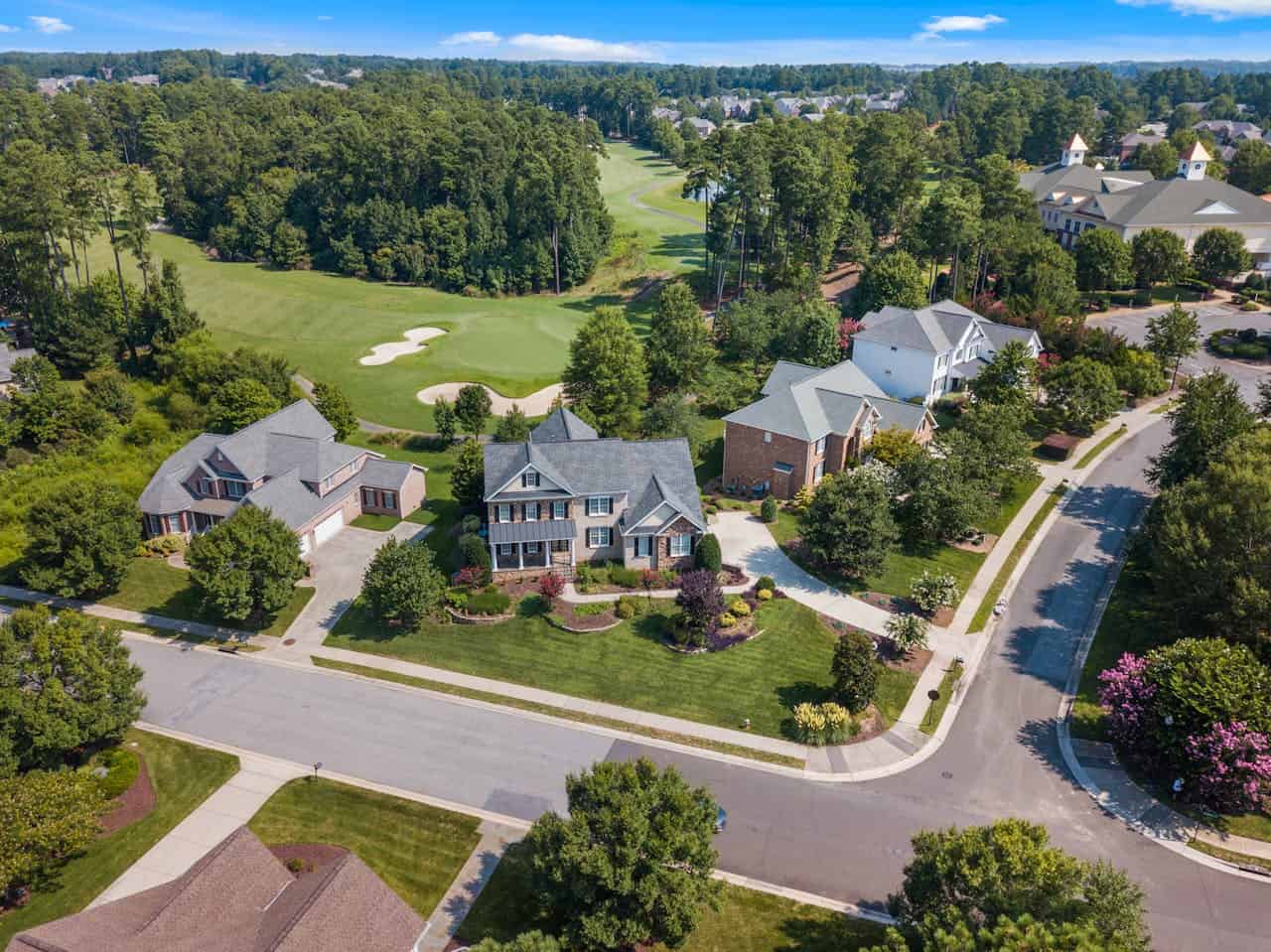
Raleigh, with a population nearing 480,000, is often seen as polished but unexciting. As part of the Research Triangle, over 40% of its workforce is tied to education, biotech, or government sectors. This creates a weekday-focused city that slows dramatically at night. Most entertainment districts close before midnight, and the city hosts fewer major annual festivals than similarly sized metros. While livability scores are high, tourism numbers remain modest at around 17 million visitors per year, reinforcing its image as a place to settle down, not let loose.
7. Hartford, Connecticut

Hartford’s population of roughly 121,000 masks its daytime-only energy. Known primarily as an insurance hub, nearly 70% of downtown workers commute in and leave by evening. After 6 p.m., foot traffic drops sharply, and less than 10% of restaurants remain open late. Tourist visitation is limited, hovering under 5 million annually, despite historical landmarks. Public entertainment options are sparse, and weekend activity is minimal. While rich in history, Hartford lacks the density of modern attractions needed to counter its reputation as one of America’s sleepiest cities.
8. Wichita, Kansas
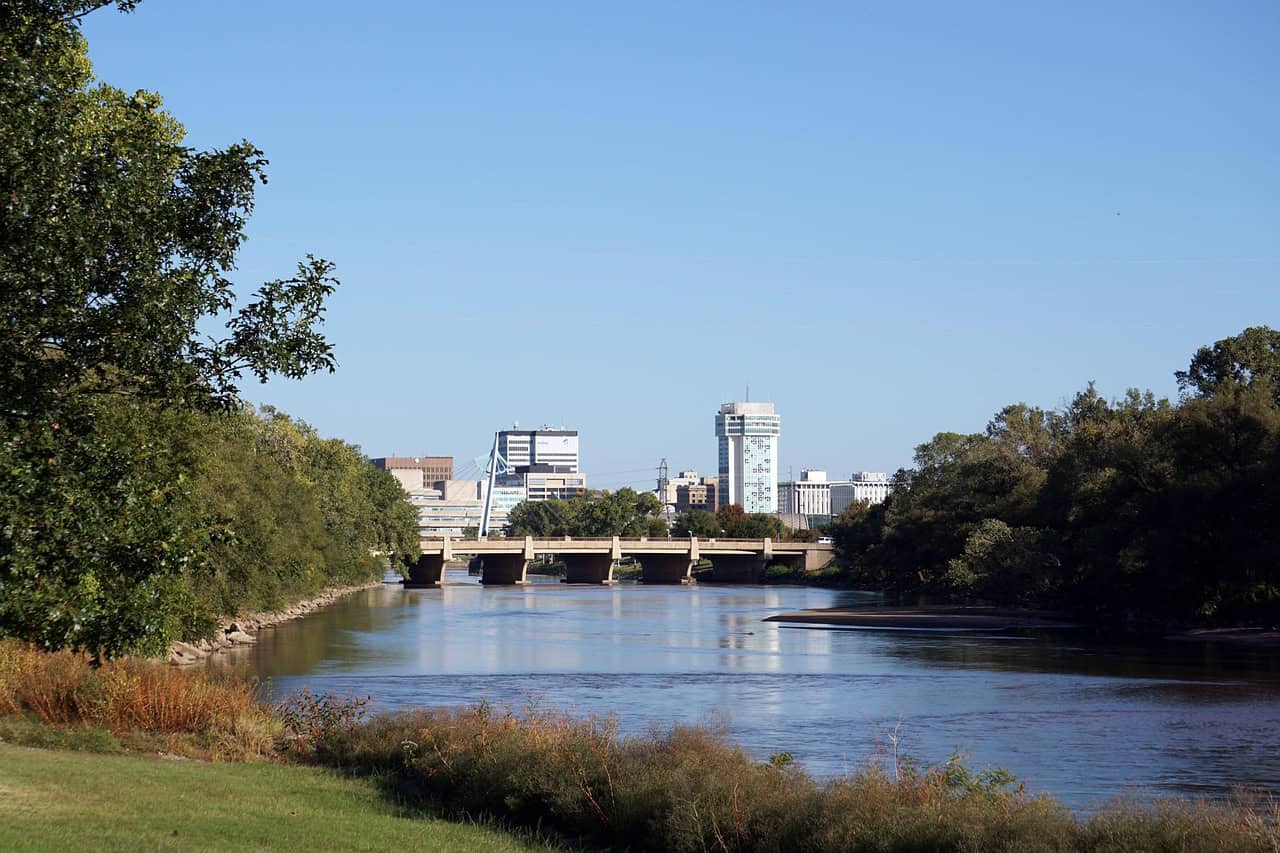
Wichita has about 395,000 residents and is frequently labeled boring due to its quiet streets and limited visitor appeal. The city records fewer than 2 major cultural events per month on average, and nightlife venues are widely dispersed. Manufacturing and aviation employ a significant share of the workforce, contributing to early schedules and low late-night demand. Tourism numbers remain under 10 million annually, modest for a city its size. Flat terrain, limited transit use, and a subdued downtown atmosphere reinforce the perception of a city built for work, not wandering.
9. Fresno, California
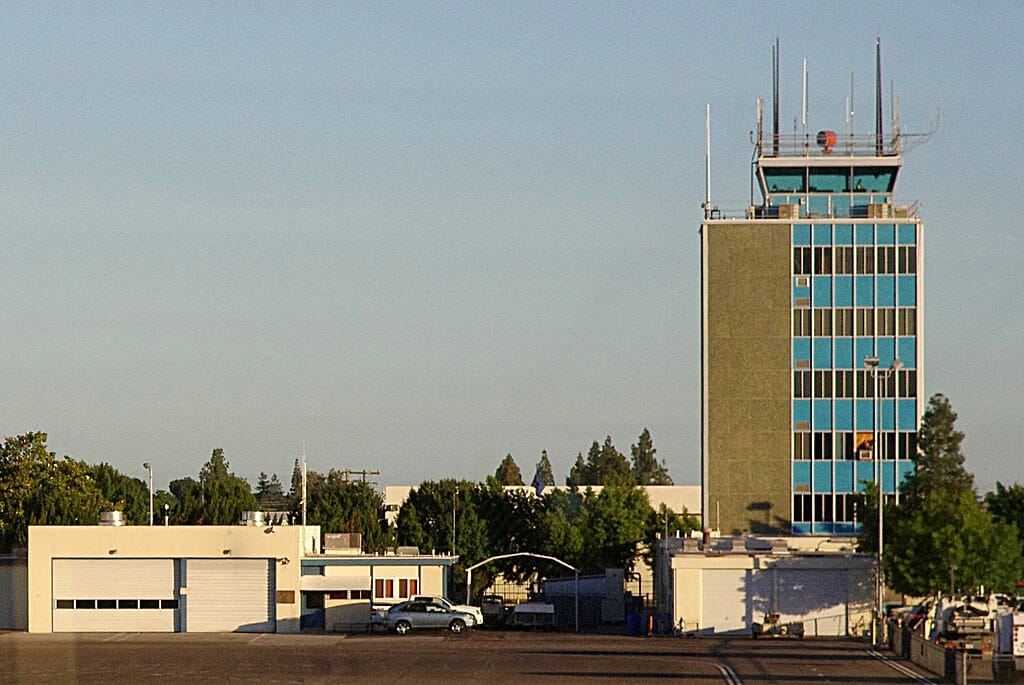
Fresno’s population exceeds 540,000, yet it’s often overlooked and dismissed as dull. Extreme summer temperatures regularly exceed 100°F, discouraging outdoor activity for nearly four months a year. While it serves as a gateway to national parks, fewer than 20% of visitors stay overnight. Downtown development has lagged, and nightlife density is among the lowest in California for major cities. Agriculture dominates the economy, shaping a practical, early-rising culture. Despite its size, Fresno struggles to create the vibrant urban pockets that change first impressions.
10. Springfield, Illinois
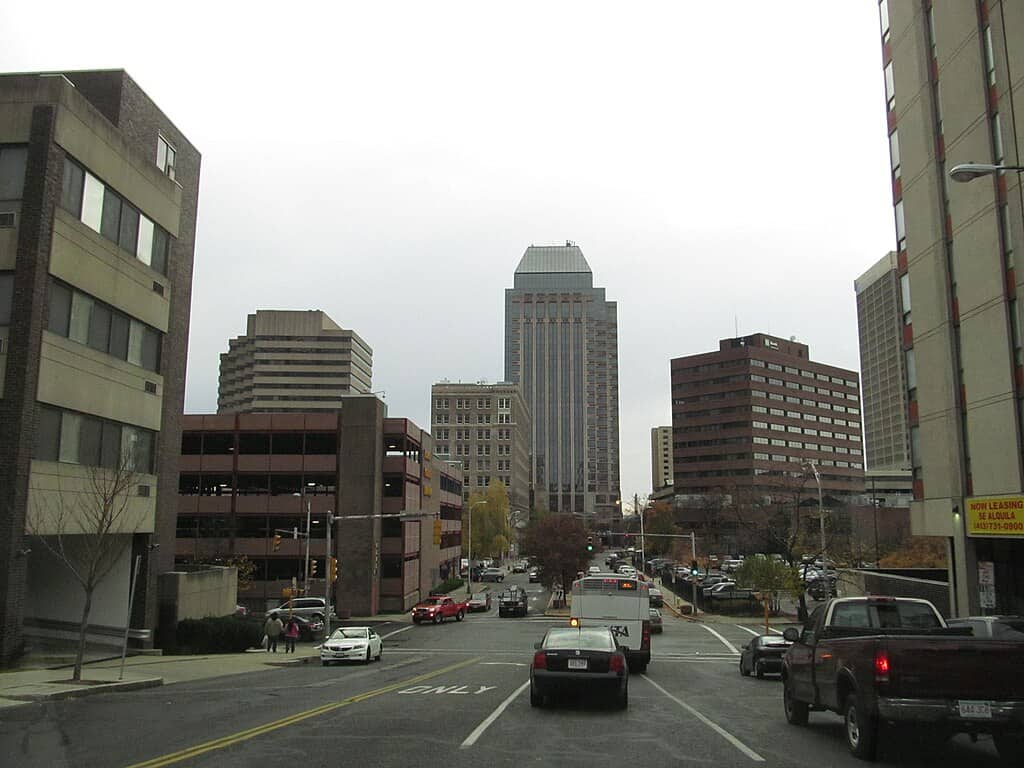
Springfield, home to about 114,000 people, is heavily defined by its Abraham Lincoln legacy. While historic sites attract roughly 3 million visitors annually, engagement drops sharply beyond museums and monuments. The city has limited modern attractions, and nightlife options are few, with most establishments closing by 11 p.m. Government employment dominates, leading to predictable routines and quiet weekends. Public transportation usage remains under 2%, reducing spontaneous movement. Once the historical checklist is complete, many visitors find little reason to stay longer, cementing Springfield’s enduring “boring” reputation.