We may earn money or products from the companies mentioned in this post. This means if you click on the link and purchase the item, I will receive a small commission at no extra cost to you ... you're just helping re-supply our family's travel fund.
In recent years, many budget or ultra‑low‑cost airlines around the world have shifted away from including a free carry-on bag in their lowest fares. What travelers once assumed was standard, bringing a cabin bag that fits overhead bins, now often comes with a separate charge. These fees can vary widely based on route, booking timing, and whether you purchase them online, at check‑in, or at the gate. In some cases, the lowest advertised fees hardly ever show up in real-world bookings. Below are 10 notable budget carriers that charge for carry-on bags, with practical details and typical costs in US dollars so you can plan ahead and avoid surprises.
1) Spirit Airlines (USA)
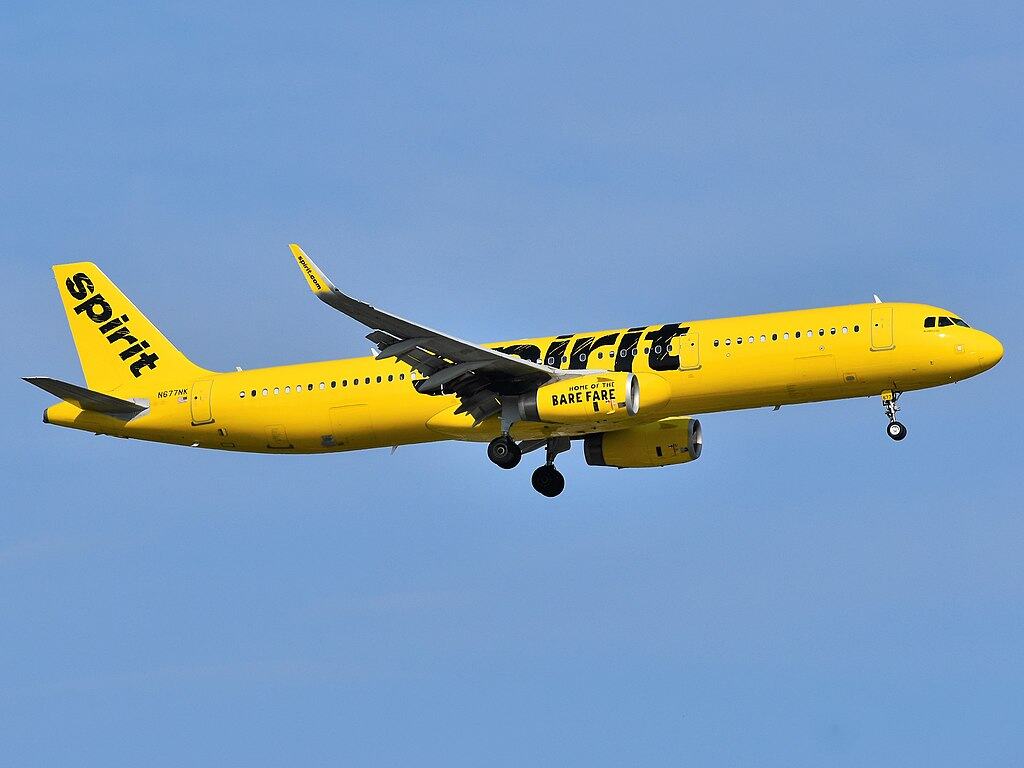
Spirit Airlines is one of the most recognized ultra‑low‑cost carriers in the United States. Its philosophy is to offer very low base fares while unbundling almost every extra, including carry-on bags. The base ticket typically includes only a small personal item (like a backpack or laptop bag), and any standard carry-on that goes in the overhead bin will cost roughly $41–$89 per flight segment when purchased in advance online. Fees rise significantly if you wait until check-in or the gate. Dimension and weight checks are strict, and gate charges can dramatically increase the price if you booked incorrectly. For many travelers, Spirit’s initial allure of cheap fares fades once all bag fees are added, so always factor in overhead baggage costs before booking.
2) Frontier Airlines (USA)
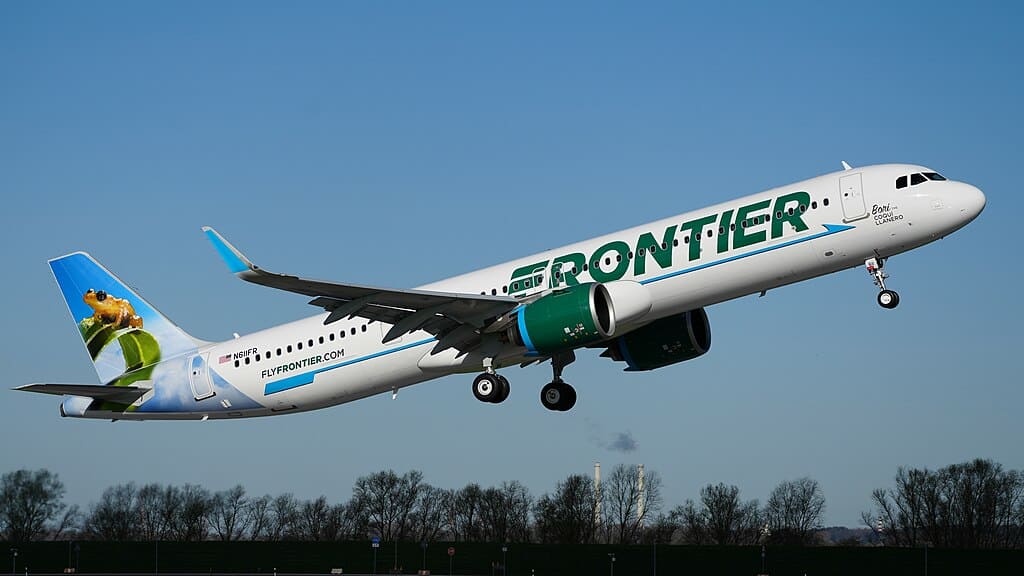
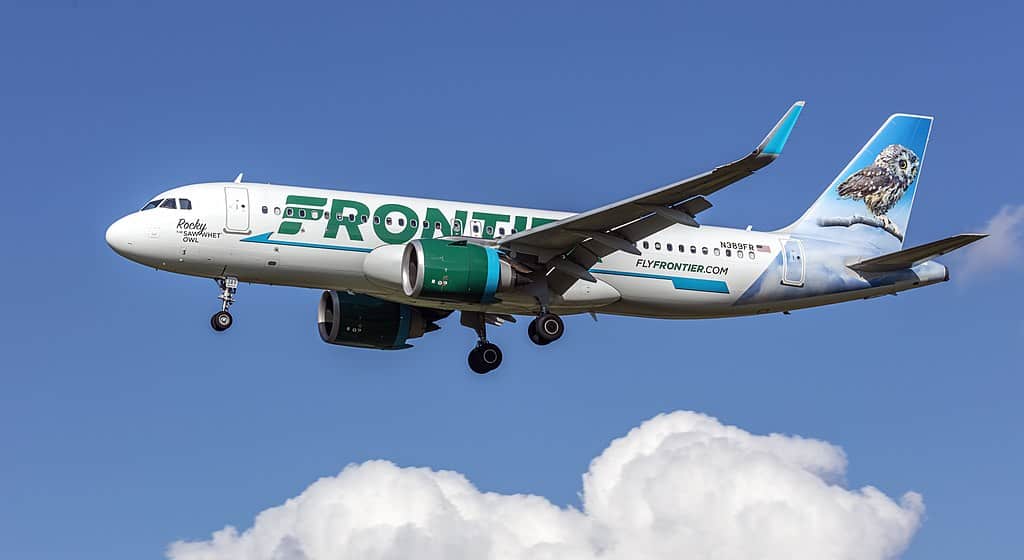
Frontier, another major American ultra‑low‑cost carrier, follows a similar model to Spirit: the lowest fare includes only a personal item, and a carry-on that fits overhead must be purchased separately. Typical fees range from about $35–$79 one way when added during advance booking, though prices jump considerably at the airport. Frontier’s size limits and definitions of a “personal item” are stricter than many travelers expect, meaning a small backpack might still count as a carry-on unless it fits very tight criteria. Frontier offers bundled fare options that can include carry-on and checked bags plus extras like seat assignment — which sometimes offer better value if you need more than just a basic ticket. Gate enforcement is known to be stringent, and travelers frequently report surprises if they haven’t pre-paid for baggage.
3) Ryanair (Europe)
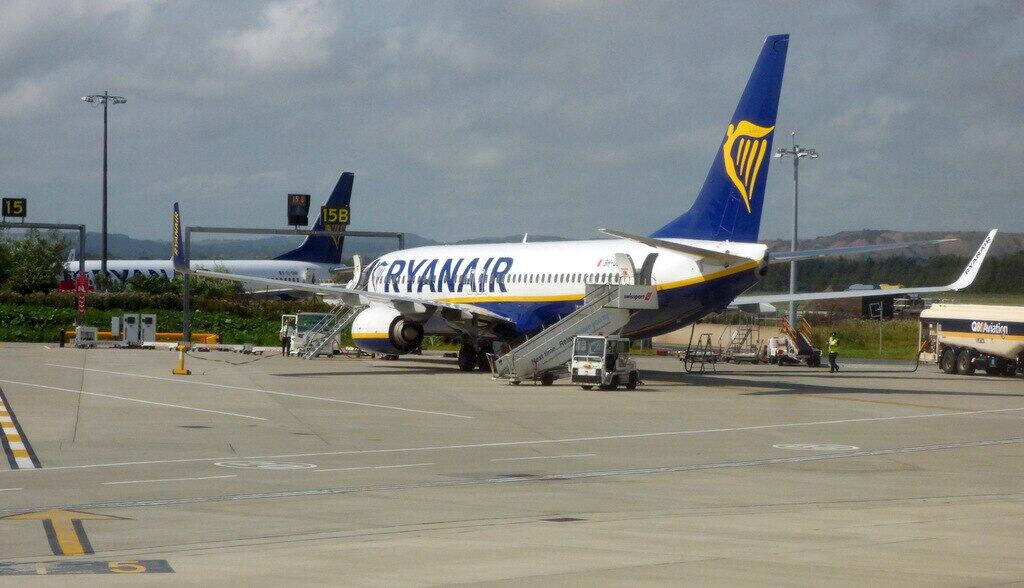
Ryanair, based in Ireland, is one of Europe’s biggest budget airlines and has famously unbundled cabin luggage from its lowest fare class. Under most Ryanair pricing structures, you’re allowed a very small under-seat bag for free, but a larger carry-on suitable for overhead bins requires an add-on. Typical costs for a standard carry-on range from about $8 to $30 USD when bought at the right stage of booking, though in practice these cheapest rates rarely appear and average prices are higher. Enforcement of size rules is rigorous, and if your bag doesn’t meet requirements at the gate, extra fees — sometimes $60 or more — can be imposed. Advance purchase of the overhead bag and priority boarding option helps reduce surprise penalties.
4) Wizz Air (Europe)
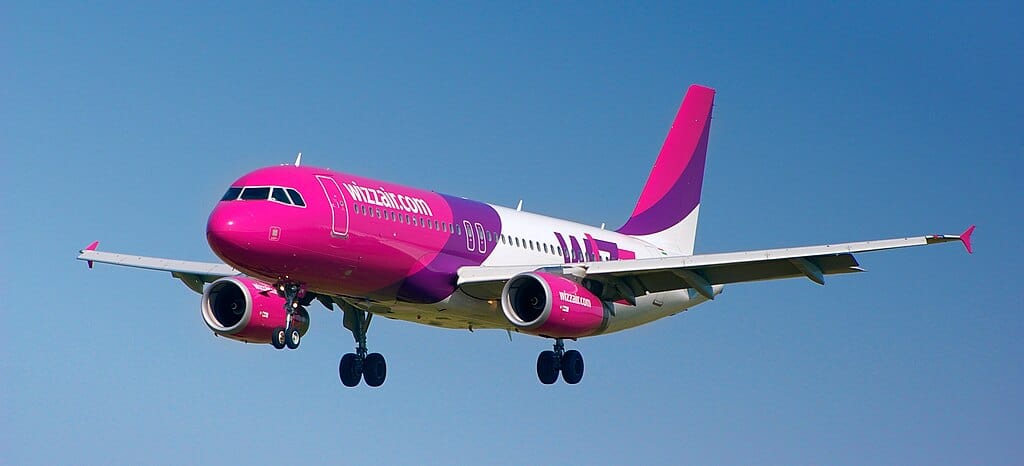
Hungary-based Wizz Air is another transformative budget airline in Europe, allowing only a small under-seat item with the most basic fare and charging for any larger cabin bag. To bring a standard overhead bag you typically need to add Wizz Priority or pay a direct carry-on fee, which can equate to about $19–$42 USD depending on route and booking timing. Even then, you must adhere to strict size limits or face penalties. Real-world price checks suggest the lowest possible fees are rarely available, with most passengers paying mid-range baggage costs. Wizz Air’s model emphasizes low initial ticket prices but substantial add-ons for everything from boarding priority to baggage, so savvy travelers often buy all extras in advance to save money.
5) easyJet (Europe)
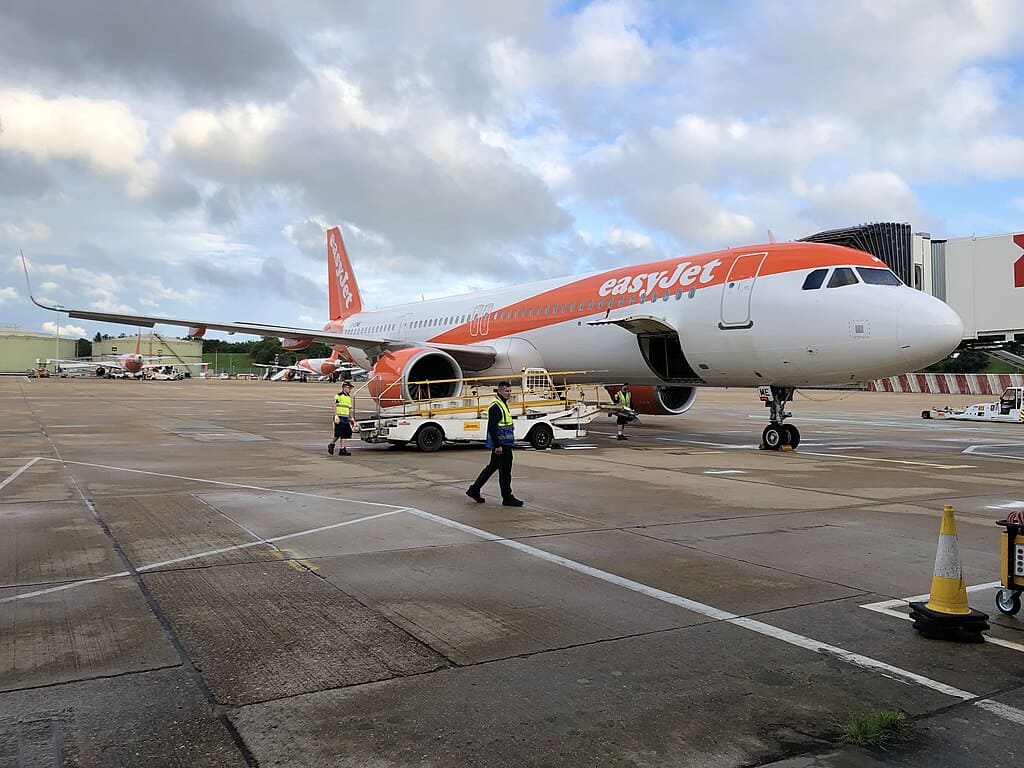
easyJet, the United Kingdom’s largest low-fare carrier, now charges separate fees for carry-on bags on many of its cheapest fares. The basic fare often only includes a very small under-seat item, with larger cabin bags requiring payment. Typical carry-on charges fluctuate with demand and route but often range near $21 USD or more on many flights, and are usually bundled with priority choices or seat options rather than sold standalone at the lowest advertised price. Consumer groups have found that the cheapest advertised rates for cabin bags are rarely available, and prices seen during booking are often significantly higher. Like other European low-cost carriers, easyJet’s gate checks and size enforcement are strict; oversize or unpaid bags at the gate can lead to high fees or forced gate check.
6) Allegiant Air (USA)
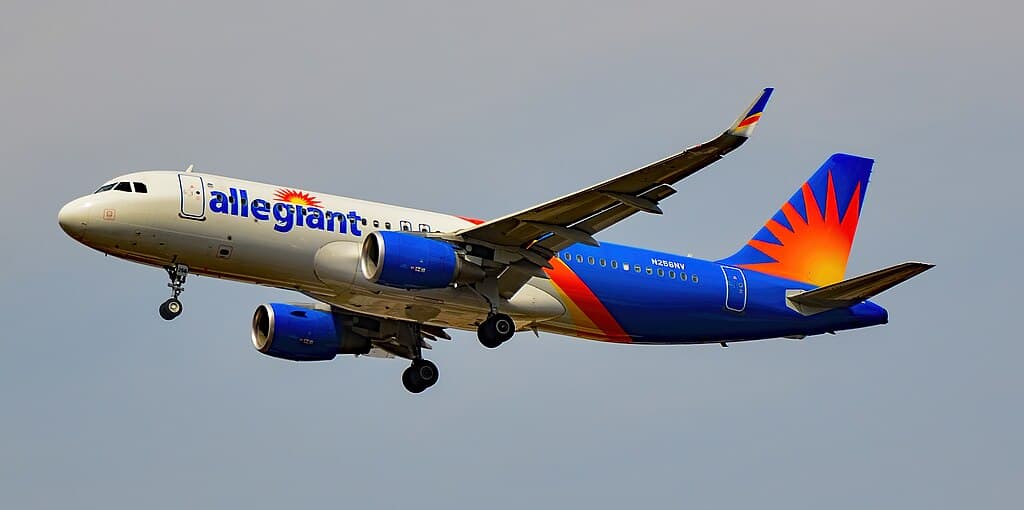
Allegiant Air operates primarily leisure routes in the United States and follows the ultra-low-cost model of separate fees for cabin baggage. With Allegiant, the base fare generally includes only a small personal item, and bringing an overhead carry-on usually starts around $10–$75 USD depending on your flight and when you add it to the booking. Fees are lowest when added during initial purchase and significantly higher at the airport. Allegiant’s route network targets secondary airports, and while its fares can look incredibly low at first glance, ancillary fees for carry-ons, seat selection, and other add-ons can add up quickly — especially if you’re traveling with a family or carrying multiple bags.
7) AirAsia (Asia-Pacific)
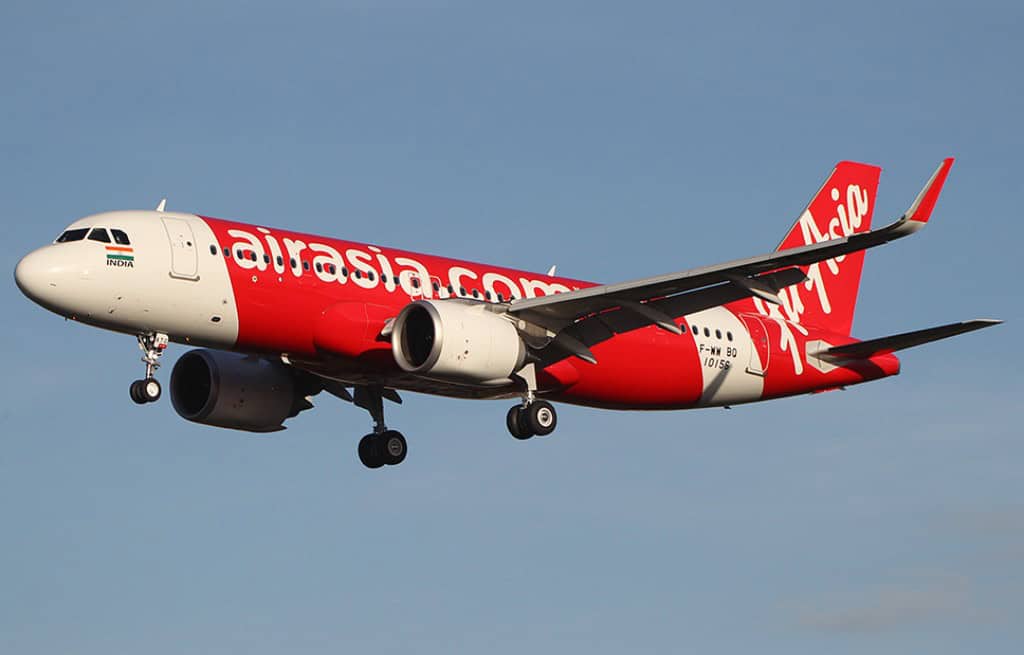
AirAsia, one of Asia’s most popular budget carriers, allows only a small personal item on its lowest fare classes and charges for any larger cabin bag. Typical fees for a standard overhead carry-on can be roughly $9–$35 USD depending on route, fare type, and timing of purchase. Asia-Pacific size and weight limits are often stricter than in North America, and exceeding those can trigger penalties. AirAsia’s dynamic pricing means that the cost of baggage can vary significantly between flights, and bundling a carry-on with a checked bag or priority option often results in savings compared to paying separately at the airport. Booking all extras in advance is generally recommended for the best prices.
8) Scoot (Asia-Pacific)
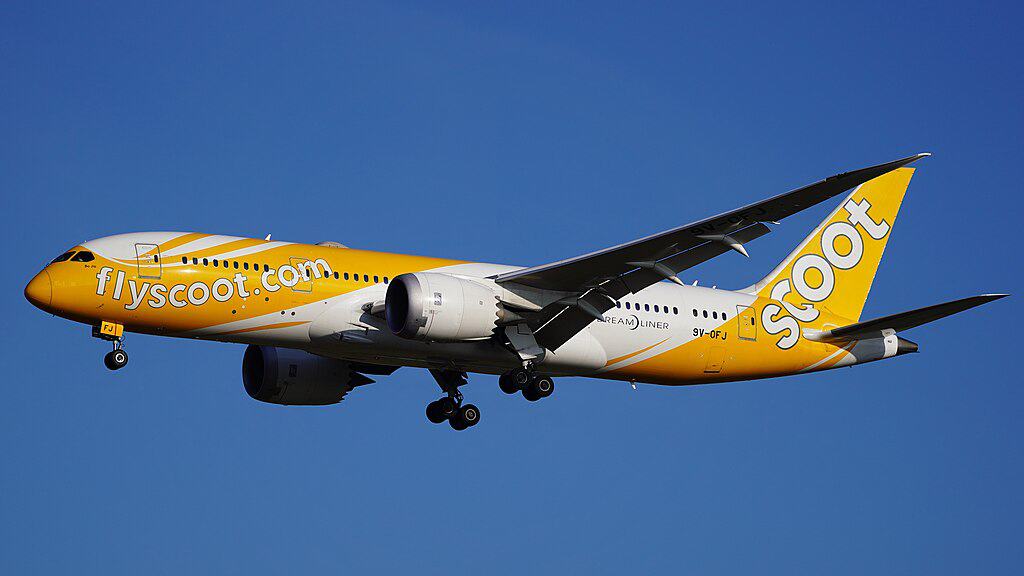
Scoot, a low-fare subsidiary of Singapore Airlines, operates medium and long-haul flights across Asia-Pacific and now charges for carry-on in its basic fare classes. With Scoot’s lowest fares, you only get a small personal item free, and a standard cabin bag can cost around $20–$60 USD depending on route and booking timing. Scoot’s weight limits for carry-ons are also tight, and failing to pre-purchase the appropriate allowance can result in steep fees at the airport, particularly on high-demand routes. Like many budget airlines, Scoot offers bundles that include both carry-on and checked luggage which can be better value if you know you’ll need more than the bare minimum.
9) Jetstar (Asia-Pacific)
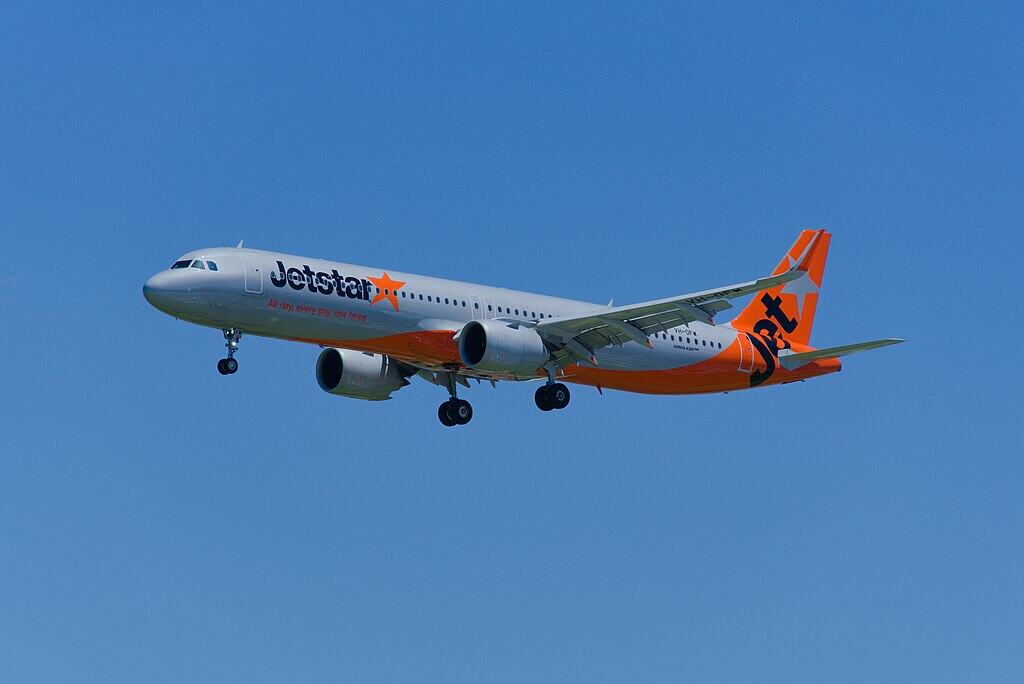
Jetstar, based in Australia and serving many Asia-Pacific destinations, has separate fees for carry-on luggage on its lowest economy fares. The basic fare typically includes only a small personal item, and adding a standard overhead bag can cost approximately $25–$45 USD depending on your itinerary and when you purchase it. Like other low-cost carriers, booking baggage early online results in the lowest prices, while airport or gate purchases can be drastically more expensive. Jetstar’s strict size and weight enforcement means that one miscalculation could lead to gate fees or forced check-in for your bag. For frequent flyers, bundled fare options including baggage and seat selection may offer better overall value.
10) Volaris (Mexico/USA)
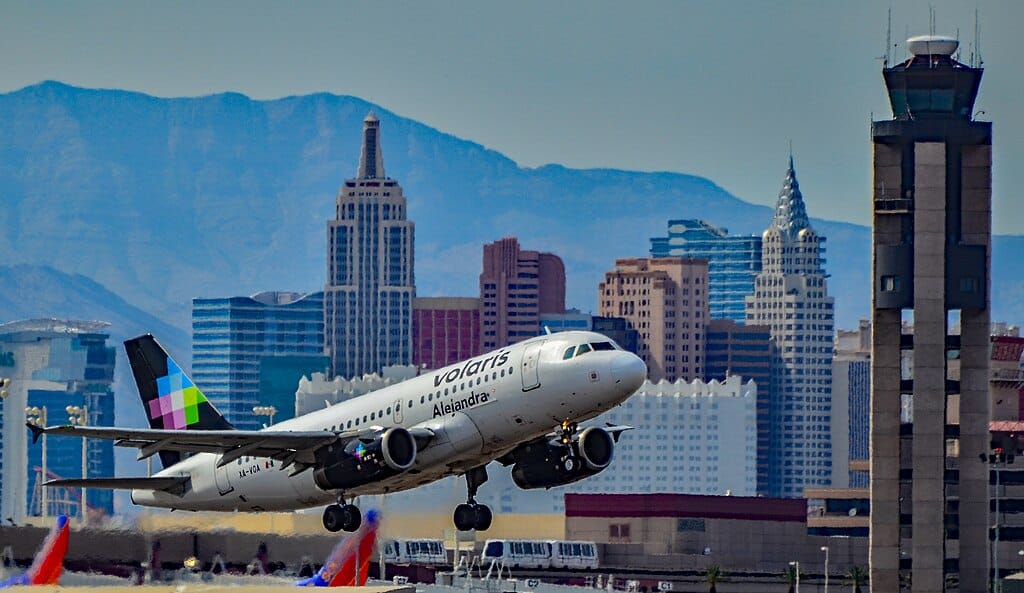
Volaris is a budget airline serving a large network between Mexico, the United States, and Central America. On its lowest fare classes you’ll usually find only a small personal item included, and overhead carry-on bags require an extra fee that often lands around $35–$40 USD when purchased ahead of time. Volaris’s baggage policies vary by route and can include weight limits that are lower than some other carriers, so you must check specifics for your flight. While Volaris’s base fares can be significantly cheaper than legacy carriers, carry-on and checked bag fees add up quickly, and smart travelers often pre-pay and measure their bags carefully to avoid expensive airport charges.