We may earn money or products from the companies mentioned in this post. This means if you click on the link and purchase the item, I will receive a small commission at no extra cost to you ... you're just helping re-supply our family's travel fund.
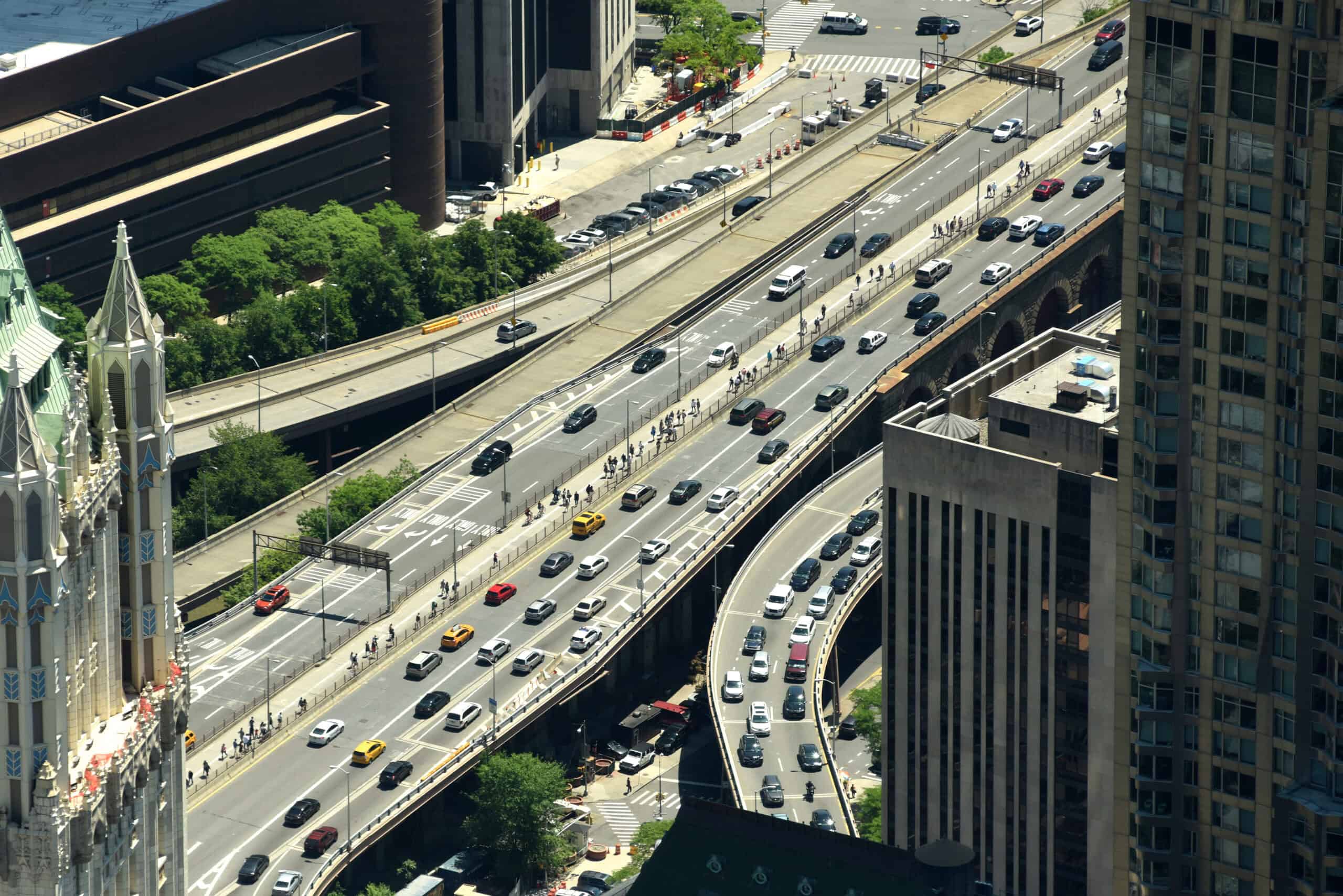
For years, boomtowns promised a clean trade: more jobs, better restaurants, livelier streets. By 2026, the bargain feels less clear. Growth waves have left many cities with rents sprinting ahead of wages, freeways that crawl all day, and parks and trailheads that feel full even on weekday mornings. These places still draw newcomers with sunshine, tech salaries, or mountain views. On the ground, though, longtime residents talk about squeezing daily life into spaces and systems that were never built for this many people.
Austin, Texas, Tech Darling With Jammed Arteries
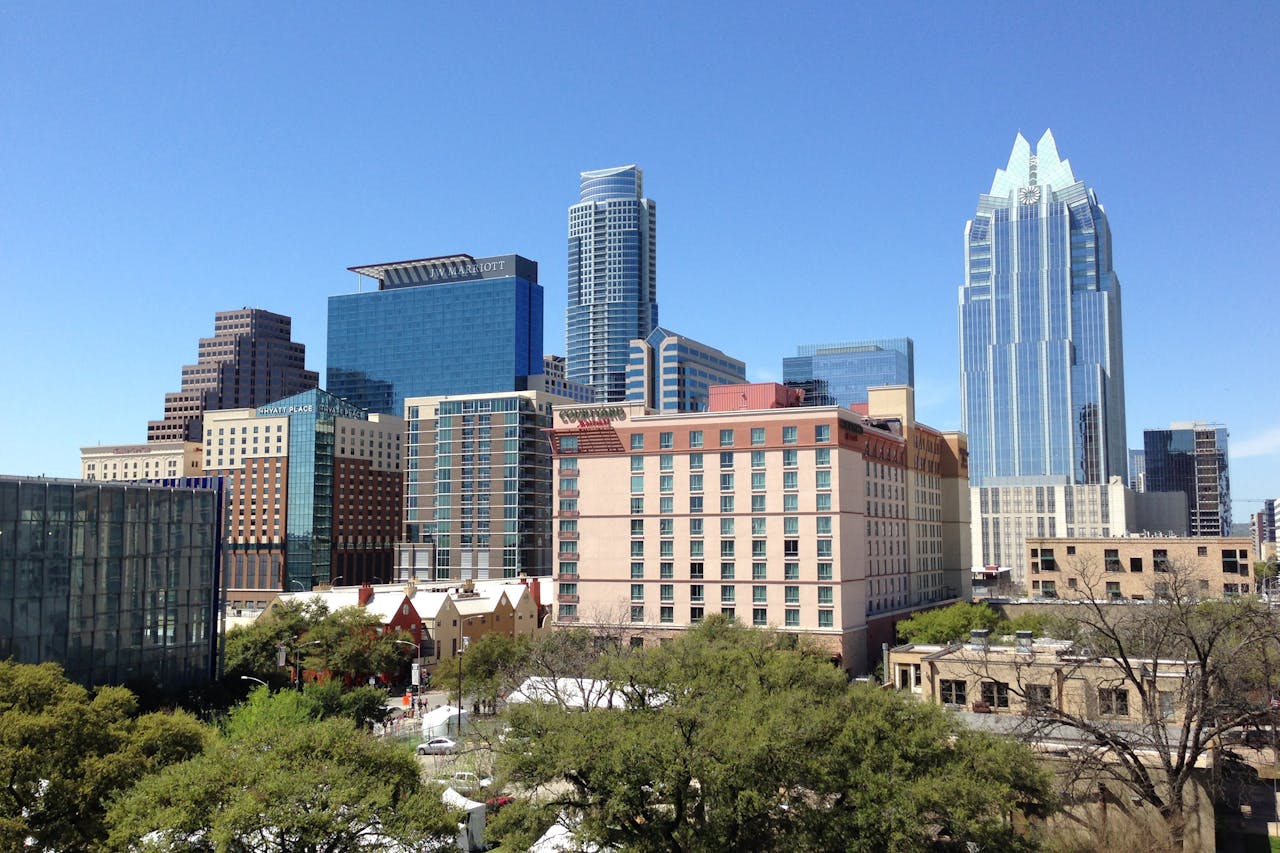
Austin still sells itself as laid-back and creative, with live music, lakes, and a thick cluster of tech jobs. Underneath that branding, the city feels like it is bursting at the seams. Neighborhoods that once housed artists and students now carry price tags that stun even mid-career professionals. Freeways clog early and stay that way, and side streets are not much better. Residents joke that every new apartment tower arrives with its own daily traffic jam, then quietly check listing prices with a sinking feeling.
Boise, Idaho, From Quiet Gem To Crowded Favorite
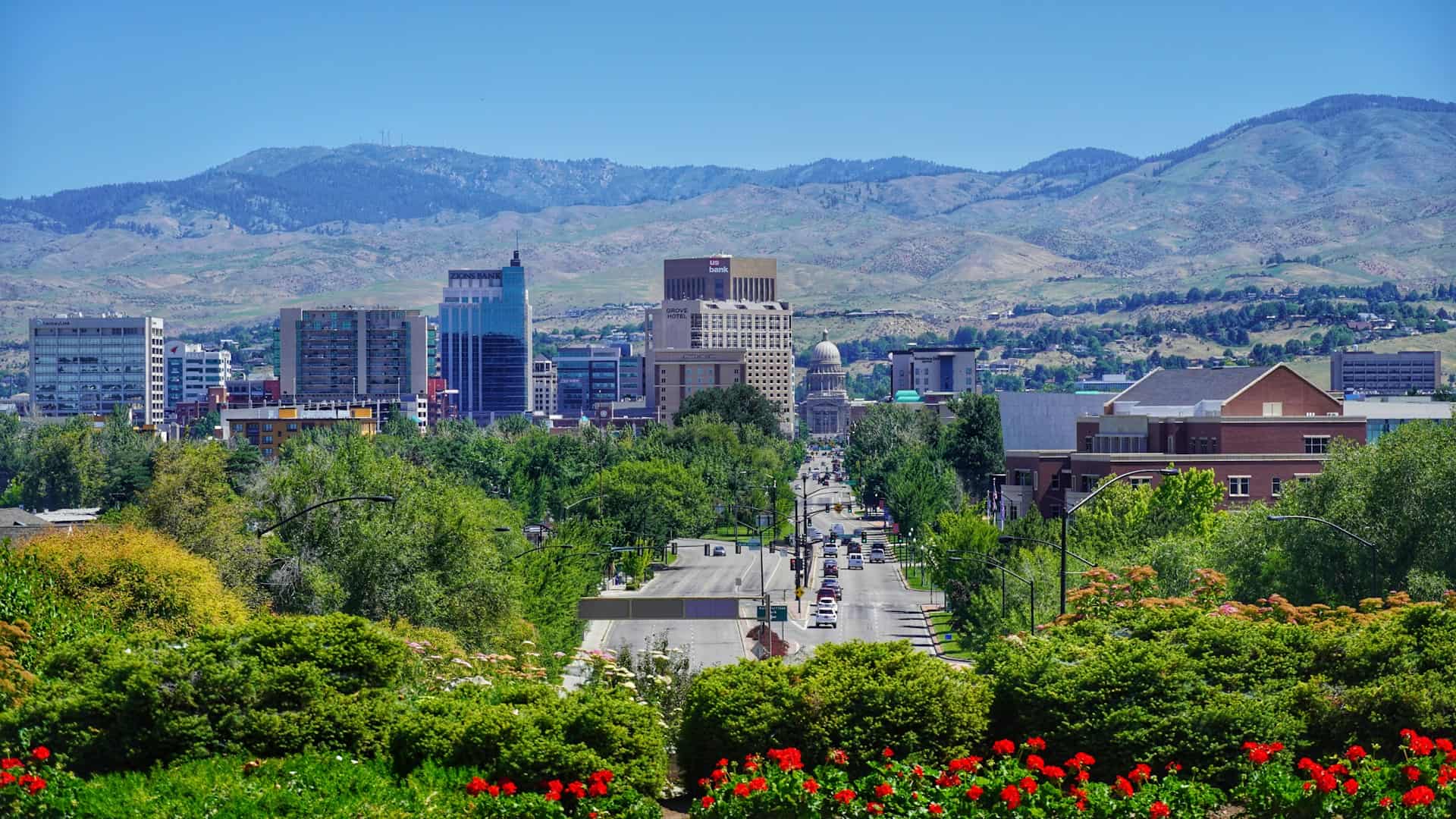
Boise spent years as a whispered favorite among outdoor-minded families and remote workers who wanted mountains without big-city chaos. The secret is gone. New subdivisions creep across former fields, and once-quiet arterials now back up at school and commute hours. Locals talk about trailhead parking lots filling before breakfast and coffee shops where lines never really stop. Housing that used to feel like a bargain now stretches young families thin. The city is still charming, but the pace and density feel very different from a decade ago.
Nashville, Tennessee, Music City Meets Housing Crunch
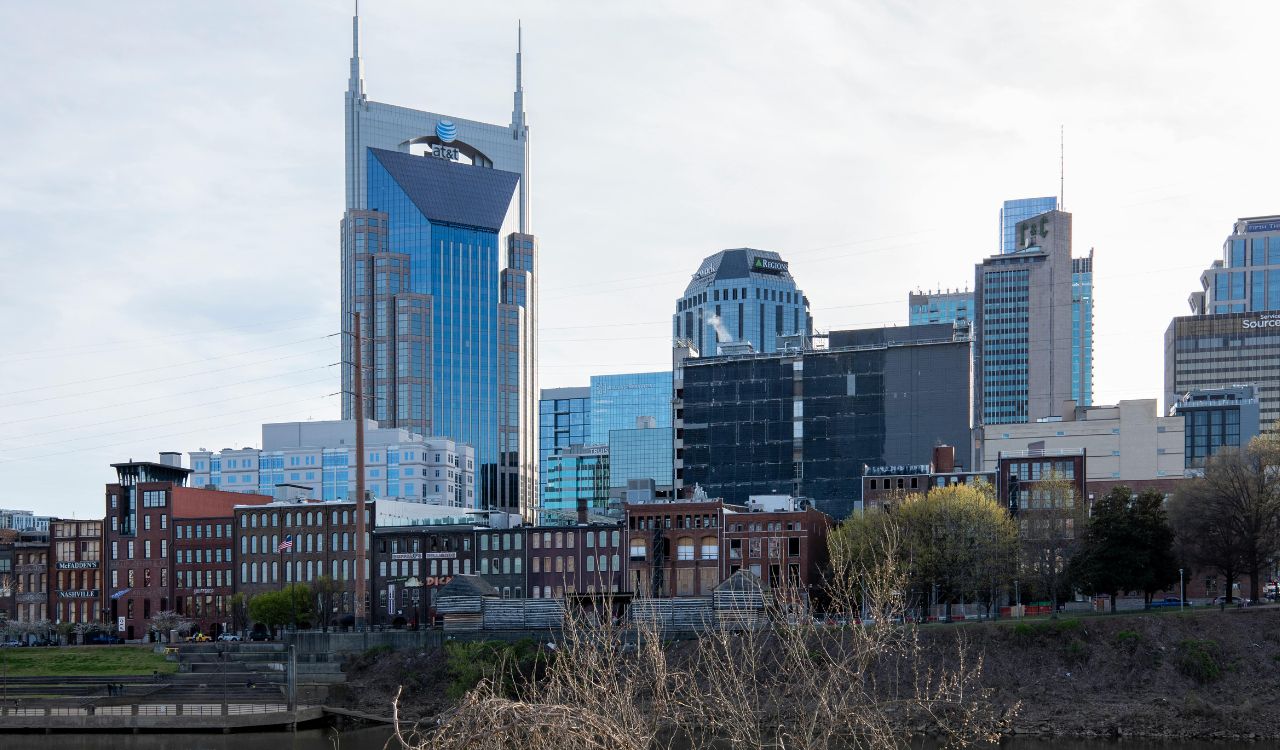
Nashville’s reputation as a place where creative work and solid corporate jobs overlap has drawn people steadily for years. The result is a city where construction cranes rarely rest and housing availability feels like a constant argument. Longtime residents find themselves outbid by investors, touring bachelorette groups crowd downtown, and commutes lengthen as everyday workers push farther out for space they can afford. The live music still hits hard, yet many who built the scene now wonder how long they can keep paying to stay close to it.
Tampa Bay, Florida, Sunbelt Magnet Hitting Its Limits
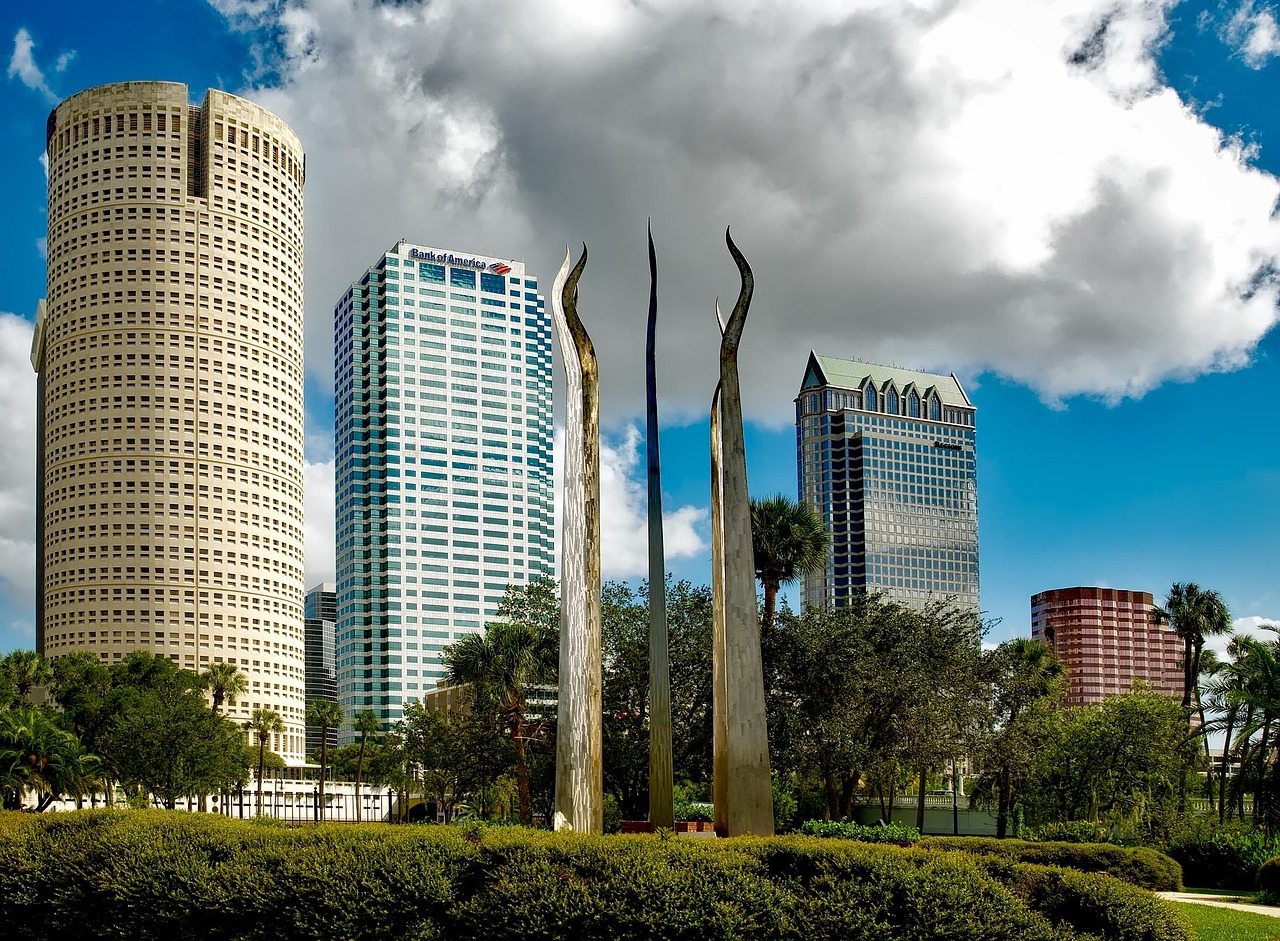
Tampa Bay drew huge migration during the pandemic years, selling warm winters, water, and no state income tax. That wave left the region grappling with an ugly equation: demand far exceeds affordable homes, and infrastructure upgrades trail behind growth. Rush hours spill well beyond traditional windows, and popular waterfront areas feel busy even on ordinary weekdays. Teachers, nurses, and service workers who keep the region running increasingly face hour-long commutes from cheaper areas inland. The postcard sunsets remain, but so does a steady, grinding sense of crowding.
Phoenix, Arizona, Desert Growth Straining Every Corridor
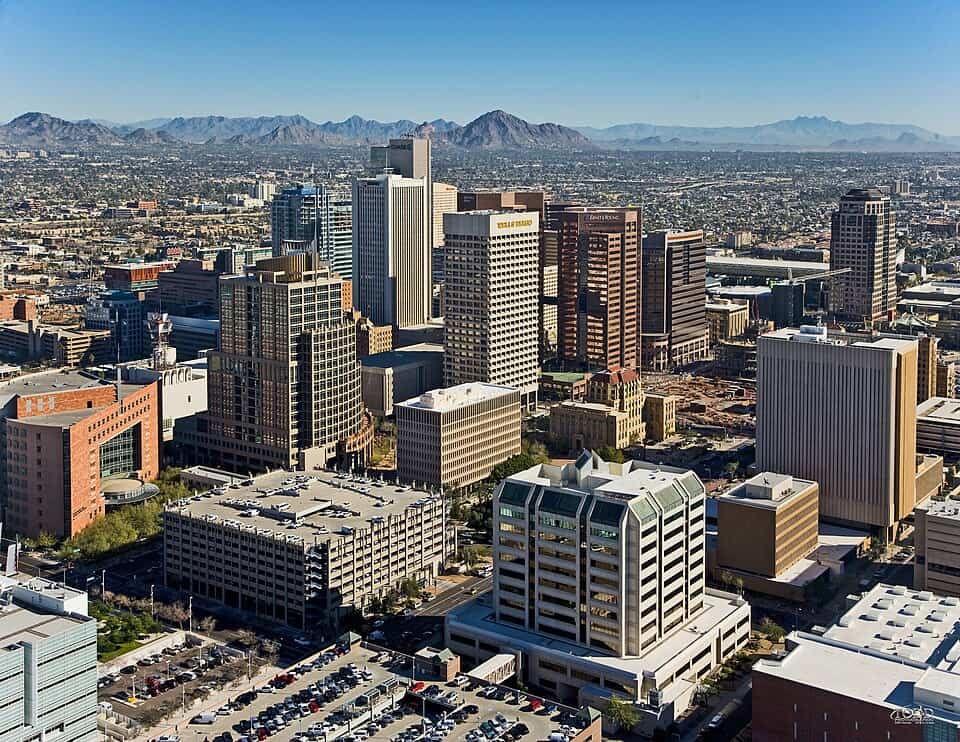
Phoenix has been adding people at a breakneck pace, stretching suburbs deeper into the desert and stacking apartments along main corridors. Wide freeways that once felt oversized now clog in multiple directions at once, and summer heat magnifies the frustration when traffic stalls. New master-planned communities rise fast, yet entry-level buyers still feel squeezed out. Trailheads post overflow parking warnings before midmorning, and air-conditioned malls double as crowd relief valves. The sky is still huge, but daily movement through the metro feels more boxed in each year.
Raleigh, North Carolina, Research Triangle Growing Pains
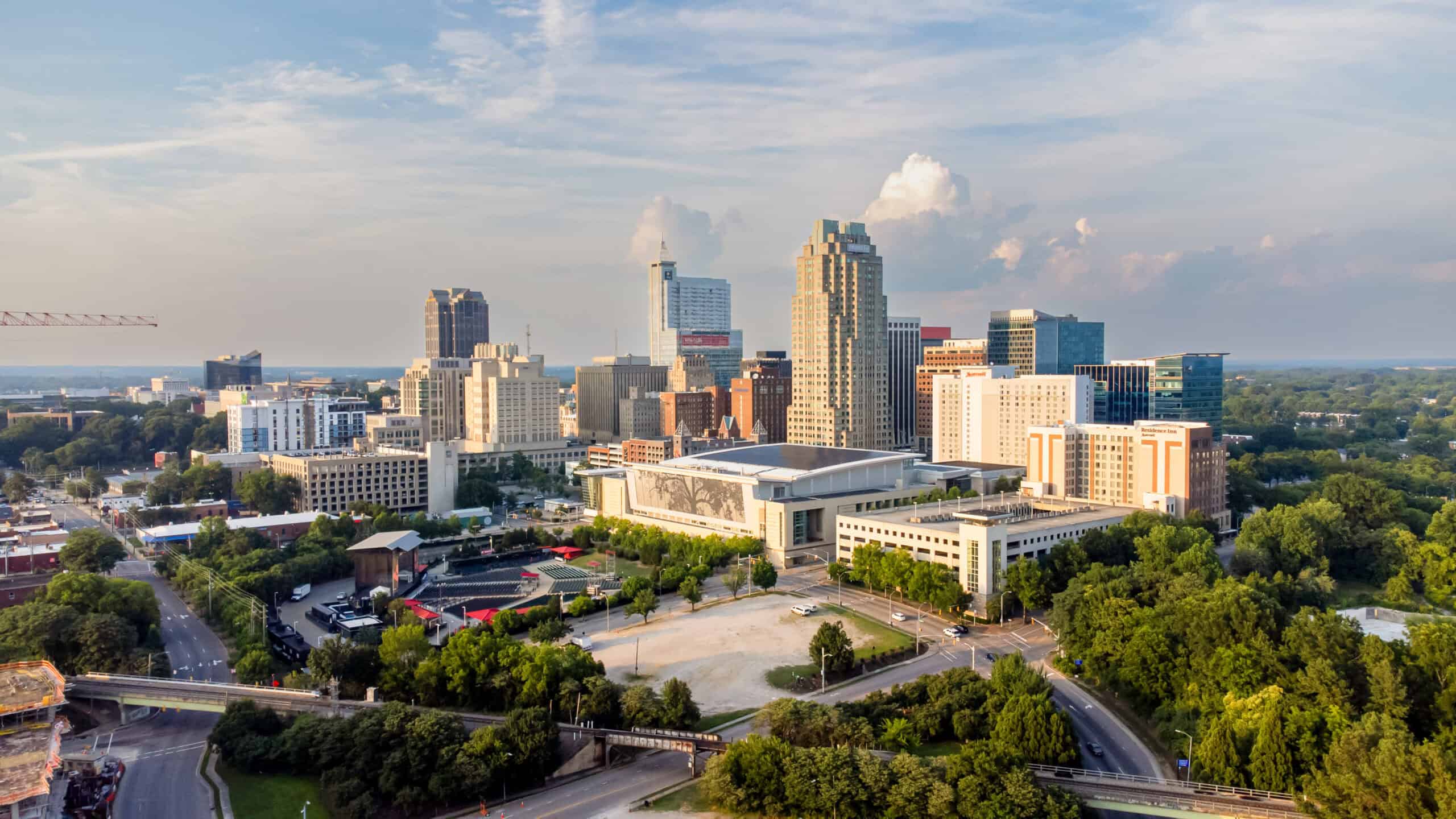
Raleigh still markets itself as a sweet spot between college-town energy and corporate stability, anchored by universities and research parks. Growth has leaned hard on that reputation. New arrivals find a city where townhomes, apartments, and office parks sprout quickly, while roads and transit try to catch up. Residents talk about once-simple drives that now require planning around rush hours and school traffic. Housing prices, while lower than some coastal markets, have jumped enough to push teachers, hospitality workers, and young families farther out than they ever expected.
Denver, Colorado, Mountain Gateway Feeling The Squeeze
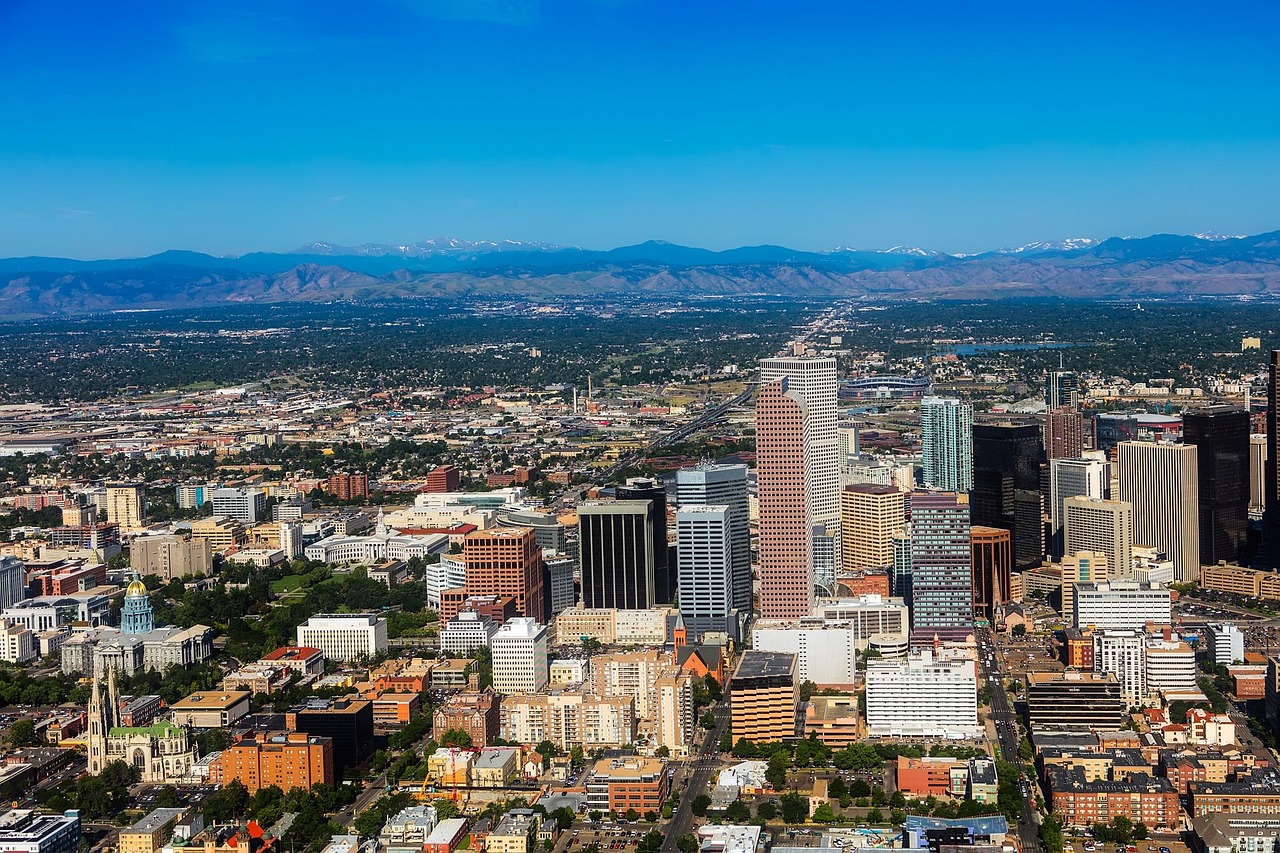
Denver rode a wave of people chasing both job prospects and fast access to the Rockies. That combination turned it into a boomtown with real strain baked in. Rents and home prices climbed to the point where many service workers and even some professionals face brutal rent-to-income ratios. Freeways toward the mountains clog early on powder days and summer weekends, and city parks now feel busy even on Tuesday evenings. The promise of work-life balance is still there, but it now comes wrapped in constant crowd management.
Las Vegas, Nevada, Fast-Growing Oasis With Packed Streets
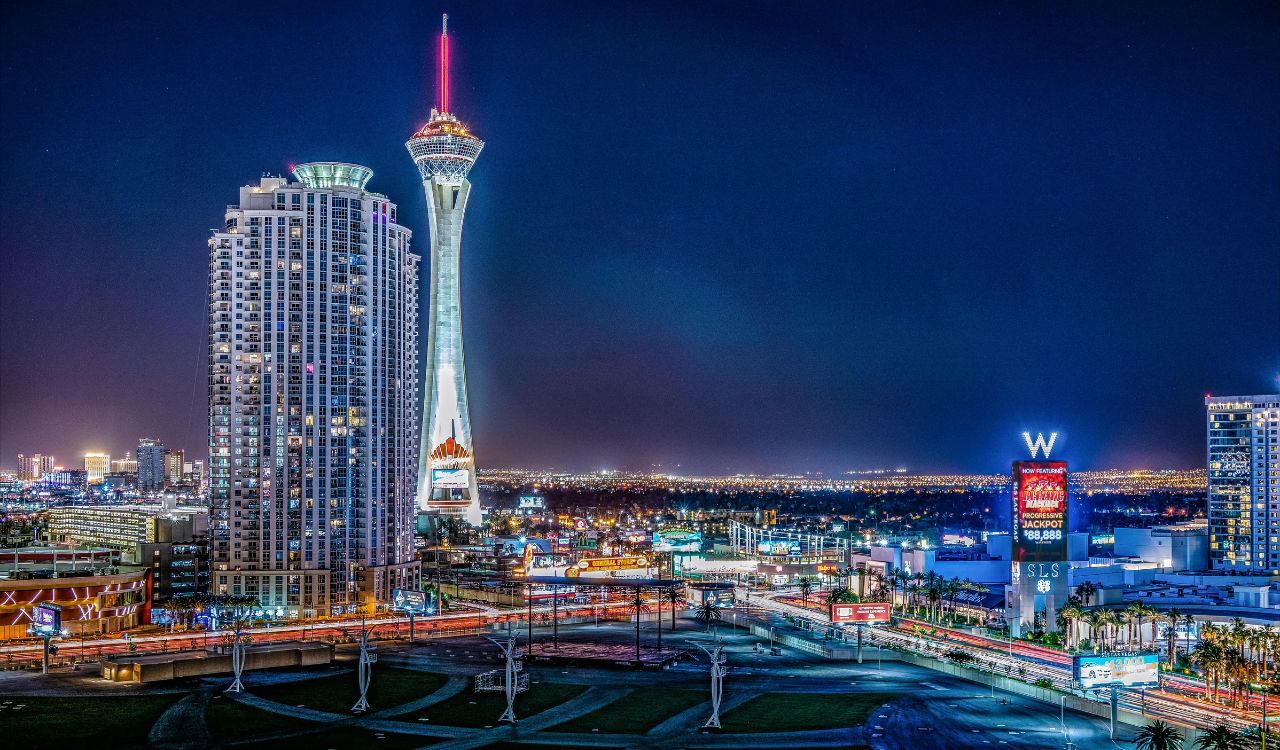
Las Vegas has quietly become a full-fledged metro, not just a tourist strip, as families and retirees move in alongside hospitality workers. Suburbs sprawl into the desert, with big-box plazas and four-lane roads tying everything together. On the ground, that means errands that once took 15 minutes can eat an hour in traffic, especially near new stadiums and entertainment districts. Housing costs have climbed, though they still look lower than coastal hubs, drawing even more newcomers. Many residents feel like they live in a city that is always slightly overbooked.
Miami, Florida, Coastal Dream With Daily Gridlock
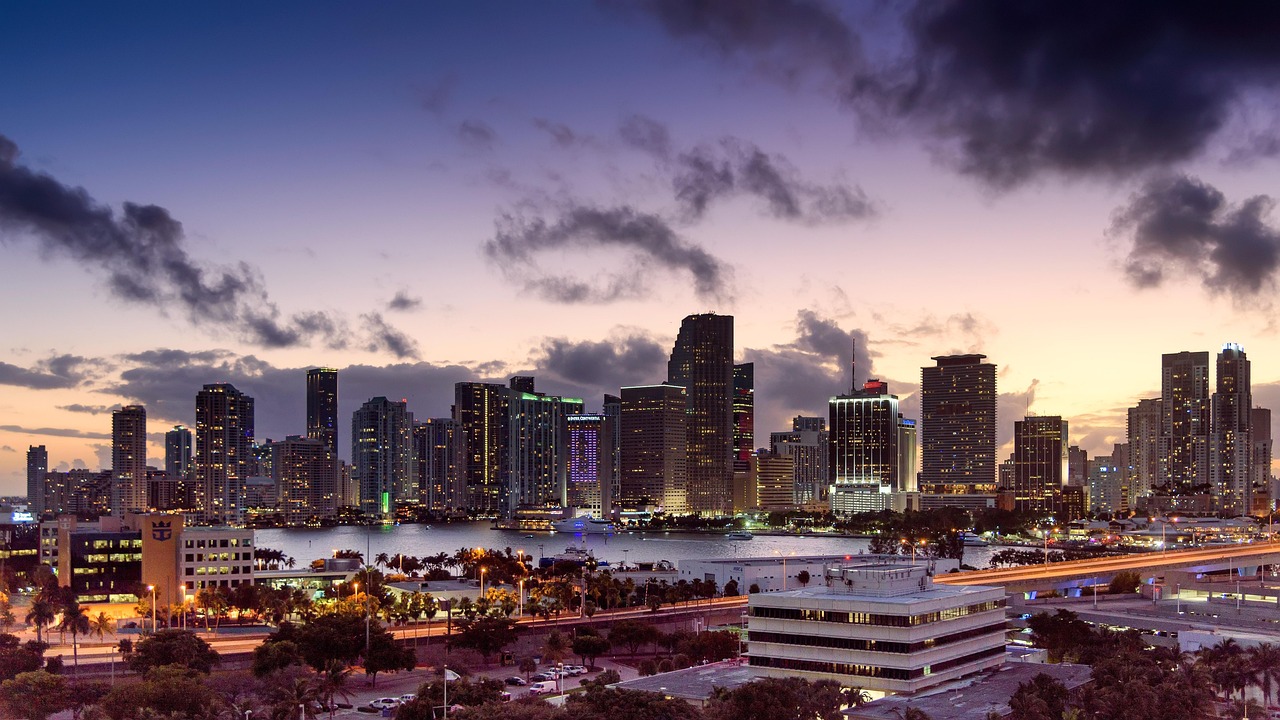
Miami’s skyline and beaches continue to pull in global money, digital nomads, and retirees chasing one more reinvention. The cost is written into daily routines. Traffic reports rank the region among the most congested in the country, and locals treat long delays as a given rather than an exception. Tower after tower rises along the water and inland, yet the supply of reasonably priced rentals and starter homes stays thin. Cafes and galleries buzz well into the night, but so does the sense that space and calm are luxuries now.
Salt Lake City, Utah, Wasatch Front Filling Every Gap

Salt Lake City and its neighboring towns along the Wasatch Front have absorbed waves of new residents drawn by outdoor access and a diversified economy. Those gains show up as crowded freeways, packed trailheads, and subdivisions sliding into once-open fields. Transit projects and dense, walkable nodes are trying to soak up growth, but many commuters still rely on cars for everyday trips. Housing costs, once a major advantage over coastal cities, have jumped enough to surprise locals. The mountains still frame the skyline beautifully, even as the valley feels increasingly full.