We may earn money or products from the companies mentioned in this post. This means if you click on the link and purchase the item, I will receive a small commission at no extra cost to you ... you're just helping re-supply our family's travel fund.
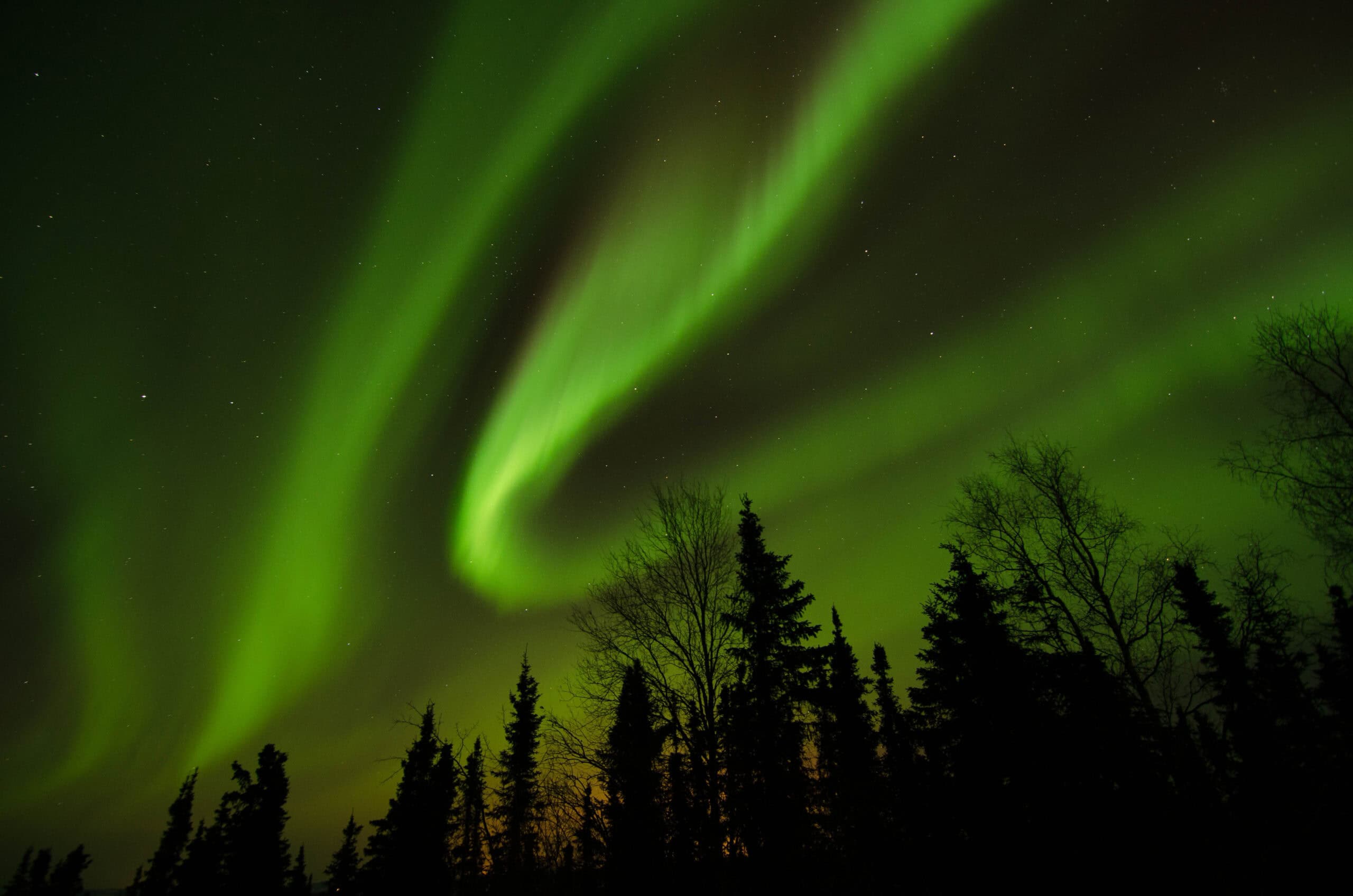
Aurora chasing is mostly logistics: darkness, clear skies, and a horizon that is not washed out by town glow. 2026 should still deliver memorable northern lights nights, even if Solar Cycle 25 is easing off its recent maximum, because strong geomagnetic storms can still flare up during the decline. The practical play is to base in high-latitude, low-light places, stay more than one night, and watch NOAA’s aurora viewline and short-term forecasts so late-evening plans are not a coin flip. These 10 U.S. spots pair latitude with real access and room to breathe.
Fairbanks, Alaska
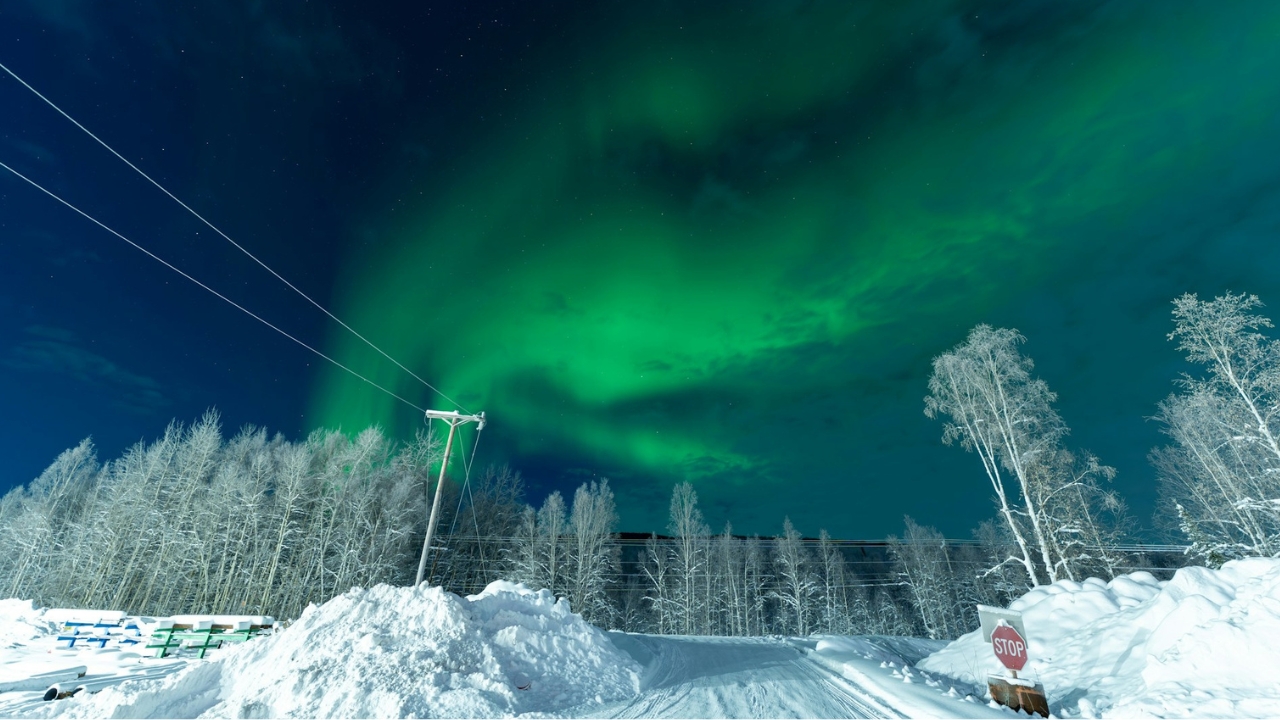
Fairbanks sits close to the auroral oval, and the city has built a whole winter rhythm around watching the sky. Clear Interior nights can be brutally cold, but they are often crisp, and the dark hours are long. A short drive gets viewers away from streetlights toward open horizons at spots like Murphy Dome or the flats near Creamer’s Field, where faint arcs show up before they would in brighter places. Local forecasts from the University of Alaska Fairbanks help set expectations, and NOAA’s viewline helps decide whether the late night is worth. When the lights brighten, the sky can pulse for an hour, go quiet, then return like a second act.
Denali National Park and Preserve, Alaska
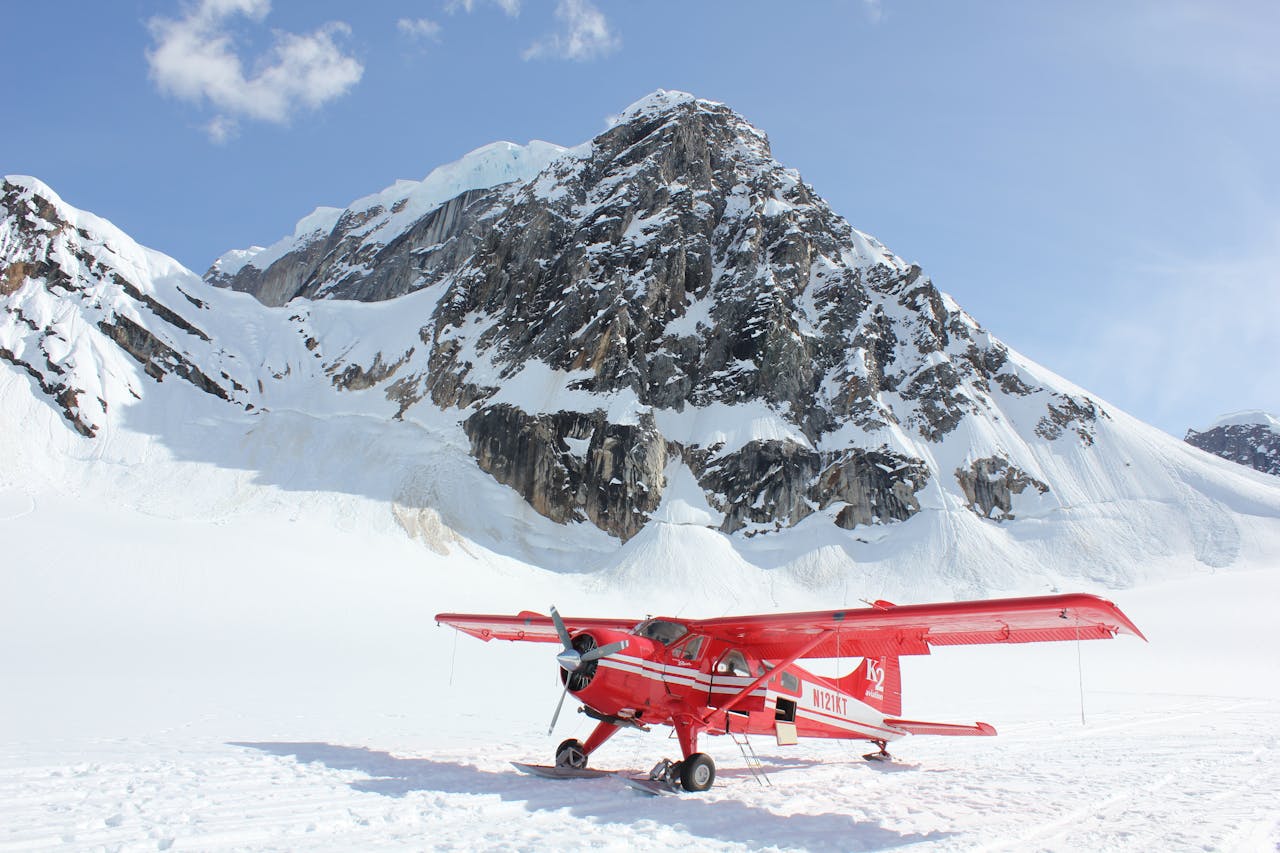
Denali adds something rare to an aurora night: huge darkness with almost no surrounding light dome. The park notes that its far northern latitude and limited light pollution make it a strong place to watch the aurora, when the sky is dark enough. Late Aug. through early spring is the sweet spot for many visits, since summer twilight can stay too bright near the June solstice. On a clear night, broad viewpoints and snowy valleys make even modest activity feel dramatic, because the horizon stays clean and the silence is real. Staying a few nights matters, since one clear break in the weather can deliver the whole trip’s best sky.
Coldfoot and the Dalton Highway, Alaska
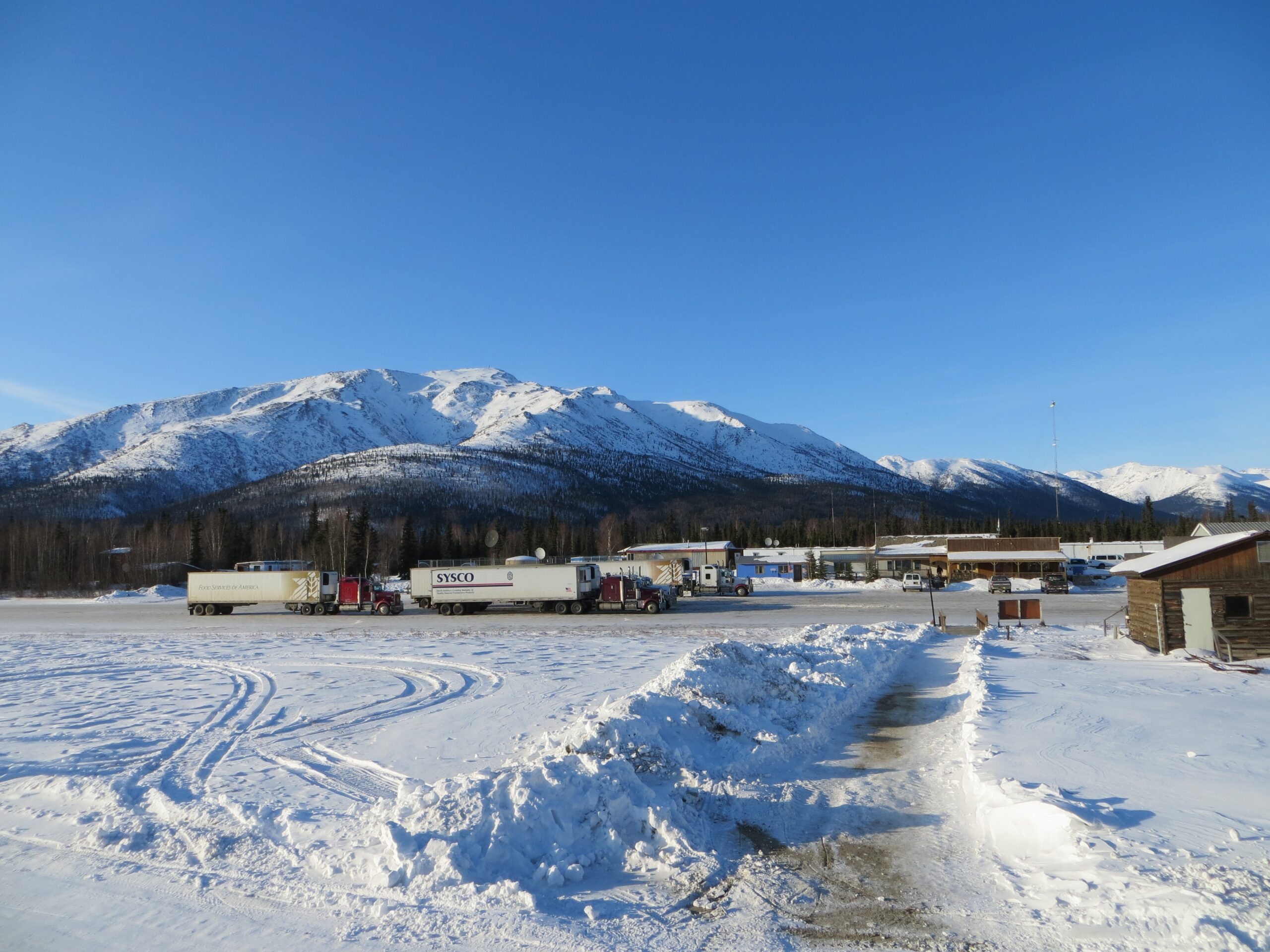
Coldfoot and the Dalton Highway turn northern lights viewing into a straight-line escape from light pollution. The route pushes north toward the Arctic Circle, with pullouts that let cameras work without parking-lot glare. It is not a casual evening drive, and weather can shut plans down fast, but the setting is perfect when it opens up: black road, white landscape, and a sky that can switch on in moving bands. The best nights come from flexibility, warm gear, and a willingness to wait through quiet stretches until the next burst arrives. With services sparse, fuel and food are planned early, then the darkness becomes the main asset.
Utqiaġvik, Alaska
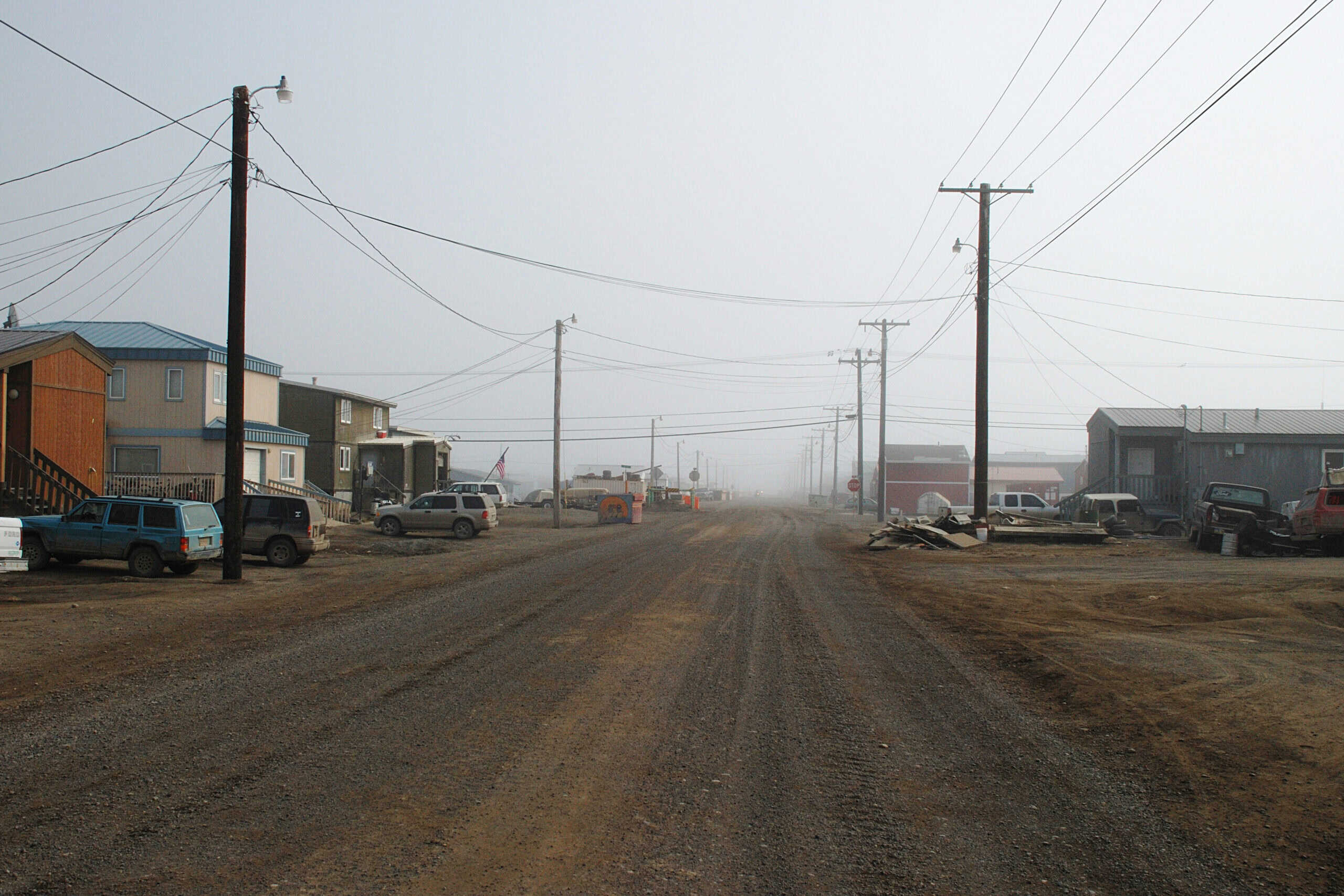
Utqiaġvik sits at the top edge of Alaska, where winter darkness stretches long and the horizon feels endless. Light pollution is limited, and when geomagnetic activity is strong, aurora can cover large sections of sky with little competition from city glow. The challenge is not the show, it is the weather: clouds, wind, and extreme cold can erase visibility for days. When a clear window opens, the reward is clean Arctic sky over sea ice and tundra, with bands that can feel startlingly close. Moonless nights help for subtle color, but bright storms can overpower moonlight anyway, turning the whole sky into moving texture.
Glacier Bay National Park and Preserve, Alaska
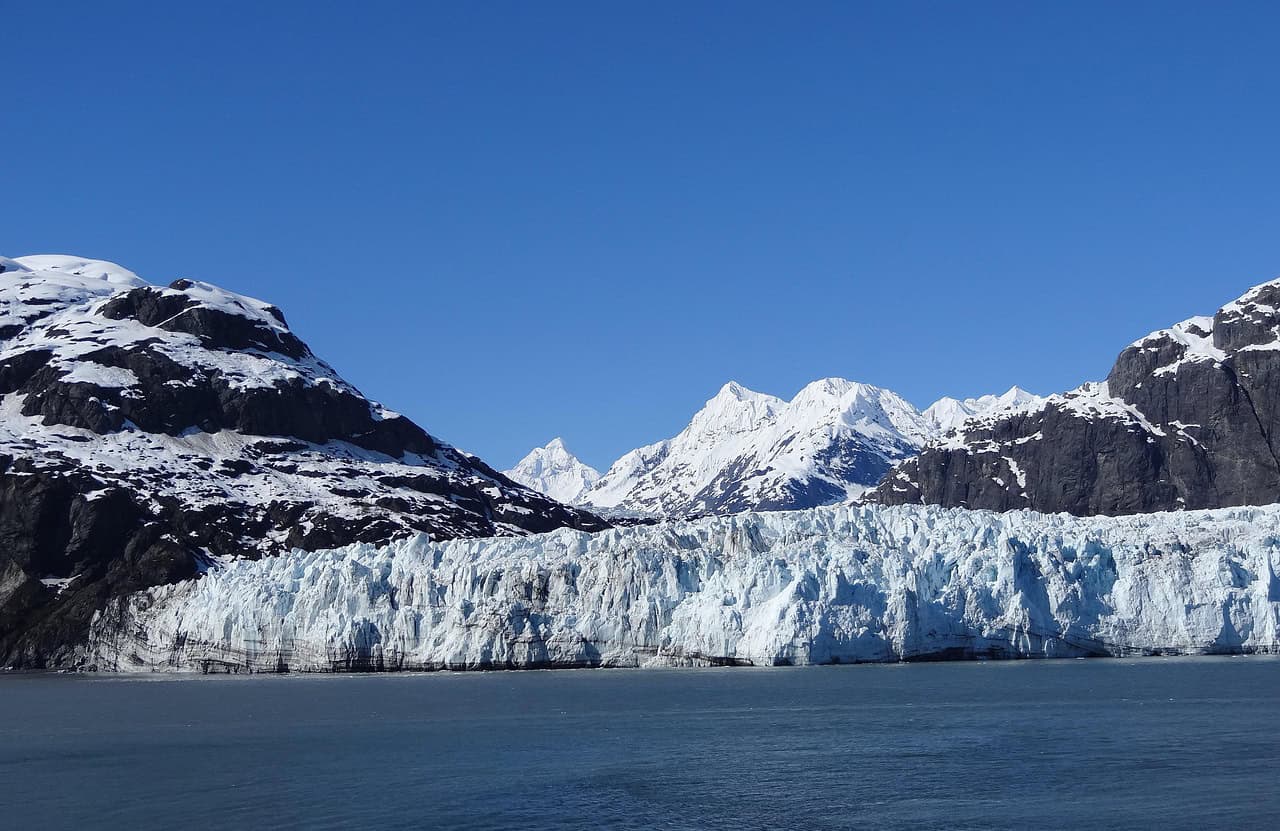
Glacier Bay pairs aurora potential with a coastal stage that makes the light feel doubled. Dark water, steep mountains, and snow or ice can reflect green glow back into the bay, turning one display into two layers of color. The park is lightly developed, so artificial light stays low around the lodge area and shoreline. Coastal clouds are the main obstacle, so success often comes from staying several nights and moving quickly when forecasts and skies finally align. A single clear evening can feel unreal, especially when calm water holds reflections steady and the mountains frame the glow like a theater set.
Voyageurs National Park, Minnesota
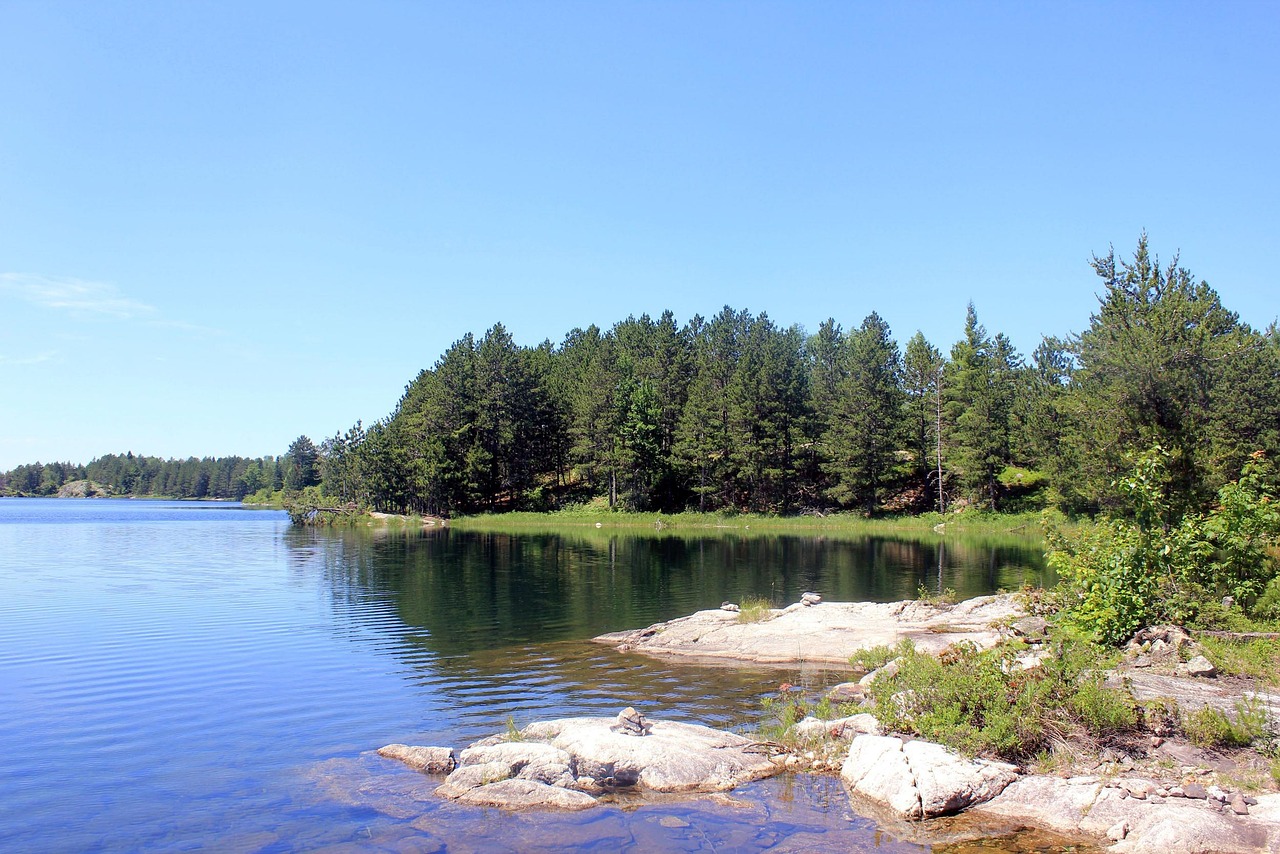
Voyageurs is a northern border park made for night watching, because its lakes open wide horizons and nearby towns are small. The park notes that aurora visibility depends on solar activity and dark, clear skies, and Voyageurs can deliver both when a storm pushes the oval south. From a quiet shoreline or an island campsite, the north sky can stay dark enough for faint curtains to register, especially in fall and winter when nights are long. Calm water adds a bonus: reflections that make the aurora look richer than the forecast suggested. Even on weak nights, the stars keep the wait worthwhile, and the silence feels like part of the deal.
Boundary Waters Canoe Area Wilderness, Minnesota
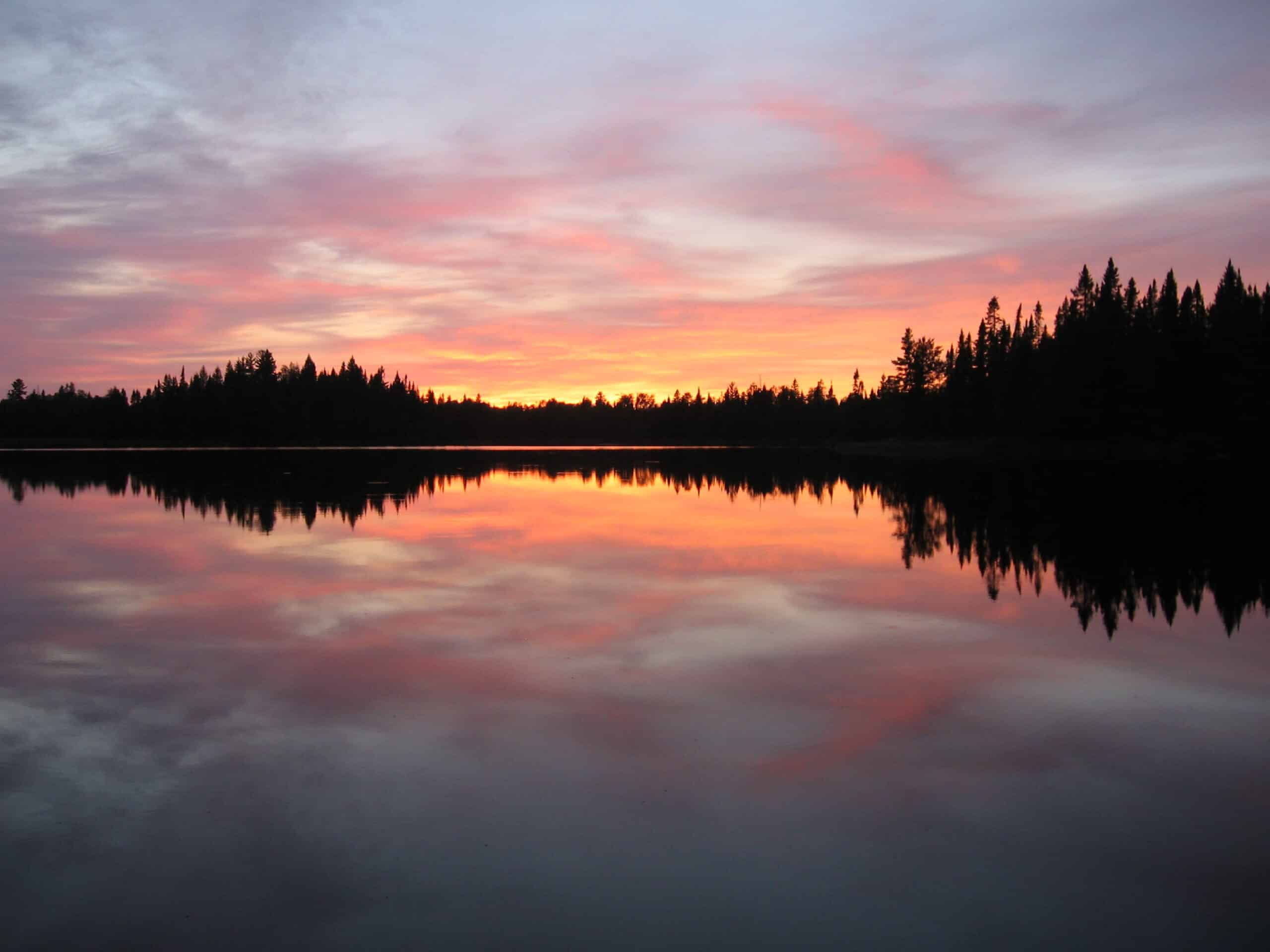
The Boundary Waters feels built for aurora, not because it is far north alone, but because darkness is protected by distance and wilderness rules. Open lakes act like mirrors, and the lack of roads keeps headlights from sweeping the horizon at the worst moment. Minnesota has recognized the area for dark-sky value, and that matters when the display is subtle and needs contrast. The payoff is the quiet: a canoe pulled onto rock, a small camp setup, then a sky that brightens without warning. It is the kind of place where patience feels easy, because the night already has texture, from loon calls to the soft scrape of wind in pines.
Glacier National Park, Montana
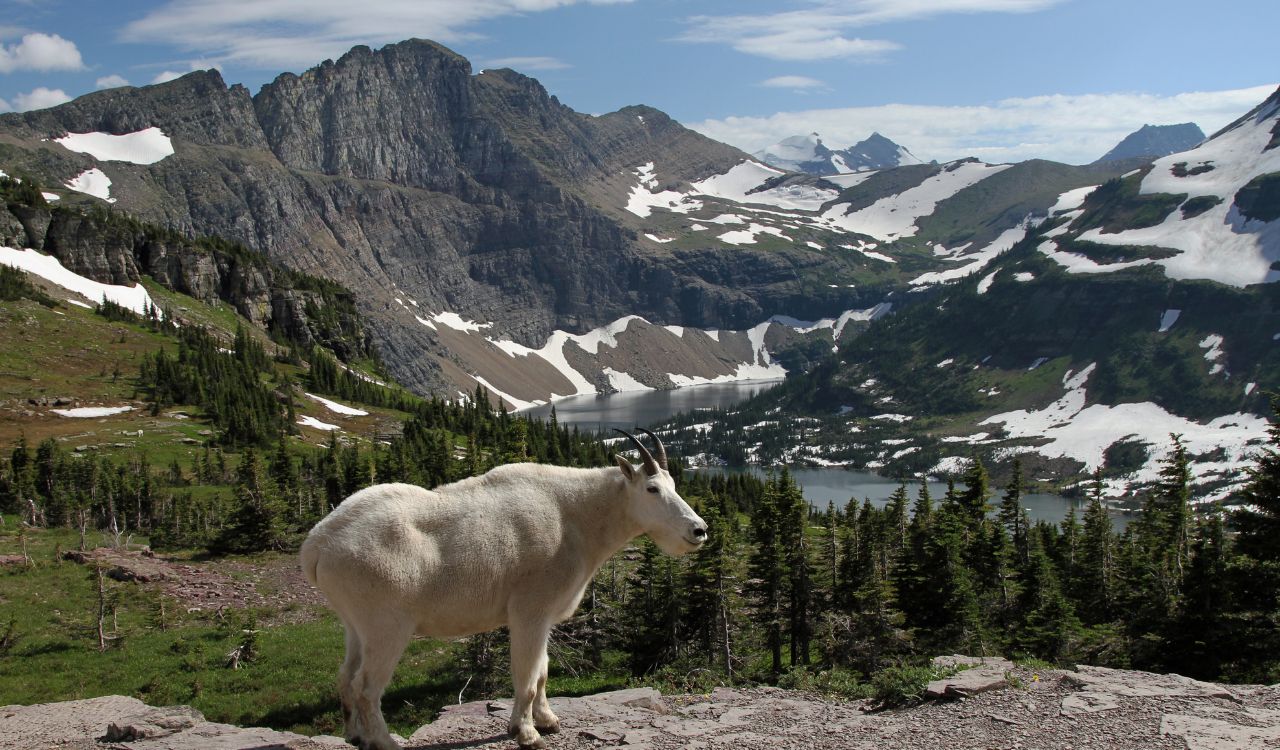
Glacier is not as consistently active as Alaska, but it can be spectacular on strong geomagnetic nights because the north horizon stays dark and the scenery is sharp. Lakes and long valleys give clean sightlines, and night-sky programming highlights how little light pollution remains in many areas. When the auroral oval dips south, green arcs above peaks can read as a moving crown, especially with still water below. Late fall and early spring can work well, since nights are long and crowds drop, leaving more silence at pullouts and lakeshores. NOAA alerts help with timing so a long drive lands on a real chance.
North Cascades National Park Complex, Washington
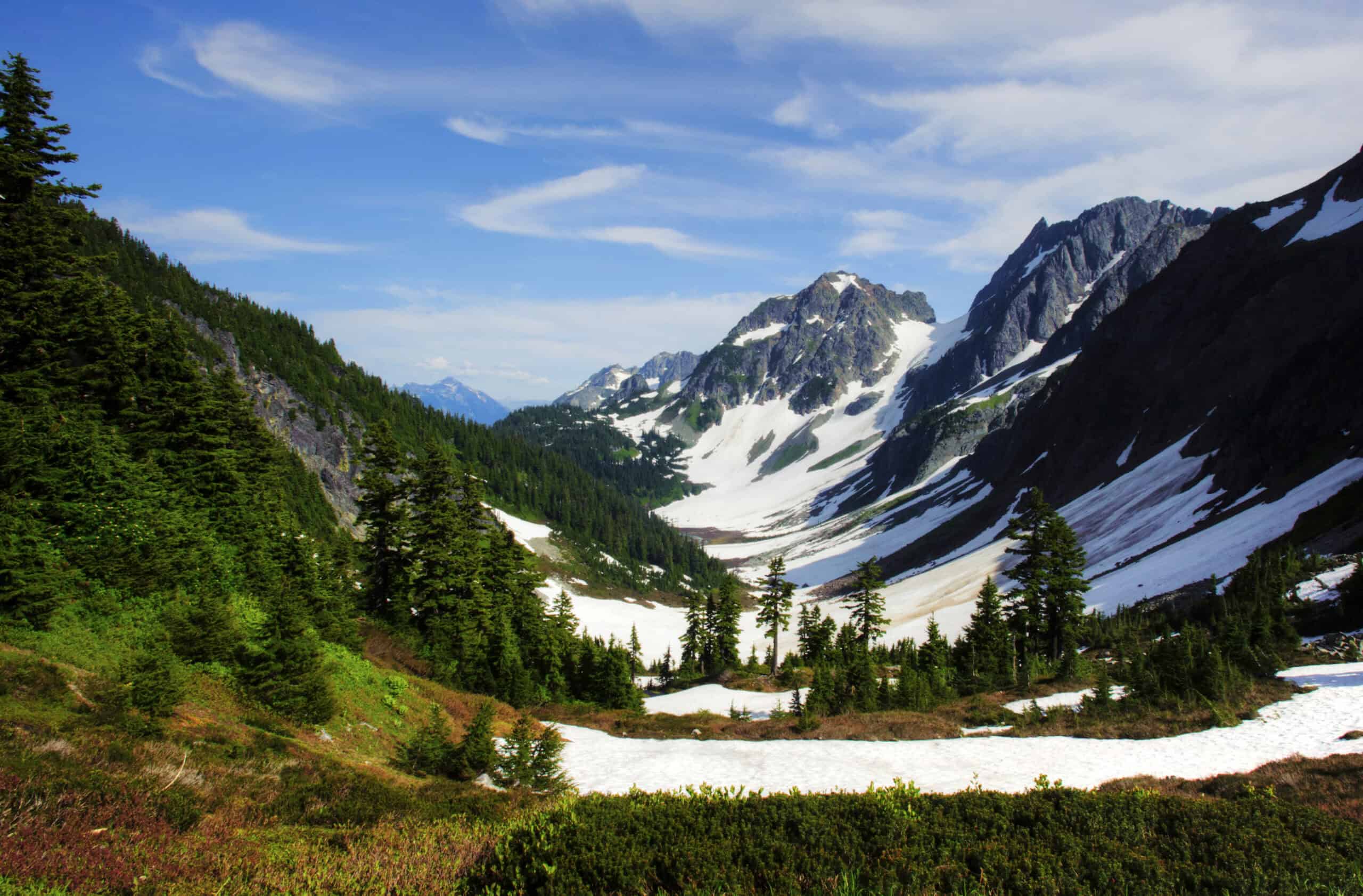
North Cascades is one of the darkest corners of the lower 48, and that darkness is the whole argument for aurora here. The park complex includes vast wilderness with minimal man-made light disturbance, so faint activity has a better chance of showing color. Big storms can push the aurora viewline into Washington, and lake overlooks near Diablo and Ross offer open horizons when clouds cooperate. The Pacific Northwest tradeoff is obvious: weather often wins. Plans that work best stay flexible, with quick drives to clearer pockets and a willingness to try again the next night, since one clear break can turn a quiet forecast into a surprise.
Headlands International Dark Sky Park, Michigan
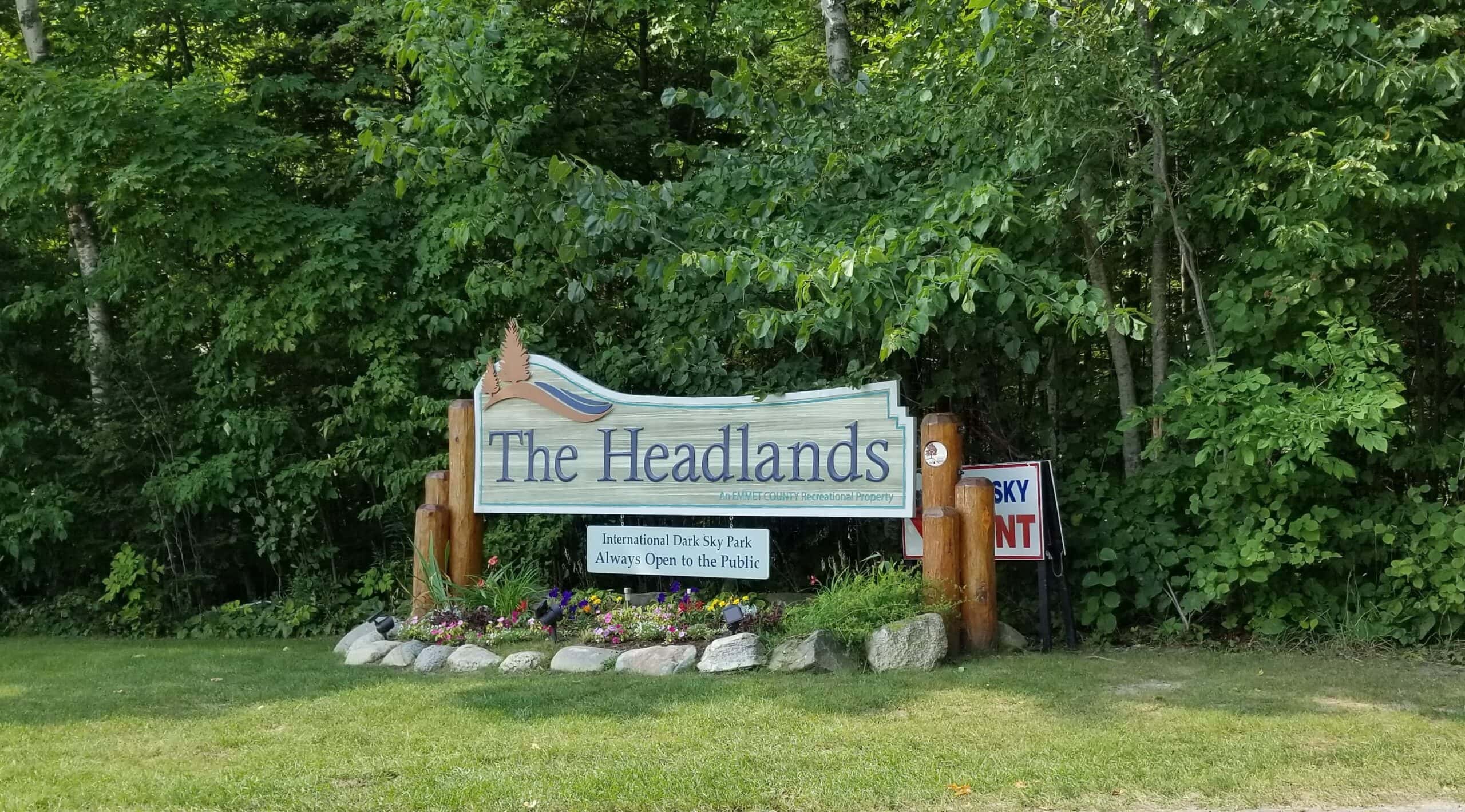
Headlands is a rare place designed for staying up late on purpose. The park is open 24 hours a day and welcomes night-sky viewing, with a Lake Michigan horizon that can catch aurora when activity reaches the Upper Great Lakes. It is not wilderness, but it is practical: parking, safe paths, and enough space for chairs and tripods without bothering anyone. Trees can block very low activity, yet stronger displays clear the horizon easily, and the dark-sky culture keeps white lights to a minimum. On clear nights, the lake adds scale, turning the aurora into a shoreline band that feels calm, close, and surprisingly bright.