We may earn money or products from the companies mentioned in this post. This means if you click on the link and purchase the item, I will receive a small commission at no extra cost to you ... you're just helping re-supply our family's travel fund.
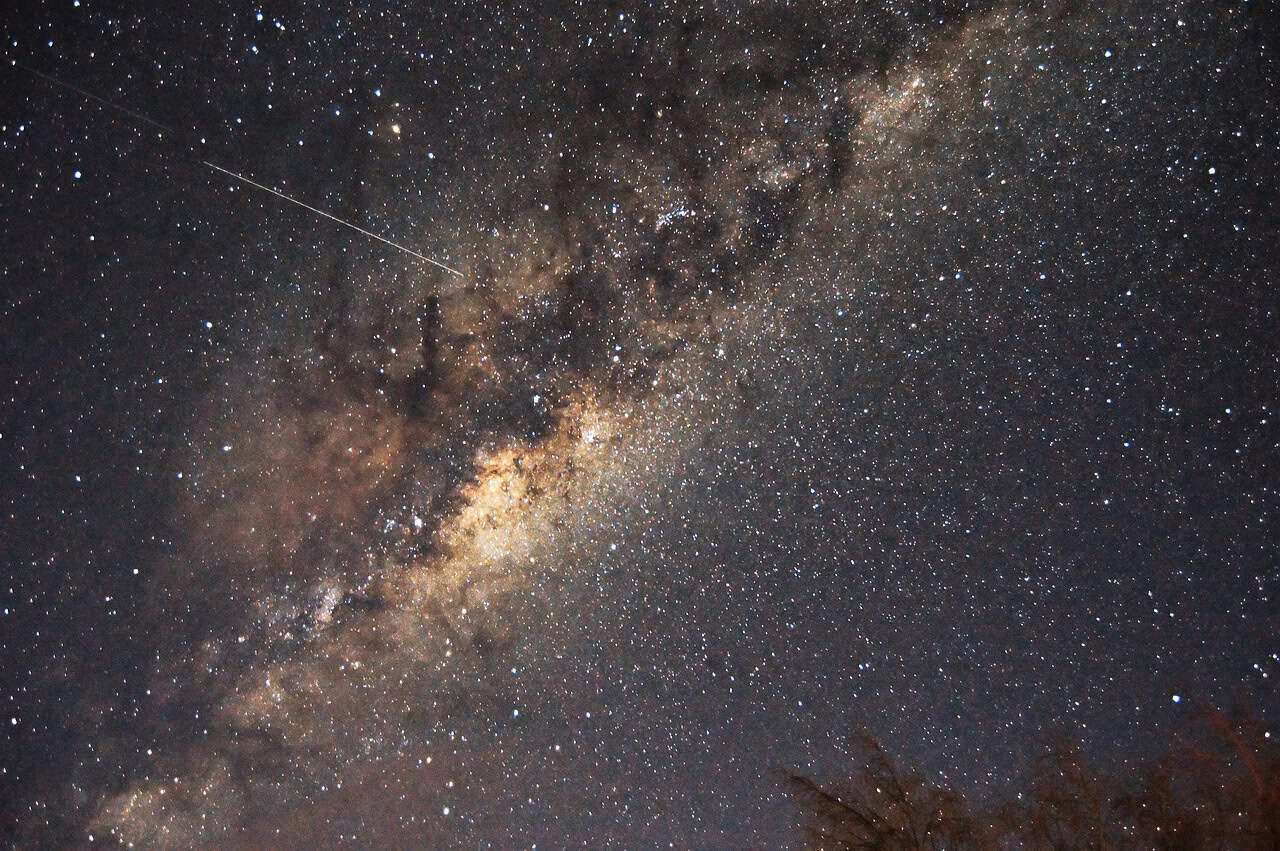
Meteor showers are among the few cosmic events that require no telescope, no training, and no ticket, only darkness, patience, and the right location. In 2026, several major showers like the Perseids, Geminids, Eta Aquariids, and Lyrids will peak under favorable moon conditions, making travel planning especially rewarding. However, location matters more than the date. Light pollution, altitude, humidity, and cloud cover can determine whether you see five meteors or fifty. The following destinations combine proven dark-sky conditions, geographic advantage, and reliable weather, offering some of the best chances on Earth to experience meteor showers at their most spectacular in 2026.
1. Atacama Desert, Chile
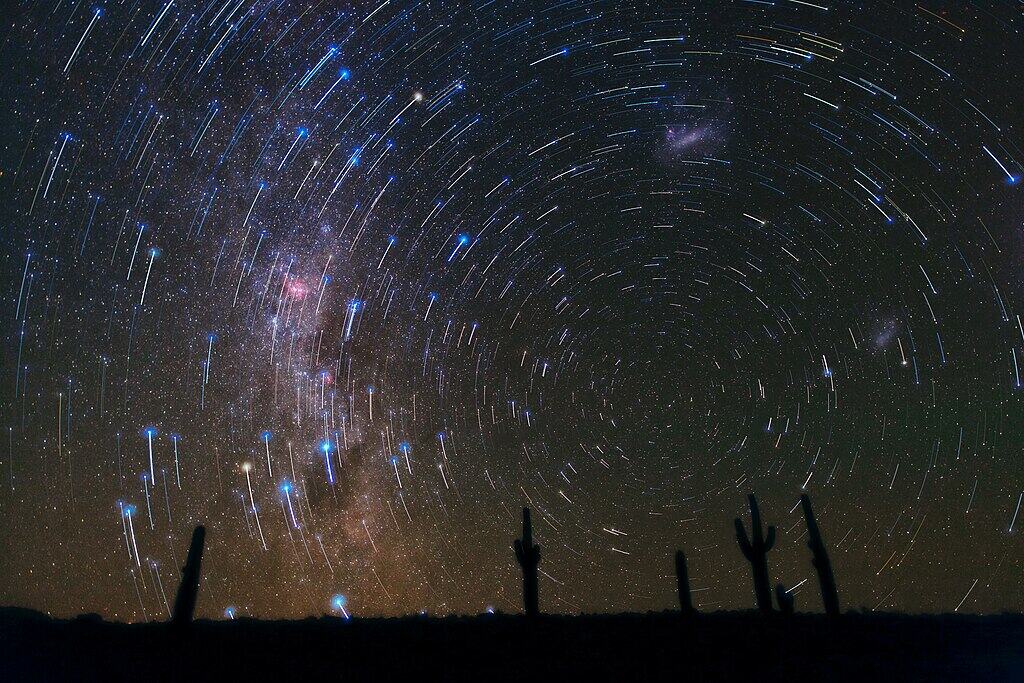
The Atacama Desert is often cited as the driest place on Earth, with some areas receiving less than 2 mm of rain annually. Its altitude averages 2,400 meters, reducing atmospheric distortion and enhancing meteor visibility. Light pollution is almost nonexistent, and cloud-free nights occur over 300 days a year. In 2026, the Perseids and Geminids will appear exceptionally sharp here, with peak rates reaching 60–120 meteors per hour during optimal conditions. The desert’s wide horizons allow long meteor trails to be seen clearly, while low humidity improves contrast, making even faint streaks visible to the naked eye.
2. Mauna Kea, Hawaii, USA
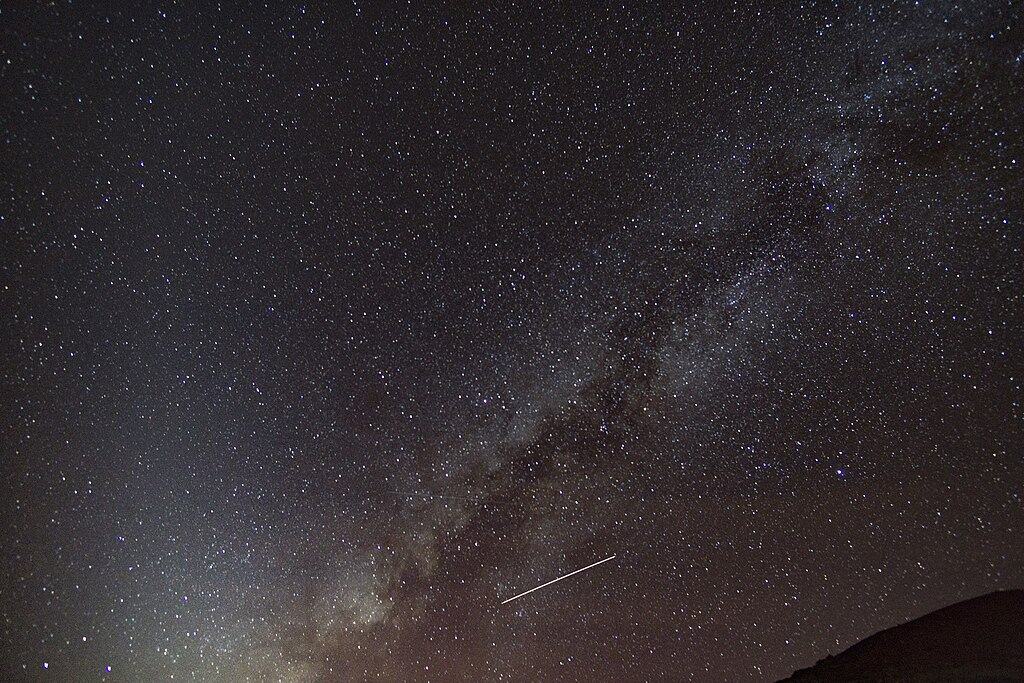
Rising to 4,207 meters, Mauna Kea sits above nearly 40% of Earth’s atmosphere, offering crystal-clear night skies. This elevation drastically reduces light scattering and moisture, allowing meteors to burn brighter and longer. The location is ideal for southern and equatorial showers like the Eta Aquariids, which can peak at 50–70 meteors per hour. In 2026, minimal moon interference during several peaks enhances visibility further. This combination of altitude, isolation, and atmospheric clarity makes Mauna Kea one of the most scientifically valued stargazing sites on the planet.
3. Namib Desert, Namibia
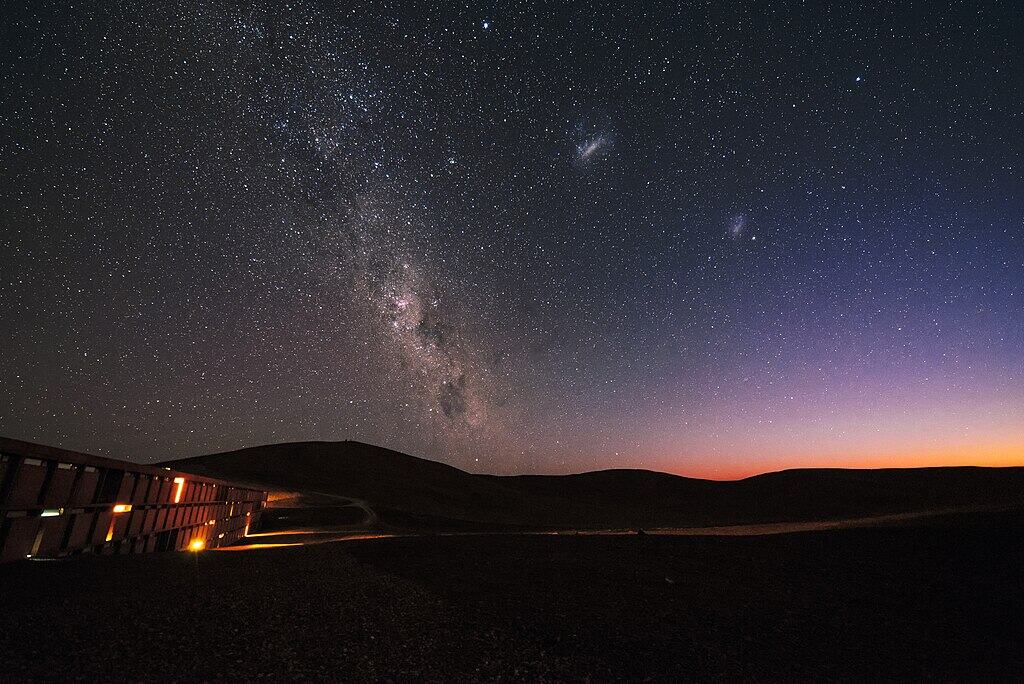
The Namib Desert offers some of the darkest skies in Africa, with a Bortle scale rating of 1–2 in remote regions. Annual rainfall averages under 10 mm, and clear skies dominate most of the year. Its southern latitude favors showers like the Eta Aquariids and Alpha Capricornids, which appear brighter here than in northern regions. During peak nights in 2026, observers can expect 40–80 meteors per hour under ideal conditions. The desert’s flat terrain and low population density eliminate light domes entirely, allowing uninterrupted meteor viewing from horizon to horizon.
4. Aoraki Mackenzie Dark Sky Reserve, New Zealand
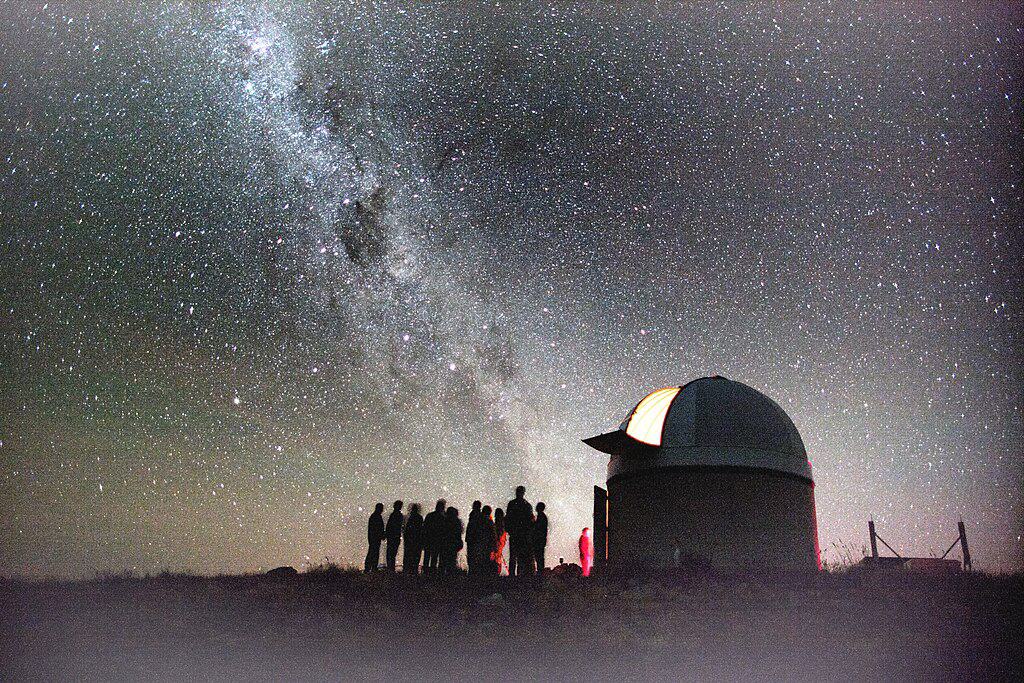
Covering over 4,300 square kilometers, this is one of the largest certified dark-sky reserves on Earth. Light pollution is tightly regulated, and sky brightness regularly measures 21.9 mag/arcsec², near the natural limit. In 2026, the Perseids and Geminids will be visible with excellent clarity, despite the southern latitude. Peak meteor rates here range from 30–100 per hour, depending on the shower. The region’s cool, dry air improves transparency, while surrounding mountains shield against stray light, creating a controlled environment ideal for extended meteor watching.
5. Hanle Dark Sky Reserve, Ladakh, India
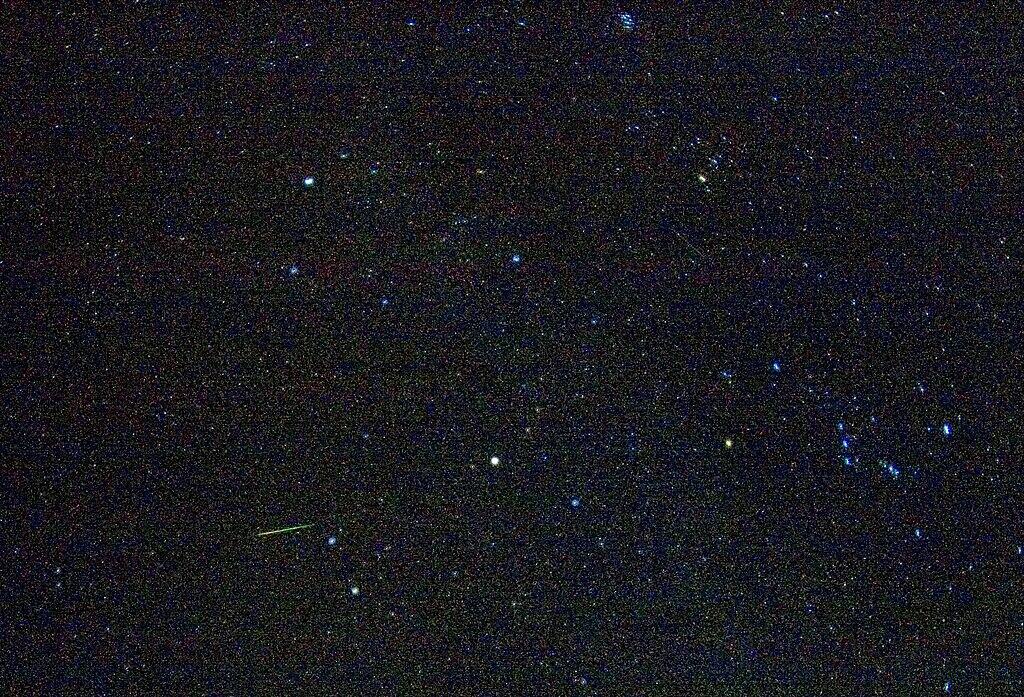
Located at 4,500 meters, Hanle is India’s highest and darkest astronomy site. Oxygen levels are low, but sky transparency is exceptional, with over 260 clear nights annually. The Milky Way is sharply defined, making meteor streaks stand out vividly. In 2026, the Perseids and Geminids are expected to produce 50–90 meteors per hour here during peak windows. The region’s isolation keeps artificial light nearly zero, and the cold, dry climate minimizes atmospheric turbulence, allowing even faint meteors to be easily detected by the naked eye.
6. Death Valley National Park, USA
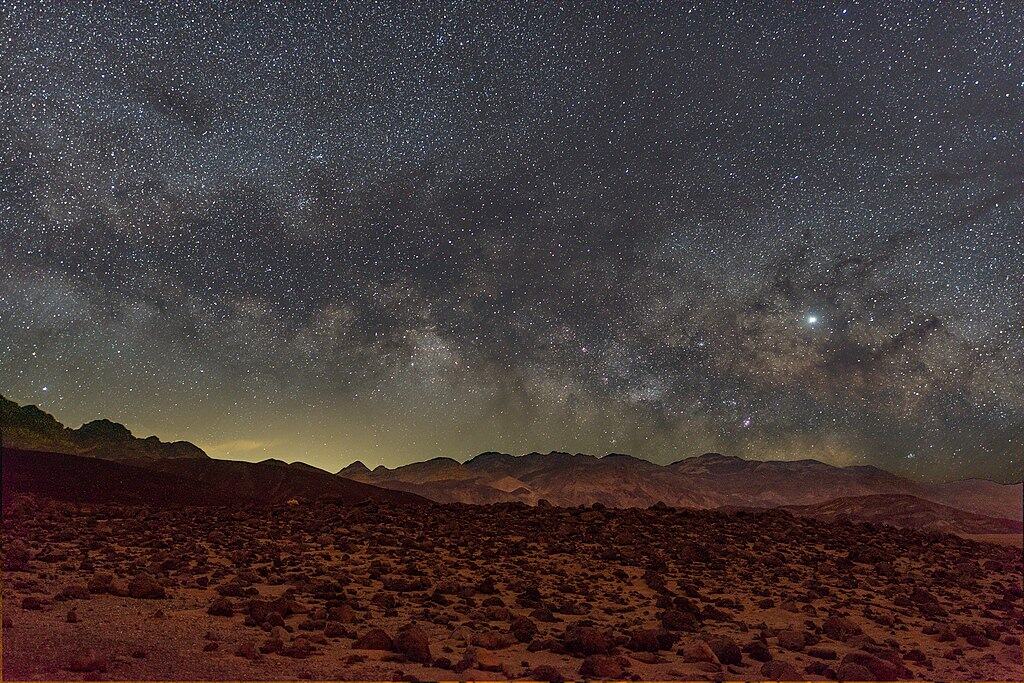
Despite its extreme heat by day, Death Valley offers remarkably stable night skies, with some areas measuring Bortle class 2 darkness. Elevation ranges from 86 meters below sea level to over 3,000 meters, offering multiple viewing options. Clear skies occur roughly 280 nights per year. During major 2026 showers, observers may see 60+ meteors per hour under peak conditions. The park’s vast size disperses visitors, reducing localized light, while dry desert air enhances visibility, making it one of North America’s most reliable meteor-watching destinations.
7. Sahara Desert, Morocco
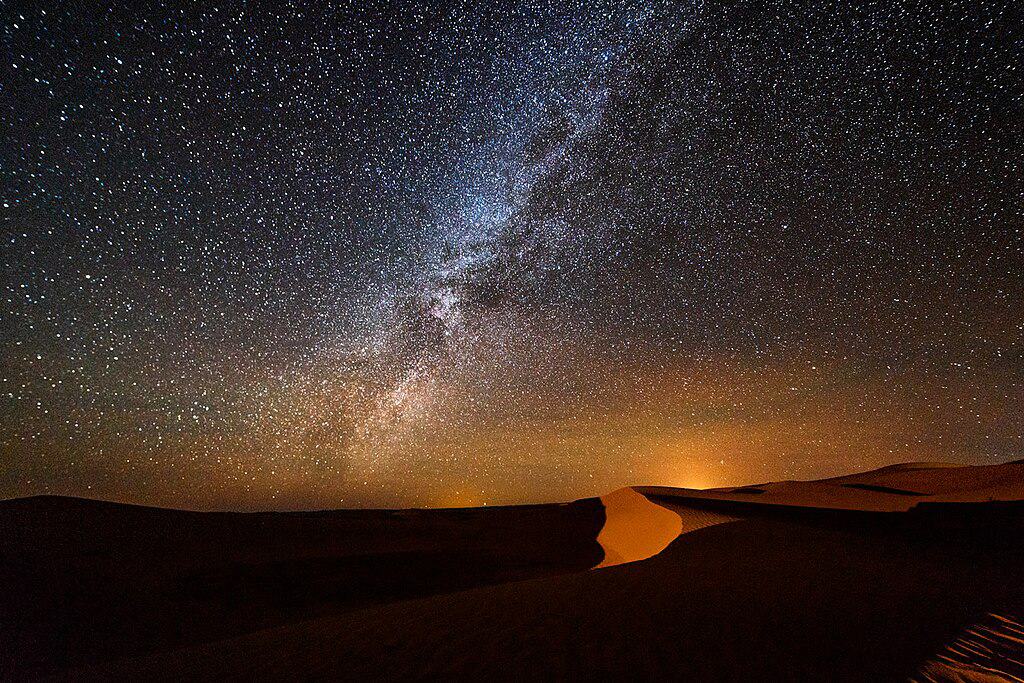
Remote sections of the Sahara experience almost zero light pollution and fewer than 15 cloudy nights annually. Average humidity stays below 20%, which improves night-sky contrast significantly. In 2026, meteor showers like the Geminids and Orionids can reach 70–100 meteors per hour during peak moments. The desert’s flat, open landscape allows full-sky observation without obstructions. Temperature drops sharply after sunset, stabilizing air layers and reducing visual distortion, which helps long meteor trails appear sharper and more dramatic.
8. Jasper National Park, Canada
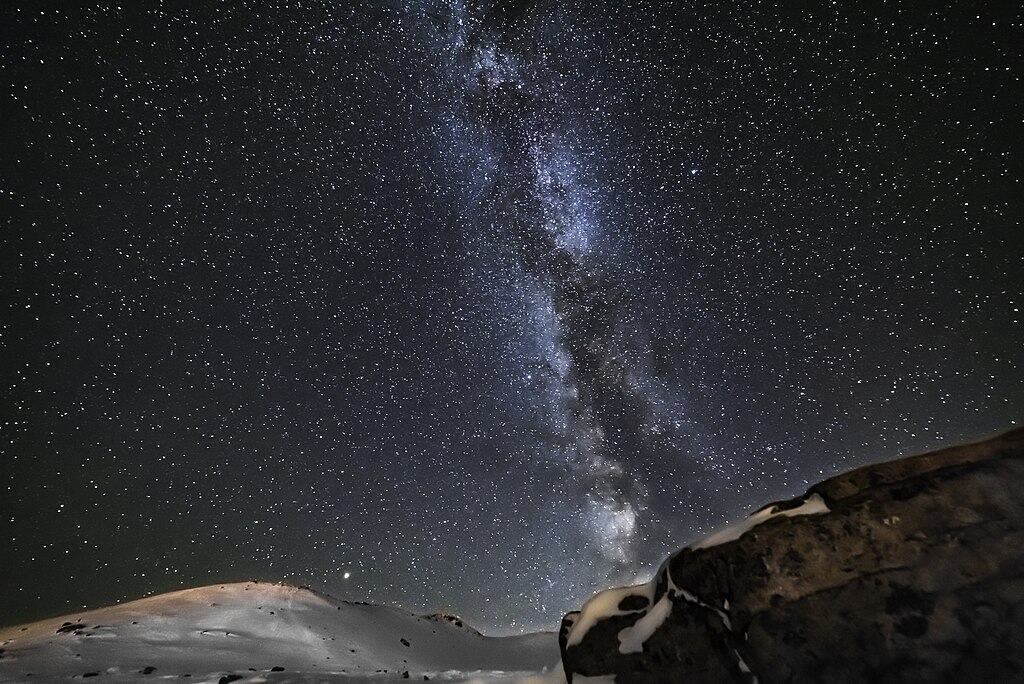
Jasper spans 11,000 square kilometers and is one of the world’s largest accessible dark-sky preserves. Artificial light is tightly controlled, and sky brightness frequently reaches 21.7 mag/arcsec². In 2026, the Perseids will peak with minimal moonlight, producing 50–80 meteors per hour. High latitude enhances visibility duration for northern showers, while cool alpine air improves clarity. Seasonal weather patterns provide many clear August and December nights, making Jasper a dependable choice for extended meteor-watching sessions.
9. La Palma, Canary Islands, Spain
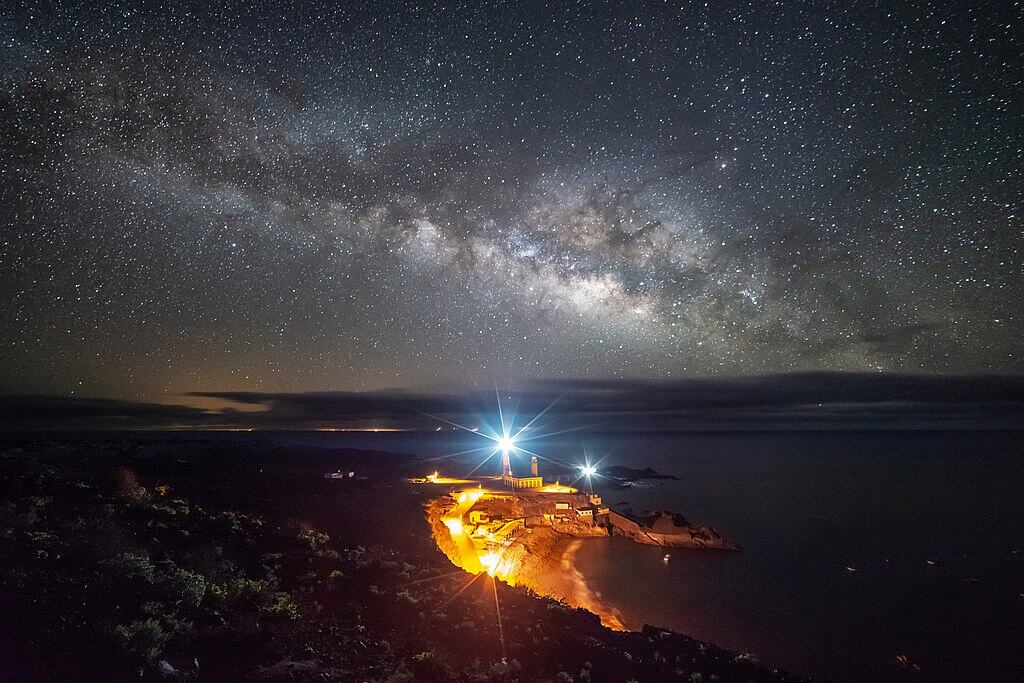
La Palma enforces strict sky-protection laws, limiting outdoor lighting wavelengths and intensity. At elevations above 2,000 meters, observers rise above cloud layers nearly 70% of the time. The island’s latitude allows visibility of both northern and some southern showers. In 2026, combined peak activity may reach 60–90 meteors per hour during optimal nights. The Atlantic trade winds stabilize the atmosphere, reducing turbulence, while volcanic terrain blocks coastal light, creating consistently dark and high-contrast skies.
10. Australian Outback, Western Australia
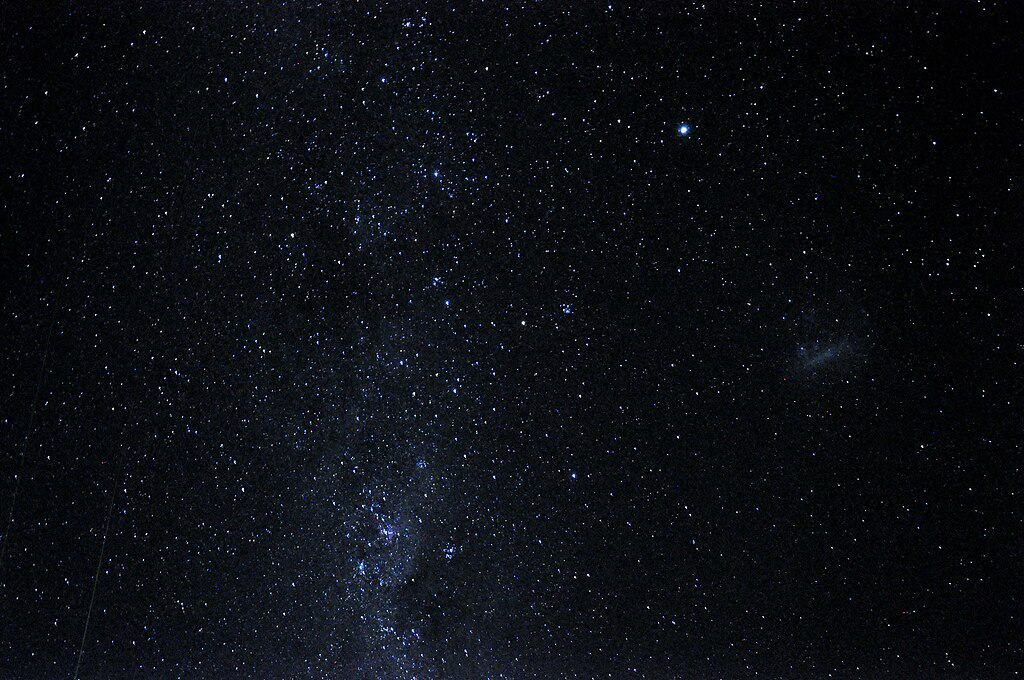
Vast stretches of the Outback have population densities below 0.1 people per square kilometer, resulting in pristine night skies. Annual clear-sky rates exceed 75%, especially during winter months. Southern Hemisphere showers perform strongly here, with Eta Aquariids often reaching 70 meteors per hour in 2026. Flat horizons and dry air allow long-lasting meteor trails to be seen clearly. The absence of urban light domes means observers experience true natural darkness, where even minor meteor showers become visually impressive.