We may earn money or products from the companies mentioned in this post. This means if you click on the link and purchase the item, I will receive a small commission at no extra cost to you ... you're just helping re-supply our family's travel fund.
Some U.S. cities feel familiar at first glance, then suddenly transport the imagination somewhere across the Atlantic. It happens in narrow historic lanes, market squares built for walking, old harbors edged with stone, and neighborhoods where architecture shapes daily rhythm instead of traffic speed. The resemblance is not literal, and it is never one-size-fits-all Europe. Still, these places carry echoes of Paris, Lisbon, London, Bavaria, or Mediterranean towns in ways that surprise even seasoned travelers. Here are 10 American cities where that atmosphere feels especially vivid.
New Orleans, Louisiana

New Orleans feels European because its historic core still follows an old colonial street logic, with balconies, courtyards, and a scale built for people on foot. The French Quarter, founded with the city in 1718, remains the visual anchor, yet its look reflects both French origins and Spanish rebuilding after major fires in the late 1700s. That layered history gives the area its signature texture: pastel facades, ironwork galleries, and plazas that reward slow wandering. The result is less imitation and more inheritance, alive in everyday street life.
St. Augustine, Florida
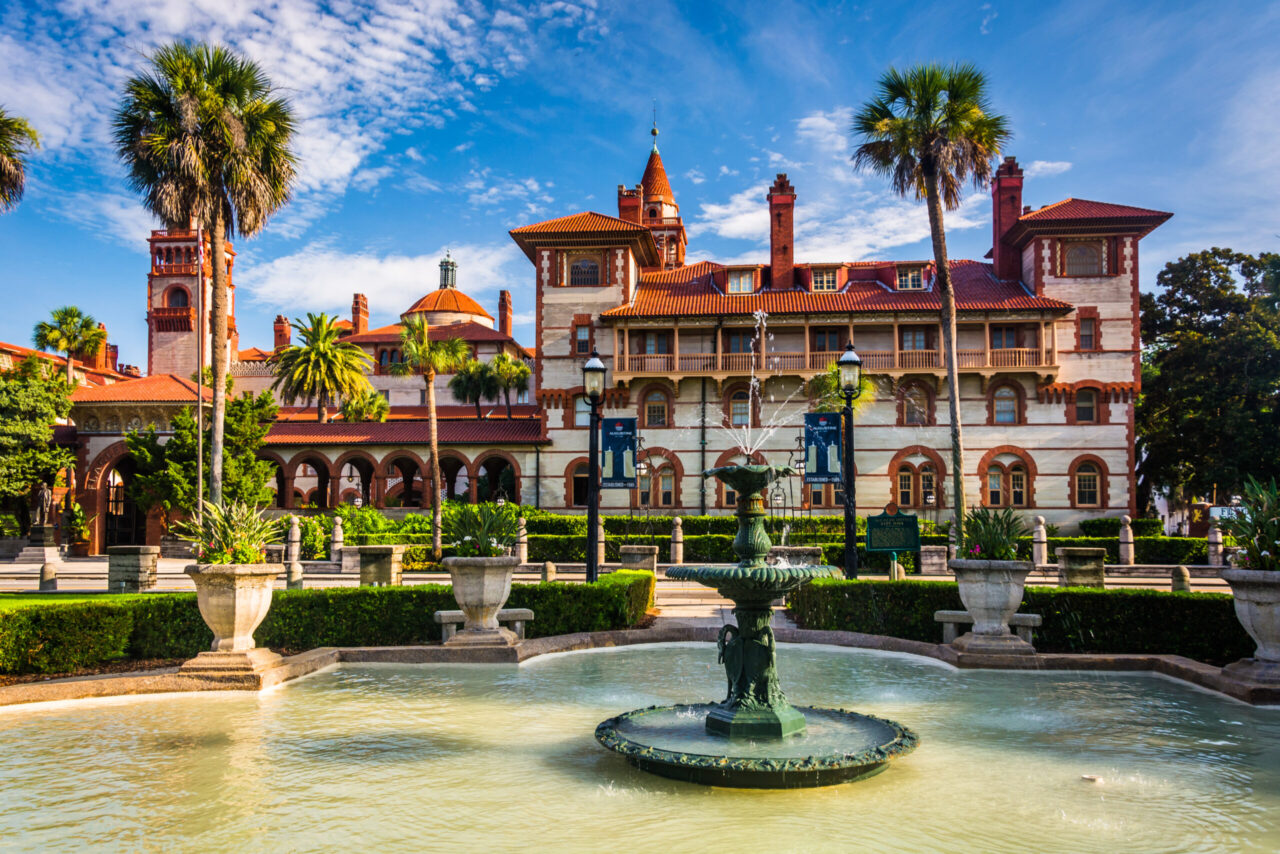
St. Augustine carries one of the strongest Old World atmospheres in the U.S. because it is rooted in very early Spanish colonial history. Founded in 1565, it is widely recognized as the oldest continuously inhabited European-founded settlement in the contiguous United States. Stone forts, narrow streets, and historic plazas give the city an Iberian rhythm that feels distinct from most American coastal towns. The architecture has changed over centuries, but the historic layout still shapes how people move, gather, and experience the waterfront.
Savannah, Georgia

Savannah’s appeal is structural. Its historic district is organized around a famous square system that makes walking feel graceful, shaded, and surprisingly intimate for a U.S. city. Live oaks, historic facades, and small park-centered blocks create the atmosphere of an old European plan adapted to Southern light and climate. The squares are not decorative leftovers; they are the social spine of downtown and one reason the city feels both elegant and human-scaled. Few American places blend formal planning and everyday beauty this naturally.
Charleston, South Carolina
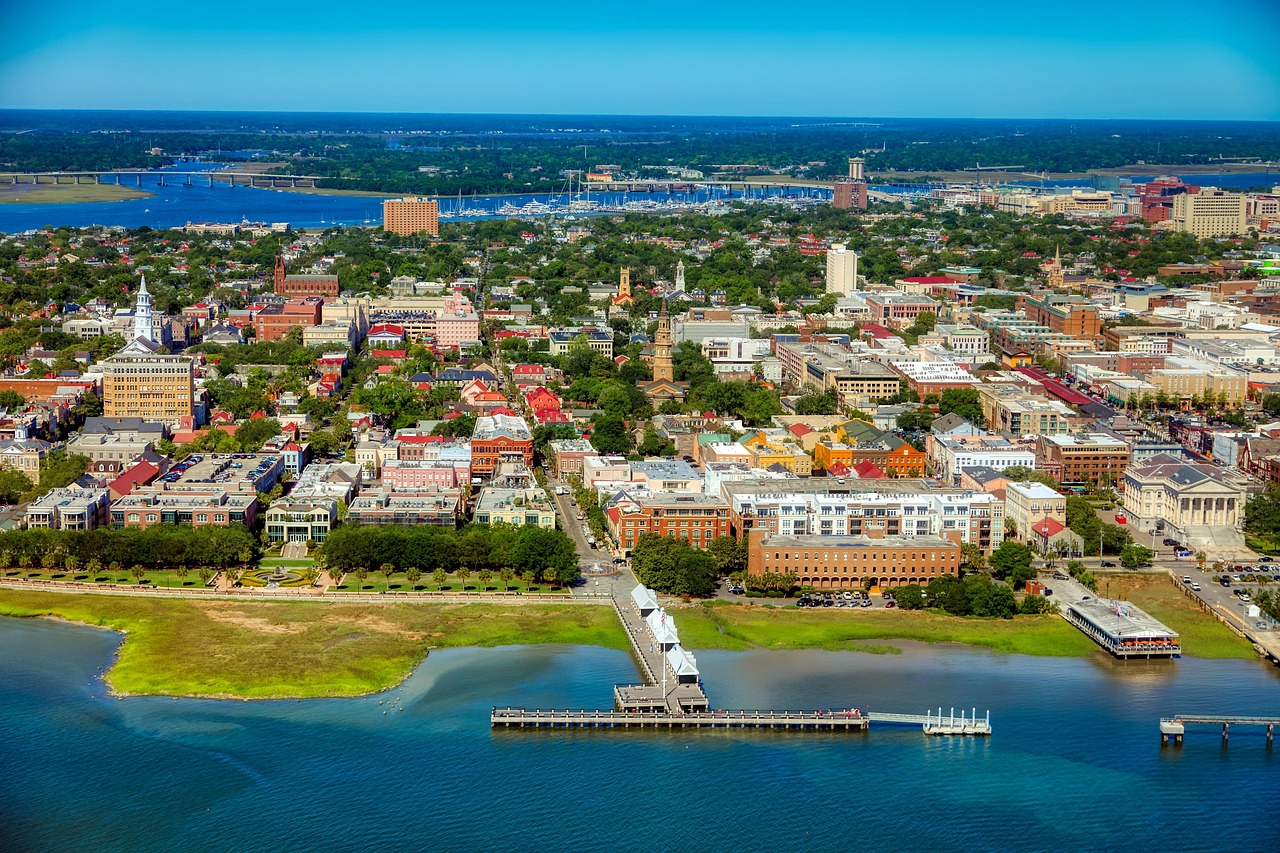
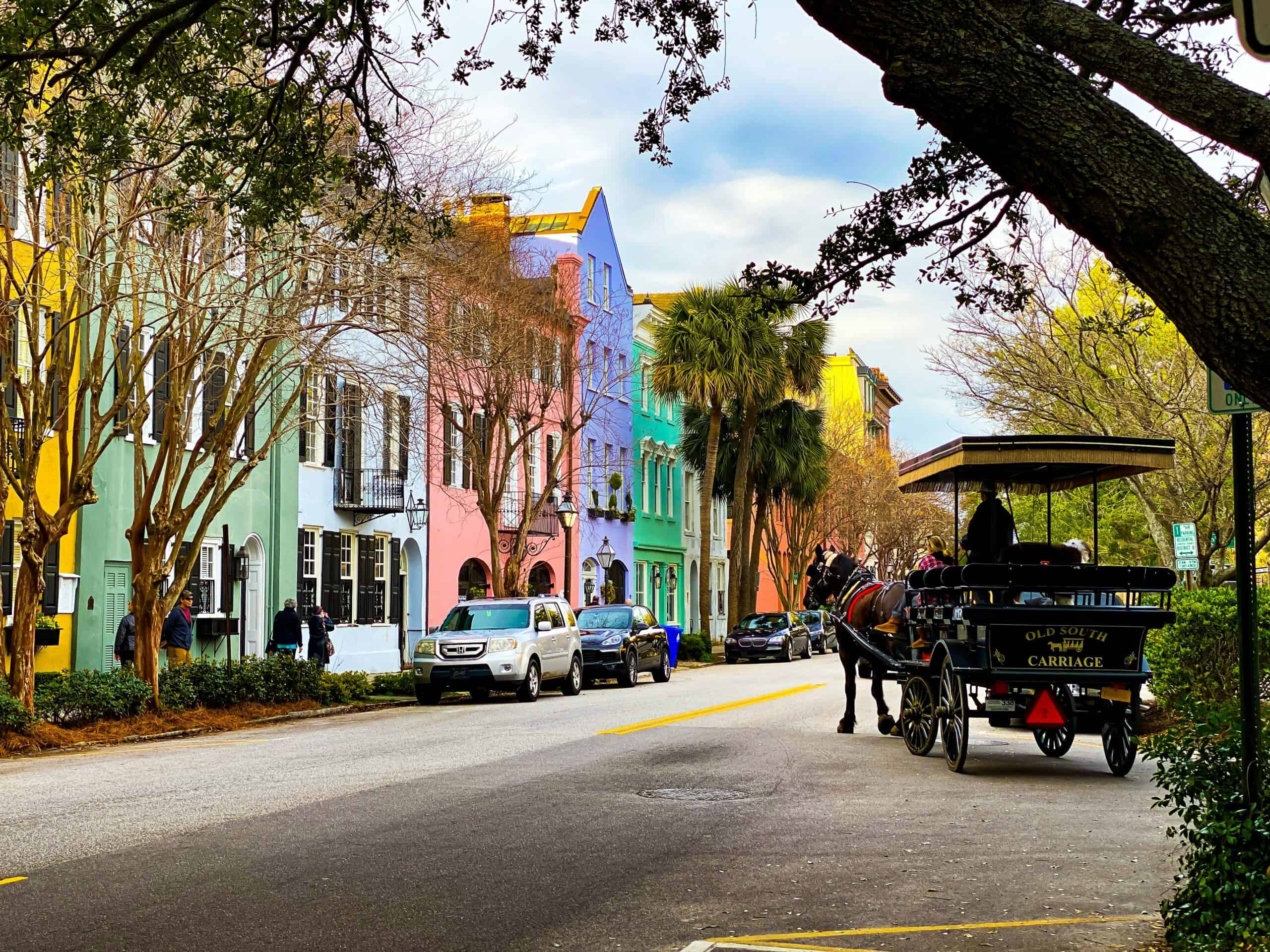
Charleston often feels European in the same way older Atlantic port cities do: close streets, church spires, pastel historic homes, and a harbor that still shapes identity. Areas around East Bay and the historic core preserve centuries-old architecture, including landmarks like Rainbow Row, whose painted houses became one of the city’s defining visual signatures. Cobblestones and carriage lanes can feel theatrical in photos, but the stronger impression is continuity, a city where preservation culture kept the urban fabric intact long enough to feel genuinely old.
Boston, Massachusetts
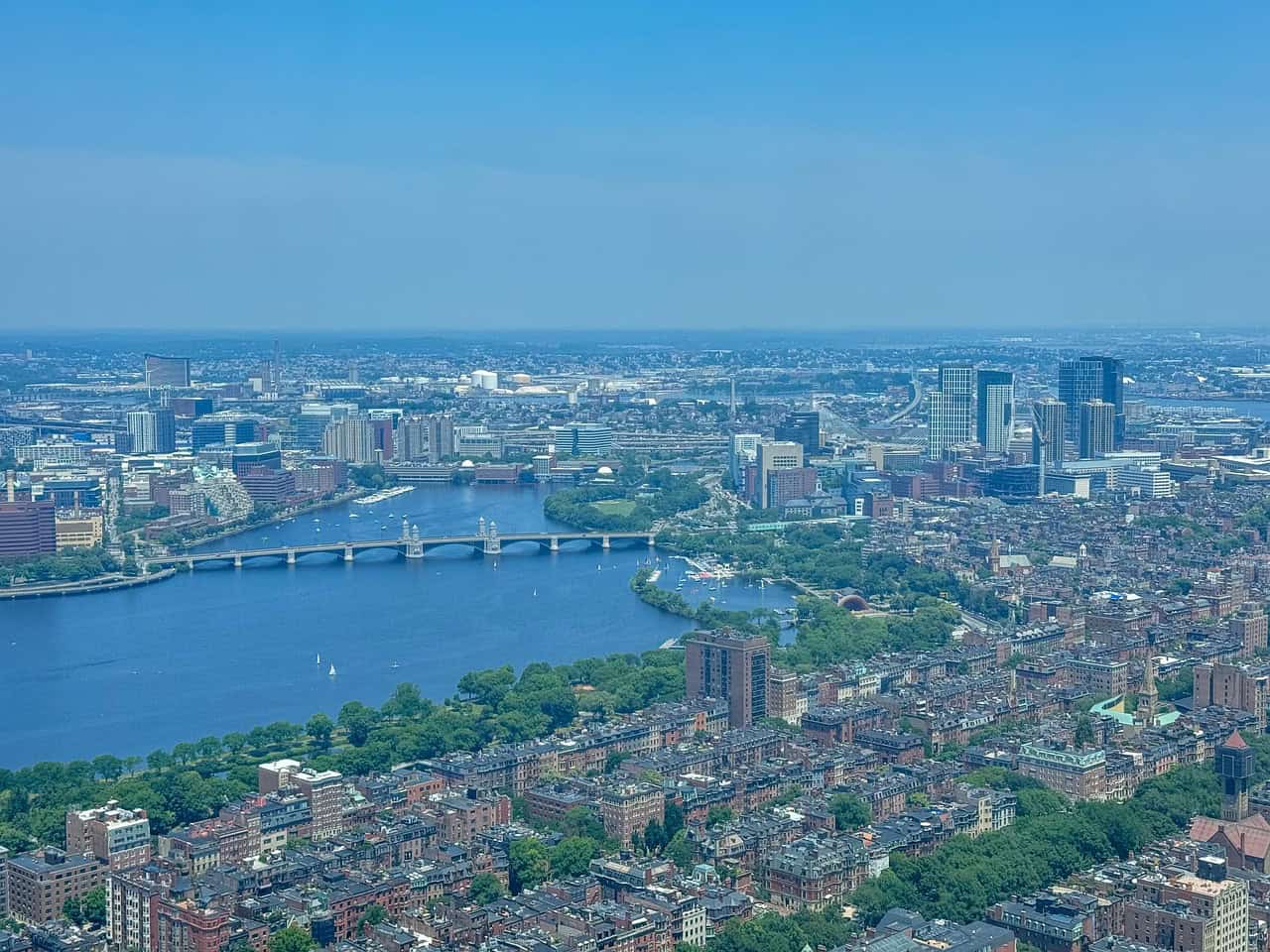
Boston’s Beacon Hill and older central districts can feel surprisingly European because of brick rowhouses, narrow lanes, and a street network that predates modern grid planning. In neighborhoods where gas lamps and cobblestones still appear, daily movement slows to a pedestrian pace closer to older districts in London or Edinburgh than to typical U.S. downtown design. The city also layers federal-era architecture, harbor history, and compact public spaces in ways that reward walking over driving. It is one of America’s clearest examples of historical density still shaping modern life.
San Francisco, California

San Francisco’s European feeling comes from topography and architecture working together: steep hills, dense neighborhoods, and ornate historic housing rising above compact streets. Victorian and Edwardian facades, visible in iconic rows like the Painted Ladies, create a visual richness that feels closer to old continental urban texture than to suburban American scale. Add waterfront fog, neighborhood cafés, and frequent car-free-style walking corridors, and the city reads like a patchwork of European moods without losing its West Coast identity.
Santa Barbara, California
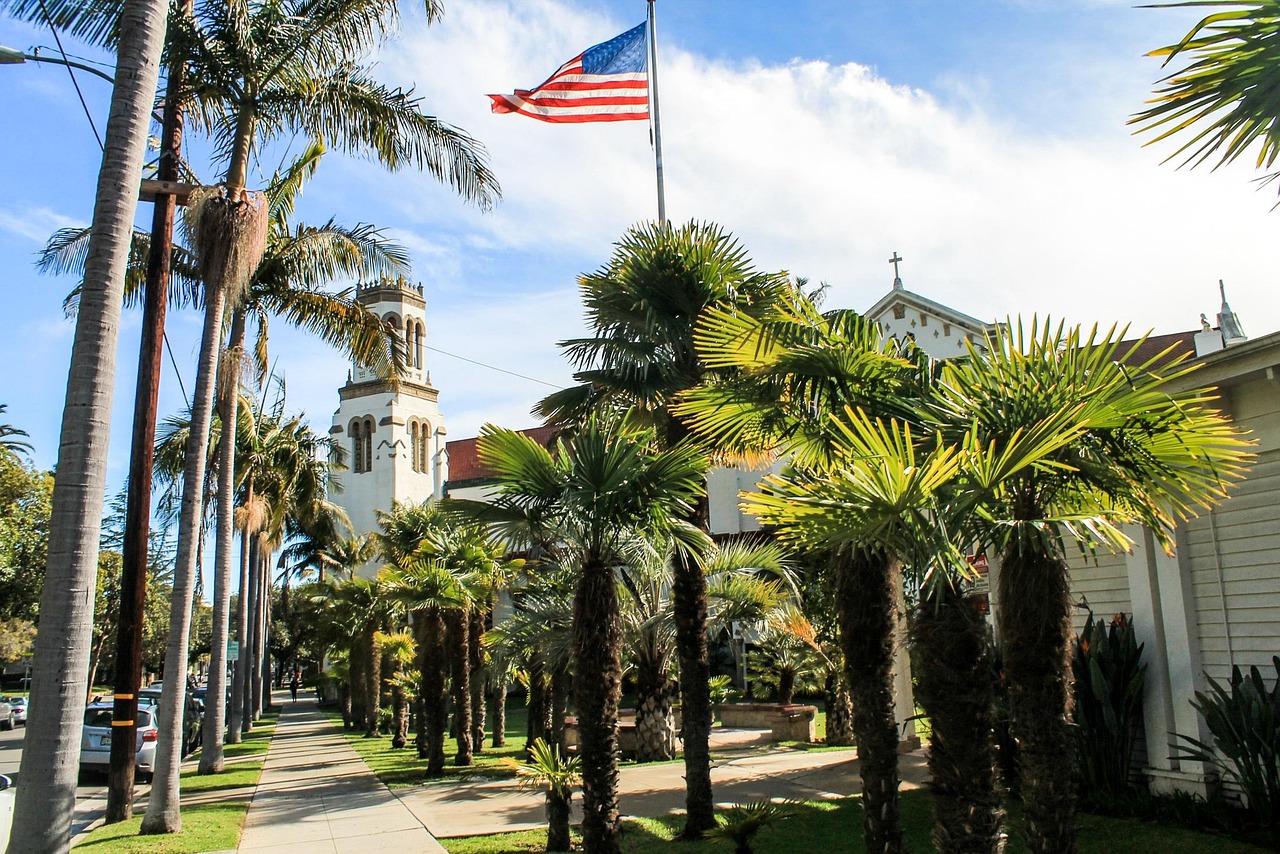
Santa Barbara feels Mediterranean by design. After the 1925 earthquake, civic leaders and architects pushed a consistent Spanish Colonial Revival style that still defines downtown through stucco walls, red-tile roofs, arcades, and courtyards. The city’s coastal setting deepens that resemblance, pairing mountain backdrops with palm-lined streets and mission-era landmarks. Unlike places where style shifts block by block, Santa Barbara maintains unusual architectural cohesion, which is why a simple walk through its center can feel like a detour through southern Spain.
Leavenworth, Washington
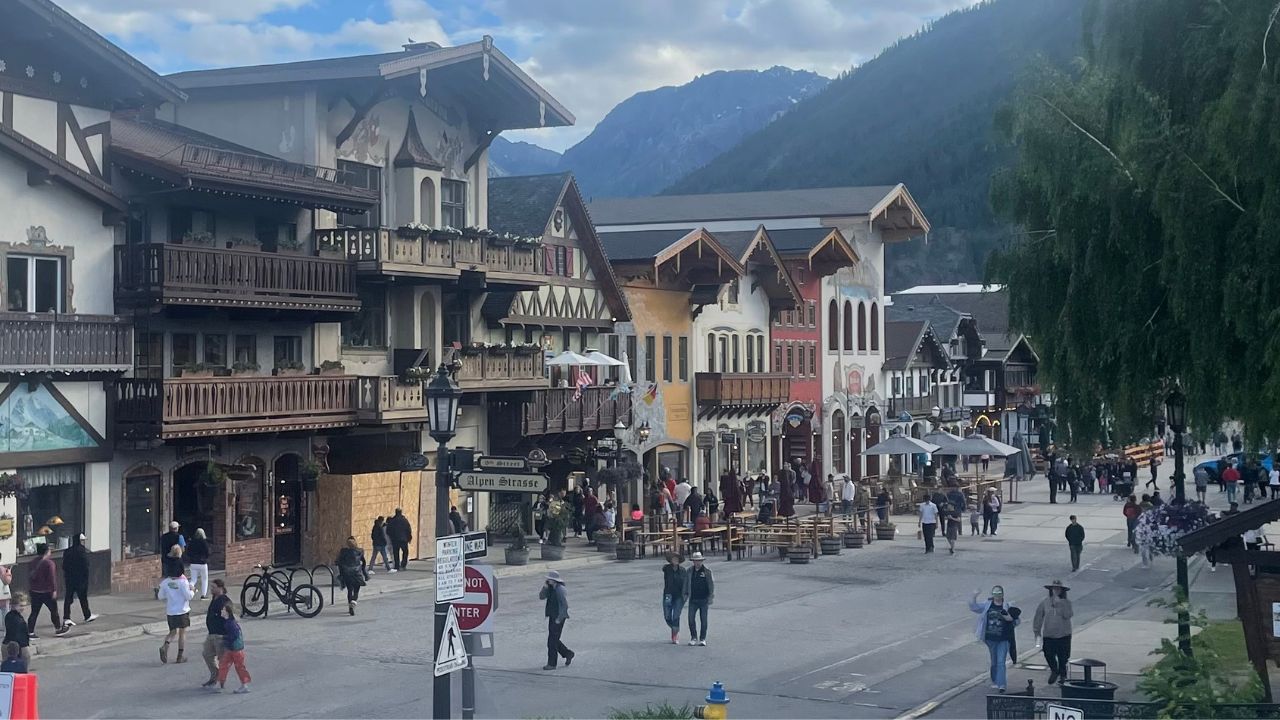
Leavenworth is intentionally European, and that is exactly the point. The town reinvented itself around a Bavarian village identity, and today even ordinary storefronts follow Alpine-inspired design cues. Set against the Cascades, the combination of mountain scenery and themed architecture creates a setting that feels closer to a German holiday town than to most places in the Pacific Northwest. It is curated, yes, but also cohesive, with festivals, food culture, and public space all aligned around the same visual story.
Alexandria, Virginia

Old Town Alexandria delivers a strong European-port atmosphere through preserved 18th- and 19th-century streetscapes, waterfront views, and compact blocks built for mixed daily life. Brick sidewalks, narrow lanes, and historic rowhouses create a human scale that feels older than surrounding metro development. Its setting along the Potomac gives it the same mercantile memory that defines many smaller European river and sea cities. Cafés, markets, and walkable corridors reinforce the mood: elegant without being precious, historic without feeling frozen in place.
Newport, Rhode Island
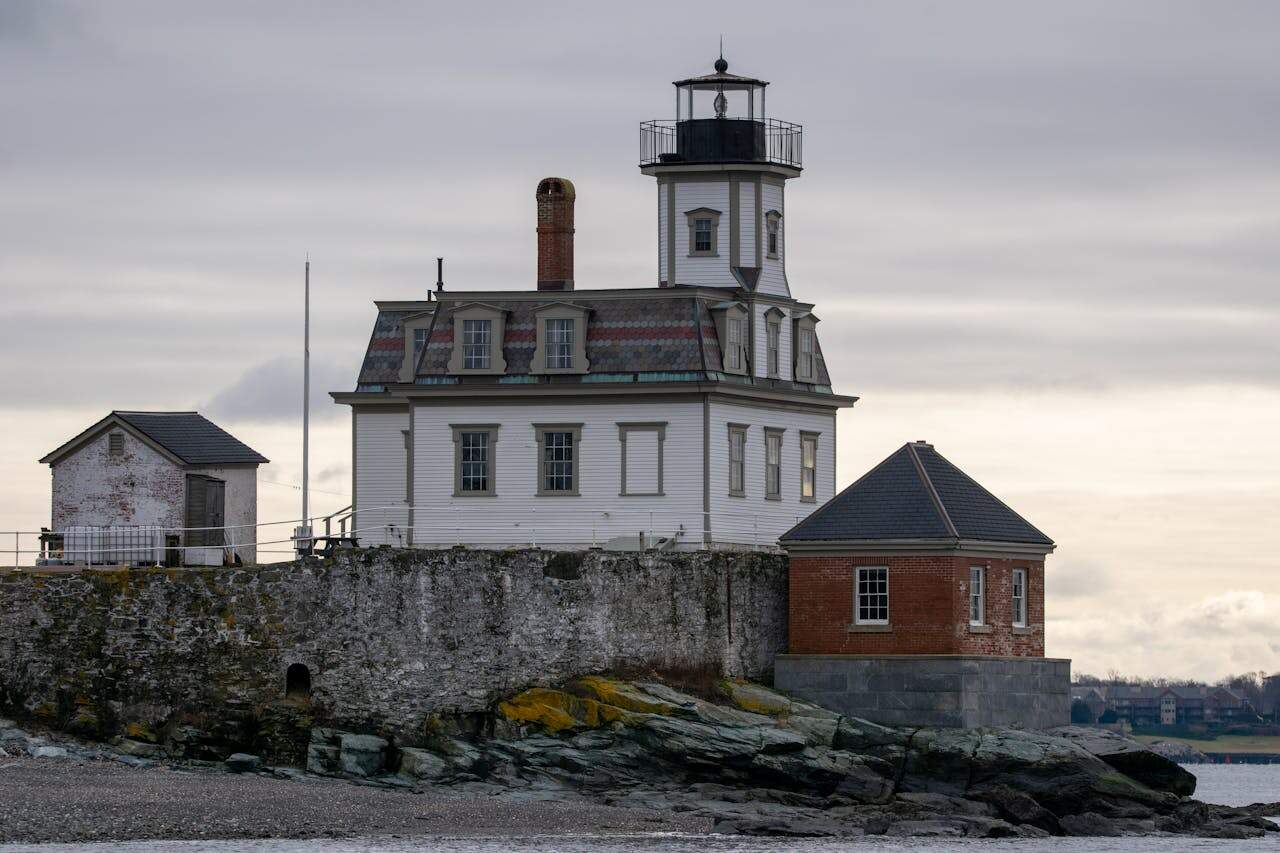
Newport feels transatlantic because maritime heritage, colonial streets, and later Gilded Age architecture all coexist within a compact coastal city. The harbor remains central, and historic neighborhoods balance clapboard homes, stone churches, and sea-facing public paths that encourage long, unhurried walks. While the mansions are distinctly American in scale, the older town core and waterfront rhythm often evoke smaller European seaside destinations where history and leisure share the same narrow streets. Newport’s beauty comes from texture, not spectacle, and that is exactly why it feels familiar in a European way.