We may earn money or products from the companies mentioned in this post. This means if you click on the link and purchase the item, I will receive a small commission at no extra cost to you ... you're just helping re-supply our family's travel fund.
For decades, American family travel revolved around places that felt magical to children and comforting to parents. These destinations shaped summer breaks, birthdays, and long road trips, becoming emotional landmarks rather than simple attractions. Over time, shifting economics, cultural attitudes, and rising costs quietly erased many of them. What remains are numbers, photographs, and memories shared across generations. This list revisits ten childhood travel destinations that once defined American vacations, explaining what they offered, how they operated, and why they ultimately disappeared.
1. DisneyQuest (Florida & Illinois)
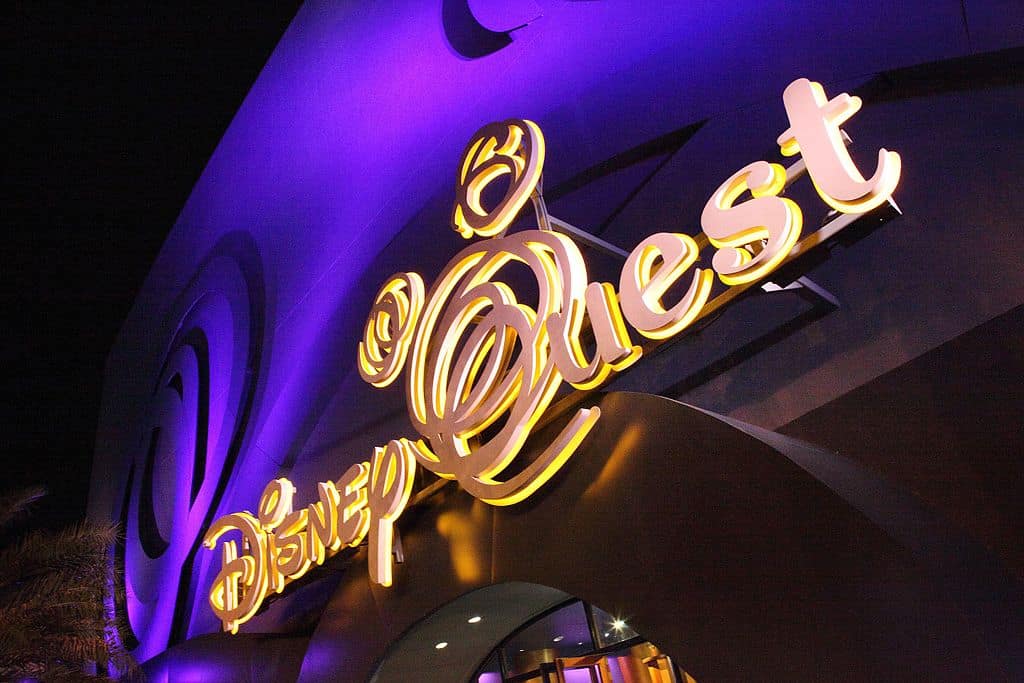
DisneyQuest opened in 1998 as a five-story indoor attraction covering nearly 80,000 square feet and housing over 30 interactive experiences. Guests paid roughly $40 for admission, accessing virtual reality rides, motion simulators, and digital games years ahead of home technology. Orlando’s location drew more than 2 million visitors annually at its peak. However, constant technical repairs and fast-aging hardware increased costs dramatically. Chicago’s site closed in 2001, and Disney shuttered the final location in 2017. For many kids, it felt like stepping into the future before it arrived.
2. Holy Land USA (Connecticut)
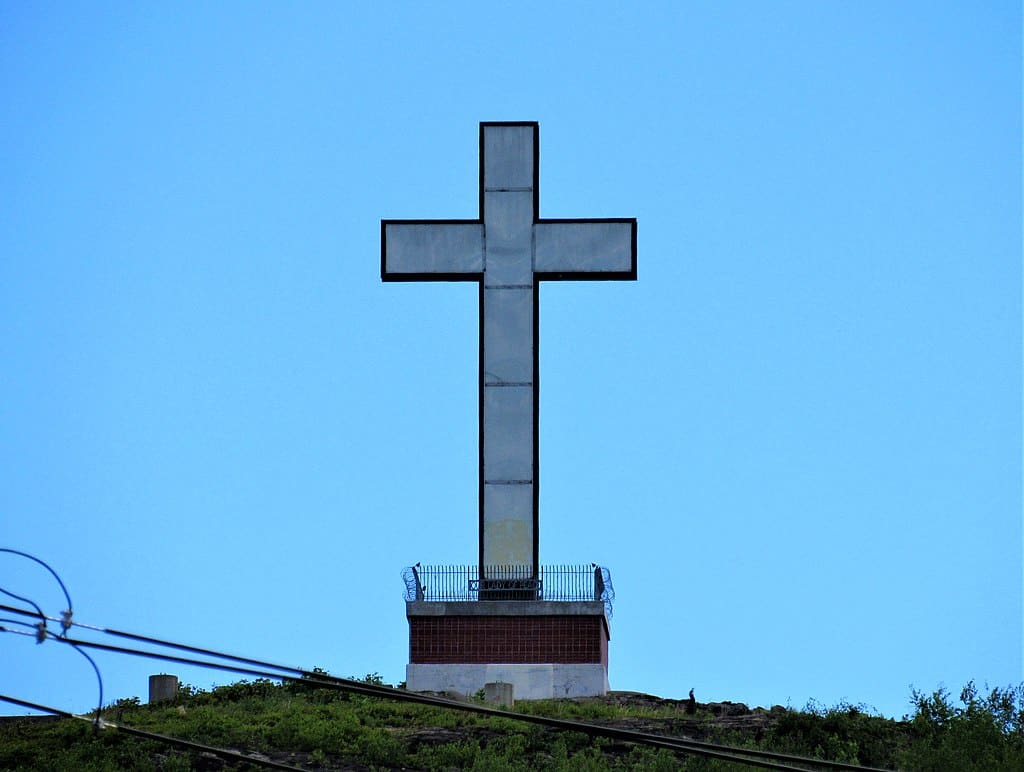
Holy Land USA opened in 1956 on approximately 18 acres overlooking Waterbury, featuring more than 30 handmade biblical replicas. Built largely from wood, concrete, and scrap, the park relied entirely on donations, which fell below $25,000 annually by the late 1970s. Admission remained free, but attendance dropped to under 10,000 visitors per year. Safety concerns and aging structures accelerated decline. The park closed in the mid-1980s. Its quiet hilltop presence left many childhood visitors unsure whether they had experienced a pilgrimage or a dream.
3. Action Park (New Jersey)
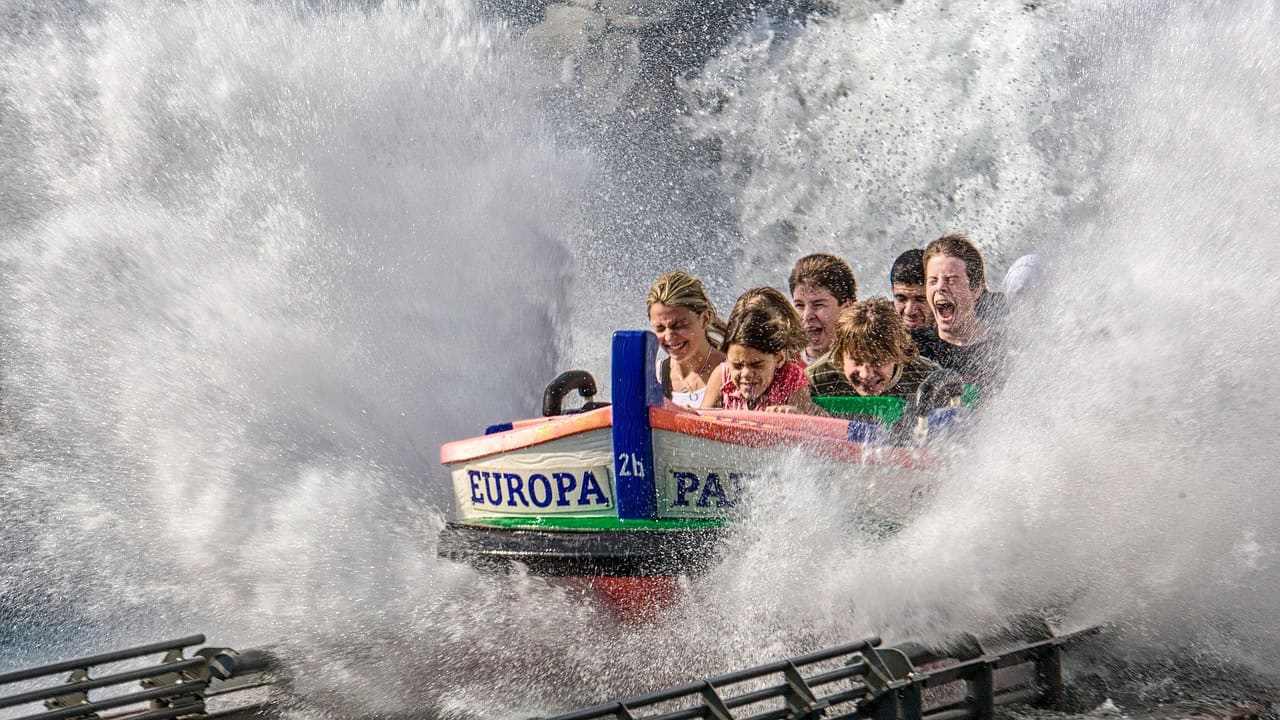
Operating from 1978 to 1996, Action Park covered roughly 110 acres and offered more than 75 rides with minimal supervision. Peak attendance exceeded 1 million visitors annually, with entry costing around $20 in the early 1990s. The park became infamous for injuries, recording hundreds each summer and at least six confirmed fatalities. Poor engineering and lax safety standards led to mounting lawsuits. Insurance costs eventually made operations impossible. Despite its dangers, many kids remember it as a place of unmatched freedom rarely allowed elsewhere.
4. Six Flags AstroWorld (Texas)
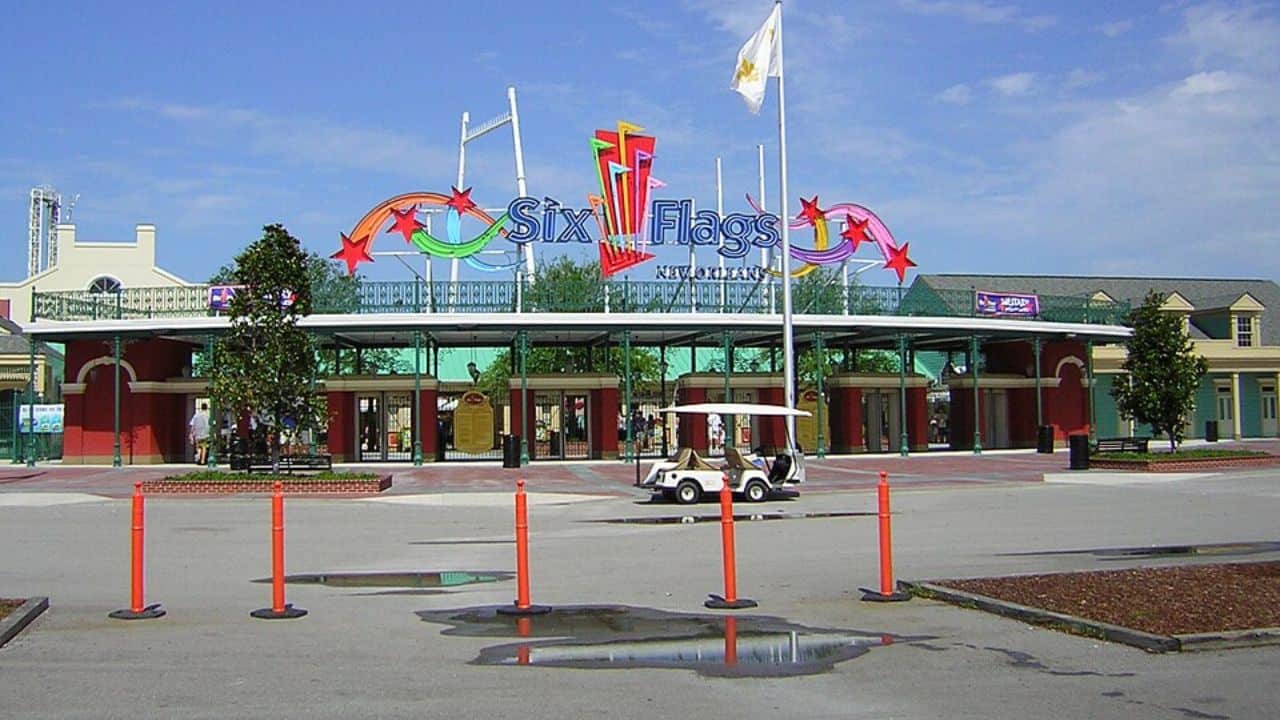
AstroWorld opened in 1968 on 57 acres near Houston’s Astrodome and quickly became a regional landmark. At its height, it featured 34 rides, including nine roller coasters, and welcomed over 3 million visitors annually. Ticket prices reached approximately $45 by the early 2000s. While attendance remained stable, the land itself became worth more than $70 million. Six Flags closed the park in 2005 to sell the property. For Texas families, AstroWorld marked summers measured in height requirements and heat.
5. Discovery Zone (Nationwide)
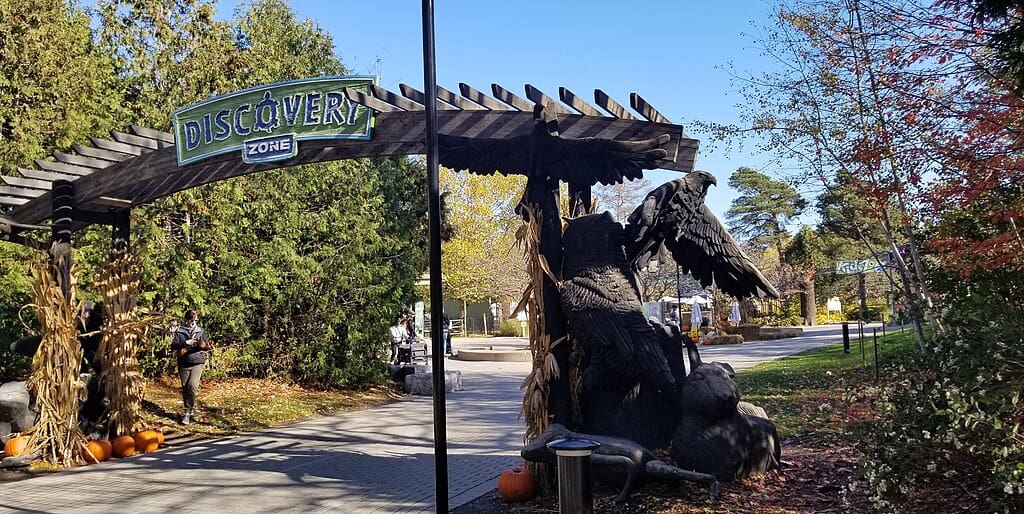
Discovery Zone launched in 1989 and expanded rapidly, reaching over 400 locations worldwide within six years. Each center averaged 8,000 square feet filled with tunnels, climbing nets, and padded obstacles. Birthday packages typically ranged from $12 to $18 per child. While popular, expansion was fueled by heavy borrowing, and corporate debt surpassed $350 million. By 1999, all U.S. locations closed. For many children, Discovery Zone was their first taste of unstructured, rule-light independence indoors.
6. SeaWorld Ohio (Ohio)
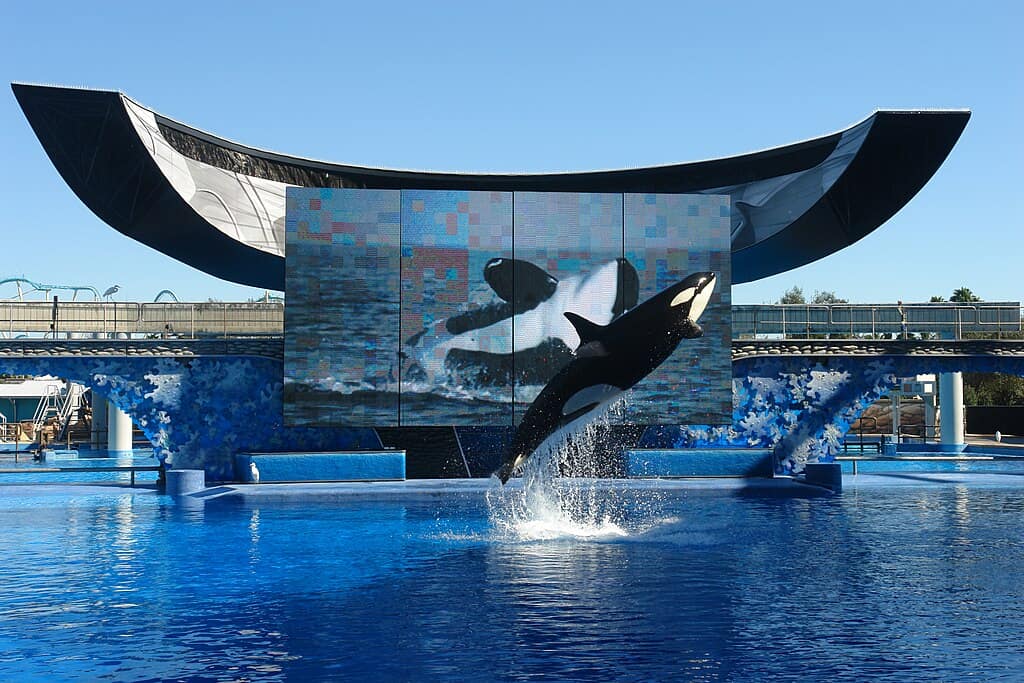
SeaWorld Ohio opened in 1970 near Cleveland, spreading across nearly 700 acres and combining marine shows with amusement rides. Annual attendance peaked around 2.5 million visitors, with ticket prices averaging $35 in the 1990s. Maintenance costs were substantial, especially for animal care and water systems. Growing public criticism of marine captivity reduced long-term viability. In 2000, the park closed and was absorbed into Six Flags Worlds of Adventure. Its closure removed a rare ocean-themed experience from the American Midwest.
7. Nickelodeon Studios (Florida)
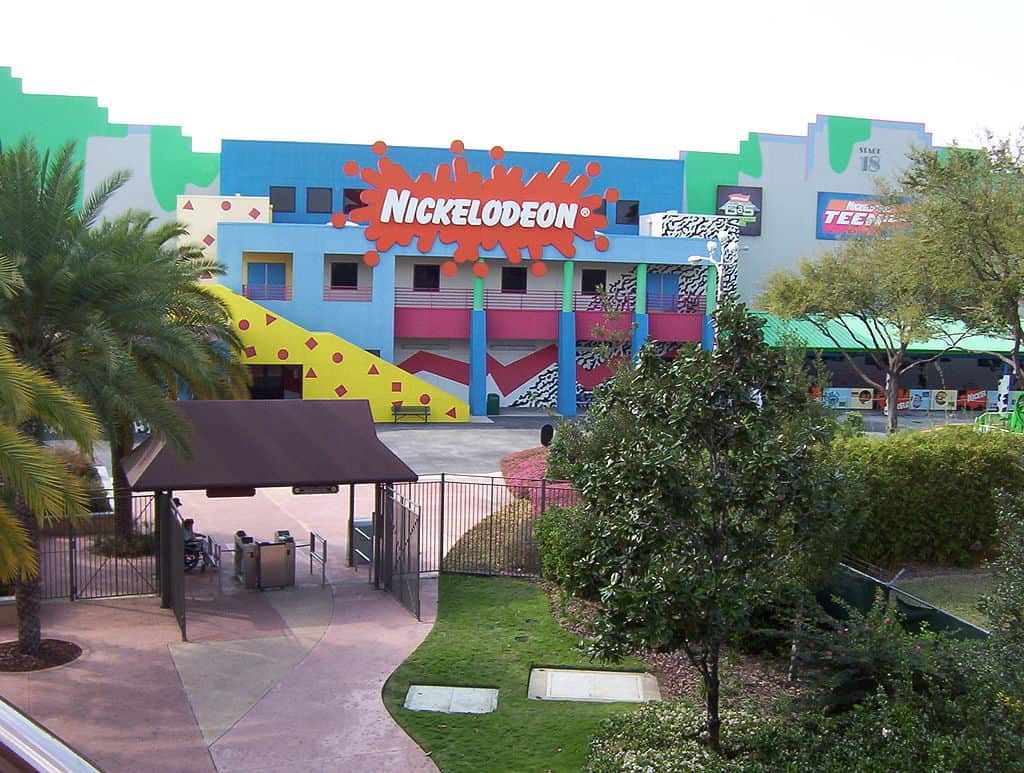
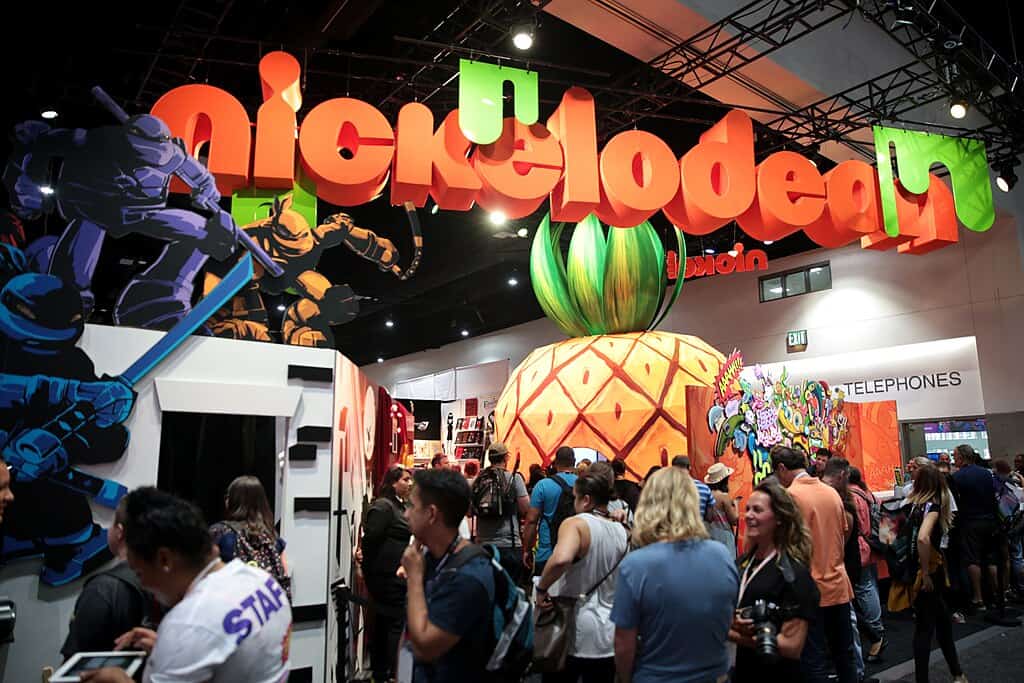
Nickelodeon Studios operated from 1990 to 2005 within Universal Studios Florida, occupying nearly 100,000 square feet. The studio produced over 2,000 episodes of children’s television and hosted live audiences of roughly 500 guests daily. Park admission averaged $55, granting kids free access to tapings. As production moved to California and digital sets replaced physical studios, the facility lost purpose. Nickelodeon shut it down quietly. For young visitors, it made television feel tangible, messy, and surprisingly loud.
8. Bigfoot Fun Park (Multiple States)
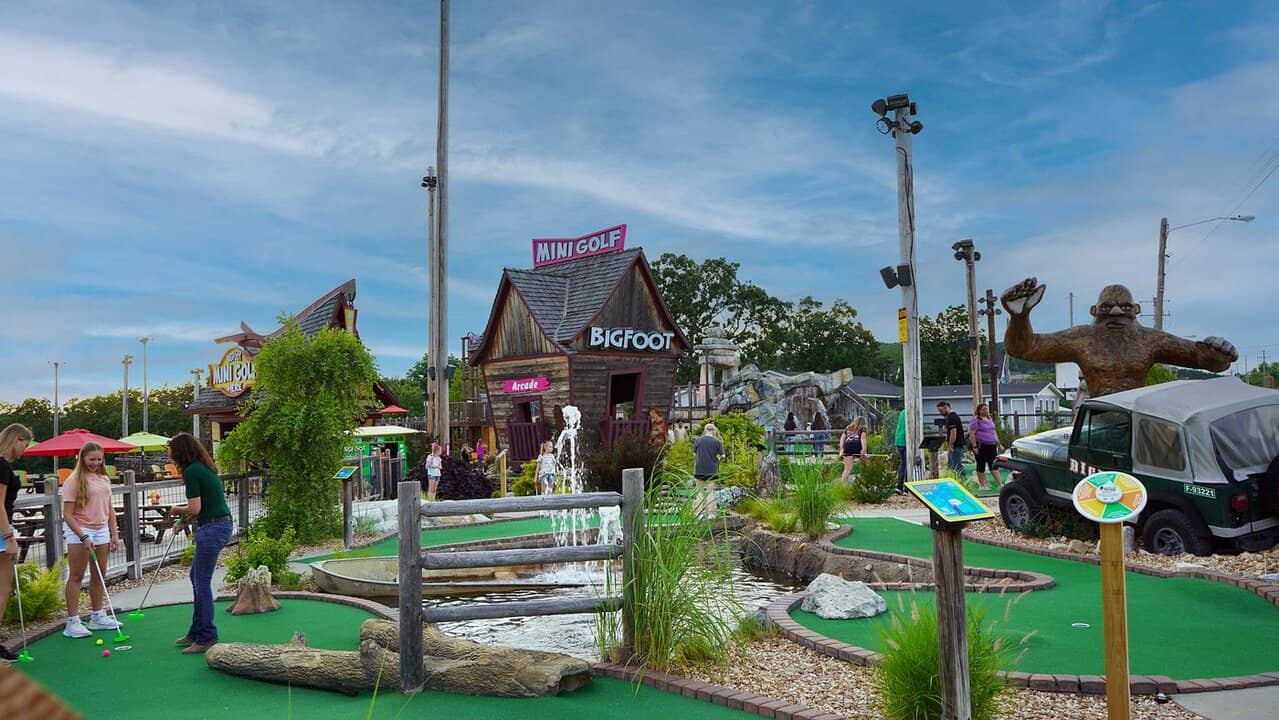
Bigfoot Fun Parks emerged in the 1960s across several states, typically occupying 5 to 10 acres near highways. Their massive fiberglass Bigfoot statues often reached 20 feet tall, paired with mini-golf, arcades, and snack stands. Admission usually cost under $5, attracting thousands of summer travelers weekly. As interstates bypassed roadside stops and gas prices rose, foot traffic collapsed. Most parks closed by the 1990s. These attractions thrived on curiosity rather than polish, which made them unforgettable to children.
9. Freedomland USA (New York)
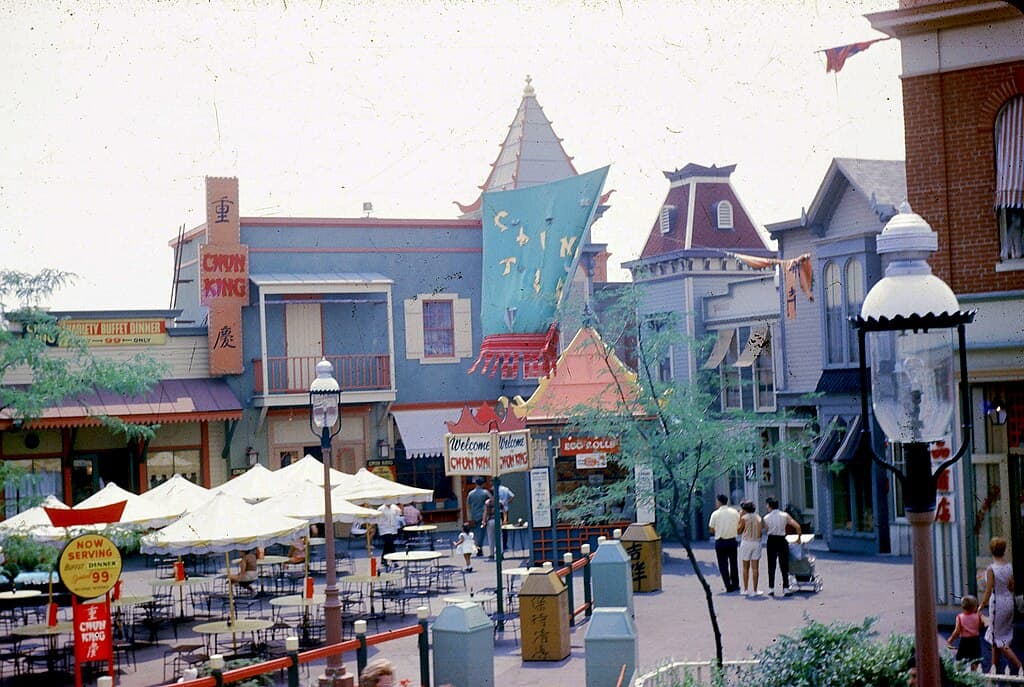
Freedomland USA opened in 1960 on 205 acres in the Bronx, making it larger than Disneyland at the time. The park featured over 40 attractions themed around American history and geography. Annual attendance peaked at 1.5 million, but tickets priced at $2.75 failed to cover expenses. Losses exceeded $20 million by 1964. After just five seasons, the park closed permanently. Its ambitious scale made its disappearance especially shocking to families who assumed it would last forever.
10. Splendid China (Florida)
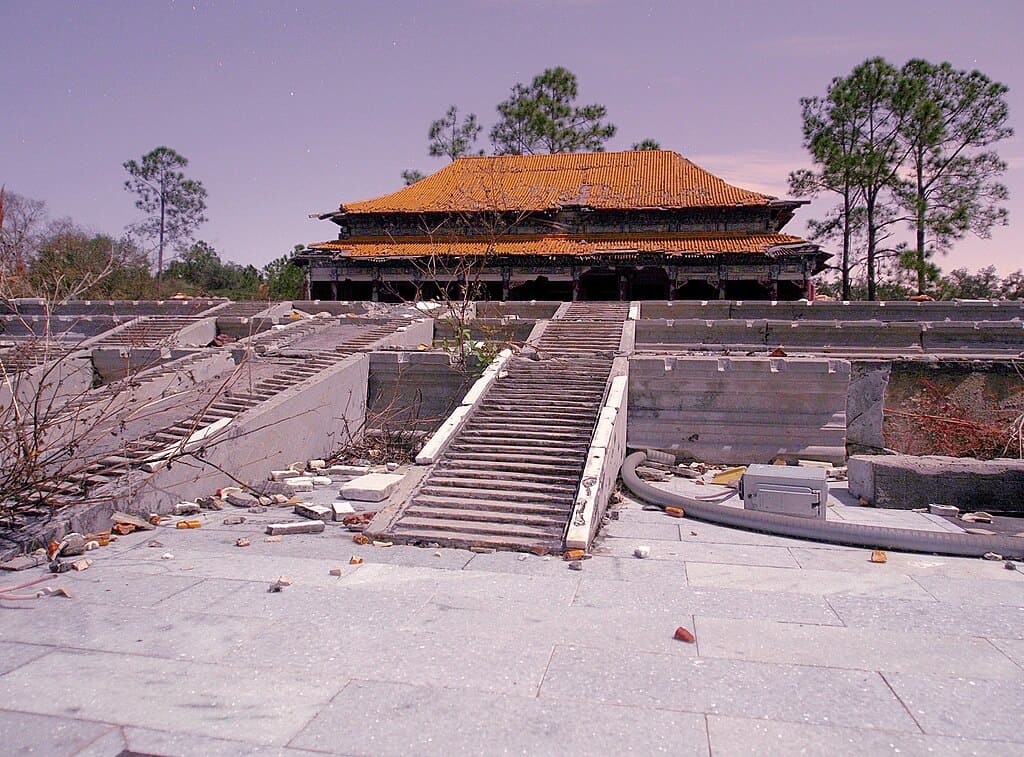
Splendid China opened near Orlando in 1993 on 76 acres, displaying over 60 miniature landmarks at a 1:10 scale. Construction costs exceeded $100 million, reflecting extreme attention to detail. Daily attendance averaged only 1,000 visitors, far below projections of 4,000. Adult tickets cost around $28. Despite cultural shows and craftsmanship, operating losses mounted. The park closed in 2003. For children, it felt like traveling internationally without ever leaving Florida.