We may earn money or products from the companies mentioned in this post. This means if you click on the link and purchase the item, I will receive a small commission at no extra cost to you ... you're just helping re-supply our family's travel fund.
Airport security in the United States has grown more consistent, yet many slowdowns still come from familiar missteps rather than new technology. Rules evolve quietly, enforcement varies by airport, and habits formed years ago linger long after policies change. The result is a steady stream of avoidable delays that ripple through checkpoints, especially during peak travel seasons. In 2026, smoother screening often depends less on luck and more on understanding how small oversights add friction to an already crowded system.
Packing Liquids Too Casually
/Freepik
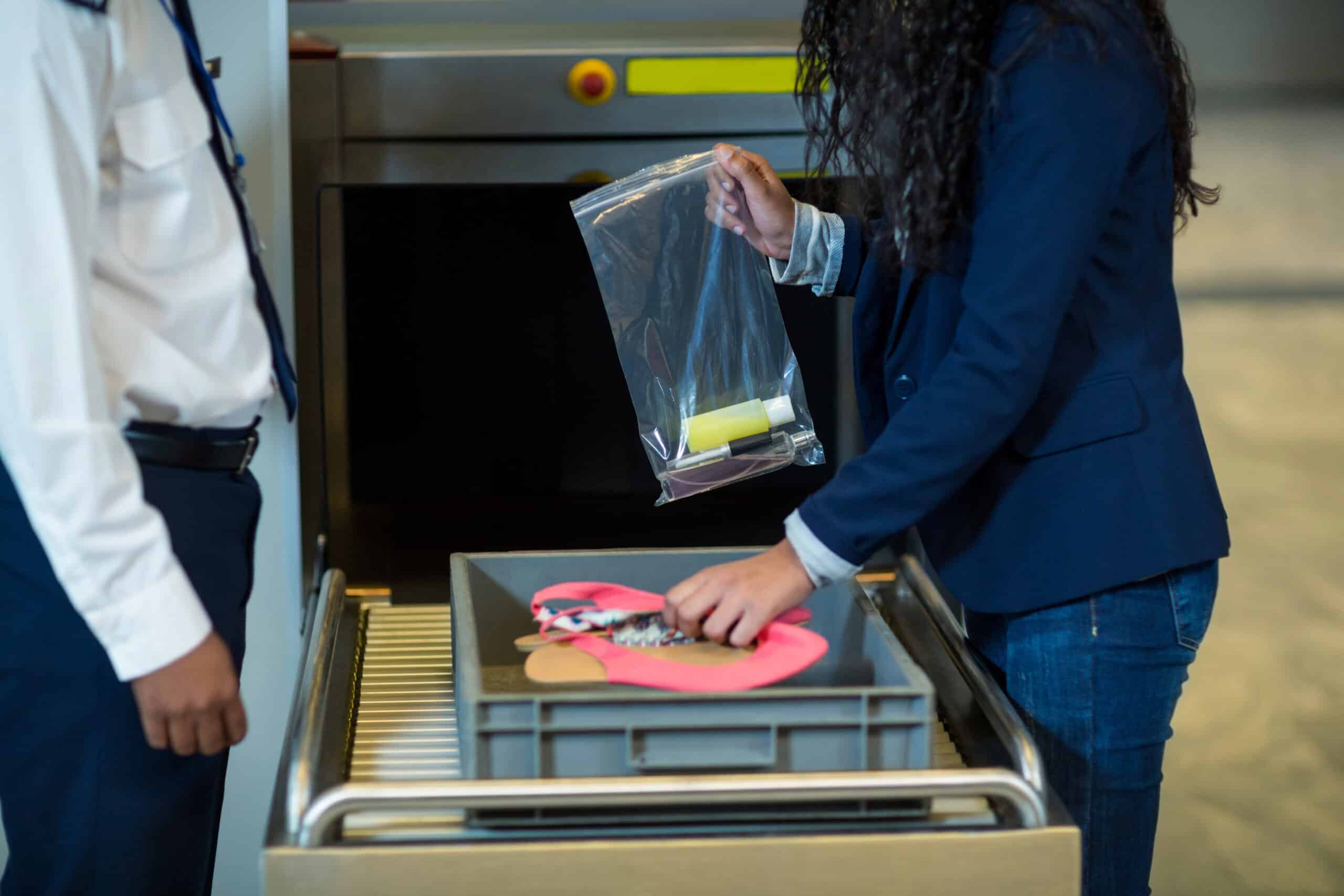
Many travelers still treat the liquids rule as flexible, assuming a bigger bottle might slide through when the line is moving fast. Screeners stay strict, and oversized containers often trigger a bag search that slows more than one person, because a single flagged tray can stall the belt and force repacking at the table. Even compliant liquids can cause delays when they are scattered through pockets instead of grouped, since officers may need a clearer look to confirm sizes. The frustration feels personal, but the process is mechanical. One careless liquids setup can create a ripple that turns a calm lane into a bottleneck.
Forgetting About Pocket Items
Keys, earbuds, coins, lip balm, and small metal bits still cause trouble because they are easy to forget and easy for scanners to detect. When pockets are not cleared, alarms happen, bins get pulled, and travelers step back for a second pass, which interrupts the flow for everyone behind them. The annoying part is how avoidable it is. A single pouch or jacket pocket used as a staging area before entering the line eliminates the last-second pat-down moment that slows the lane. In 2026, the machines are better than ever at spotting clutter. That means pocket clutter is less likely to slip by and more likely to cost time.
Assuming Shoes Always Stay On
Footwear rules still confuse people because they depend on lane type, traveler status, and local equipment, not one universal rule remembered from ten years ago. Some travelers remove shoes automatically and create extra bins and extra repacking, while others hesitate, wait for directions, and then hold up the belt when removal is required. The hesitation is what breaks rhythm. Most lanes post clear signage, but old habits override it when airports feel loud and rushed. The fastest travelers are the ones who read the lane and commit quickly. In 2026, uncertainty at the shoe line is still one of the easiest ways to slow a whole group.
Misunderstanding Electronics Rules
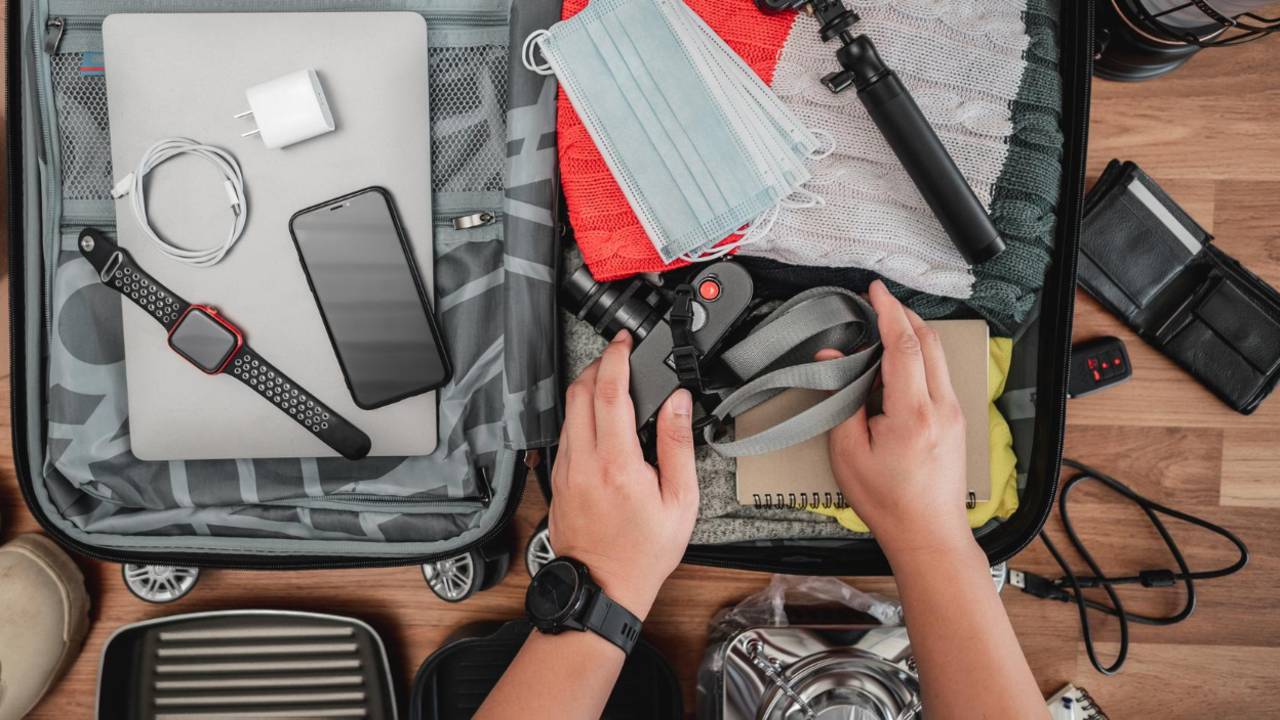
Laptops and tablets no longer follow one simple rule everywhere, and that inconsistency keeps causing predictable delays. Some travelers pull devices out even when newer scanners allow electronics to stay packed, creating extra bins and a longer repack on the exit side. Others do the opposite and bury a laptop under clothing when the lane still requires removal, triggering a bag check and a reset at the table. Both mistakes waste time because they force staff to intervene. The fix is boring but effective: pack electronics so they can be lifted out in seconds if asked, and watch what the traveler ahead is doing. The lane tells on itself.
Overpacking Carry-On Bags
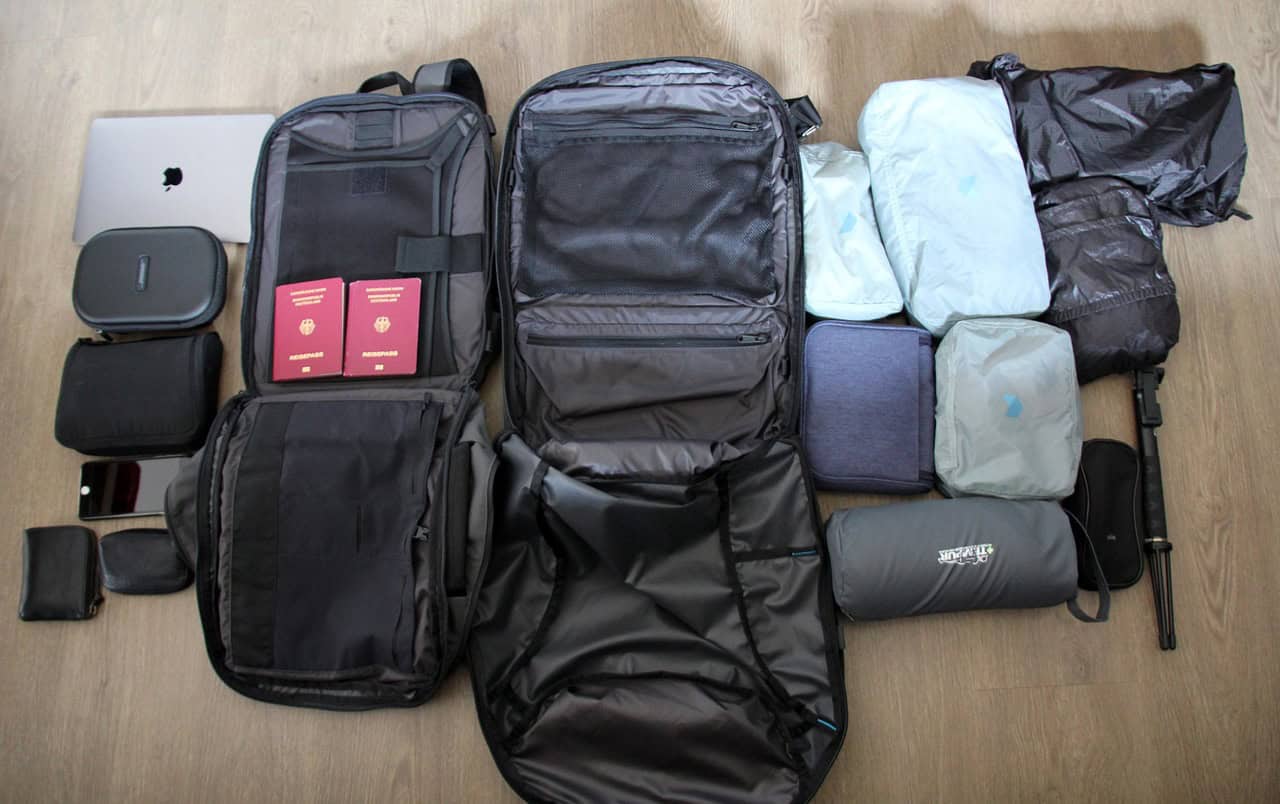
Stuffed carry-ons create problems because dense bags look messy on X-ray, and messy images invite manual inspection. Travelers often blame security for the delay, yet the real culprit is the bag built like a junk drawer, with chargers, snacks, toiletries, and clothing layered into one thick block. When scanners cannot read the contents cleanly, an officer has to open it, shift items, and confirm what is what, which takes time and creates stress in a crowded space. Overpacking also makes repacking slower, so the exit area clogs. A slightly emptier bag is not just comfort. It is speed.
Wearing Complicated Clothing
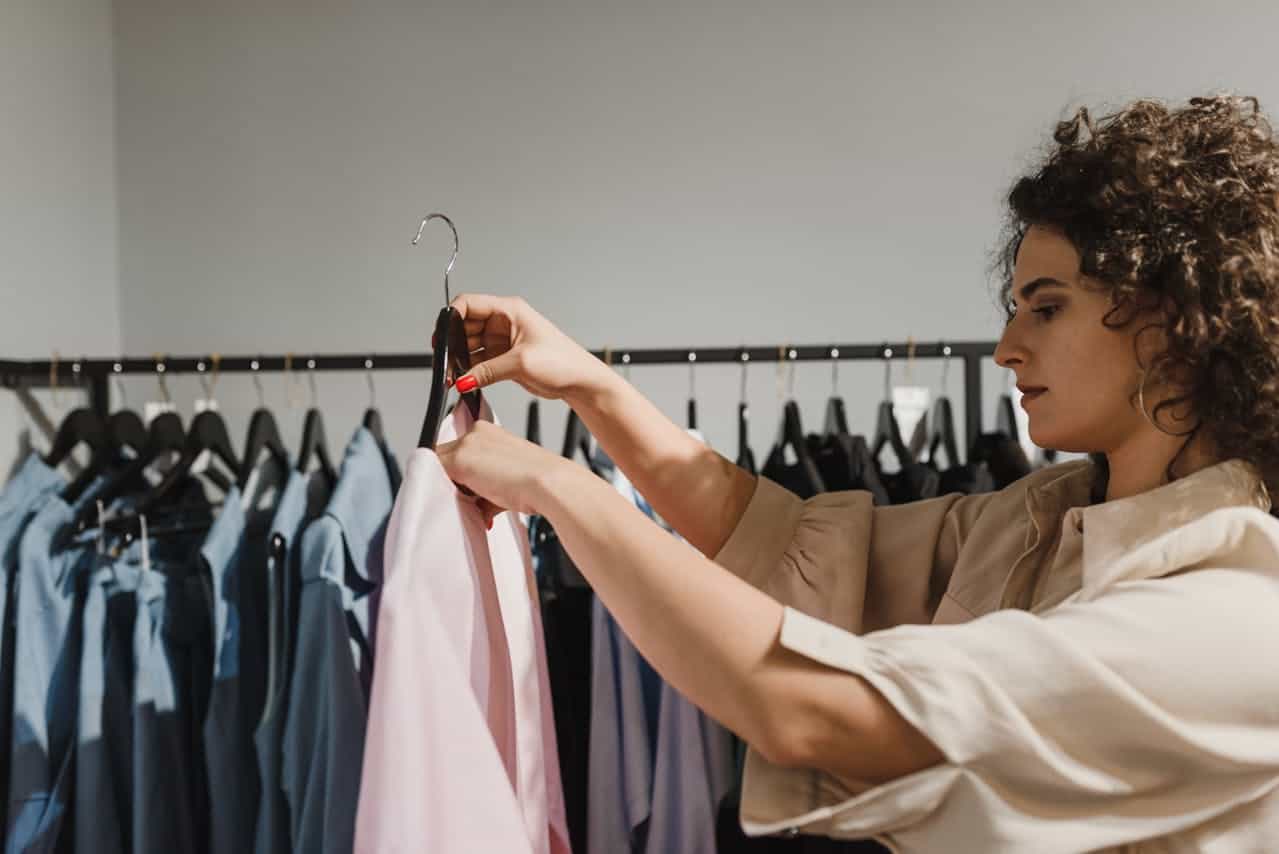
Belts with big buckles, stacked jewelry, heavy boots, and layered jackets still trigger alarms, even when the traveler is not doing anything wrong. Many people dress for comfort without thinking about how metal and bulk behave in a scanner, then act surprised when they get pulled aside for a second check. The delay is often small, but small delays add up during peak departure banks. The simplest outfit moves through fastest: minimal metal, easy layers, shoes that do not require a wrestling match. When the line is long, clothing becomes a time choice, not just a style choice. In 2026, it is still one of the cleanest fixes.
Arriving Too Close To Boarding Time
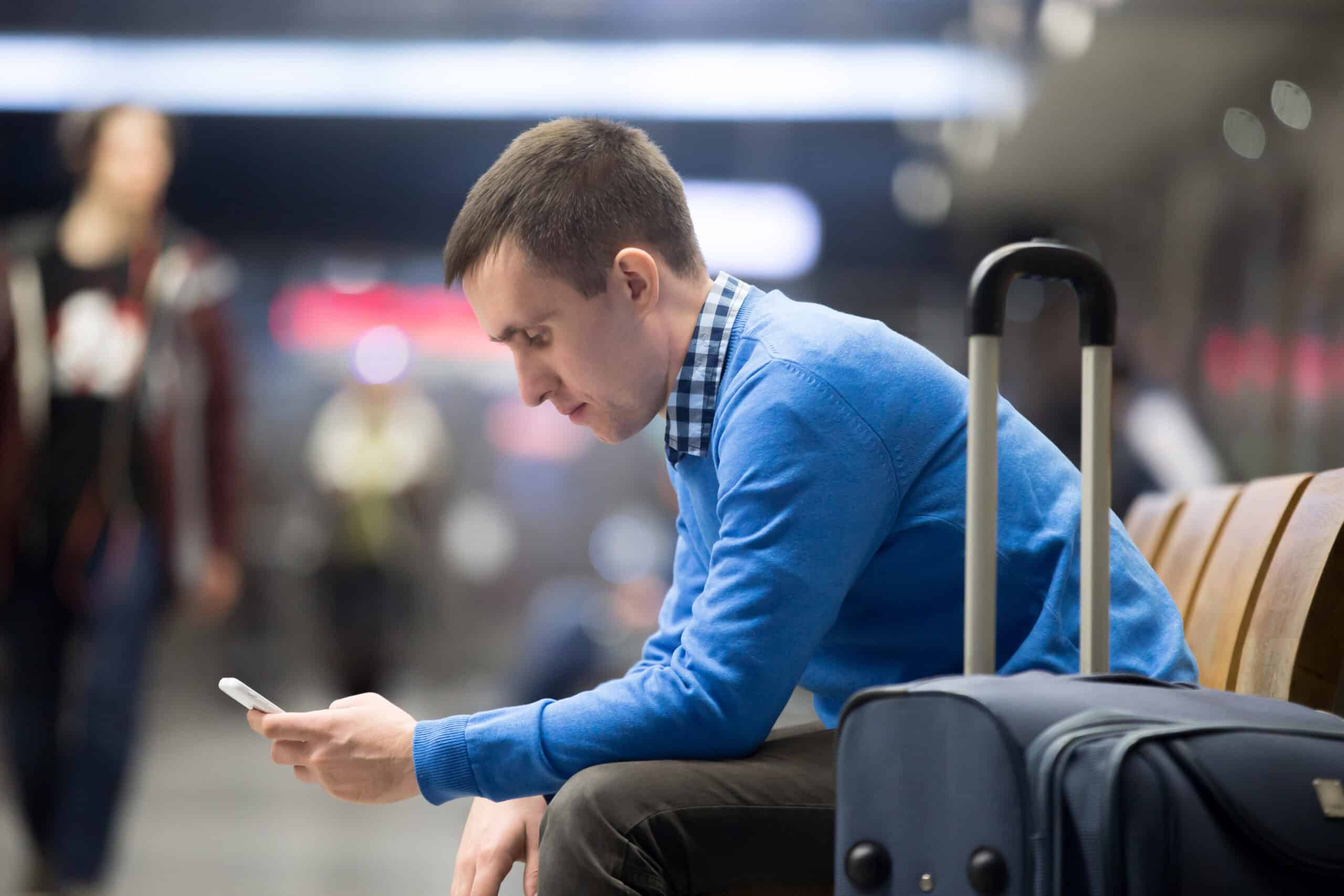
Some flyers still treat posted wait estimates like promises instead of rough snapshots. Staffing changes, flight banks surge, and one weather disruption can reroute crowds into the same checkpoint within minutes. When a traveler arrives with no buffer, any small issue becomes a crisis: a liquids bag pulled, an ID question, a secondary screening, or a bag that needs a re-scan. Then the sprint starts, and the stress spreads. The airport did not suddenly become unfair. The traveler just gave themselves no slack. In 2026, the biggest mistake is still psychological: assuming the system will behave the same way it did last time.
Ignoring PreCheck Or Trusted Traveler Limits
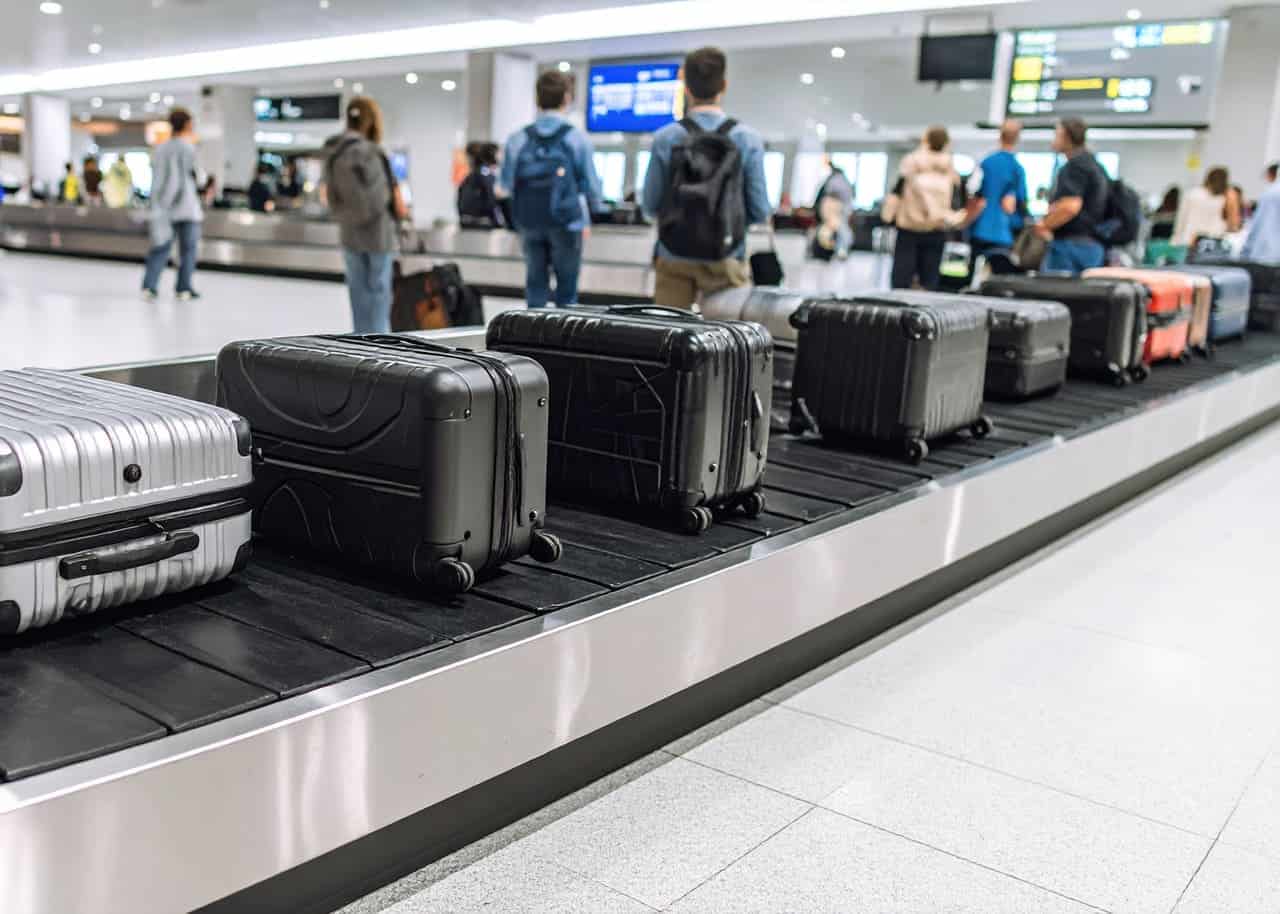
Expedited programs help, but they also create false confidence. Some travelers assume PreCheck means every rule is relaxed, or that every airport runs the same setup, then freeze when a lane operates differently or when a companion lacks the same status. That confusion spills into the flow because it happens at the belt, where everything is timed. Even inside PreCheck, officers can still ask for removals depending on local procedures, alarms, or equipment. The smooth move is to treat PreCheck like a faster version of security, not a different universe. In 2026, entitlement and surprise are still the biggest enemies of speed.
Packing Prohibited Items By Accident
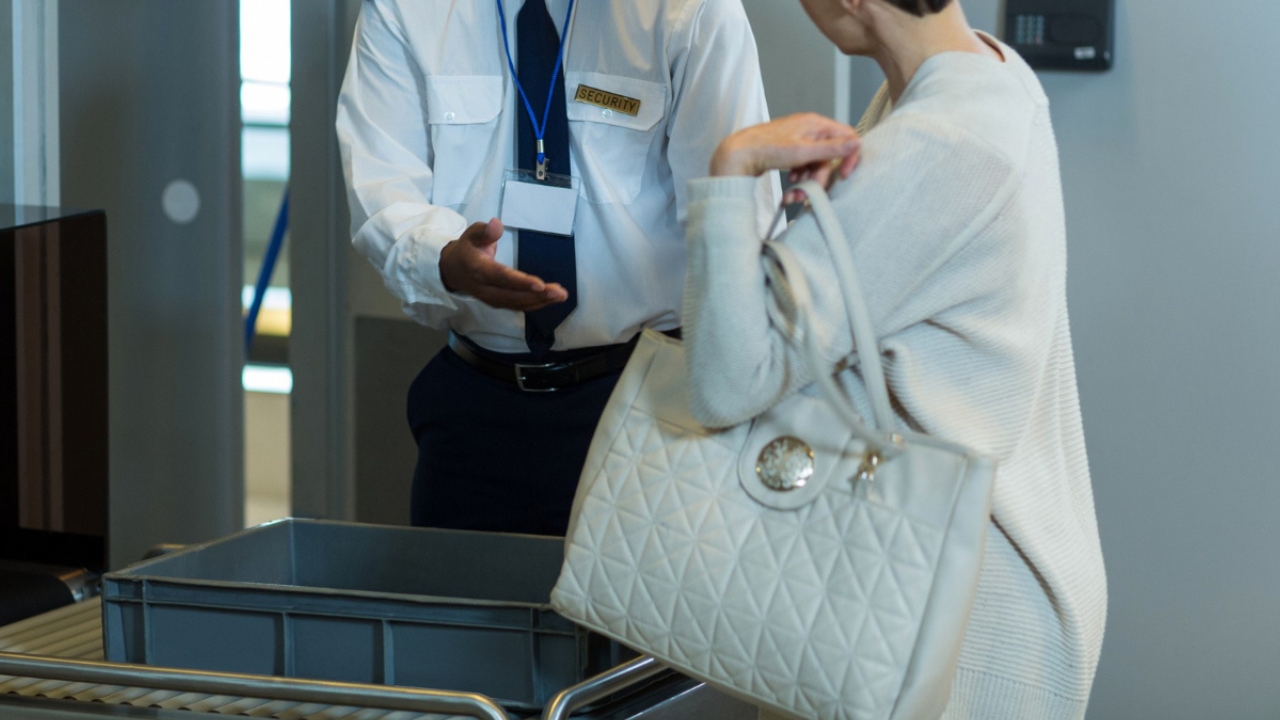
Prohibited items show up in carry-ons more often than people admit, and most of the time it is not malicious. It is a forgotten pocketknife clipped to a keychain, a multitool left in a backpack, a pepper spray can that lived in a purse, or a random utility blade after a home project. The moment it appears on X-ray, the whole routine changes. Bags get searched, paperwork starts, and the lane slows while staff handle the item safely and consistently. The traveler loses time and composure, and everyone behind loses pace. A thirty-second check at home saves the longest, most frustrating stop at the checkpoint.
Waiting For Instructions Instead Of Preparing
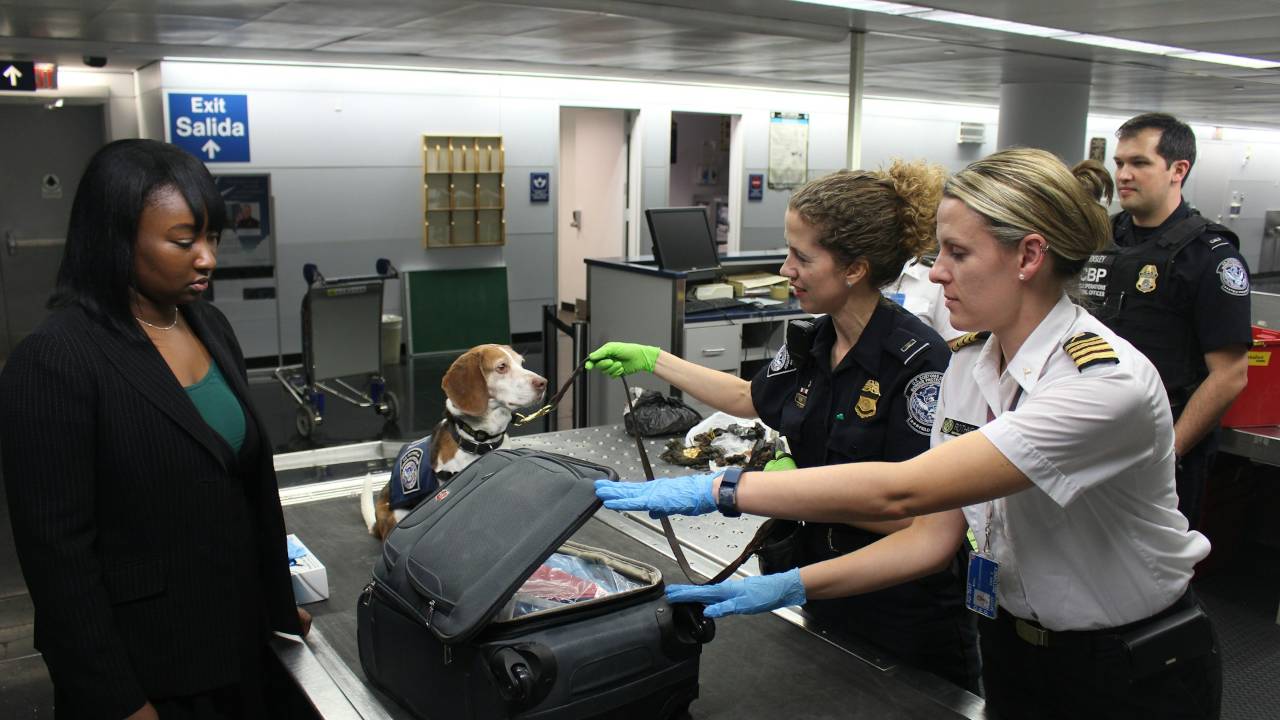
Many delays come from travelers reaching the belt and then asking what happens next, as if the lane is a classroom. Security moves fastest when preparation happens before the trays appear, not while the belt is running. People who watch the flow ahead, empty pockets early, and stage laptops and liquids where they can be reached quickly help keep the whole line moving. Those who wait, dig, and debate create micro-stalls that pile up into real backups. The most efficient travelers are not the ones who rush. They are the ones who move with purpose, keep their hands free, and do not make the belt area their organizing desk.