We may earn money or products from the companies mentioned in this post. This means if you click on the link and purchase the item, I will receive a small commission at no extra cost to you ... you're just helping re-supply our family's travel fund.
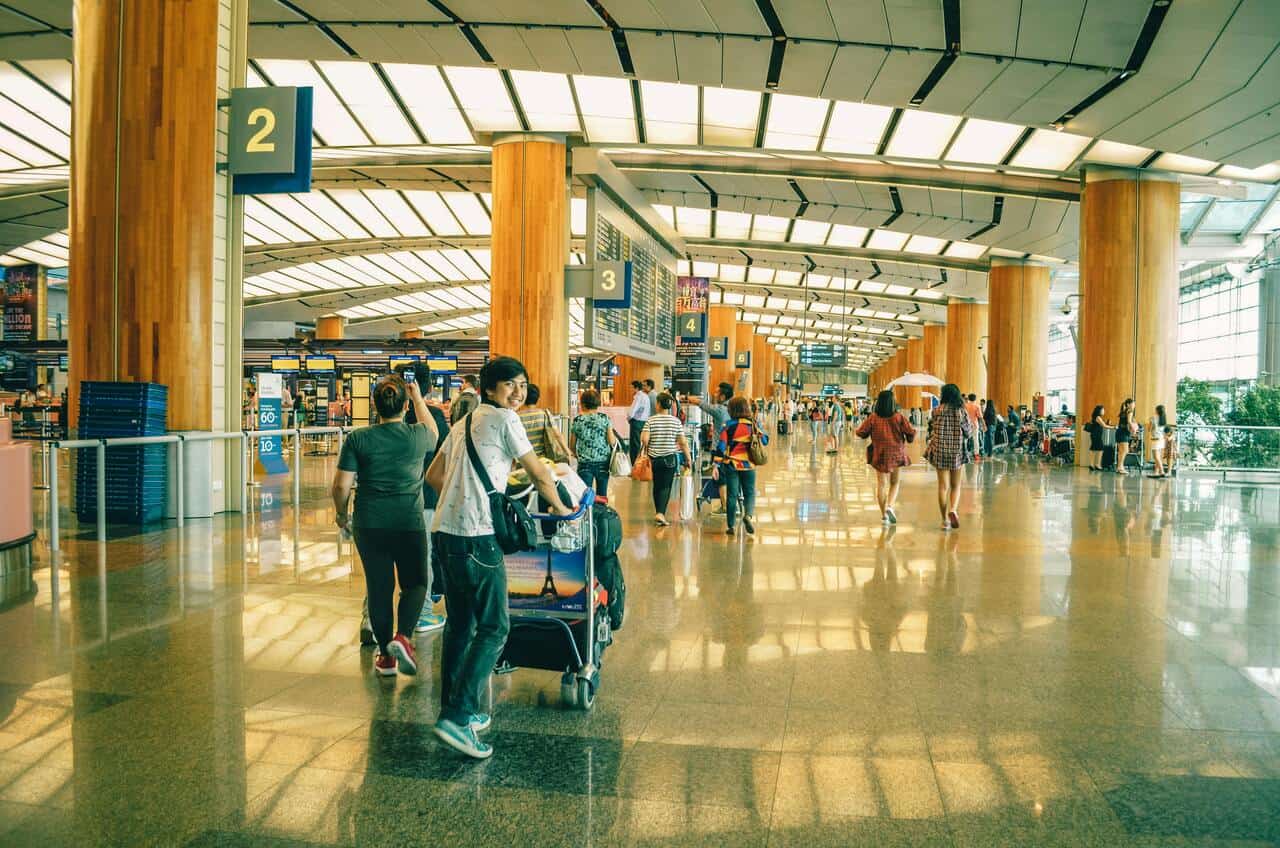
Even as airports in 2026 rely on more automation, smoother layouts, and faster biometrics, travelers still face long lines, document surprises, and stressful timing. Smarter preparation, precise awareness, and a few dependable habits can reduce delays by nearly 40%, improve comfort, and protect you from unexpected costs. These ten check-in hacks remain remarkably effective, even in a mostly self-service era, proving that strategy still matters more than machines.
1. Check In the Moment It Opens
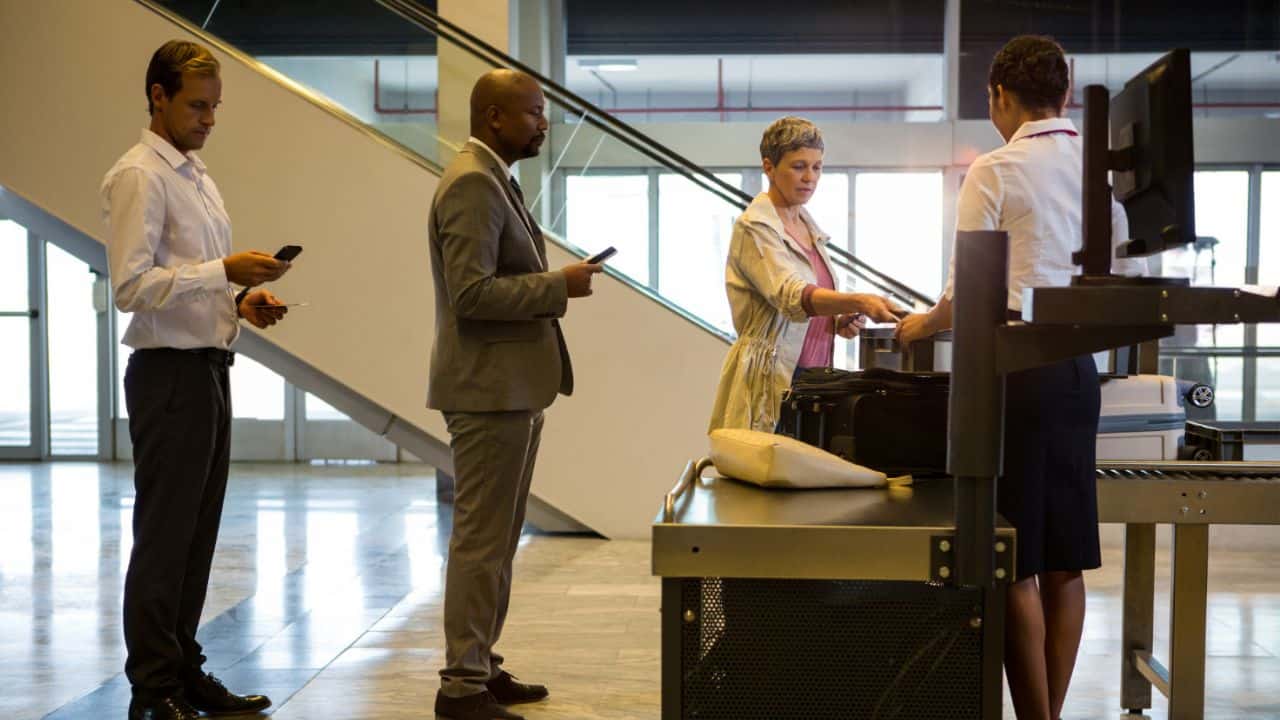
Checking in the instant your airline window opens still delivers real advantages in 2026. Most carriers release seats 24 to 48 hours before departure, and those who act early secure better rows, higher upgrade odds, and reduced bump risk on oversold flights. Travelers who check in late are almost 60% more likely to lose their preferred seats. Early digital processing also helps biometric gates verify identity faster, sometimes shaving 6–10 minutes at the airport. Setting phone reminders remains one of the simplest time-saving habits frequent travelers swear by.
2. Airline Apps Still Save Serious Time
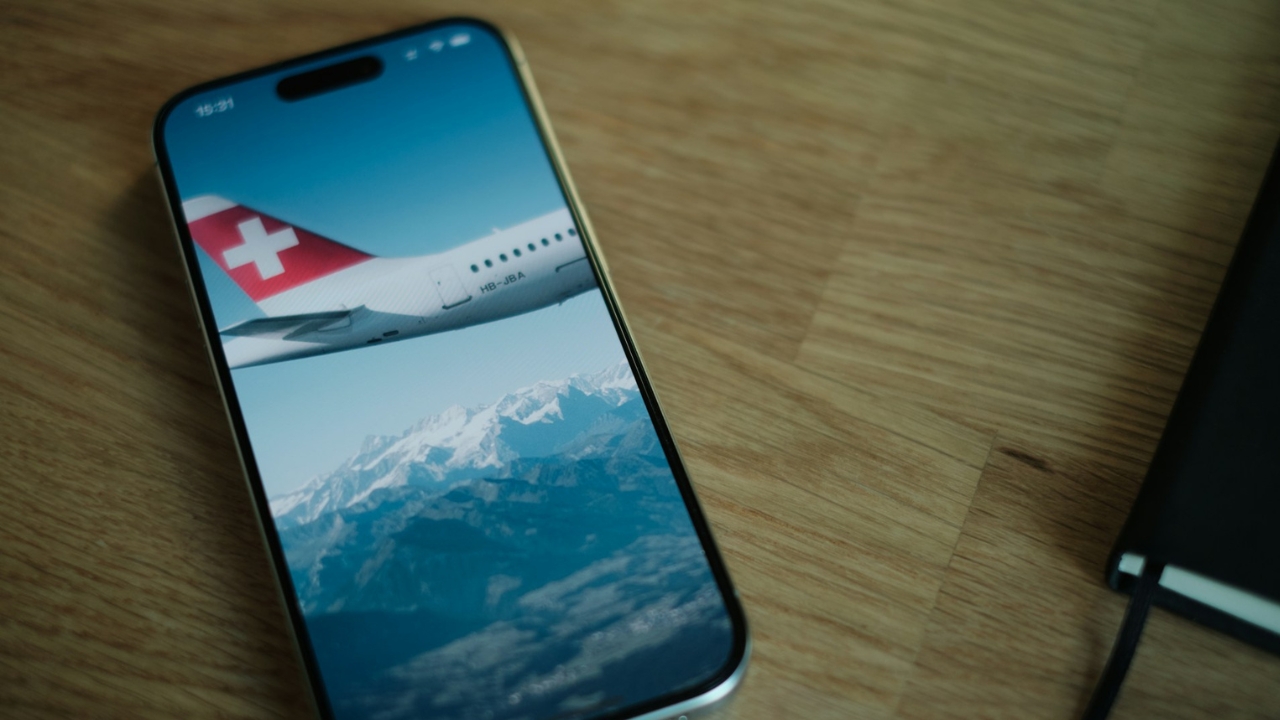
Mobile airline apps in 2026 do far more than display boarding passes. Around 82% of major airlines now allow document uploads, baggage payments, and seat changes before arrival, meaning fewer kiosk stops and smoother check-in flow. Real-time alerts reduce missed announcements by nearly 45%, and many apps even show queue estimates to help you choose the smartest lane. A downloaded pass also prevents panic when Wi-Fi drops, while integrated biometrics lets some passengers move from entrance to security in under 9 minutes, making the app a genuine time weapon.
3. Human Counters Remain the Best Problem-Solvers
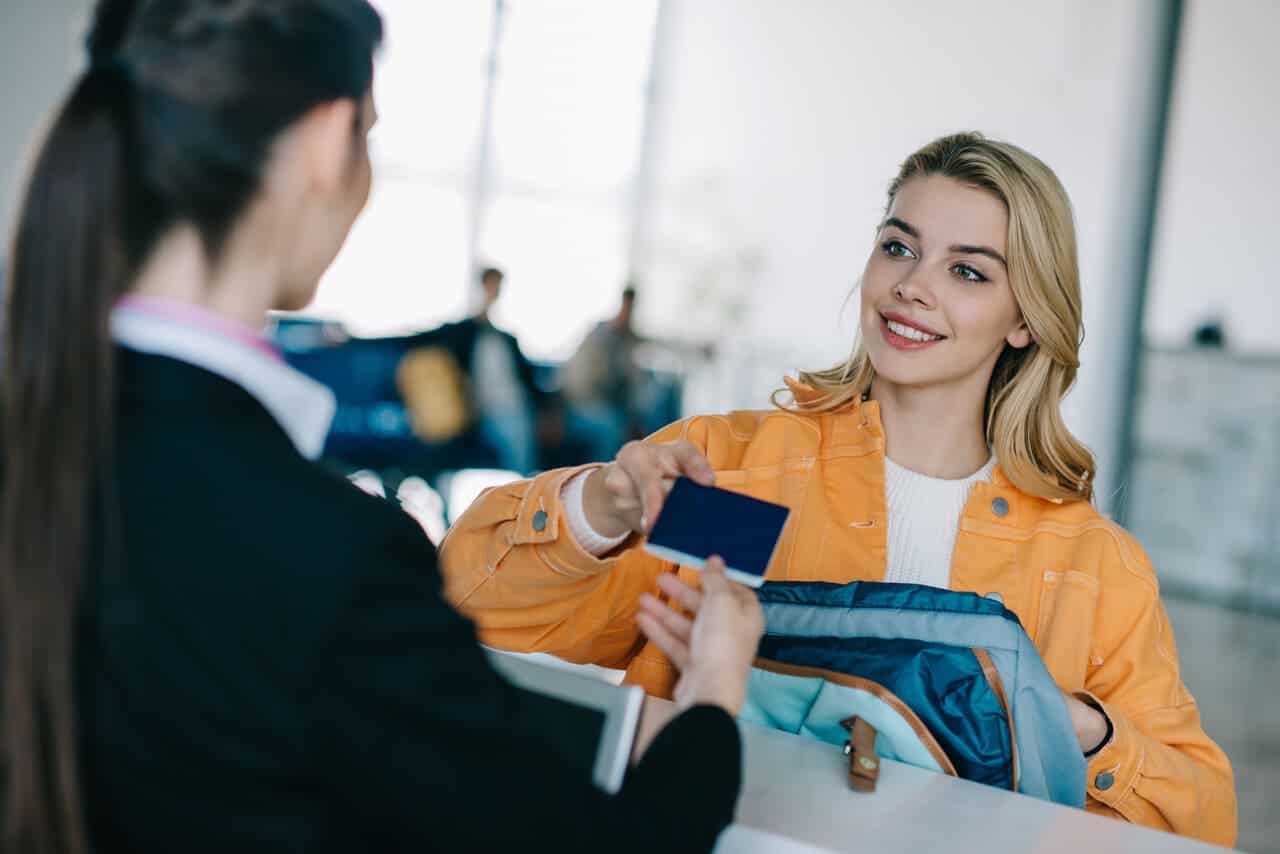
Despite airports promoting automation, staffed counters still rescue travelers when systems fail. Roughly 1 in 7 passengers experiences an issue kiosks cannot fix, from mismatched passport data to complex ticket changes and irregular baggage needs. Staff can override technical restrictions, manually reassign seats, and protect connections faster than automated help desks. During disruption spikes, human assistance reduces resolution time by nearly 50% compared to kiosk troubleshooting. If queues look chaotic or screens freeze, heading directly to a staffed desk often remains the smartest real-world decision.
4. Keep Documents Digitally Organized

Travelers who organize everything on their phone; passport scan, booking code, hotel details, visas, or medical proofs, move through check-in dramatically faster. Airports report that poorly prepared passengers slow lines by nearly 30%, usually due to missing screenshots or unstable internet. Creating one offline folder prevents scrambling at counters and ensures biometric systems read stored data correctly. Having digital backups also protects against physical loss, which still happens to around 4% of travelers yearly. Smart organization limits stress while cutting unnecessary interactions, making the airport process feel controlled rather than chaotic.
5. Priority Lanes Are Still Worth the Price

Even without a business-class ticket, priority lanes continue to provide powerful advantages. Many airlines now sell fast-track access for as little as $10 to $35, while certain credit cards and loyalty tiers offer it free. During peak departures, priority lines can be 50–70% shorter, saving families and frequent flyers valuable energy. With more self-service bag drops but growing passenger volumes, these lanes remain reliable time shields. If you travel with multiple bags, tight schedules, or children, the reduced waiting time easily outweighs the small added cost almost every time.
6. Prepare and Weigh Bags Before Reaching the Desk
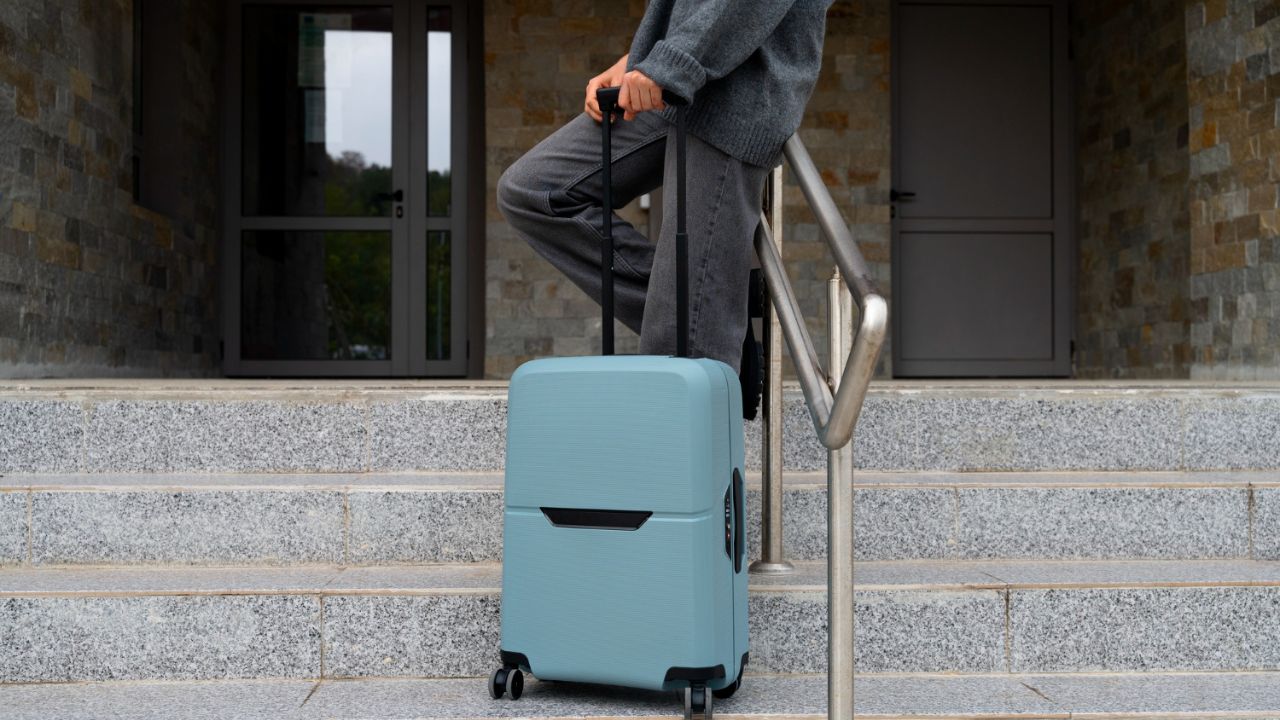
Even though airports have improved self-tagging, unprepared baggage remains one of the biggest causes of check-in delays. Around 18–22% of travelers still reach counters uncertain about weight, leading to last-minute repacking chaos and extra fees. Using a portable scale, tightening straps, removing prohibited items, and printing digital receipts in advance can save 8–12 minutes per passenger. Many airports now include free weighing stations, but organized travelers rarely need them. Arriving with bags completely ready turns the drop-off point into a quick handoff instead of a stressful negotiation.
7. Choosing the Right Airport or Terminal Matters
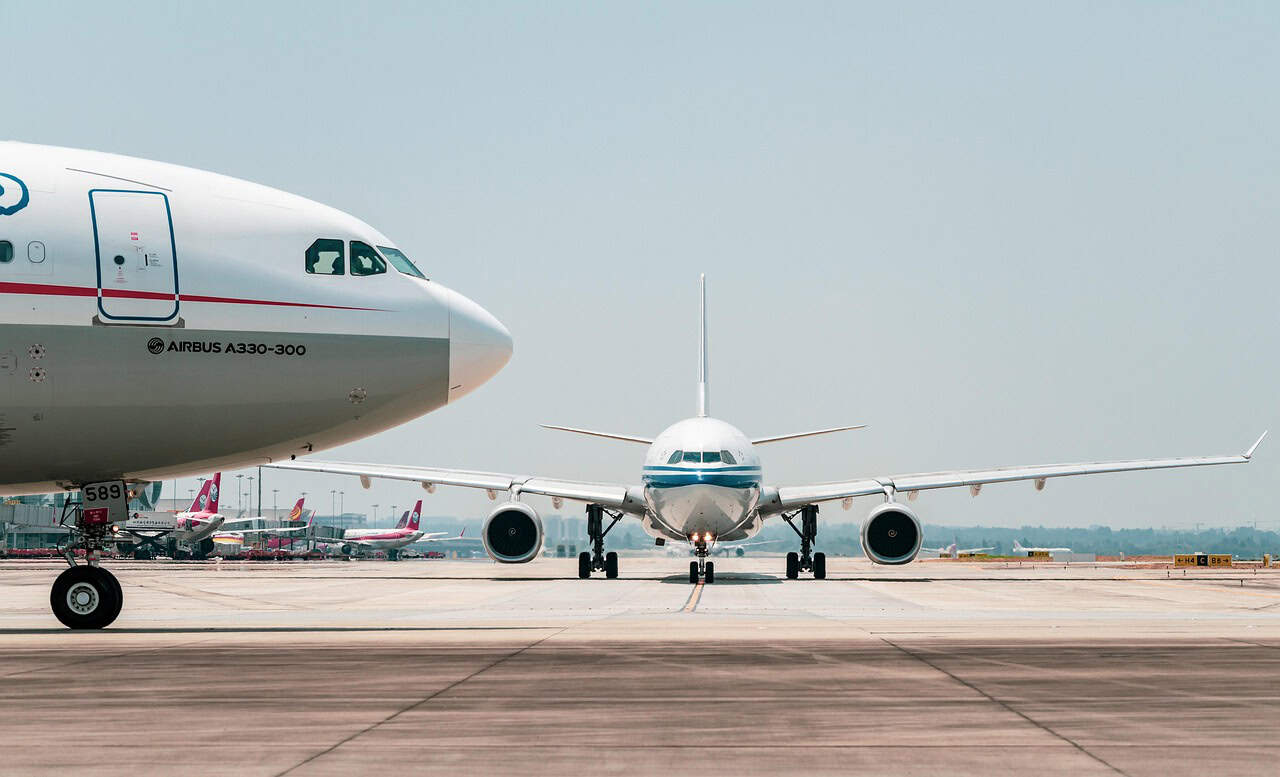
Not every airport offers the same efficiency, even in 2026. Newer terminals often process passengers up to 35% faster thanks to better design, wider self-service areas, and improved biometric flow. Reviewing airport efficiency scores, terminal renovation dates, and airline partner counters can dramatically change your experience. In cities with multiple airports, choosing the quieter option sometimes saves more time than leaving home earlier. Even within the same airport, switching to a partner terminal has helped travelers reduce waiting by 15–25%, proving location still plays a huge role.
8. Avoid Predictable Rush Times
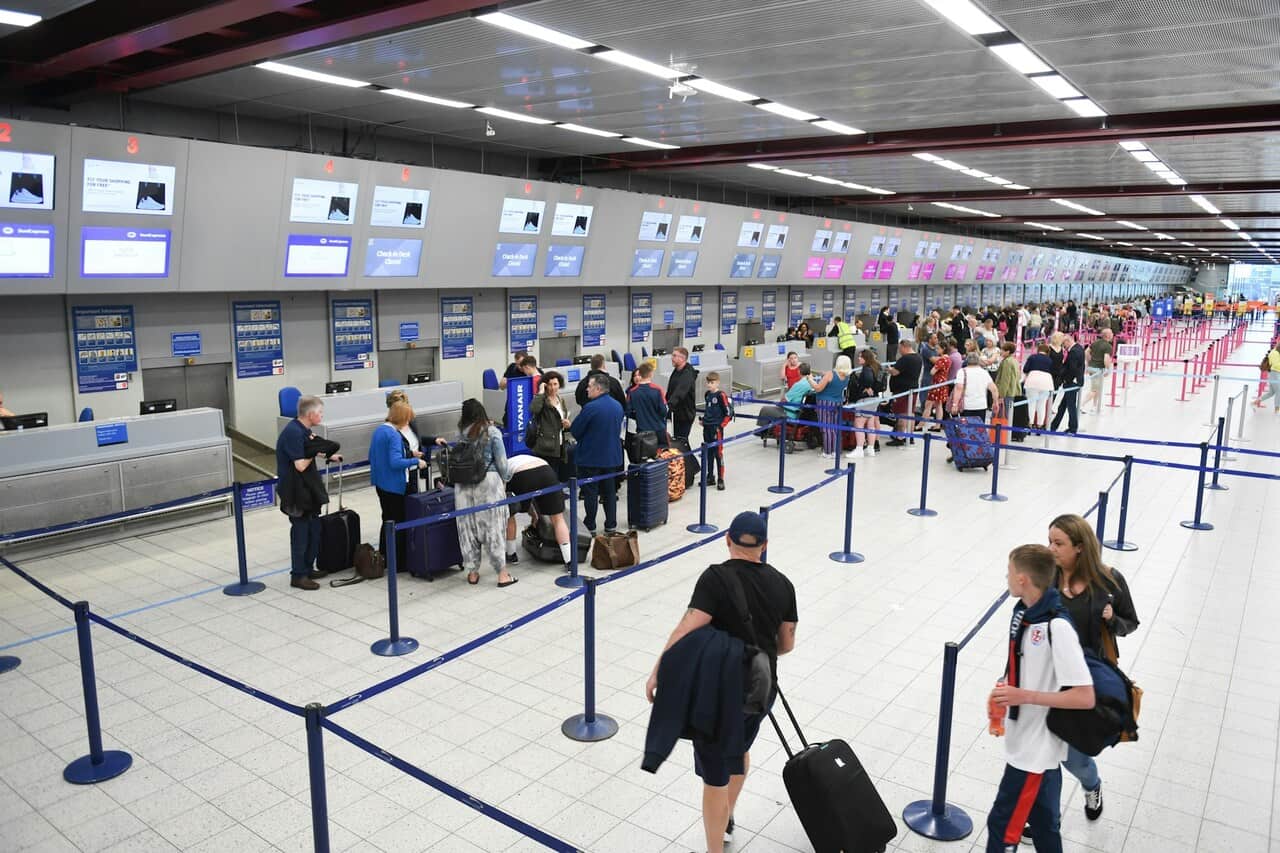
Automation hasn’t eliminated traffic peaks. Early mornings between 5:30–9:00 AM, weekend departures, and holiday seasons still create intense surges, increasing waiting times by up to 80%. Selecting midday flights or midweek departures often leads to significantly calmer terminals. Even arriving earlier than the standard advice can help, as airports report smoother flow 90–120 minutes before heavy waves. Predicting travel patterns remains a simple but powerful skill, ensuring you reach your gate relaxed instead of sprinting through crowded hallways under pressure.
9. Always Carry Backup ID and Payment Options
Self-service systems occasionally fail to read cards, reject IDs, or flag unexplained errors, leaving unprepared travelers stranded. Carrying a second credit card, an additional accepted ID, or a printed booking copy solves nearly 70% of these emergencies instantly. Around 6–8% of passengers still encounter technical glitches yearly, especially when traveling internationally. Backup options prevent ticket freezes, baggage payment problems, and identity mismatch delays. In an increasingly digital airport world, redundancy remains your safest insurance against moments when technology refuses to cooperate.
10. Observe Before Committing to a Line
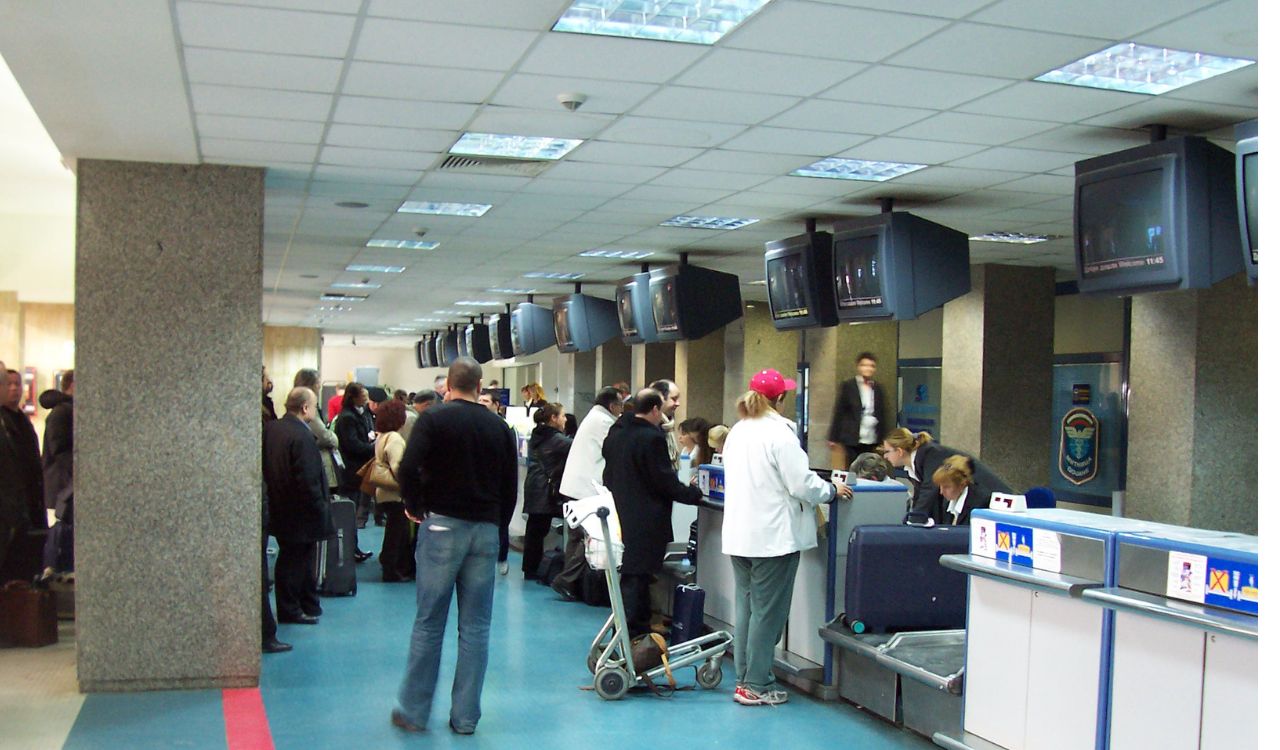
One of the simplest modern airport hacks is stepping back before rushing forward. Airports now offer multiple pathways; app-only counters, biometric lanes, dedicated kiosks, staffed desks, and premium drops and not all move at the same speed. Taking 30–60 seconds to scan signs, check movement pace, and compare options often reveals a much faster route others ignore. Travelers who pause strategically regularly save 7–12 minutes on average. In 2026, awareness, patience, and smart observation still beat blind urgency, giving you a smoother, calmer start to every journey.