We may earn money or products from the companies mentioned in this post. This means if you click on the link and purchase the item, I will receive a small commission at no extra cost to you ... you're just helping re-supply our family's travel fund.
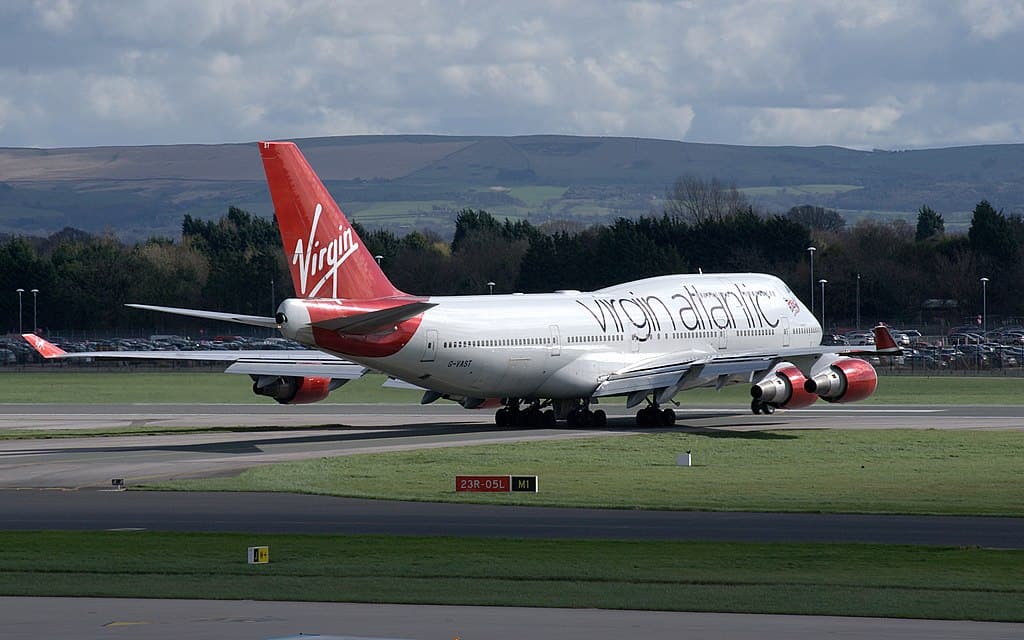
In 2026, eco-conscious travel is no longer a niche choice, it’s becoming the standard for smart, responsible flyers. As climate awareness grows, more travelers are seeking ways to reduce their carbon footprint without compromising comfort or budget. Airlines around the world are responding by investing in sustainable aviation fuel (SAF), carbon-offset programs, and fuel-efficient fleets, while offering competitive fares and attractive promotions. From short-haul domestic flights to long-haul international journeys, these carriers are making it possible to travel greener and smarter, proving that eco-friendly choices can also be economical and enjoyable.
1. Delta Air Lines (USA)
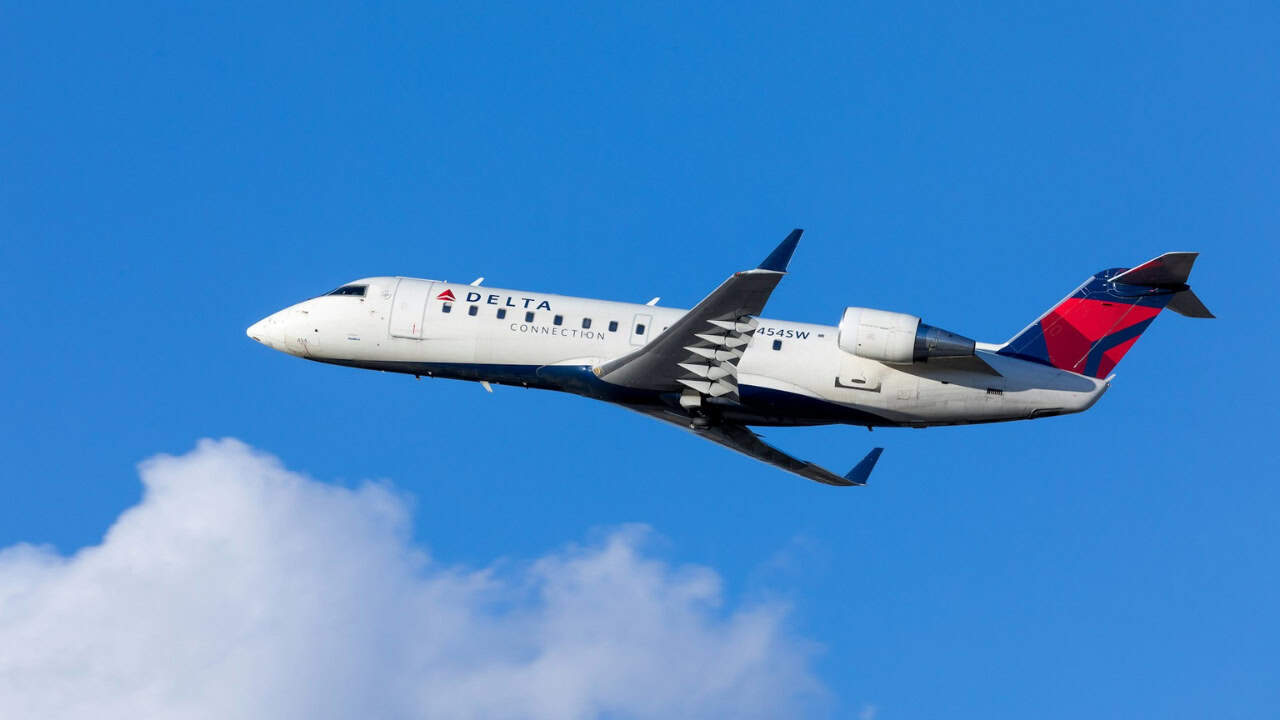
Delta has committed over $2 billion toward carbon reduction initiatives and fleet modernization, introducing fuel-efficient Airbus A321neos on domestic and short-haul international routes. Their carbon offset program allows passengers to neutralize emissions for as little as $5–$10 per flight segment, and eliminating single-use plastics from 90% of flights sets them apart. With seasonal deals often dropping up to 25% off domestic fares, Delta balances affordability with meaningful sustainability, making it ideal for eco-conscious travelers from the U.S. and nearby international hubs.
2. United Airlines (USA)

United is leading the U.S. market with a net-zero emissions goal by 2050, investing heavily in SAF and biofuel research. In 2026, over 8 million gallons of SAF are expected to power transcontinental flights, reducing carbon output by roughly 50,000 tons annually. Their MileagePlus program rewards eco-conscious flyers, and flash sales frequently cut fares by 20–30% on cross-country routes. Combining cost-saving offers with active environmental programs, United allows travelers to minimize their footprint while enjoying modern comforts and competitive pricing.
3. KLM Royal Dutch Airlines (Netherlands)
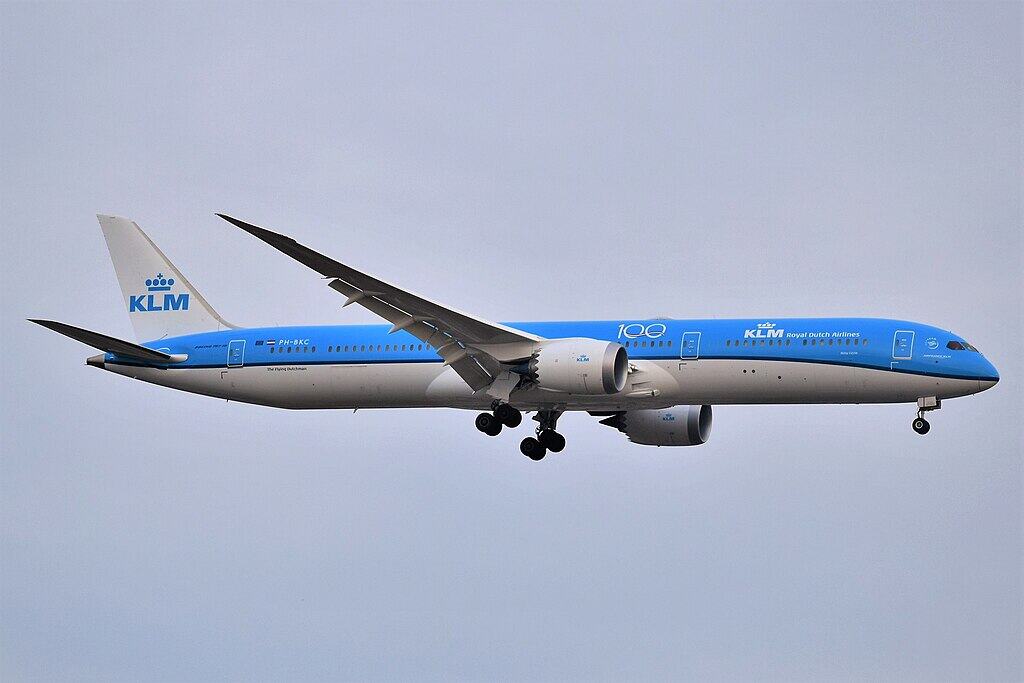
KLM’s Fly Responsibly program is among the world’s oldest sustainability initiatives, offering passengers SAF-powered flights and carbon-offset choices. The airline expects 30% of short-haul European flights to include SAF in 2026, reducing CO₂ by approximately 60,000 tons. Regular promotions from Amsterdam to destinations across Europe and Asia often slash fares by 15–35%, allowing travelers to combine eco-conscious decisions with savings. KLM also encourages digital boarding passes and onboard recycling, creating a consistently greener journey for passengers.
4. JetBlue Airways (USA)

JetBlue has achieved carbon neutrality on over 50% of domestic flights, with plans to expand SAF usage across the entire fleet by 2026. Their partnership with key fuel suppliers supports the production of over 5 million gallons of SAF annually, offsetting around 25,000 tons of CO₂. Known for frequent discount offers up to 30% off, JetBlue also integrates eco-friendly amenities such as biodegradable service items and LED cabin lighting. This approach makes flying with JetBlue both affordable and environmentally responsible for travelers across the U.S. and Caribbean.
5. Lufthansa Group (Germany & Europe)
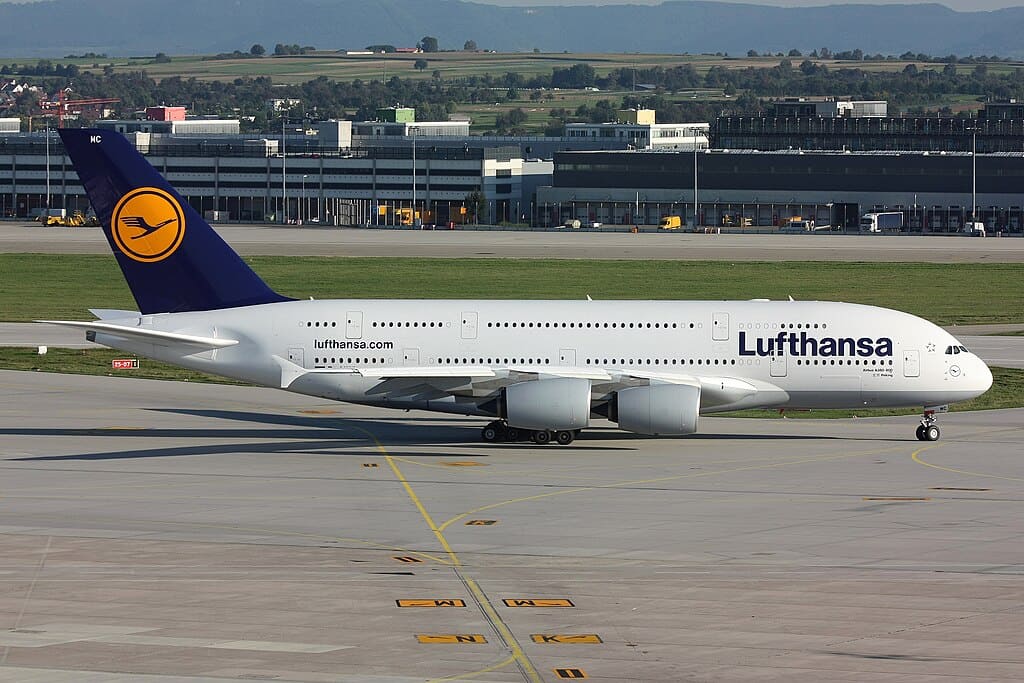
Lufthansa’s Green Fares give passengers the option to contribute to SAF usage and carbon-offset initiatives, impacting over 40,000 flights annually. The program aims to save around 120,000 tons of CO₂ in 2026 alone. Covering Lufthansa, Swiss, and Austrian Airlines, these fares often include perks such as free seat upgrades and baggage allowances, enhancing value while promoting sustainability. Early-bird deals and flexible ticket options can save travelers up to 20%on intercontinental routes, combining cost efficiency with conscious choices.
6. Virgin Atlantic (UK)
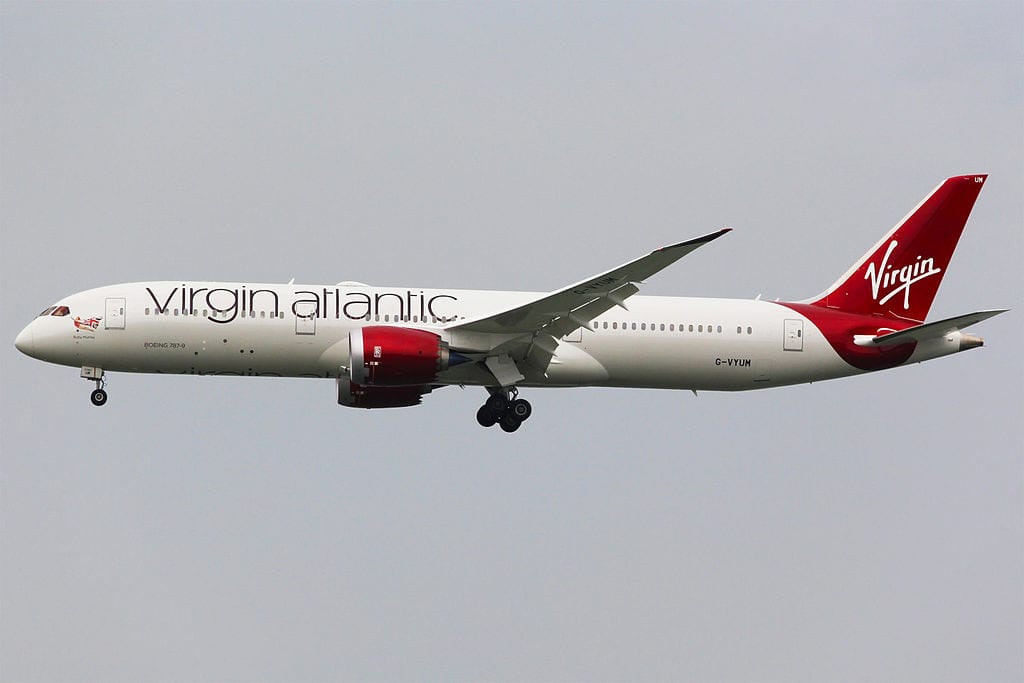
Virgin Atlantic blends innovation and sustainability, planning to operate 20% of long-haul flights with SAF in 2026. The airline’s carbon-reduction efforts target an annual reduction of 90,000 tons of CO₂, complemented by onboard recycling programs and efficient fleet utilization. Frequent sales, particularly on transatlantic routes, can offer discounts of up to 35%, making eco-friendly travel more attainable. Travelers enjoy a balance of comfort, style, and sustainability, making Virgin Atlantic a top choice for those seeking greener skies without sacrificing luxury.
7. Air New Zealand (New Zealand)
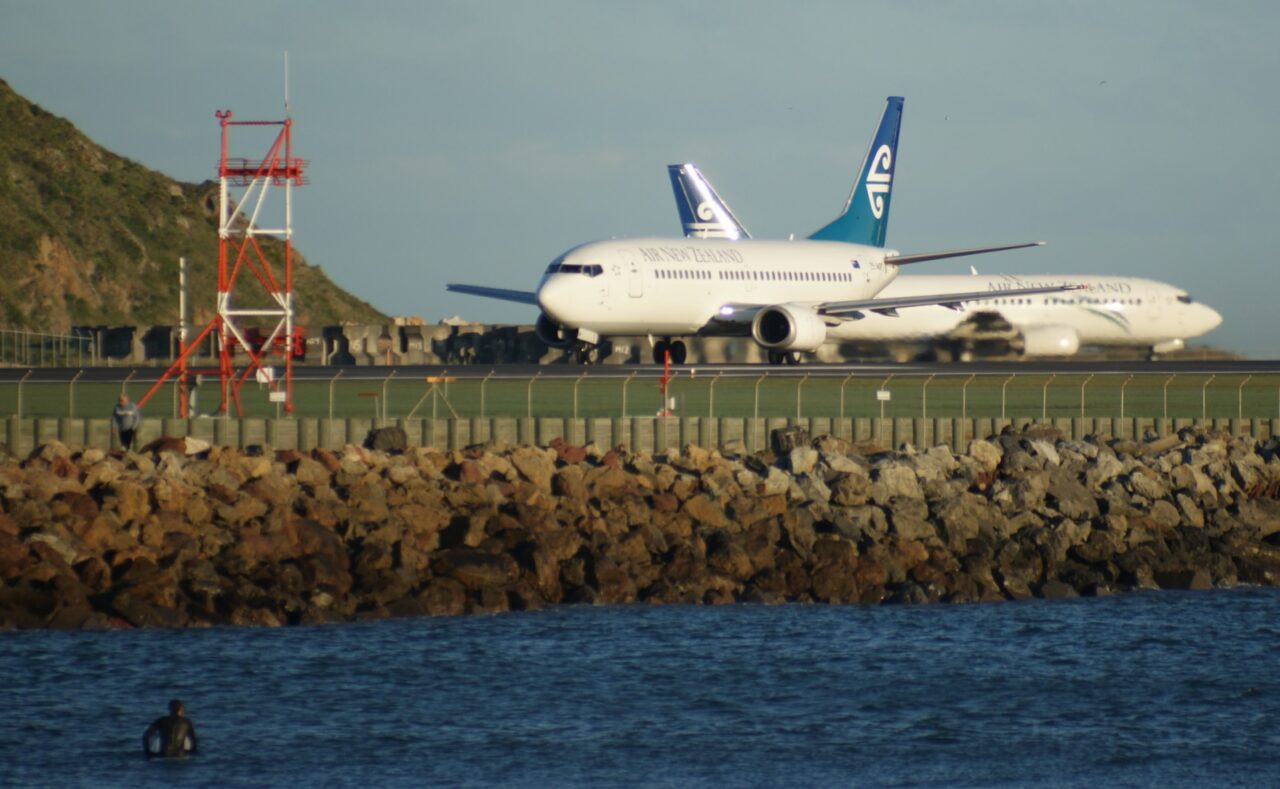
Air New Zealand positions sustainability at the core of operations, aiming to cut flight emissions by 30% by 2030, with SAF replacing over 3 million liters of conventional jet fuel in 2026. Their initiatives include in-flight recycling, efficient flight paths, and eco-certification for certain flights. Seasonal deals often reduce fares by 15–25%, particularly on routes to Australia and Asia. This combination of affordable pricing and genuine environmental responsibility makes Air New Zealand an attractive choice for travelers looking to explore the Pacific while reducing their carbon footprint.
8. Cathay Pacific (Hong Kong)

Cathay Pacific has adopted a multi-pronged sustainability strategy, integrating SAF, onboard recycling, and efficient route planning. In 2026, the airline expects to reduce over 80,000 tons of CO₂ through SAF-powered flights and carbon offsetting. Cathay Pacific offers promotions with savings up to 30% on Asia-Pacific routes, particularly for early bookings. Passengers also benefit from eco-friendly cabin enhancements such as lightweight materials and LED lighting, making each flight a step toward greener travel without compromising service or comfort.
9. Emirates (UAE)
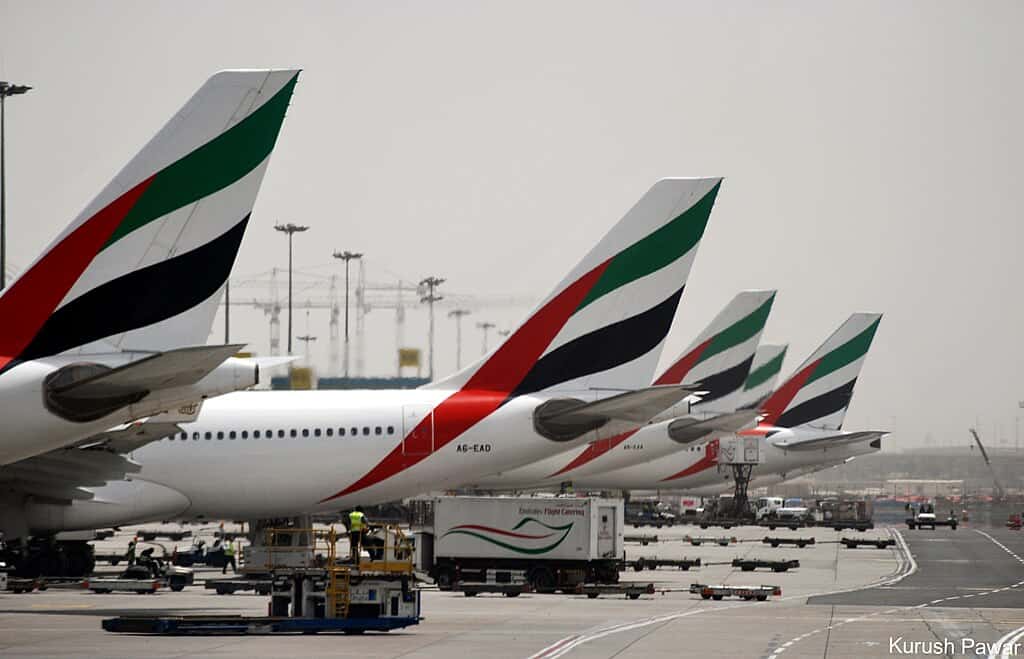
Emirates has begun integrating SAF blends on key long-haul routes, targeting a reduction of 60,000 tons of CO₂ emissions annually by 2026. Their ongoing fleet modernization enhances fuel efficiency by up to 20% per aircraft, while promotional fares frequently reduce ticket costs by 25–40% on Middle East to Europe and Asia routes. Passengers can participate in voluntary carbon offset programs at minimal cost, blending luxury and sustainability seamlessly. Emirates exemplifies how high-end service can coexist with eco-conscious choices for global travelers.
10. Cebu Pacific (Philippines)
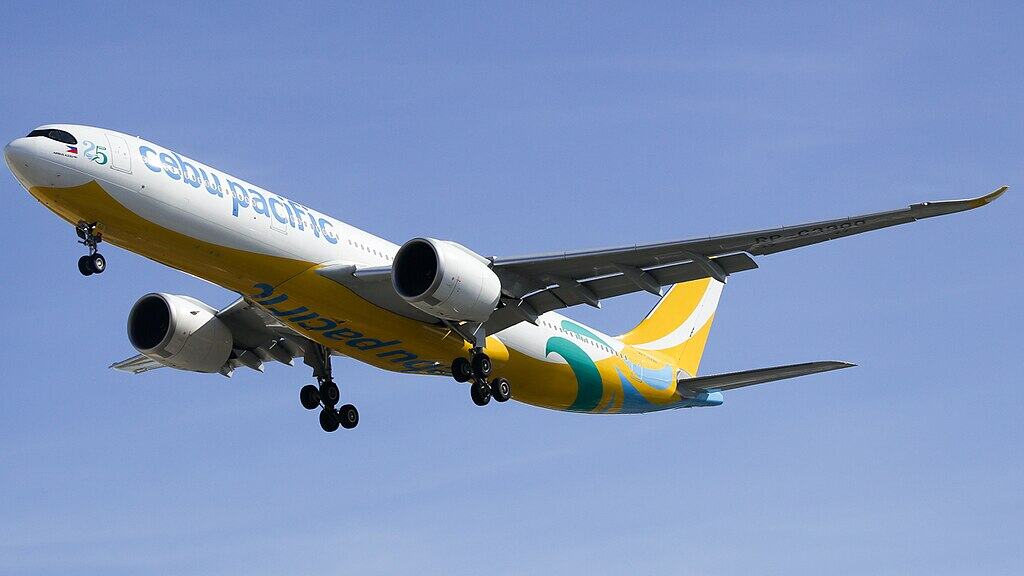
Cebu Pacific is pioneering affordable sustainable travel in Asia, targeting fuel efficiency improvements of 18% across its fleet in 2026. By investing in SAF and modern aircraft, it aims to cut over 35,000 tons of CO₂ annually. Known for aggressive low-cost promotions, fares can be discounted by up to 50% during flash sales, making eco-friendly travel accessible to a broader audience. With initiatives like onboard recycling and digital ticketing, Cebu Pacific demonstrates that sustainability and budget-conscious travel can coexist effectively in the Asia-Pacific market.